
Key takeaways
- Radishes are ready in about 4-6 weeks, so they're perfect if you're impatient
- Sow a short row every 2-3 weeks from March to September
- Thin to 2.5cm apart and pull them young, before they go woody
- French Breakfast and Cherry Belle are easy summer favourites
- Sow winter radishes like Mooli in July or August for roots that keep for months
- Pop radishes between slower crops such as carrots and parsnips
Radishes are the fastest vegetable you can grow. Sow them today and you could be crunching them in four to six weeks. A packet of seed costs very little and keeps you going all season.
Our cool, damp weather suits radishes nicely. They grow best in spring and autumn, and only sulk in hot summer spells, when they run to flower and taste bitter. Get the timing right and you can pick them from April to November. They’ll grow happily in a vegetable garden, in raised beds, or in a window box on a balcony.
What are the best radish varieties for UK gardens?
Radishes come in two groups. Summer radishes are small and quick. Winter radishes are big, slower and keep for months.
Summer varieties
French Breakfast is the classic. Long red-and-white roots with a mild, peppery taste, ready in about 4-5 weeks.
Cherry Belle gives round, bright red radishes with crisp white flesh. It’s one of the quickest, and milder than French Breakfast, so it’s a hit with children.
Scarlet Globe is like Cherry Belle but a little bigger. It stays crisp in the ground for a few extra days, which helps if you’re busy.
Sparkler is red on top and white at the tip. Mild and crunchy, and very pretty in a salad.
Winter varieties
Mooli (Daikon) grows long, white roots that can reach 30cm. Sow in July or August. It’s mild and juicy, great grated, pickled or in a stir-fry.
Black Spanish Round has rough black skin and firm white flesh with a strong, peppery bite. Sow in July or August and pick in October or November.
Summer vs winter radish comparison
| Summer radishes | Winter radishes | |
|---|---|---|
| Examples | French Breakfast, Cherry Belle, Sparkler | Mooli, Black Spanish Round, China Rose |
| Size | Small | Large |
| Sow | March to September | July to August |
| Ready in | 4-6 weeks | About 2-3 months |
| Taste | Mild to peppery | Peppery to hot |
| Keeps | A few days | Several months |
| Soil depth | 15cm | 25-30cm |
| Best for | Salads and snacking | Pickling, grating, cooking |
Tip: Grow both. Summer radishes keep you going from spring to early autumn, and winter ones take over after that.
When and how to sow radishes
Sow radishes straight where they’re going to grow. They don’t like being moved. Our guide to sowing seeds indoors covers other crops, but radishes always go straight into the ground or a pot.
Sowing method
- Rake the soil fine and crumbly, and pick out big stones
- Make a shallow drill about 1cm deep
- Water the drill if the soil is dry
- Sow seeds thinly, about 2.5cm apart
- Cover with soil and firm gently
- Space rows 15cm apart for summer radishes, 25-30cm for winter ones
Seedlings pop up within a week, often faster in warm weather. That’s why they make handy row markers for slow carrots and parsnips.
Thinning
When seedlings are about 2cm tall, thin summer radishes to 2.5cm apart. Winter types need more room. Thin Mooli to 15cm and Black Spanish Round to 10cm.
It feels harsh, but crowded radishes give you leaves and no roots. Toss the thinnings into a salad.
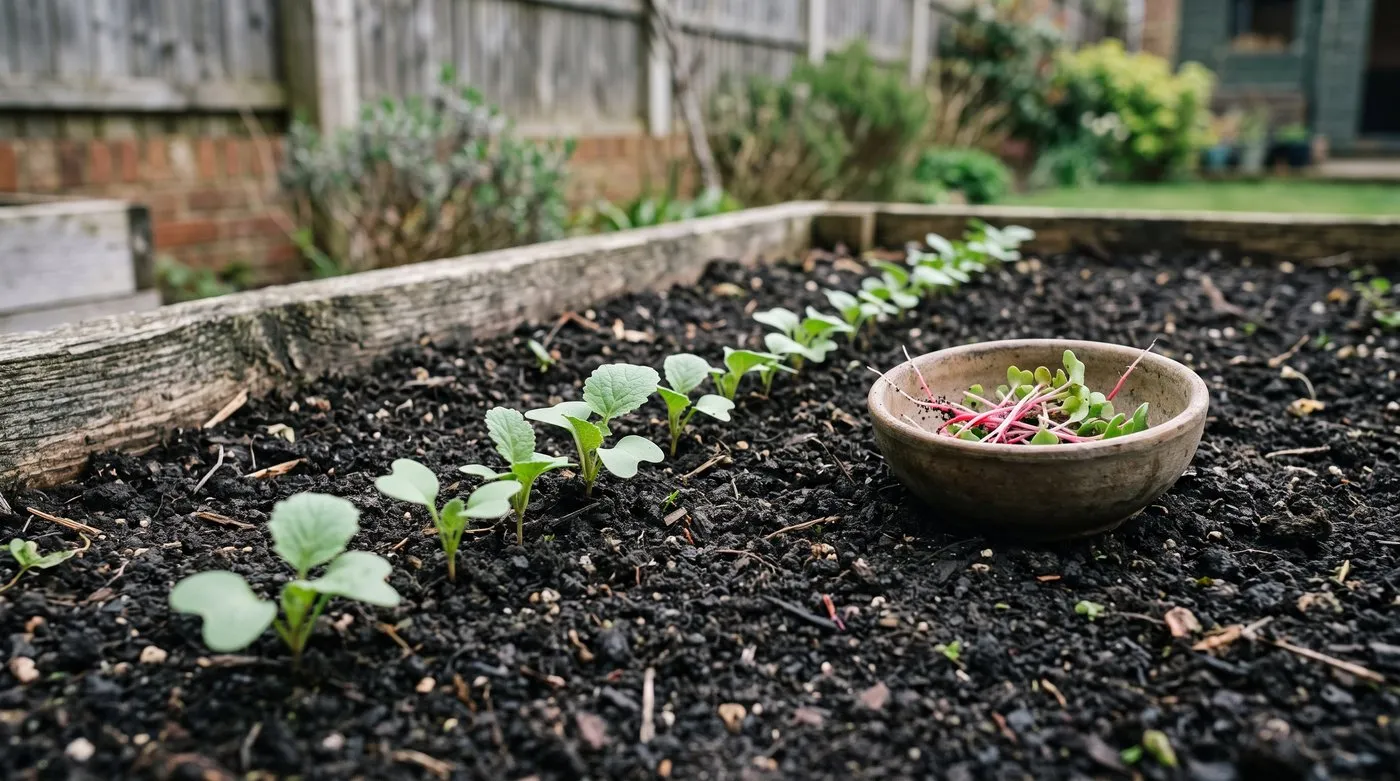
Thin summer radishes to about 2.5cm apart when they’re 2cm tall. Crowded plants give you leaves and no roots, and the thinnings are lovely in a salad.
Succession sowing for a continuous harvest
Sow little and often. One big sowing all comes ready in the same week, and radishes go woody fast if you leave them.
Sow a short row every 2-3 weeks from March to September. A 1m row gives plenty for most households.
Succession sowing schedule
| Sow | Variety | Pick |
|---|---|---|
| Early March (under cloches) | French Breakfast, Cherry Belle | Late April |
| Late March | Scarlet Globe, Sparkler | Early May |
| Mid-April | French Breakfast, Cherry Belle | Late May |
| Early May | Any summer variety | Mid-June |
| Late May | Any summer variety | Early July |
| Mid-June | Cherry Belle, Sparkler | Late July |
| Early July (winter radish) | Mooli, Black Spanish Round | September to October |
| Mid-July | French Breakfast, Cherry Belle | Late August |
| Late July (winter radish) | Mooli, Black Spanish Round | October to November |
| Mid-August | Cherry Belle, Scarlet Globe | Late September |
| Early September | French Breakfast (under cloches) | Mid-October |
To see how radishes fit with everything else, check our UK vegetable planting calendar.
Avoiding the midsummer gap
Radishes don’t like heat. In a hot spell they flower instead of making roots, and taste bitter.
For summer sowings, pick a spot in light shade, such as beside runner beans or sweetcorn. Water regularly in dry weather. A layer of compost along the row keeps the soil cool and moist.
Growing radishes between other crops
Radishes are brilliant gap fillers. They’re sown, grown and eaten before slower crops need the room.
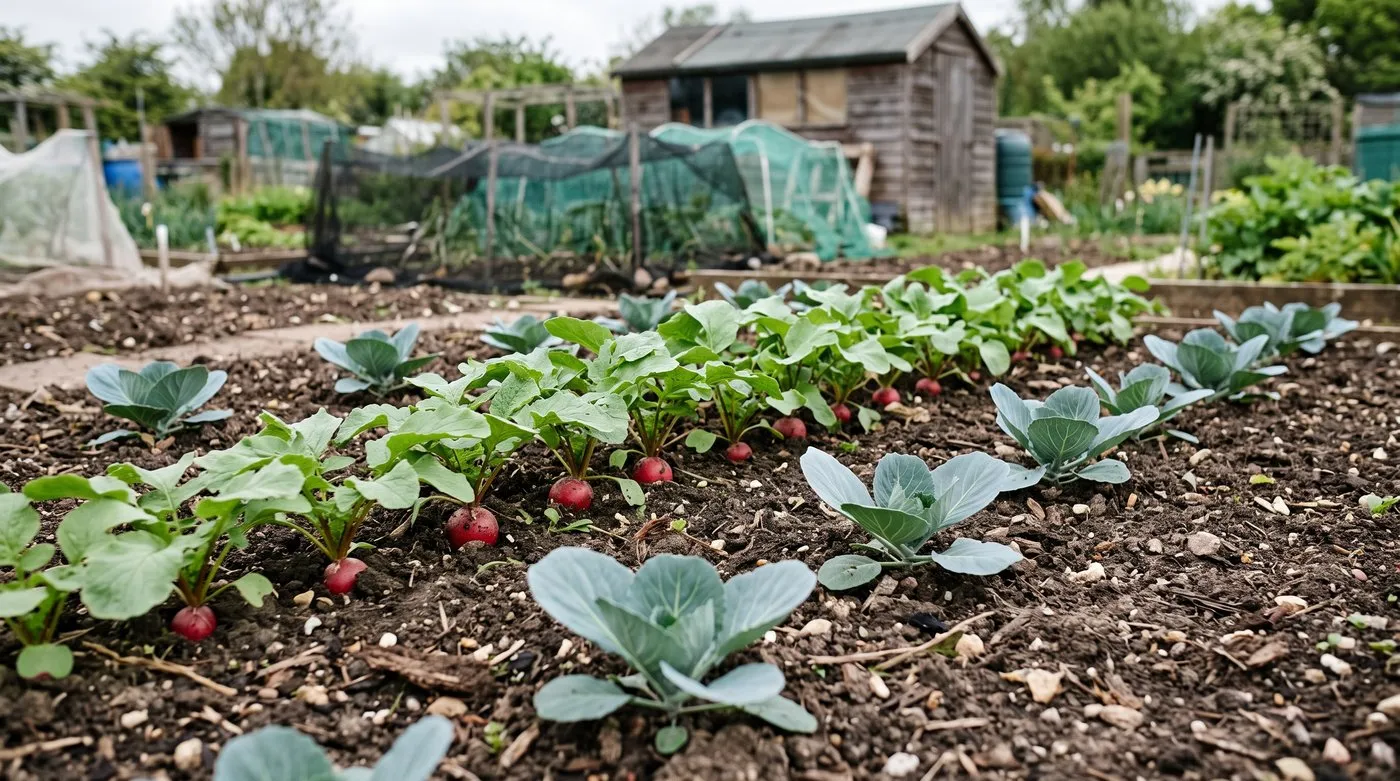
Radishes fill the bare soil between young cabbages and are pulled long before the cabbages need the room. Keep them about 10cm from the main crop.
Best intercropping combinations
With carrots and parsnips. Sow a few radish seeds in the same row. They come up fast and show you where the row is, so you can hoe safely. Pull them within a month.
Between cabbages and broccoli. Young plants leave bare soil for weeks. Fill it with radishes.
Between onions and leeks. Both grow slowly, so there’s room for a quick row in between.
With lettuce. They like the same conditions. Alternate rows and pick the radishes first.
A few simple rules
Keep radishes about 10cm from the main crop. Don’t let their leaves shade small seedlings. Pull them as soon as they’re ready.
Growing radishes in containers
Radishes are about as easy as pot crops get. Summer types need just 15cm of compost. A window box, a trough or an old bowl with drainage holes all work.
Container setup
Fill with multipurpose compost and firm it lightly. Sow seeds 2.5cm apart, cover with 1cm of compost and water gently.
Container care
Water every day in warm weather. Pots dry out fast, and dry radishes go woody and hollow. You won’t need to feed, as fresh compost is plenty for one crop.
Sow again every 2-3 weeks. When a batch is done, top up the compost and start again.
Balcony and patio growing
Radishes like plenty of sun. A south or west-facing balcony is ideal, and east-facing is fine in spring and summer. On a shady north-facing balcony you’ll get mostly leaves.
For a windowsill, compact Cherry Belle or Sparkler are the tidiest.
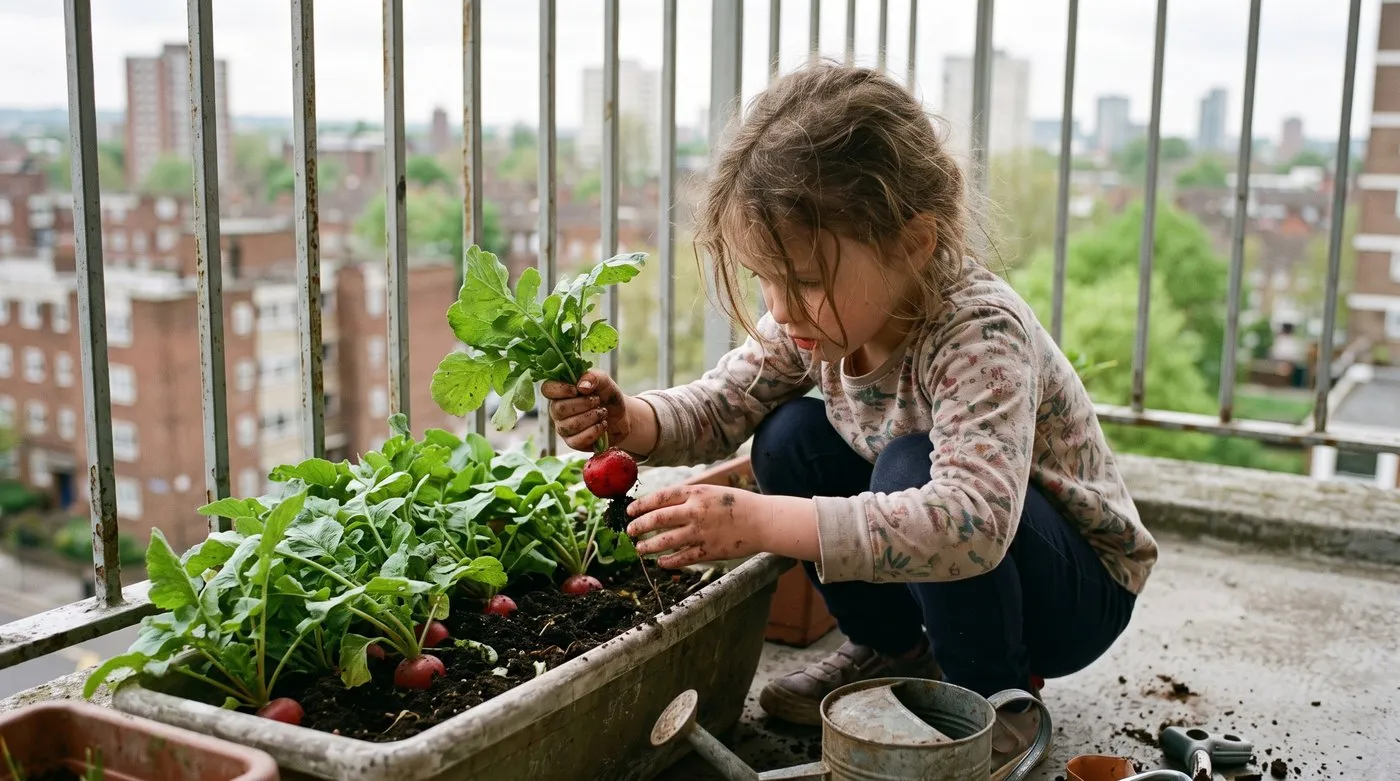
A sunny balcony is all radishes need, and they’re quick enough to keep children interested. Water the trough every day in warm weather so they stay crisp.
Flea beetle prevention
Flea beetles are the most common radish pest. These tiny black beetles jump when disturbed and pepper the leaves with small round holes. Older plants cope fine, but a bad attack can finish off young seedlings.
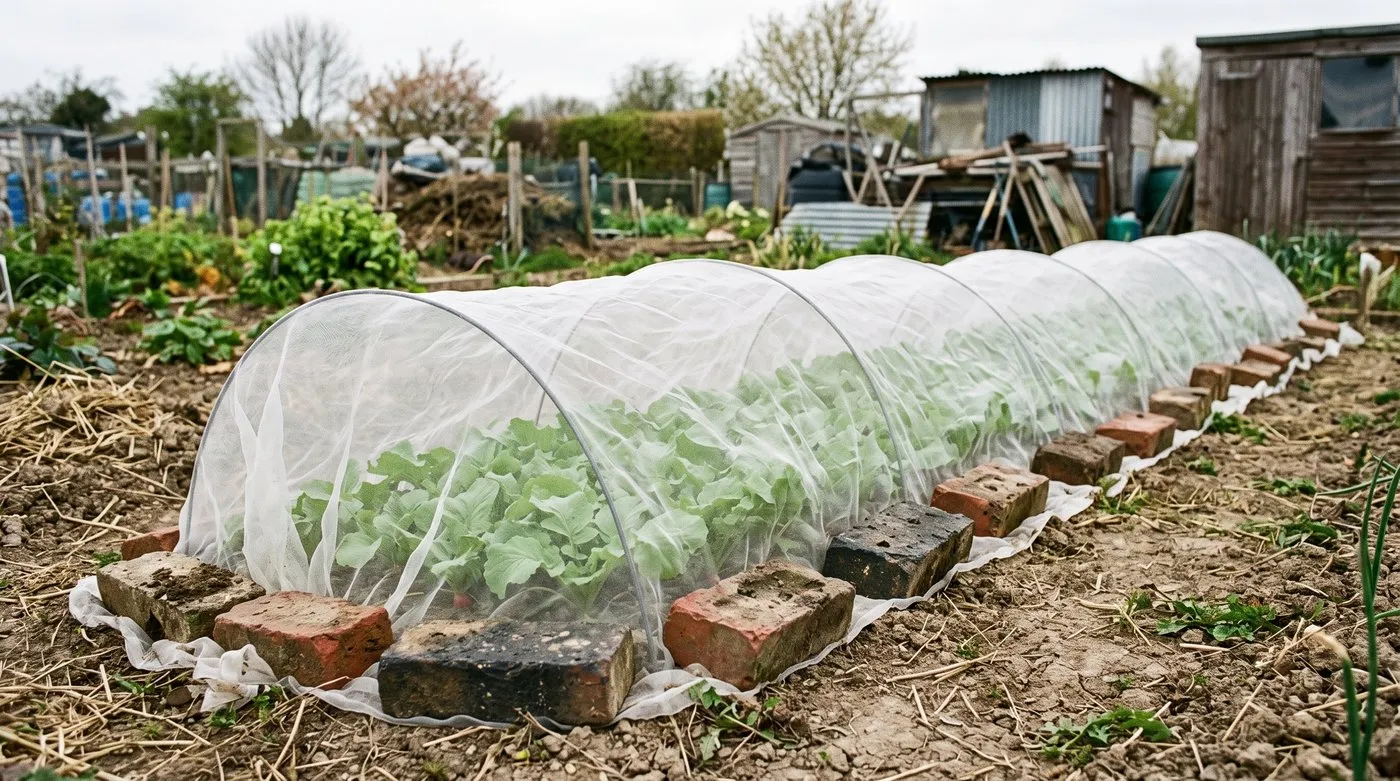
Fine mesh laid over straight after sowing keeps flea beetles off. Leave it on until you pick and keep the soil moist underneath.
How flea beetle attacks
They spend winter in soil and old plant debris, and wake up in warm spring weather. They eat all the cabbage family, including rocket, turnips and pak choi. Hot, dry weather makes things worse.
Prevention methods
Cover the row. Fine insect mesh or fleece, laid loosely straight after sowing, is the best defence. Leave it on until you pick.
Keep the soil moist. Flea beetles like it dry. Well-watered seedlings grow away from the damage.
Tidy up. Clear old crops and weeds where the beetles shelter over winter.
Mulch. A mulch keeps the soil surface cool and damp, which they don’t like.
Winter radishes: the overlooked crop
Winter radishes are well worth a try. They grow big, take a bit longer, and keep for months.
Mooli (Daikon)
Sow in July or early August in soil at least 25cm deep. Sown earlier, it tends to flower before making a root. Space seeds 15cm apart in rows 30cm apart.
Pick from October. The long white roots are mild and juicy. Grate them into salads, pickle them, or add them to soups and stir-fries. Store somewhere cool and frost-free, wrapped in newspaper or in damp sand.
Black Spanish Round
An old variety with round, black-skinned roots and a strong, peppery taste. Sow in late July or August and pick from October. It keeps for months in a box of damp sand somewhere cool. Try it grated, or sliced thinly on bread and butter.
China Rose
Pink skin, white flesh and a medium heat. It’s a bit quicker than true winter types. Sow from July to early September.
Month-by-month radish growing calendar
| Month | What to do |
|---|---|
| February | Order seed and plan where radishes will fit |
| March | First sowings under cloches or fleece |
| April | Sow a row every 2-3 weeks |
| May | Keep sowing. Pick your first radishes. Thin seedlings to 2.5cm |
| June | Sow in light shade if it’s hot. Water regularly. Watch for flea beetle |
| July | Sow winter radishes. Keep sowing summer ones |
| August | Last winter radish sowings. Pick summer radishes often |
| September | Last summer sowings under cloches. Thin winter radishes |
| October | Pick winter radishes and store in damp sand |
| November | Lift any winter radishes left before hard frosts |
Harvesting and storing radishes
Summer radishes
Pull them when they’re about 2-3cm across, usually 4-6 weeks after sowing. Check daily once the tops show above the soil.
Don’t wait. Summer radishes stay perfect for only about a week, then go hollow and bitter. Hot weather speeds this up.
Pull one and cut it in half. Solid white flesh means the row is ready. Eat within a few days, or keep them in the fridge for up to a week.
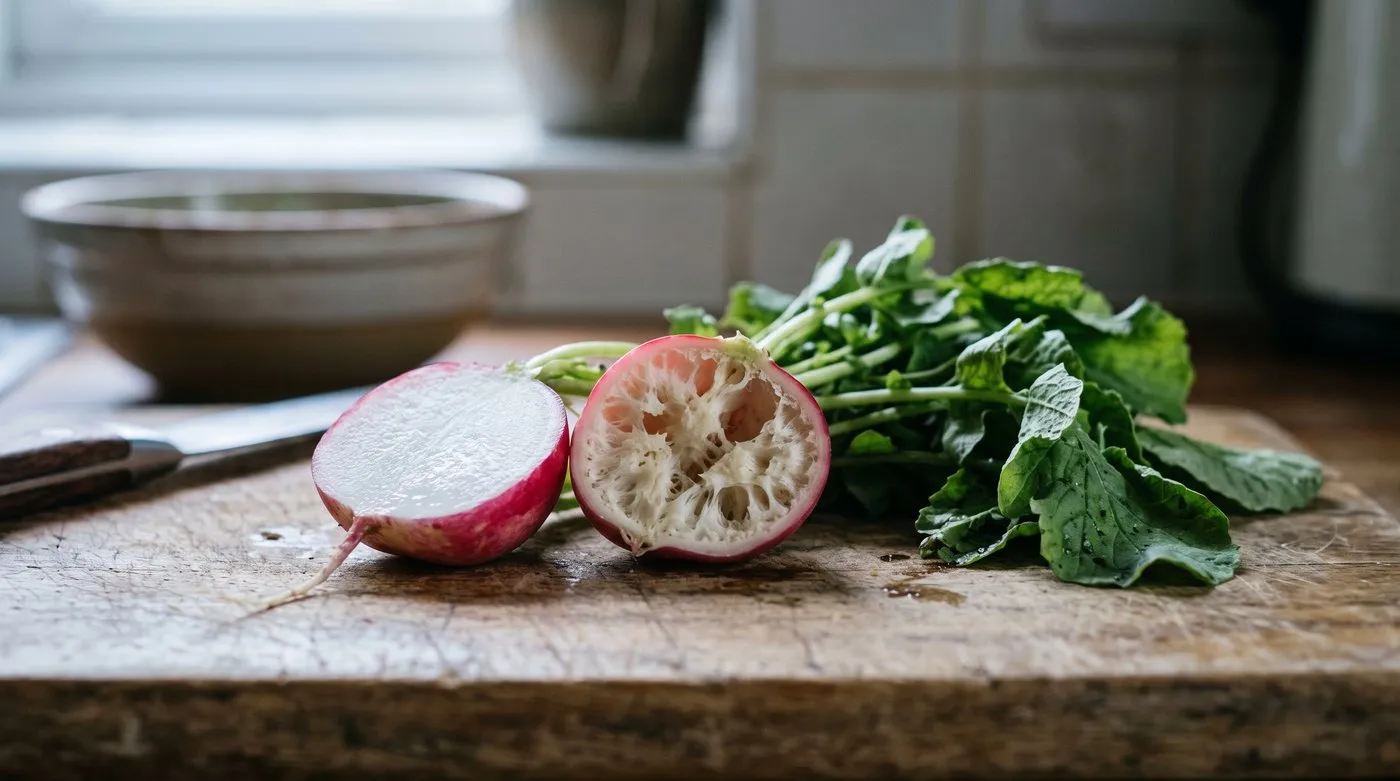
Cut one in half to check the row. Solid white flesh means pick them all now, as they go hollow and bitter within a week.
Winter radishes
These are much more forgiving. Lift them from October once they’re full size.
Twist off the leaves and brush off the soil, but don’t wash them. Store in boxes of damp sand somewhere cool and frost-free, like a garage or shed. They’ll keep for a few months.
Five common mistakes when growing radishes
1. Sowing everything at once. You can’t eat 40 radishes in a week. Sow small rows every 2-3 weeks.
2. Not thinning. Crowded radishes make leaves, not roots. Thin to 2.5cm apart.
3. Leaving them too long. They go from perfect to pithy in under a week. Pull them promptly.
4. Too much shade. Radishes need sun to make good roots. Light shade only helps in a midsummer heatwave.
5. Sowing winter radishes too early. Before July, they tend to flower instead of making roots. Wait until mid to late July.
How to use radishes in the kitchen
There’s more to radishes than a salad garnish.
Raw. Slice or quarter them into salads. French Breakfast and Cherry Belle stay crunchy and peppery.
With butter. Spread sliced radishes with salted butter and add a pinch of flaky salt. A classic French spring snack.
Roasted. Halve them and roast at 200C for 15-20 minutes with oil and salt. They turn mellow and sweet.
Quick-pickled. Soak thin slices in rice vinegar, sugar and salt for 30 minutes. They turn pink and add crunch to sandwiches and tacos.
The leaves. Young leaves are peppery in salads. Older ones can be wilted like spinach or blitzed into pesto.
Good soil makes all your quick crops better, so it’s worth making your own compost. The RHS radish growing guide has more variety ideas too.
Once you’ve got radishes going, our UK vegetable planting calendar shows how they fit in with all your other crops.
Frequently asked questions
When should I sow radishes in the UK?
Sow outdoors from March to September. Cover March sowings with a cloche or fleece to warm the soil. Then sow a short row every 2-3 weeks. Winter radishes go in during July and August only.
Why are my radishes all leaf and no root?
Usually too much shade, too little space or too rich a soil. Radishes want a sunny spot. Thin seedlings to 2.5cm apart, and avoid freshly manured ground.
How do I stop flea beetle on radishes?
Cover the row with fine mesh or fleece straight after sowing. Flea beetles make tiny round holes in the leaves. They love dry weather, so keep the soil moist. Strong seedlings soon grow past a few holes.
Can I grow radishes in pots?
Yes, and they’re one of the easiest pot crops. Any pot or trough at least 15cm deep works. Fill it with multipurpose compost, sow seeds 2.5cm apart and keep it watered.
Why do my radishes taste woody or pithy?
They’ve been left in the ground too long. Summer radishes are only at their best for about a week. Start checking once the tops show and pull them promptly. Dry soil makes it worse, so water regularly.
What is the difference between summer and winter radishes?
Summer radishes are small, quick and eaten fresh. They’re ready in 4-6 weeks and don’t keep. Winter radishes like Mooli and Black Spanish Round are sown in July or August. They grow much bigger and keep for months in damp sand.
Can I grow radishes between other crops?
Yes, they’re perfect for filling gaps. Sow them between slow crops like carrots, parsnips or young cabbages. You’ll pull the radishes before the main crop needs the space.
Our team produces practical UK gardening guidance from source research, contributor records and established horticultural practice. Editorial standards are overseen by Matt W.


