Key takeaways
- A hedgehog highway is a 13cm by 13cm gap at the very bottom of a fence or wall
- Hedgehogs travel around a mile a night and need lots of linked gardens
- A jigsaw or handsaw cuts a panel fence or wooden gravel board in minutes
- Concrete gravel boards need an angle grinder, or swap in one with a ready-made gap
- Agree shared or neighbouring fences with the owner before you cut
- Mark both sides of the gap so nobody blocks it later
A hedgehog highway is a small gap, about 13cm by 13cm, at the bottom of a fence or wall. It lets hedgehogs pass from garden to garden. They travel around a mile a night looking for food and mates, but they can’t climb a fence. One gap takes minutes to make and opens up a much bigger patch for them to forage.
Here’s how to make one in a panel fence, a gravel board or a wall, and how to get the whole street linked up.
Why hedgehogs need gaps in fences
Hedgehogs roam widely at night, snuffling for beetles, caterpillars and worms. One garden is never enough. A male in the breeding season may cover many gardens in a single night.
Solid modern fences, especially those with concrete gravel boards along the bottom, seal gardens off completely. Without a way through, hedgehogs end up wandering along roads to get around.
A native hedge is the ideal boundary, as hedgehogs simply push through the bottom. If you’re planning a new boundary, the native hedgerow species guide helps you choose a mix.
How big should a hedgehog highway be?
Make the gap 13cm wide by 13cm tall, right at ground level. A CD case makes a handy template. There should be no lip or step at the bottom.
That size lets adult hedgehogs through comfortably but keeps out most dogs. Cats and very small dogs may fit through.
| Barrier | What to do | Tools |
|---|---|---|
| Panel fence | Cut a 13cm square at the bottom | Jigsaw or handsaw |
| Close-board fence | Cut through the bottom of the boards | Jigsaw or handsaw |
| Wooden gravel board | Cut a 13cm notch | Jigsaw or handsaw |
| Concrete gravel board | Cut a notch, or fit a board with a gap | Angle grinder with stone disc |
| Brick or stone wall | Get a builder to make a gap safely | Builder’s advice |
| Chain-link fence | Lift or cut a small opening at the bottom | Wire cutters |
How to cut a hole in a panel fence
Panel fences are the easiest to cut, as the boards are thin.
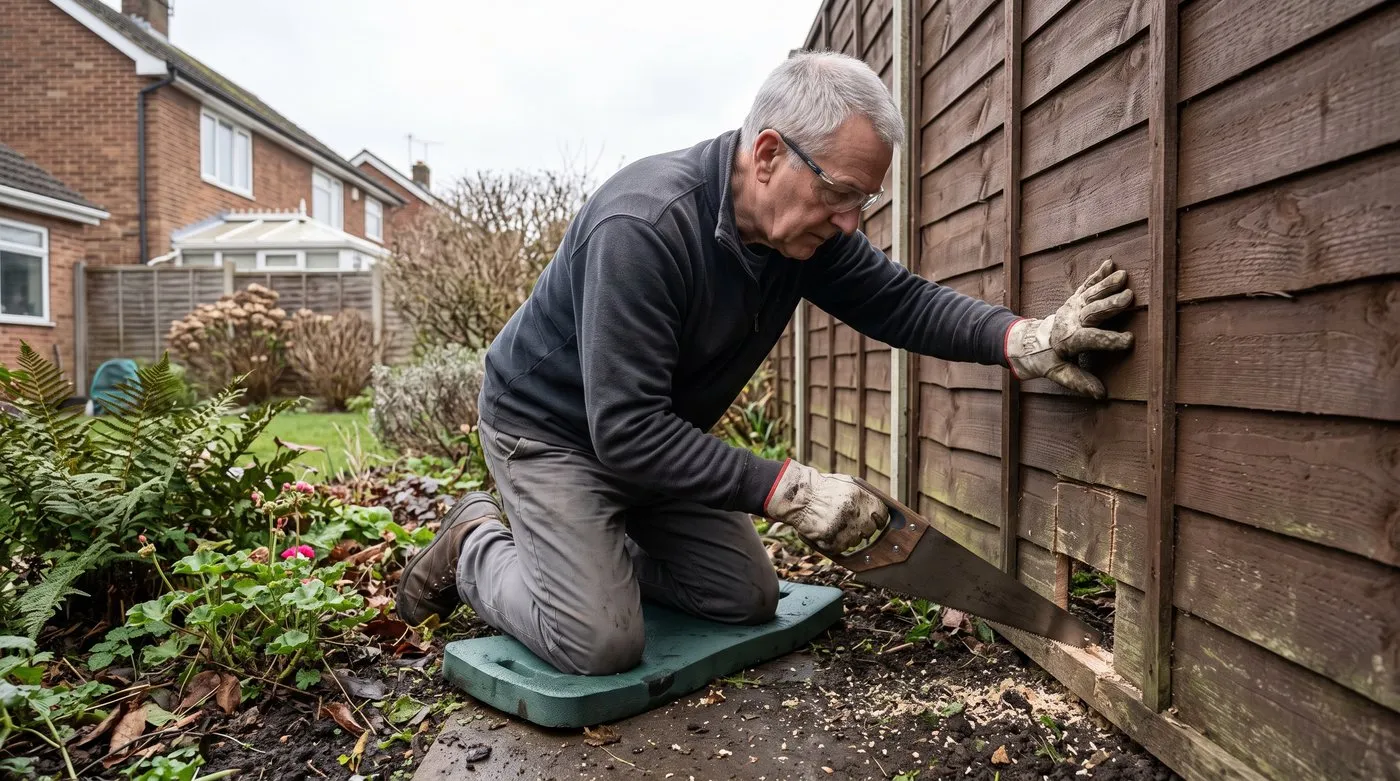
Cut the gap right down to the soil, next to a border where hedgehogs already like to walk.
- Mark a 13cm square at the bottom of the panel, tight against the ground. Choose a spot next to a border or hedge rather than open lawn, as hedgehogs like to travel along edges.
- Cut it out. With a jigsaw, drill a starter hole inside the square first. A handsaw works too.
- Cut through any bottom rail so the gap goes right down to the ground.
- Sand the edges smooth so nothing scratches the hedgehog as it pushes through.
If your fence sits on a wooden gravel board, cut the notch into that instead. It’s neater, and the board is cheaper to replace than a panel. The guide to fence repair and maintenance covers replacing gravel boards.
What to do about concrete gravel boards
Concrete gravel boards are the biggest barrier in newer housing. You have three options.
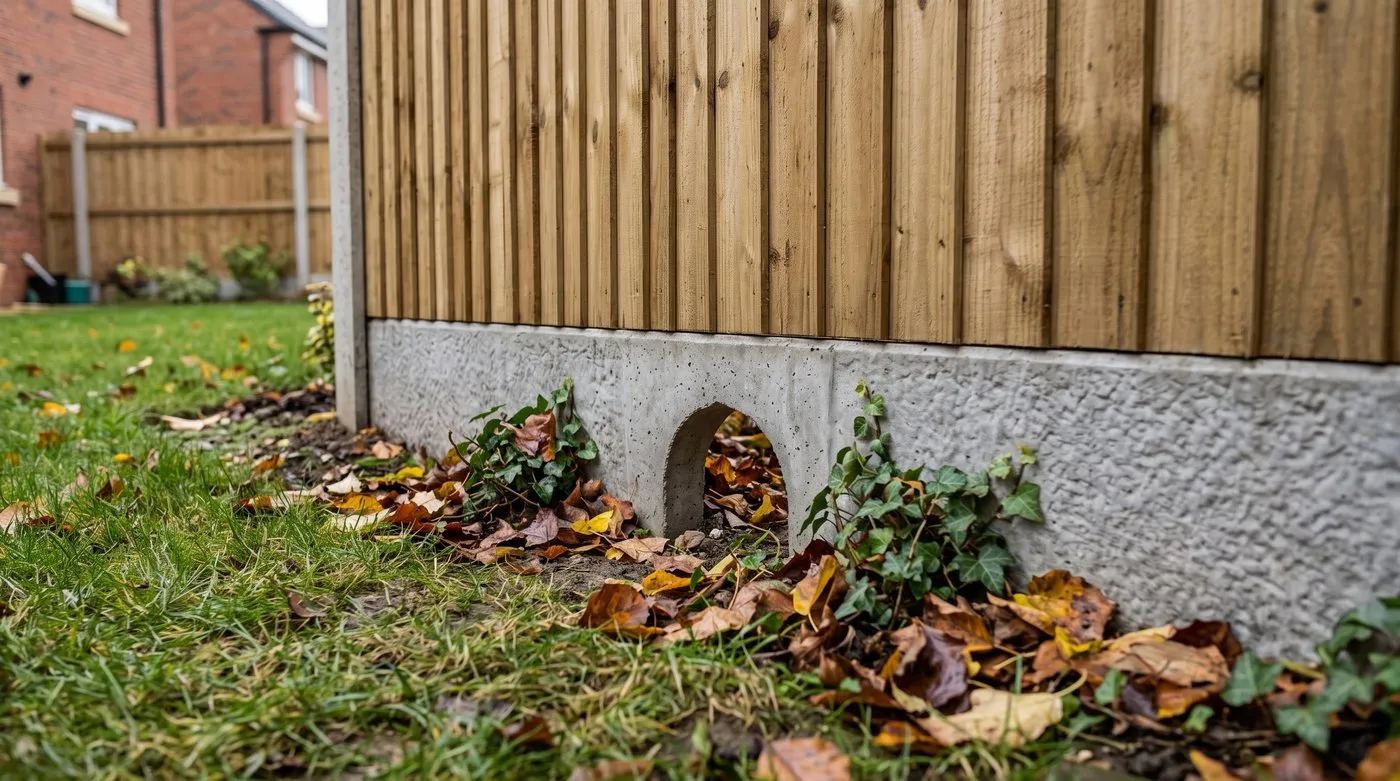
Gravel boards with a hedgehog gap built in are the easiest fix for concrete. Fit one next time a panel needs replacing.
- Swap in a hedgehog board. Some fencing suppliers sell concrete gravel boards with a hedgehog-sized gap already in them. Fit one next time you replace a panel.
- Cut a notch. Use an angle grinder with a disc made for stone. Wear goggles, ear defenders and a dust mask, as the dust is harmful to breathe. Score deeply on both sides, then tap the piece out with a bolster chisel.
- Lift the board. If the board isn’t concreted in, dig out the soil under one end to make a 13cm gap.
Making a gap in a brick or stone wall
Walls need more care. Cutting into one can weaken it, especially a retaining wall that holds back soil. Ask a builder to make a 13cm gap at ground level safely.
Old stone and brick walls often have natural gaps at the bottom already. Check along the whole length before you do any work. Mark any gaps you find so nobody fills them in by mistake.
Talking to your neighbours
A highway only works if the next garden links up too. Start with the neighbours either side. Explain what it’s for, and offer to do the work yourself.

A quick chat over the fence is usually all it takes. Most neighbours are glad to help hedgehogs.
People sometimes worry about security or pets getting through. A 13cm gap is far too small for a person and most dogs, and it’s hardly noticeable once a plant grows in front of it.
If the fence is shared or belongs to your neighbour, agree it with them before you cut. If you rent, check with your landlord. The Hedgehog Street campaign has free leaflets you can hand round, and you can log your highway on its map.
Marking your hedgehog highway
Put a small sign above each gap so future owners, gardeners and fencers know it’s there on purpose. Mark both sides of the fence, so your neighbour knows it’s intentional too.

A little sign tells everyone the gap is there on purpose, so it doesn’t get blocked when the fence is mended.
Making the gardens either side worth visiting
A gap is the first step. Hedgehogs also need food, water and safe places to sleep in the gardens they reach.
- Water: a shallow dish of fresh water, never milk
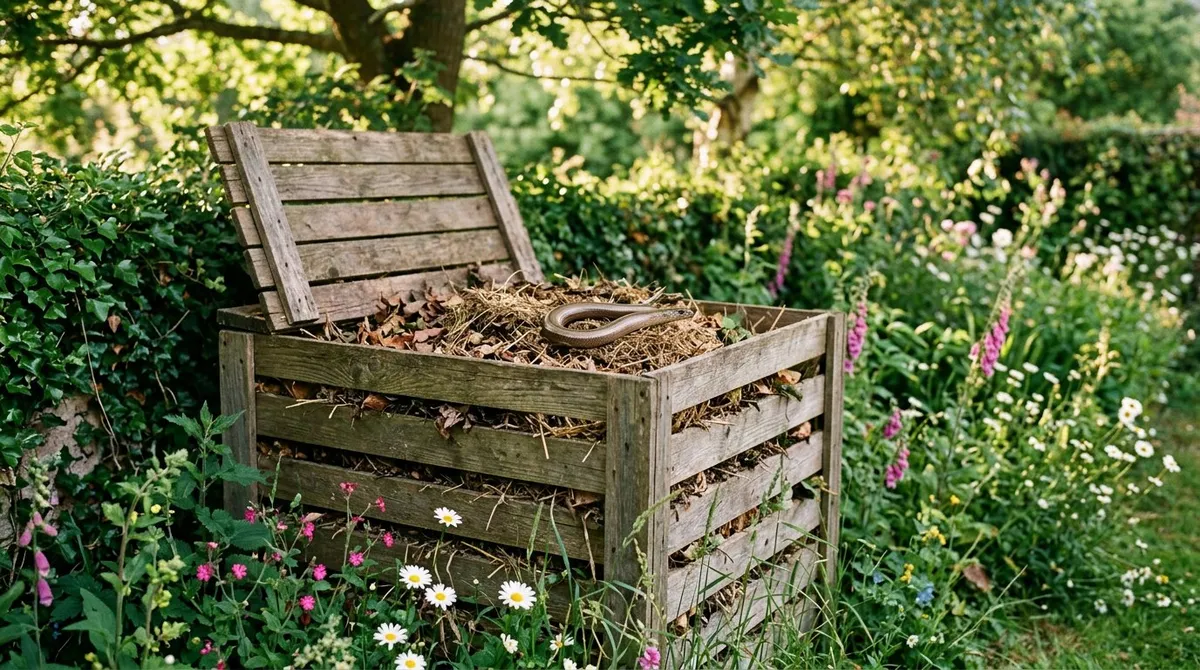
- Shelter: a log pile, a heap of leaves or a compost heap left undisturbed
- Safety: check long grass before strimming, and give any pond a sloping edge so they can climb out
The log pile guide and the guide to wildlife ponds have more on those.

Hedgehogs like to travel along edges, close to fences and borders. Put your gap where they already walk.
Hedgehog highway calendar
| Month | What to do |
|---|---|
| January to February | Plan your route and talk to neighbours |
| March | Cut gaps before hedgehogs wake from hibernation |
| April to May | Check gaps are clear; males roam widely in the breeding season |
| June to August | Busiest time; keep water dishes topped up |
| September to October | Hedgehogs feed up for winter; keep routes open |
| November to February | Leave hibernating hedgehogs alone; clear leaves from gaps |
Common mistakes with hedgehog highways
- Leaving a lip at the bottom. The gap must be at ground level, or hedgehogs may not use it.
- Making it too small. Anything much under 13cm can stop larger adults.
- Rough edges. Sand cut wood smooth so it can’t snag them.
- Cutting without asking. Agree shared fences first. A happy neighbour keeps the gap open.
- Putting it in the open. Hedgehogs prefer edges and cover, so cut the gap next to a border.
Frequently asked questions
How big should a hedgehog hole be?
About 13cm by 13cm, right at ground level. That’s roughly the size of a CD case. It’s big enough for an adult hedgehog but too small for most dogs. Sand the edges smooth so it can’t scratch them.
Will a hedgehog highway let rats into my garden?
It’s unlikely to make any difference. Rats climb fences and dig under them anyway, so a small gap doesn’t give them a new way in. Keeping bins closed and food off the ground matters far more.
Can I make a hedgehog highway in a brick wall?
Yes, but get advice before you start. Making a gap in a wall can weaken it, especially a retaining or garden boundary wall. Ask a builder to make a 13cm gap at ground level safely. Old stone walls often have natural gaps already.
Do I need my neighbour’s permission?
Yes, if the fence is shared or belongs to them. Most neighbours are happy to help once you explain. If you rent, check with your landlord too. If the fence is yours alone, you can cut the gap yourself.
How many hedgehog highways do I need?
Aim for one in each boundary you share with another garden. That links you to every neighbour. Start with the boundary where you’ve seen hedgehog droppings or where the next garden has the most cover.
What if I have a concrete gravel board?
Cut a notch with an angle grinder, or replace the board. Wear goggles, ear defenders and a dust mask if you cut it. Some fencing suppliers sell concrete gravel boards with a hedgehog gap already made, which is easier.
Once your gap is cut, make the rest of the garden welcoming with the guide to a hedgehog-friendly garden, or browse more garden wildlife guides.
Our team produces practical UK gardening guidance from source research, contributor records and established horticultural practice. Editorial standards are overseen by Matt W.