Key takeaways
- Every plant needs some daylight, or a grow light in a windowless room
- Cast iron plant, ZZ plant and snake plant cope best with dim rooms
- North-facing windows suit plants that scorch in strong sun
- In low light, plants grow slower and need less water
- Check a plant is safe before putting it where pets can reach
A darker room doesn’t have to be plant-free. You just need plants that cope with soft daylight, because no plant can live with no light at all.
Start with the room, not the plant. Notice where the daylight falls, whether the room gets cold in winter and how fast compost dries out. A plant that’s happy by a north-facing window may sulk at the far end of the same room.
What does low light mean for a houseplant?
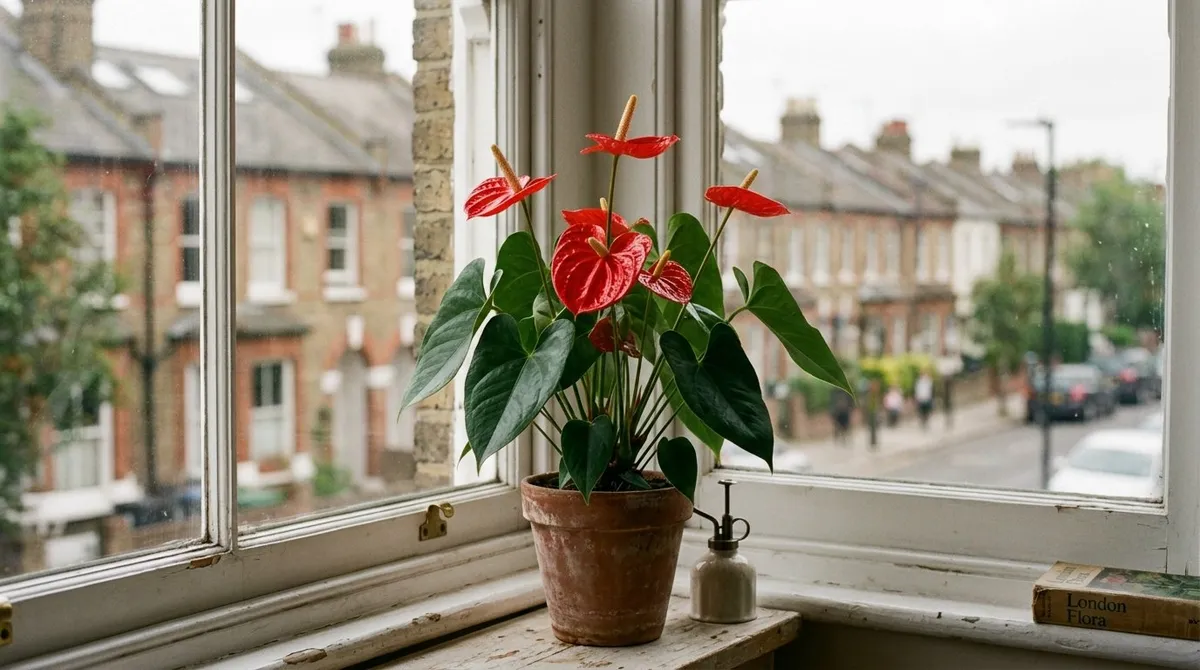
Low light means a spot with daylight but little or no direct sun. Think next to a north-facing window, in a bright hallway or a little way back from a window in another room.
A spot with no daylight at all is different. Plants make their food from light, so a cupboard, windowless bathroom or internal office can’t keep one going for long without a grow light. Normal room lights are made for people, not plants.
The RHS guide to choosing houseplants suggests matching the plant to the light, warmth and humidity of its spot. Remember these change through the year. A corner that’s bright enough in June can be gloomy in December.
Quick check: Stand where the plant will go and look towards the window. If there’s daylight but no direct sunbeam, a shade-tolerant plant will be happy. If it still feels gloomy at midday, move closer to the window.
If the room turns out brighter than you thought, our indoor plant guide has more ideas.
The best plants for darker rooms
| Plant | Why it copes | When to water | Good spot |
|---|---|---|---|
| Cast iron plant | Tough and slow-growing | When the top has dried | Hallway or north-facing room |
| ZZ plant | Stores water in thick roots | When most of the compost is dry | Living room or office |
| Snake plant | Upright, fits small spaces | Sparingly, once the compost is dry | Bedroom or narrow corner |
| Pothos | Trails happily in soft light | When the top feels dry | Shelf near a window |
| Parlour palm | Prefers soft light to hot sun | Keep lightly moist, never soggy | Living room or bedroom |
| Spider plant | Easy-going and easy to split | When the top starts to dry | Shelf or hanging pot |
| Peace lily | Leafy and lush in soft light | When the leaves soften or the top dries | Bathroom or living room with a window |
These plants are tough, not invincible. In deeper shade they grow more slowly, lean towards the window and make fewer new leaves. Flowering plants may stay green but flower less.

Keep shade-lovers near some daylight, not tucked away in the darkest corner.
Cast iron plant
The cast iron plant (Aspidistra elatior) is perfect when you want steady, glossy leaves rather than fast growth. It copes with dim light and normal home conditions. Keep it out of strong sun, which can mark the leaves.
Let the compost dry a little between drinks and tip out any water left in the outer pot. Dust the big leaves now and then so they can soak up what light there is.
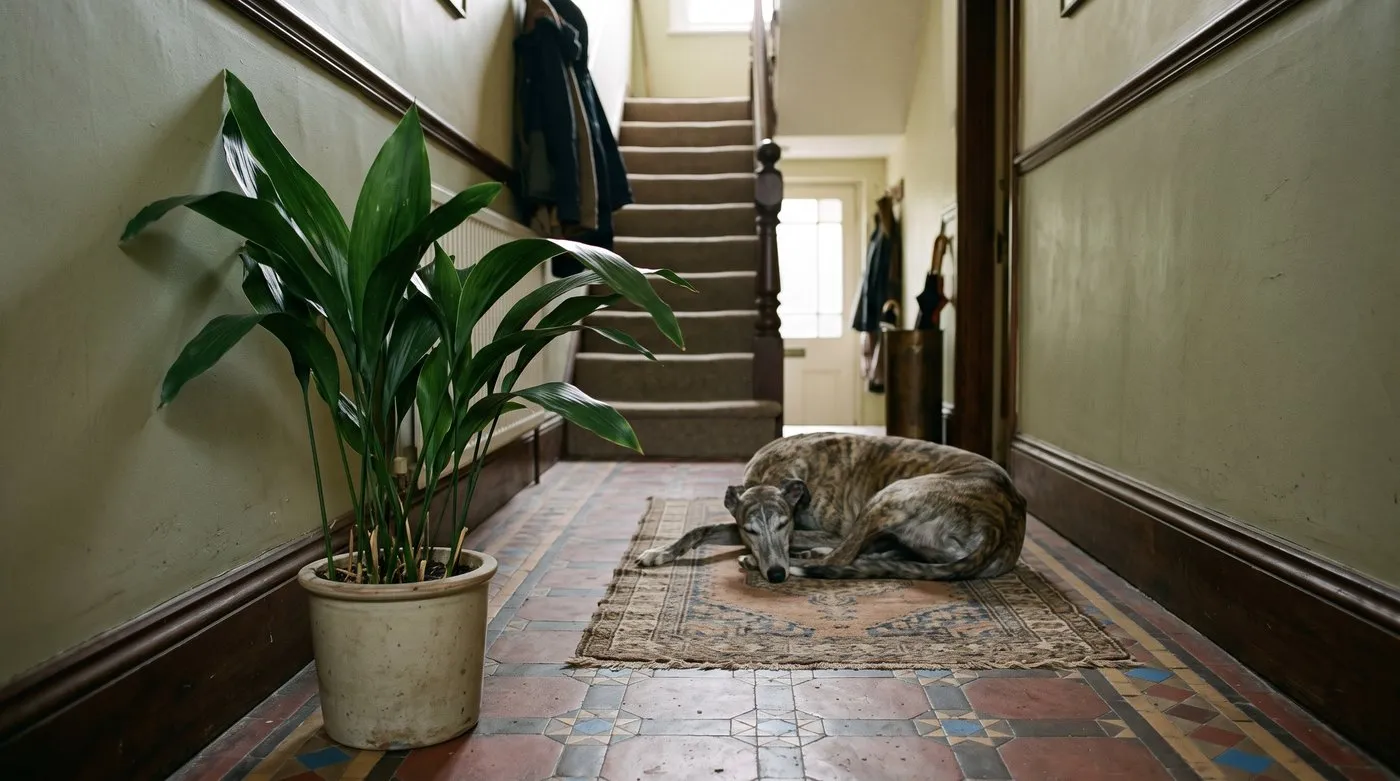
Cast iron plants cope with the soft light of a hallway. Give the big leaves a dust now and then so they catch what light there is.
ZZ plant
The ZZ plant has glossy leaves and thick roots that store water. That means too much water is more of a risk than a dry spell. Give it soft daylight and turn the pot now and then if the stems lean towards the window.
Our ZZ plant growing guide covers repotting, yellow leaves and more.
Snake plant
A snake plant’s upright leaves are handy where floor or shelf space is tight. It copes with low light, though it grows better with a little more. Let the compost dry well between waterings and keep it out of cold draughts.
Pothos
Pothos looks great on a shelf or cupboard top with its stems trailing down. Plain green types cope with low light better than very variegated ones. If new leaves come out smaller, or the stems get long gaps between leaves, it wants a brighter spot.
Snip leggy stems just above a leaf to make it bushier. Pothos can upset pets that chew it, so tidy away any cuttings or fallen leaves.
Parlour palm
Parlour palms like soft light and can scorch in hot direct sun. They’re happy in a living room or bedroom that stays a fairly even temperature. Keep the compost lightly moist in spring and summer, but never leave it standing in water.

A hallway works well if it gets real daylight from a nearby door or window.
Spider plant
Spider plants are easy-going, quick to tell you when they’re thirsty and simple to make more of from their babies. They cope with low light, though the stripes are crisper in a brighter spot.
Brown tips can come from dry air, uneven watering or a build-up of salts in the compost. Have a look at the whole routine before snipping off every brown tip.
Peace lily
Peace lilies make lovely leafy plants in soft light, though they may flower less in a darker spot. Don’t let the compost stay soggy, and move it away from cold window glass in winter.
Peace lilies can harm pets if chewed. Our peace lily care guide explains where to put one and how to look after it.
Choose a plant for each room
North-facing living room
Close to the window suits a parlour palm, spider plant or peace lily. Keep leaves off cold glass and away from radiators. If the curtains stay shut most of the day, the plant gets less light than you’d think.
Hallway or landing
Try a compact cast iron plant, ZZ plant or snake plant where light spills in from a door or stair window. Don’t put trailing stems or a wide pot where people might trip. If the hall has no daylight at all, a live plant won’t cope there for long.
Bathroom
Steamy air helps some leafy plants, but it doesn’t make up for light. A spider plant, pothos or peace lily works in a bathroom with a window. Keep leaves clear of toiletries, and don’t let shower water fill up the outer pot. For small plants that love damp air, a closed terrarium is a fun option.

In a bathroom, the window matters more than the steam.
Home office
A ZZ plant, snake plant or cast iron plant is forgiving in a room with soft daylight. Keep it away from warm monitors, draughts and your swivel chair. Our office houseplant guide has picks for desks and small spaces.
How to care for plants in low light
Water when the compost tells you to
Plants in low light drink slowly. Push a finger into the compost, and lift the pot to get a feel for how heavy it is when wet and dry. Water well when it needs it, let it drain, then empty the saucer or outer pot.
A weekly top-up can leave roots sitting wet all the time. Yellow leaves, soft stems and a musty smell can mean root trouble. Tiny flies around damp compost are probably fungus gnats, and our fungus gnat guide explains how to get rid of them.
Change things in winter
Short days mean slow growth. Water and feed less as the days shorten, but make sure plants still get enough light. Move pots a little closer to the window and turn them now and then so they grow evenly.
Don’t let leaves touch cold glass. Keep plants away from hot radiators and cold draughts from doors.
Feed only when it’s growing
Use a houseplant feed as the label says while the plant is making new growth. Extra feed can’t make up for poor light and may harm the roots. Ease off when growth slows.
Repot only when needed
Repot when roots have filled the pot, water no longer drains or the compost has turned to mush. A slow plant in a pot that’s too big ends up sitting in lots of wet compost. Our houseplant repotting guide shows how to go up one size at a time.
Read the plant before changing its care
A struggling plant rarely needs everything changed at once. Check the compost, roots, undersides of the leaves and its spot, then change one thing and watch the new growth.
Long stems leaning towards the window, smaller new leaves or fading stripes mean it’s too dark. Move it closer to the light in stages. A sudden jump from deep shade to hot midday sun can scorch leaves.
Several yellow lower leaves with constantly wet compost usually mean too much water or poor drainage. One old leaf yellowing now and then is normal. Check the inner pot has drainage holes and that water isn’t trapped in the outer pot.
Crispy brown edges can come from dry compost, hot radiator air or uneven watering. Soft, dark patches are more worrying and often go with cold, wet conditions. Snip off badly damaged bits with clean scissors, but fix the cause too.
Check for pests before you feed or repot. Fine webbing, sticky leaves, pale speckles or small bumps on stems need a closer look. Move the plant away from your others while you work out what it is.

Grouping plants makes care easier, but leave room for air to move around the leaves.
A quick word on pets
“Good in low light” doesn’t mean “safe for pets”. Peace lily, pothos and ZZ plant are among the popular ones that can upset cats and dogs if chewed. The PDSA guide to poisonous plants is a good place to check before you buy. If you think your pet has eaten something harmful, call your vet straight away.
Common low-light houseplant mistakes
Choosing the darkest spot
Coping isn’t the same as loving it. Put the plant in the brightest spot the room has and watch which way new growth points.
Watering every Sunday
Compost dries at different speeds through the year. Check first, then water.
Expecting fast growth
Slow growth is normal in soft light. Pale, weak or gappy growth, though, means it’s too dark.
Forgetting about winter
A plant that’s fine in summer may need moving nearer the window in winter. Do it before the leaves start to suffer.
Thinking any bathroom will do
Steam helps some plants, but a windowless bathroom still has no daylight. Add a grow light or choose something other than a live plant.
Want more ideas? Browse our plant guides for more care advice, or see our best indoor plants for UK homes to find one that suits your room.
Frequently asked questions
What is the best houseplant for a dark room?
A cast iron plant is a great choice. ZZ plants and snake plants cope well too, as long as the room gets some daylight.
Can houseplants survive in a room with no windows?
Not for long without a grow light. Move the plant to a room with a window, or use a grow light and follow its safety instructions.
How often should I water a low-light houseplant?
Feel the compost rather than sticking to a timetable. Plants in dim light grow slowly and use less water, especially in winter.
Which houseplants suit a low-light bathroom?
Peace lily, pothos or spider plant, if the bathroom has a window. Pick by how much daylight it gets and how warm it stays.
Are low-light houseplants safe for pets?
Some are and some aren’t. Check each plant with your vet or the PDSA, and keep any harmful ones well out of reach.
Our team produces practical UK gardening guidance from source research, contributor records and established horticultural practice. Editorial standards are overseen by Matt W.