Key takeaways
- The C-shaped white grubs do the real damage by eating roots
- Notched leaf edges are a sign that adults are about
- Water nematodes into moist compost in late summer or autumn, and again in spring
- Pot plants in soft, peaty compost are most at risk
- Check the rootball of every new plant before planting
- Pick off adults by torchlight on summer evenings
Vine weevil is one of the most annoying pests of pot plants in the UK. You won’t see it coming. A healthy-looking fuchsia, heuchera or strawberry suddenly wilts and dies. Lift it out of the pot and the roots have gone, eaten by fat, white, C-shaped grubs.
The adult is a small, matt black beetle that can’t fly. Fun fact: they’re all female, so every one you find can lay eggs. They lay hundreds through the summer in the compost around plants they like. The grubs hatch and feed on roots through autumn, winter and spring.
Here’s how to spot them, how to treat them and how to keep them out of your pots.
How to identify vine weevil
You’re looking for black beetles on leaves at night, and white grubs in the compost. Knowing each stage helps you treat at the right time.
Adult vine weevils
Adults are about 1cm long, matt black, with tiny golden flecks on their backs. They have a short snout and elbowed antennae. They can’t fly.
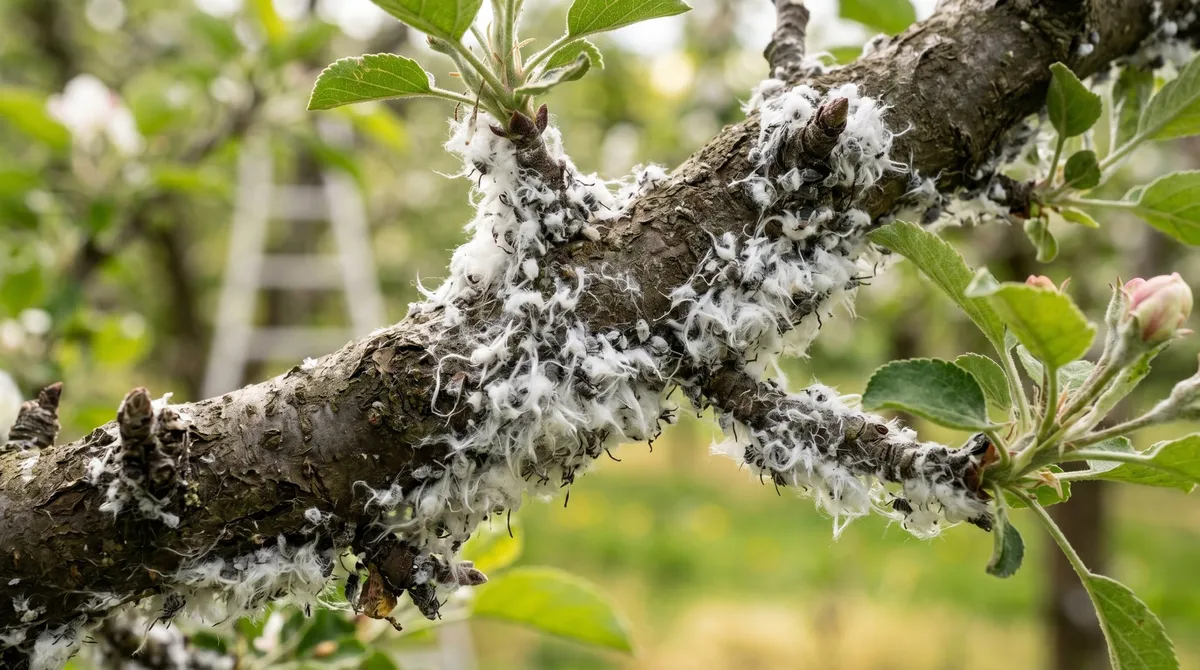
They only come out at night. By day they hide under pots, in leaf litter and in cracks in walls. After dark they climb plants and nibble U-shaped notches from the leaf edges. It looks messy but rarely harms the plant much.
To find them, go out with a torch on a summer evening. Shake plants over a sheet of white paper and check under pots and trays.
Vine weevil grubs (larvae)
The grubs do almost all the damage, so they’re your main target.
They’re creamy white, C-shaped and legless, with a brown head, and grow up to about 1cm long. You’ll spot them when repotting or when you tip out a wilting plant. A badly hit pot can be full of them. They feed on roots from late summer right through to the next spring.
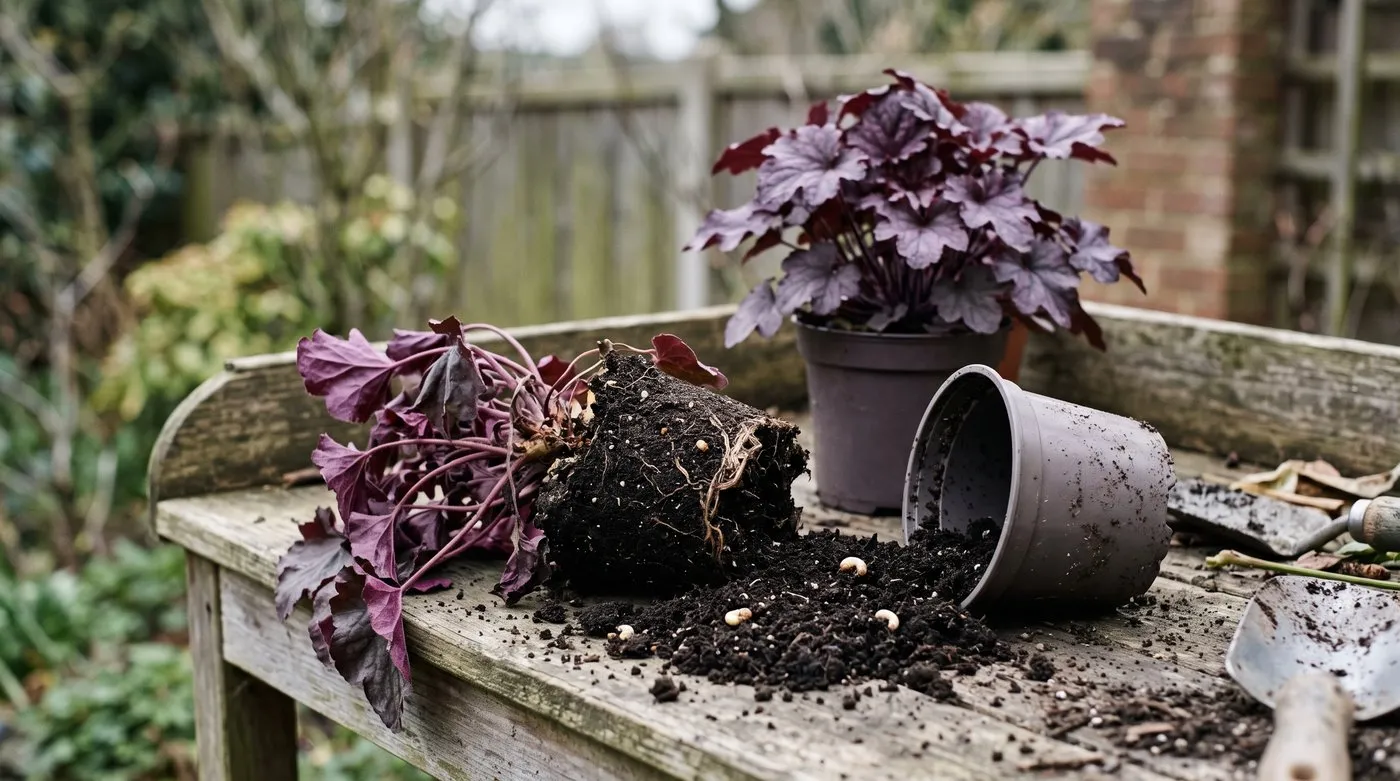
A plant that lifts out of its pot with hardly any roots is the classic sign. Look for creamy, C-shaped grubs with brown heads in the compost.
Eggs
The eggs are tiny and almost impossible to see. They’re laid in loose compost near the base of a plant and hatch within a few weeks in warm weather.
Pupae
In late spring the grubs turn into white pupae a few centimetres down in the compost. A few weeks later, new adults crawl out.
Vine weevil through the year
The grubs are in the compost for most of the year, so that’s where to focus.
| Month | What’s happening | What to do |
|---|---|---|
| January | Grubs feeding slowly | Check pots if plants look sickly |
| February | Grubs feeding slowly | Too cold for nematodes |
| March | Grubs feeding more as it warms | Use nematodes once soil is above 5C |
| April | Big grubs start to pupate | Last chance for spring nematodes |
| May | First adults appear | Start torchlight checks |
| June | Adults eating leaves, laying eggs | Pick off adults |
| July | Lots of egg-laying | Keep picking off adults |
| August | Eggs hatching, young grubs feeding | Autumn nematode time begins |
| September | Young grubs growing | Best time for nematodes |
| October | Grubs growing fast | Treat before the soil cools |
| November | Grubs feeding, adults dying off | Check new plants |
| December | Grubs feeding slowly | Check pots when repotting |
Biological control with nematodes
Nematodes are the best way to clear vine weevil grubs from pots. They’re tiny worms that hunt down the grubs in the compost and kill them. They’re safe for edible plants, people, pets and bees.
Which nematodes to use
You’ll see two kinds for sale:
| Nematode | Soil needs to be | When to use |
|---|---|---|
| Steinernema kraussei | Above 5C | Spring and autumn |
| Heterorhabditis | Above about 12C | Late summer |
Steinernema kraussei is the handier choice in the UK. It works in cooler soil, so you get a longer window in spring and autumn.
How to apply nematodes
- Buy fresh. Nematodes are alive, so order them for when you need them and use them before the date on the pack.
- Water the compost first. Nematodes swim through moist compost, and they die in dry compost.
- Mix with water as the pack says. Stir gently and don’t use hot water.
- Apply in the evening or on a dull day. Bright sun kills them.
- Water it on with a watering can, soaking the whole rootball of each pot.
- Keep the compost moist for a couple of weeks afterwards.
Handy tip: Put two dates in your diary each year: one in spring and one in late summer or early autumn. If you can only do one, do the autumn one. It catches the grubs while they’re small, before they spend the winter eating roots.
A pack treats a good number of pots and costs far less than replacing dead plants.
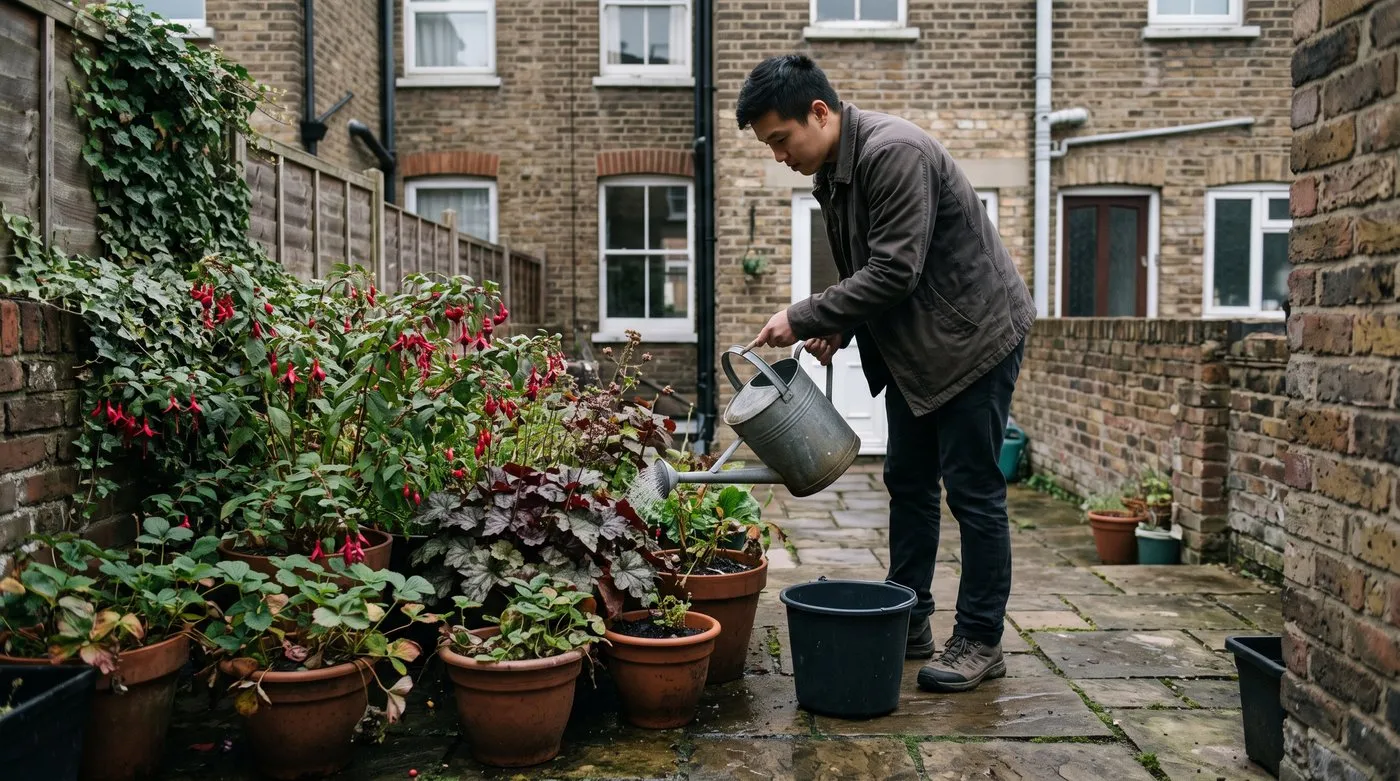
Water nematodes on in the evening or on a dull day, soaking the whole rootball. Keep the compost moist for a couple of weeks after.
Chemical control options
For ornamental pot plants, there’s also a chemical drench. Products containing acetamiprid can be watered into the compost of ornamental plants in containers. Follow the label exactly, and don’t use it on fruit or veg.
Keep bees safe: Acetamiprid is a neonicotinoid. Water it onto the compost only, never on flowers bees are visiting, and keep it out of drains and ponds.
Older vine weevil drenches containing thiacloprid have been withdrawn. If you find an old bottle in the shed, don’t use it. Take it to your council’s hazardous waste collection.
Which control should I choose?
| Method | Good for | Safe on edibles? | Bee friendly? |
|---|---|---|---|
| Nematodes (S. kraussei) | Spring and autumn treatment | Yes | Yes |
| Nematodes (Heterorhabditis) | Late summer treatment | Yes | Yes |
| Acetamiprid drench | Ornamental pots only | No | Use with care |
| Picking out grubs by hand | Repotting time | Yes | Yes |
| Sticky barrier on pots | Keeping adults out | Yes | Yes |
Simple ways to keep vine weevil out
Stopping them getting in is easier than clearing them out.
Check every new plant
Vine weevils often arrive in a bought plant. Knock each new plant out of its pot and look at the compost before planting. If you see grubs, pick them out and treat the compost with nematodes.
This is how they move from garden to garden. One infested plant can spread them through all your pots.
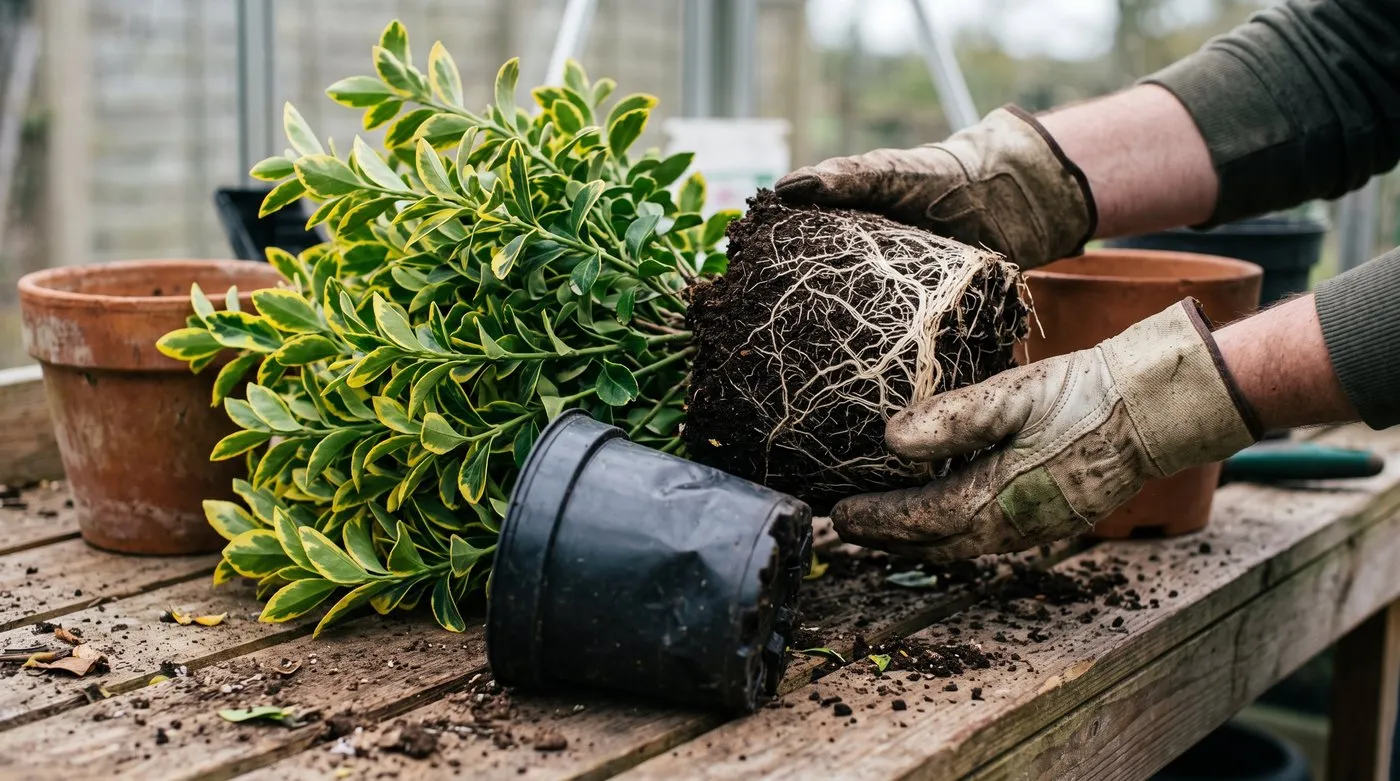
Knock every new plant out of its pot before planting. Healthy white roots and no grubs means it’s safe to pot up.
Use gritty, free-draining compost
Adults love laying eggs in soft, peaty compost. A gritty, loam-based mix like John Innes No. 2 or 3 is less inviting. Mixing horticultural grit into any compost helps too.
Put a barrier round pots
Adults can’t fly, so they have to climb. A band of non-drying sticky barrier glue round pots or pot feet stops them. Top it up when it gets dusty.
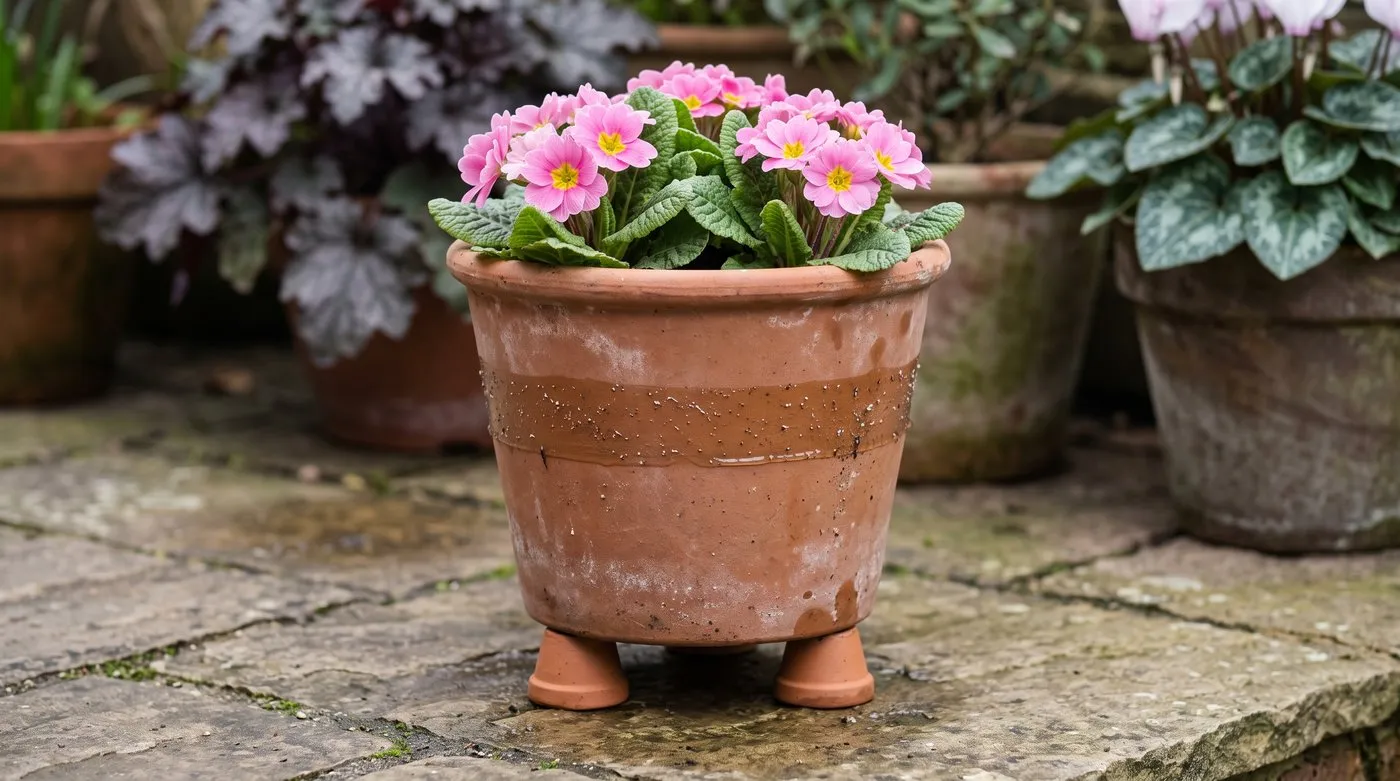
Vine weevils can’t fly, so they have to climb. A band of sticky barrier round the pot stops them. Top it up when it gets dusty.
Go on night patrol
Head out after dark with a torch from May to September. The adults are slow and easy to pick off plants and pot rims. A quick look a couple of times a week removes lots of egg-layers before they get going.
Welcome natural predators
Plenty of garden wildlife eats vine weevils:
- Hedgehogs dig out grubs from borders
- Ground beetles hunt the adults at night
- Blackbirds and thrushes pull grubs from the soil
- Frogs and toads eat adults on the ground at night
Rough grass, log piles and leaf litter give these helpers somewhere to live. Our guide to water-efficient gardening has ideas for a more varied, wildlife-friendly garden.
Plants most vulnerable to vine weevil
If you grow any of these in pots, keep a close eye on them every year.
Plants they love
- Heuchera: a top favourite. The grubs eat the roots and crown and can kill it fast
- Primula and polyanthus: often attacked, especially in pots
- Cyclamen: a favourite, especially indoors or under glass
- Strawberries: the grubs eat the crown and roots. See our strawberry growing guide
- Fuchsia: both outdoor and greenhouse types
- Begonia: tuberous begonias especially
- Rhododendron and azalea: particularly in containers
- Yew: adults nibble the leaves and grubs attack young hedge plants
- Euonymus: often brings them in from the nursery
Plants they leave alone more
Tough, fibrous-rooted and aromatic plants suffer less. Ornamental grasses, lavender, rosemary and most bulbs are rarely bothered. Trees and shrubs in the ground usually shrug off a few grubs.
Vine weevil in greenhouses and polytunnels
Under glass, vine weevils grow faster and stay active for longer. The warmth means eggs hatch sooner and adults can carry on later into autumn.
Treat greenhouse pots with nematodes in spring and autumn. Tip out a plant or two now and then to check the roots. Greenhouse plants weakened by root damage struggle with other pests too, so see our spider mite guide if those turn up.
Common mistakes when dealing with vine weevil
Going after the adults instead of the grubs
Notched leaves look bad but rarely kill anything. Spraying leaves does little, as the adults hide by day. Put your effort into the grubs in the compost.
Using nematodes in dry or cold compost
Nematodes need moist compost and a soil temperature above 5C. Water pots the day before, and check the soil with a thermometer if you’re unsure.
Missing the autumn window
Autumn is the most important time to treat. The grubs are small and easy for nematodes to kill. By spring they’re bigger and have already done a lot of damage.
Not checking bought plants
One infested plant can spread vine weevil to every pot you own. Checking rootballs before planting is the simplest habit there is.
Relying on just one thing
Nematodes work well but won’t get every grub in every pot. Mix them with barriers, regular checks and a garden that welcomes predators. If aphids are bothering the same plants, see our aphid control guide.
Related problems
A plant with damaged roots is more likely to pick up other problems. Weak plants are more prone to powdery mildew and rots. They can also look hungry even in good compost, because there are no roots left to take up food.
For a wider look at keeping pests down without chemicals, see our organic pest control guide. Encouraging predators and picking tough plants help with vine weevil as much as anything else.
Frequently asked questions
What does vine weevil damage look like?
Notched leaf edges above ground, and eaten roots below. The adults nibble U-shaped notches from leaves, mostly on evergreens. The grubs do the real harm by eating roots, so a plant suddenly wilts or dies. It often lifts out of the pot with hardly any roots. Look for white, C-shaped grubs with brown heads in the compost.
When should I apply vine weevil nematodes?
When the soil is above 5C, in autumn and spring. In most of the UK that means late August to October, and again in March or April. The autumn dose is the most useful because it catches the grubs while they’re young. Water them into moist compost in the evening, out of bright sun.
Do vine weevils fly?
No, vine weevils can’t fly. They walk in from next door, climb walls and pots, and often arrive in the rootball of a bought plant. Check the roots of every new plant before you pot it up or plant it out.
What plants do vine weevils attack most?
Pot plants in soft compost, especially evergreens. Heuchera, primula, cyclamen, strawberries, fuchsia, begonia and rhododendron are favourites. Yew and polyanthus get hit too. A plant in a pot is more at risk than the same plant in the ground.
Can vine weevils kill a plant?
Yes, the grubs can kill a plant outright. One pot can hold lots of grubs, and they feed for months. By the time the plant wilts, most of the roots are gone. Young plants in small pots are most at risk, while big plants in the ground usually survive.
How do I check for vine weevil grubs?
Tip the plant out of its pot and look at the rootball. The grubs are creamy white, C-shaped and legless, with a brown head. They’re up to about 1cm long. If you find them, the roots are already damaged, so act quickly. Check plants whenever you repot.
Are vine weevils only a problem in pots?
No, they get into borders too. Strawberries, primulas and heucheras in the ground are often attacked. Pot plants suffer most, though, because the compost is soft and inviting for egg-laying. In the ground, birds and beetles also help keep the grubs down.
Our team produces practical UK gardening guidance from source research, contributor records and established horticultural practice. Editorial standards are overseen by Matt W.