Key takeaways
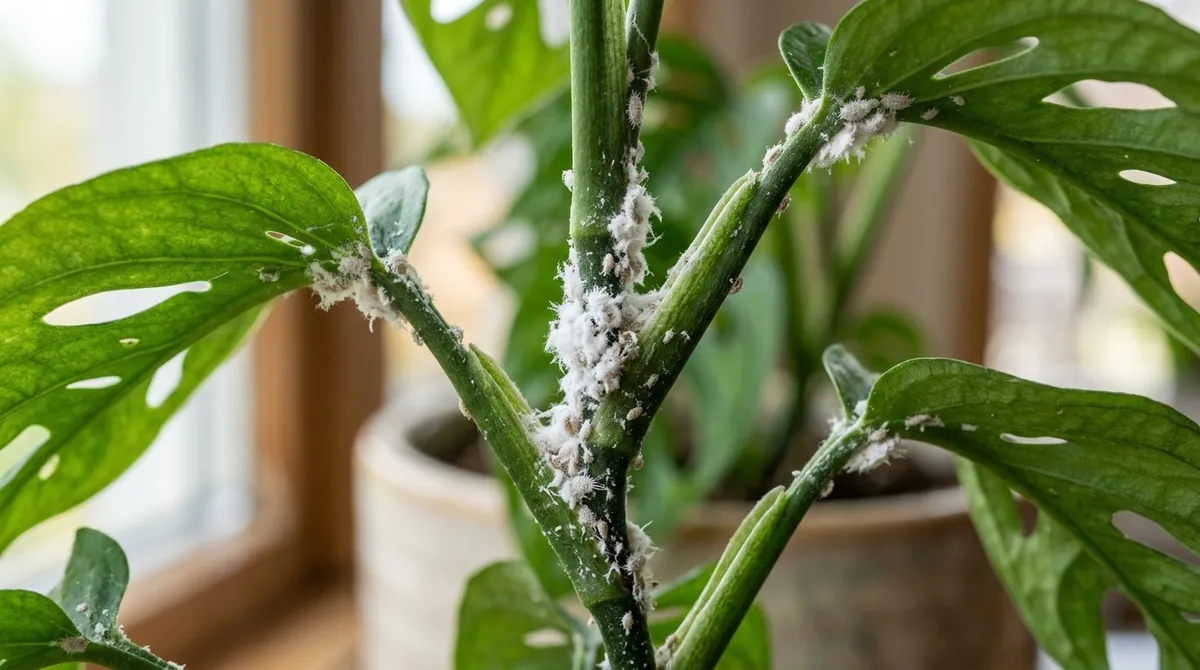
- White, cotton-wool clusters in leaf joints and on stems are the giveaway sign
- Wipe mealybugs off with a damp cotton bud and check again every few days
- Home-made sprays, including neem oil, aren't legal pesticides in the UK
- In a warm greenhouse, the Cryptolaemus ladybird clears mealybugs naturally
- Some mealybugs live on roots, so check the rootball if a plant wilts for no reason
- Keep new plants apart for a few weeks to stop mealybugs sneaking in
Spotted white fluff tucked into the leaf joints of a houseplant? It’s very likely mealybug. These little waxy insects gather in sheltered nooks on stems and under leaves, and they’re easy to mistake for mildew at first. By the time the fluff is obvious, there can be quite a crowd.
Unlike aphids, which you can blast off with a hose, mealybugs tuck themselves into crevices and hide their eggs under wax. They breed quickly and spread between plants that touch. The good news? Catch them early and a cotton bud does most of the work.
How to spot mealybug
Mealybugs are tiny, soft, oval insects covered in white powdery wax that makes them look like cotton wool. They’re sap-suckers, like aphids and their close cousins scale insects.
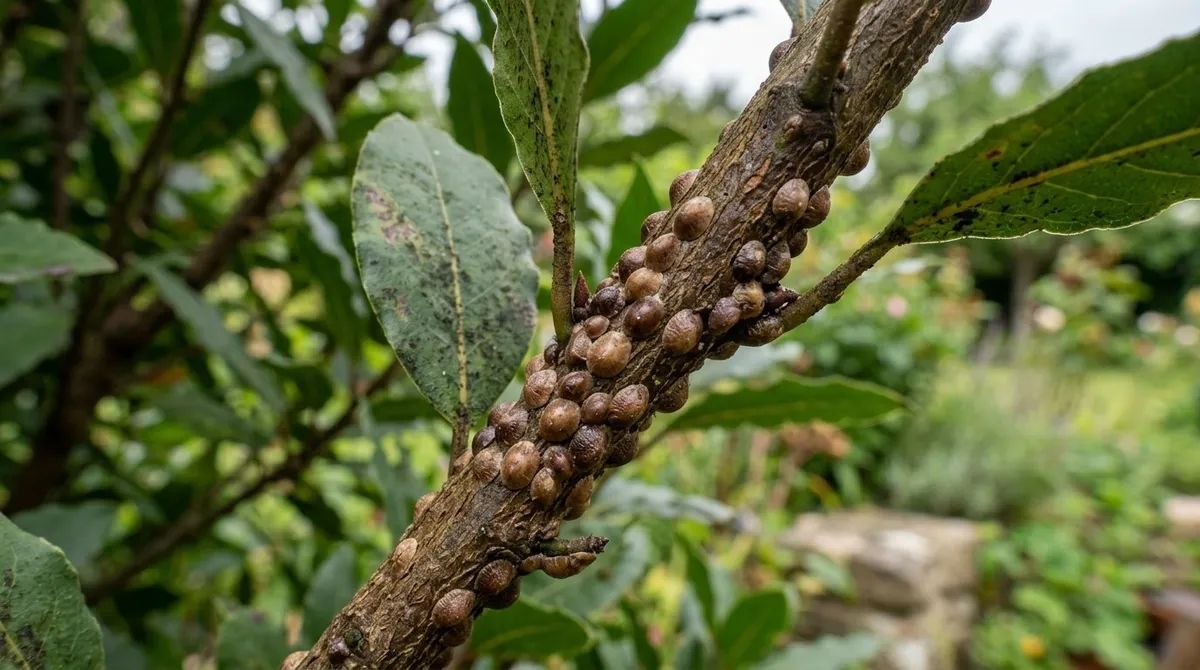
That fluffy white coat is the giveaway. Scale insects look like smooth brown or grey bumps. Aphids are green, black or pink. Woolly aphids have white fluff too, but it’s wispy and stringy rather than dense and waxy.
Look in the sheltered spots: where leaves meet stems, in the forks of branches, along the veins under leaves and around flower buds. On cacti and succulents, check between the ribs and under spines. On orchids, look where the leaves join the base.
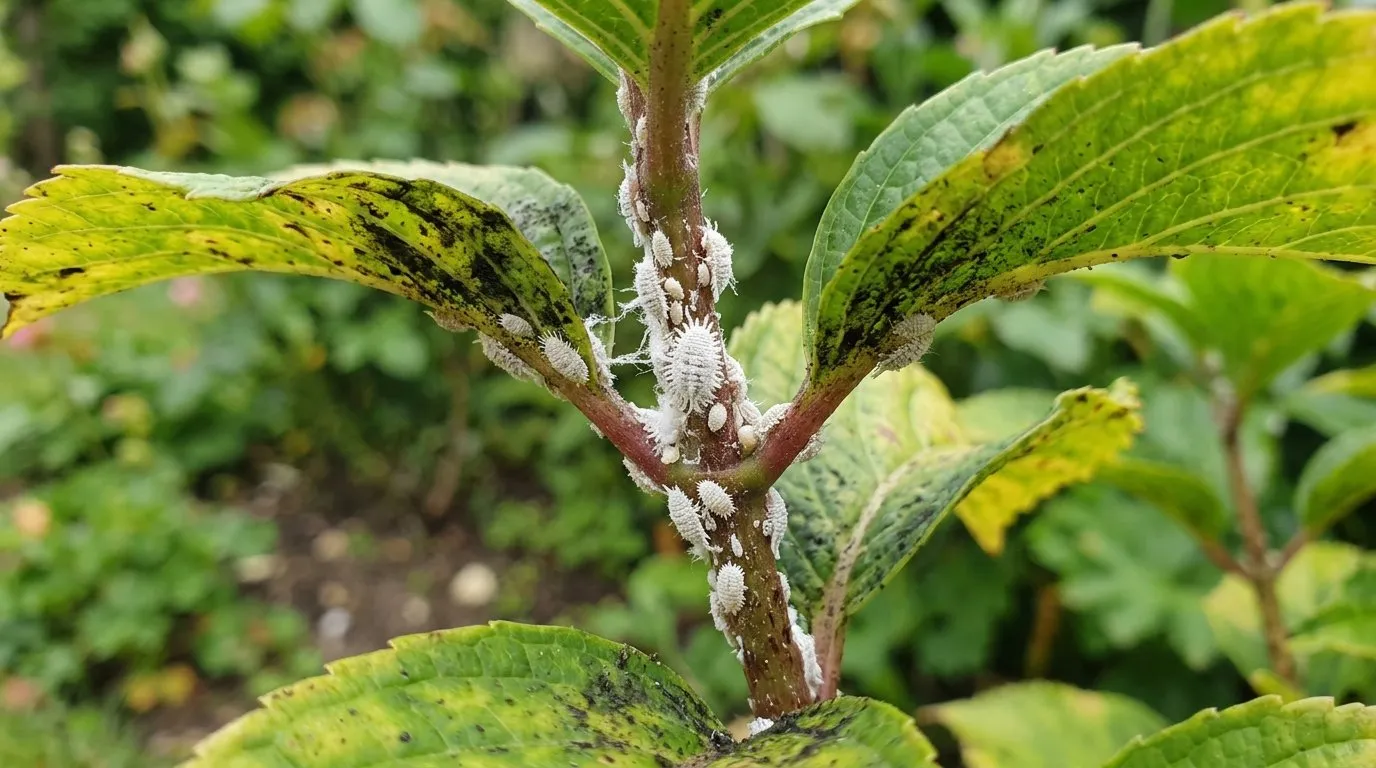
Egg sacs are another sign. Females lay their eggs in a small, pure white, fluffy pad, often in a leaf joint or under the rim of the pot. The tiny babies (crawlers) hatch out after a week or so and wander off to feed.
A magnifying glass helps. You’ll see the little body segments and the short waxy threads around the edge. One type has two long “tails”.
Types of mealybug in the UK
Four kinds cause most of the trouble on UK plants. You don’t need to know which one you’ve got to treat it, but it helps to know where to look.
| Type | What to look for | Plants it likes | Where |
|---|---|---|---|
| Citrus mealybug | White wax with short threads | Citrus, orchids, fuchsia, pelargonium | Indoors and greenhouses |
| Long-tailed mealybug | Two long tails | Houseplants, ferns, dracaena, palms | Indoors all year |
| Vine mealybug | Pinkish body under the wax | Grape vines, figs, wisteria | Greenhouses, warm walls |
| Root mealybug | Tiny, white, on roots only | Cacti, succulents, pot plants | In the compost |
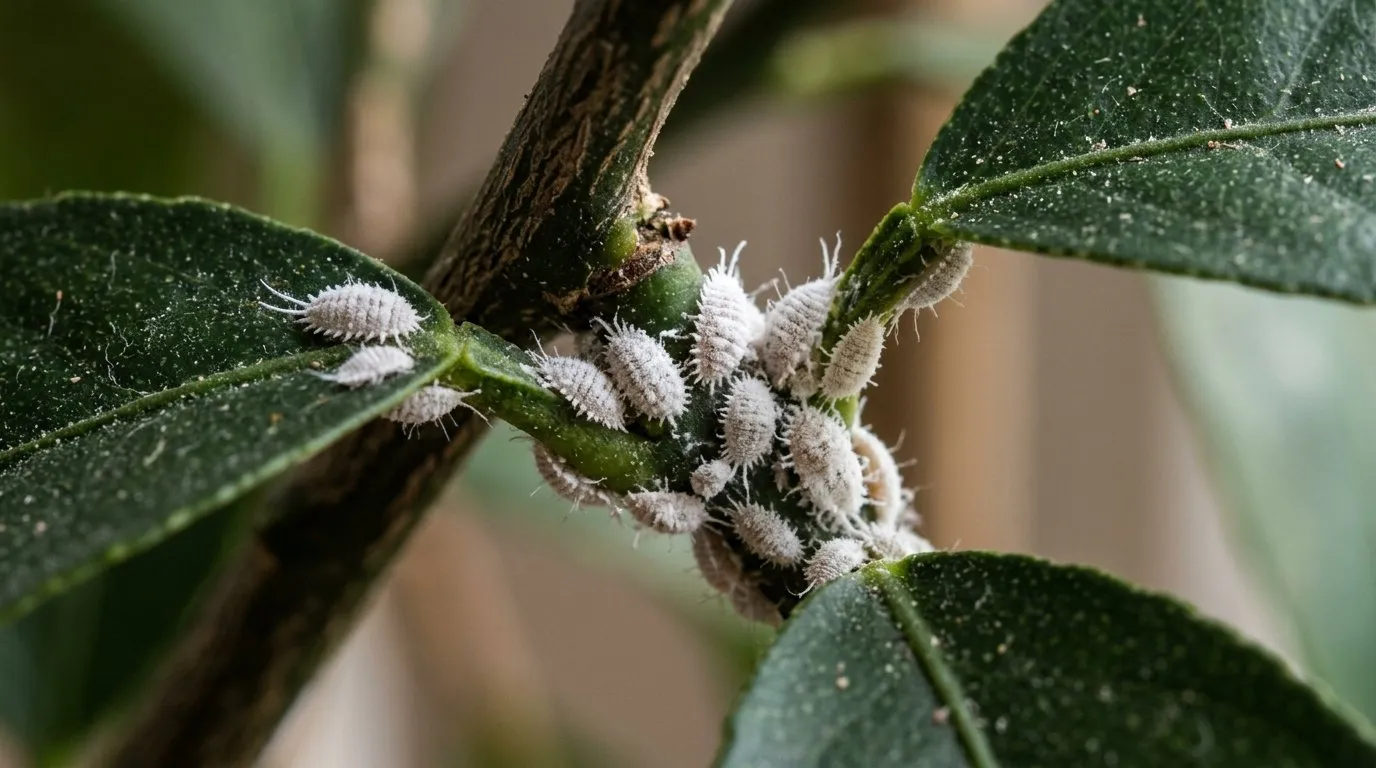
Citrus mealybug is the one you’ll most likely meet on houseplants and greenhouse plants. It loves warmth and breeds all year indoors.
Long-tailed mealybug has two waxy tails as long as its body. It gives birth to live young rather than laying eggs, so there’s no egg sac to spot. Look on ferns, dracaena and palms.
Vine mealybug lives on grape vines, figs and wisteria under glass. It settles on bark, in leaf joints and among the fruit, and makes lots of sticky honeydew.
Root mealybug is the sneaky one. It lives in the compost and feeds on roots. The plant wilts, yellows and sulks however you water or feed it. The only way to know is to tip the plant out and look for white waxy bits on the roots and inside the pot.
What damage do mealybugs do?
They suck sap, make sticky honeydew and leave wounds that let other problems in. A handful of mealybugs does little harm. A colony left for months can seriously weaken or kill a potted plant.
Sap loss is the main problem. You’ll see yellowing leaves, stunted new growth, leaves dropping and fewer flowers or fruit.
Then there’s the honeydew. Mealybugs make lots of this sticky, sugary waste. It coats leaves, pots and windowsills, and a black sooty mould soon grows on it. The mould blocks light from the leaves.
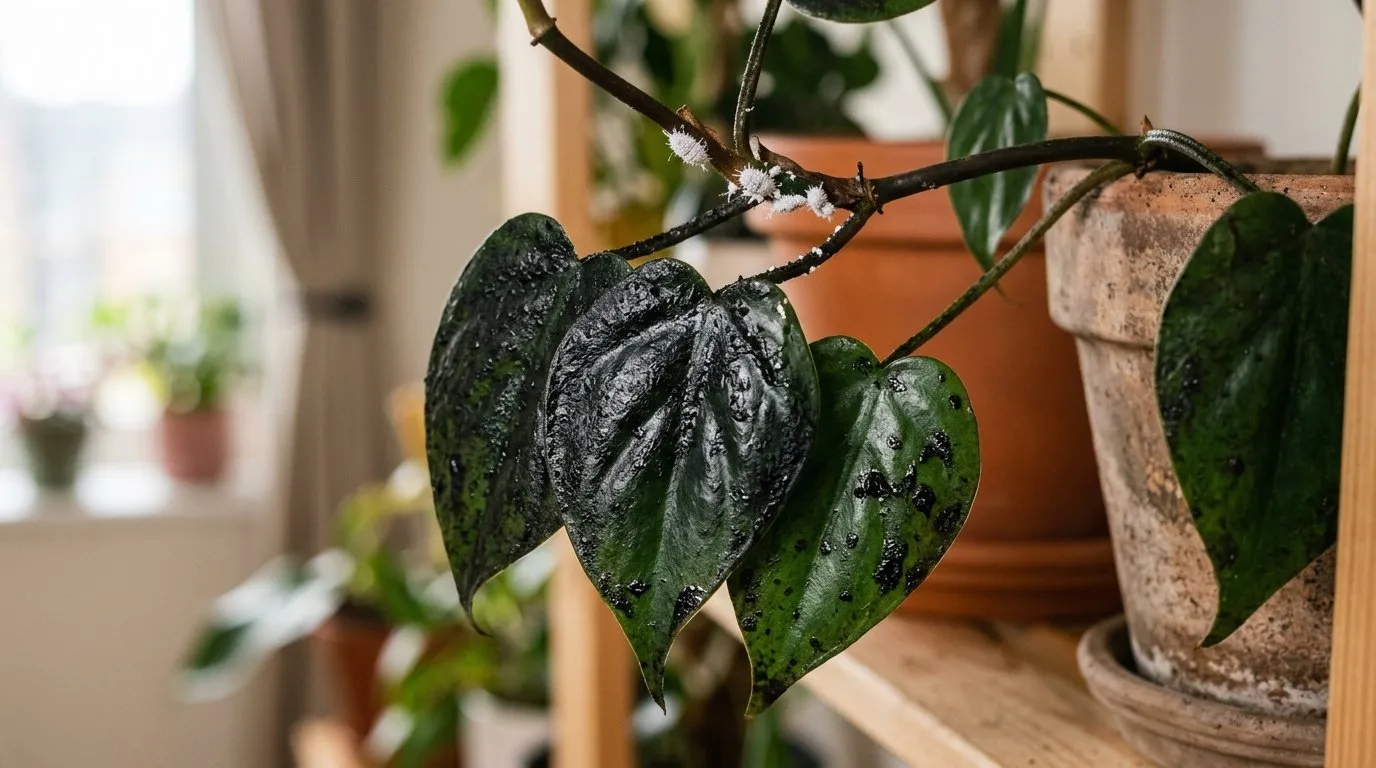
Ants love honeydew and even guard mealybugs from predators. If ants are marching up and down a plant, check the top for mealybug or scale.
Vine mealybug can also spread a virus that affects grapevines, which is worth knowing if you grow grapes.
Root mealybugs make a plant wilt as if it needs water. People then overwater it, which makes things worse. If a plant wilts even though the compost is damp, check the roots.
How to get rid of mealybugs without chemicals
For a light or moderate outbreak, picking them off is the best fix. Dab each mealybug with a damp cotton bud or soft brush and squash it. Work slowly round the whole plant, checking every leaf joint, stem fork and leaf underside. Check again every few days, as you’ll always miss a few.
You’ll see neem oil, washing-up liquid and alcohol mixes suggested online, but home-made mixes aren’t legal pesticides in the UK. For bigger plants or heavier outbreaks, combine wiping with pruning, natural predators or an authorised product.
A strong jet of water knocks mealybugs off tough outdoor plants such as fuchsia, citrus and shrubs. It’s too rough for delicate houseplants.
Sometimes it’s quickest to cut out the worst shoots. If a stem is caked in mealybugs, cut it back to clean growth and put the prunings in the bin, not the compost heap.
Sprays for mealybug
If wiping and pruning can’t keep up, an authorised spray can help. Most garden sprays only work if they actually hit the mealybug, so be thorough.
Look for a product that’s labelled for mealybug and approved for home use, and follow the label exactly. Fatty acid sprays (sold as insecticidal soaps) and other contact sprays kill crawlers and young mealybugs they touch. They’re gentler on helpful insects than stronger bug killers. You’ll usually need to repeat after a week or so to catch newly hatched crawlers.
Some stronger products work from inside the plant, so they reach mealybugs hidden in crevices. They can also harm bees, so never use them on plants in flower that bees visit. The RHS mealybug guide has more on current options.
For root mealybugs, repot into clean compost first. If you need a drench, use an authorised product labelled for that job and check again after a few weeks.
Natural control with Cryptolaemus
In a warm greenhouse or conservatory, the mealybug ladybird Cryptolaemus montrouzieri is your best friend. This small ladybird and its larvae eat mealybugs at every stage.
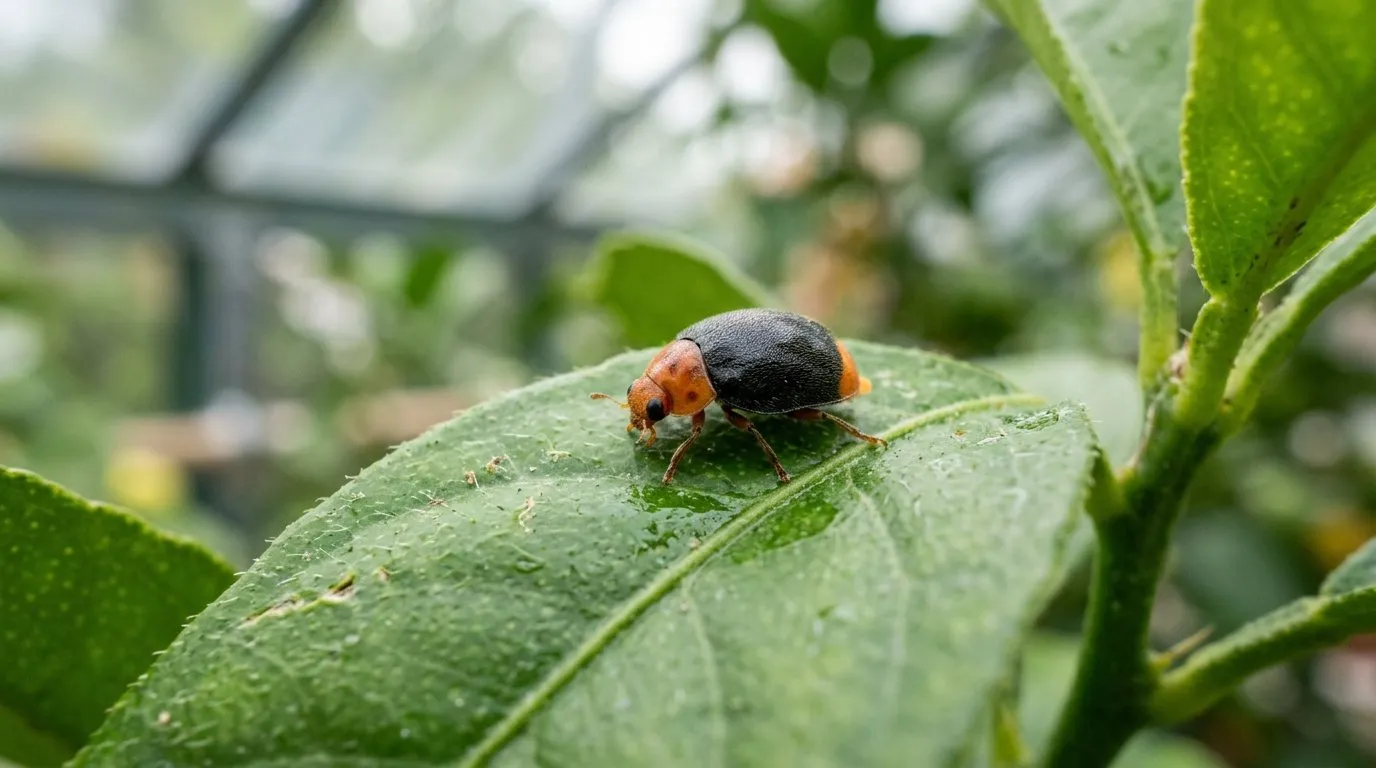
The adults are small and dark with an orange head and tail. They lay their eggs right among the mealybugs.
The larvae do most of the eating. They’re covered in white waxy threads and look like giant mealybugs, which catches lots of people out. Don’t squash them!
You can order Cryptolaemus from biological control suppliers, usually from late spring to late summer. Follow the supplier’s advice on how many to release, and let them go in the evening near the worst-hit plants.
They need warmth to work, ideally around 20C or more. In cooler conditions they slow down and stop feeding, so they suit heated greenhouses, conservatories and warm rooms, not the garden.
Don’t spray anything for a few weeks before you release them, as even gentle contact sprays can kill them.
There’s also a tiny parasitic wasp, Leptomastix, that attacks citrus mealybug. It needs even warmer conditions and works well alongside Cryptolaemus.
Which plants are most at risk?
Warm-loving plants in still, sheltered spots are the most likely targets. Plants in cool, airy places are rarely bothered.
Houseplants: orchids, succulents, cacti, African violets, ferns, dracaena, palms, ficus, crotons, hoya and stephanotis.
Greenhouse and conservatory plants: citrus, fuchsia, pelargonium, grape vines, tomatoes, peppers, aubergines and bougainvillea. Build mealybug checks into your greenhouse pest control routine from March.
Outdoors: now and then mealybugs turn up on wisteria, figs and vines trained on warm, sunny walls in hot summers. They rarely survive a UK winter outside.
Root mealybugs are most common on cacti, succulents and potted shrubs, especially in old, tired compost. Any pot plant going downhill for no clear reason deserves a look at its roots.

Stressed plants get attacked more easily. Keep yours happy with the right light and sensible watering and they’ll shrug off pests better.
How to keep mealybugs away
Keep new plants away from the rest for three or four weeks. It’s the single best way to stop mealybugs getting in. Check new plants carefully when you buy them: leaf joints, stem forks, under every leaf, under the pot rim and on the compost.
Mealybugs nearly always arrive on plants, whether from a garden centre, a supermarket, a friend or an online order. A few are easy to miss.
Space houseplants so their leaves don’t touch. That stops crawlers strolling across, and better airflow makes plants less cosy for mealybugs.
Scrub old pots and trays with hot soapy water before reusing them, as eggs and crawlers can hide in the crevices. In a greenhouse, clean the staging at the start of each season.
Have a quick look at your plants every couple of weeks, especially from spring to autumn. Spot five mealybugs and a cotton bud sorts it in seconds. Miss them and you could be facing hundreds.
Go easy on high-nitrogen feeds. Soft, lush growth is a magnet for sap-suckers, including mealybugs, aphids and whitefly.
Clear dead leaves and old flowers off compost and greenhouse benches, as they give mealybugs places to hide.
Under glass, a good winter clean while the greenhouse is nearly empty helps knock numbers back before spring. Our vegetable pests and diseases guide has more greenhouse hygiene tips.
If you also have fungus gnats or houseplant flies, tackle them at the same time. Both love soggy compost and debris on the surface.
New to houseplants? Tough beginner-friendly houseplants like pothos, spider plant and snake plant cope with the odd pest without fuss.
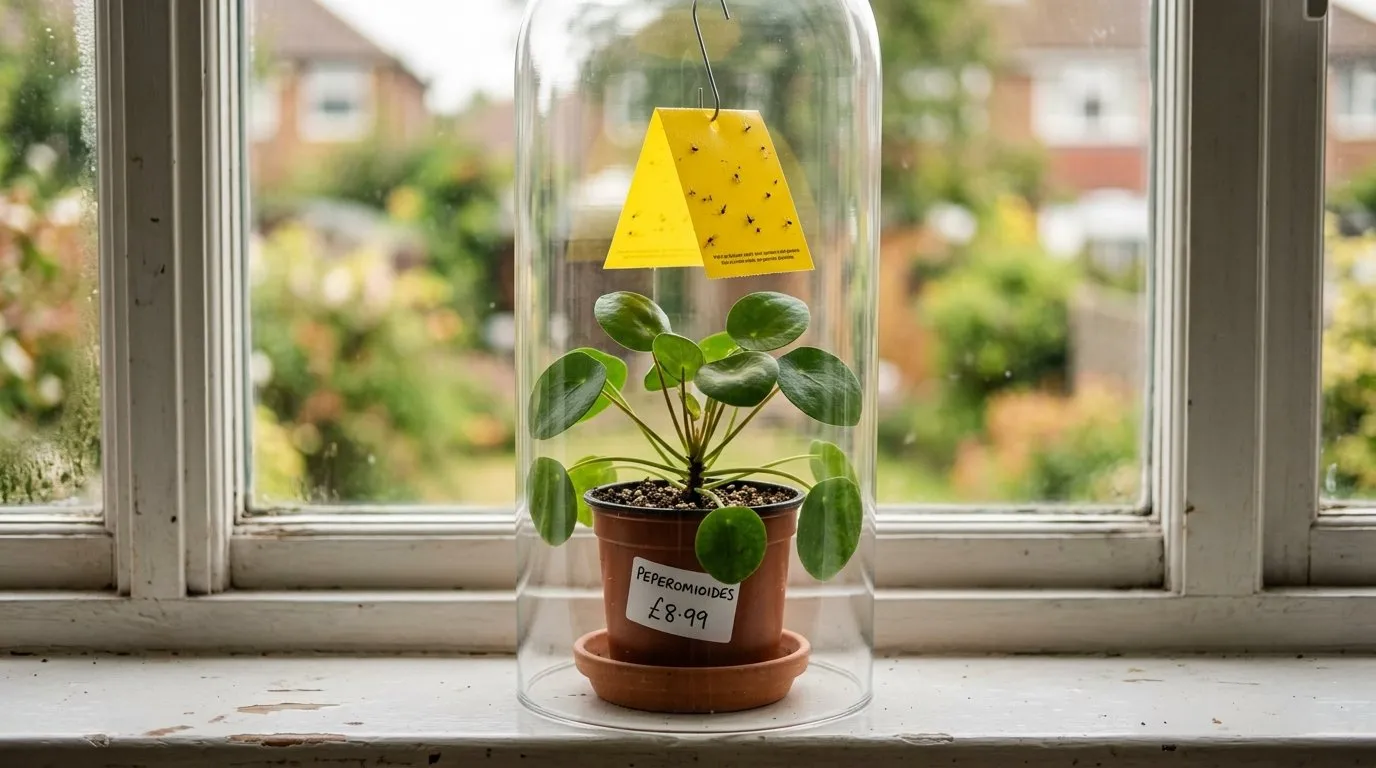 Give new plants a few weeks on their own windowsill. Catching mealybugs there saves the rest of your collection.
Frequently asked questions
What does mealybug look like on plants?
Little white tufts of cotton wool on stems, in leaf joints and under leaves. Each insect is a tiny oval covered in white, powdery wax. That fluffy wax is what tells it apart from scale insects, which look like smooth brown or grey bumps.
How do mealybugs spread between plants?
Mostly on new plants you bring home. The babies, called crawlers, walk between plants whose leaves touch. They can also hitch a ride on tools, pots and hands. Keep new plants away from your others for a few weeks and check them carefully.
Can mealybugs kill a plant?
Yes, if they’re left alone for months. A big colony drains so much sap that the plant wilts, drops leaves and dies back. Small potted plants are most at risk. Larger plants usually survive but grow and flower poorly.
Does neem oil kill mealybugs?
Neem oil isn’t an authorised pesticide in the UK, so don’t use it. Wipe colonies off with a damp cotton bud and cut out badly hit shoots. In a warm greenhouse, release Cryptolaemus ladybirds. If you really need a spray, use an authorised product exactly as the label says.
What is Cryptolaemus and how does it control mealybug?
It’s a small ladybird that loves eating mealybugs. The adults and the larvae both feed on them. It works in a warm greenhouse or conservatory, at around 20C or more. Its larvae are covered in white wax and look a lot like mealybugs, so don’t squash them by mistake.
How do I treat root mealybugs?
Repot the plant and get rid of all the old compost. Rinse the roots clean under running water. Repot into fresh compost in a clean pot. If you need a drench, use an authorised product labelled for it. Check the roots again after a few weeks.
Are mealybugs harmful to humans?
No, they’re harmless to people and pets. They can’t bite or sting. The only nuisance is their sticky honeydew, which can drip onto windowsills and furniture. Wipe it off with warm soapy water.
Our team produces practical UK gardening guidance from source research, contributor records and established horticultural practice. Editorial standards are overseen by Matt W.