
Key takeaways
- Nematodes are tiny worms you water into the soil to kill slugs, vine weevil grubs or chafer grubs
- Most nematodes need soil above 5C, so use them from March to October
- Ladybird and lacewing larvae eat aphids, and are released straight onto the colonies
- Encarsia wasps sort out greenhouse whitefly, and predatory mites tackle red spider mite
- Apply nematodes in the evening, on moist soil, and water again afterwards
- Reapply slug nematodes every 6 weeks through the growing season
Biological pest control means getting tiny living helpers to deal with your pests for you. Instead of spraying something that also harms bees and other good bugs, you bring in a creature that hunts one particular pest and leaves the rest alone.
What are biological pest controls?
They’re living creatures you buy to tackle a particular pest. They include microscopic worms called nematodes, predatory insects, tiny parasitic wasps and predatory mites. Each one goes after its own target and leaves pets, people and wildlife alone.
They arrive by post in cool packaging, ready to use. Unlike a spray, they keep working for weeks. Some, like the predatory mites for red spider mite, breed faster than the pest in a warm greenhouse and keep going all season.
Which nematodes work for which pests?
Nematodes are microscopic worms found naturally in UK soil. You buy them as a powder or gel packed with millions, mix them with water and water them on. There are three main types for gardeners.
Slug nematodes
Sold as Nemaslug and similar, these hunt slugs under the soil. They get inside the slug and give it a fatal infection. The slug stops eating within a few days and dies within about a week. One pack covers around 40 square metres. Apply every 6 weeks from March to October.
Vine weevil nematodes
These work in soil as cool as 5C, so they’re good for spring and autumn. They seek out the fat, white, C-shaped grubs that eat roots in pots and borders. Apply in August and September, when the grubs are small, and again in spring if needed.
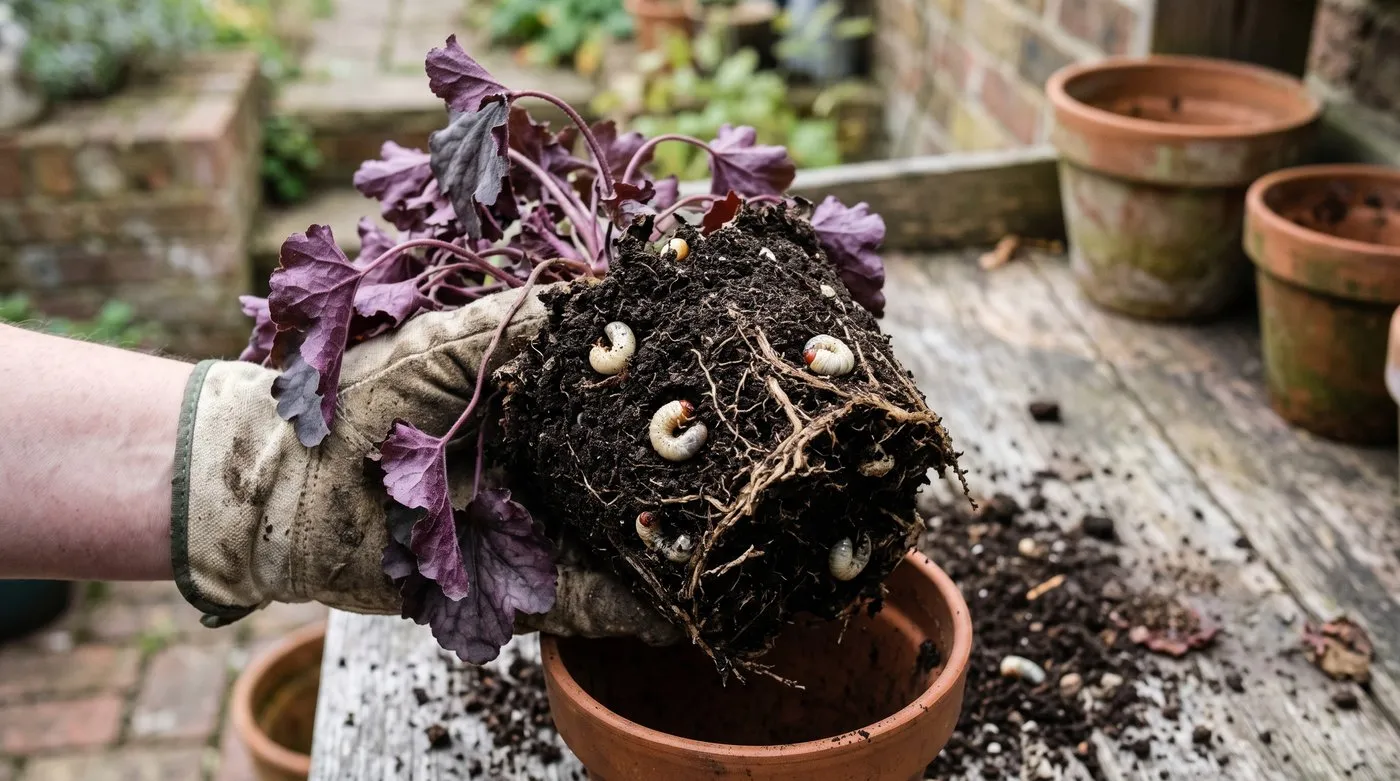
Plants in pots that wilt in moist compost often have these grubs underneath. Water nematodes in during August and September while the grubs are small.
Chafer grub nematodes
These go after the chafer grubs that wreck lawns. They need warmer soil, at least 12C, so apply from July to September. Water the lawn well before and after, and keep it moist for two weeks. For the whole lawn repair plan, see our chafer grub lawn guide. Fewer grubs also means badgers have less reason to dig, as our guide to deterring badgers explains.
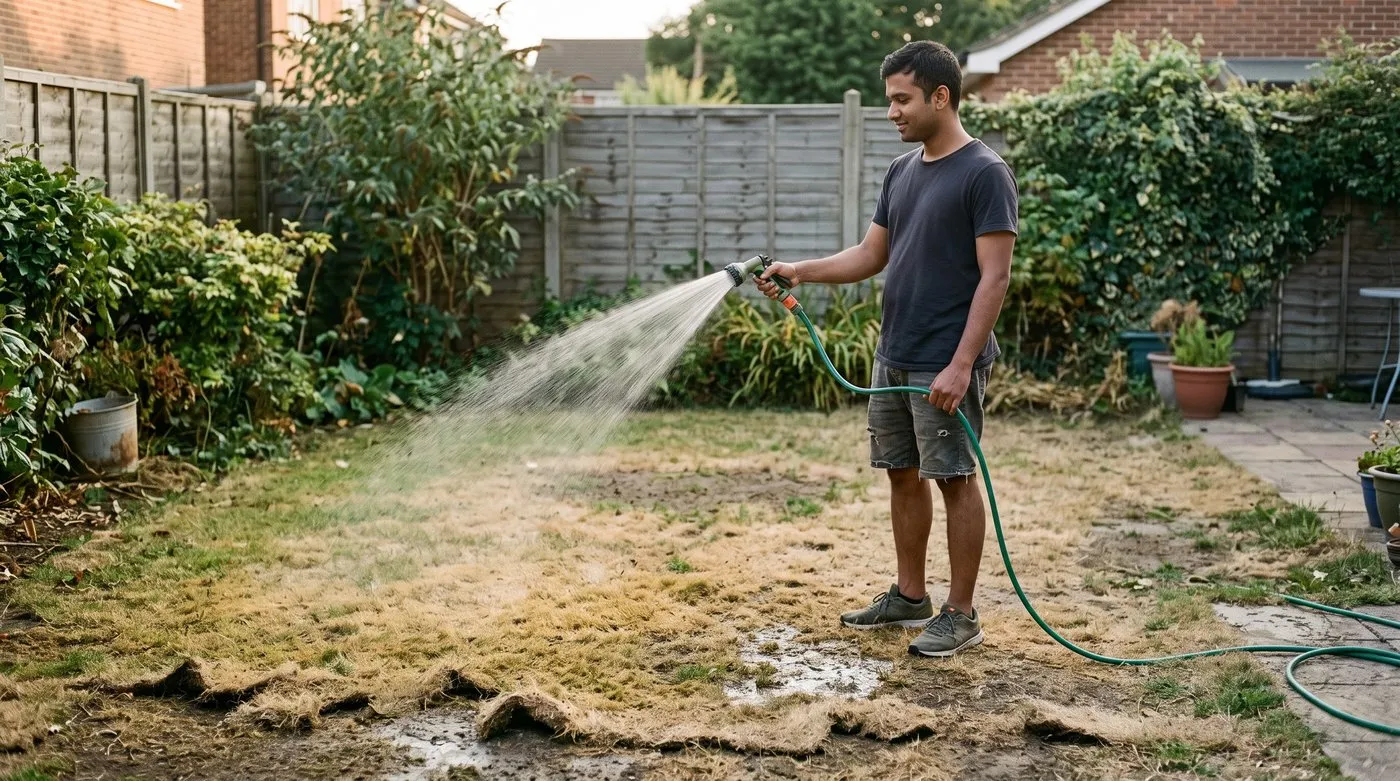
Chafer grub nematodes need warm soil and plenty of moisture. Water the lawn well before and after, then keep it damp for a fortnight.
Predatory insects you can buy
As well as nematodes, a few hungry insects are brilliant in gardens and greenhouses.
Lacewing larvae
Lacewing larvae are greedy aphid eaters, even more so than ladybird larvae. They’ll also eat whitefly, small caterpillars, thrips and mealybug.
Buy them as eggs or larvae and sprinkle them onto infested plants from May to September, once the weather is warm. They’re great on roses and broad beans covered in aphids, where they work their way up and down the stems.
Ladybird larvae
Two-spot ladybird larvae are the ones you’ll find for sale. Each larva munches through hundreds of aphids before turning into an adult, and the adults keep eating too.
Place them right on the aphid colonies in the evening. Don’t release them in heavy rain or wind. The larvae can’t fly, so they stay put until they grow up. For more chemical-free ideas, see our organic pest control guide.
Parasitic wasps and predatory mites
These tiny helpers do best in the warmth of a greenhouse.
Encarsia formosa for whitefly
This tiny wasp is the go-to for greenhouse whitefly. It lays its eggs inside young whitefly, which turn black as the wasp grows. Don’t worry, it’s far too small to sting you.
Introduce it from May, once the greenhouse is regularly warm (around 18C or more). You should see whitefly numbers falling within 3-4 weeks.
Phytoseiulus for red spider mite
This bright orange mite eats red spider mite and nothing else. In a warm greenhouse it breeds faster than its prey and soon gets on top of an outbreak.
Shake the mites onto affected leaves and they’ll spread out over the plant within hours. They like warmth and damp air, so mist the leaves in dry spells. Our spider mite guide helps you spot the damage.
Caterpillars: why Bt is not an option
Bt sprays aren’t approved for home gardeners in the UK, so they’re not an option for caterpillars. Instead, cover brassicas with fine insect mesh before butterflies lay their eggs. Pick off caterpillars and egg clusters, and let birds, ground beetles and wasps help out.
That’s the easy way of keeping caterpillars off your vegetables without upsetting the rest of the wildlife in your garden.
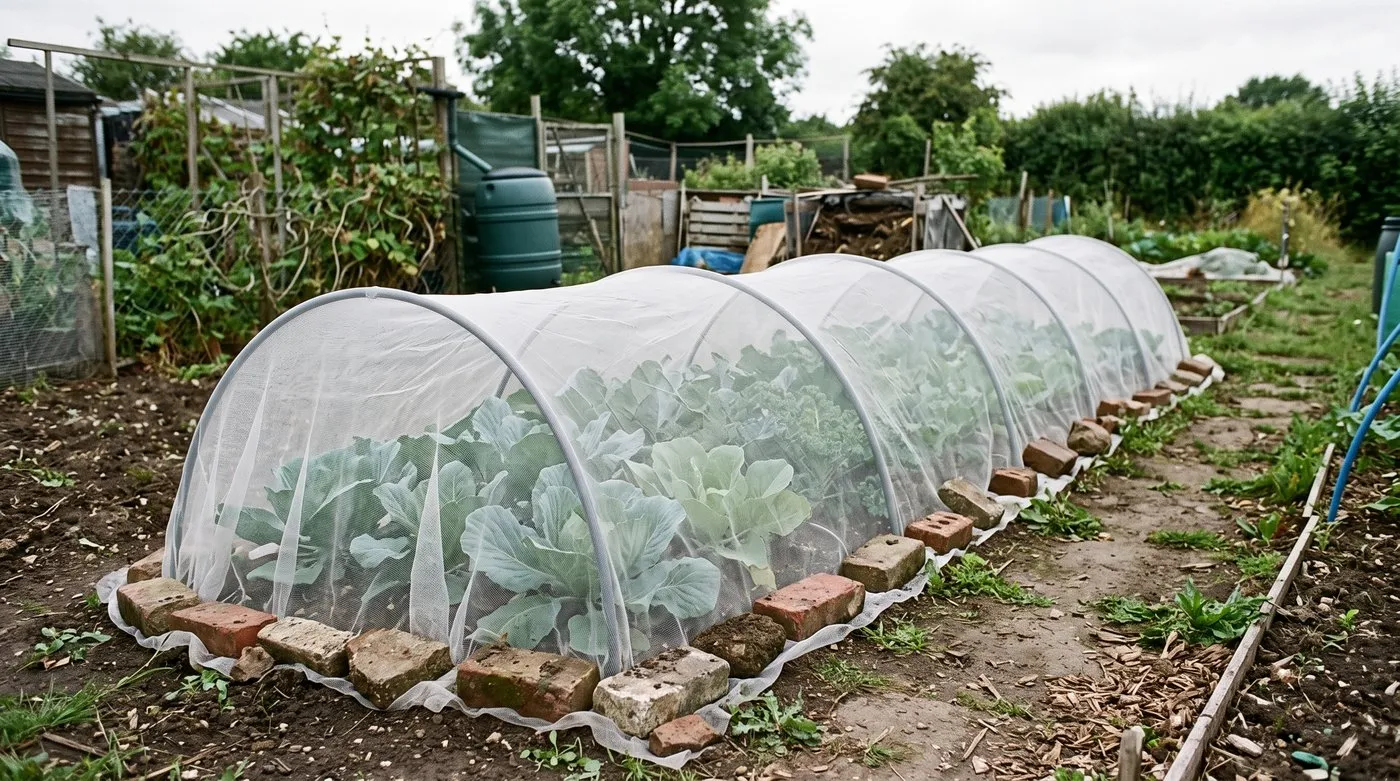
Fine mesh over hoops stops butterflies laying eggs in the first place. Weigh the edges down well so nothing can crawl underneath.
Which biological control do you need?
Here’s a quick guide to match the helper to the pest.
| Biological control | Pest | Needs warmth? | When |
|---|---|---|---|
| Slug nematodes | Slugs | Soil above 5C | March to October |
| Vine weevil nematodes | Vine weevil grubs | Soil above 5C | August to September, March to April |
| Chafer grub nematodes | Chafer grubs | Soil above 12C | July to September |
| Lacewing larvae | Aphids, whitefly, thrips | Warm days | May to September |
| Ladybird larvae | Aphids | Mild days | May to August |
| Encarsia formosa | Greenhouse whitefly | Warm greenhouse | May to September |
| Phytoseiulus | Red spider mite | Warm greenhouse | May to September |
When to use biological controls through the year
Timing matters. Too early and the soil is too cold for nematodes to work. Too late and the damage is done. Gardeners in the north may need to wait a little longer than those in the south.
March to April: Start slug nematodes once the soil reaches 5C. Treat pots of plants that spent the winter under cover for vine weevil. Hang yellow sticky traps in the greenhouse to spot early whitefly.
May to June: Bring in Encarsia once the greenhouse is warm. Release lacewing and ladybird larvae onto aphids outside. Aphids multiply fast now, so act as soon as you see the first clusters.
July to August: Treat lawns for chafer grubs. Add predatory mites if you see spider mite webbing in the greenhouse. Check netted brassicas for small caterpillars. Start vine weevil treatments in late August.
September to October: Give slugs a last dose before the soil gets cold. Finish vine weevil treatments by mid-October. Clear out greenhouse debris.
November to February: Nothing works outdoors now. Order early for spring, as popular products sell out. Make your garden welcoming to natural predators by building wildlife habitats and leaving some leaf litter for ladybirds and lacewings to shelter in.
How to apply nematodes properly
Water the soil first. Nematodes swim through the film of water in moist soil. On dry soil they get stuck on the surface and sunlight kills them. Water the area a couple of hours beforehand.
Apply in the evening. Sunlight kills nematodes fast. Stir the pack into a can of cool or lukewarm water and apply after 6pm, ideally on a dull day. Use a coarse rose, or take the rose off.
Water again afterwards. A light watering washes them off leaves and down into the soil. Keep the soil moist for two weeks.
Mixing biological controls with companion planting
Helpers work best in a garden that’s friendly to them. Companion planting brings in good insects and can help keep pests away.
Grow nasturtiums as a trap crop to lure aphids away from beans and brassicas. On brassicas, lacewing and ladybird larvae also help with mealy cabbage aphid. Sow phacelia, buckwheat and yarrow to feed hoverflies and parasitic wasps all summer.
A compost heap gives ground beetles somewhere to live, and they eat slug eggs and grubs. Leave a wild corner with long grass and leaf litter. That’s where ladybirds, lacewings and beetles spend the winter, ready to start work in spring.
The RHS guide to biological controls has more on what you can buy.
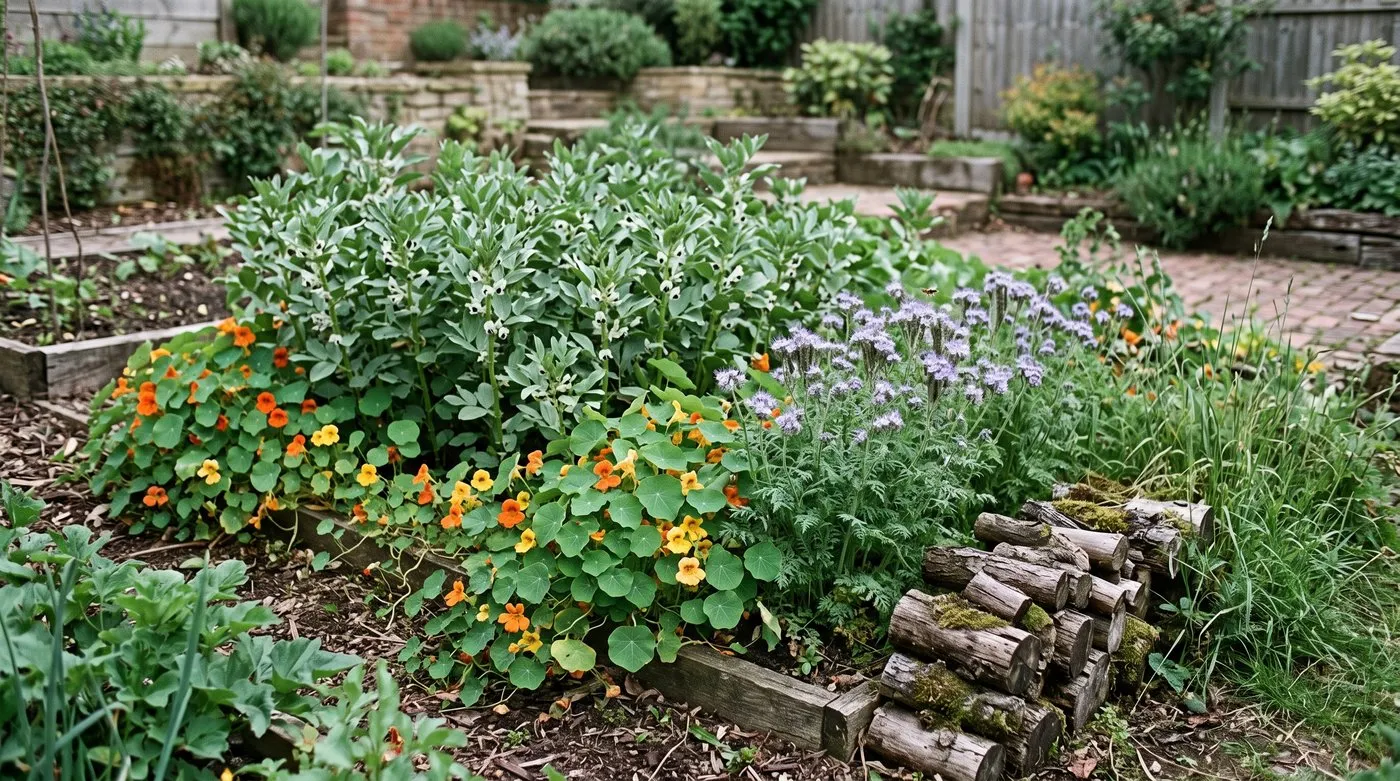
Phacelia feeds hoverflies and parasitic wasps, while nasturtiums lure aphids away from beans. A messy corner gives the helpers somewhere to overwinter.
Common mistakes with biological pest control
Keeping nematodes too long. They’re alive and don’t last. Use them within two weeks of delivery. A pack left in a hot car or on a sunny windowsill dies within hours.
Expecting instant results. Sprays work straight away, helpers take 1-3 weeks. Slugs take about a week to die, and Encarsia takes 3-4 weeks to build up. Be patient.
Spraying at the same time. Most pesticides kill the helpers as well as the pests. If you’ve released helpers, put the sprays away.
Only applying once. One dose of slug nematodes lasts about 6 weeks. Reapply every 6 weeks through the growing season.
Frequently asked questions
Do nematodes really work for slugs?
Yes, if the soil is moist and not too cold. Slug nematodes get inside slugs and kill them within about a week. The soil needs to be above 5C. Apply every 6 weeks from March to October to keep the slugs down.
What temperature do nematodes need to work?
Most need soil above 5C. Slug and vine weevil nematodes are happy from 5C. Chafer grub nematodes need warmer soil, 12C or more. A soil thermometer pushed 10cm down tells you if it’s warm enough.
When is the best time to apply nematodes in the UK?
Apply slug nematodes from March to October. Spring is the best time, when young slugs are busy near the surface. Use vine weevil nematodes in late summer, when the grubs are still small. Always apply in the evening, and water the soil before and after.
Are biological controls safe for pets and children?
Yes, they don’t harm people or pets. Nematodes, ladybird and lacewing larvae and parasitic wasps only go after their target pests. There’s no waiting time before you can pick crops or let the children play.
How much do biological pest controls cost?
Expect roughly £8-15 for a nematode pack. One pack covers about 40 square metres. Ladybird larvae, lacewing larvae and Encarsia wasps each cost around £10-18 a pack. A typical garden might spend £40-60 over a season.
Can you use nematodes and slug pellets together?
Yes, ferric phosphate pellets are fine alongside nematodes. Metaldehyde pellets have been banned in the UK since 2022. Use nematodes as your main control, and a few ferric phosphate pellets as a backup around hostas or delphiniums.
How do I store nematodes before applying them?
Keep them in the fridge until you’re ready. Never freeze them. Use them before the date on the pack, ideally within two weeks. Mix with water as the pack says and use straight away.
Related guides
Wireworms damage potatoes and carrots, and our wireworm guide explains how to deal with them. For the black aphids that smother broad beans, see black bean aphid control. Rabbits, deer and pigeons need a different approach, covered in our guide to mammal and bird pests.
Our team produces practical UK gardening guidance from source research, contributor records and established horticultural practice. Editorial standards are overseen by Matt W.


