Key takeaways
- Wireworms are slim, shiny, orange-yellow larvae up to about 25mm long, with three pairs of legs at the head end
- They leave narrow, round holes running deep into potatoes, unlike the wide, ragged holes slugs make
- Damage is worst in the first two or three years after a lawn or grassy plot is dug up
- Lift potatoes as soon as they're ready, as damage builds the longer they sit in the soil
- Regular digging in spring brings larvae up for birds, and numbers fall as the ground stays cultivated
Neat, narrow holes bored deep into your potatoes are the classic sign of wireworm. These shiny orange grubs are click beetle larvae, and they’re most common in ground that was recently lawn or rough grass. There’s no spray for them, but you can cut the damage a lot. Lift potatoes promptly, dig in spring and be patient: numbers fall after a few years of growing veg. Here’s how to identify them and protect your crops.
What does wireworm look like?
A wireworm is a slim, shiny, orange-yellow grub up to about 25mm long. It has a firm, segmented body and three pairs of tiny legs just behind the head. Pick one up and it feels stiff and smooth, a bit like a short piece of dry spaghetti. It doesn’t curl up like a soft cutworm or chafer grub.
Wireworms are the larvae of click beetles. The adults are narrow, dark brown beetles under about 1cm long. Turn one on its back and it flips into the air with a little click.
Click beetles lay their eggs in grass. The larvae then live in the soil for several years, up to five, feeding on roots before turning into beetles.
How to spot wireworm damage
Most damage hides underground until you lift the crop.
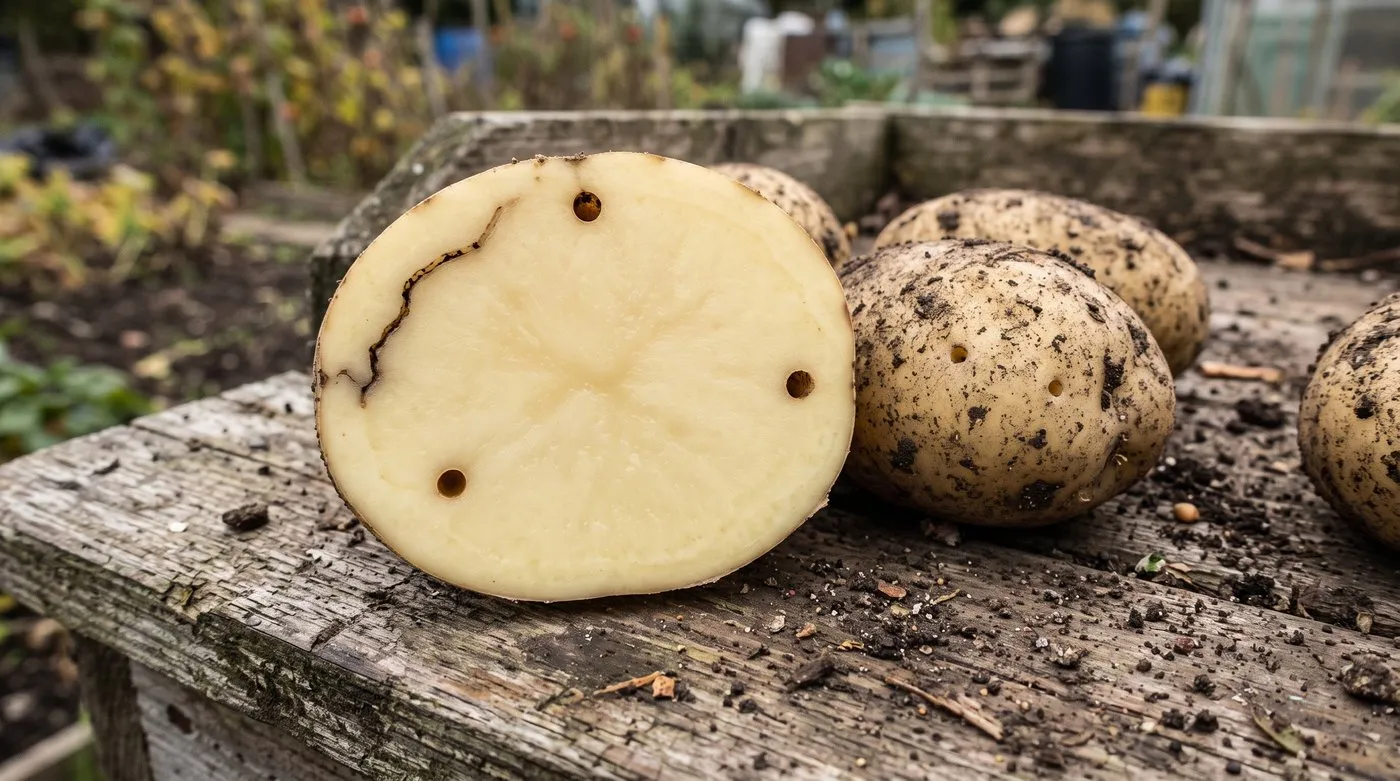
Narrow, round holes running deep into the flesh are the wireworm signature. Slug holes are wider and more ragged.
On potatoes, look for narrow, round holes a few millimetres across that run deep into the tuber. The skin around the hole is usually neat. Slug holes are wider, ragged and often open up into a bigger cavity near the surface.
On carrots and parsnips, you’ll see small holes and short tunnels, often near the top of the root. Twisting, rusty-brown tunnels are more likely to be carrot root fly.
On young plants, wireworms feed on roots and stems just below the soil. Lettuces, brassicas, onions and sweetcorn can wilt and die, sometimes several in a row. If seedlings are bitten clean through at soil level overnight, check the guide to cutworms, which cause similar losses.

Small holes dotted along carrot roots are typical wireworm damage. The carrots are still edible once you trim out the tunnels.
Why wireworm is worst on newly dug grassland
Click beetles love laying eggs in grass. A lawn, paddock or neglected allotment may have built up several years’ worth of larvae. Dig it over for veg and you uncover them all, hungry and ready for your potatoes.
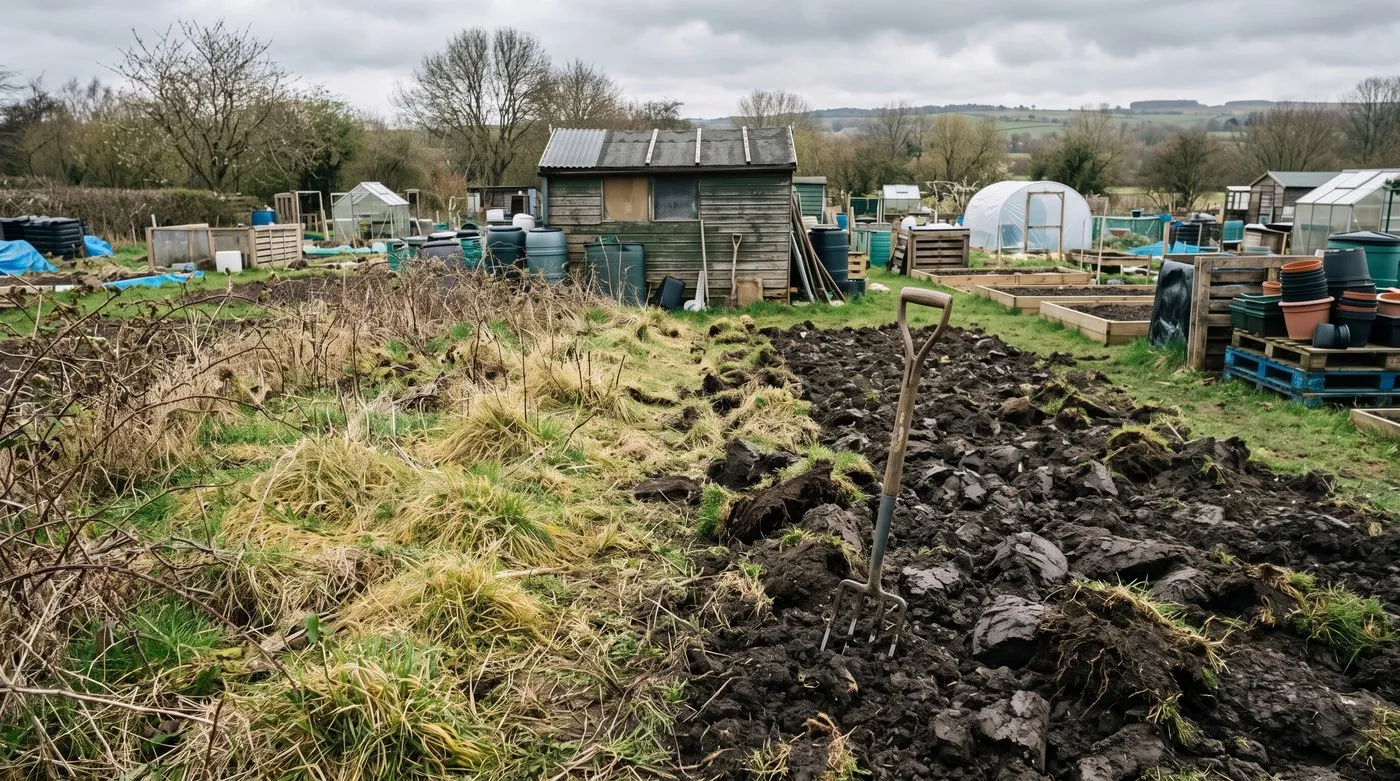
Freshly dug grassland like this often hides years’ worth of wireworms, so go easy on potatoes for the first season or two.
That’s why the first two or three years after breaking up grass are the worst. Once the ground is dug and growing veg every year, fewer eggs are laid there and numbers fall. After a few seasons most plots have only light damage.
Plots right next to permanent grass paths, hedges or meadows may keep a little damage, as beetles keep laying eggs along the grassy edges.
How to control wireworm
No single fix works on its own. Combine these habits over two or three seasons.
Lift potatoes as soon as they’re ready
The longer potatoes sit in the ground, the more damage they collect, especially from late summer. On a plot with wireworm, grow first and second earlies and lift them as soon as they’re a good size. If you grow maincrops, lift them as soon as the skins have set rather than leaving them into autumn. The guide to harvesting potatoes explains how to tell when they’re ready.
Dig the soil often in spring
Turning the soil with a fork a few times in spring brings larvae up to the surface. Robins, blackbirds and starlings are quick to pick them off. This also suits a new plot, which usually needs plenty of weeding and digging anyway.

Turning the soil in spring brings grubs to the surface, and robins are only too happy to help.
Choose what to grow on new ground
In the first couple of years on dug-up grassland, go easy on potatoes, carrots and parsnips. Grow crops that suffer less instead, such as peas, beans, brassicas and salads. Keep the plot well weeded, as grassy weeds attract egg-laying beetles.
Keep weeds and grass down
Click beetles look for grass to lay in. Keep grassy weeds out of beds and keep grass paths neatly trimmed.
Do nematodes work on wireworm?
Some nematode products, microscopic worms watered into the soil, list wireworm on the pack. Results are patchy, so treat them as an extra rather than a cure. They need warm, moist soil, so apply them in late spring or summer as the pack directs, usually in the evening or on a dull day.
There are no pesticides approved for wireworm in home gardens, and home-made remedies aren’t a legal or reliable option. The guide to biological pest control with nematodes covers how nematodes work and how to apply them.

Nematodes go on with a watering can onto moist soil. For wireworm, see them as a helping hand rather than a fix.
What doesn’t work against wireworm
Some popular ideas make little difference:
- Lime. Wireworms aren’t bothered by soil acidity, so liming won’t help.
- French marigolds. There’s no good evidence they deter wireworm.
- Coffee grounds and diatomaceous earth. They don’t reach the larvae deep in the soil.
- Home-made sprays. They aren’t approved pesticides and won’t reach the grubs anyway.
- Chickens. They’ll eat larvae at the surface while you dig, but can’t reach deeper ones.
The guide to organic pest control covers what does work for other common pests.
Wireworm or leatherjacket?
Both live in the soil and both get blamed for the same damage. They’re easy to tell apart.
| Feature | Wireworm | Leatherjacket |
|---|---|---|
| Colour | Shiny orange-yellow | Dull grey-brown |
| Body | Slim, hard and smooth | Fat, soft and leathery |
| Legs | Three pairs near the head | None |
| Where you find it | Veg beds, root crops | Lawns and grass roots |
| Adult | Click beetle | Crane fly (daddy-long-legs) |
If it’s in the lawn eating grass roots, it’s probably a leatherjacket. The guide to leatherjackets in lawns covers those.
A three-year plan for a new plot
Taken on a plot that used to be grass? This order of work helps.
Year one: grow early potatoes and lift them promptly. Dig and weed often in spring. Grow mostly peas, beans, brassicas and salads, and keep carrots and parsnips for later.
Year two: keep lifting potatoes early. Try a small row of carrots and lift them as soon as they’re usable.
Year three: damage should be much lighter. Start growing maincrop potatoes and more root veg as normal, watching for holes at harvest.
Common wireworm mistakes
Leaving potatoes in the ground into autumn. Each extra week gives wireworms more time to feed. Lift them as soon as they’re ready.
Planting maincrops on freshly dug turf. Start with earlies, which come out before the worst damage.
Blaming slugs for every hole. Narrow, round, deep holes are wireworm. Wide, ragged ones are slugs. The fixes are different.
Letting grass creep into beds. Grassy weeds give click beetles somewhere to lay eggs.
More help with common crop troubles is in the pest control hub.
Frequently asked questions
What does wireworm look like?
A slim, shiny, orange-yellow grub up to about 25mm long. It has a firm, segmented body and three pairs of tiny legs near the head. The adult is a narrow, dark brown click beetle that flips itself upright with a click.
How do I get rid of wireworm in my vegetable bed?
There’s no quick fix, so rely on good growing habits. Lift potatoes as soon as they’re ready, dig the soil regularly in spring so birds can feed, and avoid root crops on freshly dug grassland. Numbers drop over a few years of cultivation.
Will wireworm go away on its own?
Yes, numbers usually fall once grassland is cultivated. They’re highest in the first couple of years after turf is dug up. Click beetles lay eggs in grass, so a regularly dug plot doesn’t get topped up.
Which potato varieties resist wireworm?
No potato variety is resistant to wireworm. Early varieties suffer less because they’re lifted before late-summer damage builds up. Grow earlies on newly dug ground and lift them promptly.
Is wireworm the same as a leatherjacket?
No, they’re different pests. Wireworms are shiny, orange-yellow click beetle larvae with three pairs of legs, and attack root crops. Leatherjackets are fat, grey-brown crane fly larvae with no legs, and mostly damage lawns.
Are there any pesticides for wireworm?
No pesticides are approved for wireworm in home gardens. Some nematode products list wireworm, but results are patchy. Early lifting, regular digging and good crop choices do most of the work.
Planning next year’s crop? The guide to growing potatoes in the UK covers earlies, maincrops and when to lift them.
Our team produces practical UK gardening guidance from source research, contributor records and established horticultural practice. Editorial standards are overseen by Matt W.