Key takeaways
- Sow indoors from mid-February to mid-March somewhere warm, around 18 to 21C
- Plant outdoors in late May, once nights stay above 10C
- Start a tomato feed once the first truss of fruit has set, following the label
- Water steadily at the base to avoid blossom end rot and split fruit
- Blight is the big risk outdoors in July and August, so give plants space and keep leaves dry
- Easy picks include Gardener's Delight and Sungold, plus Shirley under glass
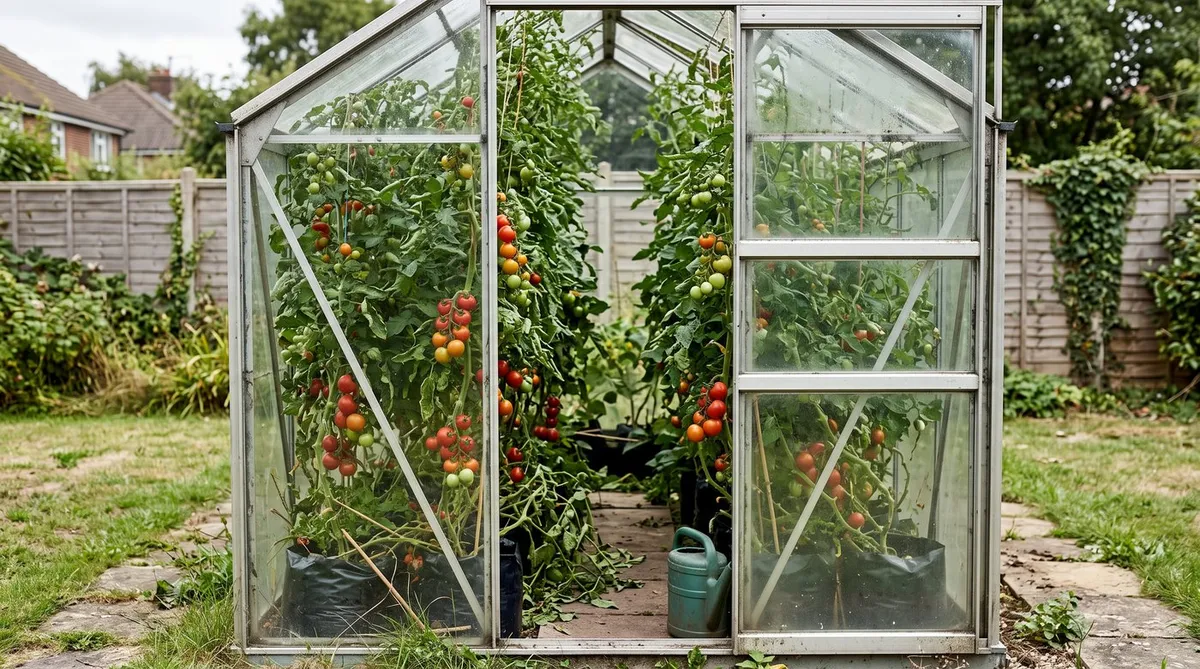
Tomatoes are one of the most popular crops in UK gardens, and they’re easier than you might think. They do brilliantly in greenhouses and polytunnels, and in sunny, sheltered spots outdoors. Get the timing, variety and feeding right and even a complete beginner can pick bowlfuls all summer. New to growing food? Start with our guide to starting a vegetable garden.
Below, we go from sowing your first seeds to picking ripe fruit in September, with tips for greenhouse and outdoor growers. Grafted plants are another way in, and our grafted vegetable plants guide explains how they work. For a year-round plan under glass, see best greenhouse plants month by month, or browse all our growing guides.
When to sow tomato seeds in the UK
Sow tomato seeds indoors between mid-February and mid-March. Somewhere warm, around 18 to 21C, gives the best results, and a heated propagator is ideal. Seeds usually come up in one to two weeks. A sunny windowsill works too, but they’re slower in a cooler room. For dates by region, see when to plant tomatoes in the UK, and our guide to what to plant in March lists other crops to start alongside them.
Timing matters. Sow too early and you get weak, leggy seedlings with nowhere to go. Sow too late and they won’t have time to ripen fruit before the autumn chill.
In northern England and Scotland, aim for early March. Southern growers with a heated greenhouse can start in mid-February.
Key dates for UK tomato growers:
| Stage | When |
|---|---|
| Sow seeds indoors | Mid-February to mid-March |
| Prick out seedlings | When the first true leaves appear, 2-3 weeks after sowing |
| Pot on into 9cm pots | Late April |
| Plant out | Greenhouse in May, outdoors in late May |
| First ripe fruit | Late June to mid-July |
| Main harvest | July to September |
| Pick green fruit to ripen indoors | Late September |
Gardener’s tip: Fill your seed trays the night before and let the compost warm up indoors. Cold, wet compost slows everything down.

Tomato seedlings in a heated propagator, ready to prick out once their first true leaves appear.
Choosing the right variety
For beginners, pick early, reliable varieties like Gardener’s Delight outdoors and Shirley under glass. The UK season is fairly short, so choose ones that ripen well in cooler summers. The RHS tomato guide has more ideas.
There are two main types. Cordon (tall) tomatoes grow as a single stem and need a cane, side-shooting and stopping. Bush tomatoes stay compact and need much less fuss, so they’re great for beginners outdoors.
Reliable outdoor varieties
- Gardener’s Delight: sweet cherry tomatoes on long trusses. A heavy cropper.
- Moneymaker: medium-sized and reliable in a cool summer. Not the tastiest, but dependable.
- Tumbling Tom: a trailing cherry tomato for hanging baskets and pots in small gardens. Bush type, so no pinching out. Red and yellow forms.
- Sungold: orange cherry tomatoes that are wonderfully sweet. A cordon type and a favourite with many growers.
- Red Alert: an early bush type, handy for northern gardens.
Best greenhouse varieties
- Shirley: medium-sized, disease resistant and very reliable under glass.
- Alicante: a classic with good flavour that does well in a greenhouse.
- Big Boy: huge beefsteak fruits that need warmth to ripen. Best in a heated greenhouse.
- Sungold: even sweeter under glass.
- Ferline: bred with some blight resistance. Handy if you leave the greenhouse doors open all summer.
For more on greenhouse choices, see our guide to the best greenhouse tomato varieties for the UK.
Variety comparison
| Variety | Type | Fruit size | Best for |
|---|---|---|---|
| Gardener’s Delight | Cordon | Cherry | Outdoors or greenhouse |
| Moneymaker | Cordon | Medium | Outdoors |
| Tumbling Tom | Bush | Cherry | Pots and baskets |
| Shirley | Cordon | Medium | Greenhouse |
| Big Boy | Cordon | Beefsteak | Heated greenhouse |
| Red Alert | Bush | Small | Short seasons, outdoors |

Cherry and medium tomatoes ripening in a greenhouse. Growing a mix gives you lots of flavours and sizes.
Sowing and potting on
Fill 7cm pots or module trays with seed compost. Sow two seeds per pot, 1cm deep. Water gently and keep them warm, around 18 to 21C.
Once the seedlings appear, move them to the brightest spot you have. On a windowsill, turn the pots every day so they don’t lean. If you use grow lights, keep them fairly close and on for 14 to 16 hours a day.
Pricking out
When the first true leaves appear (the jagged ones, not the smooth seed leaves), move each seedling into its own 9cm pot. Hold seedlings by a leaf, never the stem. Plant them deeper, with the stem buried up to the seed leaves. Tomatoes grow roots along buried stems, which makes a stronger plant.
Hardening off
Before planting out, toughen seedlings up over 10 to 14 days. Put them outside by day and bring them in at night, starting with a couple of hours and building up. Skip this and the shock can set them back for weeks.
Gardener’s tip: Wait until nights stay above 10C before planting tomatoes outside. In most of England that’s late May. In Scotland, early June.
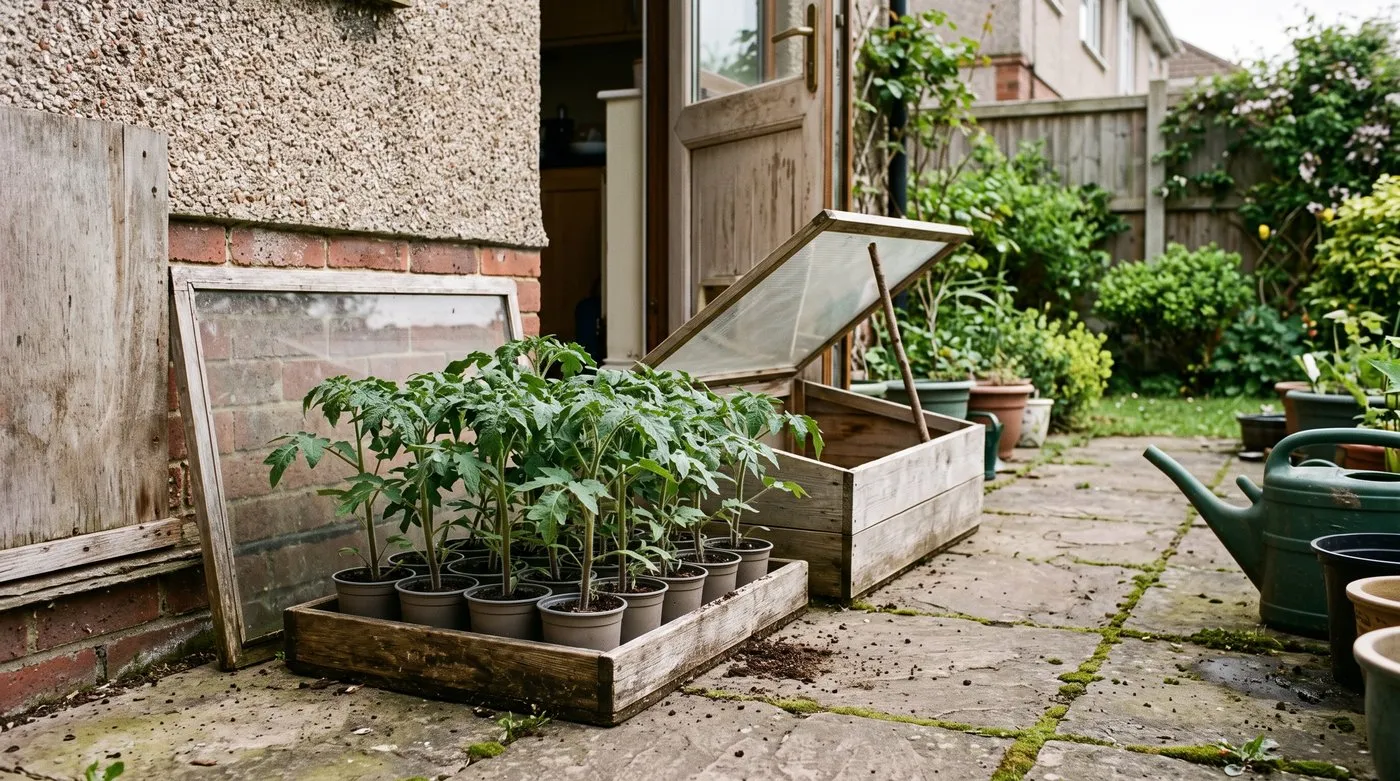
Start with a couple of hours outside on a mild day and build up over a fortnight. A spot by the back door makes it easy to bring them in at night.
Soil, compost, and feeding
Tomatoes are hungry plants. They like rich, well-drained soil.
Growing medium options
In the ground: Dig in plenty of well-rotted manure or garden compost the autumn before. A handful of bonemeal in each planting hole helps the roots.
Grow bags: A standard grow bag takes two or three plants. Two gives each one more room. Push a bottomless pot into each planting hole to give extra root space and make watering easier. Use fresh grow bags each year. Our guide to growing in grow bags has more.
Large pots: Use at least 10 litres for tall types and 5 litres for bush types. Raised beds work well too, as the soil warms up quickly. Fill pots with multipurpose compost mixed with some garden compost or perlite.
Feeding schedule
Don’t feed seedlings or young plants. Fresh compost has all they need, and too much food early gives lots of leaves and late fruit.
Start a tomato feed (high in potash, such as Tomorite) once the first truss of fruit has set. Use it as often and as strong as the label says. More is not better.
| Stage | Feed |
|---|---|
| Seedling to planting out | None |
| Planting out to first fruit set | None |
| First fruit set onwards | Tomato feed, as the label says |
| Heavy cropping | Same again, don’t increase it |

Feeding tomatoes at the base with liquid feed. Start once the first truss has set fruit.
Watering
Water tomatoes at the base, every day in hot weather and every two or three days when it’s mild. Patchy watering causes blossom end rot, one of the most common tomato problems. Little and often beats a flood now and then.
Keep water off the leaves, as wet foliage encourages blight. Early morning is the best time to water, so any splashes dry off during the day.
Watering guidelines
- Hot weather: water once a day, early morning
- Mild weather: every two or three days
- Greenhouse tomatoes: check daily, as they dry out faster
- Pots: may need watering twice a day in peak summer. Push a finger into the compost, and if it’s dry, water
A mulch of straw, bark or grass clippings around the base holds moisture in. Add it once the soil has warmed up in late May.
Top tip: Don’t let plants wilt and then drench them. The sudden rush of water makes fruit split. Steady watering gives better tomatoes.
Training and pruning
Cordon varieties
Cordon tomatoes grow as one tall stem. They need:
- Support: push a 1.5m cane in beside each plant when you plant it, or use a string. Tie the stem in loosely with soft twine as it grows.
- Side-shooting: pinch out the little shoots that grow in the angle between the main stem and the leaf stalks. Do it when they’re 2 to 3cm long. Check every few days in summer, as missed ones grow fast.
- Stopping: in early August, pinch out the top of the main stem. The plant then puts its energy into ripening the fruit it already has.

Pinching out a side shoot. Snap them off while small so the plant’s energy goes into fruit.
Bush varieties
Bush tomatoes need no staking or side-shooting. They sprawl into a mound. Tuck some straw underneath to keep the fruit off the soil.
Should you remove tomato leaves?
Yes, take off the lower leaves on cordon tomatoes once the first truss has formed. Remove leaves below the lowest truss, especially any touching the soil or turning yellow. This lets air in and stops soil splashing up, which helps keep blight and grey mould away.
Don’t strip the plant bare. The leaves above the fruit feed it as it ripens and shade it from scorching. Take off just two or three leaves at a time, cutting cleanly close to the stem.
Later in summer, removing a few leaves that shade the trusses lets in more light and air. Bush types only need yellow or diseased leaves removing.
Common problems
Blight, blossom end rot and dropping flowers are the problems you’re most likely to meet. Most come down to weather, watering or airflow.
Blight
Blight affects both tomatoes and potatoes. It spreads in warm, damp weather, usually July and August, and outdoor tomatoes are most at risk. You’ll see brown patches on leaves and stems, then the fruit rots. The RHS blight guide has good photos to help you spot it early.
Prevention: grow under cover if you can. Space plants about 60cm apart. Remove lower leaves as the plant grows, and water at the base. If blight appears, remove the affected plants and put them in the bin, not the compost heap.
Blight-resistant varieties like Ferline, Crimson Crush and Mountain Magic help but aren’t immune.
Blossom end rot
A dark, sunken patch on the bottom of the fruit. It isn’t a disease. Uneven watering stops the plant taking up the calcium it needs, even when there’s plenty in the soil.
Prevention: water steadily, mulch around the base, and don’t overdo high-nitrogen feeds.
Greenback
The top of the fruit stays green and hard while the rest ripens. It’s more common in very hot greenhouses.
Prevention: open doors and vents on warm days, and shade the glass in a heatwave. Our guide to greenhouse ventilation and humidity control covers automatic vent openers and more.
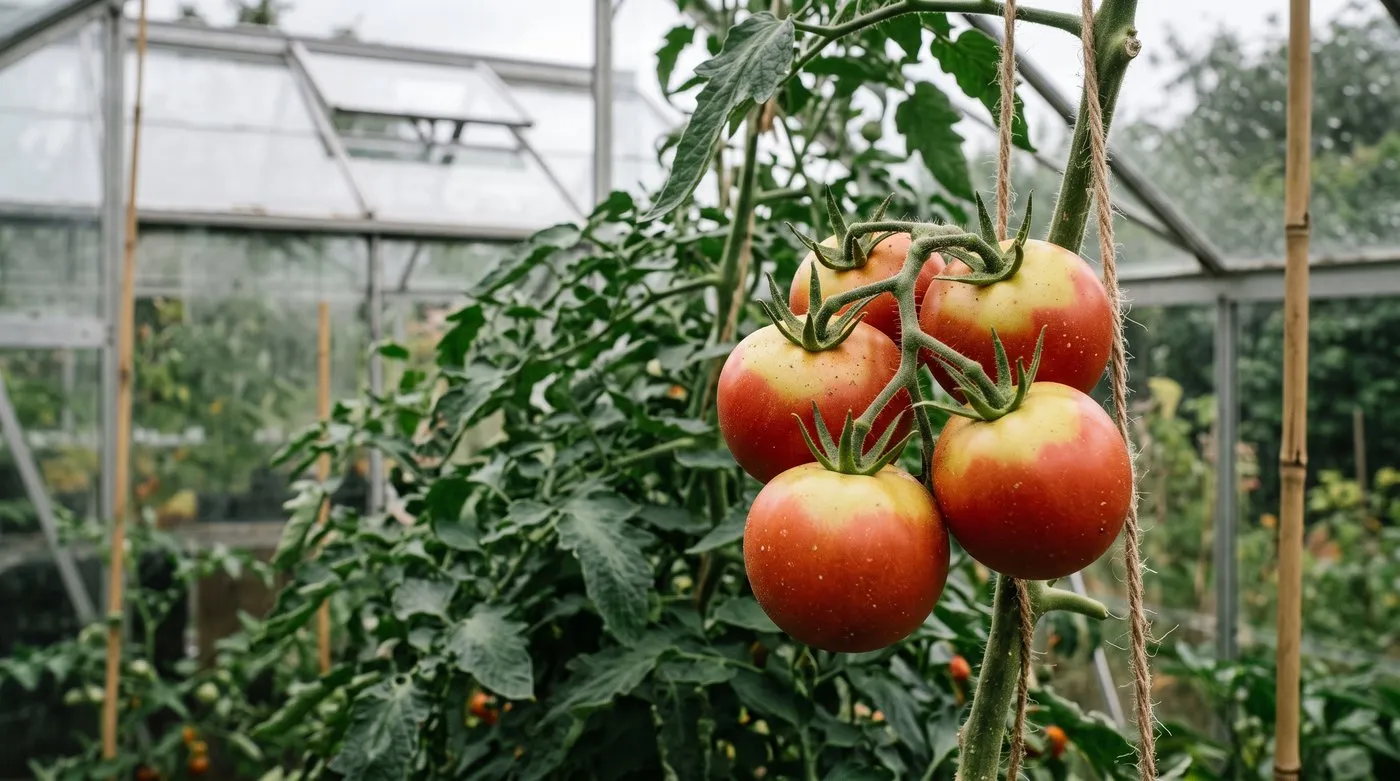
Greenback shows up when fruit gets too hot in strong sun under glass. Open the vents and door on warm days, and shade the glass during a heatwave.
Why are my tomato flowers dropping off?
Usually because the flowers weren’t pollinated. Dry roots, extreme heat or still, stuffy air are the common causes. A flower that falls off leaves a little yellow stalk behind.
Keep the compost evenly moist. In a greenhouse, very hot or dry air can stop pollen working, so open the vents and doors on hot days and damp down the floor in the morning.
Tomatoes pollinate themselves, but the pollen needs a shake. Outdoors, wind and bees do it. Under glass, gently tap the flowering trusses or canes around midday. Cold nights early in the season can also cause flower drop, which usually stops once nights warm up.
Leaf curl
Leaves rolling up on hot days is normal. The plant is just saving water. If they stay curled when it’s cooler, check under the leaves for aphids.
Whitefly
A common greenhouse pest. Tiny white insects cluster under the leaves and fly up when disturbed, leaving sticky honeydew behind.
Control: hang yellow sticky traps above the plants. A tiny parasitic wasp called Encarsia formosa is a natural control you can buy for greenhouses. Avoid sprays that harm the bees and pollinators that visit your plants.
Month-by-month tomato calendar
| Month | Jobs |
|---|---|
| January | Order seeds. Clean pots and seed trays |
| February | Sow seeds indoors somewhere warm (southern growers) |
| March | Sow seeds (northern growers). Prick out February sowings |
| April | Pot on into 9cm pots. Keep somewhere bright and frost-free |
| May | Harden off. Plant in the greenhouse. Outdoors in late May |
| June | Tie in cordons. Pinch out side-shoots weekly. Water regularly |
| July | Start feeding once the first truss sets. Watch for blight in damp weather |
| August | Pinch out the tops of cordons. Keep feeding and watering |
| September | Pick ripe fruit. Bring green tomatoes in to ripen |
| October | Clear finished plants. Compost healthy ones. Clean the greenhouse glass |
Harvesting and storing
Pick tomatoes when they’re fully coloured and come away from the truss with a gentle twist. They should feel slightly soft but not squishy. If one won’t let go easily, it’s not ready. In the UK that’s usually July to September.
Greenhouse cordons tend to crop most heavily, and outdoor bush types a little less. For what’s ready when, see our UK harvest calendar.
Why are my tomatoes not turning red?
Tomatoes stay green or orange when it’s too cold, or too hot, to ripen. Very hot greenhouses slow down the red colour, and so do cool nights in a dull British summer.
Under glass, ventilate well and add shading in a heatwave. Outdoors, there’s not much to do except take off leaves that shade the trusses and be patient. Fruit often catches up when the weather warms.
Pinching out the top of the plant in August helps too. It stops new flowers forming, so the plant ripens what it already has. Anything still green by late September is best picked and ripened indoors.
Ripening green tomatoes
In late September, pick the remaining green fruit and bring it inside. Pop them in a fruit bowl with a ripe banana, which gives off a gas that speeds up ripening. Or wrap them one by one in newspaper and keep them in a cool room. Check every few days and remove any that rot.

Green tomatoes ripening indoors with a banana, which helps them along.
Keep tomatoes out of the fridge. The cold dulls their flavour. Keep them at room temperature and eat them within a few days of ripening.
Gardener’s tip: Full-sized green tomatoes usually ripen indoors within a few weeks. Tiny ones won’t, so turn them into green tomato chutney instead.
Next, find out how to get the most from growing in grow bags on your patio. Or try a sweet greenhouse relative with our cape gooseberry guide.
Frequently asked questions
When should I sow tomato seeds in the UK?
Sow indoors between mid-February and mid-March. Somewhere warm, around 18 to 21C, such as a heated propagator, gives the quickest results. Seeds usually come up in one to two weeks. In northern England and Scotland, early March is better, as early sowings get leggy before it’s warm enough to plant out.
Can I grow tomatoes outside in the UK?
Yes, plenty of varieties do well outdoors. Gardener’s Delight and Moneymaker are reliable tall types, and Tumbling Tom is a great bush type. Give them a sunny, south-facing spot out of the wind. Outdoor plants usually crop a little less than greenhouse ones.
How often should I water tomato plants?
Daily in hot weather, every two or three days when it’s cooler. Always water at the base, not over the leaves. Patchy watering causes blossom end rot, a very common tomato problem. Plants in pots may need watering twice a day in a heatwave.
What is the best tomato feed to use?
Any liquid tomato feed high in potash, such as Tomorite. Start once the first truss of fruit has set, not before. Use it as often and at the strength the label says. More isn’t better, as too much feed just gives lots of leaves.
How do I prevent tomato blight?
Grow under cover if you can, as blight mostly hits outdoor plants. Space plants about 60cm apart, take off lower leaves and keep the foliage dry when watering. Blight spreads in warm, damp weather in July and August. Varieties like Ferline and Crimson Crush have some resistance.
How many tomatoes will one plant produce?
It varies a lot with the variety and the summer. A well-fed tall plant in a greenhouse usually gives the most. Outdoor bush types tend to give a bit less. Steady watering, regular feeding and a sunny spot make the biggest difference.
Our team produces practical UK gardening guidance from source research, contributor records and established horticultural practice. Editorial standards are overseen by Matt W.