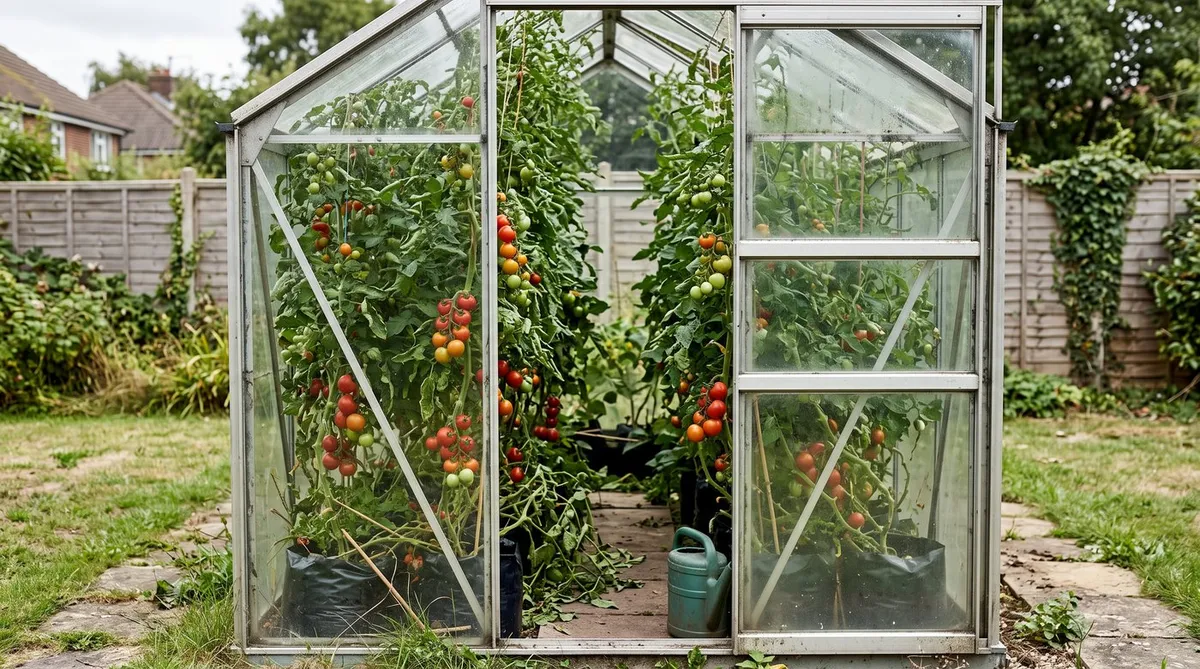
Key takeaways
- Sow greenhouse tomatoes indoors from late February to mid-March
- Sow outdoor tomatoes from late March to early April
- Keep seeds warm, then move seedlings into bright light
- Harden off indoor-raised plants for 10 to 14 days
- Plant outside only once the frosts are over where you live
Sow greenhouse tomatoes indoors from late February to mid-March. For plants that will grow outside, sow from late March to early April and wait until the frosts are over before planting them out.
These dates are a starting point, not a promise. A sheltered town garden, a cold inland plot and a windy coastal one all warm up at different times. Use the calendar to plan, then check your local forecast and how your plants look.
Tomato planting dates at a glance
| Your plan | When to sow | When to move to its final spot |
|---|---|---|
| Unheated greenhouse | Late February to mid-March | Once the greenhouse stays frost-free at night |
| Heated greenhouse | Late February to mid-March | When it’s warm enough for steady growth |
| Outdoor bed or raised bed | Late March to early April | Once the frosts are over |
| Outdoor pot or grow bag | Late March to early April | Once the frosts are over, with extra shelter if needed |
The RHS tomato growing guide splits it the same way, with an earlier greenhouse crop and a later outdoor one. Seeds come up best at around 18C, so a heated propagator or warm, bright windowsill beats a chilly shed in early spring.
When should you sow tomato seeds?
Sow early enough to grow a sturdy young plant, but not so early that it gets tall and floppy waiting indoors. February sowing suits a greenhouse crop. For outdoor tomatoes, wait until late March or early April, when the days are longer and there’s more light.
Fill a small pot or tray with seed compost, water it and let it drain. Sow as the packet says, cover lightly and keep it warm. Move the seedlings into bright light as soon as they’re up. On a windowsill, turn the pots each day so the stems don’t lean.
Pot them on once they’re big enough to handle. Hold a seedling by a leaf, never the stem, and plant it a little deeper if it’s stretched. Our beginner’s guide to growing tomatoes follows them all the way from seed to harvest.

Good light and careful watering keep seedlings short and sturdy.
When can tomatoes go into a greenhouse?
A greenhouse gives shelter, but an unheated one can still get very cold at night. Don’t move tender plants in just because the sun has warmed the glass for an afternoon. Wait until it’s staying frost-free overnight.
If they’ve been raised in a warm room, ease them in gently. Start on a mild day, keep them out of harsh sun at first and bring them back in before a cold night. A min-max thermometer tells you far more than one warm afternoon.
If you’re growing lots of crops under glass, our UK greenhouse growing calendar helps you plan the space.
When can tomatoes be planted outside?
Plant outdoor tomatoes once the frosts are over where you live. For many gardens that’s late May or early June, but your own garden matters more than a national date.
Harden them off for 10 to 14 days first. Put them outside somewhere sheltered for part of a mild day, then leave them out a little longer each day. Don’t go straight from a warm windowsill to cold wind and strong sun. The RHS May jobs list gives the same advice for all tender veg.
Pick a sunny, sheltered spot. Plant at the same depth or a little deeper than in the pot, firm gently and water well. Pots can be moved against a wall in a cold snap, but don’t let them sit in saucers of water.

Once the weather settles, plant into a sunny, sheltered spot after hardening off.
How do you know a tomato plant is ready?
A plant ready for its final home is sturdy, well rooted and growing well. A thick stem and healthy leaves matter more than height. The roots should hold the compost together without going round and round the pot.
Don’t leave a plant stuck in a tiny pot. If it’s still too cold outside, move it into a slightly bigger pot and keep it somewhere bright. Water when the compost starts to dry, then let it drain. Cold, soggy roots are bad news.
Some plants are sold with their first flowers forming. Handle those gently. If you’re choosing between plants at the garden centre, pick the short, healthy one over the tallest.
Pots, grow bags or open ground?
Tomatoes grow well in all three, as long as the roots have room and get regular water.
| Where | How to start | What to watch |
|---|---|---|
| Large pot | One plant in a 30-45cm pot | Dries out fast in warm weather |
| Standard grow bag | Two plants per bag | Make sure each has enough room |
| Greenhouse border | Dig in compost before planting | Move crops around and keep air flowing |
| Sunny outdoor bed | Shelter from strong wind | Keep other plants from crowding them |
Whichever you choose, put the cane or string in early, so you don’t push it through the roots later.

Cordon (tall, single-stem) tomatoes need tying in and side shoots pinched out. Bush types don’t.
A simple UK tomato calendar
February and March
Sow a greenhouse crop indoors. Keep the seeds warm, then give the seedlings plenty of light as soon as they appear. If March is your big sowing month, our what to plant in March guide helps you fit tomatoes in with everything else.
Late March and April
Sow outdoor tomatoes and pot on earlier seedlings. Get pots, supports and greenhouse space ready. Don’t rush tender plants into an unheated greenhouse in a cold spell.
May and early June
Harden off and keep an eye on the forecast. Plant outside once the frosts are over. Tie cordon varieties loosely to their support as they grow.
Summer
Water regularly, open greenhouse vents on warm days, and train the plants to suit their type. Check the leaves and fruit often so you spot problems early. Our guide to preventing and managing tomato blight shows what to look out for.
Late summer and autumn
Pick the fruit as it ripens. Outdoor plants may like a bit of extra shelter late in the season, but don’t wrap up wet leaves without letting air in.

Different tomatoes ripen at different speeds, so go by colour and feel, not the date.
Common tomato-timing mistakes
Sowing every plant in February
Early sowings can outgrow your windowsill long before they can go out. If you don’t have a greenhouse, sow later.
Treating a greenhouse as automatically frost-free
Unheated glass keeps some warmth in, but not always enough. Check the night-time temperature and cover plants in cold weather.
Planting outside on the first warm weekend
One warm afternoon doesn’t mean the frosts are over. Harden off and follow a good local forecast.
Choosing a fixed regional date
Gardens in the same county can be very different. Height above sea level, shelter, nearby buildings and frost pockets all play a part.
Starting with weak, crowded plants
Give seedlings space, light and careful watering. If they get crowded, pot them on rather than waiting for the calendar to catch up.
Browse more seasonal advice in our growing guides, or find the right tomato for you in our tomato variety guide.
Frequently asked questions
When should I sow tomato seeds indoors in the UK?
From late February for the greenhouse, and late March for outdoors. Keep the seeds warm and give the seedlings lots of light.
When can I put tomato plants outside?
Once the frosts are over where you live. Harden them off bit by bit for 10 to 14 days first.
Can I plant tomatoes in April?
In a greenhouse, yes, but not outside. Keep tender plants under cover while frost is still possible.
Is June too late to plant tomatoes?
No, young plants put out in early June can still crop well. Give them a warm, sheltered spot and keep them watered.
Do tomatoes need hardening off?
Yes, for 10 to 14 days if they were raised indoors. Leave them out a little longer each day and bring them in on cold nights.
Our team produces practical UK gardening guidance from source research, contributor records and established horticultural practice. Editorial standards are overseen by Matt W.