Key takeaways
- Cut when the grass is growing, the lawn is dry and the ground is firm underfoot
- That usually means March in the south and April in the north and Scotland
- Set the mower to its highest setting for the first cut and just top the grass
- Lower the height a notch each cut, never taking more than a third of the blade
- Rake out debris, check the lawn for stones and sharpen the blade first
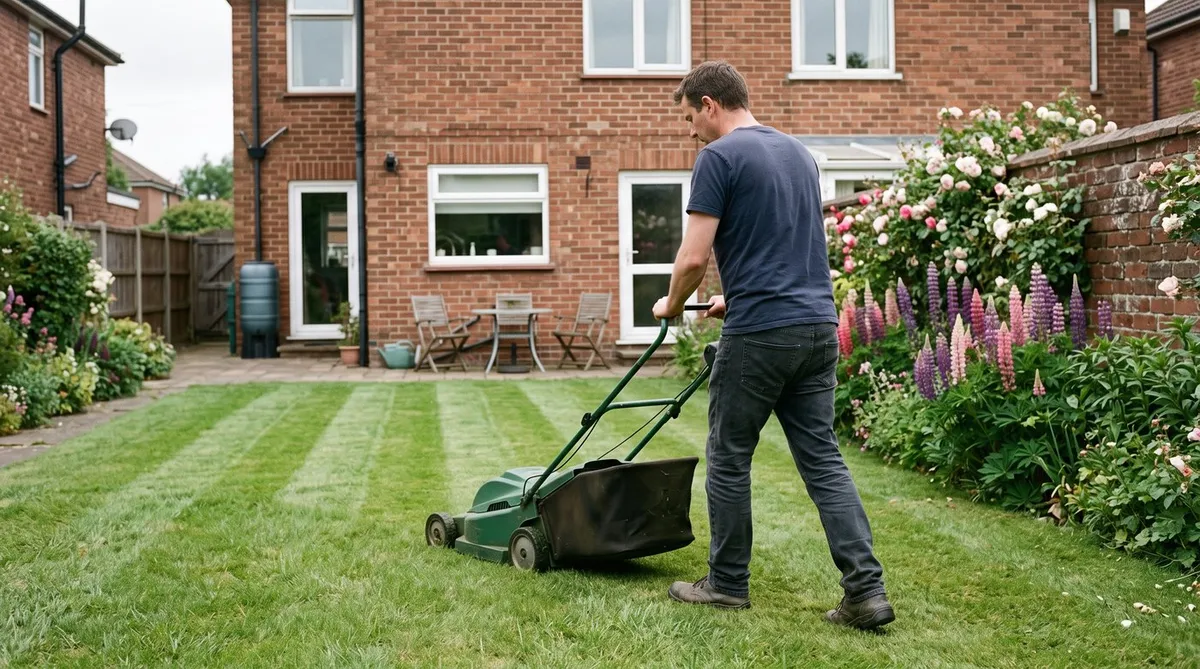
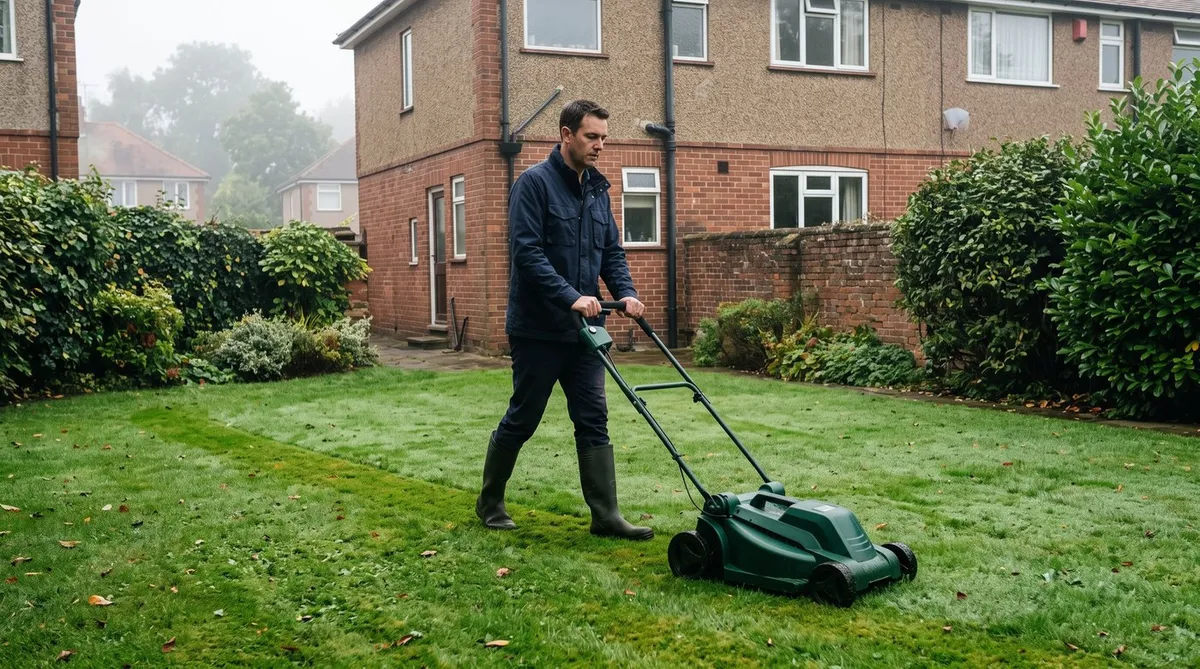
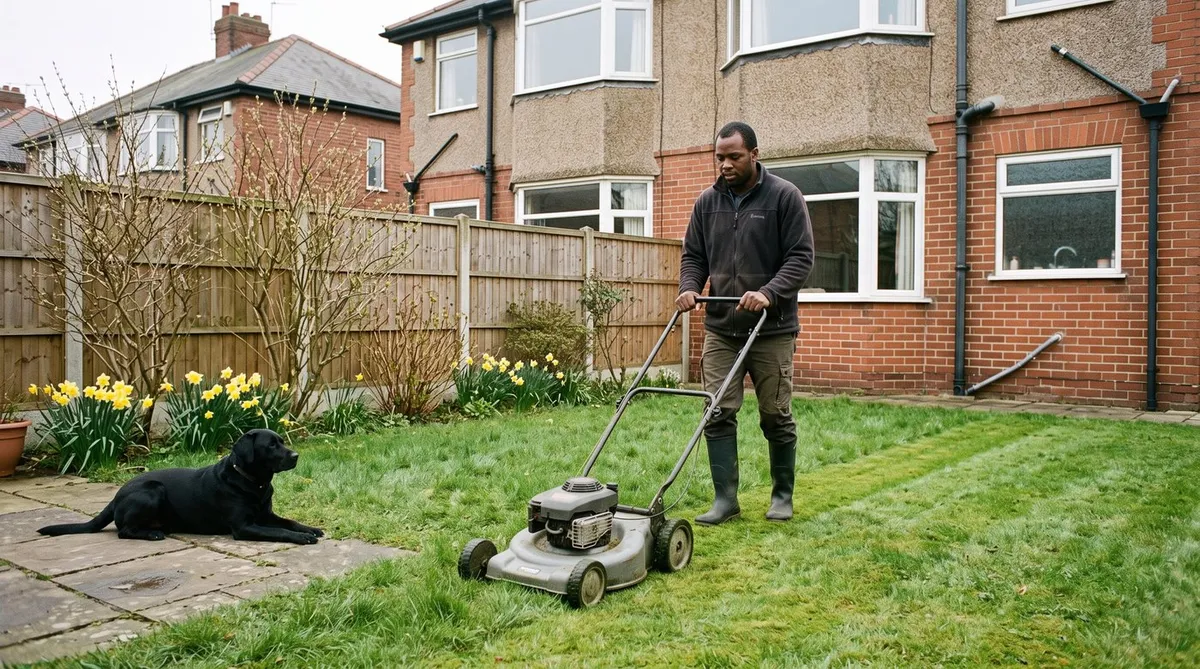
The first lawn cut of the year should be a gentle trim, not a short back and sides. Wait until the grass is growing, the lawn is dry and the ground is firm, then set the mower as high as it goes and just take the tips off. For most UK gardens that day comes in March or April.
This guide covers that first spring cut and the few weeks after it. For the rest of the year, the guide on when to mow your lawn covers timing through summer and autumn.
When can you make the first lawn cut after winter?
Make the first cut once the grass has started growing again, the surface is dry and the soil is firm. In southern England that is often March. In the Midlands, the north and Wales it is more like late March or April, and in Scotland usually April.
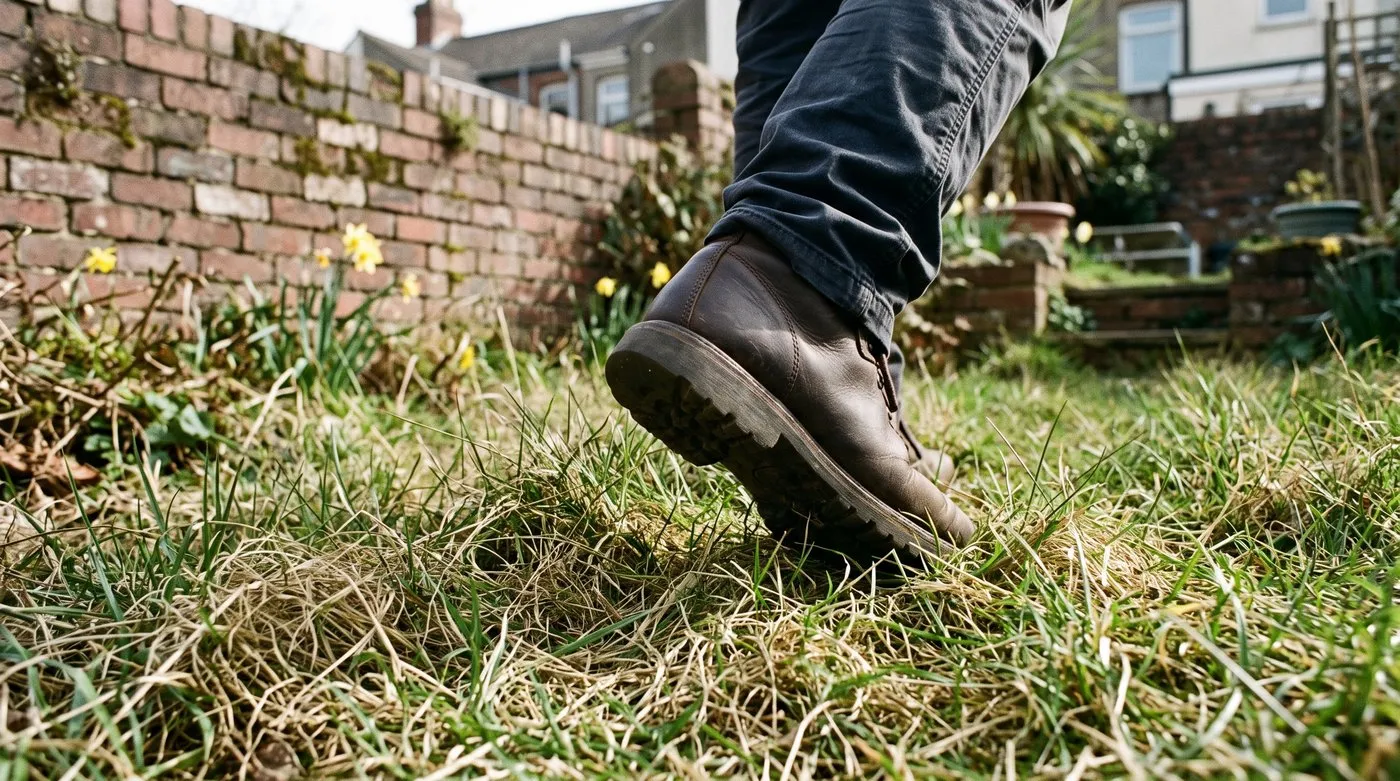
If you can walk across the lawn without leaving a soft, squelchy print, the ground is firm enough to mow.
| Region | Typical first cut |
|---|---|
| Southern England | March |
| Midlands and Wales | Late March to April |
| Northern England | April |
| Scotland | April, sometimes later |
Treat those dates as a rough guide. Check the lawn itself:
- Is it growing? The grass looks taller and greener than in winter, and new shoots are coming through.
- Is it dry? The blades are dry to the touch, with no dew or frost on them.
- Is the ground firm? You can walk across it without leaving soft, squelchy footprints.
If any answer is no, wait a few days. A cold snap after the first cut is fine, but don’t mow frosted grass.
Jobs to do before the first mow
A little preparation makes the first cut easier on you, the mower and the lawn.
- Clear the lawn. Rake up fallen leaves, twigs and debris. Pick up stones, toys and dog chews that could damage the blade.
- Rake lightly. A spring-tine lawn rake lifts dead grass and loose moss. Keep it gentle, as the grass is still waking up.
- Sharpen the blade. A blunt blade tears grass and leaves ragged, brown tips. The guide to when to sharpen a mower blade shows the signs to look for.
- Check the mower. Make sure it starts, the wheels turn freely and nothing is loose. For petrol mowers, check the oil.
Leave feeding, weeding and patch repairs until the grass is growing well, usually from April.

A gentle rake lifts winter debris and loose moss before the first cut. There’s no need to dig in hard at this stage.

A sharp blade cuts grass cleanly instead of tearing it. Early spring, before the first mow, is the easy time to do it.
How high to set the mower for the first spring cut
Set the mower to its highest setting for the first cut. You only want to take the tips off. This tidies the lawn without shocking grass that has only just started growing.
Then follow the one-third rule: never remove more than a third of the grass height in one cut. Lower the blade by one notch every cut or two over the next few weeks.
Most family lawns are happiest at around 2.5-4cm through summer. Fine ornamental lawns can go a little lower. The guide on how low to mow your lawn explains which height suits which lawn.
If the grass has grown very long over a mild winter, take it down in stages. Cut on the highest setting, wait a few days, then cut again a notch lower. A rotary mower copes with long spring grass better than a cylinder mower.

Check the height lever before you start. For the first cut, push it all the way up so you only trim the tips.
Why you should wait for dry grass
Wet grass tears rather than cuts cleanly. It also clumps under the deck, clogs the collector and leaves a patchy finish. Soft, wet ground gets rutted by mower wheels and footprints.
Pick a dry afternoon, once any dew has gone. If the lawn stays soggy for weeks, it may have a drainage problem rather than just a wet spring. The guide to mowing a wet lawn covers what to do if you really can’t wait.
Your spring mowing routine after the first cut
Once the lawn is growing steadily, settle into a routine:
- Early spring: mow every 10-14 days, lowering the height gradually.
- Late April to May: mow about once a week as growth speeds up.
- Clippings: collect them in spring when the grass is long and lush. Through summer, short clippings can be left on the lawn as a light mulch.
- Feeding: a spring lawn feed in April or May helps the grass thicken up. The guide to feeding your lawn covers what to use and when.
- Watering: spring rain is usually enough. Only water in a long dry spell, and then water deeply rather than little and often.

Gentle early cuts give a thick lawn like the one on the left. Scalping grass early in spring leaves it thin and patchy, like the right.
Common first-cut mistakes
- Cutting too short. Going straight down to summer height scalps the grass and lets moss and weeds in. Start high.
- Mowing wet or frosty grass. It tears the blades and marks the lawn. Wait for a dry day.
- Using a blunt blade. Torn tips go brown and the lawn looks tired. Sharpen before the first cut.
- Scarifying hard in early spring. The grass is too slow to recover. Leave heavy scarifying until autumn. The guide to scarifying and aerating explains the timing.
- Ignoring bare patches. Note them now and reseed from April, when the soil is warmer. The guide to fixing a patchy lawn shows how.
Spring lawn calendar
| Month | What to do |
|---|---|
| February | Service the mower and sharpen the blade. Rake up debris on dry days |
| March | First cut in the south on the highest setting |
| April | First cut further north. Lower the height gradually. Spring feed |
| May | Mow weekly at summer height. Reseed bare patches |
Frequently asked questions
When should I first cut my lawn in the UK?
Usually March in the south and April in the north and Scotland. The real signals come from the lawn. The grass is growing again, the surface is dry and the ground is firm enough to walk on without leaving soft footprints. A cold spring can push the first cut back a few weeks.
How high should I set the mower for the first cut?
Use the highest setting your mower has. The aim is just to take the tips off. Over the next few cuts, lower it one notch at a time until you reach your summer height. That is around 2.5-4cm for most family lawns.
Can I cut the grass if it’s wet?
It’s best to wait for a dry day. Wet grass tears rather than cuts, clumps under the mower and leaves a messy finish. Soft, wet ground also gets rutted by wheels and feet. Mow in the afternoon once the dew has dried.
Should I scarify before the first cut?
No, a light rake is enough before the first cut. Heavy scarifying is best done in early autumn, when the grass has time to recover. If moss is bad, a light scarify in mid-spring is fine once the lawn is growing strongly.
What lawn jobs come before the first cut?
Rake up leaves and debris, and pick up stones, twigs and toys. Sharpen or replace the mower blade, and check the mower is working after winter. Save feeding and patch repairs until the grass is growing well, usually from April.
How often should I mow in spring?
About once a week once the grass is growing well. Early in spring, every 10-14 days is often enough. As growth speeds up in May, you may need to cut weekly or a little more often.
With the first cut done, the month-by-month lawn care calendar shows what your lawn needs for the rest of the year. There’s more in the lawn care hub.
Our team produces practical UK gardening guidance from source research, contributor records and established horticultural practice. Editorial standards are overseen by Matt W.