Key takeaways
- Autumn and the January sales are the best times for bargains
- Buy perennials in summer while they're in flower, so you can see the colour
- Bare-root roses, trees and hedging (November to March) cost less than potted ones
- Don't plant tender bedding out until after your last frost
- Take a list and check the label before an impulse buy
Timing your garden centre trips saves money and gets you happier plants. Stock arrives ahead of planting time, peaks in season, then gets reduced as the next lot comes in. Once you know the rhythm, you’ll know when to buy and when to wait. Plant sales dipped in the hot summer of 2026, with hardy plants down 14% in August (UK gardening statistics).
Here’s what to pick up each season, what to leave on the shelf, and when the bargains appear. It works whether you’re filling a new allotment or plugging gaps in a border.
 Spring is the busiest time at the garden centre, with bedding, seeds and compost everywhere.
Best things to buy at a garden centre in spring
Spring is when the shelves are fullest. Here’s what to go for.
Seed potatoes
Seed potatoes arrive from late January. First earlies go in from mid-March, second earlies in April, and maincrop from mid-April. Buy early for the best choice, as popular varieties sell out and often aren’t restocked.
Bedding plants
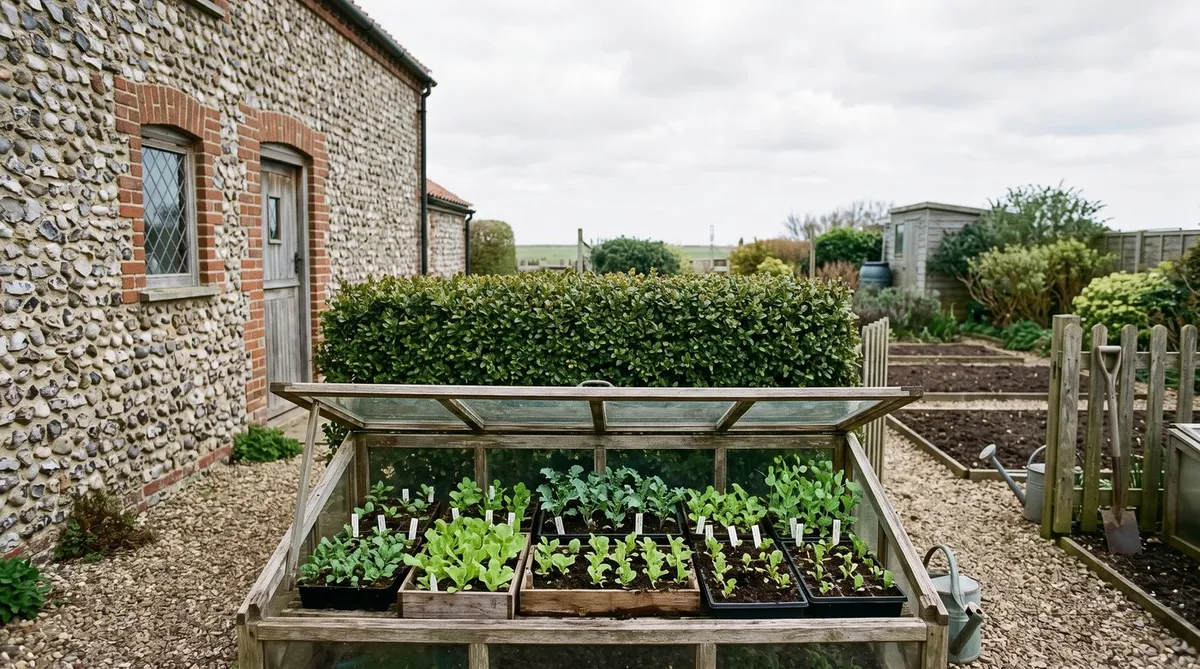
Bedding appears from late March, but don’t rush. Bedding plants are tender, and one late frost can finish them off. Wait until after your last frost to plant out. That’s usually mid to late May for most of the UK, and later in the north and Scotland. If you buy early, keep them in a frost-free greenhouse or porch.
Plug trays and strip packs are the best value. Plugs need potting on for a few weeks first, but they’re a real saving if you need lots. Our plug plants guide shows you how.
Compost and growing media
Spring brings the widest range of peat-free compost, often with multi-buy deals. Quality varies, so a well-known brand is a safer bet than the cheapest bag. Our peat-free compost guide helps you pick the right one. Or make your own with our guide on how to make compost.
Tools and sundries
New tools arrive from February and are fully stocked by March. It’s a good time to replace worn-out spades and secateurs before the rush. Good-quality tools last for years, so they’re worth a little extra. For what to do with them, see our spring gardening jobs.
Handy tip: Take a list and stick to it. Spring displays are made to tempt you. Decide what you need before you go.
Best things to buy at a garden centre in summer
Summer is about colour, patio pots and keeping the garden going.
Perennials in flower
This is the best reason for a summer trip. Perennials in flower show you the exact colour, height and shape before you buy. Online can be a bit cheaper, but you can’t check the colour suits your border.
Pick plants just coming into flower rather than ones in full bloom. They settle in better and flower for longer in their first year. Go for bushy plants with lots of stems.
 Buying perennials in flower lets you see exactly what colour you’re getting.
Patio plants and containers
Summer brings the best choice of planted containers. Ready-made pots save time, or buy single plants and a peat-free container compost with slow-release feed. A self-watering pot helps in hot spells. Our summer gardening jobs list has plenty more to do.
Herbs
Herb plants are at their best in May and June. Supermarket pots are cheaper but packed with crowded seedlings that tend to struggle. Garden centre herbs are grown with more room and last much better. Rosemary, thyme, sage and oregano come back every year in a sunny, well-drained spot.
Summer bulbs and tubers
Dahlias, gladioli and lilies are on sale from March to May. Plant dahlias out after the last frost, or start them in pots under cover from April for earlier flowers.
Best things to buy at a garden centre in autumn
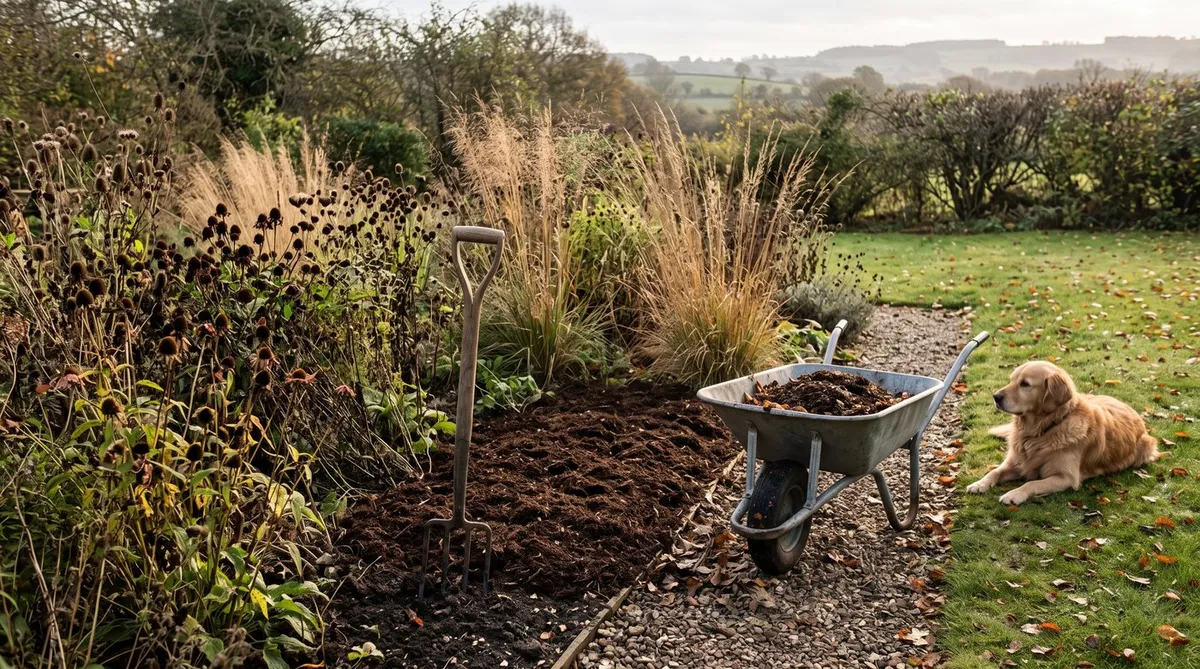
Autumn is the canny shopper’s season. Clearance prices are good, and plants settle in well in warm, damp autumn soil.
Trees and shrubs at clearance prices
From September, trees and shrubs in pots get reduced. They may be a bit pot-bound after a summer on the bench, but they settle in fine. Tease out or trim any circling roots before planting.
Bare-root trees arrive from November and are cheaper still. Plant them while they’re dormant, between November and March.
Spring bulbs
Spring bulbs are autumn’s best buy. Daffodils, crocus, alliums and hyacinths go in from September, and tulips in November. Buy early for the best choice, or grab reduced bulbs late in the season. For timings, see our guide on when to plant spring bulbs.
 Autumn clearance is a great time to pick up trees, shrubs and hedging.
Hedging plants
Bare-root hedging arrives from November and is far cheaper than potted hedging. Hawthorn, blackthorn, beech, hornbeam and privet are all sold bare-root. Plant on a mild day when the soil is moist but not waterlogged.
Bargain perennials
Perennials looking tired by late August get reduced in September. The tops may be scruffy, but the roots are fine. Plant them in autumn and they’ll grow away in spring. Our autumn gardening jobs guide has the full planting timetable.
Best things to buy at a garden centre in winter
Winter looks quiet, but there are good buys.
Bare-root roses
Bare-root roses are sold from November to March and cost less than potted roses in summer. They usually come in a wider choice too. Plant them as soon as you can whenever the ground isn’t frozen or soggy. Keep the roots damp until then, and water well after planting. If the ground is frozen, heel them into a spare trench for a while.
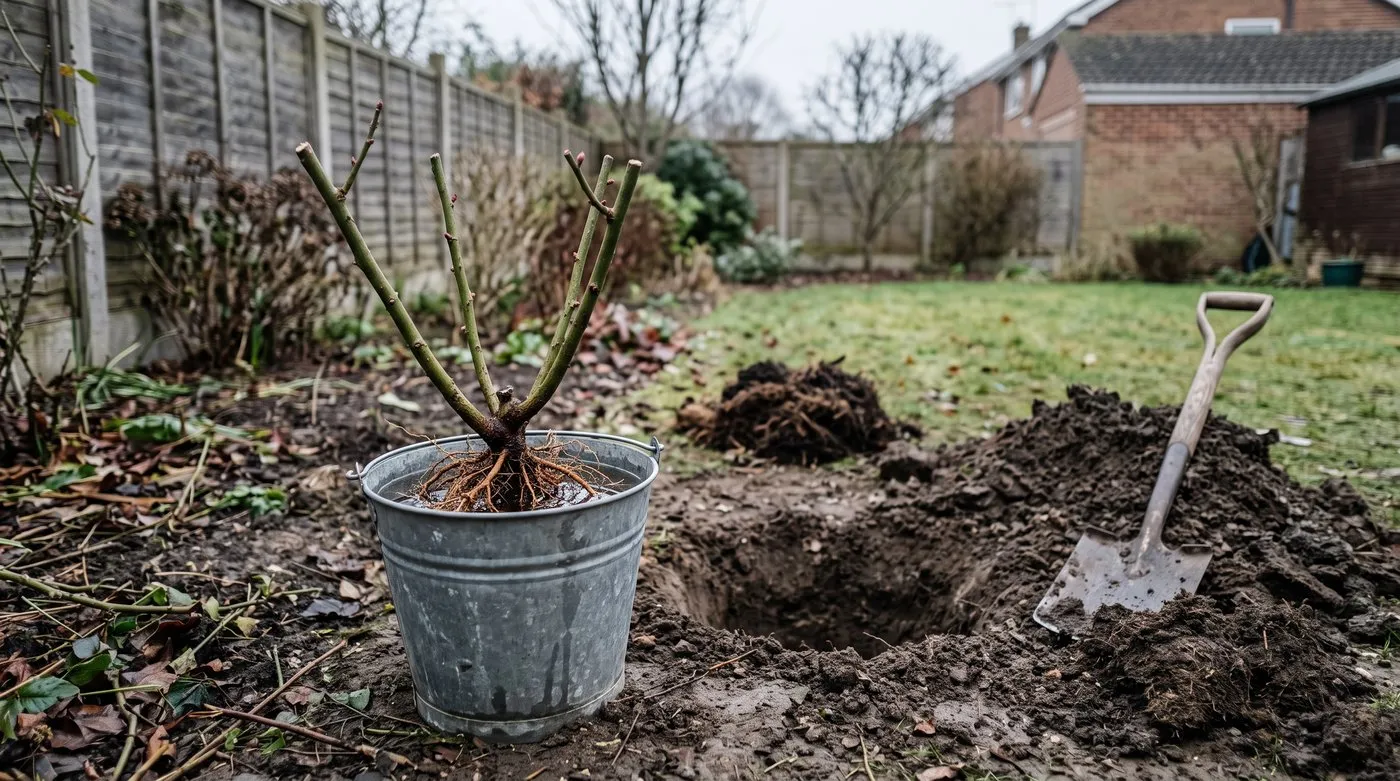
Keep bare-root roses damp until they go in, and plant whenever the ground isn’t frozen or soggy. A good soak while you dig the hole gives the roots a head start.
Seeds
Seed racks fill up from January, so it’s a great time to plan your year. One packet gives you lots of plants. Tomatoes, peppers and chillies can start on a warm windowsill from February.
Tools on sale
The January sales are the time for tools, pots and garden furniture. Bigger kit like mowers often sees the best reductions as shops clear old stock.
Composts and mulches
New-season compost starts arriving in January and multi-buy deals return. Stock up on multipurpose compost, seed compost and bark mulch. Keep bags off the ground on a pallet or shelf so they don’t get waterlogged. Our winter gardening jobs guide has more for the cold months.
What not to buy at the garden centre
Not everything is a good deal. Watch out for these.
Tender plants too early
Tender bedding and tomato plants appear from March, but frosts can hit until late May in many areas. Buying them weeks early wastes money unless you have somewhere warm and bright to keep them.
Topsoil in small bags
Small bags of topsoil and decorative gravel add up fast. For big jobs, a bulk bag from a local supplier is much better value. Small bags make sense only for top-ups.
Impulse plants
A plant that catches your eye may not suit your soil, light or space. Check the label for sun or shade, hardiness and final size. A camellia in chalky soil will sulk, and a fern in full sun will scorch. The RHS plant finder is a free way to check before you buy.
Hanging baskets too early
Hanging baskets appear in April but can’t go outside until after the last frost. Keep them under cover until late May in the south, or early June further north.
How to pick a healthy plant
A few quick checks stop you bringing a problem home.
Check the leaves
Look for bright green leaves with no yellowing, brown edges or black spots. Yellow lower leaves can mean overwatering or root trouble. Black spots can mean disease. Avoid wilting plants unless you’re sure they just need a drink.
Look at the roots
Gently tip the plant out of its pot. Healthy roots are pale and spread through the compost. Brown, mushy roots mean rot. Roots circling tightly round the outside mean it’s been in the pot too long. A slightly pot-bound plant is fine if you tease the roots out, but a badly pot-bound one often struggles.

Healthy roots are pale and spread through the compost. Walk away from brown, mushy roots, and tease out any that circle the pot before planting.
Look for pests
Check under the leaves and along the stems for aphids, vine weevil, whitefly and scale insects. Aphids cluster on new tips. Notches in the leaf edges are a sign of adult vine weevil. Leave any plant with pests behind.
Check the graft
On grafted plants like roses, fruit trees and Japanese maples, check the graft is clean and healed. A swollen, cracked or oozing graft is a weak spot.
Garden centre or online nursery?
Both have their perks. Here’s a quick comparison.
| Garden centre | Online nursery | |
|---|---|---|
| Seeing the plant | You pick the exact one | They choose and post it |
| Choice | Popular plants | Huge range, including rarities |
| Price | Mid to higher | Often cheaper, especially in bulk |
| Delivery | Take it home today | Postage, and a risk of damage in transit |
| Advice | Ask the staff | Email or phone |
| Returns | Easy | Fiddlier |
The best approach is to use both. Buy trees, roses and border perennials where you can see them. Order bulbs, seeds, hedging packs and unusual plants online.
Garden centre shopping calendar
| Month | Best buys | Leave for now |
|---|---|---|
| January | Seeds, bare-root roses, sale tools, compost deals | Tender plants |
| February | Seed potatoes, onion sets, early seeds, bare-root trees | Bedding, hanging baskets |
| March | Seed potatoes, herb plants, compost deals, new tools | Tender bedding |
| April | Bedding plugs to grow on indoors, patio pots, growbags | Tender plants for outdoors |
| May | Bedding (after last frost), herbs, tomato plants | Nothing, it’s peak season |
| June | Perennials in flower, summer bulbs, patio furniture | Full-price roses |
| July | Autumn-flowering bulbs, late perennials, watering kit | Large trees |
| August | Late perennials, reduced bedding | Spring bulbs (not in yet) |
| September | Spring bulbs, reduced trees and shrubs, hedging | Tender annuals |
| October | Reduced perennials, spring bulbs, bare-root hedging | Plants with no label |
| November | Bare-root roses and trees, tulip bulbs, garlic | Full-price potted trees |
| December | Gifts, houseplants, winter pansies, amaryllis | Planting into frozen ground |
Ready for autumn? Read our guide on when to plant spring bulbs next.
Frequently asked questions
What is the cheapest time to buy plants at a garden centre?
Autumn is usually the cheapest time for plants. From September, garden centres reduce trees, shrubs and perennials to clear summer stock. Bare-root plants from November to March are cheaper still than the same plants in pots.
When should I buy bedding plants from a garden centre?
Buy them once your last frost has passed. For most of the UK that means mid to late May, and a little later in the north and Scotland. If you buy earlier, keep them in a frost-free greenhouse or porch until it’s safe.
Are garden centre plants better than online plants?
Garden centres let you see the plant before you buy. You can check the roots, look for pests and see the real flower colour. Online nurseries often have rarer varieties and better prices in bulk, so many gardeners use both.
What should I look for when buying plants?
Look for healthy green leaves and firm stems. Skip plants with yellow leaves, black spots or pests. Gently tip the pot to check the roots are pale and healthy. Brown, mushy roots mean rot, and tightly circling roots mean the plant has sat too long.
Is it worth buying garden centre own-brand compost?
Sometimes, but quality varies a lot. Peat-free composts differ from bag to bag and brand to brand. A well-known brand is a safer bet, and staff can tell you which peat-free compost their customers come back for.
When do garden centres have sales?
January is the big sale month. End-of-season clearance runs through September and October, and bank holiday weekends often bring deals on furniture and pots. Some garden centres also have loyalty schemes worth joining.
Our team produces practical UK gardening guidance from source research, contributor records and established horticultural practice. Editorial standards are overseen by Matt W.