Key takeaways
- Lunar gardening times sowing and planting to the moon's roughly 29.5-day cycle
- Sow above-ground crops on a waxing moon and root crops on a waning moon
- Biodynamic calendars add leaf, root, fruit and flower days
- There is no reliable evidence it increases yields
- Never miss the right season or a warm spell waiting for the "right" moon
- It's free, harmless and can help you stick to a sowing routine
Lunar gardening means timing your sowing and planting to the phases of the moon. The classic rule is simple: sow leafy and fruiting crops while the moon is growing, and root crops while it is shrinking.
So does it work? There’s no reliable evidence that planting by the moon gives bigger or better harvests. Sowing at the right time of year, into warm soil, matters far more. But it’s harmless, it’s free, and plenty of gardeners enjoy the rhythm it gives the year. Here’s how it works and how to try it sensibly.
What is lunar gardening?
Lunar gardening is an old tradition of linking garden jobs to the moon’s cycle, which lasts about 29.5 days. Versions of it turn up in old farming almanacs and in modern biodynamic growing.
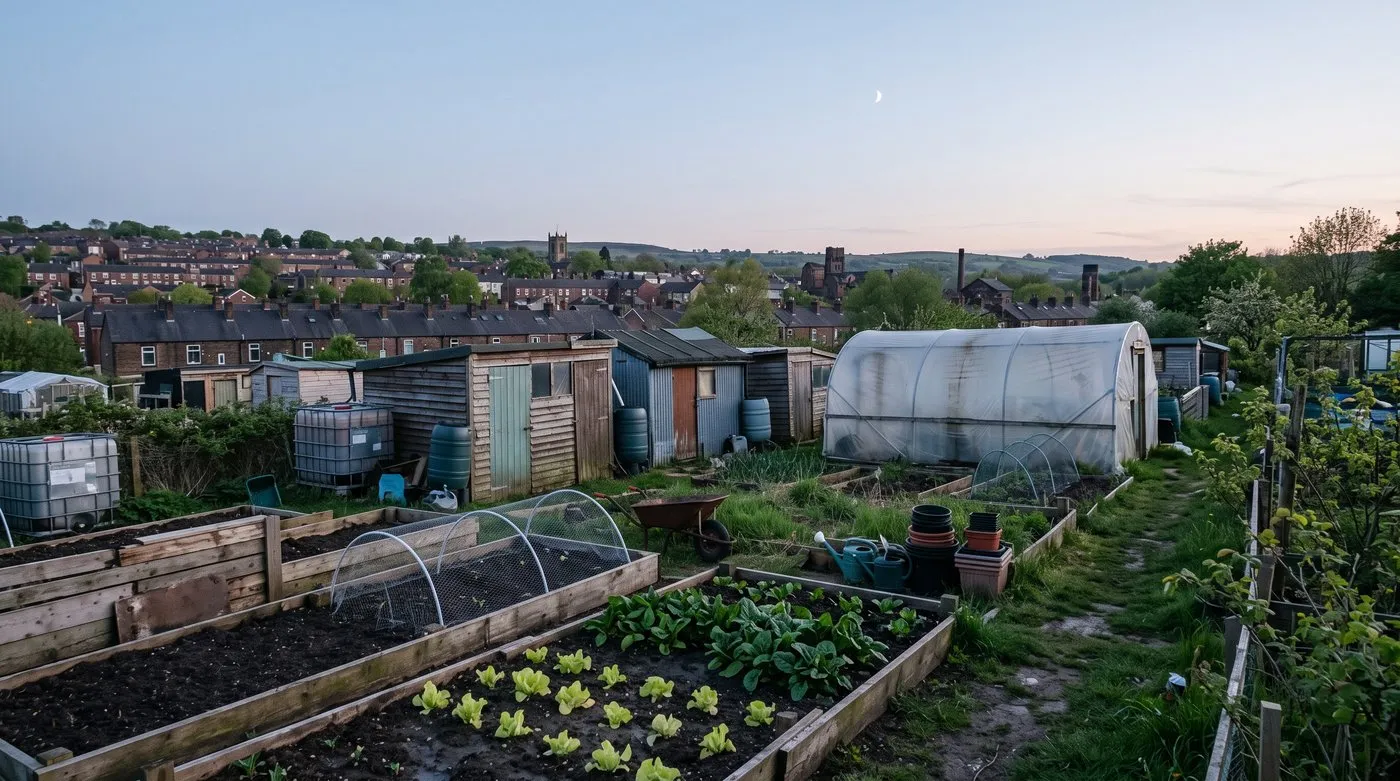
A waxing moon is the traditional time to sow leafy crops like lettuce and spinach.
The moon has two halves to its cycle:
- Waxing moon: from new moon to full moon, when the lit part grows each night.
- Waning moon: from full moon back to new moon, when it shrinks.
Traditionally, the waxing moon is said to draw moisture and energy upwards, so it favours crops you eat above ground. The waning moon is said to send energy downwards, so it favours roots. That’s the folklore, not proven science, but it’s the basis of every moon planting calendar.
The traditional moon planting rules
Most UK lunar calendars split the cycle into four quarters.
| Moon phase | Traditional job |
|---|---|
| New moon to first quarter | Sow leafy crops with seeds outside the fruit, such as lettuce, spinach and cabbage |
| First quarter to full moon | Sow crops with seeds inside the fruit, such as tomatoes, beans, peas and squash |
| Full moon to last quarter | Sow and plant root crops, such as carrots, beetroot, potatoes and onions |
| Last quarter to new moon | Rest from sowing. Weed, prune, dig and harvest for storing |
Some systems swap the first two quarters round. Different almanacs often disagree, which is one reason the evidence is so hard to pin down.

Planting onion sets as the moon wanes is the traditional time for root crops. The onions only care that the soil is workable.
Root, leaf, flower and fruit days
Biodynamic calendars go a step further. They give each day a crop type, based on the star sign the moon is passing through. You sow carrots on a root day, lettuce on a leaf day, sweet peas on a flower day and beans on a fruit day. These calendars grew out of biodynamic gardening, a system based on lectures Rudolf Steiner gave in 1924.
Does planting by the moon actually work?
There’s no reliable evidence that it does. Careful comparisons have not found consistent differences in harvests from sowing by the moon.
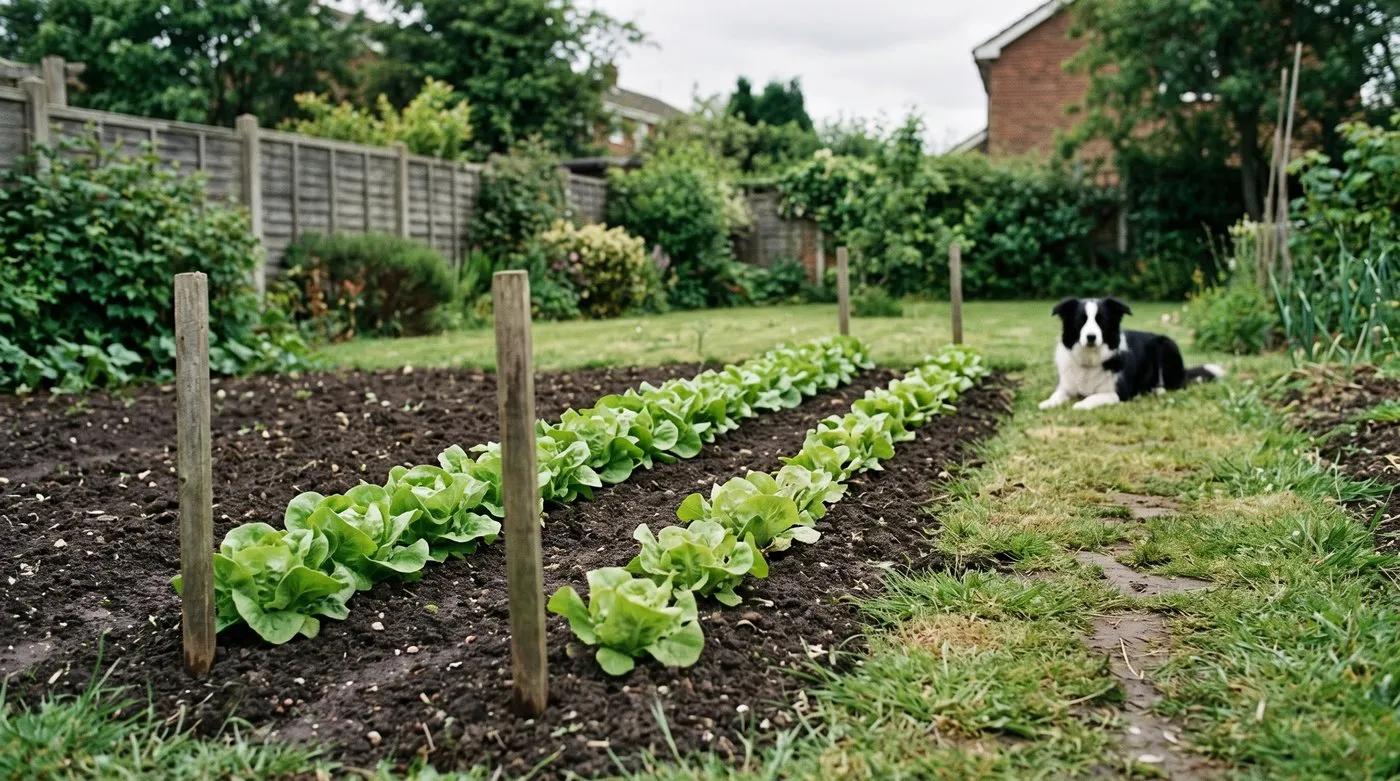
Two rows sown a week apart is a fair home test. The weather usually makes the bigger difference.
The two usual explanations don’t stand up well either:
- Moonlight is very faint compared with daylight, far too dim to change how plants grow.
- The moon’s gravity moves the oceans, but its pull on the water in a small patch of soil is tiny. One shower of rain makes far more difference.
Many keen lunar gardeners still swear by it. The most likely reason is that following any calendar makes you sow on time, keep records and pay attention. Those habits do give better crops. The moon is a handy, free reminder.
The other thing to know is that biodynamic preparations, such as manure buried in cow horns, have no scientific support. They take time and money for no proven benefit, so there’s no need to buy them.
How to try lunar gardening without risking your crops
If you’d like to give it a go, use the moon to choose the day within the normal sowing window, never instead of it.
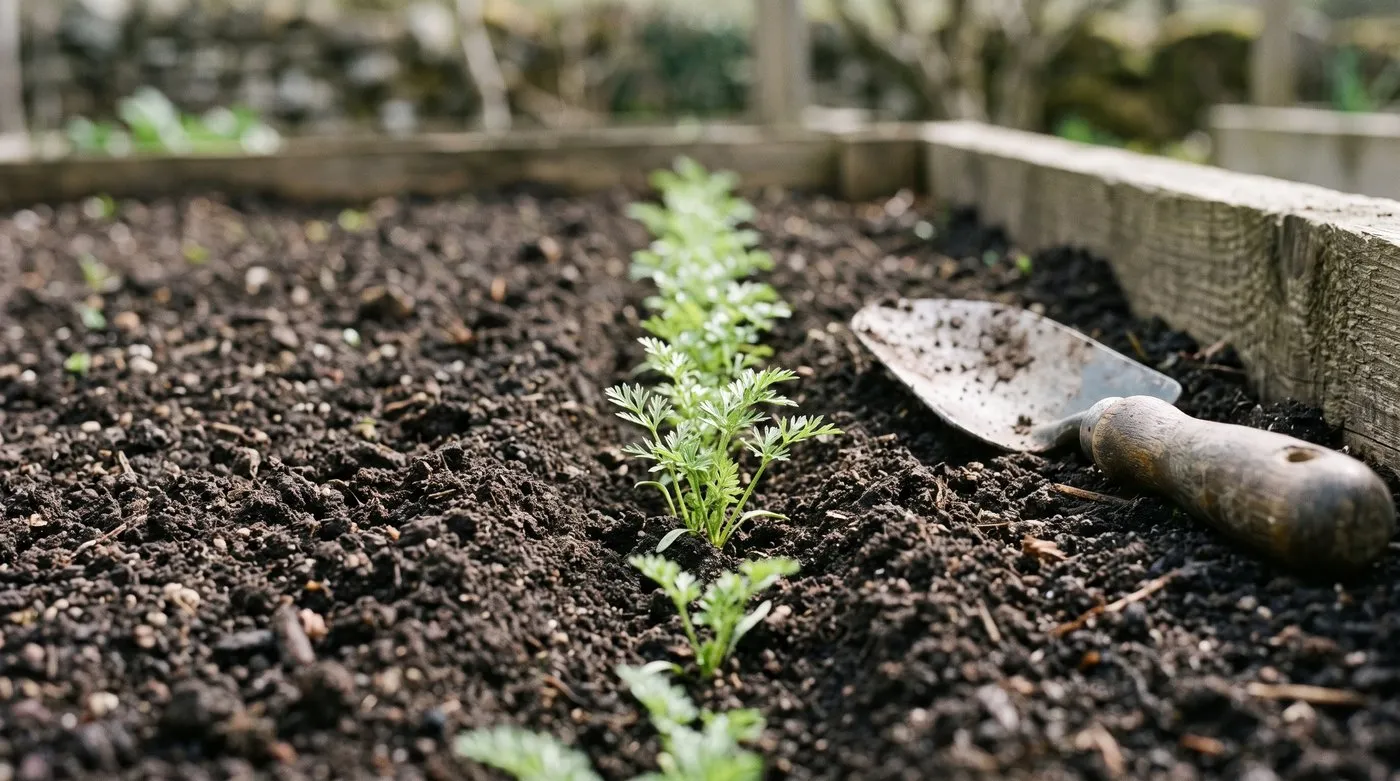
Whatever the moon is doing, carrots need warm, fine soil to come up well. Sow them in the right month first.
- Start with the season. Check when each crop should normally be sown. The moon only narrows the day.
- Check the moon. Moon phase dates are free online. A wall calendar with phases marked is handy in the shed.
- Match the crop to the phase. Leafy and fruiting crops on a waxing moon, roots on a waning moon.
- Let the weather win. If the soil is cold and wet on the “right” day, wait. If there’s a perfect warm spell on the “wrong” day, sow anyway.
- Keep notes. Jot down sowing dates and results. That record will teach you more than any almanac.
Want a fair test? Sow two short rows of the same crop, one on a waxing and one on a waning moon, a week or two apart. Compare them at harvest. Just remember that a week’s difference in weather can easily outweigh any moon effect.
Moon calendar vs a normal sowing calendar
Here’s how a lunar approach lines up with standard UK timings. The moon just narrows the day within each window.
| Month | Normal timing | Lunar twist |
|---|---|---|
| February to March | Sow tomatoes, peppers and early crops indoors | Pick a waxing moon |
| April | First outdoor sowings once the soil warms | Leafy crops on a waxing moon, carrots and beetroot on a waning moon |
| May to early June | Plant out tender crops after the last frost | Pick a waxing moon if the weather allows |
| June to July | Keep sowing salads every few weeks | Salads on a waxing moon, roots on a waning moon |
| August to September | Sow and plant overwintering onions | Plant on a waning moon |
| October to November | Plant garlic | Plant on a waning moon |
| December to February | Prune fruit trees and dig | Prune and dig on a waning moon |
The right-hand column is optional. The middle column is what really decides your harvest. The UK vegetable planting calendar has crop-by-crop dates.
What matters more than the moon?
The basics make far more difference to your crops than moon phase:
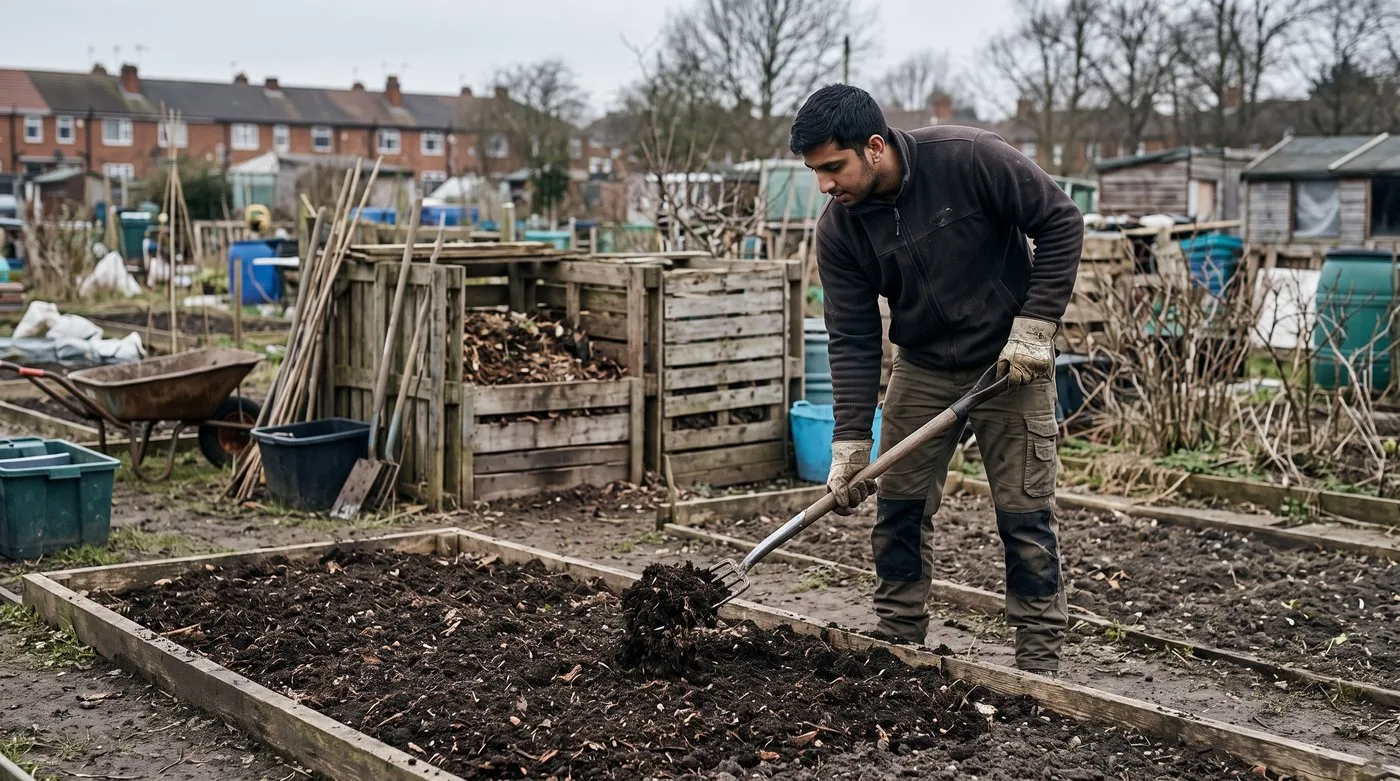
Feeding the soil with compost does far more for your harvest than the phase of the moon.
- Soil. Good structure and plenty of organic matter. Our guide to soil testing and pH shows where to start.
- Compost. Feeding the soil each year with homemade compost keeps it in good shape.
- Crop rotation. Moving crop families round each year keeps pests and diseases down. Try the crop rotation planner.
- Timing. Sowing into warm soil and planting tender crops out after the last frost.
Common lunar gardening mistakes
- Waiting too long for the “right” moon. Missing a warm sowing window costs far more than sowing on the “wrong” phase.
- Sowing in cold, wet soil because the calendar says so. Seeds rot. Wait for better conditions.
- Spending money on biodynamic preparations. There’s no evidence they help.
- Following several almanacs at once. They often disagree. Pick one and stick with it.
- Skipping the basics. No moon phase rescues poor soil or a missed season.
Lunar gardening sits alongside other bits of garden folklore, some useful and some not. Our round-up of common gardening myths sorts the helpful from the hopeful. If you came here for night-time planting ideas, a moon garden of white flowers and silver leaves is a lovely project.
Frequently asked questions
Does planting by the moon really work?
There is no reliable evidence that it improves crops. Season, soil temperature, weather and care make far more difference. Some gardeners enjoy it because it gives their sowing a regular rhythm.
What is the traditional moon planting rule?
Sow above-ground crops on a waxing moon and root crops on a waning moon. Waxing runs from new moon to full moon. Waning runs from full moon back to new moon.
Does the moon affect plant growth?
Not in any way that shows up in your harvest. Moonlight is very faint, and the moon’s pull on water in soil is tiny. Rain, temperature and daylight matter far more.
What is biodynamic gardening?
It’s a growing system based on lectures Rudolf Steiner gave in 1924. It mixes composting and crop rotation with moon and star calendars and special preparations. The composting and rotation are sound. The cosmic parts have no scientific support.
How do I follow a lunar planting calendar?
Check the moon phase, then match it to the crop. Moon phase dates are free online, and printed lunar calendars are sold each year. Use them only within the normal sowing season for each crop.
What are root, leaf, flower and fruit days?
They come from biodynamic calendars. Each day is linked to a type of crop, based on the star sign the moon is passing through. So carrots go in on root days and lettuce on leaf days.
Now you know how moon planting works, plan your year properly with our UK seed sowing calendar, or browse more growing guides.
Our team produces practical UK gardening guidance from source research, contributor records and established horticultural practice. Editorial standards are overseen by Matt W.