Key takeaways
- Lift tender bulbs in autumn; most hardy spring bulbs are happier left in the ground
- Dry lifted bulbs for one to three weeks before storing, or they rot
- Store them cool, dark, dry, airy and frost-free, ideally 5-10°C
- Pack them in dry sand, compost or newspaper in open trays, never sealed plastic bags
- Label every tray, as dormant bulbs look almost identical
- Check them monthly and throw out any that are soft or mouldy
To store flower bulbs, lift them on a dry day, dry them for one to three weeks, then pack them in dry sand, compost or paper in open trays. Keep them somewhere cool, dark, airy and frost-free until planting time.
Do it right and the same dahlias, gladioli and begonias come back every year for free. Get it wrong and you open the box in spring to a soft, mouldy mess. The difference comes down to dryness, air and temperature. Here’s which bulbs to lift, how to dry them and where to keep them.
Which bulbs need lifting and storing?
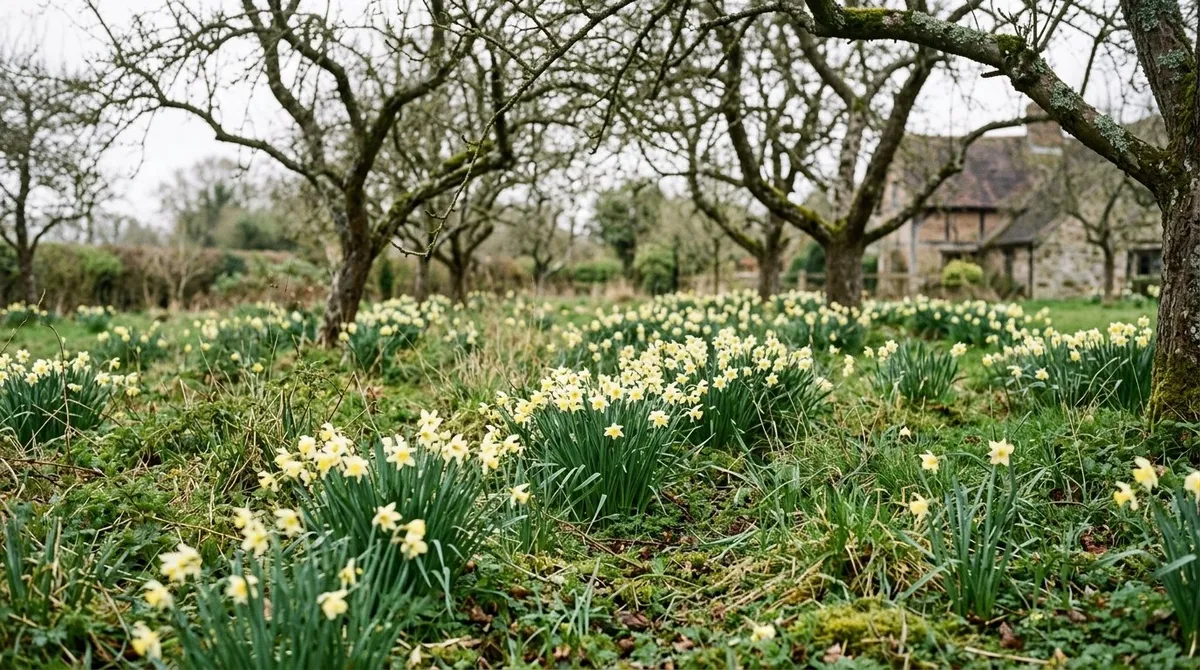
Only tender ones that frost and cold, wet soil would kill. Most hardy spring bulbs are happier left where they are.
| Lift and store (tender) | Leave in the ground (hardy) |
|---|---|
| Dahlias | Daffodils and narcissi |
| Gladioli | Crocus |
| Tuberous begonias | Alliums |
| Cannas | Snowdrops |
| Tigridia | Muscari and hyacinths |
| Eucomis in cold gardens | Tulips (optional lifting) |
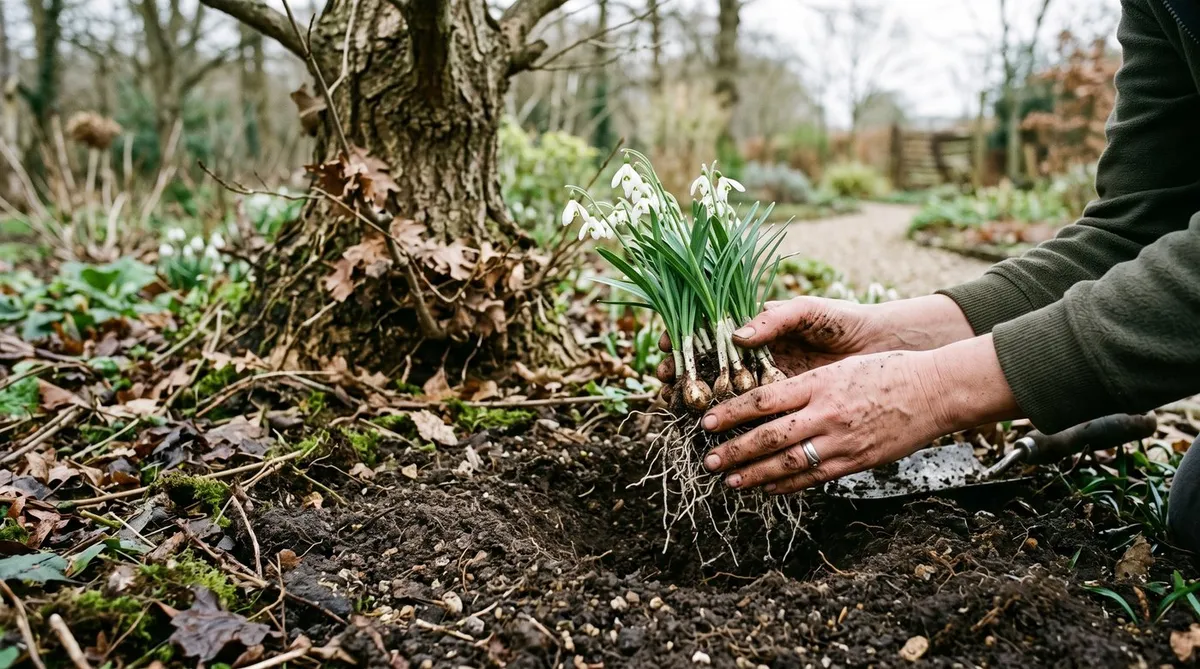
Daffodils, crocus and most spring bulbs just need their leaves left to die down naturally. The guide to caring for spring bulbs after flowering explains how. Not sure whether you’ve got a bulb, corm or tuber? The guide to bulbs, corms, tubers and rhizomes sorts out the terms.
In mild, well-drained gardens, some people leave dahlias in the ground under a thick mulch. It’s a gamble in cold or heavy soil, so lifting is the safer bet.
When and how to lift tender bulbs
Lift them in autumn, before the ground turns cold and soggy. The timing varies a little by plant:
- Dahlias and cannas: once the first frost has blackened the leaves.
- Gladioli: when the leaves turn yellow, usually in early to mid autumn.
- Tuberous begonias: as the leaves yellow, before the first frost.
To lift them, cut the stems back to a few centimetres. Ease the clump out with a fork, starting well away from the plant so you don’t spear the tubers. Shake off the loose soil gently. Rough handling bruises them, and bruises let in rot.
Lift on a dry day if you can. Bulbs lifted wet and stored wet are the commonest cause of winter losses.

Push the fork in well away from the plant and lever the whole clump up. Frost-blackened dahlia stems are your cue to lift.
How to dry bulbs before storing
Dry them for one to three weeks in a frost-free shed, garage or porch before they go into storage. This is the step that saves most bulbs, and the one people skip.
- Dahlias: stand the tubers upside down for a week or two, so water drains out of the hollow stems. This stops the crown rotting.
- Gladioli: spread the corms in a single layer somewhere dry and airy for a couple of weeks. Then snap off the old shrivelled corm underneath and the dead roots.
- Begonias: dry the tubers for a week or two until the old stem comes away cleanly.
- Cannas: let the clumps dry off for a few days, then store them whole with a little soil still on.
They’re ready when they feel dry to the touch, with no soft or muddy patches. Then brush off the last of the dry soil.

Spread lifted tubers out in a frost-free shed to dry before you pack them away. Pop a label on each clump as you go.
Sort, clean and label your bulbs
Once they’re dry, sort them before they go away for months. Rub off loose old skin and dead roots.
Set aside anything soft, bruised, shrivelled or mouldy. One bad bulb can spread rot to its neighbours over winter. Only firm, sound, dry bulbs go into storage.
Label everything. Dormant bulbs of different varieties look almost identical. Write the name and colour on each tray or bag, and you’ll thank yourself in spring.
Warning: Daffodil and tulip bulbs are poisonous if eaten, and they can be mistaken for onions or shallots. Keep stored bulbs well away from food, children and pets, especially dogs that like to dig and chew. Gloves help if bulb sap irritates your skin.

Squeeze each bulb gently as you sort. Anything soft or mouldy goes on the compost heap, not into storage.
The best conditions for storing bulbs
Stored bulbs need four things: cool, dark, dry and airy. Get all four and they keep for months.
- Cool: ideally 5-10°C. A frost-free shed, garage or cool spare room works well. Too warm and they sprout early or shrivel. Freezing kills them.
- Dark: light encourages early sprouting.
- Dry: damp is the main enemy.
- Airy: moving air carries moisture away.
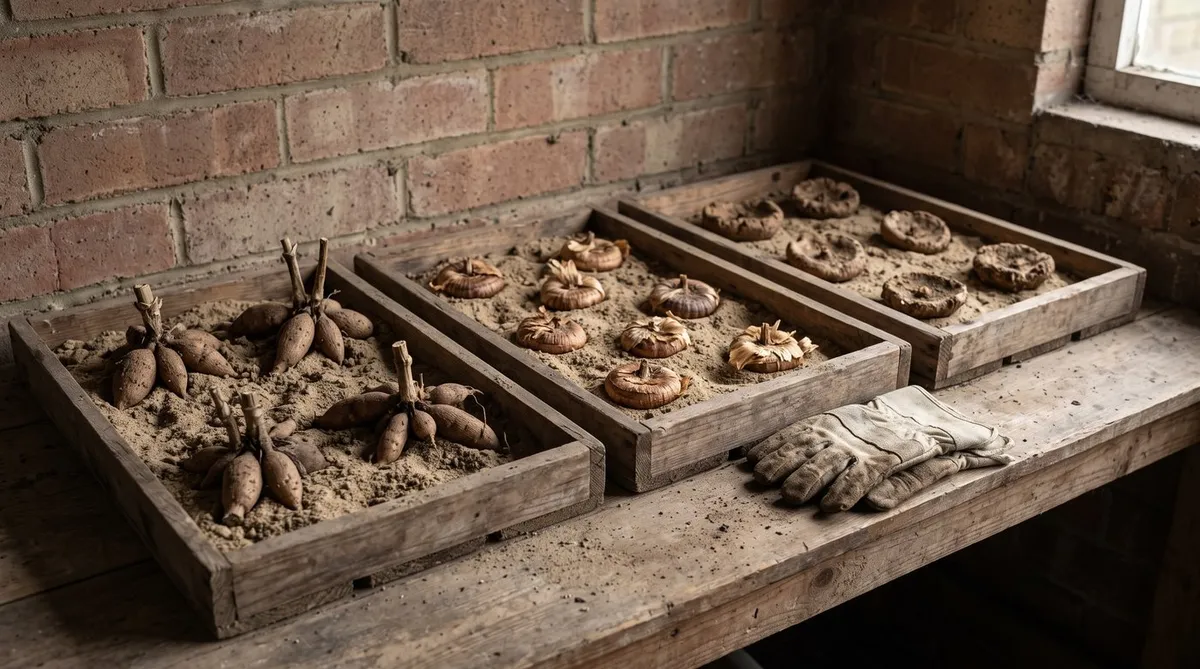
Pack them in open trays or boxes so they don’t touch. Dry sand, dry compost, vermiculite or scrunched newspaper all work. Paper bags and net bags are fine for corms and smaller bulbs. Never seal bulbs in plastic bags. They sweat and rot within weeks.

Open trays of dry sand keep bulbs apart and let air move around them. Write the variety on each tray before you forget.
Lifting and storing tulips
Tulips don’t have to be lifted, and many come back fine in well-drained soil. But some gardeners lift them to make space for summer bedding, or because their soil is heavy and wet.
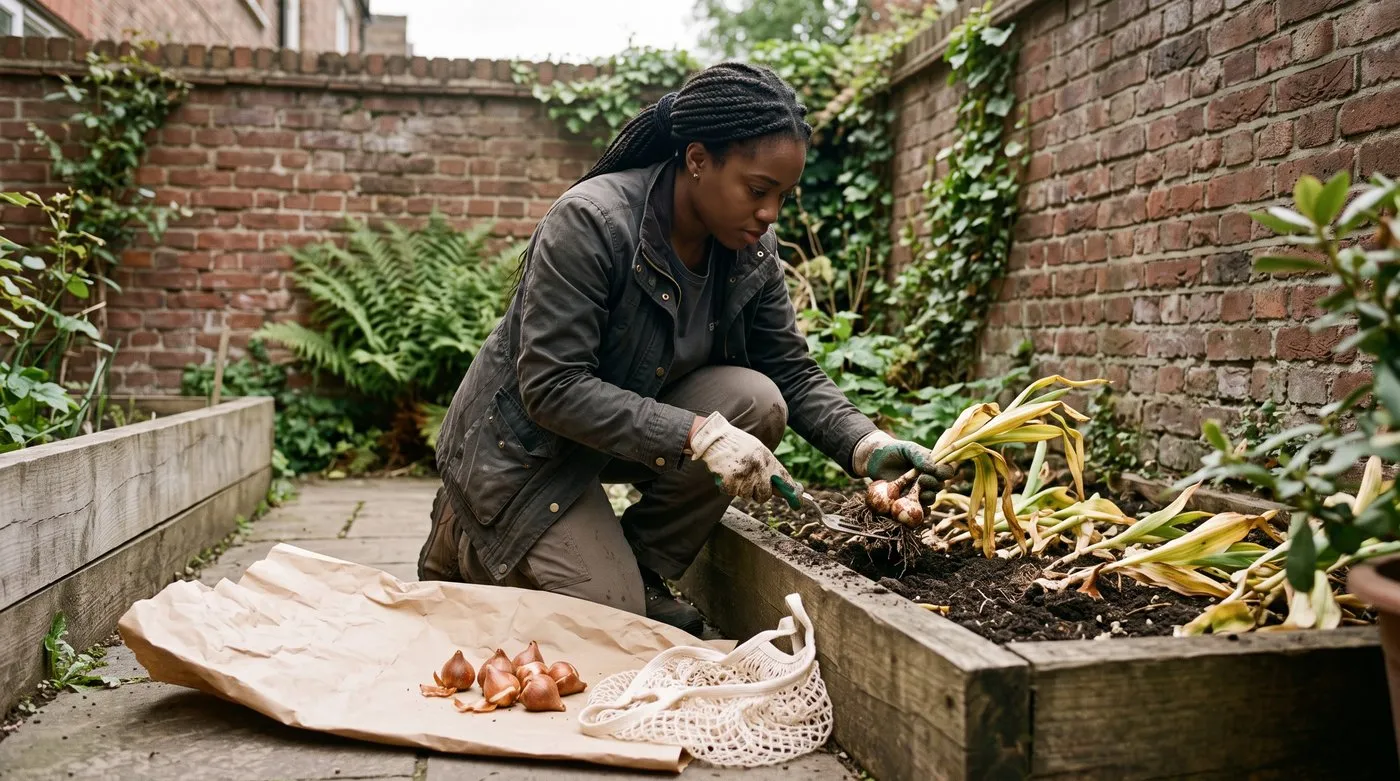
Wait until the leaves turn yellow before lifting tulips, then dry the bulbs somewhere shady and airy.
If you do, wait until the leaves have turned yellow and died back in early summer. Lift them, clean them, and dry them in a shady, airy place. Store them in net or paper bags somewhere dry and well ventilated over summer, then replant in November. The guide to growing tulips has more on planting depths and timing.
Storing bought bulbs before planting
Bought bulbs follow the same rules: cool, dark, dry and airy. Take them out of any plastic packaging and keep them in paper bags or open trays until you plant.
Don’t hold them too long, though. Bulbs are best planted in their proper season. The guide on when to plant spring bulbs gives the timings.
To chill tulips for forcing, keep them in a paper bag in the fridge salad drawer. Keep them away from apples and other fruit, which give off a gas that can spoil the flowers.
Check stored bulbs once a month
Have a quick look every month or so through winter. Take out anything that’s gone soft or mouldy before the rot spreads.
The bulbs themselves tell you what’s wrong with the store. If lots are shrivelling, it’s too warm or dry, so move them somewhere cooler. Dahlia tubers can also be misted very lightly. If several are rotting, it’s too damp or stuffy, so give them more air.

A five-minute check once a month is enough. Pick out any soft bulbs so the rot can’t spread to the rest of the tray.
In spring, start dahlias, begonias and cannas back into growth under cover. Plant them out once the frosts have passed. The guide on when to plant dahlias has the timings.
Common mistakes when storing bulbs
- Storing them damp. Dry them for one to three weeks first. Damp bulbs rot.
- Sealing them in plastic. Airtight bags make bulbs sweat. Use open trays, paper or net bags.
- Lifting at the wrong time. Too early and the bulb hasn’t finished building up food for next year. Too late and it can rot in cold, wet soil.
- Forgetting labels. You won’t remember which dahlia is which by spring.
- Never checking. One rotten bulb left alone can spoil a whole tray.
Frequently asked questions
Which flower bulbs need lifting and storing over winter?
Tender ones such as dahlias, gladioli, tuberous begonias, cannas and tigridia. Hardy bulbs such as daffodils, crocus, alliums and snowdrops can stay in the ground all year. Tulips can stay in too, though some gardeners lift them in summer.
How do I store dahlia tubers over winter?
Lift them after the first frost, dry them, then store them in dry compost. Cut the stems to a few centimetres and stand the tubers upside down for a week or two so water drains out. Store them somewhere cool and frost-free, and check monthly.
What is the best way to store bulbs?
Keep clean, dry bulbs in open trays somewhere cool, dark, airy and frost-free. Pack them in dry sand, compost or newspaper so they don’t touch. Never seal them in plastic bags, as they sweat and rot.
Can I store flower bulbs in the fridge?
Only for chilling bulbs you plan to force, such as tulips. Keep them in a paper bag in the salad drawer, away from fruit like apples. For lifted dahlias and other tender bulbs, a cool shed or garage is far better.
How long can you store flower bulbs before planting?
Bought spring bulbs keep for a few weeks if stored cool and dry. Plant them in their proper season rather than holding them over. Lifted tender bulbs keep through winter, from autumn until spring.
Why are my stored bulbs going mouldy or soft?
Usually they were stored damp or had too little air. Dry bulbs properly before storing, pack them loosely in a dry material and keep them somewhere airy. Take out any soft ones at once before the rot spreads.
Now your bulbs are safely stored, read the guide on how to grow dahlias to get the best from them next summer, or browse more how-to guides for autumn jobs.
Our team produces practical UK gardening guidance from source research, contributor records and established horticultural practice. Editorial standards are overseen by Matt W.