Key takeaways
- Garden-share websites, local groups and word of mouth all connect owners with people who want to grow
- Start with a short trial of a few weeks before agreeing a full season
- Write a one-page agreement covering access, beds, water, tools, harvest split and notice
- Don't give the grower sole control of the space, so the arrangement stays a simple permission to use it
- Small rents may be covered by the £1,000 property allowance, and a produce swap usually isn't income
- Check your home insurance covers visitors, and read your lease or mortgage terms if you have one
Yes, you can share or rent out your garden to someone who wants to grow food. It suits owners who have more space than time, and growers stuck on an allotment waiting list. The key is a clear, friendly, written agreement.
This guide is for the garden owner, with a section for growers looking for space. If you’re splitting a council allotment rather than a back garden, see the guide to half plots and plot-sharing.
Why share your garden?
Sharing turns an unused patch into a productive one. You get a tidier garden, some fresh produce and often a bit of company. The grower gets a plot close to home without years on a waiting list.
It suits older owners who can no longer dig, busy families and anyone who has lost interest in the veg patch. The trade-off is someone in your garden a couple of times a week, plus a little effort to set it up properly.
How to find a garden sharer
There are three main routes. Pick the one that matches how much structure you want.
| Route | How it works | Best for |
|---|---|---|
| Garden-share website (such as AllotMe) | You list your space, growers nearby get in touch | Owners who want a wide pool of growers |
| Helper schemes (such as Lend & Tend) | A grower helps in exchange for produce, no rent | Owners who need help more than money |
| Local groups and neighbours | Facebook groups, parish notices, allotment societies | Villages and close-knit areas |
Platforms change their fees and rules, so check the current terms on their sites before signing up. Whichever route you choose, the agreement is between you and the grower.
If one-to-one sharing feels like too much, community gardening offers shared plots and group projects to join instead.

A few clear photos of the beds, the tap and the access make a listing far more likely to get replies.
How to set up a garden share step by step
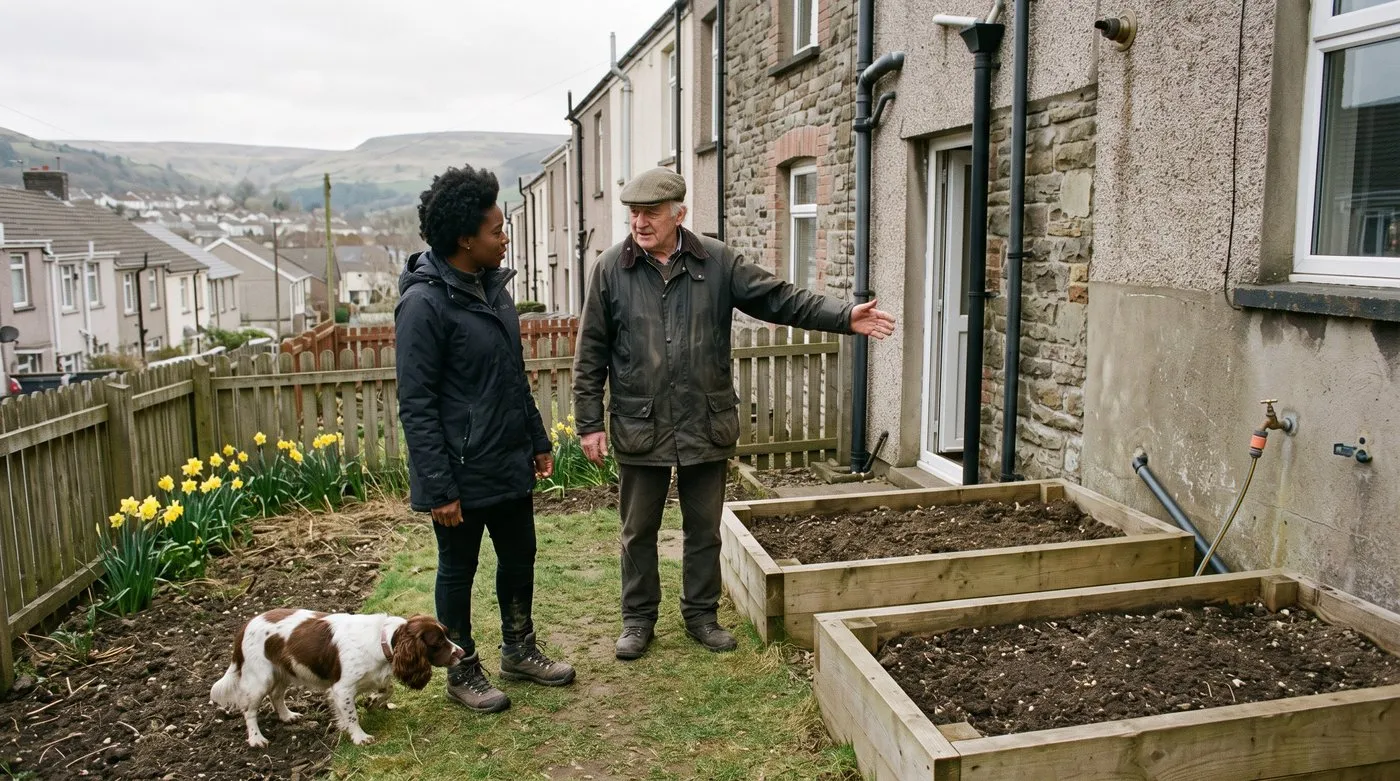
A first visit lets you both check the beds, the tap and the access before agreeing anything.
1. Decide what you’re offering
Be specific. It might be the whole veg garden, or just one raised bed with weekend visits. A smaller, clearer offer is easier to match.
Decide who keeps what, too. The simplest rule is that the grower keeps whatever they plant and harvest.
2. Measure and photograph the space
Note the size in metres, which way it faces, the soil if you know it, and how far the tap is. Mention any shed, tool storage and parking. Clear details get replies; vague ones don’t.
3. Write a clear listing
Cover these points in plain English:
- Size and what’s included (beds, greenhouse, water, tools)
- Sun and rough soil type
- Access days, hours and how they get in
- Parking and transport links
- Pets, children or anything else they’ll meet
- Who keeps the harvest
4. Meet and check references
Meet at the garden first so you both see what you’re signing up to. Then ask for a reference, such as a previous allotment, a community garden or a neighbour. Anyone reluctant to give one probably isn’t the right match.
5. Run a short trial
Agree a trial of about four weeks. It lets you both check the visits, the noise and the work suit you before committing to a season.
6. Sign a one-page agreement
After the trial, put the terms in writing. The next section covers what to include.
What to put in a garden-share agreement
Keep it to one side of A4, sign it and both keep a copy. Cover these ten points:
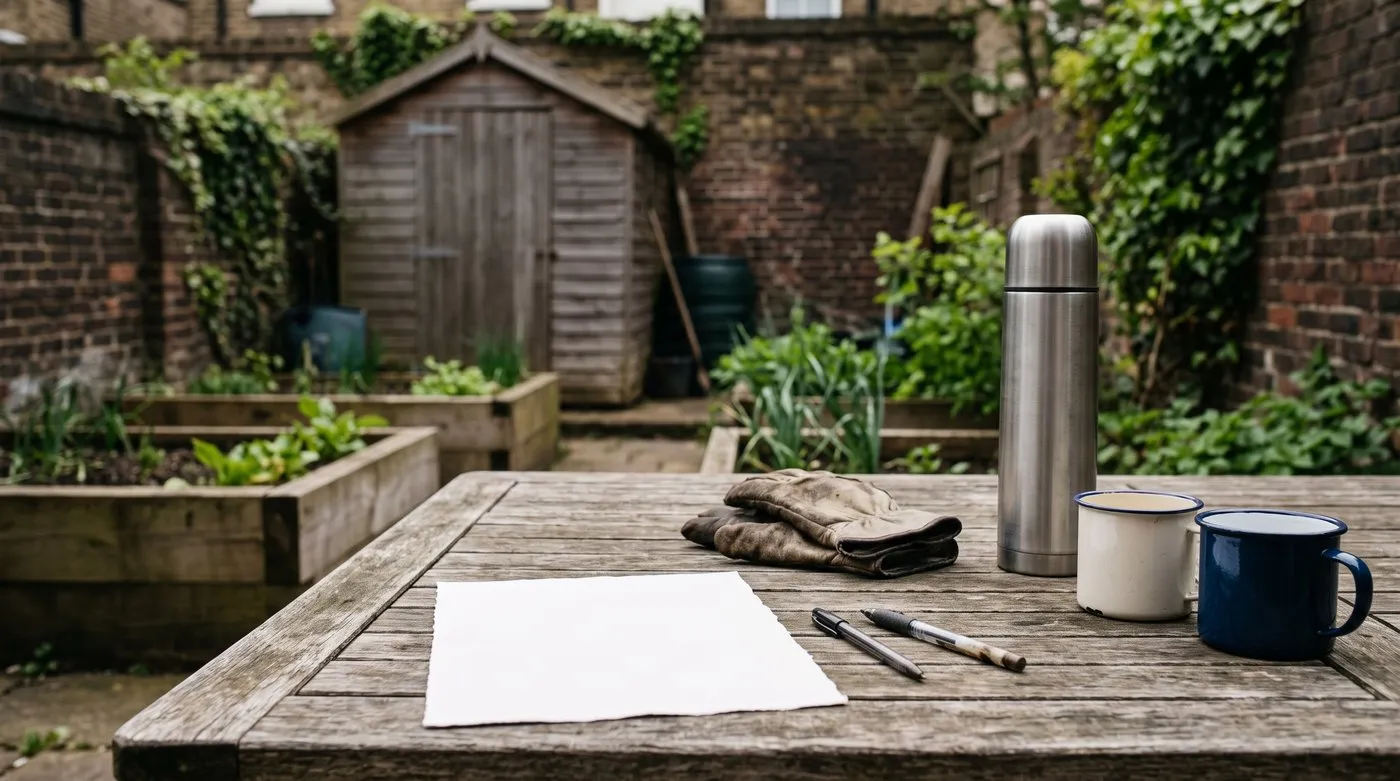
One side of paper is enough. Sit down together over a cuppa and agree the details before the first sowing.
- Who: names and addresses of the owner and grower
- Where: which beds or area, and any greenhouse or shed included
- How long: for example a season or 12 months, with the trial at the start
- Access: days, hours and how they get in
- Notice: how much written notice either side gives to end it
- Water and electricity: who pays, and a fair-use rule
- Tools: what’s provided and what the grower brings
- Harvest: who keeps what
- Plants: anything you don’t want planted, such as mint, raspberries or trees
- Insurance: who holds what cover
Avoid giving the grower sole control of the space. You should still be able to use your garden, and the agreement should describe a permission to use the beds, not a let of the land. If you’re charging a significant rent or are unsure, get proper legal advice.

A good share leaves room for both of you. The owner still enjoys the garden while the grower works the beds.
Tax, insurance and leases
Most garden shares are small, so the money side is usually simple.
Produce swaps. If no money changes hands, it’s unlikely to count as income.
Small rents. HMRC’s £1,000 property allowance can cover income from land up to that amount a year. Above it, you usually declare it through Self Assessment. The Rent a Room scheme doesn’t apply, as it covers furnished rooms in your home. GOV.UK explains the tax-free allowances on property income.
Insurance. Check your home insurance covers visitors to the garden, and ask your insurer to confirm a regular visitor is fine. Ask the grower if they have personal liability cover, which some contents policies include.
Leases and mortgages. If you own a leasehold flat with a garden, or rent your home, check the lease or tenancy first. Some restrict how the garden is used. A quick word with the freeholder or landlord usually clears it. Shared gardens between flats need every owner to agree.
How much rent to charge for a garden share
Many shares charge nothing at all. The grower does the work and keeps the produce, and you get a tended garden.
If you do want rent, keep it modest. A useful check is your local council’s allotment fee. A grower won’t pay much more for a small back-garden bed than a full council plot would cost, unless yours is far handier for them.
Ask yourself two questions. Would the grower feel the rent is fair for the space? Would you feel it’s fair for having someone in your garden? If both answers are yes, you’ve got it right.
Water, tools and electricity
These small details make or break a long-running share, so agree them at the start.
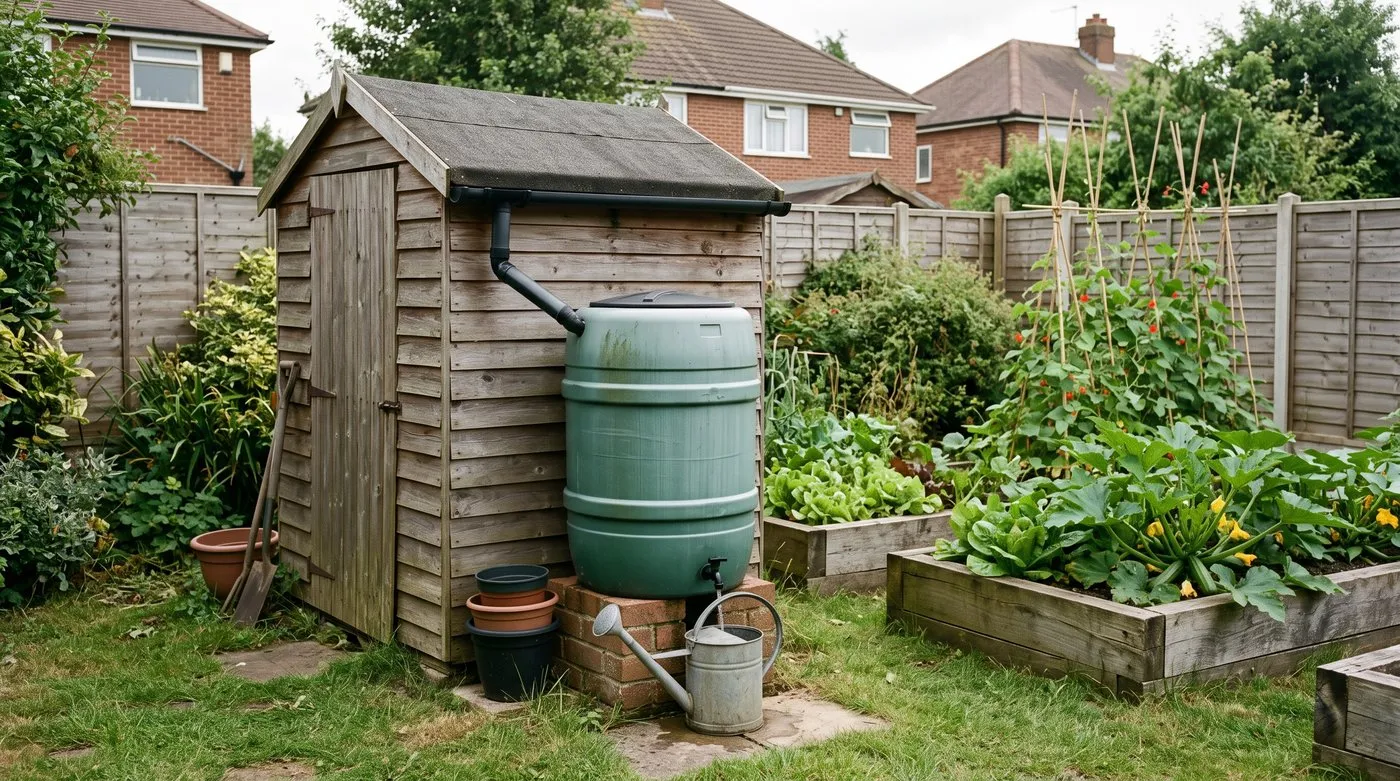
A water butt by the beds keeps the grower’s watering off your mains bill.
Water. Either you provide it free with a fair-use rule (no sprinklers, for example), or the grower pays a small amount for the season. A water butt by the beds cuts mains use. The guide to installing a water butt shows how.
Tools. The simplest rule is that you lend what’s already in the shed, and the grower brings anything else. List the shared tools in the agreement. A shed lock with two keys keeps things easy.
Electricity. A kettle or phone charger costs pennies. A heated propagator or greenhouse heater doesn’t, so agree who pays for those.
What a grower looks for in a garden share
Growers want a sunny spot, water close to the beds, somewhere to leave tools and a written agreement so they won’t lose the plot mid-season. Above all they want rules that stay the same.
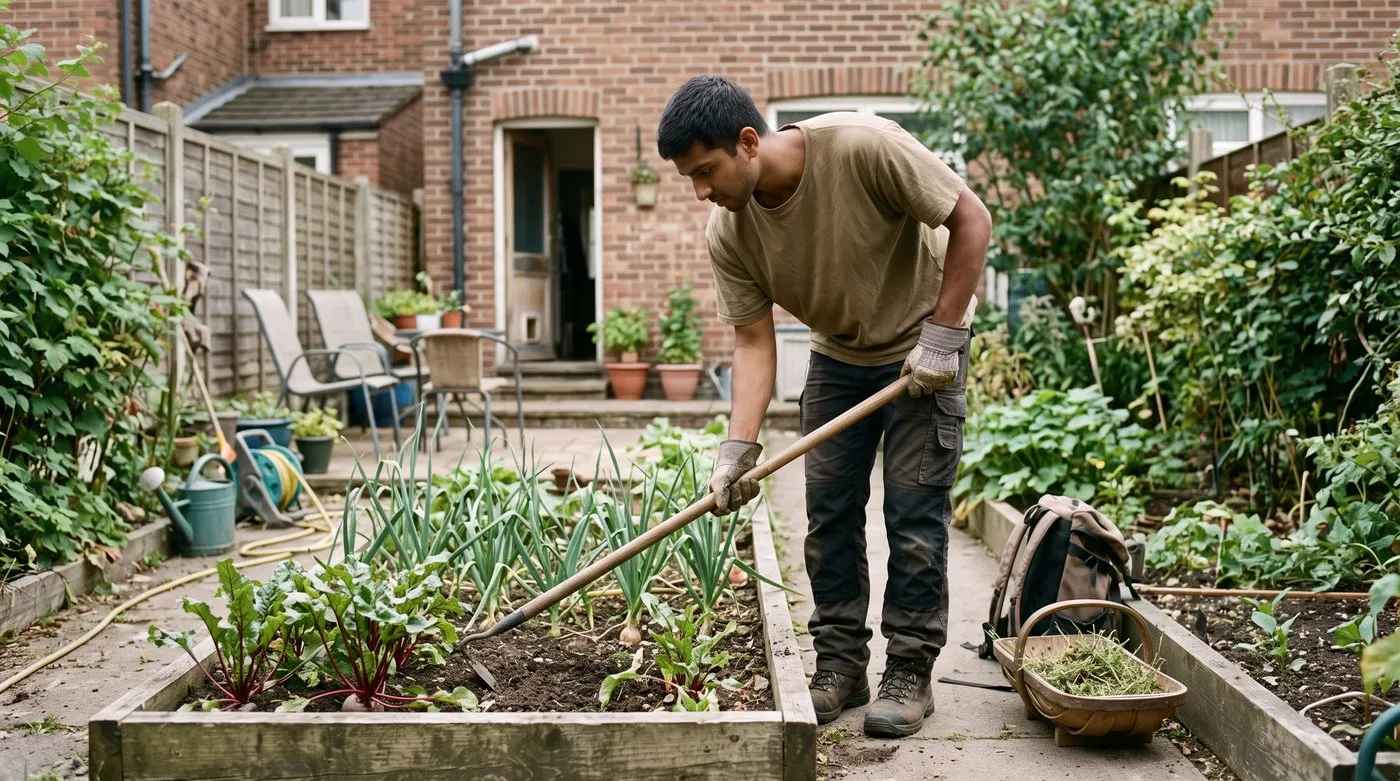
Regular visits through midsummer, when the weeds race away, are what keep a share going.
If you’re a grower, start your search in late winter. Read listings closely, ask to visit, and be honest about how often you can come. Turning up regularly in midsummer, when the work and the weeds peak, is what keeps a share going.
New to growing your own? The allotment for beginners guide works just as well for a borrowed back-garden bed.
When to start a garden share
February or March is the best time to start. The trial runs through spring, when the work is light, and the grower is ready for the main season in May.
Starting in high summer is hardest. The work is at its peak and the weeds are racing. If you miss spring, start a listing in late summer and trial through the autumn. That gives you both the winter to plan.
Common garden-share problems and fixes
The grower drifts away in midsummer. Holidays, heat and weeds all pile up in July. Check in early, with a friendly message, before the beds get away.
Harvest arguments. Write the split down on day one. “The grower keeps what they plant” is the simplest rule.
Plant clashes. Raspberries, mint, comfrey and Jerusalem artichokes spread and are hard to remove. List anything you don’t want in the agreement.
Neighbour complaints. A gate banging early on a Sunday annoys people. Set sensible access hours.
Ending awkwardly. A notice clause lets either side end things cleanly, with no hard feelings.

Agree the harvest split on day one, and sharing out the baskets stays the fun part.
Alternatives if sharing isn’t for you
If having someone in your garden doesn’t appeal, there are other routes.
- Make it easier to look after. The guide to a low-maintenance garden has ideas for cutting the work right down.
- Hire a gardener for a few tidy-ups a year.
- Give spare produce away to a local food bank or community fridge, if you still grow but have too much.
If you’re the one looking for space, the council route is worth trying too. The guide on how to get an allotment explains waiting lists and how to improve your chances. Find more practical projects in the how-to section.
Once your grower is settled in, the allotment planner month by month gives you both a simple calendar for the year ahead.
Frequently asked questions
Is it legal to rent out your back garden in the UK?
Yes, letting someone grow in your garden is legal. Keep it written down and simple. Avoid giving the grower sole control of the space, and check your mortgage or lease terms first.
Do I have to pay tax on garden rental income?
Not on small amounts covered by the £1,000 property allowance. Above that, you usually declare it through Self Assessment. A produce share with no money changing hands is unlikely to count as income.
How does AllotMe work for garden owners?
It’s a website that matches spare garden space with people who want to grow. Owners list their space, growers search nearby, and the two agree terms between themselves. Check the current fees and terms on the site.
What if the sharer stops turning up?
Use the notice clause in your agreement. A short trial followed by notice on either side gives you a clean way out. Agree up front what happens to crops, tools and structures when it ends.
Will my home insurance cover a garden sharer?
Often yes, but check with your insurer before the first visit. Ask them to confirm a regular visitor is covered. Ask the grower whether they have personal liability cover too.
How much rent should I charge to share my garden?
Many shares charge nothing and split the harvest instead. If you charge, keep it modest and compare it with your local council allotment fee. A grower won’t pay more than a plot nearby would cost.
Our team produces practical UK gardening guidance from source research, contributor records and established horticultural practice. Editorial standards are overseen by Matt W.