Key takeaways
- Lavender, stipa, sea holly and salvia rarely need watering once settled in sunny, free-draining soil
- Prairie-style borders are cut back once a year in late winter, with seedheads left for birds
- Peat-free compost works well for most jobs, but check by feel before watering
- Rain gardens catch water from a downpipe in a shallow planted dip and let it soak away
- Switch one bed at a time over two or three years rather than redoing the whole garden
Sustainable planting means choosing plants and methods that need less water, less feeding and no peat. It’s less about a single look and more about borders that cope with hot, dry summers and sudden downpours. The good news is you don’t need to start from scratch.
Here are the five main sustainable planting trends in UK gardens, what each involves, and how to switch over gradually. Each one has its own detailed guide if you want to go further.
Why gardeners are changing how they plant
UK summers are getting warmer, with longer dry spells broken by heavy rain. The Met Office has more on how the climate is changing. Thirsty bedding and shallow-rooted plants struggle with that pattern. Deep-rooted perennials, grasses and silver-leaved plants cope much better.
At the same time, more gardeners are going peat-free. Peat bogs store carbon and are home to rare wildlife, so leaving them alone matters. Our guide to climate-proofing your garden goes deeper into what’s changing and why.
Trend 1: Drought-tolerant dry-garden planting
The biggest shift is towards dry-garden planting: silver leaves, tough stems and deep roots. Once settled, these plants rarely need watering in a sunny, free-draining spot.
Reliable choices include:
- English lavender (Lavandula angustifolia), with summer flowers bees adore
- Stipa tenuissima and Stipa gigantea, feathery grasses that move in the breeze
- Salvia nemorosa ‘Caradonna’, with dark stems and violet spikes through summer
- Sea holly (Eryngium), blue thistle heads that stand into winter
- Verbena bonariensis, tall and airy, gently self-seeding
- Lamb’s ears (Stachys byzantina), soft silver ground cover
- Phlomis russeliana, yellow whorls on tall stems with seedheads that last
- Russian sage (Salvia yangii, still sold as Perovskia), silver leaves and blue late-summer flowers
Mulch with about 5cm of gravel to keep crowns dry in winter and the soil cool in summer. For a full plant list, see our guide to drought-tolerant plants.

Silver leaves and gravel mulch are the hallmarks of a dry garden. Once settled, a border like this rarely needs the hose.
Trend 2: Prairie-style naturalistic borders
Prairie-style planting, made famous by designers such as Piet Oudolf, uses big drifts of tough perennials woven through with grasses. It looks relaxed and wild but is carefully planned.
The main ideas:
- Plant in drifts of five or more of the same plant
- Repeat plants along the border to give it rhythm
- Use grasses to link the flowering groups
- Leave seedheads standing through autumn and winter for birds and frosty mornings
Upkeep is light. Cut everything down once a year in late winter, before new growth starts. Many of the plants come from North American prairies and cope well with dry summers once established. Our guide to prairie planting explains how to plan one.

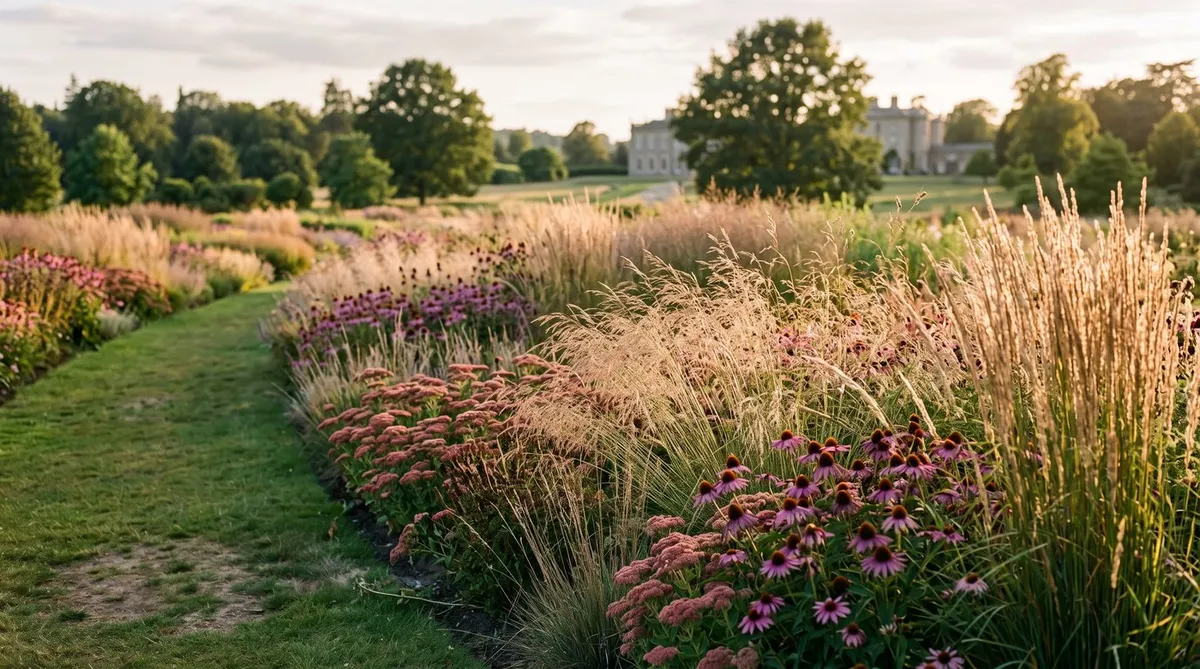
Echinacea, rudbeckia and grasses in late summer. Leave the seedheads standing and the border keeps its shape well into winter.
Trend 3: Going peat-free
Most garden centres now stock plenty of peat-free compost, and it works well for most jobs. A few habits help you get the best from it:
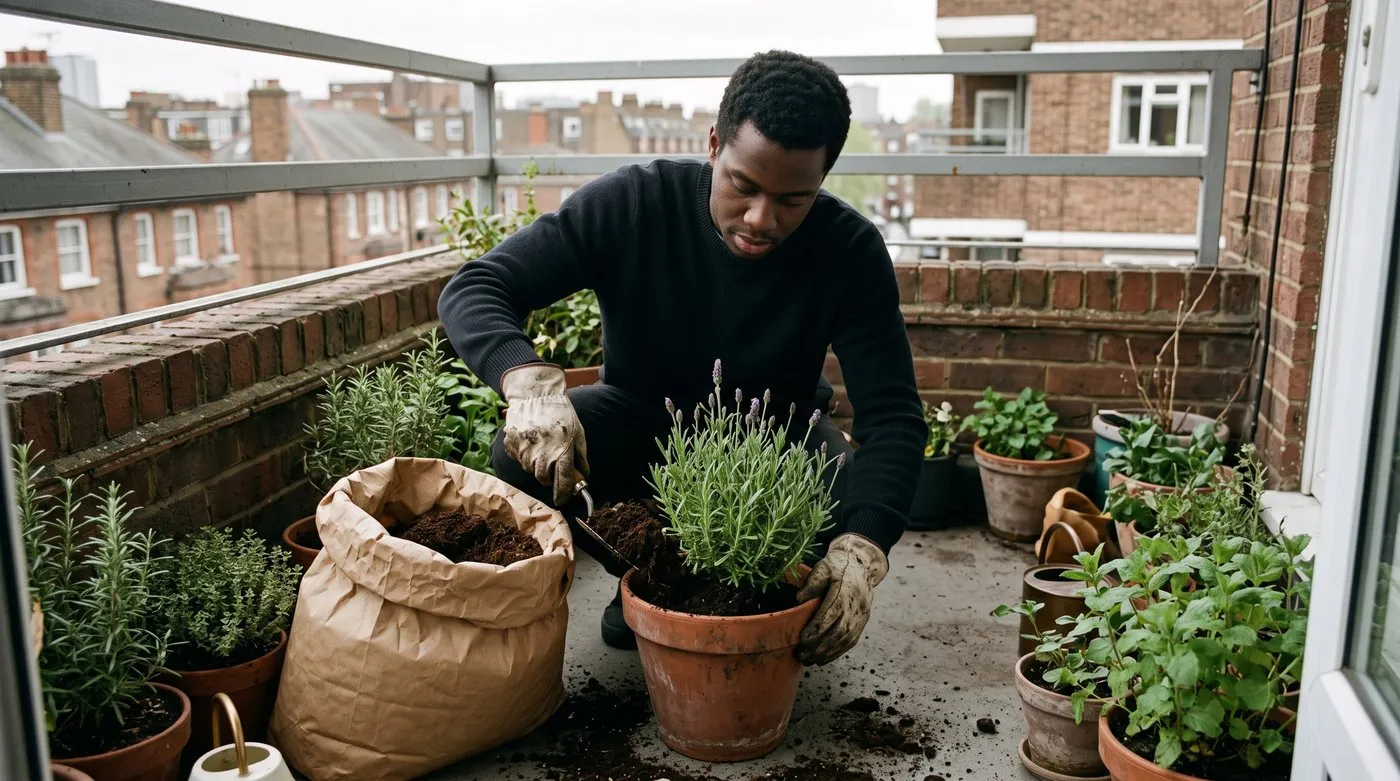
Peat-free compost can look dry on top while still damp below, so push a finger in before you water.
- Check by feel before watering. Peat-free compost can look dry on top while still damp below.
- Feed a little sooner. Some mixes run short of nutrients faster than peat-based ones.
- Try a few. Quality varies, so find a mix that suits your plants and stick with it.
- Add your own compost. For big pots and raised beds, mixing in garden compost adds body.
Our peat-free compost guide covers which type to use for seeds, pots and acid-loving plants.
Trend 4: Choosing heat-tough plants
More gardeners are choosing plants that shrug off hot, dry summers. Many come from southern Europe, South Africa or Mexico, but are hardy in most UK gardens given sun and good drainage.
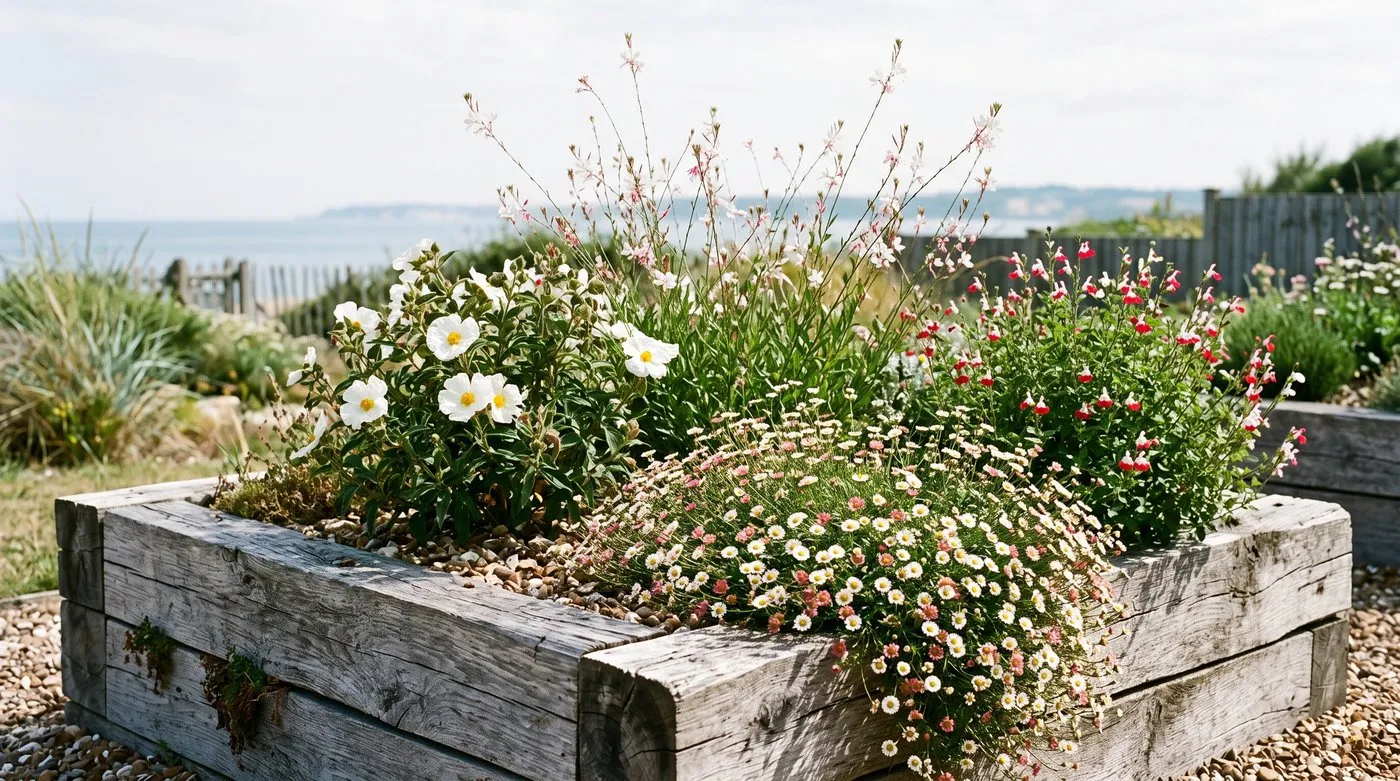
Cistus, gaura and Mexican fleabane love a hot, sunny spot with sharp drainage, so a raised bed suits them on heavy soil.
Good examples include rock roses (Cistus), gaura, Mexican fleabane (Erigeron karvinskianus), shrubby salvias such as ‘Hot Lips’, and Phlomis. They suit sunny, free-draining spots, and many dislike wet clay in winter. On heavy soil, plant them in raised beds or add grit.
Plants that love cool, damp soil, such as delphiniums and astilbes, may need more watering in hot summers. Keep them for the moister, shadier parts of the garden. Our list of climate-resilient plants has many more options.
Trend 5: Rain gardens
A rain garden is a shallow planted dip that catches water from a downpipe and lets it soak slowly into the ground. It helps stop puddles and flooding after heavy rain, and the water feeds your plants instead of running into the drain.
The basics:
- Site it well away from the house walls, never right beside foundations
- Run water to it from a downpipe with a pipe or a small stone channel
- Loosen the soil and add organic matter so it drains within a day or two
- Choose plants that cope with both wet spells and dry ones
Good rain garden plants include Siberian iris (Iris sibirica), Persicaria amplexicaulis, Carex elata ‘Aurea’ and hardy geraniums. Our step-by-step guide to making a rain garden covers sizing and digging.

A stone channel carries roof water from the downpipe into a planted hollow, where it soaks away slowly after a downpour.
How to switch to sustainable planting gradually
Most gardens don’t need a full redesign. Change one bed at a time over two or three years.
Year 1: Spot the thirstiest plants in dry, sunny places, such as hostas or hydrangeas in full sun. Move them somewhere shadier or swap them for dry-garden plants. Switch to peat-free compost for all your pots.
Year 2: Pick your sunniest border and convert it. Replace thirsty perennials with dry-garden plants and mulch with gravel.
Year 3: Add grasses and prairie perennials to other beds. Make a rain garden if you have a good spot below a downpipe.
What to keep from a traditional garden
Sustainable doesn’t mean ripping everything out. Plenty of classic British garden plants are already tough.
Worth keeping: lavender, rosemary, sage and thyme; rugosa roses; established wisteria; yew and beech hedges; and apple, pear and plum trees.
Worth rethinking: bedding that needs buying and watering every year, hostas in dry sun, hydrangeas in full sun, and moisture-lovers such as gunnera on dry, free-draining soil.
Common mistakes when going sustainable
- Planting dry-garden plants in wet clay. Lavender and sea holly rot in soggy winter soil. Add grit or plant on a slope or raised bed.
- Not watering in the first year. Even drought-tough plants need regular watering until their roots settle.
- Tidying too early. Cutting prairie borders in autumn removes seedheads and winter shelter for wildlife. Wait until late winter.
- Changing everything at once. A full rip-out is costly and hard work. Change one bed at a time.
Frequently asked questions
What is sustainable planting in a UK garden?
It means choosing plants and methods that need less water, feeding and peat. Popular approaches include dry-garden planting, prairie-style borders, peat-free compost and rain gardens. The aim is a garden that looks after itself more and supports wildlife.
Are UK summers really getting hotter and drier?
Yes, the Met Office says UK summers are getting warmer. Dry spells are becoming more common, and so are heavy downpours. Plants that cope with both, such as deep-rooted perennials and grasses, are a safer bet than thirsty bedding.
Is peat-free compost as good as peat compost?
Good peat-free compost works well for most garden jobs. Quality varies, so try a few. Peat-free can look dry on top while still damp underneath, so check by feel before watering. Some mixes need feeding a little sooner.
How do I make a rain garden in the UK?
Dig a shallow planted dip where water from a downpipe can collect and soak away. Keep it well away from the house walls. Loosen heavy soil and add organic matter so water drains within a day or two. Plant tough perennials such as Siberian iris, persicaria and sedges.
Which plants are most drought-tolerant for UK gardens?
Lavender, Stipa tenuissima, sea holly, Salvia nemorosa and Verbena bonariensis are reliable choices. Once settled, they rarely need watering in most summers. Plant them in free-draining soil in full sun, and use a gravel mulch to keep crowns dry in winter.
Ready to start? Our guide to eco-friendly garden design shows how to bring these ideas together, and the garden design hub has plenty more inspiration.
Our team produces practical UK gardening guidance from source research, contributor records and established horticultural practice. Editorial standards are overseen by Matt W.