Key takeaways
- Dwarf French beans grow as low bushes about 45cm tall and need no canes or tying in
- Sow outdoors from mid to late May into warm soil, or in pots indoors from mid April
- Space plants 15-20cm apart and sow 5cm deep
- Each sowing crops for a few weeks, so sow a short row every three weeks until early July
- Pick every two or three days to keep the plants flowering
- They suit pots, raised beds and patios where tall climbing beans won't fit
Dwarf French beans are the easy-going member of the bean family. They grow into neat bushes about knee height, need no canes and crop heavily in a small space. Sow them in late May, pick every few days in summer and you’ll have more beans than you know what to do with. They’re perfect for raised beds, small plots and patio pots.
How dwarf French beans differ from climbing types
Dwarf French beans and climbing French beans are the same vegetable with different shapes. Dwarf types make a bush about 45cm tall. Climbers scramble up to 2m and need a wigwam of canes.
Choose dwarf beans when you want a quick crop without building supports, or when space is tight. They tend to crop a little earlier, but each sowing finishes sooner. Climbers keep going for longer from a single sowing. Many growers grow both. For the tall type, the main guide to growing French beans covers canes and wigwams.

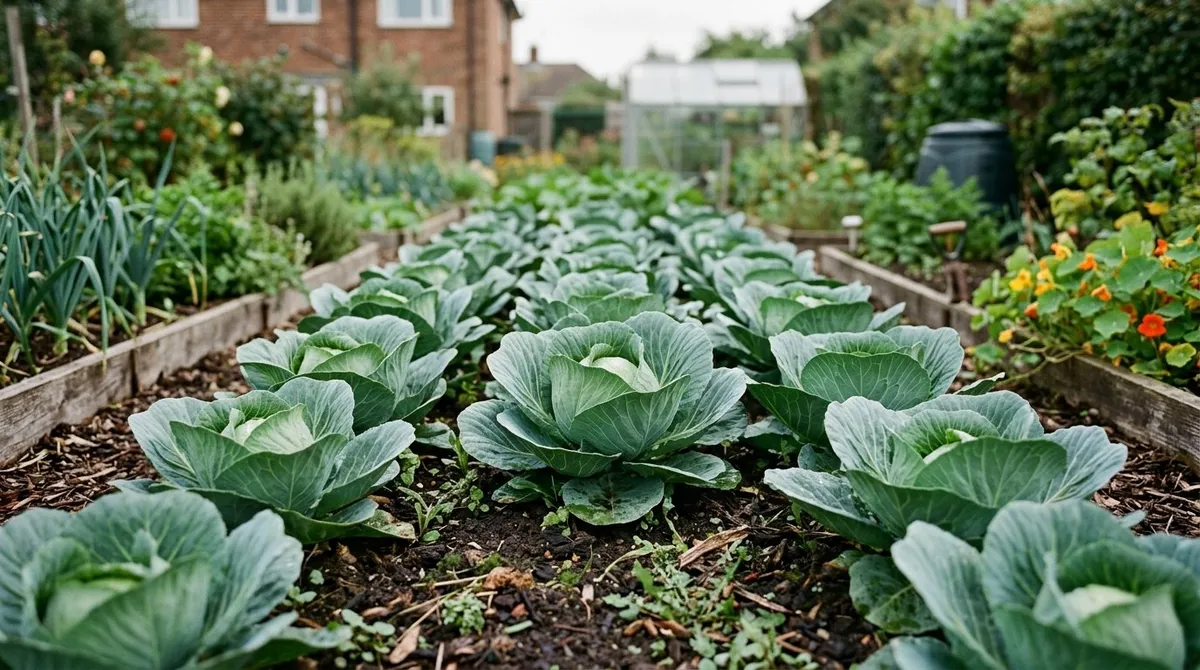
Dwarf beans on the left, climbers on the right. No wigwam to build is a big part of the dwarf bean’s charm.
When and how to sow dwarf French beans
Warm soil is the key. Bean seed rots in cold, wet ground. In most of the UK, sow outdoors from mid to late May. In cold northern and upland gardens, wait until late May or early June. If the soil still feels cold to your hand, give it another week.
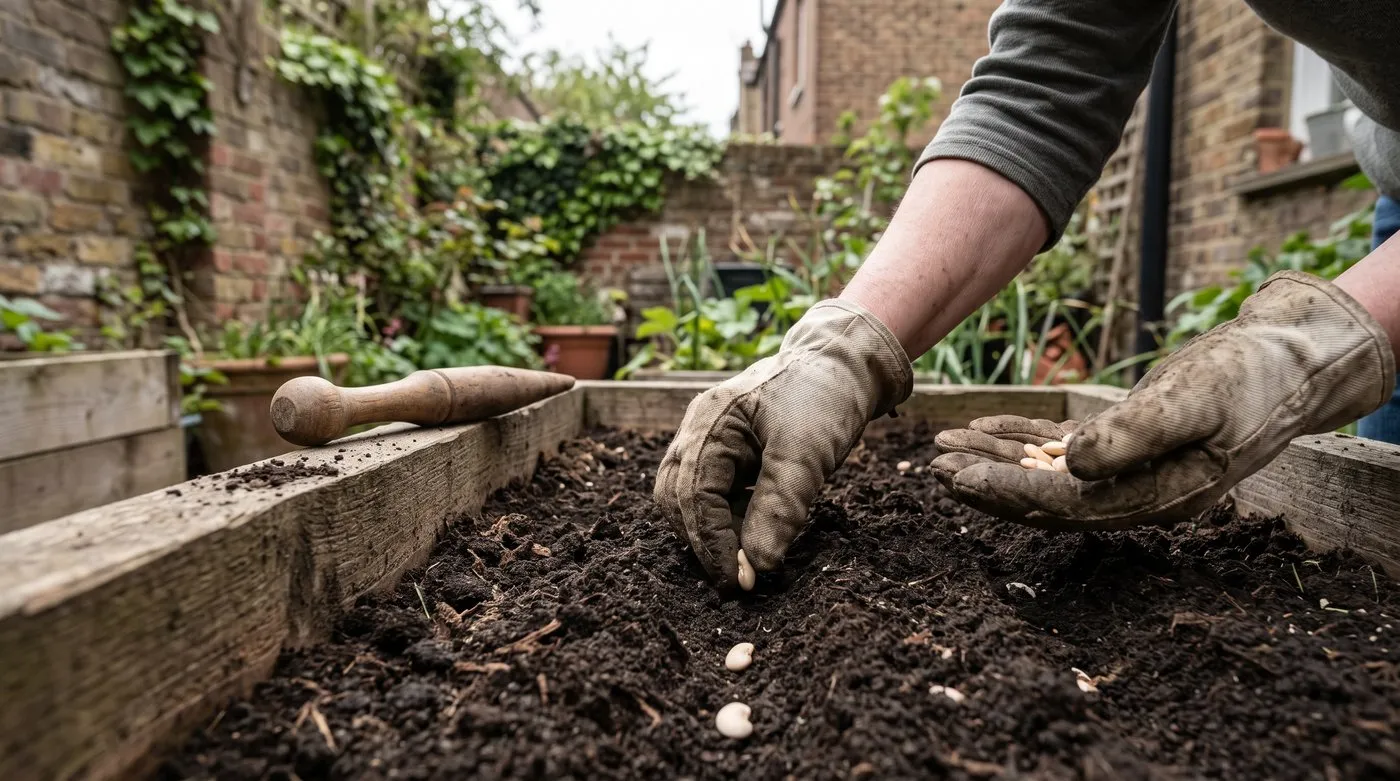
Push the seeds about 5cm deep and a hand’s width apart. Wait for warm soil in late May and they’ll be up in no time.
Sow seeds 5cm deep and 15-20cm apart, in rows about 45cm apart. A few spare seeds at the end of the row are handy for filling gaps.
For an earlier crop, sow under cover from mid April. Sow one seed per 7-9cm pot of peat-free compost on a warm windowsill or in a greenhouse. Harden the young plants off for a week or so, then plant out in late May once frosts are over.
Best dwarf French bean varieties for UK gardens
Most seed catalogues list several good dwarf beans. These widely sold varieties are a good place to start:
| Variety | Pod | Good for |
|---|---|---|
| Safari | Very slim green “filet” pods | Fine beans, freezing |
| Tendergreen | Round green pods | Reliable all-rounder |
| Purple Teepee | Purple pods held above the leaves | Easy picking, colour |
| Golden Teepee | Yellow pods held above the leaves | Easy picking, colour |
Purple pods turn green when cooked, so they’re most fun raw or in salads. If you want beans to dry for winter rather than eat fresh, see our guides to growing borlotti beans and drying beans and peas.
Sowing little and often for a steady supply
Each sowing of dwarf beans crops for a few weeks, then slows down. Sow the whole packet at once and you get a glut, then nothing.
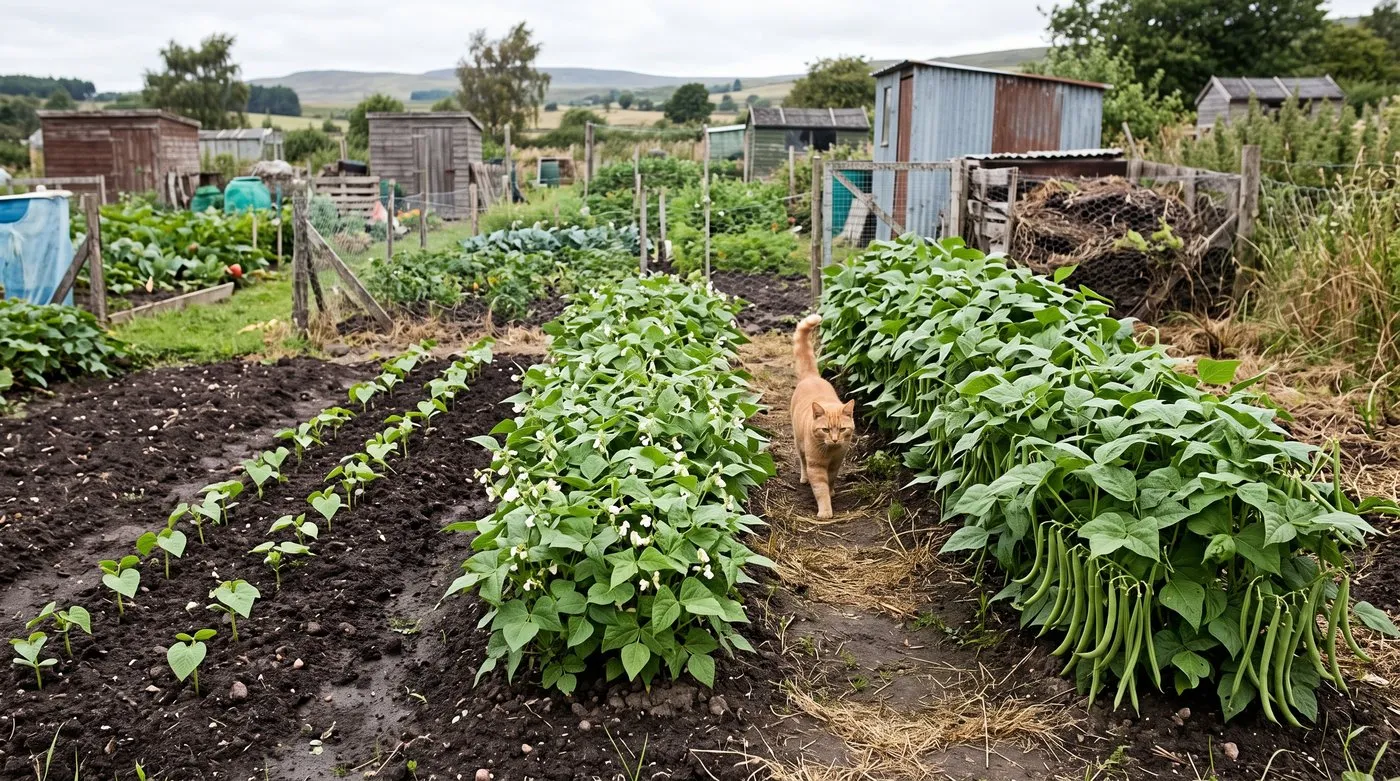
Three short rows sown a few weeks apart means beans to pick all summer instead of one big glut.
The fix is succession sowing: a short row every three weeks. A simple plan:
- Mid May: first sowing, or plant out pot-raised beans
- Early June: second sowing
- Late June: third sowing
- Early July: last sowing for beans into early autumn
A metre or two of row each time is plenty for most households. The succession planting guide shows how to fit this around your other crops.
Growing dwarf French beans in pots
Dwarf French beans are one of the best beans for containers. They stay compact, so there are no tall canes wobbling about on a windy patio.
Use a pot at least 30cm across and 20cm deep. Grow three or four plants in it, in peat-free multipurpose compost. Pots dry out fast, so water often in warm weather. Dry compost while the plants are in flower makes the flowers drop. Once the first flowers open, feed every week or two with a high-potash tomato food. Our list of the best vegetables for containers has more crops to grow alongside them.

One big pot, no canes, plenty of beans. Keep the compost moist while the plant is flowering.
Pests and problems on dwarf beans
Dwarf beans are fairly trouble-free, but a few problems crop up.
Slugs love young bean seedlings, especially in a wet May. Pot-raised plants planted out at 10-15cm tall cope much better than tiny seedlings. Go out with a torch on damp evenings and pick slugs off, or use a nematode biological control on damp soil. Our guide to getting rid of slugs has more ideas.
Black bean aphid clusters on soft shoot tips from June. Squash small colonies, pinch out badly hit tips or blast them off with water. Ladybirds and hoverfly larvae soon move in to help.
Halo blight shows as small dark leaf spots with a yellow ring around them, mostly in cool, wet summers. Pull out and bin affected plants. Buy fresh seed rather than saving it from sick plants, and water at the base rather than over the leaves.
Flowers dropping usually means the plants are too dry. Water well at flowering, especially in pots.

A healthy bush with plenty of slim pods. Good spacing lets air move between plants and keeps leaves drier.
When and how to pick dwarf French beans
Start picking when the pods are about pencil thickness and snap cleanly, usually from July. Don’t wait for the beans inside to bulge, as the pods turn stringy.
Pick every two or three days. A plant that is left with old pods thinks its job is done and stops flowering. Hold the stem with one hand and pull the pod with the other, so you don’t tear the plant. Picking in the cool of the morning gives the crispest beans.
Freezing a glut of dwarf French beans
Dwarf beans tend to crop in a rush, so freezing is the easy way to save the surplus.
Top and tail the pods and cut them into short lengths. Blanch them in boiling water for 2-3 minutes, then plunge into cold water. Drain well, spread on a tray to freeze, then bag up. Blanching helps the beans keep their colour and texture.

A morning’s pick of green and purple beans. Little and often is the way to keep a dwarf bean crop going.
Month-by-month dwarf French bean calendar
| Month | What to do |
|---|---|
| April | Sow in pots under cover from mid month |
| May | Harden off pot-raised plants. Sow outdoors from mid to late May |
| June | Sow more short rows. Watch for slugs and black bean aphid |
| July | Last sowing early in the month. Start picking the first crops |
| August | Pick every two or three days. Water well in dry spells |
| September | Keep picking. Freeze any surplus |
| October | Clear spent plants before the frosts. Cut them off at soil level and leave the roots in |
Beans belong to the legume group in a crop rotation. The crop rotation planner shows where they fit.
Common mistakes with dwarf French beans
- Sowing into cold soil. Seed rots instead of growing. A late May sowing in warm soil often catches up with an early one in cold soil.
- Sowing everything at once. You’ll get a glut, then a gap. Sow small batches every three weeks.
- Not picking often enough. Old pods stop the plant flowering.
- Letting pots dry out. Flowers drop and the crop fails.
- Crowding the plants. Damp, crowded leaves invite disease. Stick to 15-20cm spacing.
Now your dwarf beans are sorted, try our guide to growing runner beans for the classic British summer bean. There’s plenty more in our growing veg hub.
Frequently asked questions
What is the difference between dwarf and climbing French beans?
Dwarf French beans grow as low bushes, while climbing types need 2m canes. They’re the same vegetable, just different shapes. Dwarf beans tend to crop a little earlier but for a shorter spell. Climbers crop for longer from one sowing.
Do dwarf French beans need staking or supports?
No, dwarf French beans hold themselves up without canes. A heavy crop can lean in wind or rain. A few twiggy sticks pushed in along the row will keep pods off the soil if needed.
When should I sow dwarf French beans in the UK?
Sow outdoors from mid to late May, once the soil has warmed up. Start them in pots under cover from mid April for an earlier crop. In cold northern gardens wait until late May or early June. Keep sowing small batches until early July.
Can you grow dwarf French beans in pots?
Yes, dwarf French beans are one of the best beans for pots. Use a container at least 30cm across and 20cm deep, and grow three or four plants in it. Water often and feed with tomato food once flowers appear.
Why are my dwarf bean flowers dropping off?
Flowers usually drop because the plants are too dry or too hot. Keep the soil or compost evenly moist once flowering starts, especially in pots. A mulch helps in the ground. New flowers usually set once watering is steady.
How often should I pick dwarf French beans?
Pick every two or three days once pods appear. Take pods while they’re slim and snap cleanly. Pods left to swell with seeds tell the plant to stop flowering, so regular picking keeps the crop coming.
Our team produces practical UK gardening guidance from source research, contributor records and established horticultural practice. Editorial standards are overseen by Matt W.