Key takeaways
- Slender spires 1.2-1.8m tall flower from July to September, opening from the base up
- Full sun and soil that stays moist in summer keep the stems upright without stakes
- Fully hardy, happy on clay and rarely troubled by pests
- Slow to settle, with the full show from about year three, so be patient
- Plant in groups of three or more for a proper vertical drift
- Leave the dark seedheads standing until February, then cut to the ground and mulch
Veronicastrum is the easy way to add tall, elegant spires to a sunny border without staking anything. Also called Culver’s root, it sends up slim candelabra flower spikes 1.2-1.8m tall from July to September. Give it sun and soil that doesn’t dry out, and it stands straight all summer.
It comes from damp prairies in eastern North America, and that tells you how to grow it. This guide covers the best varieties, where to plant, how to keep it upright, and what to do through the year. If you’re planning a whole naturalistic border, the guide to prairie planting shows how veronicastrum fits alongside grasses and daisies.
What does veronicastrum look like?
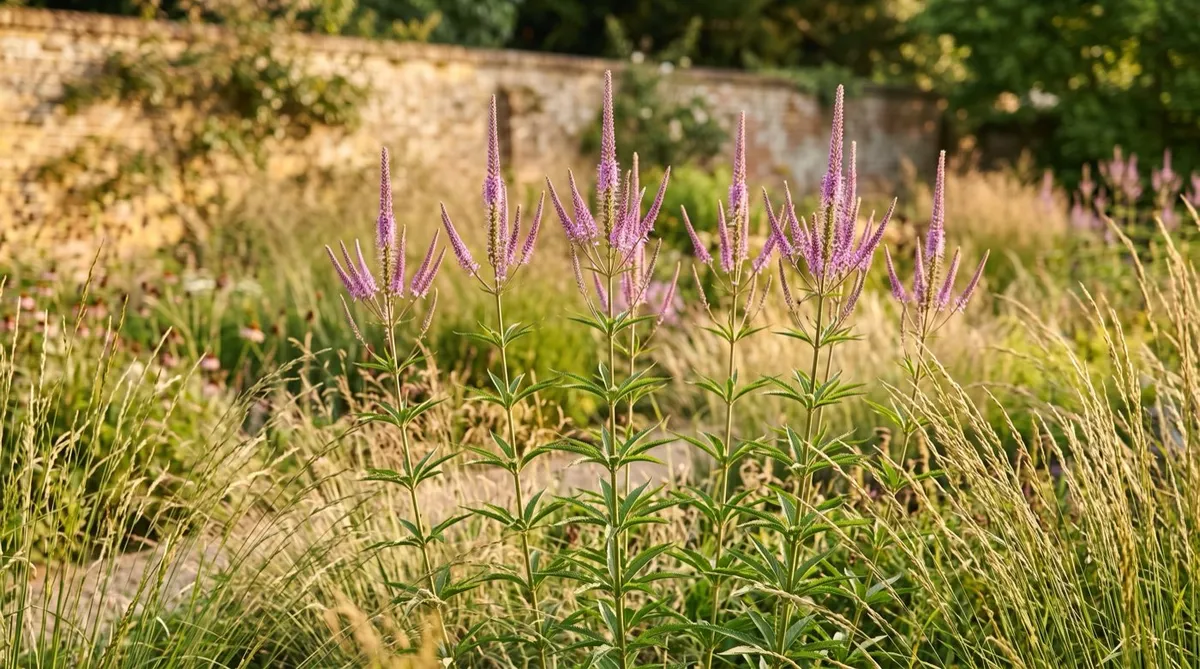
Veronicastrum is a tall, clump-forming perennial with two easy-to-spot features. The leaves are narrow and pointed, held in rings (whorls) of three to seven around the stem. They stack up in neat tiers, so the plant looks good from May, long before it flowers.
The flowers are tiny and packed into slender spikes. A central spike is circled by shorter side spikes, giving a candelabra outline. They open from the base upwards, so each stem stays in colour for weeks. Plants reach 1.2-1.8m tall and about 50-75cm wide.
It is fully hardy in the UK and grows on clay, loam, chalk or sand, as long as the soil holds some moisture in summer. Pests and diseases rarely bother it.
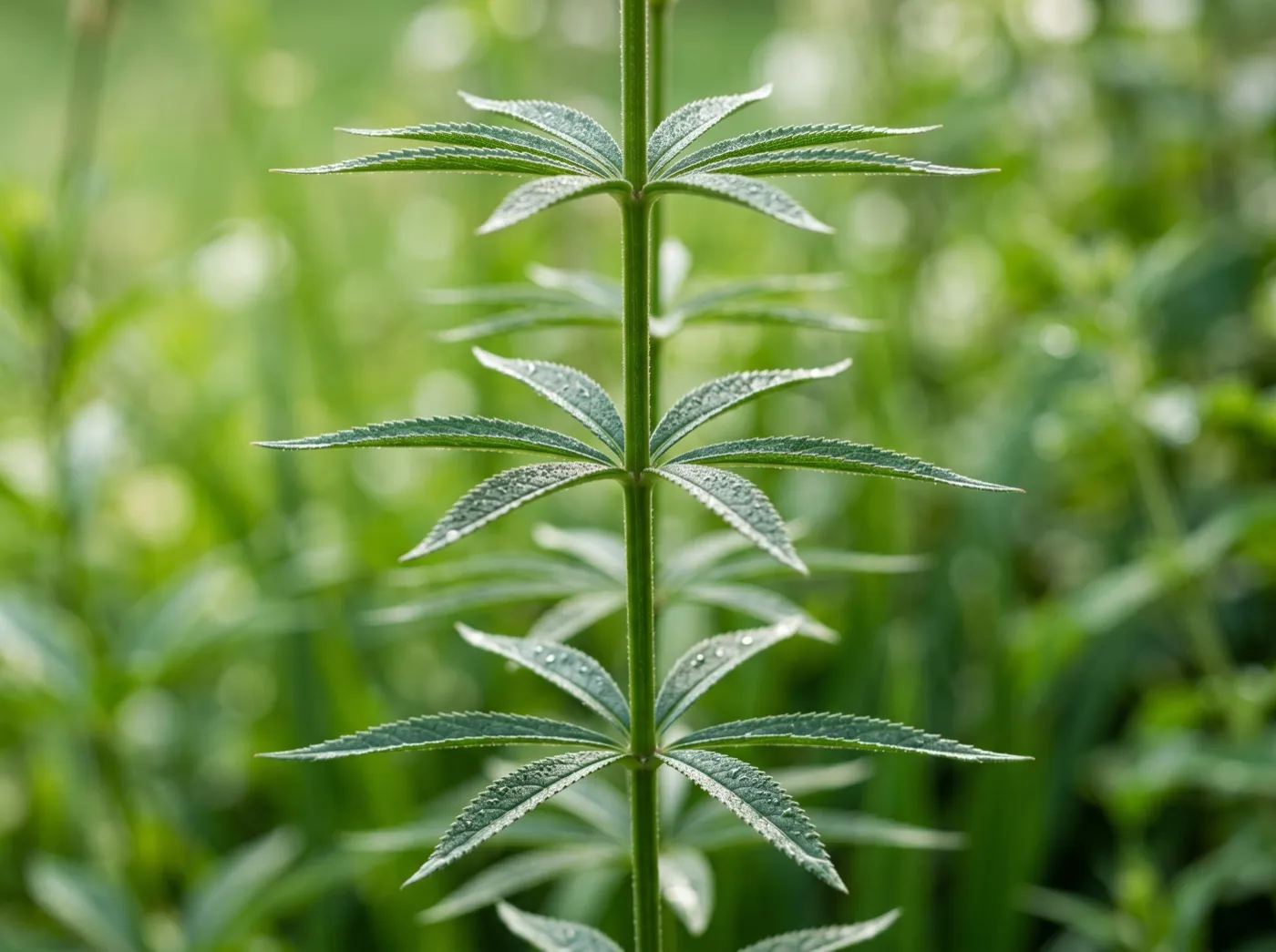
The tiered leaves make veronicastrum handsome for weeks before a single flower opens.
Which veronicastrum varieties are best?
All the popular varieties need the same conditions. They differ mainly in height and colour, so choose for the look you want.
| Variety | Height | Flower colour | Good to know |
|---|---|---|---|
| ’Fascination’ | 1.5-1.8m | Lilac-pink | The most widely sold; stems sometimes flatten and fan out |
| ’Lavendelturm’ | 1.5-1.8m | Pale lavender | Cool, soft colour for big drifts |
| ’Album’ | 1.2-1.5m | White | Glows at dusk against a dark hedge |
| ’Erica’ | 1.2-1.4m | Pale pink from darker buds | A shorter choice for smaller gardens |
| ’Adoration’ | About 1.5m | Pink | Upright, well-branched spires |
| ’Temptation’ | About 1.4m | Lavender-blue | Good seedheads for winter |
For a small garden, ‘Erica’ or ‘Temptation’ are easier to fit in. For a big, bold drift at the back of a border, ‘Fascination’ or ‘Lavendelturm’ give the most height. White ‘Album’ is lovely mixed with any of the others. The guide to plant combinations for UK borders has more pairing ideas.
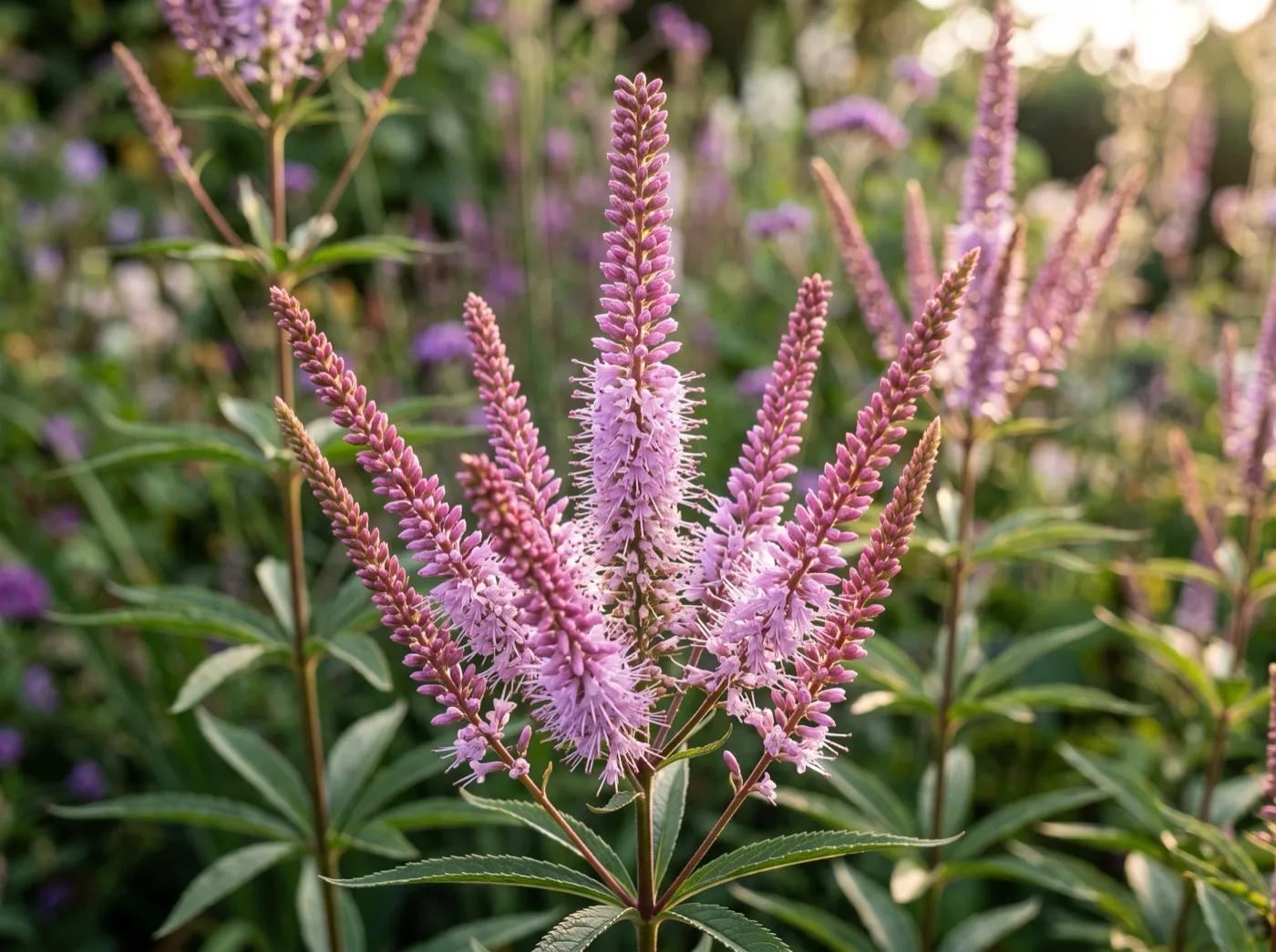
‘Fascination’ in full flower. Each stem carries a central spike ringed by shorter ones.
Where does veronicastrum grow best?
Plant veronicastrum in full sun on fertile soil that stays moist in summer. That combination gives tall, strong, self-supporting stems.
It is not a drought plant. On soil that bakes dry, it stays short, flowers briefly and may get powdery mildew on its lower leaves. It doesn’t want a bog either, and dislikes ground that sits wet all winter.
Clay suits it well because it holds summer moisture. The guide to improving clay soil covers the compost routine that helps heavy ground drain in winter. On light sand or chalk, dig in plenty of compost before planting, mulch 5cm deep each spring and water in dry spells.
Gardener’s tip: Don’t feed veronicastrum to make it bigger. Rich feeding gives soft stems that lean. A spring mulch of compost is all it needs.
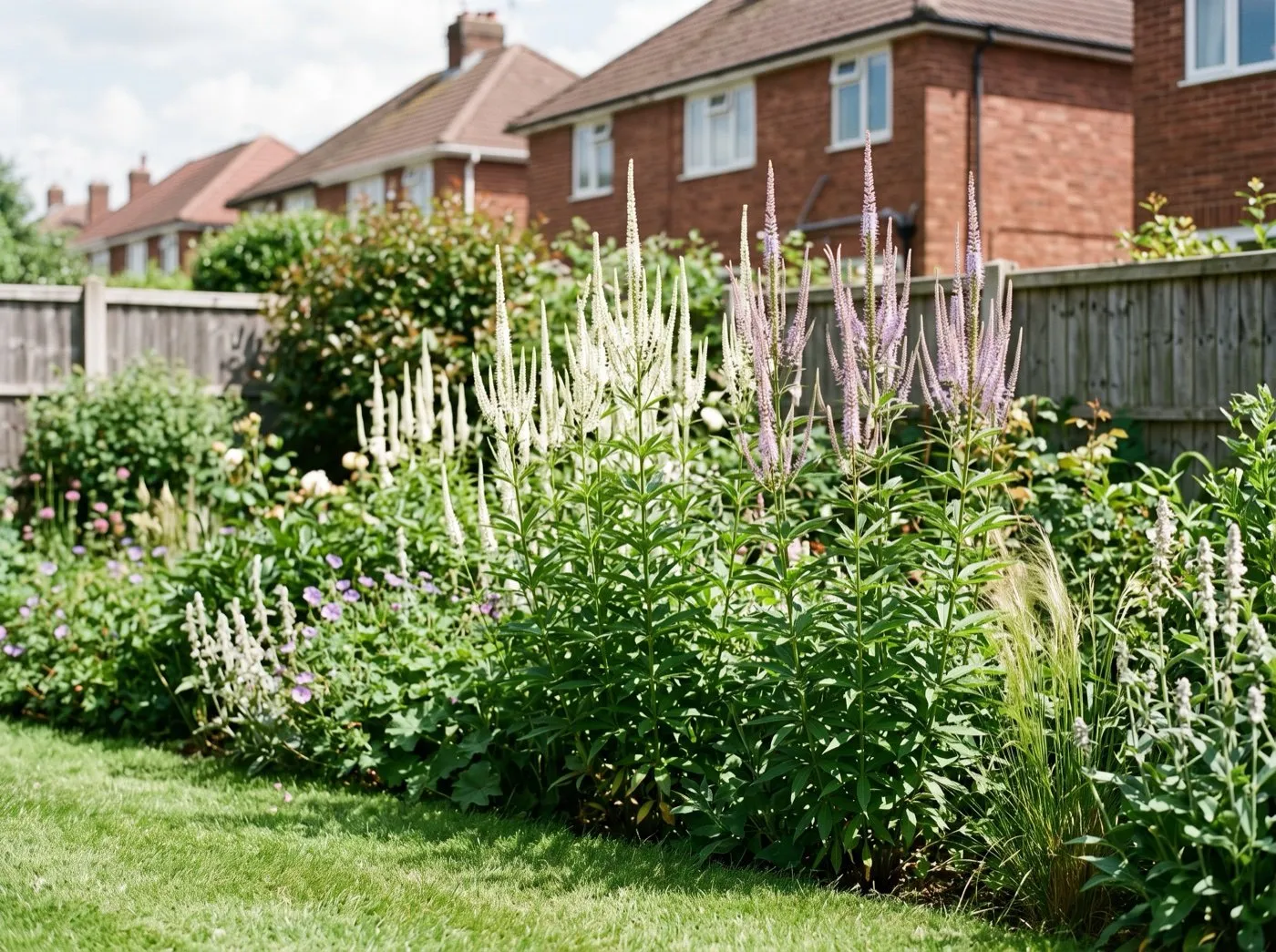
Full sun and decent soil are all it takes. No canes, no hoops, just straight stems.
How and when to plant veronicastrum
Plant in spring or autumn, spacing plants 45-60cm apart. Pot-grown plants can go in any time the ground is workable and not frozen or parched.
- Dig a hole a little wider than the pot and mix in some garden compost.
- Set the plant at the same depth it was growing in its pot.
- Firm in, water well and mulch around it.
- Water in dry spells through the first summer, when the roots are still small.
Bare-root plants are cheaper and arrive in the dormant season. They settle better if you pot them up and grow them on for a few weeks before planting out.
Plant in groups of three, five or seven. A single spire gets lost in a mixed border, while a group reads as a deliberate drift.
Does veronicastrum need staking?
No, not when it grows in full sun on moist soil. This is its best trick. Most perennials this tall need canes or hoops by June, but veronicastrum’s stiff stems hold themselves up.
When it does flop, one of three things is usually wrong:
- Too much shade stretches the stems.
- Dry soil checks growth and weakens them.
- Rich feeding makes growth soft and floppy.
Fix the position and the problem usually goes the following year. On a very windy site, put grow-through supports in place in April so the leaves hide them by June. The guide to staking tall perennials shows how.
How long does veronicastrum take to establish?
Expect the full display from about the third year. Gardeners sum it up as “sleep, creep, leap”. In year one it builds roots and makes a few short stems. In year two it bulks up. By year three it gives the full show.
The reward for waiting is a long-lived plant. Clumps widen slowly without dying out in the middle, so they can stay put for many years without lifting or dividing.
Is veronicastrum good for bees?
Yes. On a warm afternoon you’ll see bumblebees working up each spike, along with honeybees and hoverflies. It flowers through July and August, filling the gap between early summer flowers and autumn asters and ivy.
The standing stems help in winter too, giving insects somewhere to shelter. For more nectar later in the year, see the guide to autumn flowering plants for bees.
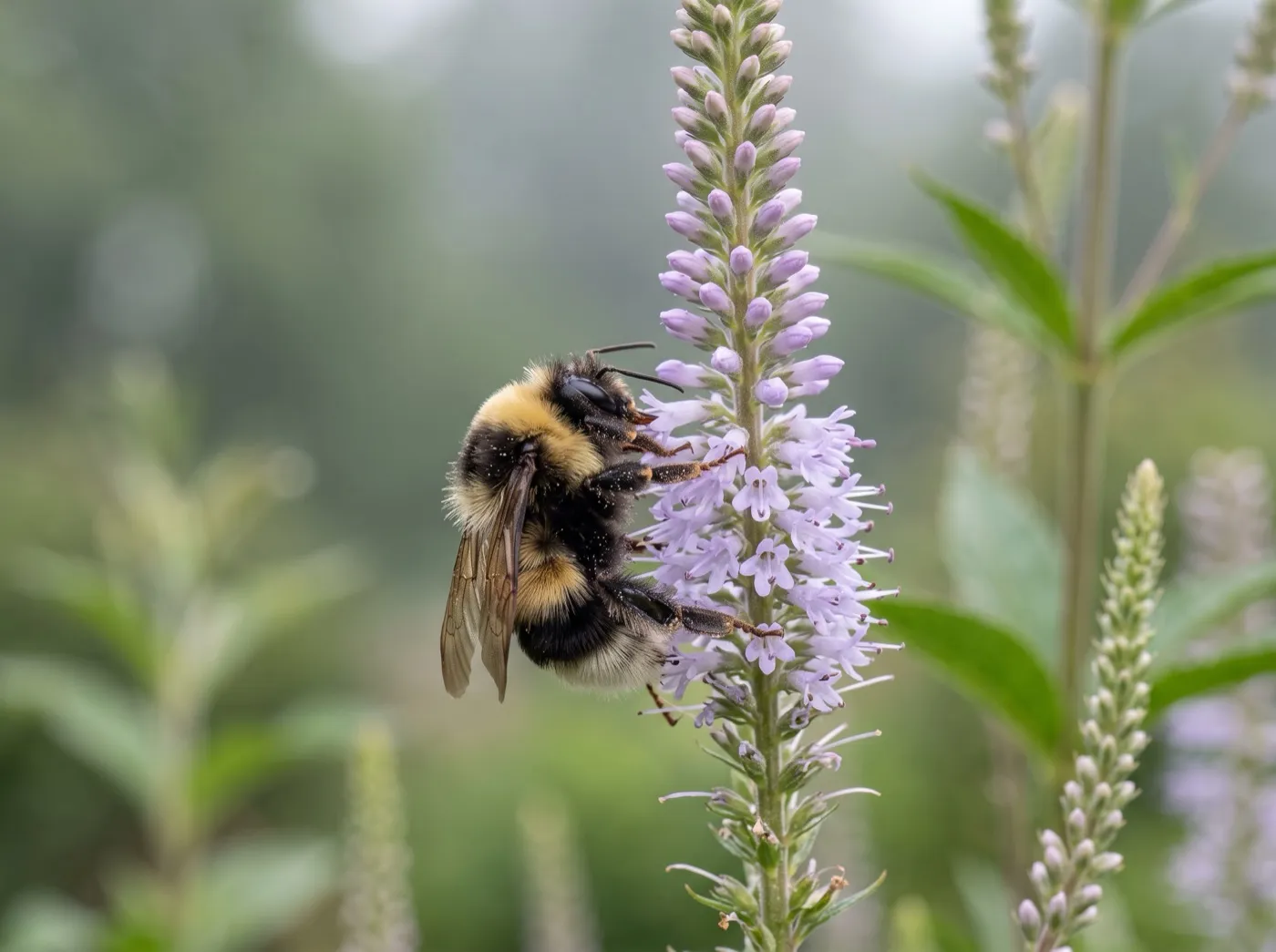
Bees work up each spike as the flowers open from the bottom, so one clump feeds them for weeks.
What to grow with veronicastrum
Veronicastrum is the classic “spire” in naturalistic planting. Set it among airy grasses and flat or round flower shapes for contrast.
Good partners include echinacea, sanguisorba, persicaria, monarda and grasses such as miscanthus or molinia. Repeat groups of veronicastrum along a border to give it rhythm. The guide to growing sanguisorba covers one of its best companions.
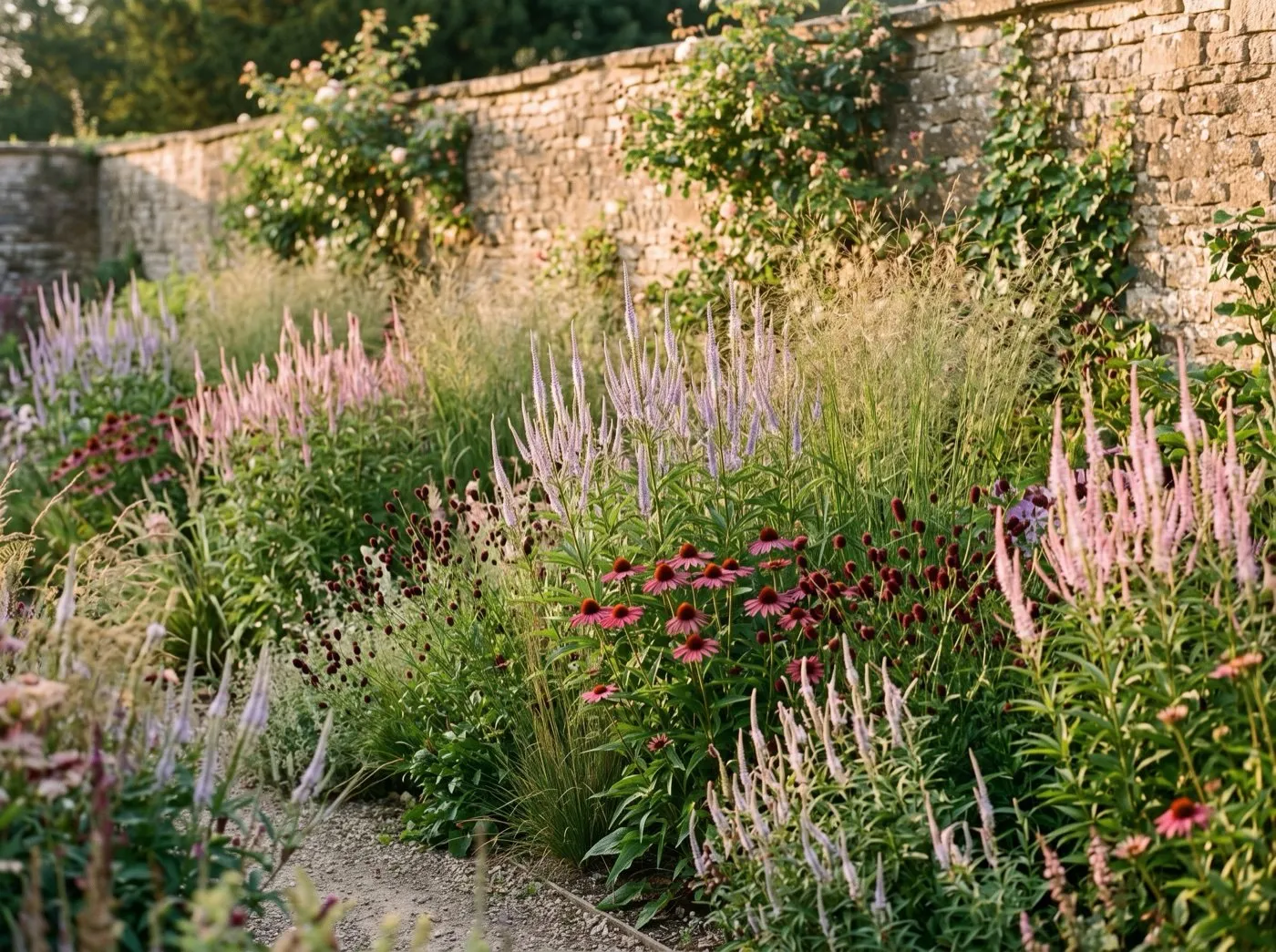
Spires among grasses and daisies: repeated groups give a border its rhythm.
How to divide and propagate veronicastrum
Division in early spring, just as the shoots appear, is the easiest way to get more plants. Only divide clumps that are at least three years old.
- Lift the whole clump with a fork.
- Cut it into fist-sized pieces with a sharp spade or old knife, each with several buds.
- Replant straight away at the same depth and water well.
Divided pieces may sulk for a season before they get going. You can also take soft stem cuttings from non-flowering shoots in early summer. Named varieties won’t come true from seed, so divide or take cuttings to keep them the same. The guide to propagation by cuttings, division and layering covers each method.
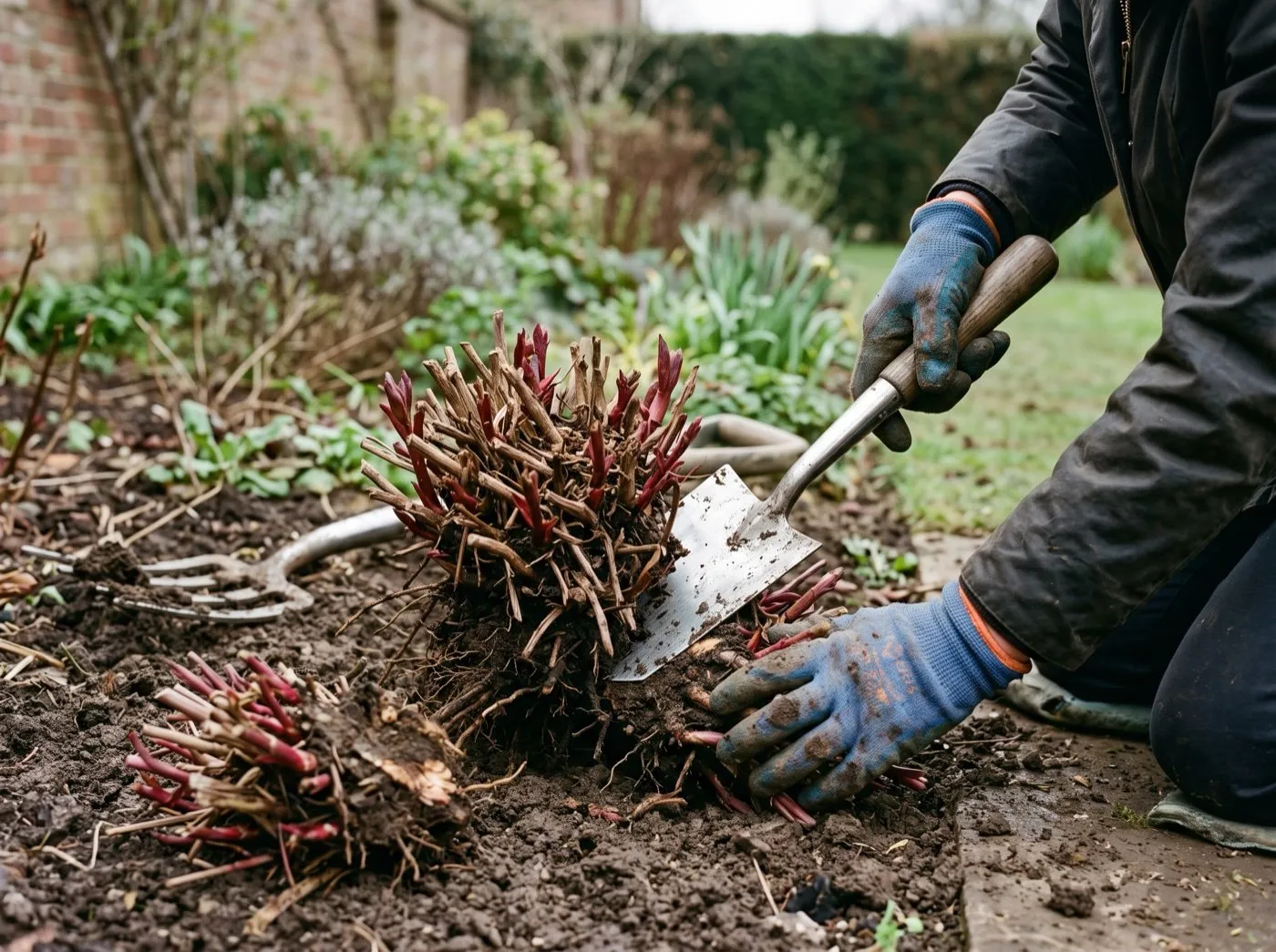
Cut a mature clump into fist-sized pieces, each with a few buds, and replant them straight away.
When to cut back veronicastrum
Cut veronicastrum to the ground in February, before the new shoots appear. After flowering, the spires darken to almost black and the stems stay stiff. They look wonderful with frost on them, long after softer plants have collapsed.
In February, cut every stem down, compost them and mulch the clump. That one job, plus the mulch, is the whole yearly routine.
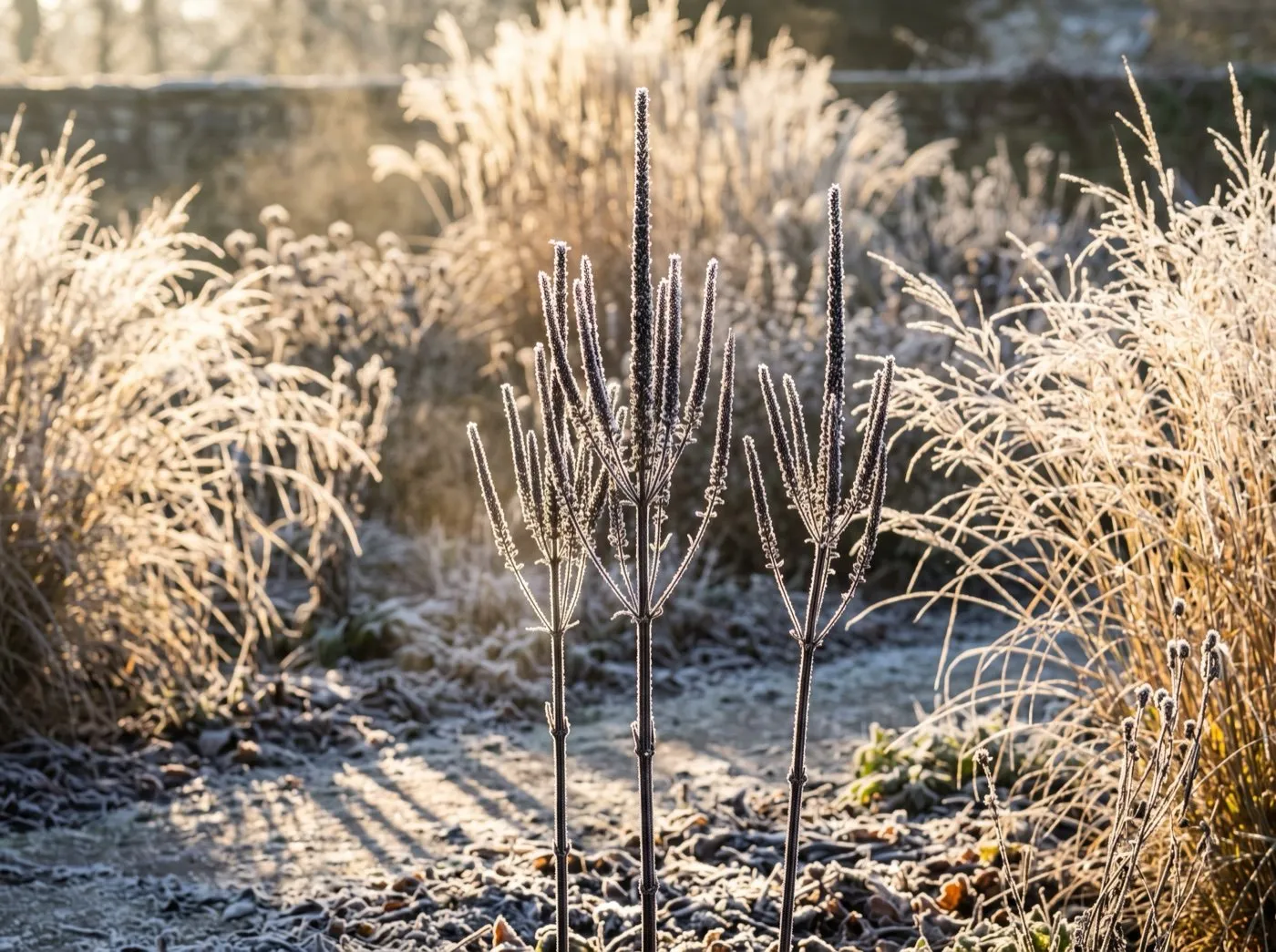
Leave the seedheads standing until February. They give the border shape all winter.
Veronicastrum care calendar
| Month | What to do |
|---|---|
| January | Enjoy the seedheads; nothing else to do |
| February | Cut all stems to the ground, then mulch |
| March | Divide mature clumps as shoots appear. Plant new plants |
| April | Plant. Add supports only on very windy sites |
| May-June | Water young plants in dry spells |
| July-August | Flowering. Take stem cuttings in early summer if you want more plants |
| September | Last flowers fade; leave the stems |
| October-November | Plant on lighter soils. Leave seedheads standing |
| December | Nothing to do |
Common mistakes with veronicastrum
- Giving up too soon. A few thin stems in year one is normal. Judge it in year three.
- Planting it somewhere dry. A hot gravel bed is the wrong home. It needs summer moisture.
- Planting in shade. The stems stretch and lean. Move it into full sun in spring.
- Cutting back in autumn. You lose the winter seedheads and the insect shelter. Wait until February.
- Planting singles. One spire looks lost. Plant at least three together.
Frequently asked questions
Is veronicastrum the same as veronica?
No, but they are close relatives with similar-looking flowers. Veronicastrum is taller, at 1.2-1.8m, with leaves in whorls around the stem and branched candelabra spires. Most veronicas, the speedwells, are shorter with leaves in pairs. Veronicastrum virginicum was once classed as a veronica, which explains the name.
Does veronicastrum need staking?
Not in full sun on moist soil. The stems are stiff enough to stand on their own, even at 1.8m. It leans in shade, on dry soil, or when rich feeding makes growth soft. If yours flops, move it somewhere sunnier and moister rather than reaching for a cane.
Why is my veronicastrum small or not flowering?
It is usually still getting established. Expect a few short spires in the first year, more in the second and the full show from about the third. Dry soil and shade also hold it back. Water in dry spells, mulch each spring and give it time.
Is veronicastrum invasive?
No, it forms a slowly widening clump that stays put. It has no running roots and rarely self-seeds in UK gardens. Clumps can go many years without needing to be divided.
When should I cut back veronicastrum?
In February, before the new shoots appear. The stems and dark seedheads stand through winter and look lovely in frost. Leaving them also gives overwintering insects somewhere to shelter. Cut everything to the ground, then mulch.
Will veronicastrum grow in clay soil?
Yes, clay suits it well because it holds summer moisture. Avoid spots that sit waterlogged all winter, and dig in some compost on the heaviest ground. On light, sandy soil it grows shorter unless you add organic matter and water in dry spells.
Is veronicastrum good for bees?
Yes, bees love it in mid and late summer. Each spire holds hundreds of tiny flowers that open from the bottom up over several weeks. Bumblebees, honeybees and hoverflies visit through July and August, before many autumn flowers start.
Want another tall spike with a twist? The guide to growing liatris covers a prairie plant that flowers from the top down. You’ll find more border favourites on the plants hub.
Our team produces practical UK gardening guidance from source research, contributor records and established horticultural practice. Editorial standards are overseen by Matt W.