
Key takeaways
- Plant daffodils, crocuses, hyacinths and alliums now, and hold tulips back until later in autumn
- Sow lamb's lettuce, winter lettuce and oriental greens early in the month for leaves through winter
- Plant out spring cabbage and autumn onion sets for crops next spring and early summer
- September is a great month to plant new strawberries for a full crop next summer
- Sow green manures on empty beds and grass seed on bare lawn patches while the soil is warm
September is one of the best planting months of the year. The soil is still warm, the rain is coming back, and new plants root quickly. Most of next spring’s bulbs go in now, along with winter salads and crops for the hungry gap.
This guide covers what to plant and sow in September. If you’re still finishing summer sowings, August’s planting guide covers the last of them. It’s also harvest time, so there’s a quick list of what to pick at the end.
Vegetables to sow and plant in September
September planting is about crops that sit through winter. They feed you from autumn right through to next summer.
Winter salads and greens
Early September is the last good chance to sow winter salads outdoors. They grow slowly through autumn and give you leaves when little else is growing.
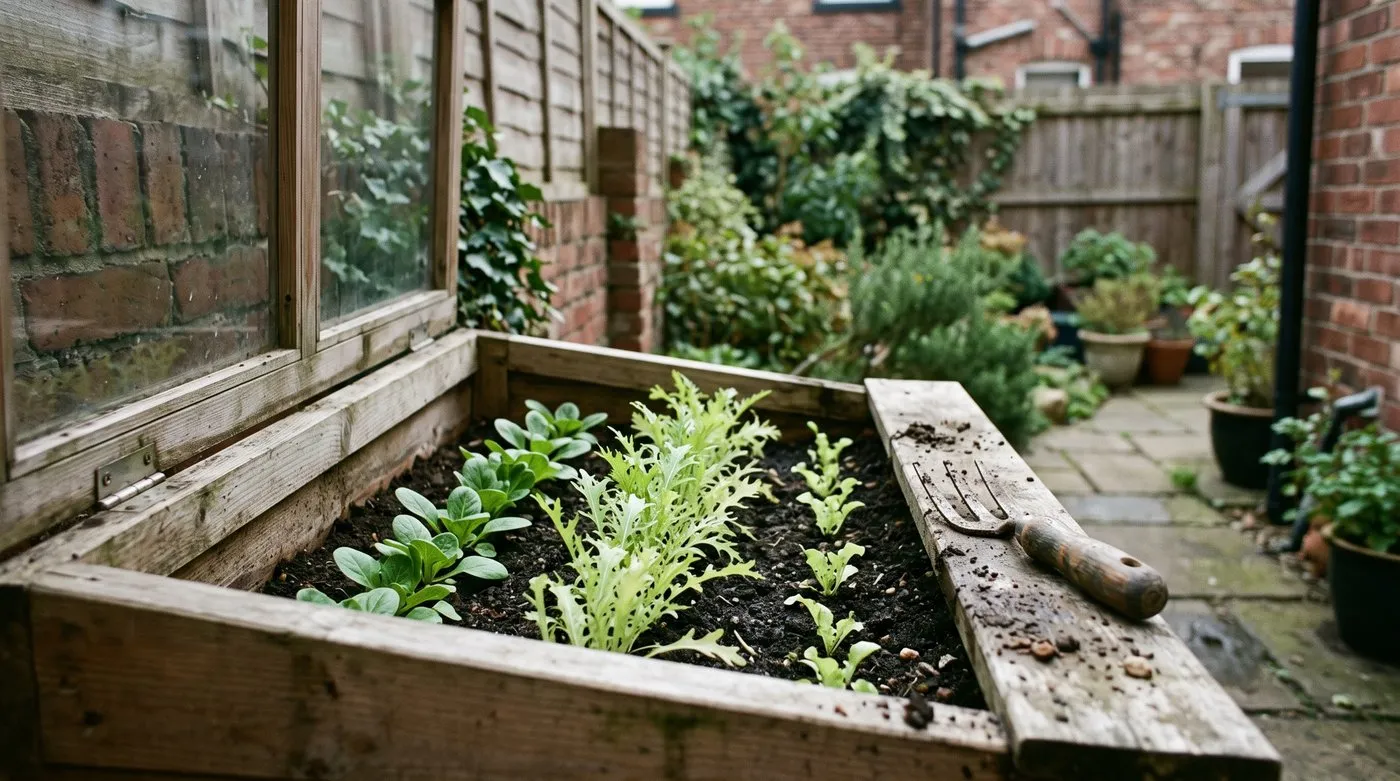
Sow winter salads early in September and they’ll keep you in leaves all winter. A cold frame gives them a helping hand.
- Lamb’s lettuce (corn salad) is the hardiest. Sow in rows and pick from late autumn.
- Winter lettuce such as ‘Winter Gem’ or ‘Arctic King’ copes with frost. Sow by mid-September and cover with cloches later.
- Hardy spinach gives leaves in autumn and again in spring.
- Mizuna and other oriental greens are quick. Pick baby leaves in a few weeks, and cover with fleece in hard frost.
Sowings in a greenhouse or cold frame can carry on later into the month and give better leaves through winter.
Spring cabbage
Young spring cabbage plants, sown in July or August, go into their final spot in September. Space them about 30cm apart in rows 30-45cm apart. They sit through winter as small plants and give you fresh greens from March to May. ‘Durham Early’ and ‘April’ are bred for this. Net them, as pigeons strip brassicas in winter. The guide to growing spring cabbage covers the hungry gap in more detail.
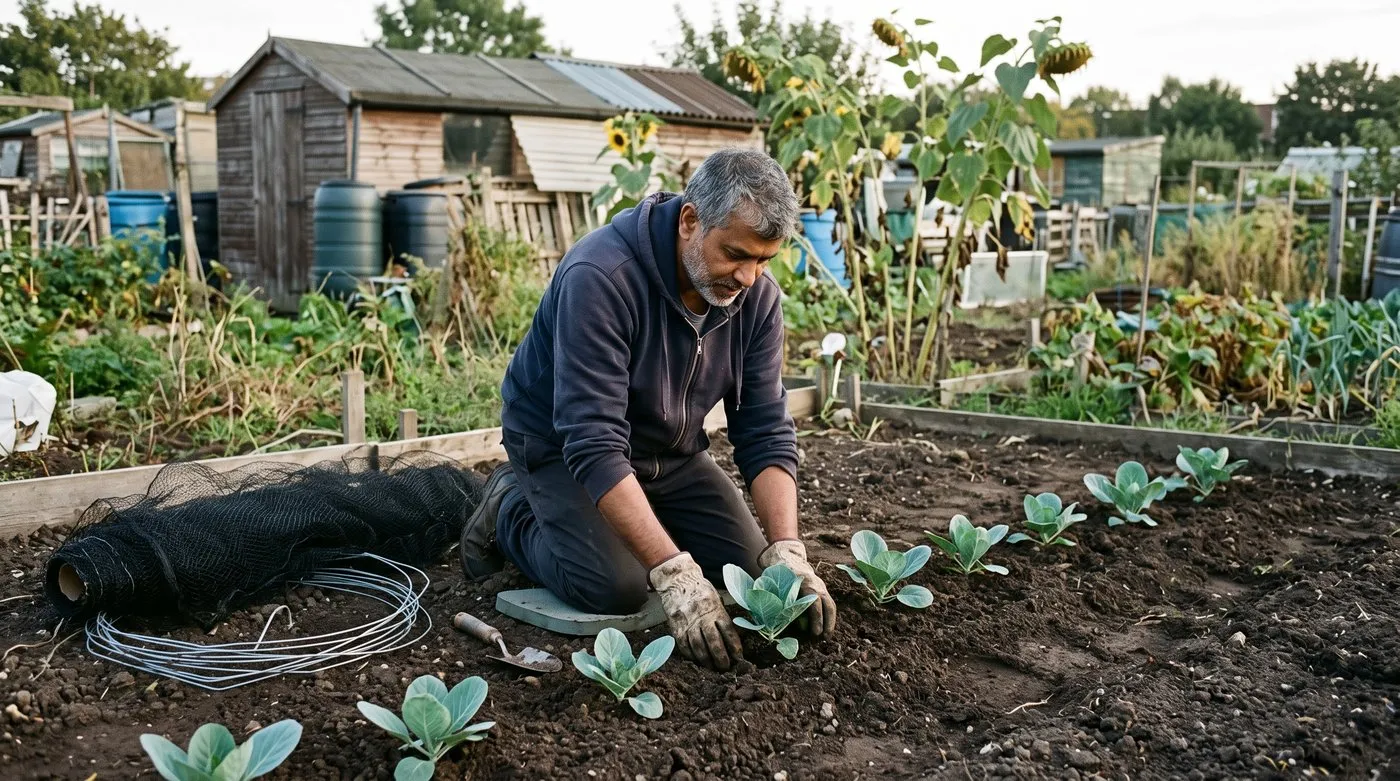
Spring cabbage planted now sits through winter and gives fresh greens from March. Net it before the pigeons find it.
Autumn onion sets
Autumn onion sets planted in September and October are ready in early summer, well before spring-planted onions. Push each set in with the tip just showing, 10cm apart in rows 25cm apart. Net them until they root, as birds pull them out.
Choose a well-drained spot, as onions rot in wet winter soil. ‘Radar’ and ‘Shakespeare’ are reliable choices. The guide to autumn onion sets explains spacing and aftercare.
Garlic and broad beans
Garlic can go in from late September, though October and November work just as well. Plant cloves pointed end up, tips about 2.5cm below the surface, 15cm apart.
Hold off on broad beans. Sowings in September often grow too tall and soft before winter. October or November is better for hardy varieties.
Gardener’s tip: Don’t plant supermarket garlic. Seed garlic from a garden supplier is free of most diseases and suited to UK winters.
Green manures for empty beds
Green manures are plants you sow to cover bare soil over winter. They protect it from heavy rain, smother weeds and add goodness when you dig or chop them in next spring.
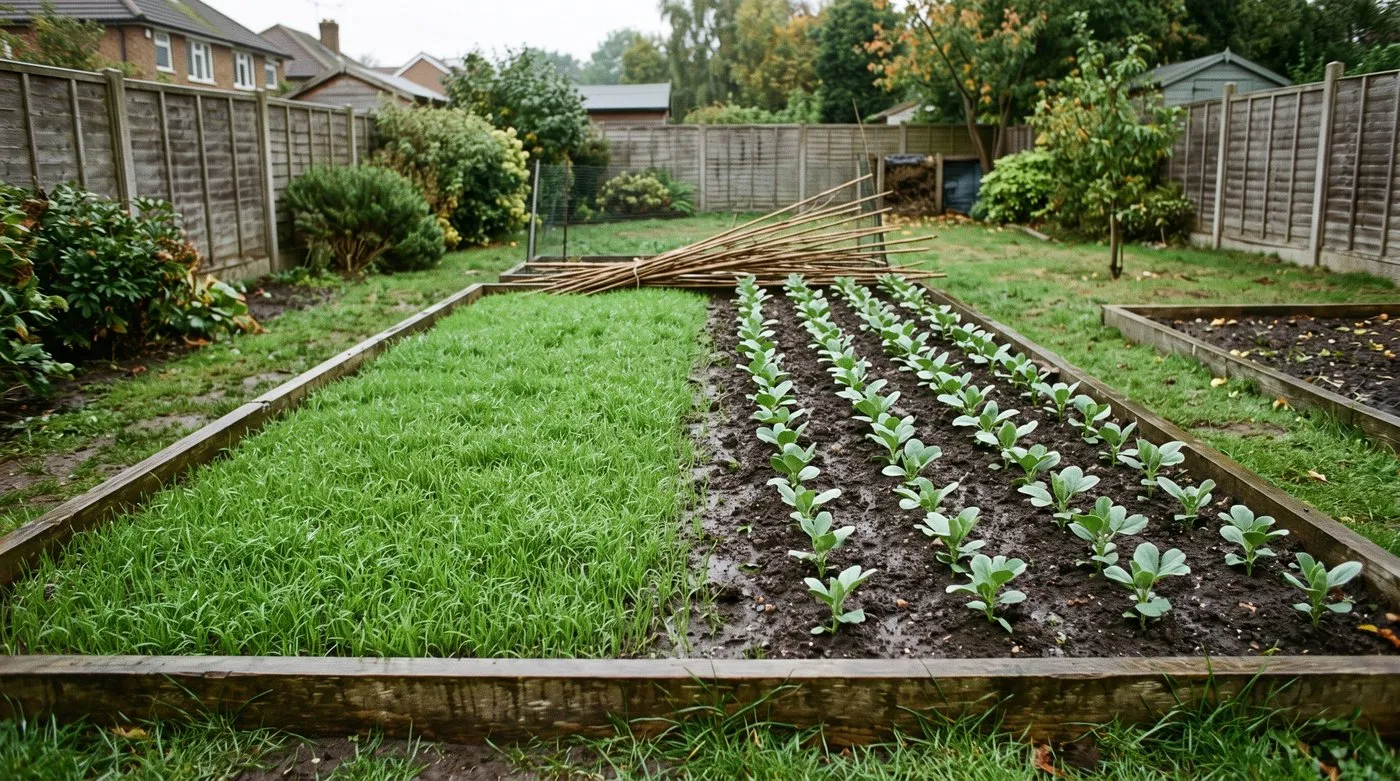
A green manure keeps bare soil covered through winter. Chop it in a few weeks before spring sowing.
- Field beans are tough enough for winter and add nitrogen. Sow them about 15cm apart.
- Grazing rye grows fast and its dense roots help break up heavy soil.
- Phacelia is killed by hard frost and leaves a mulch behind. Sow it early in the month.
Chop and dig them in a few weeks before you want to sow in spring. The guide to green manures and cover crops explains which suits each bed.
Spring bulbs to plant in September
September is the start of bulb planting. As a rule, plant bulbs at two to three times their own height, pointed end up.
Daffodils do best planted early, so they have a long time to root. Plant them 10-15cm deep, about 10cm apart. Mix early, mid and late varieties for flowers from February to April.
Crocuses go about 8cm deep. Plant them in groups or naturalise them in a lawn. Crocus tommasinianus spreads happily in grass.
Hyacinths go about 10cm deep. Wear gloves when handling the bulbs, as they can irritate skin.
Alliums add height to borders in early summer. Plant the big bulbs about 15cm deep among low perennials that hide their fading leaves.
Tulips are the exception. Wait until late October or November, as cool soil helps prevent tulip fire, a fungal disease. The guide on when to plant spring bulbs covers each bulb type.
Flowers and perennials to plant in September
Winter pansies and violas planted now flower on and off right through to spring. Use them in pots, window boxes and at the front of borders.
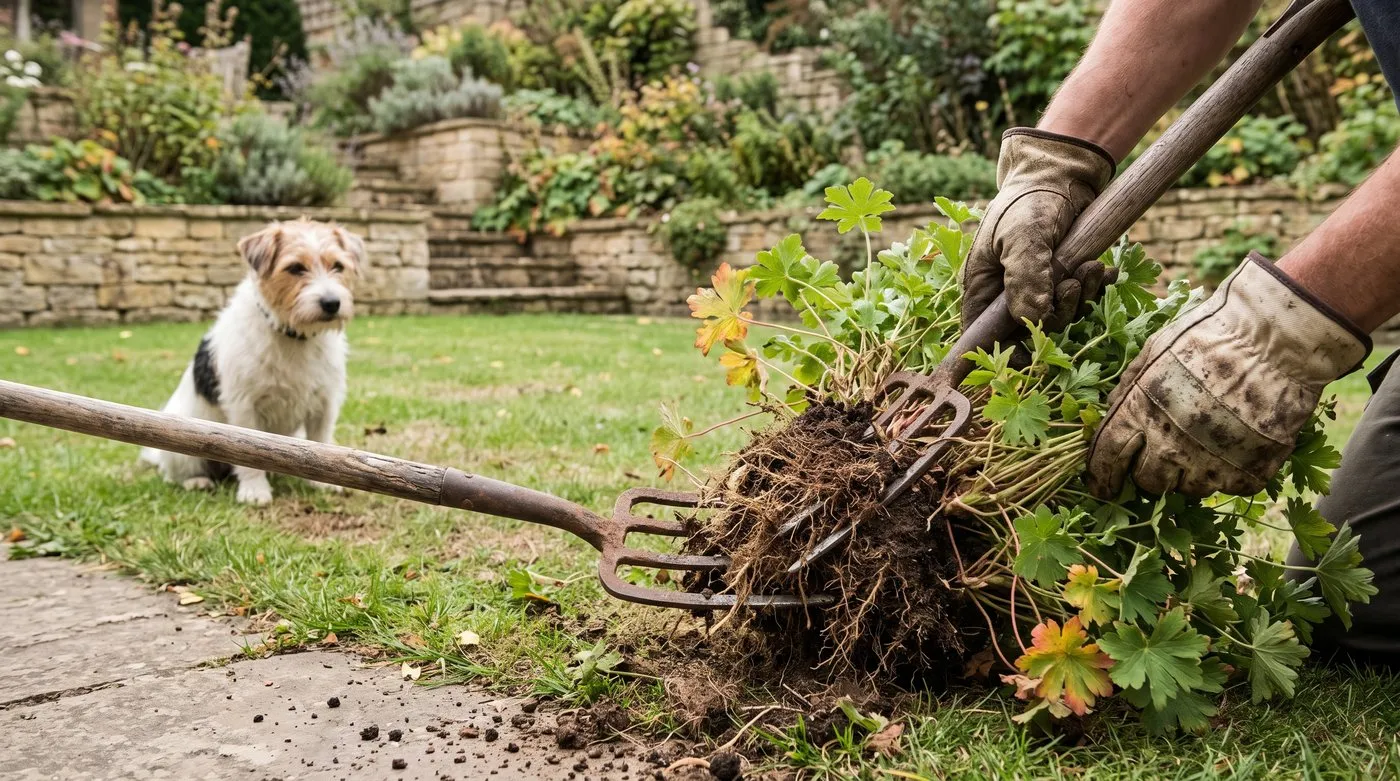
Split tired clumps into smaller pieces with a few healthy shoots each. Replant them straight away and water well.
Hardy cyclamen (Cyclamen hederifolium) can be planted now in dry shade under trees. Set the tubers just below the surface. Its marbled leaves cover the ground through winter.
Overcrowded perennials can be divided this month while the soil is warm. Lift the clump with a fork, split it into pieces with a few healthy shoots each and throw away the woody middle. Replant straight away at the same depth and water well. Hostas, daylilies, hardy geraniums and asters all divide well now.
Planting strawberries in September
September is a great month to plant new strawberries. They root well in warm soil and give a full crop next summer.
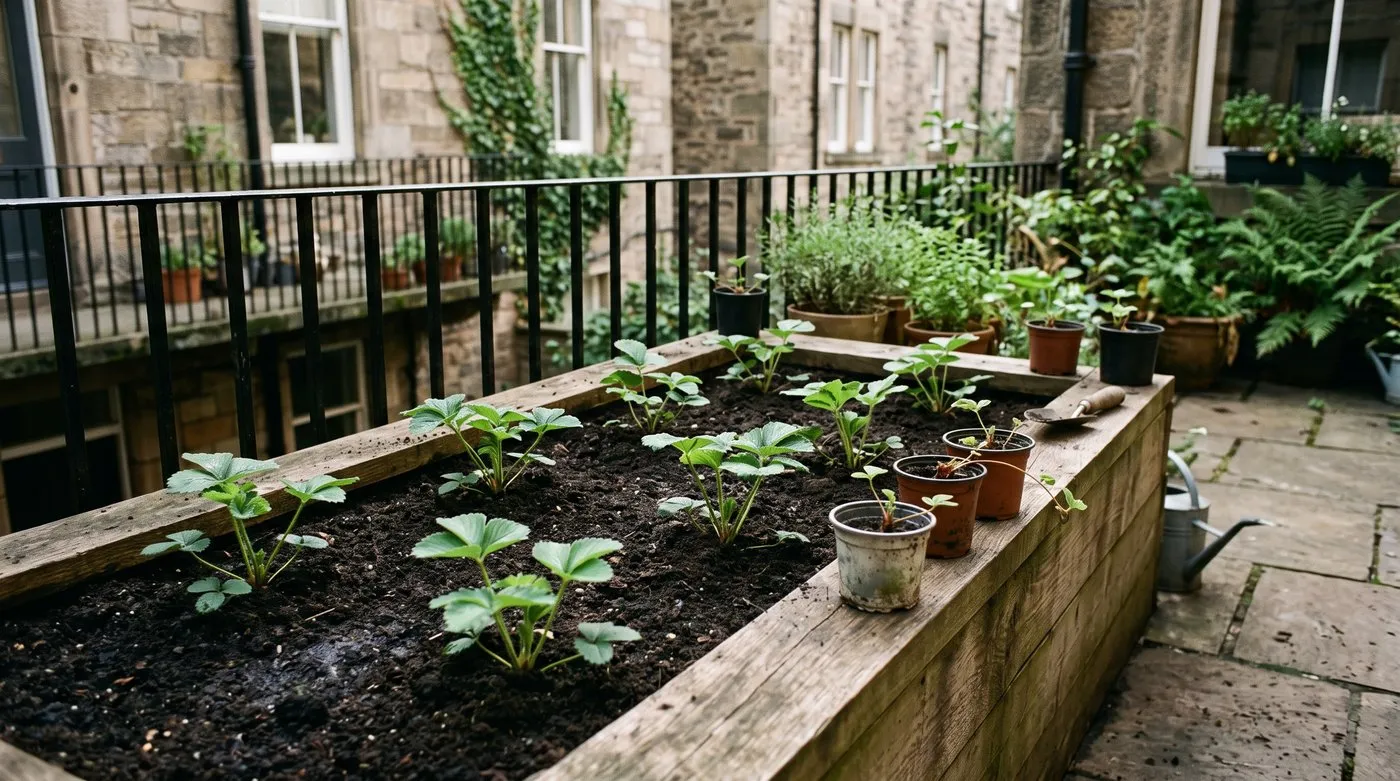
Plant with the crown right at soil level, not buried. Plants set out now give a full crop next summer.
Use runners you pegged down in summer, or buy young plants. Plant them 35-45cm apart in rows about 75cm apart, with the crown sitting at soil level. Dig in plenty of well-rotted compost or manure first. Pick off any flowers that appear before winter so the plants put their energy into roots.
Good varieties include ‘Cambridge Favourite’ for reliability and ‘Florence’ for a late crop. The full guide to growing strawberries covers aftercare.
This is also a good time to order bare-root fruit trees for winter planting, while nurseries still have plenty of choice.
Sowing grass seed in September
September is one of the best months to sow a new lawn or patch bare spots. The soil is warm, autumn rain keeps it damp, and there’s less competition from weeds than in spring.
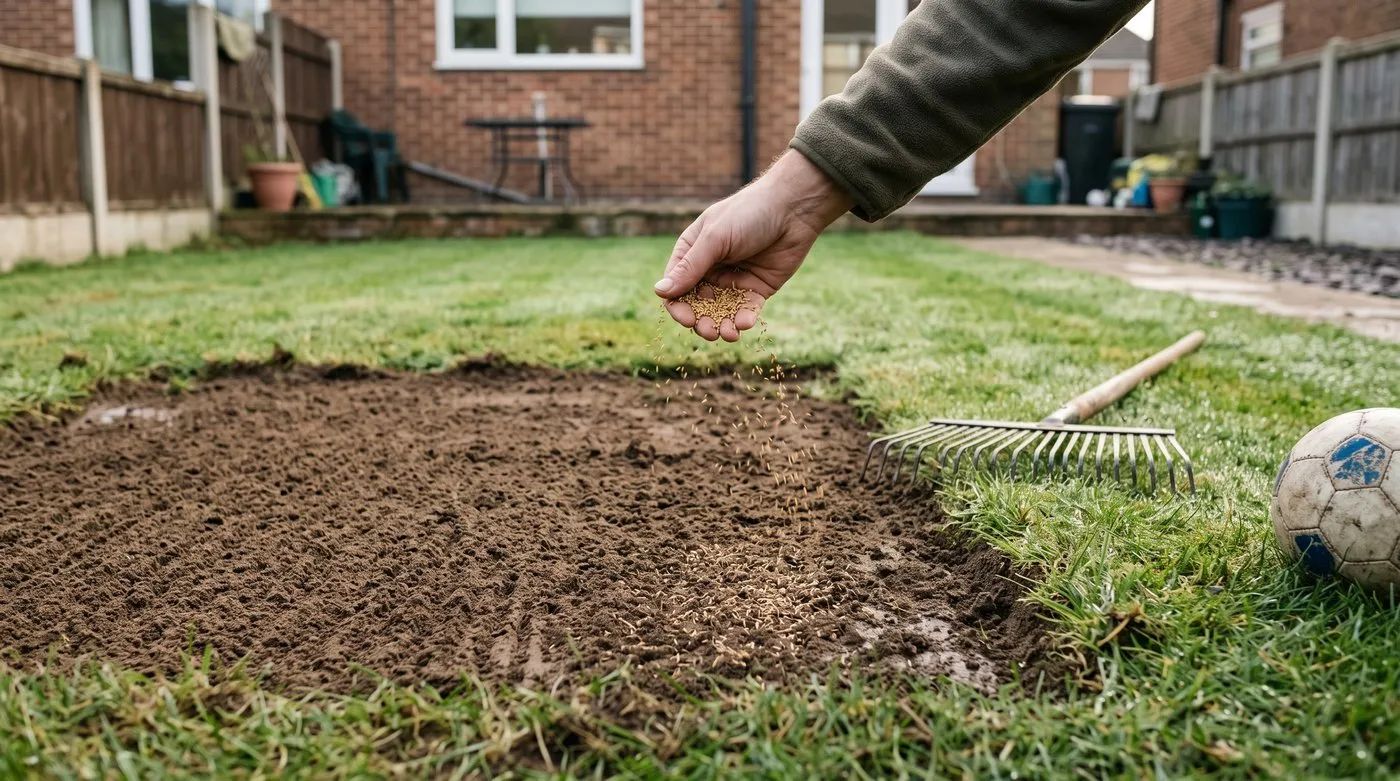
Warm soil and autumn rain make September ideal for patching a lawn. Rake the soil fine before you sow.
Clear weeds and stones, rake the soil level and firm it gently. Sow evenly at the rate on the packet, rake lightly to cover and water if it stays dry. Keep off the new grass while it establishes, and give it its first light trim once it’s around 5-7cm tall. The guide to growing grass from seed covers soil prep and aftercare.
What to harvest in September
September is a generous month, with summer crops still going and autumn ones starting.
| Crop | Harvest tip |
|---|---|
| Runner and French beans | Pick every few days so plants keep cropping |
| Courgettes | Pick small and check every day |
| Tomatoes | Pick as they ripen. Bring green ones indoors before the first frost |
| Sweetcorn | Ready when the silks turn brown and a pressed kernel gives milky juice |
| Maincrop carrots and beetroot | Lift as needed, and store before the ground gets wet and cold |
| Early apples | ’Discovery’ and ‘James Grieve’ are ready when they lift and twist off easily |
| Plums and blackberries | Pick when fully coloured and soft |
| Autumn raspberries | Pick regularly until the first frosts |
September planting at a glance
| When | Sow or plant | Also |
|---|---|---|
| Early September | Winter salads, phacelia, spring cabbage | Sow grass seed |
| Mid September | Daffodils, crocuses, onion sets, strawberries | Divide perennials |
| Late September | Hyacinths, alliums, field beans, garlic | Order bare-root fruit trees |
| All month | Winter pansies and violas | Harvest beans, tomatoes and apples |
Common September planting mistakes
Planting tulips too early. Warm soil raises the risk of tulip fire. Plant them last, in late October or November.
Sowing broad beans too soon. September sowings grow soft and leggy before winter. Wait a month or two.
Leaving soil bare. Winter rain washes goodness out of empty beds. Sow a green manure or cover the soil with compost.
Planting onions and garlic in wet ground. They rot over winter. Use a raised bed on heavy clay.
Forgetting about frost. Early frosts can hit inland and northern gardens from late September. Keep fleece handy for beans and tomatoes.
Frequently asked questions
What bulbs should I plant in September in the UK?
Daffodils, crocuses, hyacinths and alliums all go in now. Plant them at two to three times their own height. Leave tulips until late October or November, as cool soil helps prevent tulip fire.
Can I sow grass seed in September?
Yes, September is one of the best months for it. The soil is warm and autumn rain keeps it damp, so seed comes up quickly. Rake the soil level, sow evenly and keep off the new grass while it establishes.
What vegetables can I sow in September?
Winter salads, oriental greens and hardy spinach, sown early in the month. Lamb’s lettuce, winter lettuce and mizuna crop through autumn and winter under cover. Plant out spring cabbage and autumn onion sets too.
Is September too late to plant strawberries?
No, September is one of the best months to plant them. They root well in warm soil and crop fully next summer. Space plants 35-45cm apart and pick off any flowers that appear before winter.
Should I plant garlic in September?
You can, but October and November are just as good. Garlic needs a cold winter spell to form cloves, and later planting still gets that. Plant tips about 2.5cm below the surface, 15cm apart.
Can I sow broad beans in September?
It’s usually better to wait until October or November. Very early sowings grow too tall and soft before winter. Sow hardy types such as Aquadulce Claudia later in autumn instead.
Once September’s bulbs and salads are in, move on to what to plant in October for garlic, tulips and sweet peas. There’s more seasonal help in our growing section.
Our team produces practical UK gardening guidance from source research, contributor records and established horticultural practice. Editorial standards are overseen by Matt W.


