
Key takeaways
- Sow quick salads little and often for leaves right through autumn
- Start spring cabbage and overwintering onions now for crops next spring
- Pak choi, turnips and spinach like the cooler days at the end of summer
- Keep seedbeds damp and shade them on hot afternoons
- Peg strawberry runners into pots for free new plants
August isn’t too late to plant in the UK. It’s the changeover month, when summer crops are coming in and autumn ones are going in. Quick salads will still give you plenty of leaves. Spring cabbage and winter onions get going now for a crop next year.
Where you live makes a difference. A sheltered garden in the south has longer than an exposed plot in Scotland. Use this guide to make a shortlist, then check the seed packet for the final word.
What can you sow in August?
Leafy salads, pak choi, turnips, spring onions and spinach are all good August sowings. You can also sow spring cabbage and onions bred for overwintering. The RHS August jobs list has these too.
Some will be ready this autumn. Others settle in before winter and carry on growing in spring.
To see how August fits the rest of the year, have a look at the UK vegetable planting calendar. The seed sowing calendar is handy for planning a few months at once.
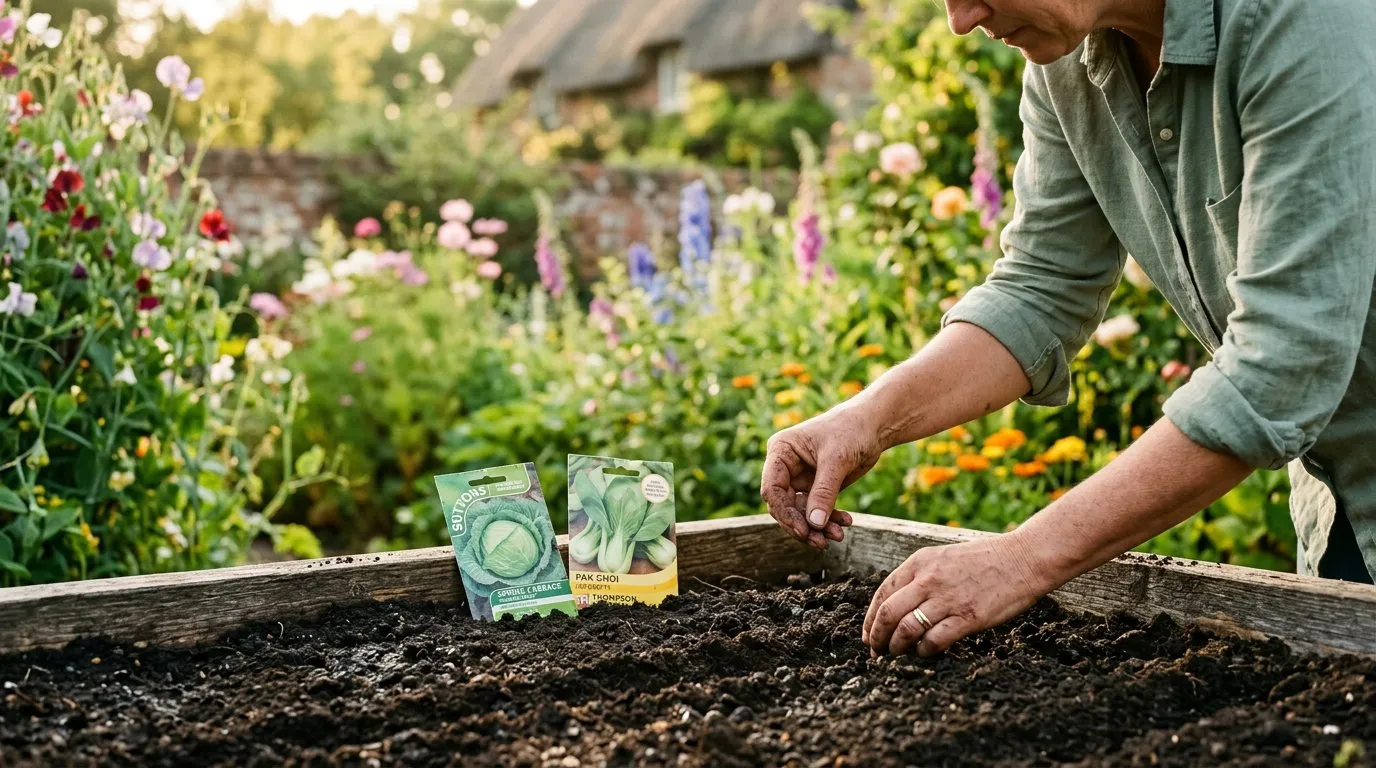
Quick salads
Rocket, mustard leaves and cut-and-come-again mixes love small, regular sowings. That way you don’t get a glut all at once. And if a heatwave stops one batch sprouting, you haven’t lost much.
Sow into damp soil and keep it moist. A bit of shade cloth on hot afternoons helps. Pots are great here, as you can move them out of strong sun.
Not every lettuce likes a late start. Pick one sold for late summer, autumn or winter, and follow the packet for spacing.
Pak choi and other oriental leaves
Pak choi is often happier once the hottest weeks have passed. Heat, dry soil and long days make it bolt (run to flower too early). A later sowing suits it, but keep it well watered in warm spells.
The RHS pak choi guide suggests small batches for a steady supply. Pick the leaves young, or let the plants grow on.
Sow thinly and keep an eye out for slugs, snails and flea beetle. If pigeons are a pest, net the plants, but pin the netting down so birds and hedgehogs can’t get tangled. For more, see our guide to growing pak choi and Asian greens.
Spinach and chard
Spinach hates heat and dry soil, so it often does better as late summer cools down. Keep the seedbed damp.
Chard is slower but keeps going into cooler weather. In a cold or exposed garden, young plants may want a cloche. Our spinach growing guide covers sowing, thinning and common problems.
Turnips and radishes
Fast roots are perfect for the gaps left by early potatoes, peas or salads. Turnips give you roots and tasty leaves. Radishes are quick, but they go woody if they dry out.
Rake the soil fine and pick out big stones. If the ground is dry, water before you sow. Thin the seedlings as the packet says, rather than leaving a crowded row.
Spring onions
Choose spring onions sold for late or overwintering sowing. They need well-drained ground, as sitting in cold, wet soil does more harm than the cold itself.
Sow a short row, not the whole packet. A second small sowing a couple of weeks later gives you a backup. Our spring onion guide covers pots and open ground.
Crops to start now for later harvests
Not everything in August is about quick results. Spring cabbage and winter onions settle in while the soil is still warm. They then sit quietly through winter and grow on in spring.
Spring cabbage
Sow spring cabbage in a seedbed row or in modules, following the packet. Move the young plants to their final spacing later. Firm the soil well around them so autumn winds don’t rock them about.
Watch out for cabbage root fly, caterpillars, pigeons and slugs. Fine mesh keeps most of them off. Hold it up on hoops so it doesn’t sit on the leaves, and check it for holes now and then.
Variety really matters here, so pick one sold as spring cabbage. In colder areas, sow early in the month and give a little extra shelter.
Overwintering onions
Some onion varieties are made for late summer sowing. They get going before winter and carry on in spring. Ordinary spring onions for bulbs won’t behave the same way.
Give them a sunny, open spot with good drainage. Skip freshly manured ground, which gives soft, leafy growth. Sowing dates vary between varieties, so follow the supplier’s timing.
What can you plant rather than sow?
Pot-grown perennials can go in when the soil is moist and easy to dig. Water the pot first, plant, firm in and water again. If there’s a drought or heatwave, wait for cooler weather.
Some autumn-flowering bulbs, like autumn crocus, go in during late summer too. Read the label, as similar-looking bulbs can have different planting times. It’s a good month to order spring bulbs, but plant each one at its proper time.
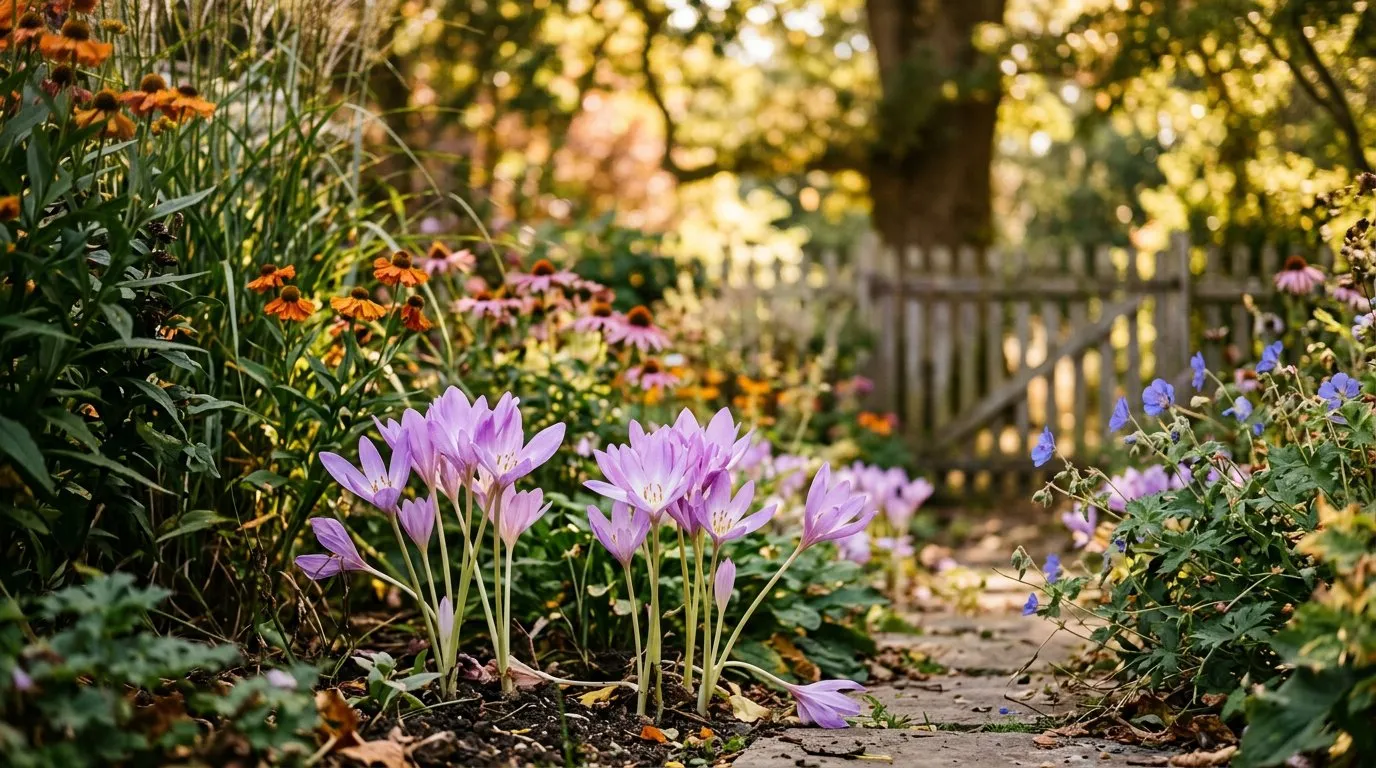
Try not to leave new plants sitting in small pots, as they dry out fast. Plant them soon, or keep them somewhere sheltered and check them daily.
How to sow successfully in August
The top layer of soil drying out is the main reason August sowings fail. Small seeds sit right near the surface, and one hot afternoon can stop them sprouting.
Here’s the simple way to do it:
- Clear the old crop and pull out perennial weeds.
- Add some well-rotted compost if the soil needs it.
- Rake the surface fine and level.
- If the soil is dry, water the drill before sowing.
- Sow at the depth and spacing on the packet.
- Label the row with the crop, variety and date.
- Keep the soil damp until the seedlings are up.
- Thin them early so the rest have room.
Water gently so you don’t wash the seeds into clumps. A can with a fine rose is easiest. Watering in the morning lets leaves dry before night.

Adjust for where you garden
Southern and sheltered gardens usually have a longer autumn. Northern, inland, high or windy sites cool down sooner. So do gardens with heavy, wet soil.
If the packet gives a range of dates, aim for the earlier end in a colder garden. A cloche or unheated greenhouse can keep salad leaves going longer. It won’t make a tender variety hardy, though.
Propagate strawberry runners
Strawberry plants send out runners in summer, each with a baby plant on the end. Peg one into a small pot of compost while it’s still attached. A bent bit of wire or a hairpin does the job.
Keep the pot moist while it roots. Once the little plant resists a gentle tug, snip the runner. Only use runners from healthy plants, so you don’t pass on problems.
Our strawberry runner guide has more on renewing your bed and aftercare.
What to harvest in August
August is a busy picking month. Depending on your garden, you may have courgettes, beans, tomatoes, potatoes, beetroot, onions and soft fruit.
Pick courgettes while the skins are tender. Pick beans often, before the pods get stringy. Tomatoes are ready when they’ve reached the colour of their variety. If potato leaves show blight (brown patches that spread fast), cut the tops off and lift the crop.
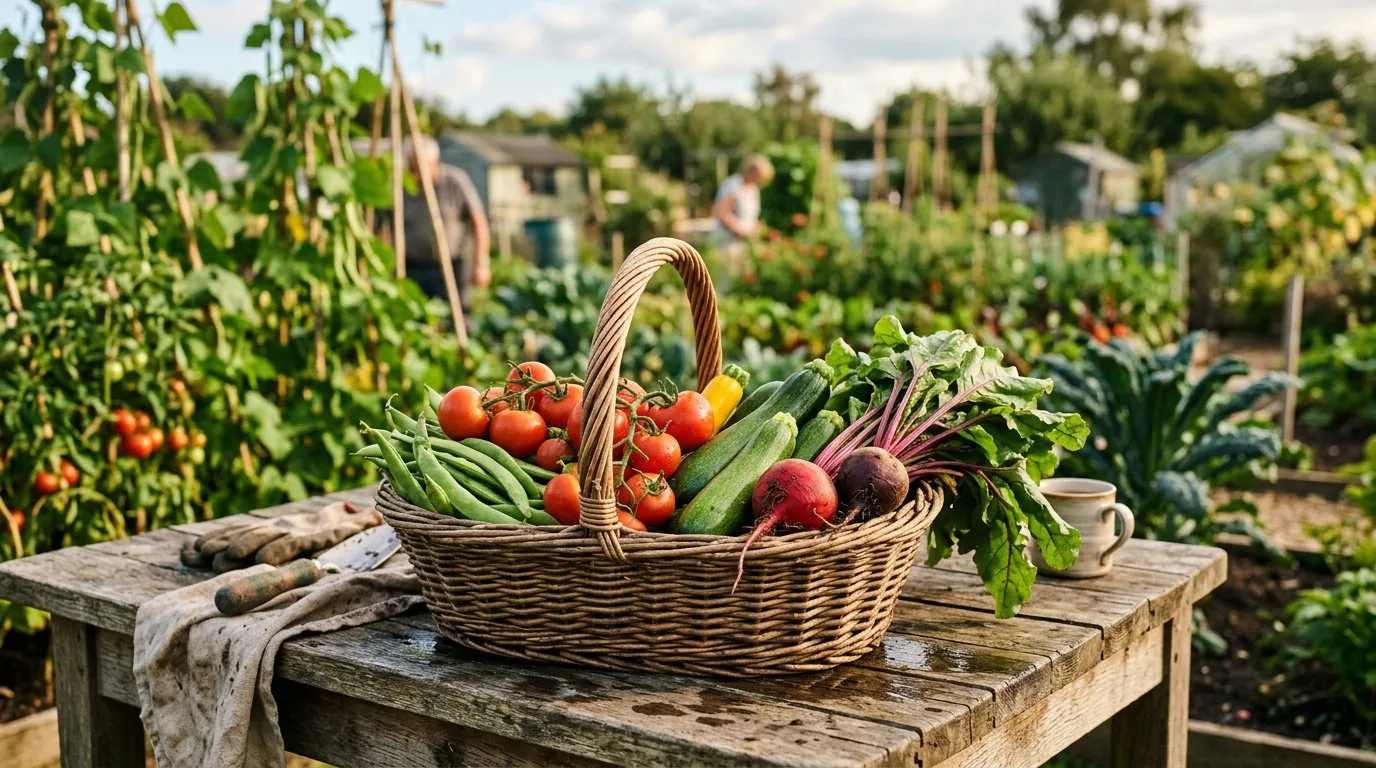
Got a glut? Freeze, preserve or share it while it’s fresh. Only keep sound produce, and bin diseased plants rather than composting them unless your heap gets really hot.
What not to start in August
Warm-season crops like outdoor tomatoes, courgettes and runner beans need a long summer. Sowing them in August won’t give you a crop outdoors in most UK gardens.
Use empty space for salads or a green manure instead. Get beds ready for autumn planting, and order garlic and bulbs.
Don’t force seed into bone-dry soil. Waiting for a cooler, damper spell is often the better bet.
A practical August checklist
- Pick varieties sold for late summer or overwintering.
- Sow salads in small batches, not one big row.
- Keep seedbeds moist until seedlings are up.
- Net brassicas, and keep the netting tight.
- Pot up strawberry runners from healthy plants.
- Pick little and often to keep crops coming.
- Clear diseased plants and clean your canes and supports.
- Jot down what worked for next year.
A few short rows now will give you autumn salads. The right cabbage and onion varieties will carry your plot into next year.
Browse more UK growing guides or plan ahead with what to plant in September.
Frequently asked questions
What vegetables can I plant in August in the UK?
Quick salads, pak choi, turnips, spring onions and spring cabbage. Spinach and overwintering onions are good choices too. Check the seed packet, as timing varies a little by variety and where you live.
Is August too late to sow vegetables?
Not at all. Fast crops like salads and radishes still have time, and spring cabbage and winter onions are meant to go in now. Just pick varieties sold for late sowing.
Can I sow lettuce in August?
Yes, pick a variety sold for late summer or winter growing. Sow small batches and shade the seedbed in very hot weather, as lettuce seed struggles to sprout when it’s too warm.
What flowers can I plant in August?
Pot-grown perennials and autumn-flowering bulbs. Plant when the soil is moist, and hold off during a drought or heatwave.
What needs harvesting in August?
Lots, in most gardens. Beans, courgettes, tomatoes, potatoes and soft fruit are often ready. Pick little and often to keep plants cropping.
Our team produces practical UK gardening guidance from source research, contributor records and established horticultural practice. Editorial standards are overseen by Matt W.


