Key takeaways
- Dig for Victory began in October 1939 and urged everyone to grow food at home
- Plan the plot around the staples you eat most, then add extras
- Rotate potatoes, brassicas, legumes and roots so pests and diseases don't build up
- Follow early potatoes with leeks or winter cabbage to keep beds cropping
- A straw-and-soil clamp stores carrots, parsnips and beetroot through winter
- Save seed from your best open-pollinated plants and swap it with neighbours
Dig for Victory was the UK government’s wartime campaign to get everyone growing food. It began in October 1939, soon after war broke out. Lawns, parks and spare ground became veg plots, and allotment numbers shot up. Many of its simple ideas are just as handy on a modern plot.
This guide pulls out seven lessons that still work, with modern tweaks. For a straight how-to on rotation today, the crop rotation planner goes into more detail.
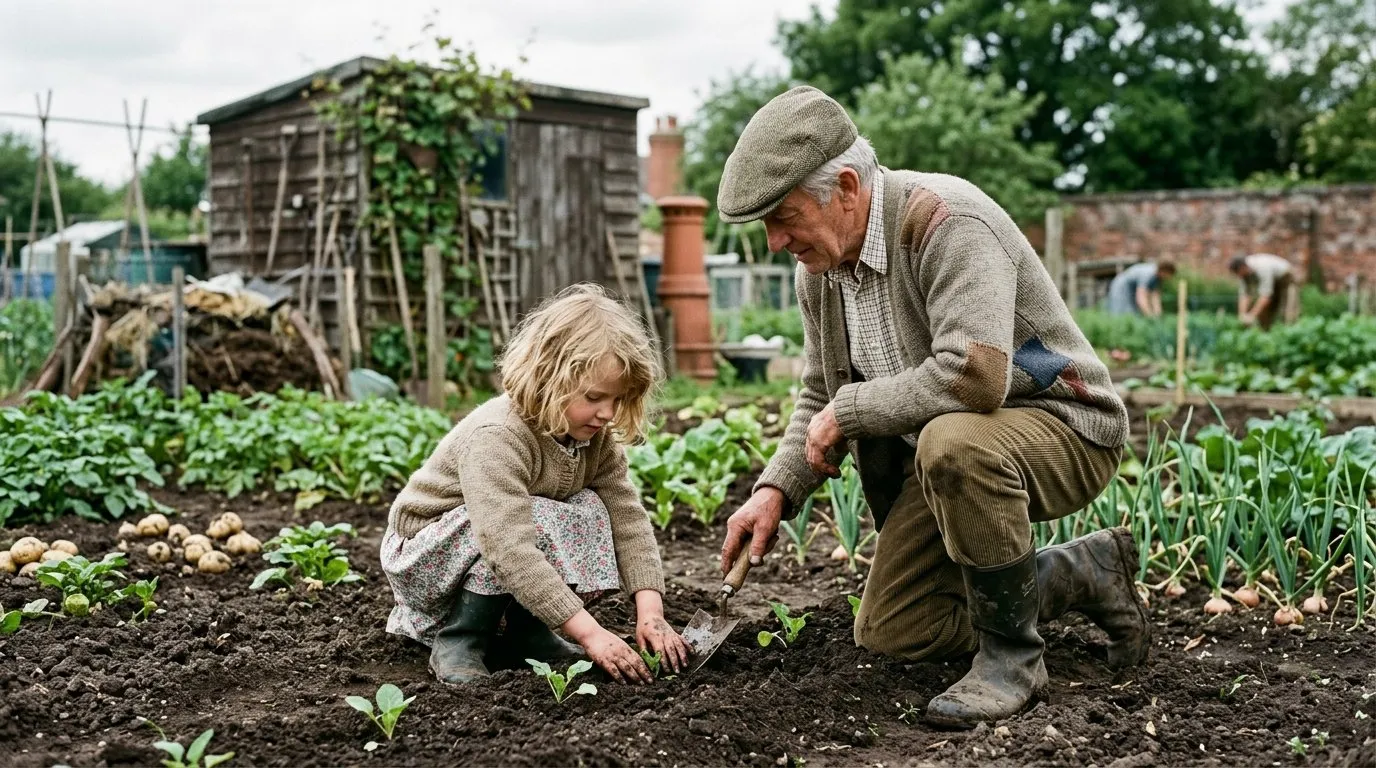
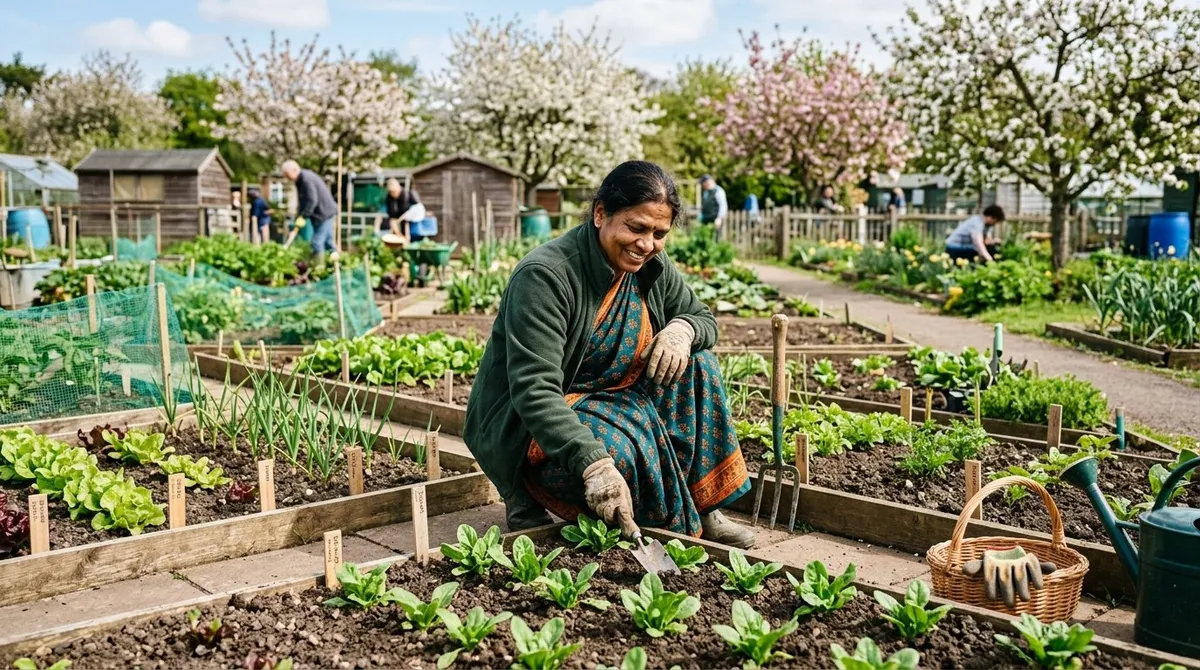
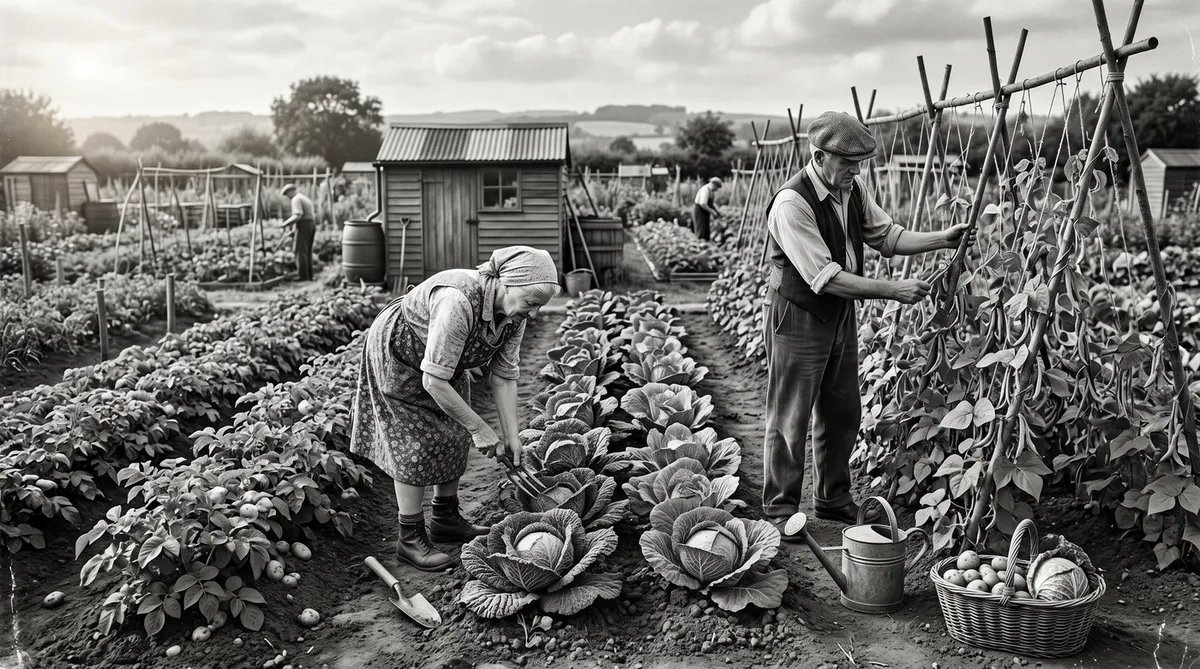
Growing food together, and passing the know-how on, was at the heart of the wartime campaign.
Why Dig for Victory mattered
Britain relied heavily on imported food before the war. Shipping was soon under attack, and food was rationed from 1940. Growing at home helped fill the gap.
The Ministry of Agriculture put out a series of free Dig for Victory leaflets on sowing, storing and keeping pests down. Cecil Middleton, known as “Mr Middleton”, gave practical gardening talks on BBC radio. The Imperial War Museum has posters and records from the campaign if you’d like to see them.
Lesson 1: Plan the plot around what you eat
The wartime plans started with the kitchen, not the seed catalogue. Filling, storable crops came first: potatoes, cabbages, carrots, onions, leeks, peas and beans.
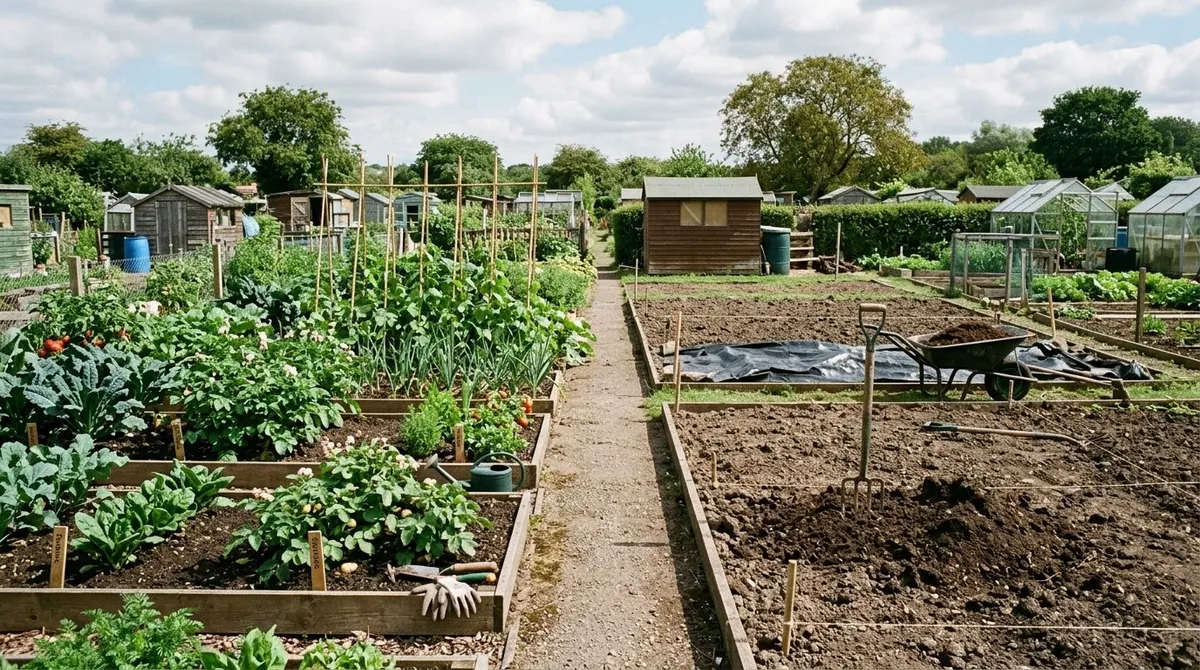
The Ministry’s famous plans were drawn for a standard 10-rod allotment, about 250 square metres. Today a half plot or a good-sized back garden can grow plenty. The trick is the same: grow most of what you eat a lot of, then add a few treats. The guide to allotment layout ideas helps you map it out.
Lesson 2: Rotate your crops
Moving crop groups round the plot each year was standard wartime practice. It stops soil pests and diseases such as clubroot and potato cyst eelworm building up, and spreads out the demands on the soil.
A simple four-bed rotation looks like this:
| Year | Bed 1 | Bed 2 | Bed 3 | Bed 4 |
|---|---|---|---|---|
| 1 | Potatoes | Brassicas | Peas and beans | Roots and onions |
| 2 | Brassicas | Peas and beans | Roots and onions | Potatoes |
| 3 | Peas and beans | Roots and onions | Potatoes | Brassicas |
| 4 | Roots and onions | Potatoes | Brassicas | Peas and beans |
Add a layer of compost or well-rotted manure to the potato and brassica beds, which are hungry crops. Skip fresh manure on the root bed, as it makes carrots fork. The four-year crop rotation guide explains each step.
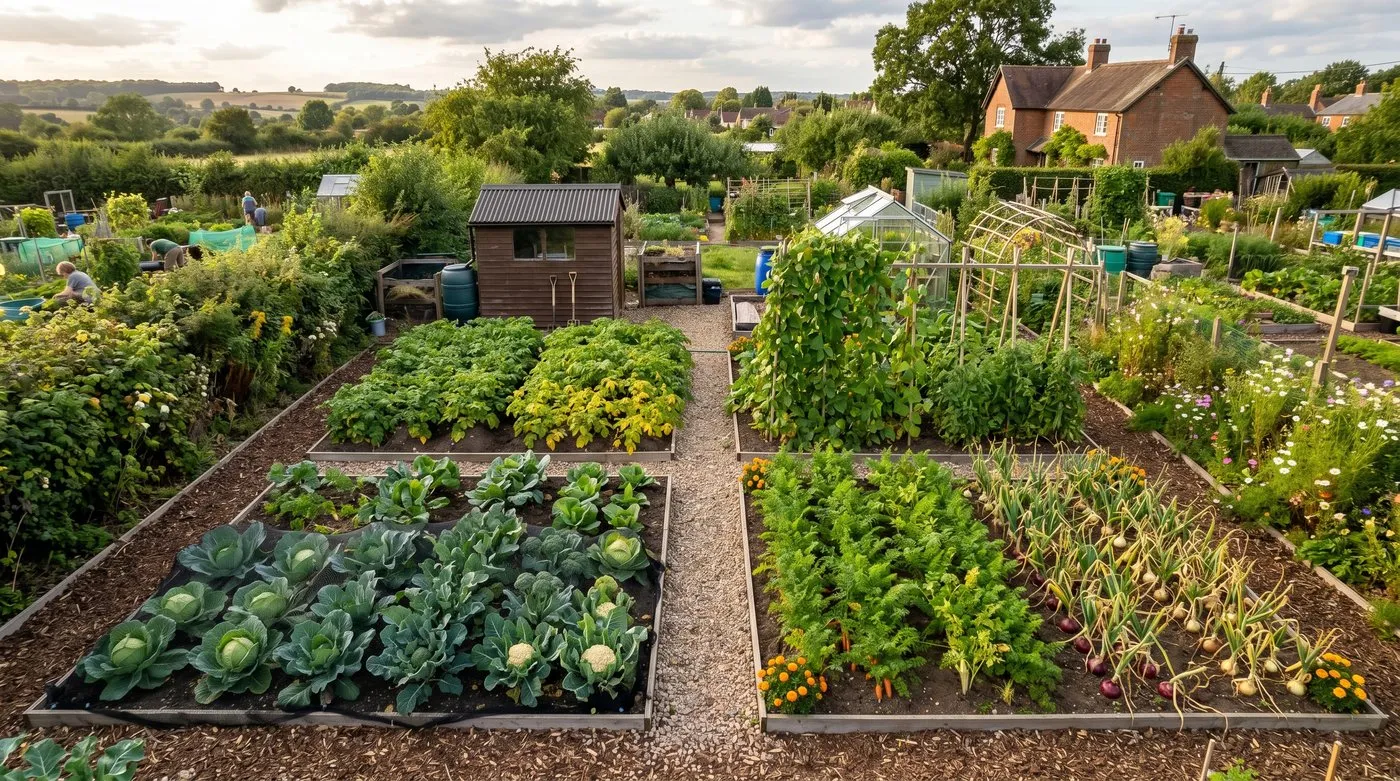
Four beds and a simple rotation keep a plot healthy year after year, just as the wartime plans did.
Lesson 3: Grow potatoes for an early start
Potatoes were the backbone of the wartime plot. They’re filling, easy and store well.
- Earlies such as ‘Arran Pilot’ and ‘Sharpe’s Express’ go in from March. Space them about 30cm apart in rows 60cm apart.
- Maincrops such as ‘King Edward’ go in during April, a little wider apart.
- Earth up the shoots as they grow, drawing soil over them. This protects them from late frosts and stops tubers going green.
Earlies lift in early summer, which frees the bed for a second crop. The guide to earthing up potatoes shows how it’s done.
Lesson 4: Keep every bed cropping all year
A wartime plot was never left empty if it could help it. As one crop came out, another went in.
- Early potatoes, lifted in early summer, make way for leeks or winter cabbage.
- Leeks such as ‘Musselburgh’ are sown in spring and planted out in summer. They stand in the ground through winter.
- Brussels sprouts, kale and January King cabbage fill the gap from autumn to early spring.
- Broad beans sown in autumn give the first crop of the following year.
That way the plot feeds you in the lean months, not just in summer.
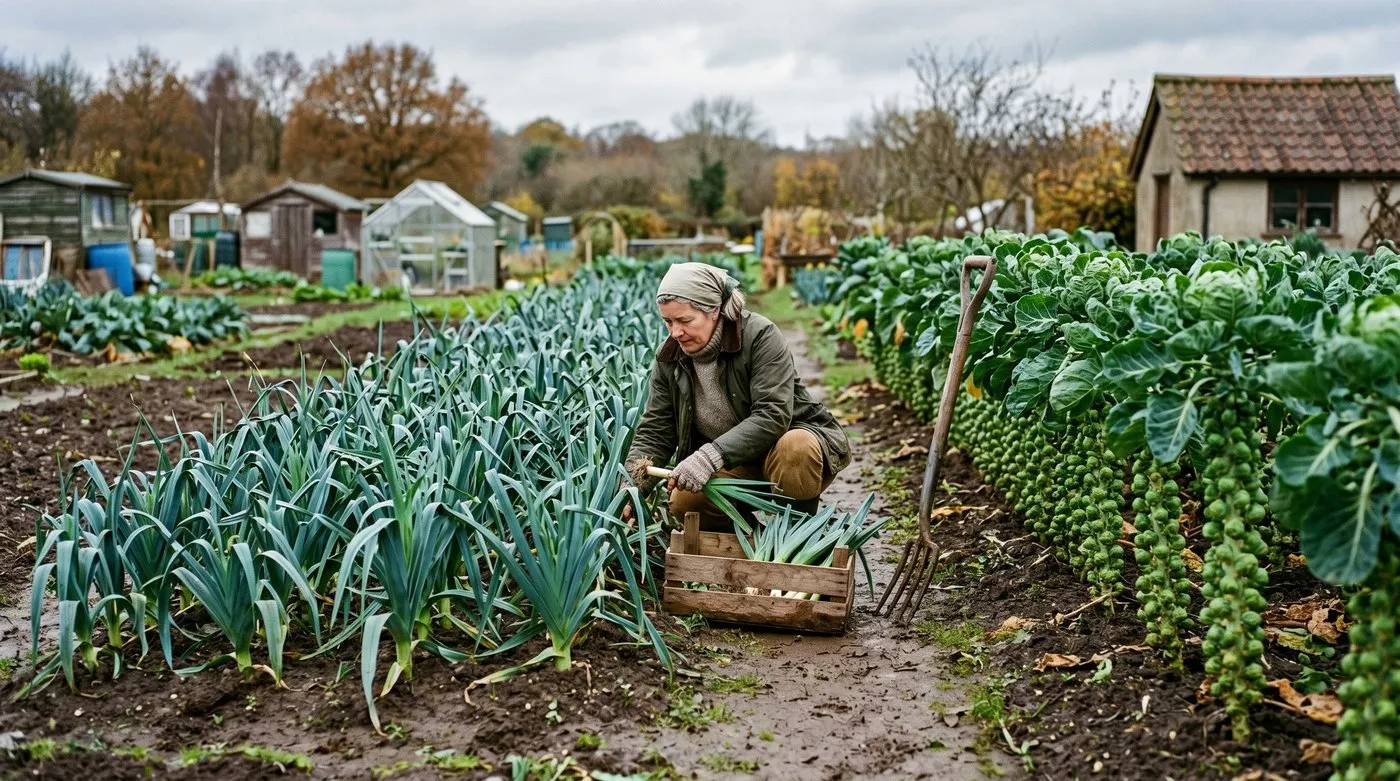
Leeks and sprouts carry a plot through winter, when there’s little else to pick.
Lesson 5: Store roots in a clamp
With no fridges or freezers, wartime gardeners stored roots in clamps. A clamp is a mound of roots covered in straw and soil, which keeps out frost and rain.
- Pick a well-drained spot and lay down a bed of straw.
- Pile up sound, dry roots such as carrots, parsnips, beetroot and swedes. Twist off the leaves rather than cutting into the root.
- Cover with a thick layer of straw, then a layer of soil, patted down.
- Leave a tuft of straw poking out at the top so damp can escape.
- Open one end when you need roots, then cover it up again.
A box of damp sand in a cool shed or garage does the same job on a smaller scale. The guide to storing root vegetables over winter compares the options.
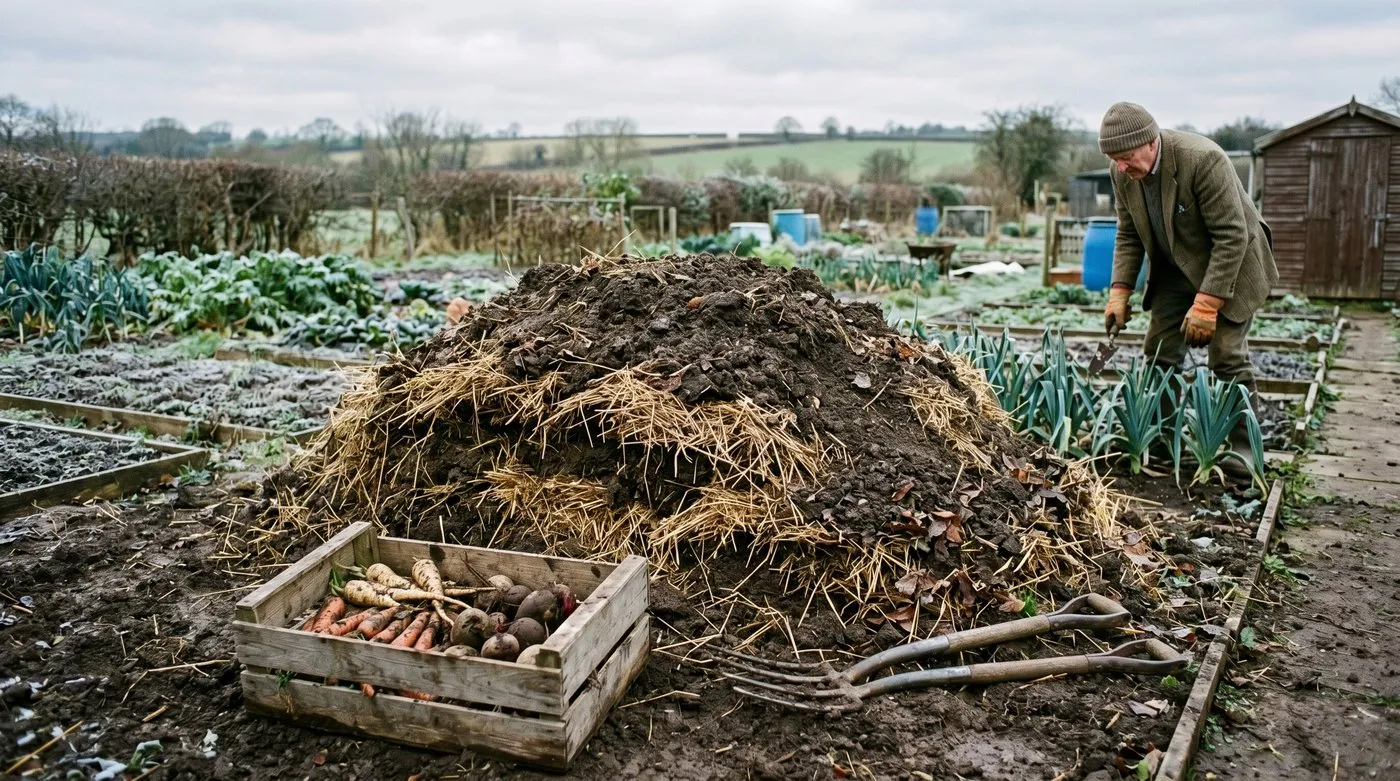
A clamp of straw and soil keeps carrots, beetroot and parsnips in good shape through the cold months.
Lesson 6: Save and swap your own seed
Saving seed from the best plants was second nature to many wartime growers. It’s free and keeps good varieties going.
- Save from open-pollinated varieties, not F1 hybrids, which won’t come true.
- Pick your best plants, not the leftovers.
- Peas and beans are the easiest to start with. Leave a few pods to dry on the plant.
- Dry the seed well, then store it in labelled paper envelopes somewhere cool and dry.
Many allotment sites hold seed swaps, and Garden Organic’s Heritage Seed Library keeps old UK varieties going. Old favourites like ‘Champion of England’ peas and ‘Ailsa Craig’ onions are still around because people kept saving them.
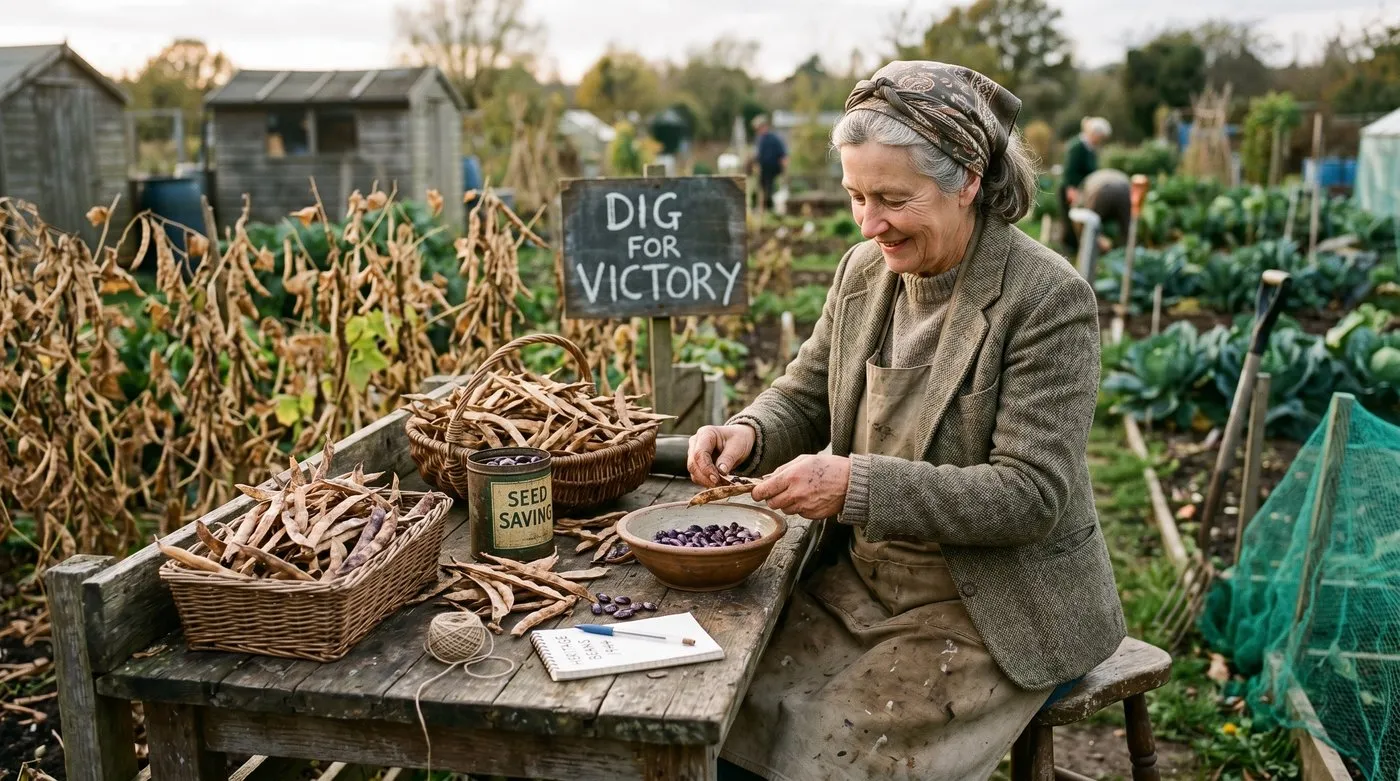
Shelling dried bean pods for next year’s seed is a lovely autumn job, and it costs nothing.
Lesson 7: Waste nothing
Wartime growers made the most of everything. Peelings and plant waste went on the compost heap. Hens on the plot turned scraps into eggs and manure. Every scrap of spare ground grew something.
Today that means a good compost heap, leaf mould from autumn leaves and growing in pots or front gardens if space is short. If you’d like hens, check your allotment rules first. In Great Britain you also need to register even a small flock with the Animal and Plant Health Agency. The guide to allotment rules covers what most sites allow.
Common mistakes when recreating a wartime plot
- Growing what you don’t eat. Plan around the kitchen first, like the Ministry did.
- Leaving beds empty after early crops. Get leeks or winter greens in straight away.
- Skipping the rotation. Clubroot and potato pests build up fast in the same spot.
- Building a clamp on wet ground. Roots rot from the bottom. Choose a well-drained spot.
- Saving seed from F1 hybrids. The plants won’t come true. Use open-pollinated varieties.
If you’re new to plots, read the guide to getting an allotment, then browse the growing section for crop-by-crop help.
Frequently asked questions
What was Dig for Victory and when did it run?
It was the UK government’s wartime campaign to get people growing their own food. It began in October 1939 and ran through the war. Gardens, parks, sports fields and spare ground were turned into vegetable plots, and allotment numbers rose sharply.
How much land did Dig for Victory recommend per family?
Its famous plans were drawn for a standard 10-rod allotment, about 250 square metres. That was meant to keep a family in vegetables for most of the year. A half plot or a decent back garden still grows a useful amount.
What vegetables did Dig for Victory promote?
Mainly filling staples that store well. Potatoes, cabbages, carrots, onions, leeks, peas and beans were at the heart of it, with winter greens such as sprouts and kale for the lean months.
Can Dig for Victory techniques work in modern UK gardens?
Yes, the core ideas work just as well today. Crop rotation, succession planting, clamps and seed saving all suit modern plots. Many wartime varieties, such as ‘Arran Pilot’ potatoes and ‘Ailsa Craig’ onions, are still sold.
How did wartime gardeners store vegetables without refrigeration?
They used clamps, boxes of sand and cool sheds. Carrots, parsnips and beetroot went into clamps of straw and soil. Onions were hung in airy sheds, and apples were wrapped and laid out in single layers in crates.
Our team produces practical UK gardening guidance from source research, contributor records and established horticultural practice. Editorial standards are overseen by Matt W.