Key takeaways
- Sow French beans, courgettes, beetroot and salad leaves straight into warm soil
- Plant out tomatoes, cucumbers and squash once there's no more risk of frost
- Water pots daily in warm weather and give borders one deep soak a week
- Deadhead roses, sweet peas and bedding every few days to keep flowers coming
- Pinch out tomato sideshoots weekly and start feeding once the first truss sets
- Net strawberries before they colour, or the blackbirds get there first
June is when the garden really takes off. Borders fill out, the first roses open and the veg plot starts to crop. The longest day falls around the 21st, so plants grow faster now than at any other time of year.
That speed cuts both ways. Miss a week of watering or deadheading and the garden soon looks tired. This checklist covers the jobs that matter this month, with planting out and watering first. For the whole season on one page, see our summer gardening checklist.
What should top the June to-do list?
Planting out, watering and deadheading. They make the difference between a border that flowers all summer and one that fades by July. Here’s the month at a glance.
| Garden area | June priority | How often |
|---|---|---|
| Veg plot | Plant out tender crops, sow in gaps | Sow every couple of weeks |
| Pots and baskets | Water and feed | Water daily in warm weather, feed weekly |
| Borders | Deadhead, deep water in dry spells | Deadhead every few days |
| Tomatoes | Pinch out sideshoots, tie in | Weekly |
| Soft fruit | Net strawberries, water as fruit swells | Net before colouring |
| Lawn | Mow, raise the blades in dry weather | Weekly |
Before you start, walk round the garden once. Note which pots are dry, which roses need deadheading and where the slugs have been. Five minutes now saves a lot of doubling back.
What can you sow and plant in June?
Sow French and runner beans, courgettes, beetroot, carrots, chard and salad leaves straight into the ground now. The soil is warm, so seeds come up quickly.
Tender crops raised indoors, like tomatoes, cucumbers, squash and sweetcorn, can go outside once frost has passed and they’ve been hardened off. In colder northern gardens, that’s often early June rather than late May.
For flowers, plant out dahlias and summer bedding. June is also the time to sow biennials such as foxgloves and wallflowers for flowers next spring. Our guide to what to plant in June has the full list.
| Sow or plant in June | How | Ready in about |
|---|---|---|
| French beans | Sow direct, 5cm deep | 8-10 weeks |
| Courgettes | Sow direct or plant out | 7-8 weeks |
| Beetroot | Sow direct, thin to 10cm | 9-12 weeks |
| Salad leaves | Sow direct in short rows | 4-6 weeks |
| Carrots | Sow direct, cover against carrot fly | 12-16 weeks |
| Dahlias | Plant out | Flowers from July |
Gardener’s tip: Sow a short row of salad leaves every two weeks until late July. One big sowing bolts in hot weather, but little and often keeps you in leaves all summer.
How do you keep flowers coming in June?
Deadhead every few days. Snip faded flowers off roses, sweet peas, cosmos, cornflowers, pansies and bedding plants. Once a plant sets seed it slows down, so removing spent flowers keeps the buds coming.
Sweet peas need picking or deadheading every few days. If they’re left to form pods, they soon stop flowering.

Snipping off faded roses keeps repeat-flowering types making new buds through summer.
Spring-flowering shrubs such as philadelphus, weigela and deutzia can be pruned once they finish. Cut the flowered stems back to strong new shoots lower down. Our list of shrubs to prune in summer shows which to tackle now and which to leave.
If you missed the “Chelsea chop” in late May, you can still pinch back leggy stems of sedum and helenium in early June. They’ll flower a little later on sturdier stems.
How much water does the June garden need?
Pots need water every day in warm weather. Borders want a deep soak about once a week in dry spells.
A light daily sprinkle on borders wets only the surface and keeps roots shallow. A good soak sends them deeper, so plants cope better when it gets hot. Water early in the morning or in the evening, at the base of the plants.
In a heatwave, put pots, new plants and fruiting crops first. An established lawn can be left to go brown, as it will recover. Our guide to hot-weather watering shows how to make every can count.
Gardener’s tip: Sink an empty plant pot into the soil next to thirsty courgettes and beans. Fill it when you water, and the water goes straight down to the roots instead of running off dry soil.
Which pests should you watch for in June?
Slugs and aphids do the most damage in a UK June. Both build up quickly after warm, damp nights.
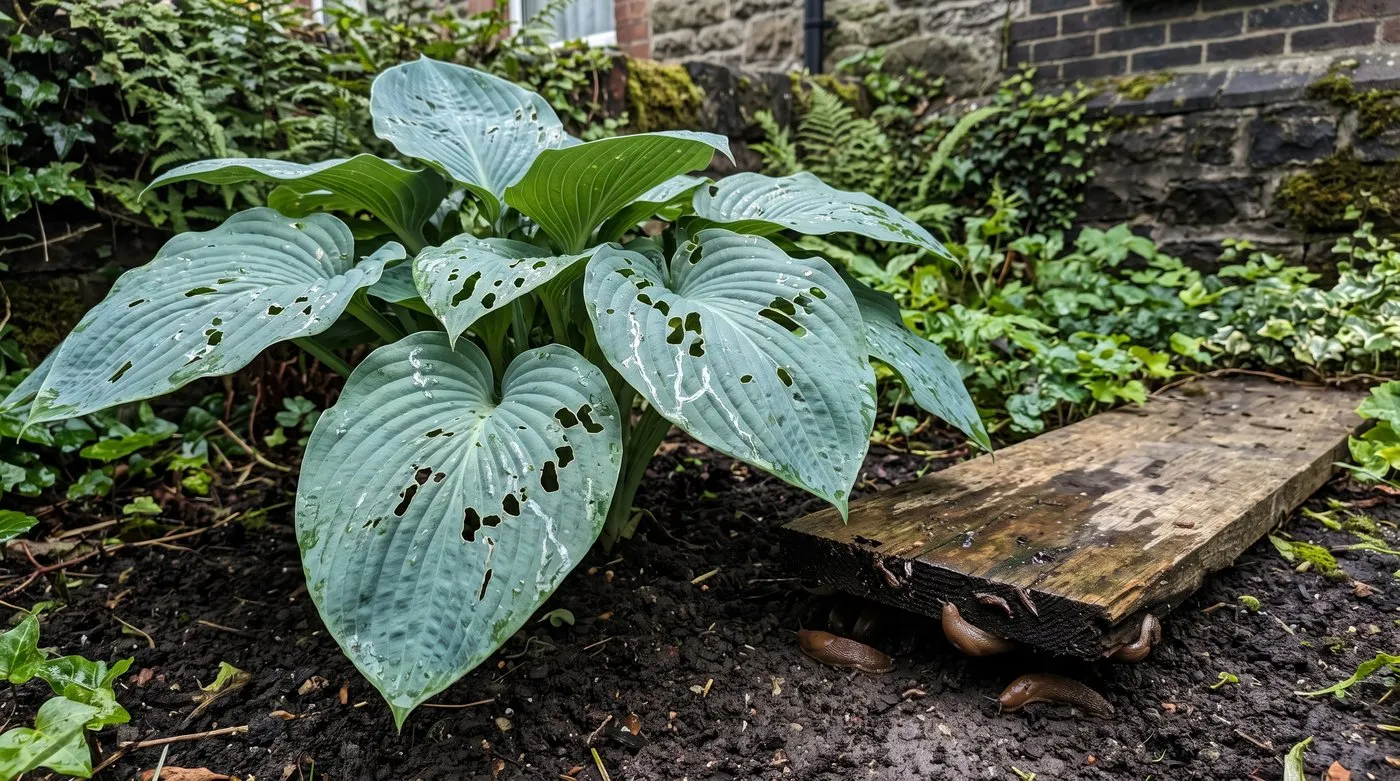
Ragged holes and silvery trails mean slugs. A plank on the soil gives them somewhere to hide, so you can collect them each morning.
Slugs go for hostas, dahlias, young beans and soft seedlings. Check with a torch after dark, or lay a plank on the soil and clear off the slugs hiding under it each morning. Wool pellets and biological nematodes help round vulnerable plants. Young dahlia shoots are a favourite, so read our guide to stopping slugs eating dahlias before they’re stripped.
Aphids cluster on rose buds, broad bean tips and soft new shoots. Squash small colonies or blast them off with water. Ladybirds, lacewings, hoverflies and blue tits soon move in to help. Pinch out the tips of broad beans once they’re in flower, as blackfly love them.
Also look out for bright red lily beetles on lilies and fritillaries, and vine weevil grubs in pots. Spotting trouble in June saves a bigger job in July.
What are the main kitchen garden jobs in June?
Tomatoes and strawberries need the most attention this month. A few small weekly jobs make all the difference.
Pinch out tomato sideshoots on cordon types every week. The sideshoot grows in the joint between the main stem and a leaf. Snap it off while small so the plant puts its energy into fruit. Our guide on how to pinch out tomato sideshoots shows which shoot to take. Start a weekly high-potash feed once the first truss has set fruit.

Snap sideshoots off while they’re small. It keeps cordon tomatoes to one tidy, productive stem.
Strawberries start to ripen from mid-June in the south. Net the bed before the fruit colours, as blackbirds and pigeons soon find it. Tuck straw under the trusses to keep fruit clean. Our guide to growing strawberries covers feeding, runners and picking.

Net strawberries before they turn red and tuck straw underneath. The fruit stays clean and the birds stay off.
Other veg jobs:
- Earth up potatoes early in the month to stop tubers going green
- Pick peas, broad beans and salad young and often, so plants keep cropping
- Cut lettuce and rocket before hot weather sends them to seed
- Keep sowing in gaps as early crops finish
How do you look after lawns, pots and baskets in June?
Mow the lawn weekly while it’s growing fast. In a dry spell, raise the blades. Longer grass shades its own roots and stays green for longer. Leave the clippings on in dry weather as a light mulch.
If the lawn looks tired, give it a summer feed, but only when rain is forecast or you can water it in. Feed on dry grass can scorch it.
Pots and hanging baskets need the most care in June. They dry out fast and run out of food quickly. Water daily in warm weather and feed every week or so. If a basket dries out completely, stand it in a bucket of water for half an hour to soak through.

Baskets in sun and wind can need watering twice on a hot day. Snip off faded flowers while you’re there.
Deadhead baskets and pots as you water. A few minutes each evening keeps petunias, bacopa and lobelia flowering until autumn.

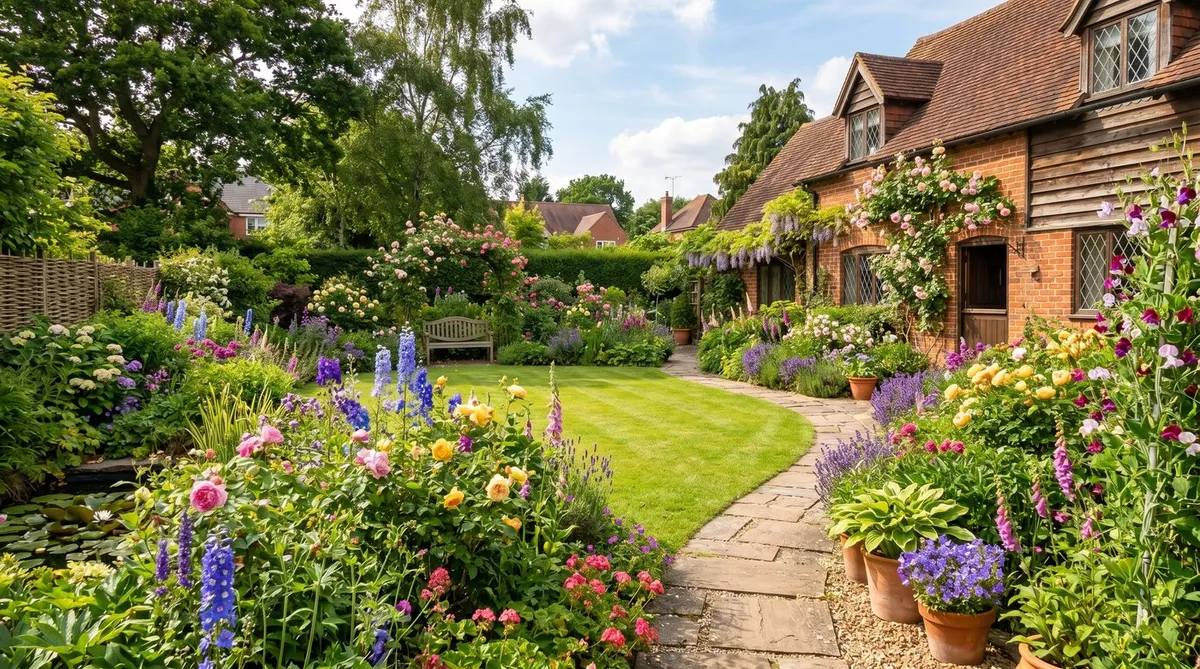
Foxgloves, roses and hardy geraniums at their June best. Regular deadheading and watering keep a border like this going for weeks.
Common June garden mistakes
Planting out too early. A cold night can still hurt tender plants in early June, especially up north. Harden them off first and keep fleece handy.
Sprinkling instead of soaking. Shallow watering keeps roots near the surface, where they dry out fastest.
Forgetting to feed pots. Compost runs out of food in a few weeks. Without a weekly feed, baskets fade by July.
Leaving sweet peas to set seed. Once pods form, the flowers stop. Pick every few days.
Netting too late. Birds find ripening strawberries fast. Get the net on while the fruit is still green.
Find more seasonal checklists in our how-to guides. When June’s done, move on to our July garden jobs for the peak of summer.
Frequently asked questions
What garden jobs should I do in June in the UK?
Plant out, water, deadhead and keep sowing. Plant out tender crops, water pots daily and soak borders weekly. Deadhead roses and bedding, pinch out tomato sideshoots, net strawberries and keep an eye out for slugs and aphids.
What can I still plant in June?
Lots, because the soil is warm. Sow French and runner beans, courgettes, beetroot, carrots and salad leaves outdoors. Plant out tomatoes, cucumbers and squash once frost has passed. Dahlias and summer bedding can go in too.
How often should I water the garden in June?
Water pots daily in warm weather and borders deeply about once a week. A deep soak sends roots down, while a light daily sprinkle keeps them shallow. Water early or in the evening, and check new plants and pots first.
Should I deadhead flowers in June?
Yes, deadheading in June keeps many plants flowering for longer. Remove faded flowers from roses, sweet peas, cosmos and bedding every few days. This stops the plant making seed, so it makes more buds instead.
When should I pinch out tomato sideshoots?
Every week from planting out until late summer, on cordon tomatoes only. The sideshoot grows in the joint between the main stem and a leaf. Snap it off while it’s small. Bush tomatoes don’t need pinching out.
How do I stop birds eating my strawberries?
Net the bed before the fruit starts to colour. Blackbirds and pigeons can strip an unprotected row quickly. Stretch netting over a frame, keep it taut and pegged down, and check it daily so no birds get trapped.
Do I need to feed plants in June?
Yes, hungry plants in pots and fruiting crops do. Feed tomatoes and peppers weekly with a high-potash feed once the first fruits set. Feed baskets and patio pots every week or so. Most established borders on decent soil need nothing extra.
Our team produces practical UK gardening guidance from source research, contributor records and established horticultural practice. Editorial standards are overseen by Matt W.