Key takeaways
- Water early in the morning, or in the evening, and aim at the soil, not the leaves
- Pots, hanging baskets, new plants, seedlings and veg come first
- Give a thorough soak every few days rather than a light sprinkle every day
- Established lawns, mature trees and drought-tolerant plants usually cope on their own
- Mulch damp soil about 5cm deep before the heat arrives
- Check your water company's rules if a hosepipe ban is announced
In a heatwave, water early in the morning and aim at the soil, not the leaves. Pots, new plants, seedlings and veg come first. Most established shrubs, trees and lawns will cope on their own.
You can’t water everything when it’s hot, and you don’t need to. The trick is to put the water where it matters most and make every can count. This guide covers when to water, what to water first, keeping pots alive and spotting plants in trouble. For everyday watering the rest of the year, see the guide on how to water your garden properly.
When to water in a heatwave
Early morning is best. The soil is cool, less water is lost to the air and plants go into the hottest part of the day with water around their roots.
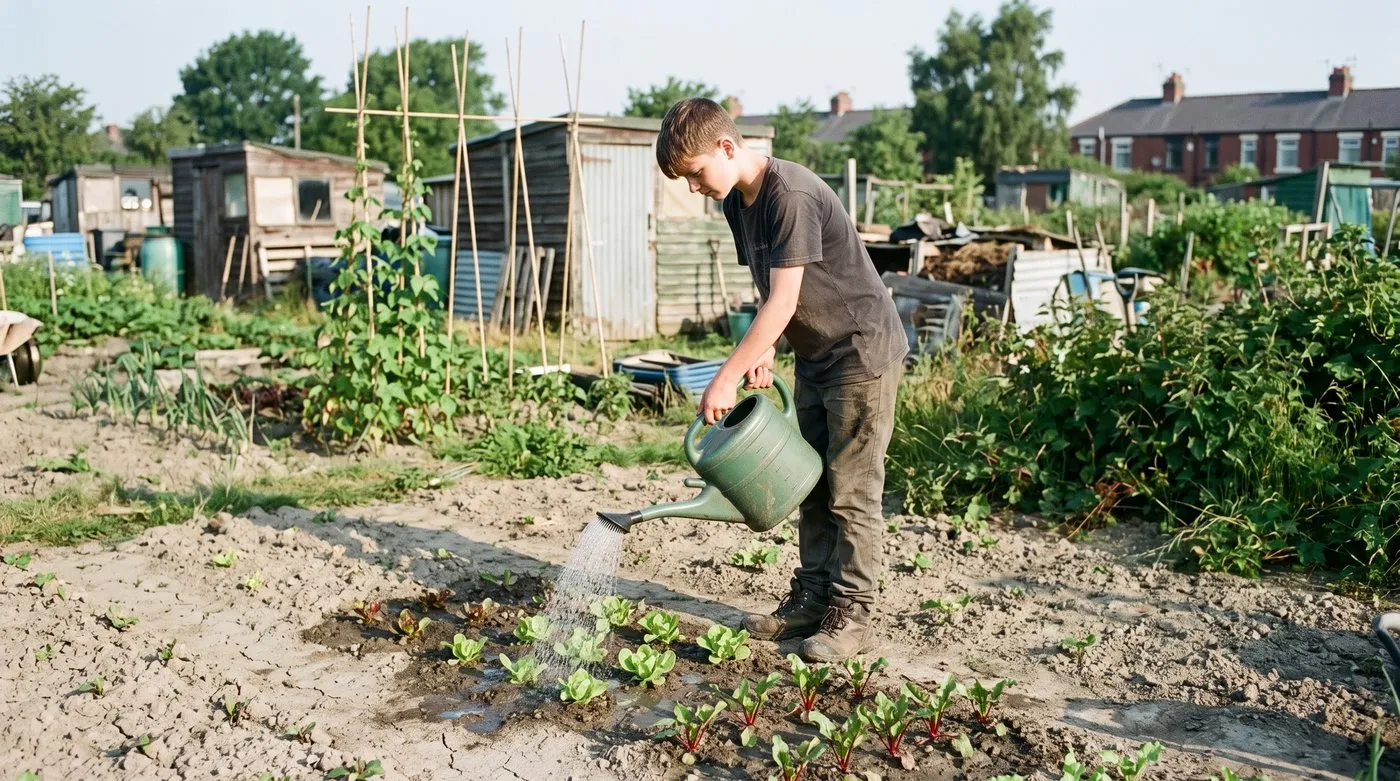
Early morning is the best time to water. Seedlings get a drink before the heat builds and little is lost to the air.
Evening is the next best time. It works well if mornings are a rush. Water the soil rather than the leaves, though, as leaves left wet overnight are more prone to diseases such as mildew and blight.
Avoid the middle of the day. Much of the water dries off the surface before it soaks in. If a pot is bone dry and wilting at lunchtime, water it anyway. Saving the plant matters more than the timing. The guide on watering early or late covers this in more detail.
Which plants to water first
You can’t save every plant in a long hot spell, so water in this order.
Water every day, or even twice a day:
- Pots, window boxes and hanging baskets
- Seedlings and anything sown in the last few weeks
- New plants put in this year
- Veg in full growth, especially tomatoes, courgettes, beans and salads
Water thoroughly every few days:
- Shrubs and perennials planted in the last year or two
- Fruit bushes while the fruit is swelling
- Roses and cut-flower beds
Usually fine without watering:
- Established lawns
- Mature trees and shrubs
- Established drought-tolerant plants such as lavender, rosemary, thyme and sedum
Trees planted in the last couple of years still need a good soak once a week in dry weather. For ideas on plants that shrug off dry summers, see drought-tolerant plants for UK gardens.

Tomatoes and other veg in full growth need regular water. Pour it at the base so it goes straight to the roots.
How much water plants need
A thorough soak every few days beats a light sprinkle every day. A sprinkle only wets the surface, and it soon dries out. A good soak reaches down to the roots and encourages them to grow deeper, where the soil stays cooler and damper.
| What you’re watering | How much | How often in a heatwave |
|---|---|---|
| New shrubs and perennials | A full can (about 10 litres) each | Every 2-3 days |
| Established perennials | A good soak around each clump | Once or twice a week, if wilting |
| Veg beds | Enough to wet the soil well down | Every 2-3 days |
| Small pots | Until water runs out of the bottom | Daily, sometimes twice |
| Large pots | Until water runs out of the bottom | Daily |
| Newly sown or turfed lawn | Enough to keep it damp | Daily in hot spells |
| Established lawn | None needed | Let it go brown, it recovers |
To check if you’ve watered enough, dig a small hole with a trowel next to a plant after watering. The soil should be damp well below the surface, not just on top.
Tomatoes need steady watering in hot weather. Dry spells followed by a sudden soak can lead to split fruit and blossom end rot.
Keeping pots and hanging baskets alive
Pots dry out fastest of all. A small pot in full sun can go from damp to bone dry in a day.
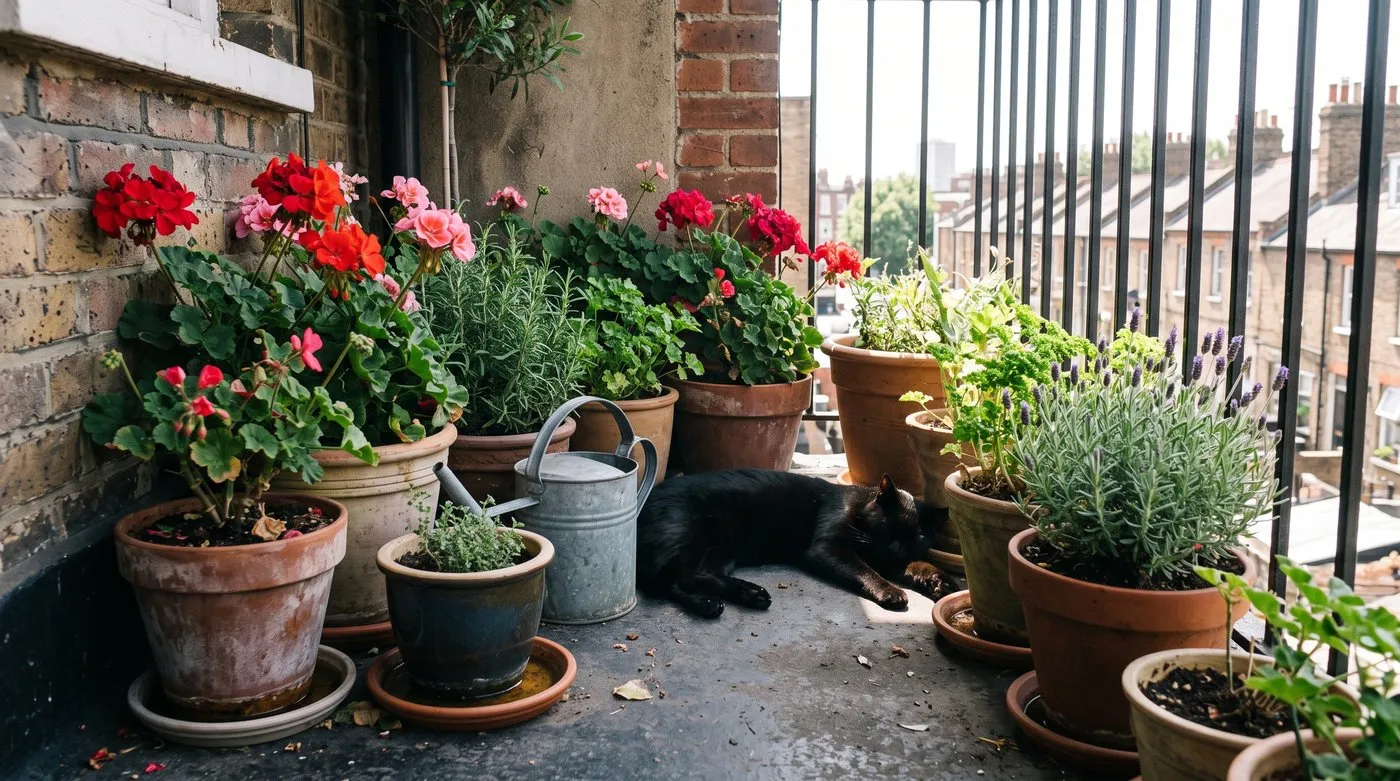
Grouping pots in the shade and standing them in saucers helps them get through a hot afternoon.
- Water until it runs out of the bottom. A quick splash only wets the top.
- Move pots into shade in the afternoon if you can, and group them together. They shade each other and lose water more slowly.
- Stand pots in saucers during a heatwave so they can soak up any water that runs through. Take the saucers away once the weather cools.
- Soak very dry baskets and pots in a bucket of water for half an hour. Dry compost can shrink and shed water instead of soaking it up.
If you’re going away, the guide to holiday watering solutions covers self-watering pots, wicks and timers.
Mulch to keep moisture in
A layer of mulch on top of the soil keeps it cool and slows down drying. It’s one of the most useful things you can do before a heatwave arrives.
- Spread it about 5cm deep over damp soil, after rain or a good watering. Mulch on dry soil keeps it dry.
- Use bark, garden compost, leaf mould or, on veg beds, straw.
- Keep it a few centimetres clear of stems and trunks.
The guide to what mulch is and how to use it explains the different types.

A thick layer of bark over damp soil keeps roots cooler and slows down drying in hot weather.
Making your water go further
Get the water to the roots and waste as little as possible.
- Use a watering can or a hose on a gentle setting and aim it at the base of each plant.
- Skip the sprinkler on borders. A lot of the water lands on leaves and paths, or drifts away.
- Lay a soaker hose along veg rows and cover it with mulch. It seeps water slowly into the soil.
- Use rainwater from water butts. It’s ideal for most plants, and especially for acid-loving ones such as blueberries.
- Reuse grey water from baths, showers and washing-up on ornamental plants. Use it within a day, keep it off crops you eat raw and avoid water with bleach or strong cleaners.

A soaker hose under mulch seeps water straight into the soil, with very little lost to the air.
What to do in a hosepipe ban
During a hosepipe ban, also called a temporary use ban, you can’t use a hose to water the garden. Watering cans are always allowed. Some water companies also allow certain drip systems or offer exemptions, for example for Blue Badge holders. Summer 2026 was the UK’s hottest on record, and England had 64% of its usual summer rain. See our summer 2026 drought figures for the full picture.
Rules vary between companies, so check your water company’s website as soon as a ban is announced. The guide to gardening in a hosepipe ban explains what’s usually allowed.
Should you water the lawn?
No, an established lawn doesn’t need watering in a heatwave. It goes brown and dormant, then greens up again a few weeks after proper rain returns. Save your water for pots, veg and new plants.
New lawns sown or turfed this year are the exception. Keep them damp until they’ve rooted in. For established lawns, raise the mower blades and mow less often in dry spells. The guide on cutting grass in hot weather has more tips.

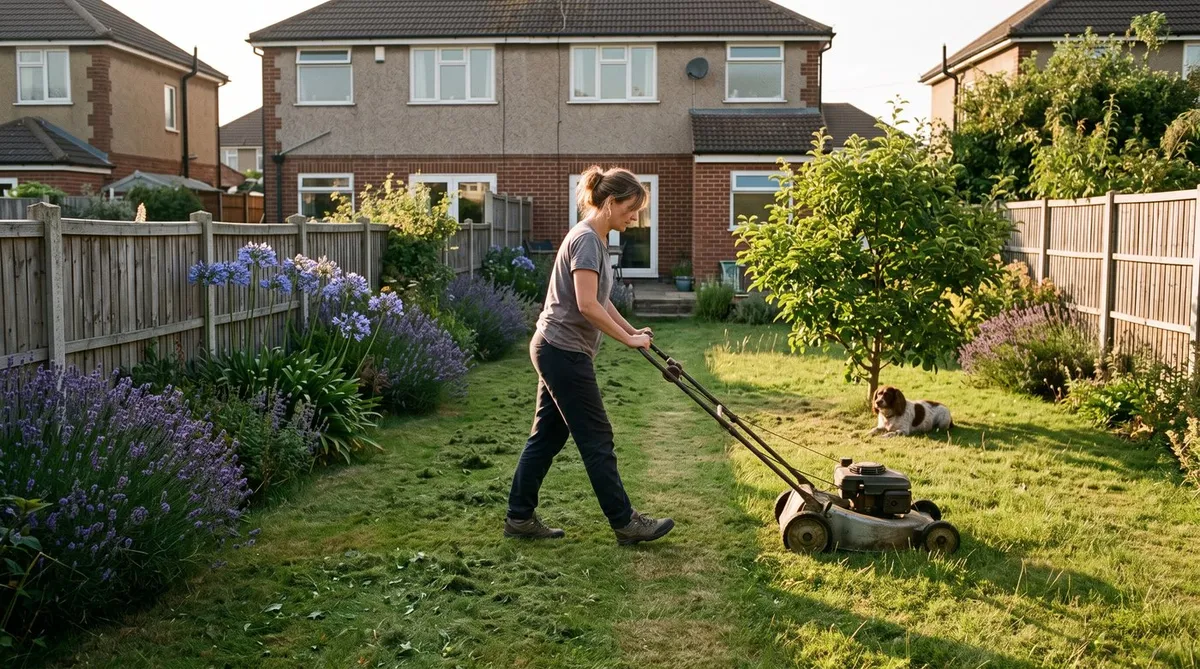
A brown lawn in a heatwave is resting, not dead. The border on the right is a better place to spend your water.
Signs a plant needs water urgently
Many plants droop in the afternoon heat and perk up by evening. That’s normal and not always a sign they need water. Check the soil first. Push a finger a few centimetres down. If it’s dry, water.
Watch for these signs of real trouble:
- Leaves still drooping the next morning
- Lower leaves turning yellow and dropping
- Crispy brown edges on leaves
- Flowers and small fruit dropping off
Give a struggling plant a slow, thorough soak, then mulch it. Move pots into shade. Crispy leaves won’t recover, but new growth usually follows once the weather cools. Wait until it does before cutting anything back.

Brown, crispy leaf edges mean a plant has run short of water. Soak it slowly and mulch to help it recover.
Common heatwave watering mistakes
- A daily sprinkle. It only wets the surface. Soak less often, but thoroughly.
- Watering the leaves instead of the soil. Most of it never reaches the roots.
- Watering an established lawn. It recovers by itself. Save the water for pots and veg.
- Forgetting the pots. Small pots can dry out in a day. Check them morning and evening.
- Mulching dry soil. Water first, then mulch, or the mulch just keeps the soil dry.
Getting ready for hot summers
| When | What to do |
|---|---|
| Spring | Fit water butts. Mulch borders while the soil is still damp |
| Late spring | Lay soaker hoses on veg beds. Group pots together |
| Early summer | Check pots daily. Soak new plants every few days in dry spells |
| Heatwave | Water early. Pots, seedlings, new plants and veg first |
| Late summer | Top up mulch. Keep watering veg as fruit swells |
| Autumn | Plant new shrubs and trees now, so they root in before next summer |
Birds and hedgehogs struggle in hot weather too. A shallow dish of fresh water, topped up daily, gives them a drink. For more seasonal jobs, browse the how-to guides.
Now you know how to get your garden through a heatwave, read about rainwater harvesting so you have a store of free water ready for next summer.
Frequently asked questions
What is the best time to water plants in a heatwave?
Early morning is best, before the sun gets strong. The soil is cool, less water is lost and plants have water to draw on through the heat. Evening is the next best time. Water the soil, not the leaves.
How much water do plants need in a heatwave?
Give a thorough soak rather than a light sprinkle. Established shrubs and perennials usually cope with a good watering every few days. New plants need it more often, and pots may need watering every day, sometimes twice.
Can I use a hosepipe during a heatwave?
Yes, unless your water company has brought in a hosepipe ban. Watering cans are always allowed during a ban. Some companies allow certain drip systems and offer exemptions, for example for Blue Badge holders. Check your water company’s website for its rules.
Should I water the lawn in a heatwave?
No, established lawns usually recover without watering. Brown grass is normally dormant, not dead, and greens up once rain returns. New lawns from seed or turf are the exception and need watering until established. Raise the mower blades in dry spells.
Is grey water safe for the garden?
Yes, bath, shower and washing-up water is fine for ornamental plants. Keep it off crops you eat raw. Use it within a day, as it soon starts to smell, and avoid water with bleach or strong cleaning products.
Should I water plants that are wilting in the afternoon?
Not always, as many plants droop in the heat and perk up by evening. Check the soil first. If it’s dry a few centimetres down, or the plant is still drooping next morning, give it a good soak.
Our team produces practical UK gardening guidance from source research, contributor records and established horticultural practice. Editorial standards are overseen by Matt W.