Key takeaways
- Sow a short row of lettuce, beetroot or carrots every two or three weeks to avoid gluts and gaps
- Runner and French beans can still be sown outdoors right through June
- Sow kale and calabrese now, and plant out sprouts and sprouting broccoli for winter
- Sow foxgloves, wallflowers and sweet Williams now for flowers next spring
- Water seed drills before sowing in dry spells so seeds have moisture to start
June is the month to sow for later. Spring sowings are growing fast, but small, regular sowings now keep the harvest going into autumn. It’s also when the winter crops get started and next spring’s flowers go in as seed.
This guide covers what to sow and plant in June. For watering, deadheading and other summer jobs, see the June garden jobs checklist. If you’re behind, May’s planting guide covers tender crops that can still go out in early June.
Succession sowing: salads, roots and beans
Succession sowing means sowing a short row every few weeks rather than one big row. You get a steady supply instead of a glut followed by nothing. The succession planting guide explains how to plan it.
Salads
Sow lettuce every two to three weeks. Loose-leaf and Batavian types cope with summer heat better than most. Lettuce seed often won’t germinate in hot soil, so sow in the evening, water the drill first and give it a little shade.
Rocket and radish are quick but bolt in heat, so pick them young. Ordinary spinach runs to seed fast in June. Perpetual spinach, a leaf beet related to chard, is a better choice and keeps cropping into next spring.

A short row every couple of weeks keeps the salad bowl full. It’s much easier than coping with 30 lettuces at once.
Roots
Beetroot sown in June gives roots from late summer into autumn. Sow every three or four weeks.
Carrots can be sown until about mid-July. June sowings often miss the first wave of carrot fly, but cover the row with fine insect mesh anyway. Quick ‘Nantes’ and ‘Chantenay’ types suit summer sowings.
Turnips and spring onions grow fast in warm soil. Pull turnips at golf-ball size, when they’re sweet and tender.
Gardener’s tip: In dry weather, water along the bottom of the drill before you sow, then cover the seed with dry soil. The moisture stays underneath where the seed needs it.
Beans
Runner beans and French beans can both be sown outdoors through June, and into early July. Sow two seeds at the base of each cane, 5cm deep, and thin to the stronger one. Dwarf French beans need no canes and fit gaps in beds and pots. The guide to growing runner beans covers supports and picking.
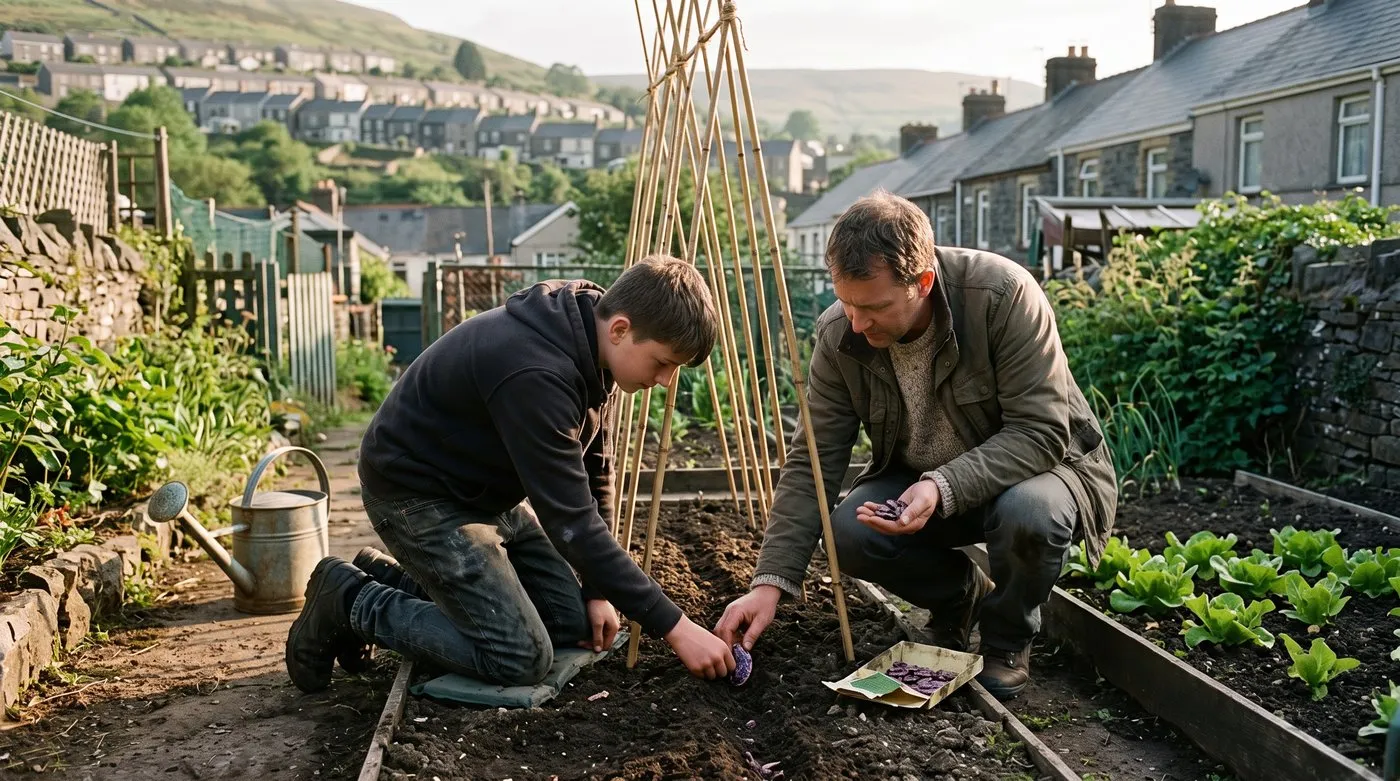
Two beans at the foot of each cane, then keep the stronger seedling. June sowings crop from late summer into autumn.
What to sow and plant in June for winter
June is when you set up the winter veg patch. Brassicas sown or planted now crop from autumn right through to spring.
Kale
Kale is the easiest winter green and tastes better after a frost. Sow in modules or a seed bed now, and plant out in July, about 45cm apart. Cavolo nero, curly kale and ‘Red Russian’ are all good choices. The guide to growing kale covers picking it right through winter.
Calabrese
Calabrese, the green broccoli sold in shops, sown in June gives a head in late summer or autumn. After the main head, smaller side shoots follow for a few weeks. Sow in modules and plant out about 40cm apart.
Plant out sprouts and sprouting broccoli
Brussels sprouts and purple sprouting broccoli are sown in spring, so June is for planting them out. Space sprouts about 60-75cm apart and sprouting broccoli about 60cm apart in firm soil. Firm them in well with your boot so they don’t rock in the wind. Net them against pigeons and cabbage white butterflies. The guide to growing purple sprouting broccoli explains why it’s worth the long wait.

Brassica seedlings raised in modules are easy to plant out. Firm them in well and net them straight away.
Spring cabbage comes next. Sow it in July and August, not yet.
Late plantings: courgettes, tomatoes and cucumbers
There’s still time for summer crops if you buy young plants.
Courgettes planted in early June grow fast and soon catch up. One or two plants feed most households. Tomatoes from a garden centre can go into a greenhouse or a warm, sheltered spot outdoors. Cherry types such as ‘Gardener’s Delight’ and ‘Sungold’ ripen fastest. Ridge cucumbers planted outdoors now crop from mid to late summer.
Keep all of them well watered while they settle in. Once they flower, a weekly high-potash liquid feed helps fruiting.
Flowers to sow in June
June is the month to sow biennials. They make leafy plants this year, flower next spring or summer, then die. Sow them now and you’ll have free plants for next year.
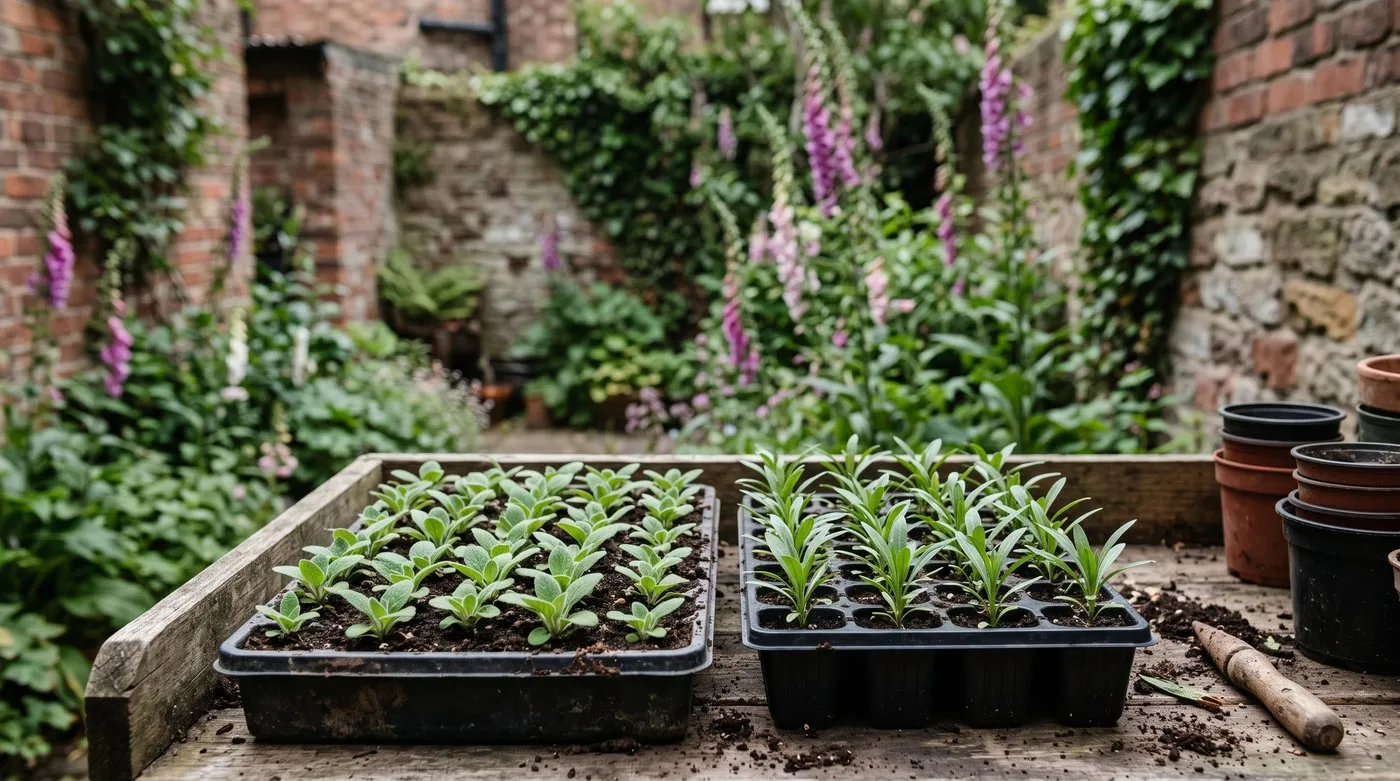
Sow biennials now and they’ll be big leafy plants by autumn. Next spring and summer they flower for free.
- Foxgloves: sprinkle the tiny seed on the surface of damp compost and don’t cover it. They love light shade and bees adore them. All parts are poisonous, so wear gloves and keep away from children and pets.
- Wallflowers: sow in a seed bed or modules and plant out in autumn for scented spring flowers.
- Sweet Williams: sow in rows and move to their final spot in autumn.
- Honesty: flowers next spring, then gives you silvery seed discs.
The guide to sowing biennials has more ideas. Sunflowers can still be sown outdoors in early June for flowers in late summer.
What’s ready to harvest in June?
The first rewards of spring sowing and planting arrive this month.
| Crop | When it’s ready |
|---|---|
| First early potatoes | Usually when the plants flower, about 10-12 weeks after planting |
| Broad beans | From mid to late June, while the beans are small and soft |
| Peas | From June, when pods are plump but still bright green |
| Lettuce, radish, spring onions | From spring sowings, pick young |
| Strawberries | From June, pick when fully red |
| Gooseberries | Thin in early June, use the thinnings for cooking |

Broad beans and new potatoes are the taste of June. Pick beans young, before the skins get tough.
June sowing and planting at a glance
| When | Sow | Plant out |
|---|---|---|
| Early June | Kale, calabrese, beans, sunflowers | Courgettes, tomatoes, cucumbers |
| Mid June | Lettuce, beetroot, carrots, foxgloves | Brussels sprouts, sprouting broccoli |
| Late June | Turnips, spring onions, wallflowers, beans | Leeks, more lettuce |
| All month | Short rows of salad every two or three weeks |
Common June sowing mistakes
Sowing into dust. Dry soil means poor germination. Water the drill first, sow, then cover with dry soil.
Forgetting to keep sowing. One big spring sowing means a glut in July and nothing in September. Little and often works better.
Missing the winter brassicas. If kale and calabrese aren’t sown and sprouts aren’t planted out by early July, winter will be thin.
Letting crops bolt. Lettuce, spinach and coriander run to seed in heat and dry soil. Water steadily, pick young and sow in light shade.
Ignoring blight. Potato and tomato blight can appear from June in warm, wet weather. Brown patches on leaves are the sign. Remove affected foliage and choose resistant varieties such as ‘Sarpo Mira’ potatoes next year.
Frequently asked questions
What vegetables can I still sow in June in the UK?
Plenty, including beans, beetroot, carrots, lettuce and kale. Sow runner and French beans, beetroot, carrots, lettuce, radish, spring onions and turnips outdoors. Sow kale and calabrese in modules or a seed bed for later crops.
Is June too late to plant tomatoes?
Not if you buy young plants rather than sowing seed. Plant them in a greenhouse or a warm, sunny spot outdoors. Cherry types such as Gardener’s Delight ripen fastest, usually from late summer.
What should I sow in June for winter?
Kale and calabrese are the main June sowings for winter. Plant out Brussels sprouts and purple sprouting broccoli raised earlier in spring. Spring cabbage follows in July and August.
Can I still sow runner beans in June?
Yes, runner beans can be sown outdoors until early July. June sowings crop from late summer into autumn. Sow two seeds at the base of each cane, 5cm deep, and remove the weaker seedling.
What flowers can I sow in June?
Biennials such as foxgloves, wallflowers, sweet Williams and honesty. They grow leaves this year and flower next spring or summer. You can also still sow sunflowers outdoors in early June.
Why won’t my lettuce come up in June?
Lettuce seed often won’t germinate in hot soil. Sow in the evening, water the drill first and shade the row. Sowing in light shade, such as beside taller crops, helps too.
Keep the momentum going with what to plant in July, when spring cabbage and the last summer sowings go in. There’s lots more in our growing section.
Our team produces practical UK gardening guidance from source research, contributor records and established horticultural practice. Editorial standards are overseen by Matt W.