Key takeaways
- Mycorrhizal fungi help roots find water and nutrients in exchange for sugars
- Most garden plants partner with them, but brassicas, the beet family and lupins don't
- Most established garden soils already contain plenty of them
- Products work best sprinkled straight onto roots at planting time, not on the surface
- Digging, bare soil and heavy phosphate feeding all set them back
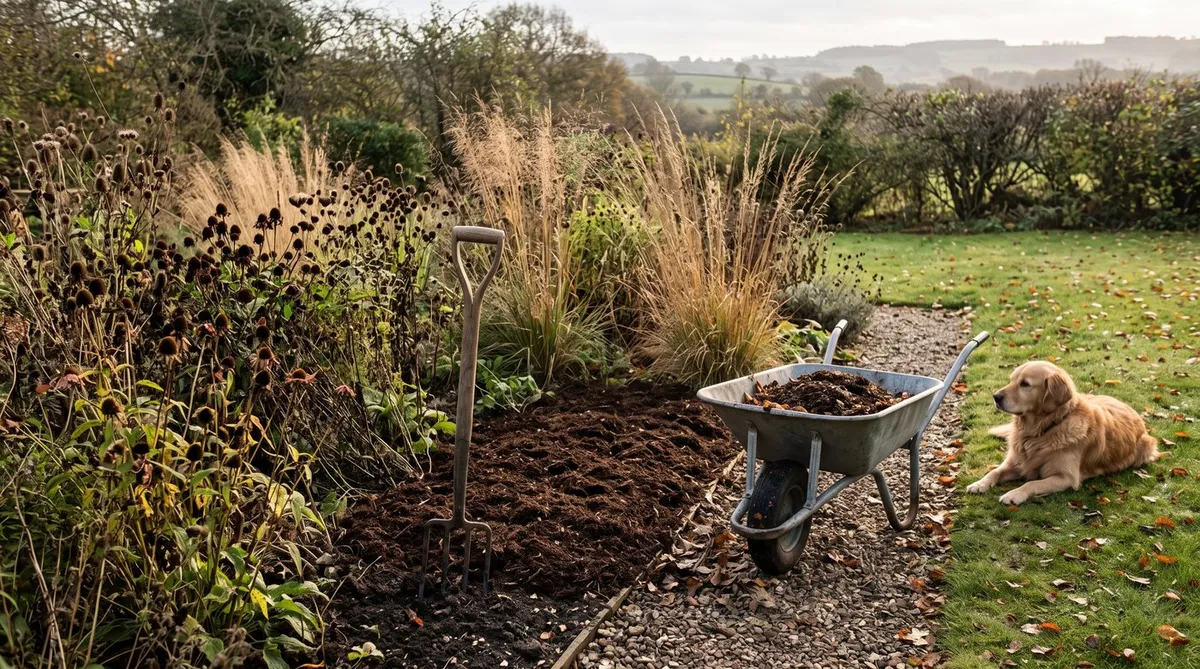
- No-dig growing and year-round mulch help the fungi already in your soil
Mycorrhizal fungi are tiny fungi that live on plant roots. They send fine threads out into the soil and pass water and nutrients back to the plant. In return, the plant feeds them sugars. Most garden plants rely on them.
Do you need to buy them? Often not. Most established garden soil already has plenty. A mycorrhizal product earns its keep when you plant trees, shrubs and roses, especially on poor or disturbed soil. Here’s how they work, when to use a product and how to look after the fungi already in your garden.
What are mycorrhizal fungi?
Mycorrhizal fungi form a partnership with plant roots. The name comes from Greek words for “fungus” and “root”. The fungi grow threads called hyphae, much finer than roots, which spread through the soil and reach water and nutrients the roots can’t.
The deal works both ways. The plant passes sugars down to the fungus. The fungus sends back water, phosphorus and other nutrients. Plants with a good partnership usually settle in faster and cope better in dry spells.
There are two main types gardeners meet:
- Arbuscular mycorrhizae grow inside root cells. They partner most vegetables, flowers, shrubs, fruit trees and grasses. Most garden products contain these.
- Ectomycorrhizae wrap around the outside of root tips. They partner trees such as oak, beech, birch and pine. Ceps and chanterelles are the mushrooms of fungi like these, which is why you find them under particular trees.

Those fine white threads reach much further than the roots alone. In healthy soil they run alongside worms and roots.
Do you need to buy mycorrhizal fungi?
Usually not for an established garden. Lawns, borders and veg beds that have grown plants for years already contain mycorrhizal fungi. Adding more there makes little difference.
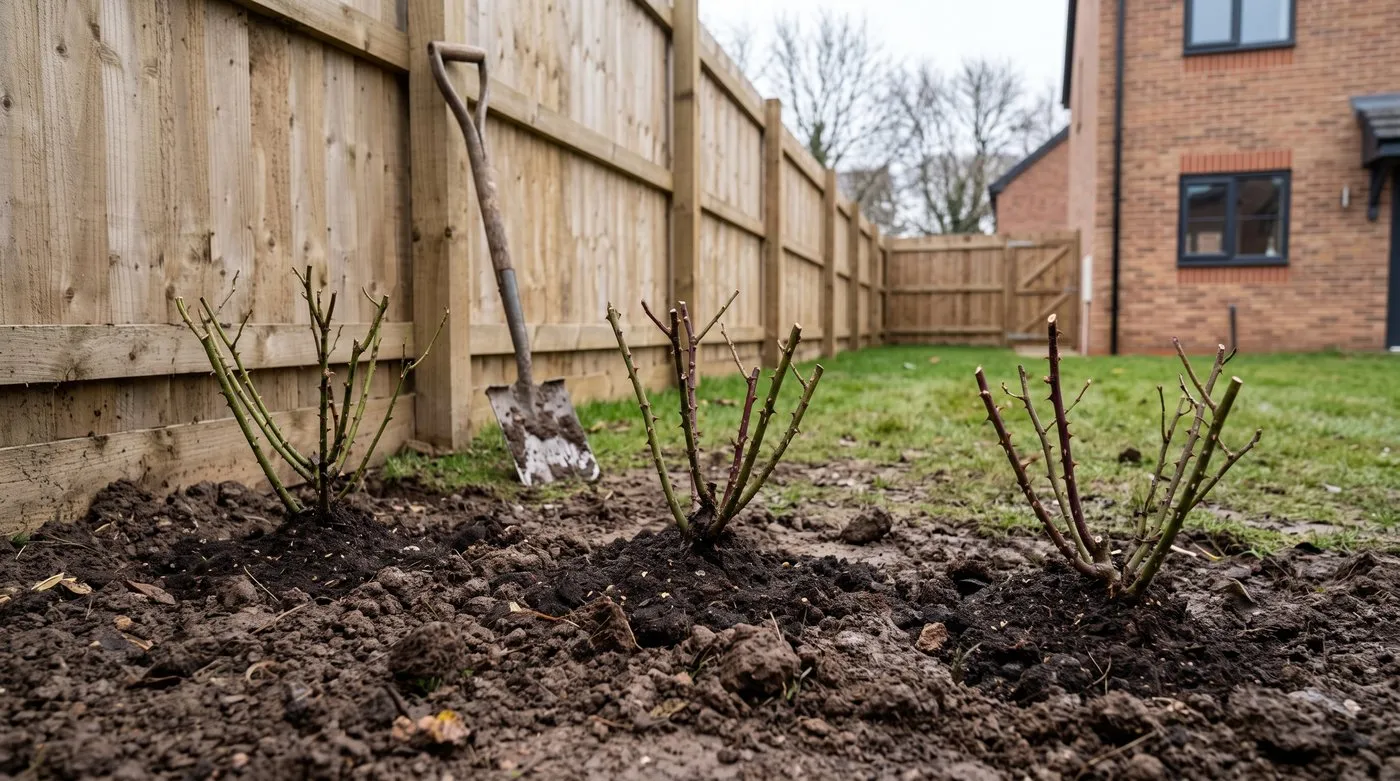
New roses in disturbed new-build soil are just the sort of planting where a mycorrhizal product earns its keep.
A product is most worth using when:
- Planting trees, shrubs, hedges and roses, especially bare-root plants with few fine roots.
- Planting roses where roses grew before. Mycorrhizal fungi are a common way to help with rose replant problems.
- Your soil is new or heavily disturbed, such as on a new-build plot, after building work or in fresh topsoil.
- Filling large containers with fresh compost, which has few soil fungi of its own.
Check the pack suits your plants. Most products contain the arbuscular type for general garden use. Some also include ectomycorrhizal fungi for trees such as oak, beech, birch and pine.
How to apply mycorrhizal fungi
The fungi must touch the roots to work. Scattering granules on the surface does nothing.
Bare-root trees, shrubs and roses
- Dig the planting hole first, so the roots aren’t left drying in the wind.
- Soak the roots in a bucket of water for an hour or so.
- Sprinkle the granules or powder over the damp roots, at the rate on the packet.
- Plant straight away, backfill with the soil you dug out, and water in well.
Don’t add compost or fertiliser to the hole. The guide to planting bare-root trees covers depth, staking and aftercare.

Sprinkle the granules right onto the damp roots just before planting, so the fungi and roots meet straight away.
Pot-grown plants
Sprinkle the granules into the bottom and sides of the planting hole, where the root ball will touch them. Gently tease out any circling roots first. That exposes fresh root tips for the fungi to find. Backfill and water in.
Established plants
Products help much less once a plant is settled. If you want to try, make a few holes around the root zone with a dibber or bulb planter, drop the granules in and water well. Most of the time, mulching and not digging around the plant do more good.

For a new tree, get the granules onto the roots or around them in the hole. Scattering them on top after planting won’t work.
Which plants benefit from mycorrhizal fungi?
Most garden plants do, but a few don’t use them at all.
| Plants | Use mycorrhizae? | Worth adding a product? |
|---|---|---|
| Roses | Yes | Yes, at planting, especially into an old rose bed |
| Fruit trees and bushes | Yes | Yes, when planting |
| Oak, beech, birch, pine | Yes, ectomycorrhizal type | Only a product that contains that type |
| Hedging, shrubs and perennials | Yes | Helpful at planting on poor soil |
| Tomatoes, courgettes, beans, potatoes | Yes | Rarely needed in established beds |
| Rhododendrons, azaleas, heathers | A different type of their own | Only a product made for ericaceous plants |
| Cabbage family (cabbage, kale, broccoli, swede, radish) | No | No |
| Beetroot, chard and spinach | No | No |
| Lupins | No | No |
Plants that don’t need mycorrhizal fungi
Brassicas, the cabbage family, don’t form these partnerships. That includes cabbage, broccoli, cauliflower, kale, Brussels sprouts, swede, turnips, radishes and rocket. The beet family, beetroot, chard and spinach, doesn’t either. Nor do lupins.
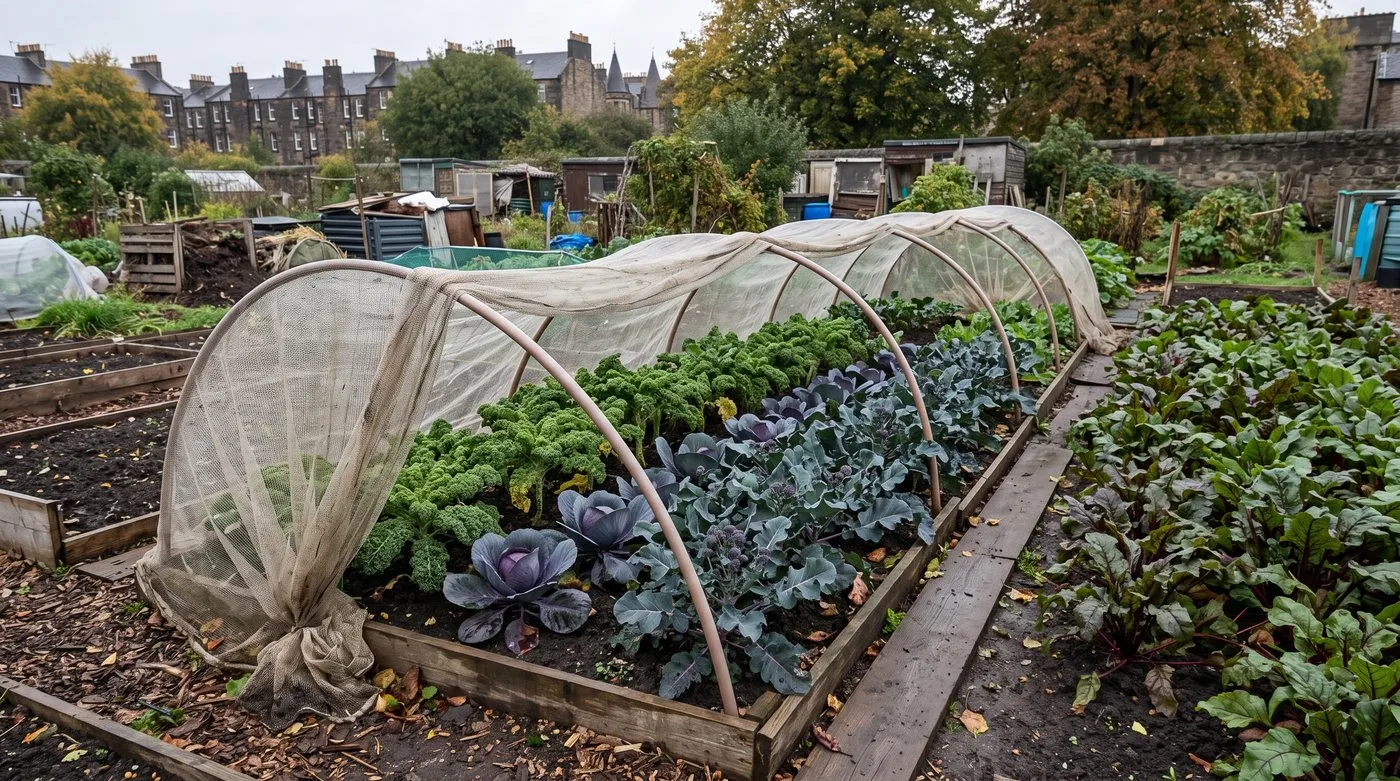
Cabbage-family crops and beetroot don’t use mycorrhizal fungi, so there’s no need to add a product to these beds.
Adding a product to these crops won’t harm them, but it’s money wasted. In a veg plot, the fungi from the crops before and after keep going in the soil, especially if you rotate and don’t dig.
How to protect the fungi already in your soil
Looking after the fungi in your soil costs nothing and helps every plant.
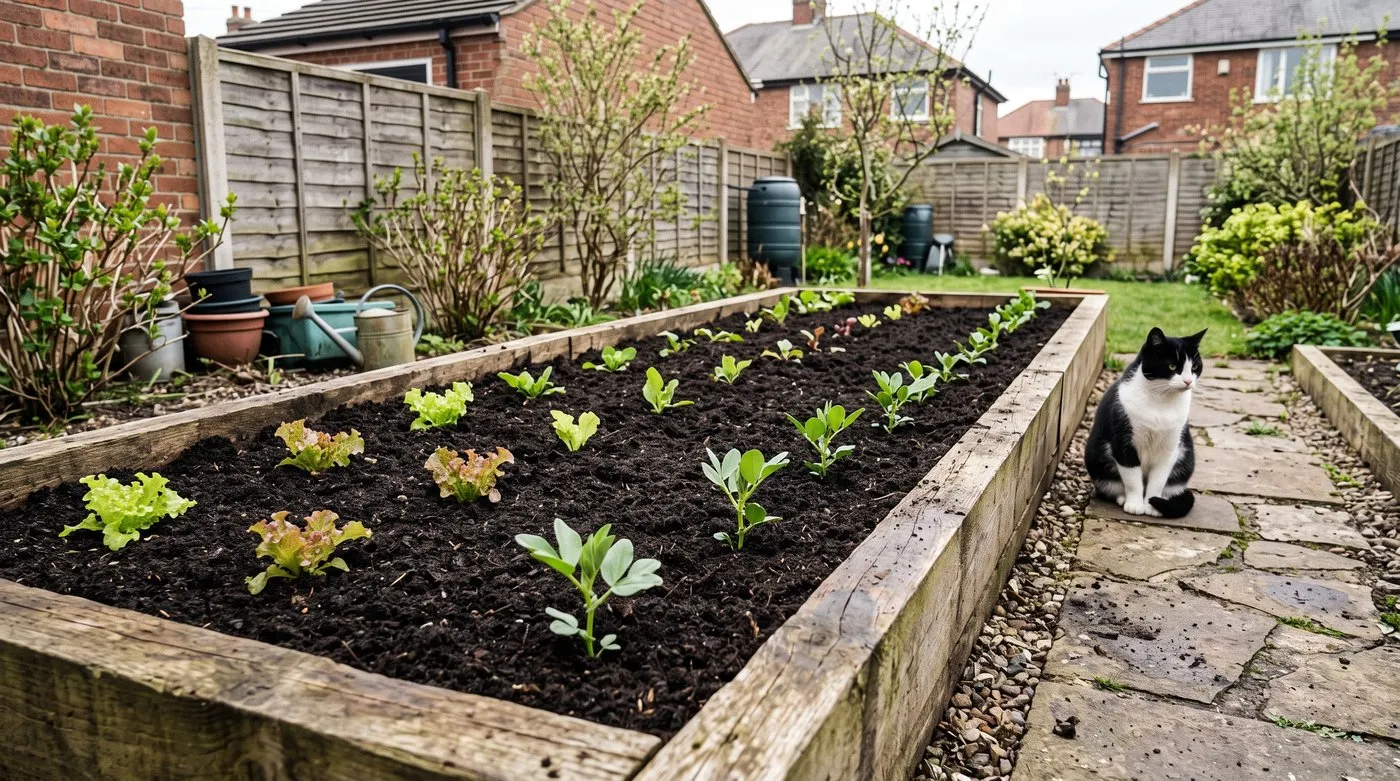
A no-dig bed with a compost mulch keeps the fungal threads in the soil intact from one year to the next.
- Dig less. Digging and rotavating tear up the fungal threads. No-dig gardening leaves them in place. Spread compost on top instead.
- Keep soil covered. Mulch, ground cover or a green manure over winter keeps living roots and protection in the soil.
- Feed less phosphate. Plants given lots of phosphate rely less on the fungi. A soil test shows whether you need to feed at all.
- Avoid fungicides where you can. Choose resistant varieties and good spacing, and only use an approved product for that use, following the label, if you really must.
- Leave roots in over winter. Cut spent crops at soil level rather than pulling them, so the roots stay in the ground.
The bigger idea of feeding the soil, not the plants is the best way to keep these fungi thriving.
Common mistakes with mycorrhizal fungi
- Sprinkling it on the surface. It must touch the roots, so put it in the hole or on the roots.
- Using it on brassicas or beetroot. These crops don’t use the fungi.
- Adding fertiliser to the planting hole. Lots of phosphate holds the fungi back. Use only the soil you dug out.
- Leaving dusted roots in the sun. Have the hole ready, apply, then plant straight away.
- Using an old or badly stored pack. Keep it cool, dry and sealed, and use it by the date on the packet.
- Expecting quick results. The benefit shows over a season or two, not in a week.
Mycorrhizal fungi calendar
| Month | What to do |
|---|---|
| October to March | Plant bare-root trees, shrubs, hedges and roses with mycorrhizal fungi on the roots |
| March to May | Use on pot-grown shrubs and perennials as you plant them. Mulch beds |
| June to August | Leave root zones undisturbed. Water new plants in dry spells |
| September | Sow green manures on empty beds to keep living roots in the soil |
| November to February | Mulch bare soil. Order products for spring planting and store them somewhere cool |
Frequently asked questions
Do mycorrhizal fungi really work in gardens?
Yes, the fungi do, but you don’t always need to buy them. Most established garden soils already contain plenty. Products are most useful for new trees, shrubs and roses, poor or disturbed soil, and replanting roses where roses grew before.
Which plants do not form mycorrhizal associations?
Brassicas, the beet family and lupins don’t use them. That means cabbage, broccoli, kale, swede, radish, beetroot, chard and spinach. Rhododendrons, azaleas and heathers use a different type, so check the product suits them.
When is the best time to apply mycorrhizal fungi?
At planting time, straight onto the roots. For bare-root trees, shrubs and roses, that means October to March. For pot-grown plants, use it whenever you plant them out.
Can you add too much mycorrhizal inoculant?
Extra won’t harm the plant, but it’s wasted money. The fungi only work where they touch a living root. Follow the rate on the packet and get it onto the roots rather than spreading more around.
Does digging destroy mycorrhizal fungi?
It breaks up their networks, which then have to regrow. Regular digging and rotavating keep setting them back. No-dig beds with a yearly mulch of compost leave the fungal threads undisturbed.
Do chemical fertilisers kill mycorrhizal fungi?
They don’t kill them outright, but lots of phosphate holds them back. When phosphorus is easy to get, plants rely less on the fungi. Feed only when plants need it, and avoid adding fertiliser to planting holes.
How long do mycorrhizal fungi take to establish?
Usually a few weeks to start, then a season or two to spread. You won’t see the difference straight away. The benefit shows most in a plant’s first dry summer and in how well it settles in.
Now you know how to use mycorrhizal fungi, put it into practice with our guide to when to plant roses, or browse more how-to guides.
Our team produces practical UK gardening guidance from source research, contributor records and established horticultural practice. Editorial standards are overseen by Matt W.