
Key takeaways
- Plants take up the same basic nutrients whether the feed is artificial or natural
- Artificial feeds work within days and give exact NPK ratios
- Natural feeds work slowly and improve the soil as they rot down
- Too much artificial feed can scorch roots and wash into streams and rivers
- Use artificial feeds for pots and quick fixes, natural ones to build up beds
- Keep dogs away from bone meal and blood, fish and bone
There’s no single winner in the artificial vs natural fertiliser debate. Artificial feeds are fast and exact, so they are great for pots, lawns and quick fixes. Natural feeds are slow and gentle, and they make your soil better every year you use them. Most gardens do best with a bit of both.
This guide explains how each type works and when to reach for it. If you just want to know which bag to buy for roses, veg or the lawn, the guide to the best fertilisers for gardens goes plant by plant.
Do plants know the difference between artificial and natural feed?
No. Roots don’t take in manure or granules. They take up simple nutrients dissolved in soil water, such as nitrogen, phosphorus and potassium. Nitrogen from rotting manure and nitrogen from a box look exactly the same to a plant.
So the difference isn’t about what the plant gets. It’s about how fast the food arrives, and what happens to your soil along the way.

Artificial granules dissolve quickly in moist soil, so the plant gets its food within days.
What artificial fertilisers are good for
Artificial fertilisers (also called synthetic or chemical feeds) are made to deliver nutrients fast, in an exact ratio. The three numbers on the box, the NPK ratio, tell you how much nitrogen, phosphorus and potassium is inside.
They shine when you need:
- Speed. A liquid or soluble feed perks up a hungry plant within days.
- Precision. You can pick a high-potash feed for tomatoes or a high-nitrogen one for leafy growth.
- Cleanliness. No smell and no mess, which suits pots, hanging baskets and houseplants.
- Easy carrying. A small box goes a long way.
The downside is that they add no organic matter, so they do nothing for soil structure. Too much can scorch roots, and spare feed washes down through the soil into streams and rivers. Stick to the rate on the label. For a quick spring green-up on grass, see how to feed your lawn at the right time.
What natural fertilisers are good for
Natural fertilisers include well-rotted manure, garden compost, pelleted chicken manure, blood, fish and bone, bone meal, seaweed and comfrey. Their nutrients are locked up in plant and animal material. Worms, fungi and bacteria slowly break it down, and the nutrients are released as they go.
That slow route brings real benefits:
- Better soil. Bulky feeds like compost and manure improve drainage on clay and help sandy soil hold water.
- More soil life. Worms and other soil life thrive on organic matter.
- Gentle release. Less risk of scorching roots and less washes away.
- Extra trace nutrients. Many natural feeds carry small amounts of other useful minerals.
The trade-offs are slower results, heavier bags and less exact nutrient levels. You can’t rescue a starving plant this week with a barrow of manure. Over a few years, though, you build soil that needs less help. The guide to the feed-the-soil approach explains how to garden this way.
Warning: Dogs love the smell of bone meal and blood, fish and bone, and eating them can make a dog seriously ill. Rake granules into the soil, water them in and store the bags out of reach.

Natural feeds come in all shapes. Pellets and powders feed the plant, while bulky compost and manure improve the soil itself.
Artificial vs natural fertiliser side by side
This table sums up the main differences at a glance.
| Factor | Artificial | Natural |
|---|---|---|
| Speed | Days | Weeks to months |
| Nutrient balance | Exact, printed on the pack | Varies from batch to batch |
| Effect on soil | Adds nothing to structure | Improves structure and soil life |
| Risk of washing away | Higher if overused | Lower |
| Smell and mess | Little or none | Can be smelly and bulky |
| Best for | Pots, lawns, quick fixes | Veg beds, borders, tired soil |
When to use artificial or natural fertiliser
Choose an artificial feed when speed or precision matters. Good examples are pots and baskets, where there’s little soil life to build, a lawn that needs a lift, or a tomato plant in full fruit that needs high-potash feed every week.
Choose a natural feed when you’re thinking long term. That means digging manure or compost into veg beds each autumn or spring, reviving tired soil and feeding borders gently. Pair it with green manures over winter and home-made compost, and your beds will need less bought-in feed each year.
Most gardeners use both. Natural organic matter is the base, and a bought feed is the occasional top-up. The guide to how to feed garden plants covers timing through the year and what NPK numbers to look for.

Scatter granular feed evenly around plants at the rate on the pack, then hoe it in lightly and water if the soil is dry.
Is artificial fertiliser bad for the environment?
It can be, when it’s overused. Spare nitrogen and phosphorus wash into rivers and ponds, where they feed algae and harm wildlife. Making artificial nitrogen also uses a lot of energy.
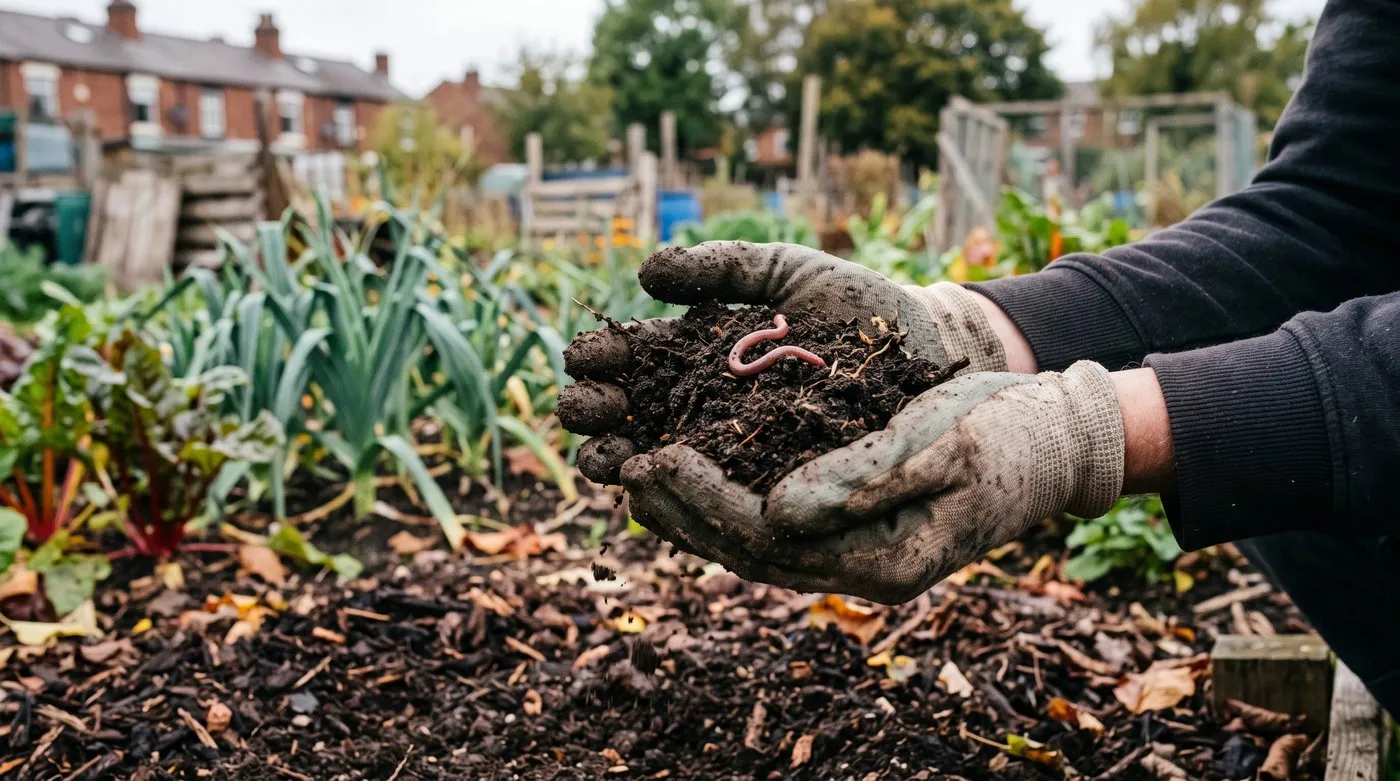
Soil full of organic matter and worms holds on to nutrients, so less feed washes away into streams and rivers.
Natural isn’t automatically green, though. Manure piled on too thick washes out too, and peat-based products harm the bogs they come from. The kindest thing you can do is feed only what plants need, at the label rate, and keep your soil full of organic matter so it holds on to nutrients.
Common fertiliser mistakes to avoid
- Thinking more is better. Extra feed scorches roots and washes away. Follow the label.
- Expecting manure to act fast. Natural feeds work over weeks and months. Add them ahead of the season.
- Feeding plants that don’t need it. Lush, overfed growth attracts aphids and can mean fewer flowers. The guide on NPK and pollinators explains why flower borders often need very little.
- Forgetting the soil. Feed alone won’t fix poor structure. Add compost or manure every year.
- Leaving bags open. Pets and wildlife can get into them, and damp ruins the contents.
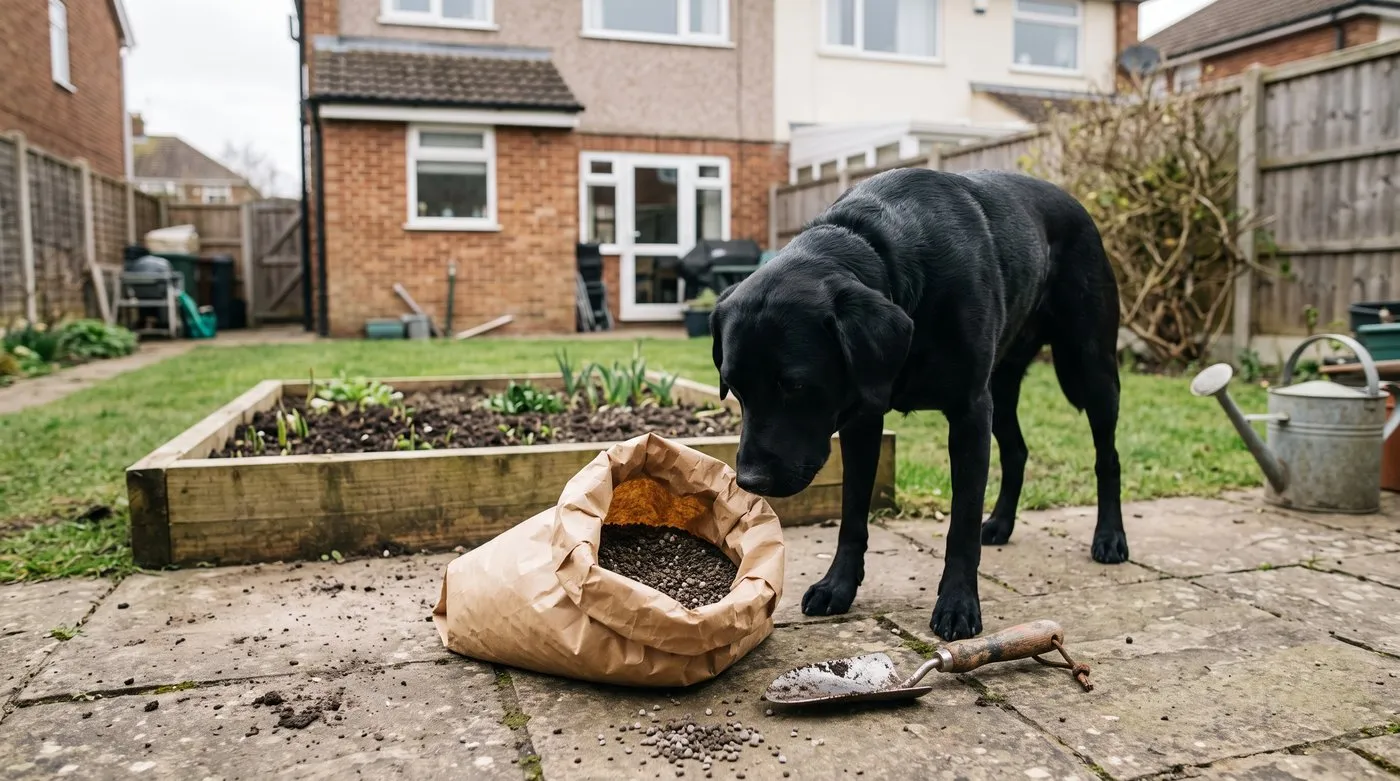
Dogs find bone meal and blood, fish and bone hard to resist. Close the bag and store it out of reach once you’ve finished.
Frequently asked questions
What is the difference between artificial and natural fertilisers?
Artificial feeds are made in factories and act fast; natural ones come from living things. Natural feeds such as manure, compost and bone meal release nutrients slowly as soil life breaks them down. Plants take up the same nutrients from both, but only natural feeds also improve the soil.
Are organic fertilisers better than synthetic ones?
Organic fertilisers are better for the soil; synthetic ones are better for speed. Neither wins every time. The right choice depends on whether you are building up a bed for years or fixing a hungry plant this week.
Do plants know the difference between organic and synthetic feed?
No, roots take up the same simple nutrients from both. A plant can’t tell whether its nitrogen came from manure or a box. The real difference is what happens in the soil, where natural feeds also feed worms and other soil life.
Can you use both natural and artificial fertilisers together?
Yes, and that suits most gardens best. Build the soil with compost, manure and other natural feeds. Then use a bought feed for a quick boost, such as tomato feed in summer or a feed for pots.
Are artificial fertilisers bad for the environment?
They can be when overused, because spare feed washes into streams and rivers. Making them also uses a lot of energy. Used at the label rate, only when plants need it, the harm is much smaller. Natural feeds can wash out too if piled on.
Which fertiliser is best for vegetables?
Natural feeds suit most veg beds best over the long run. Dig in well-rotted manure or compost each year and use pelleted chicken manure in spring. Add a high-potash liquid feed for tomatoes and other fruiting crops in summer. The RHS guide to fertilisers has more on choosing feeds.
Want a free natural feed? Our comfrey and nettle feed recipe shows how to make your own, and there’s plenty more on the how-to hub.
Our team produces practical UK gardening guidance from source research, contributor records and established horticultural practice. Editorial standards are overseen by Matt W.


