Key takeaways
- Most back-garden polytunnels in England are permitted development, so no application is needed
- Within 2m of a boundary, the tunnel must stay under 2.5m tall at its highest point
- Nothing may sit in front of the main face of the house without permission
- Listed buildings need planning permission for any outbuilding in their grounds
- Conservation areas, National Parks and National Landscapes add extra limits
- Allotment tunnels depend on your tenancy rules, so ask the site first
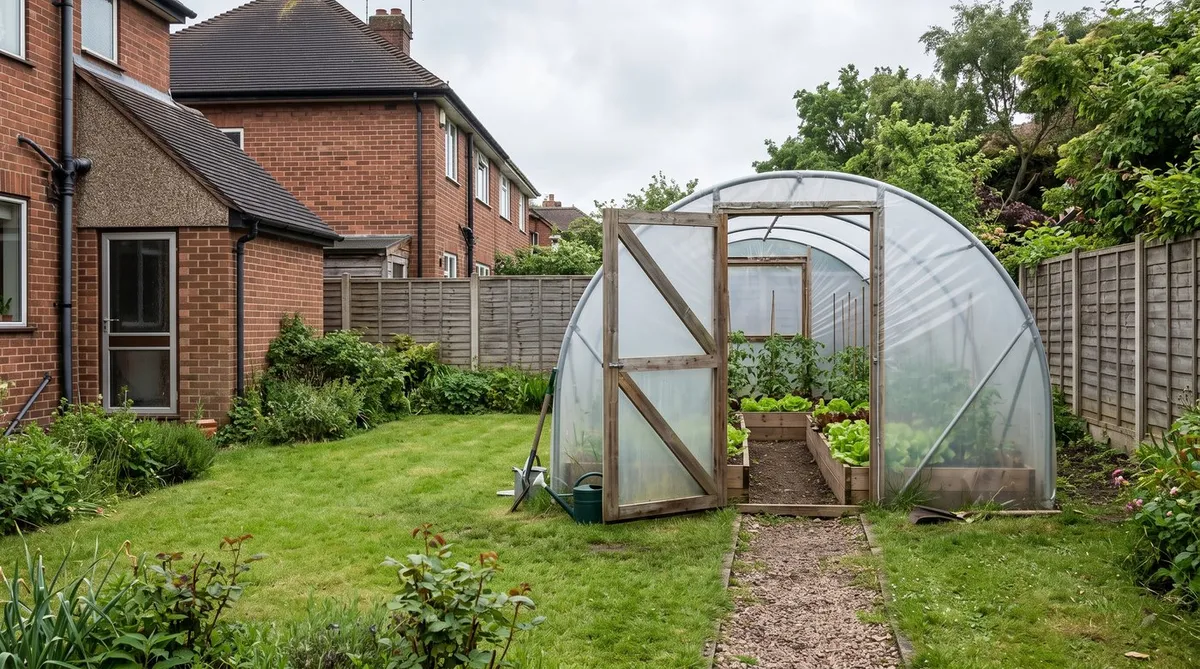
Most people can put a polytunnel in their back garden without planning permission. In England a tunnel counts as an outbuilding, just like a shed or greenhouse. Keep it behind the house, single storey and under the height limits, and it falls under permitted development: the building work the law allows without an application.
The catch is a handful of situations where those automatic rights don’t apply. This guide covers the limits, the exceptions and how to check your own address before you spend money. If you’re still deciding whether a tunnel is right for you, start with whether polytunnels are worth it.
When a polytunnel doesn’t need planning permission
A back-garden polytunnel in England is permitted development if it ticks every one of these boxes:
- Behind the house. It must not sit forward of the main face of the house, which is usually the front wall.
- Single storey. Eaves no higher than 2.5m.
- Under 2.5m tall near a boundary. If any part is within 2m of a fence, wall or hedge on the boundary, the whole tunnel must stay under 2.5m tall.
- Within the overall height limit. Away from boundaries, up to 4m for a dual-pitched roof or 3m for any other roof shape.
- Not too much ground covered. All outbuildings and extensions together must cover no more than half the land around the original house.
- For your own use. It has to be for the household’s enjoyment, such as growing your own food. Running a business from it is a different matter.
Miss any one and you need to apply. The Planning Portal outbuildings guide sets out the same rules with diagrams.

Measure the finished height, including any timber base rail. A raised base can push a tunnel over the 2.5m limit.
The 2.5m boundary rule explained
The boundary rule is the one most likely to catch you out. Many garden polytunnels are around 2.5m tall or a little more, and a raised timber base adds extra height.
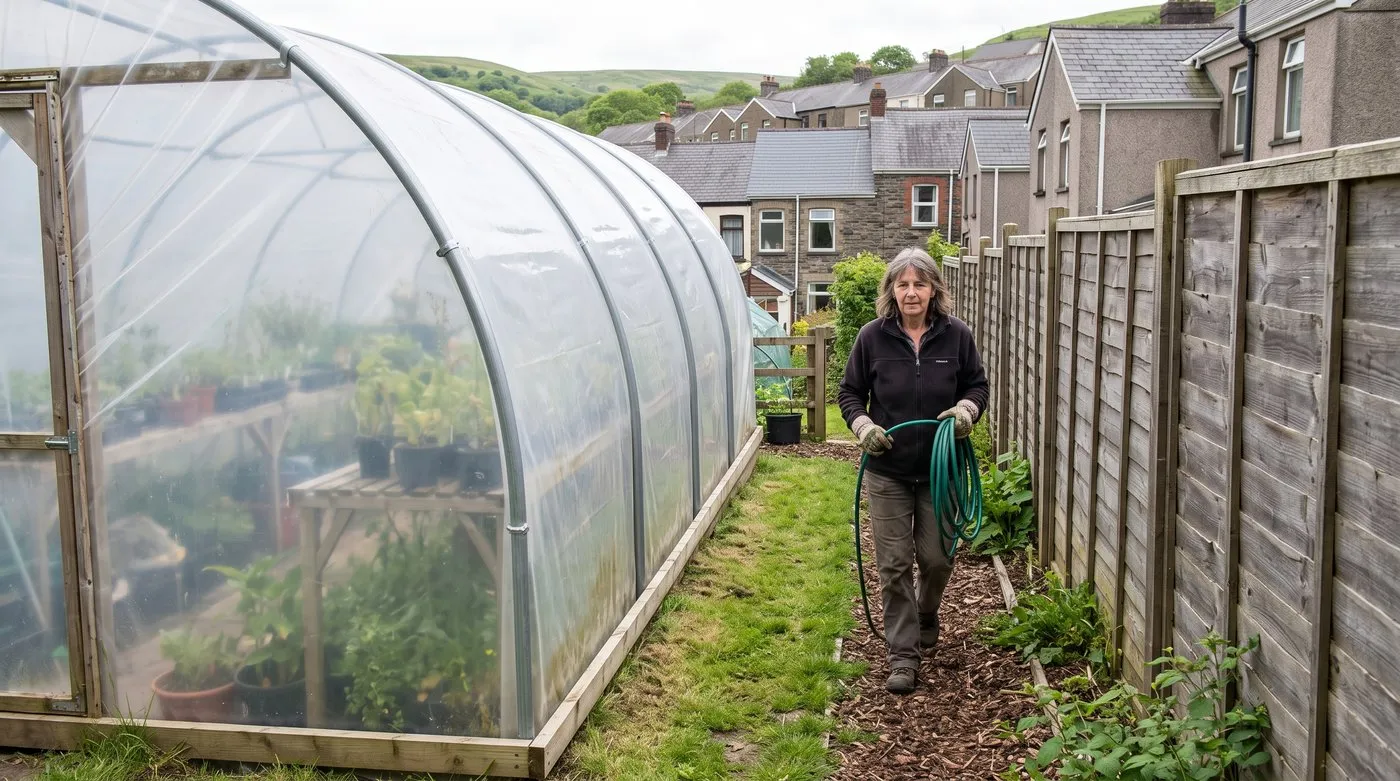
Keeping the tunnel about 2m from the fence frees you from the 2.5m height cap and leaves room to work on the cover.
Check the height on the maker’s drawing, then add the base. If it comes out over 2.5m and the tunnel would sit within 2m of a boundary, you have three choices:
- Move it so every edge is at least 2m from the boundary
- Choose a lower or narrower model
- Apply for planning permission
Leaving a gap is sensible anyway. It lets you reach the cover to tension and repair it, and keeps you on good terms next door. The guide to garden neighbour disputes covers what to do if a boundary row does start.
When you do need planning permission
Some homes and places lose some or all of the automatic rights. In these cases, check with the council before you buy anything.
Front gardens
Permitted development never covers outbuildings forward of the main face of the house. A polytunnel in a front garden always needs an application.
Listed buildings
If your home is listed, any outbuilding in its grounds needs planning permission. You may need listed building consent too. Talk to the council’s conservation officer first.
Conservation areas, National Parks and National Landscapes
On this protected land, permitted development still applies but with tighter limits. Nothing can go at the side of the house. Outbuildings more than 20m from the house are limited to 10 square metres in total. National Landscapes are the new name for Areas of Outstanding Natural Beauty. World Heritage Sites and the Broads follow the same rules.

Older streets like this are often in conservation areas, where the outbuilding rules are tighter.
Article 4 directions and estate conditions
An Article 4 direction is a local order that removes some permitted development rights from a street or area. Newer estates sometimes have planning conditions that do the same. There is no handy national list, so ask your council’s planning team about your address.
Wales, Scotland and Northern Ireland
The rules above are for England. Wales, Scotland and Northern Ireland each set their own permitted development rules. The ideas are similar, but the distances and limits differ.
If you live outside England, check your own government’s guidance or ring the local council. Don’t assume the English figures apply.
Polytunnels on allotments
Allotment tunnels depend on your tenancy agreement and site rules first. Many sites cap the size of tunnels, insist on a gap from paths, or don’t allow them at all. Some also need written permission from the committee.

Allotment sites set their own rules on tunnels, so ask the committee before you buy one.
Ask the site secretary before you buy. If the site says yes, check with the council’s allotment officer whether the size you have in mind needs a planning application. The guide to allotment rules in the UK covers what tenancies usually say about sheds and tunnels.
How to check before you buy
A little checking now saves a lot of hassle later. Here’s the order to do it in:
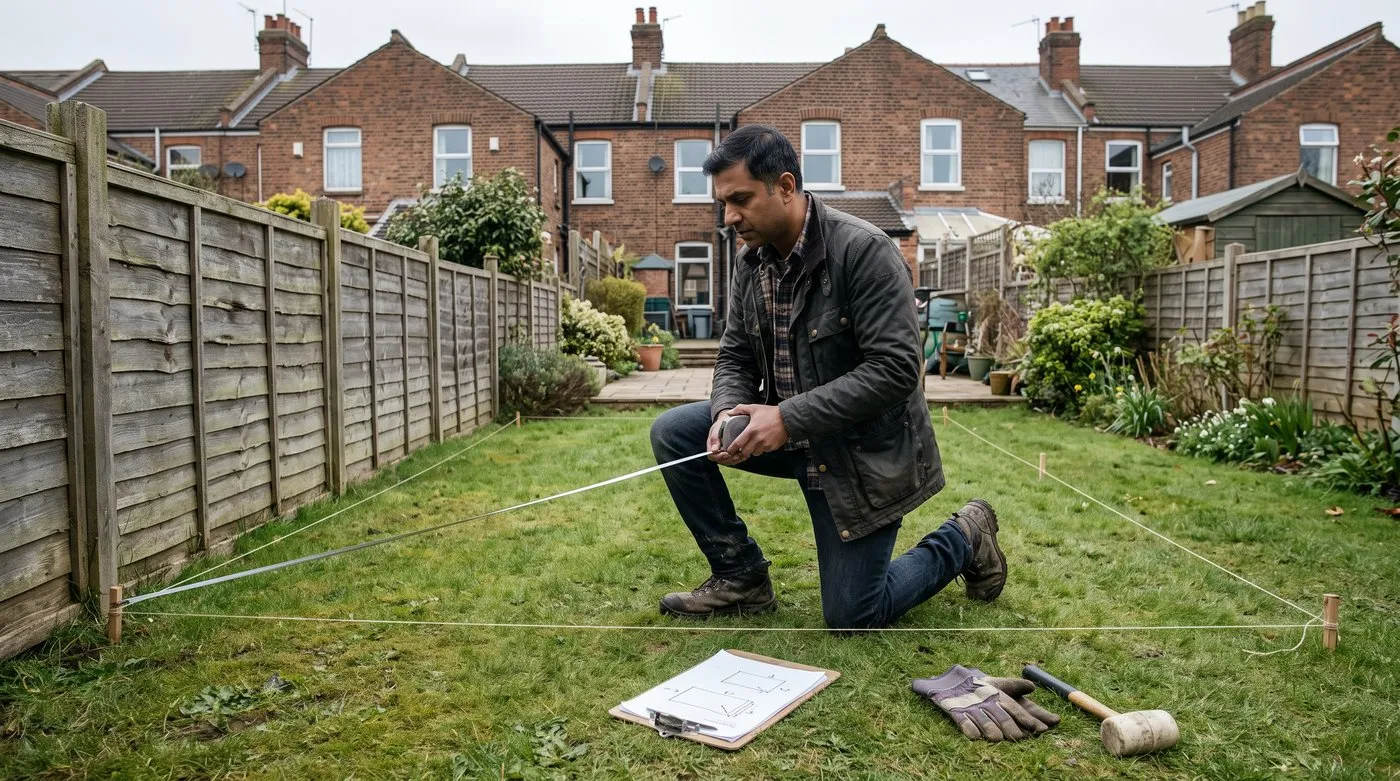
Peg out the footprint and measure to every boundary before you order. It’s the first thing the council will ask.
- Measure the spot. Note the distance to every boundary and the height of the tunnel you want.
- Check your address. Your council’s website shows conservation areas and Article 4 directions. Ask if you’re unsure.
- Ask the council. Many councils offer advice by email or a pre-application service. Get any answer in writing.
- Think about a certificate. A Lawful Development Certificate confirms in writing that your tunnel doesn’t need permission. It is optional, but handy if you sell the house.
- Apply if you need to. Householder applications go through the Planning Portal or your council. Don’t order the tunnel until you have a decision.
What if you’ve already put one up?
If a tunnel is already up and breaks the rules, the council can ask you to make a retrospective application. If that is refused, it can order the tunnel to come down.
The simplest fix is often to move the tunnel so it meets the limits. Shifting it 2m from the boundary or lowering the base rail can be enough. Talk to the council early rather than waiting for a complaint.
Common mistakes with polytunnel planning
- Forgetting the base rail. A timber base can lift a tunnel past 2.5m near a boundary.
- Trusting a phone call. Friendly advice on the phone is not permission. Get it in writing.
- Assuming allotments are a free-for-all. Site rules often ban or limit tunnels.
- Counting only the tunnel. Sheds, greenhouses and extensions all count towards the half-garden limit.
- Ordering before checking. A tunnel you can’t put up is an expensive thing to store.
Once the planning side is settled, compare structures in the polytunnel vs greenhouse guide, then plan the year with the polytunnel calendar. For more on putting up and looking after garden buildings, browse the how-to guides, and keep the cover in shape with polytunnel maintenance and repair.
Frequently asked questions
Do I need planning permission for a polytunnel in my back garden?
Usually not, if it sits behind the house and meets the size limits. In England it counts as an outbuilding under permitted development. It must be single storey, under 2.5m tall within 2m of a boundary, and cover no more than half the garden with other buildings.
What is the biggest polytunnel I can put up without planning permission?
Height matters more than floor area. Within 2m of a boundary it must stay under 2.5m tall. Further away, the limit is 4m for a dual-pitched roof or 3m for other shapes, with eaves no higher than 2.5m. All outbuildings together can cover up to half the garden.
Do polytunnels need planning permission in a conservation area?
Not always, but the rules are tighter. On protected land, nothing can go at the side of the house without permission. Outbuildings more than 20m from the house are limited to 10 square metres in total. Some conservation areas also have extra local restrictions, so check with the council.
Can I put a polytunnel in my front garden?
Not without planning permission. Permitted development only covers outbuildings behind the main face of the house, usually the front wall. A tunnel in a front garden needs a planning application, whatever its size.
Do I need permission for a polytunnel on an allotment?
Ask the allotment site first, because tenancy rules come before anything else. Many sites limit the size of tunnels or ban them. The council’s allotment officer can also tell you whether a planning application is needed for the size you want.
What happens if I put up a polytunnel without permission?
The council can ask you to apply retrospectively or take it down. If an application is then refused, the tunnel has to go. It is far cheaper to check before you buy than to argue afterwards.
Our team produces practical UK gardening guidance from source research, contributor records and established horticultural practice. Editorial standards are overseen by Matt W.