Key takeaways
- Mushrooms usually mean the soil underneath is alive and healthy
- They appear after wet autumn weather and fade on their own within weeks
- Some lawn mushrooms are poisonous, so remove them if pets or children play there
- Fairy rings come from a fungus feeding on buried wood or roots
- Mushrooms that keep coming back point to thatch, poor drainage or buried wood
- Scarify, aerate and top-dress for a longer-term fix
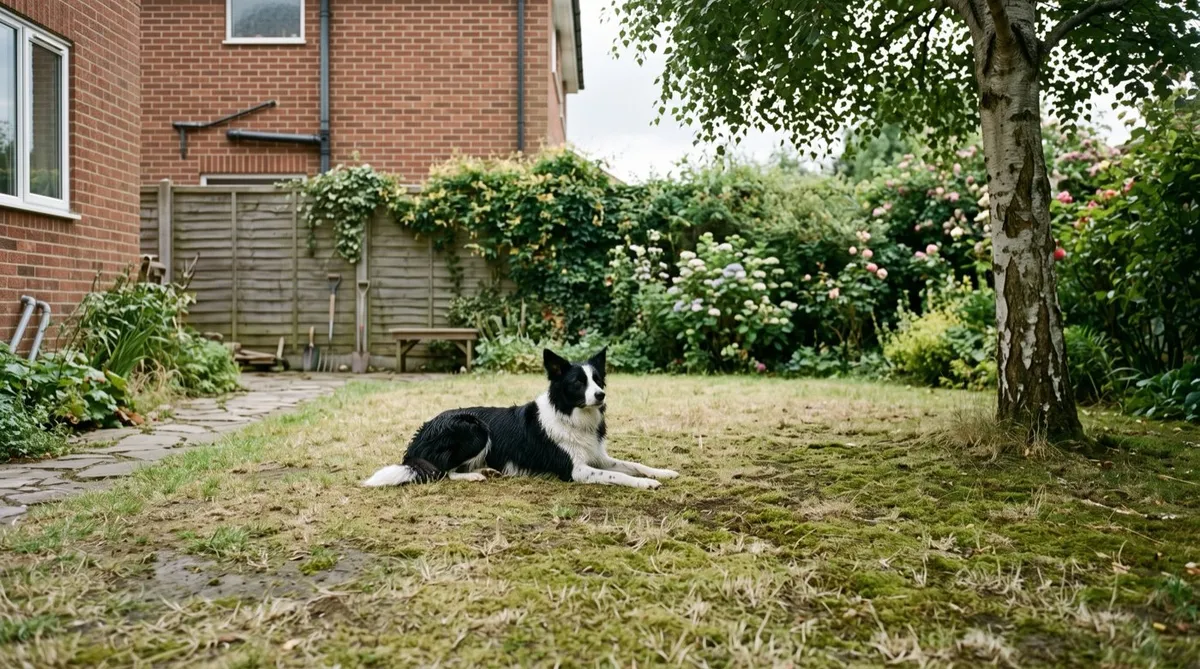
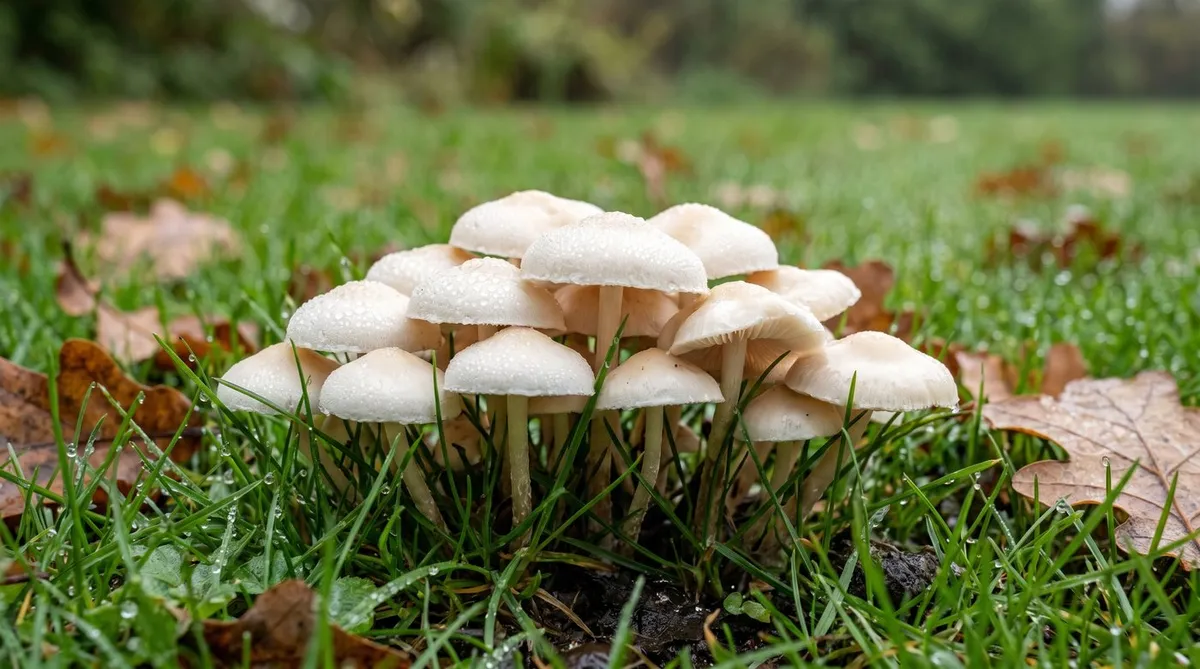
Mushrooms popping up in the lawn are one of the most common autumn questions. It’s easy to panic and think the lawn is diseased or something needs killing. In nearly every case it’s the opposite: mushrooms mean the soil underneath is alive.
For the bigger picture of lawn jobs through the year, see our lawn care calendar UK guide.
Why mushrooms appear in UK lawns
A mushroom is just the fruit of a fungus. The fungus itself lives underground as a web of fine white threads. You can’t see it most of the year, but it’s there in all healthy soil. When the weather’s right, with warm soil, rain and plenty to eat, it sends up mushrooms to spread its spores. If you’d like mushrooms you can actually eat, grow them at home instead.
In UK lawns, the trigger is nearly always a wet autumn after a warm summer. The busiest time is late September to November, with a smaller flush sometimes in a mild, wet April.
What the fungus is feeding on matters. Lawn mushrooms usually live on:
- Buried wood (old tree roots, old stumps, buried timber)
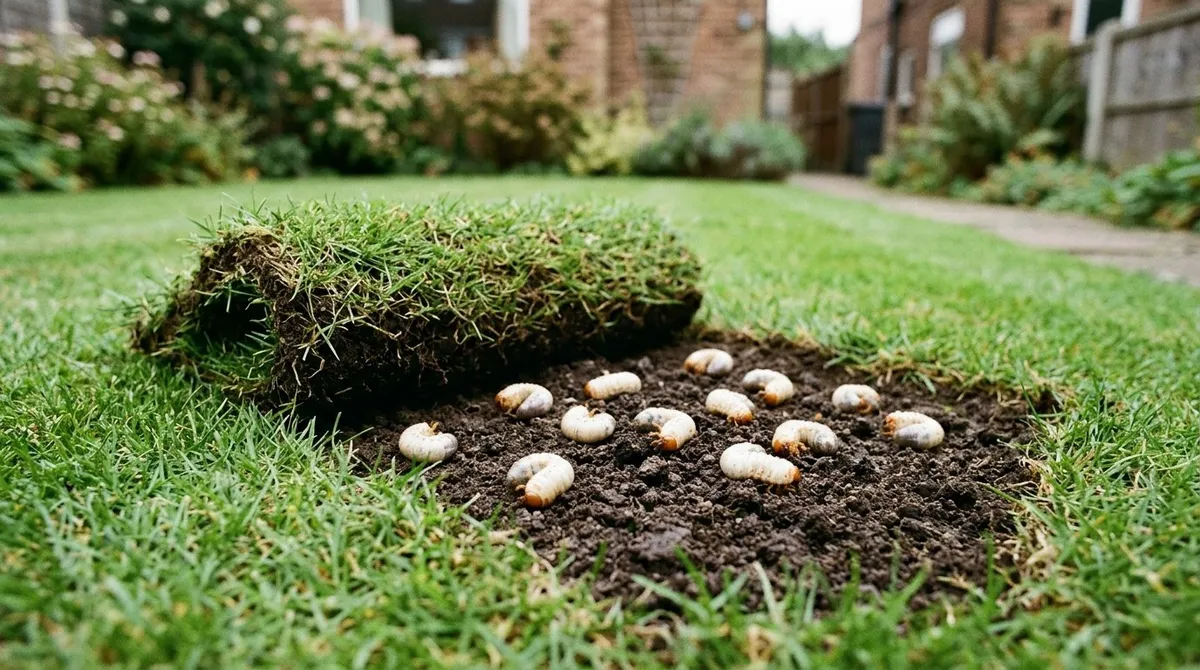
- Lawn thatch (the spongy layer of dead grass between the soil and the green blades)
- Grass clippings left on the lawn over many years
- Buried compost or garden waste
- Ordinary soil organic matter, which rarely causes repeat crops
If mushrooms come up in the same spot every year, there’s something buried there for them to feed on. If they appear once after a wet spell and never come back, they’ve probably just eaten up some surface debris.
The mushrooms you are most likely to see
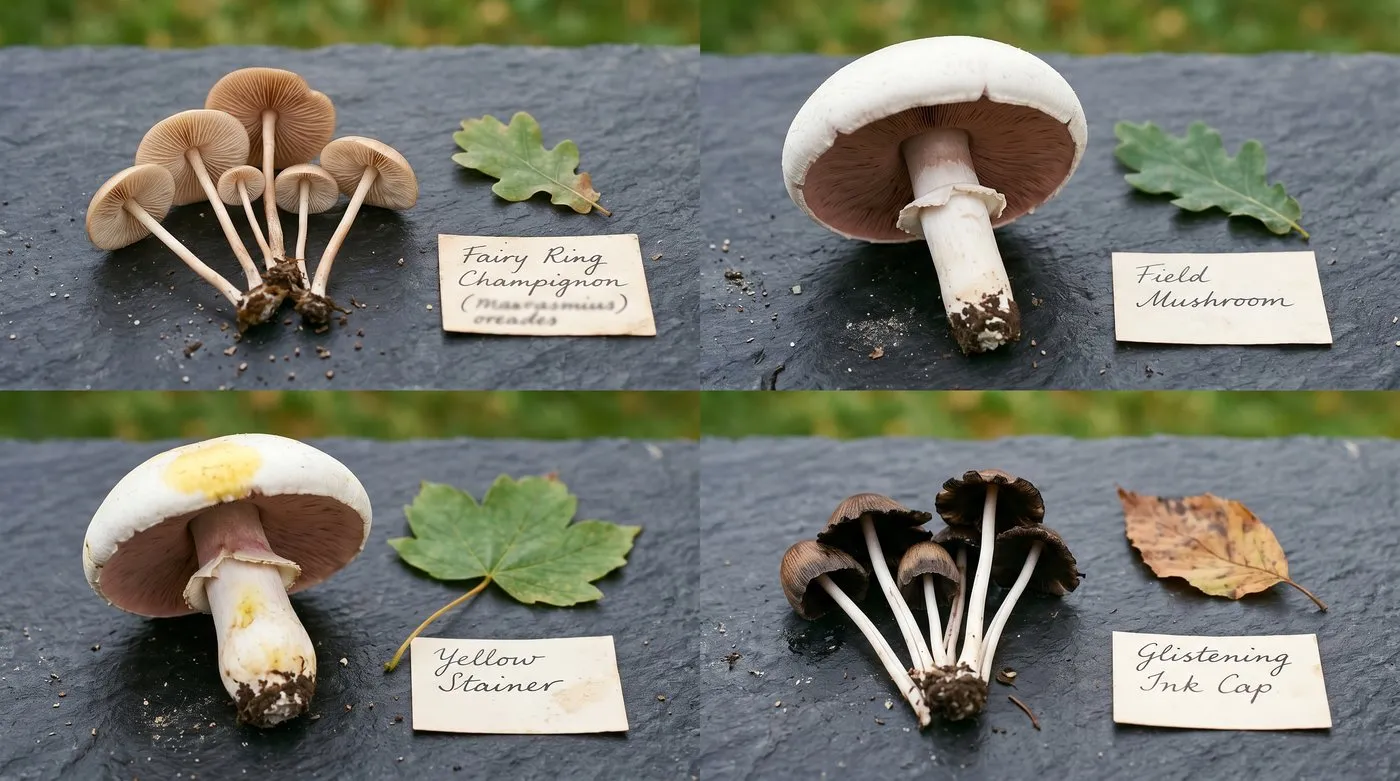
UK lawns tend to grow the same handful of mushrooms. Please don’t eat any of them: some poisonous species look very like harmless ones.
| Mushroom | What it looks like | Effect on the lawn |
|---|---|---|
| Fairy ring champignon | Small, pale tan, in rings | Makes dark or pale rings in the grass |
| Field mushroom | White, medium-sized | Harmless to the lawn |
| Yellow stainer | White, turns bright yellow when scratched | Harmless to the lawn, but poisonous, so remove it |
| Ink cap | Tall, shaggy and white | Often near rotting wood |
| Puffball | Round and white | A sign of healthy soil |
The one to look out for in particular is the yellow stainer. Scratch the cap or stem and it turns bright yellow straight away. It’s poisonous, and it looks a lot like a field mushroom. If you have curious dogs or small children and you’re not sure what something is, just pick it off.
Fairy rings: the one you will definitely notice
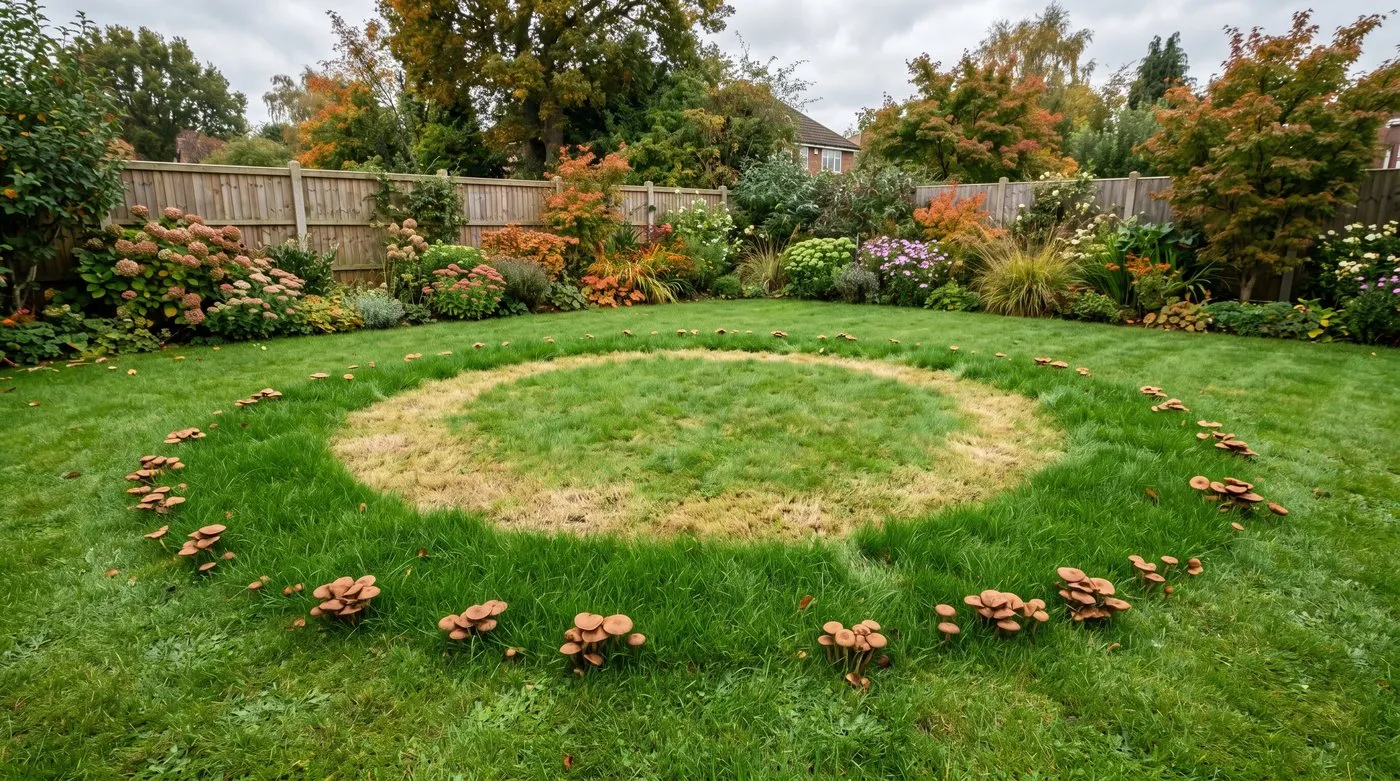
A fairy ring is a circle in the lawn made by a fungus spreading outwards from a central point. You might see:
- A ring of mushrooms around the edge
- A ring of dark green, lush grass
- A ring of pale or dead grass inside or outside the green one
- Sometimes no mushrooms at all, just the coloured rings
As the fungus breaks down buried material, it releases food that makes the grass above grow dark and lush. It can also make the soil repel water, so the grass nearby dries out and goes pale or dies.
Rings slowly get wider every year, and some can be very old indeed.
The RHS has a helpful fairy ring page with more on spotting them.
What actually fixes a fairy ring
Most “fairy ring cures” sold online don’t work. The fungus lives deep in the soil, so anything you put on the surface misses it.
What helps is a steady, hands-on approach over two or three years:
Year 1, autumn:
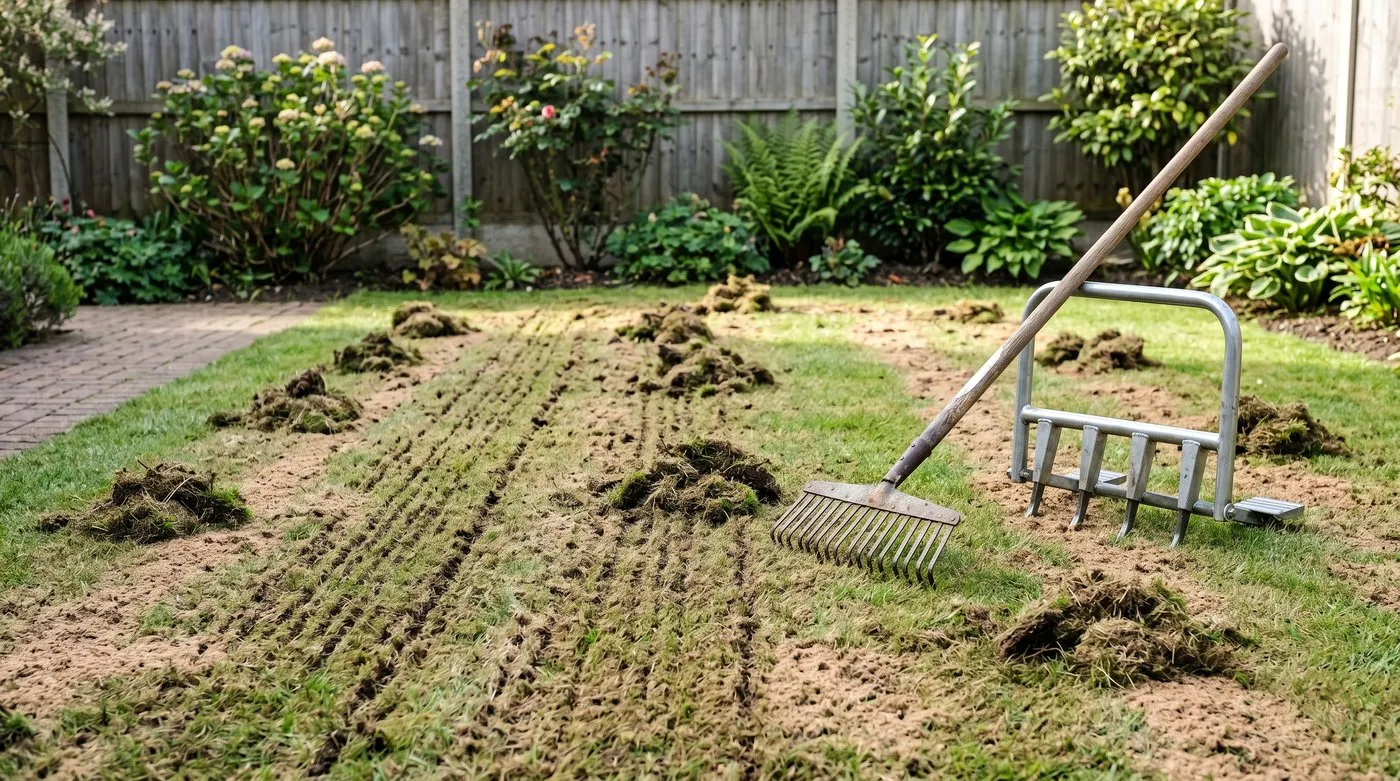
- Aerate the ring area deeply with a hollow-tine aerator or a garden fork, to break through the water-repelling layer.
- Top-dress with a sandy loam mix and brush it into the holes.
- Give a balanced autumn lawn feed to help the roots recover.
- Water it in if the weather stays dry.
Year 1, spring:
- Sow seed on any bare patches inside the ring.
- Give a light spring feed.
- Pick off any new mushrooms quickly.
Year 2, autumn:
- Aerate and top-dress again wherever the ring still shows.
- By now the dark green ring should be fading and the pale patches recovering.
Year 3:
- Many rings are much harder to spot by now. Stubborn ones may need another round, and a really bad ring may need the soil digging out and replacing.
Aerating is the most important step. Making holes through that water-repelling layer lets water and air back in, which helps the grass and weakens the fungus.
Removing mushrooms day-to-day
A fairy ring is a long-term project, but mushrooms popping up in autumn are an everyday nuisance. Here’s the easy way to deal with them:
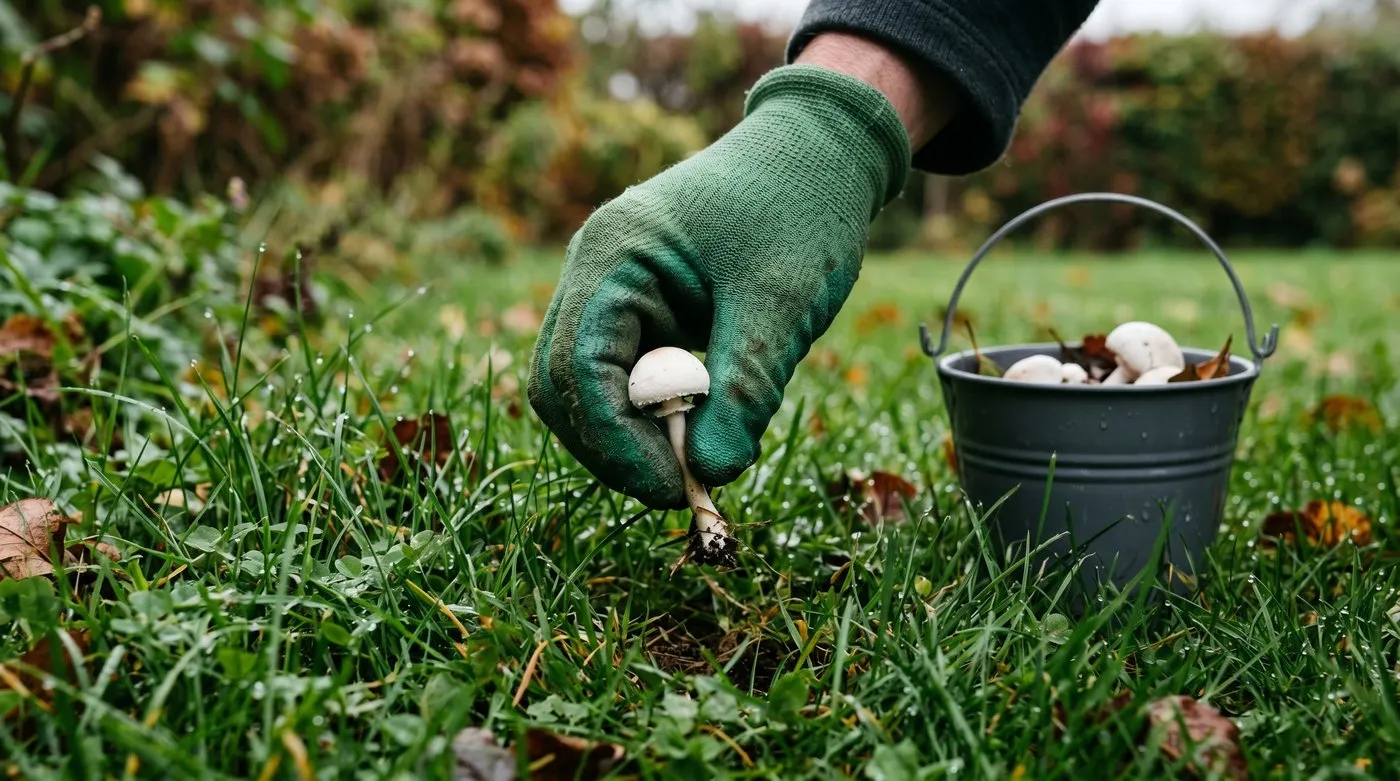
Pick them in the morning, before they shed spores. Wear gloves, grip at the base, twist and lift. Pop them in a bucket, then into the bin.
Mow them off with a rotary mower that collects the clippings. Set the blades a little higher than usual so you don’t scalp the grass. Empty the box into the bin, not back on the lawn.
Don’t kick or strim them. That just scatters spores across the rest of the lawn.
If pets or children use the lawn, a quick five-minute walk round each morning in October and November catches new mushrooms before anyone else does.
Why mushrooms might keep coming back
If they appear in the same place every year, it’s time to deal with what they’re feeding on. The usual suspects:
Too much thatch. The layer of dead grass builds up over the years if the lawn isn’t scarified, and fungi love it. Scarify in autumn with a powered scarifier or a spring-tine rake. Our scarify and aerate lawn guide shows you how.
Poor drainage. Soggy soil suits fungi. Aerate each autumn and top-dress with sandy loam to slowly improve the soil.
Buried wood or roots. Old stumps, fence posts, buried garden waste or builders’ rubble. The fungus keeps feeding until the wood has rotted away, which can take years. Digging it out is the only complete fix.
Hard, packed soil. Lawns used for football, dogs or parties. Aerate and top-dress every year.
Too much mulch. Compost or wood chip piled thickly against the lawn edge feeds fungi. Pull it back a little from the grass.
If you’re not sure it’s mushrooms at all, our lawn diseases identification and treatment guide covers other lawn problems that can look similar.
The longer view: when to leave mushrooms alone
Most healthy lawns grow the odd mushroom and never have a problem. The fungi breaking down old roots and thatch are the same ones that keep soil fertile, so wiping them out would do more harm than good.
If you find mushrooms once or twice in autumn:
- Have a rough go at identifying them (an ID app or the RHS website helps)
- Pick them off if pets or children use the lawn
- Or mow them off
- Then get on with your day
If they come up every autumn in the same place:
- Look for buried wood or old organic matter
- Scarify in autumn to remove thatch
- Aerate every two or three years
- Top-dress with sandy loam
- Feed the lawn at the right times of year
If you have a fairy ring:
- Think of it as a two to three year project
- Aerate, top-dress, feed and overseed
- For a really bad ring, the only complete fix is replacing the soil
Remember, mushrooms are the tiny visible bit of a huge, busy world of soil life that keeps your lawn growing. A healthy soil will push up mushrooms now and then. It doesn’t mean you’ve gone wrong.
For more lawn help, see our feeding lawn UK guide, top-dressing guide and patchy lawn repair guide.
Frequently asked questions
Here are the questions people ask most when mushrooms appear in autumn.
Why have mushrooms appeared in my UK lawn?
Fungi in the soil send them up after autumn rain. The fungi feed on buried organic matter like dead roots, thatch, old wood or tree roots. Most do no harm to the grass and fade within a few weeks. They’re actually a sign your soil is alive and well.
Are lawn mushrooms dangerous to pets and children?
Most aren’t, but some are poisonous, so treat every wild mushroom with care. They’re hard to identify, and harmful ones can look just like harmless ones. If you have pets or young children, pick mushrooms off as soon as they appear. Call a doctor, NHS 111 or your vet straight away if you think one has been eaten.
How do I remove mushrooms from my lawn?
Pick them by hand wearing gloves, or mow them off. Collect them and put them in the bin rather than leaving them on the lawn. This tidies things up but doesn’t kill the fungus underground, so they may come back until the buried food runs out. Cutting down thatch and improving drainage helps over time.
What is a fairy ring and how do I get rid of it?
It’s a circle of mushrooms or of darker or dead grass. It’s caused by a fungus spreading outwards through the soil. Some rings only make mushrooms and do little harm. Others stop water soaking in, leaving brown patches. There’s no quick cure, but aerating, soaking dry patches and balanced feeding help hide the ring. Bad rings may need the soil replacing.
Should I use fungicide on lawn mushrooms?
No, and home gardeners can’t buy anything to control fairy rings anyway. Mushrooms are usually harmless and often mean the soil is healthy. Instead, scarify to cut down thatch, aerate to help drainage and pick the mushrooms off if they bother you. Most vanish on their own within weeks.
Our team produces practical UK gardening guidance from source research, contributor records and established horticultural practice. Editorial standards are overseen by Matt W.