Key takeaways
- Look for glycerin, urea, lanolin, shea butter or ceramides near the top of the ingredients
- Put a barrier balm on before you garden and a thick repair cream on at night
- Thin cotton gloves over cream overnight help deep cracks close
- Choose fragrance-free cream while your hands are cracked or sore
- Moisturise straight after every wash, while the skin is still slightly damp
- Cracks that bleed, weep or won't heal need a pharmacist or GP
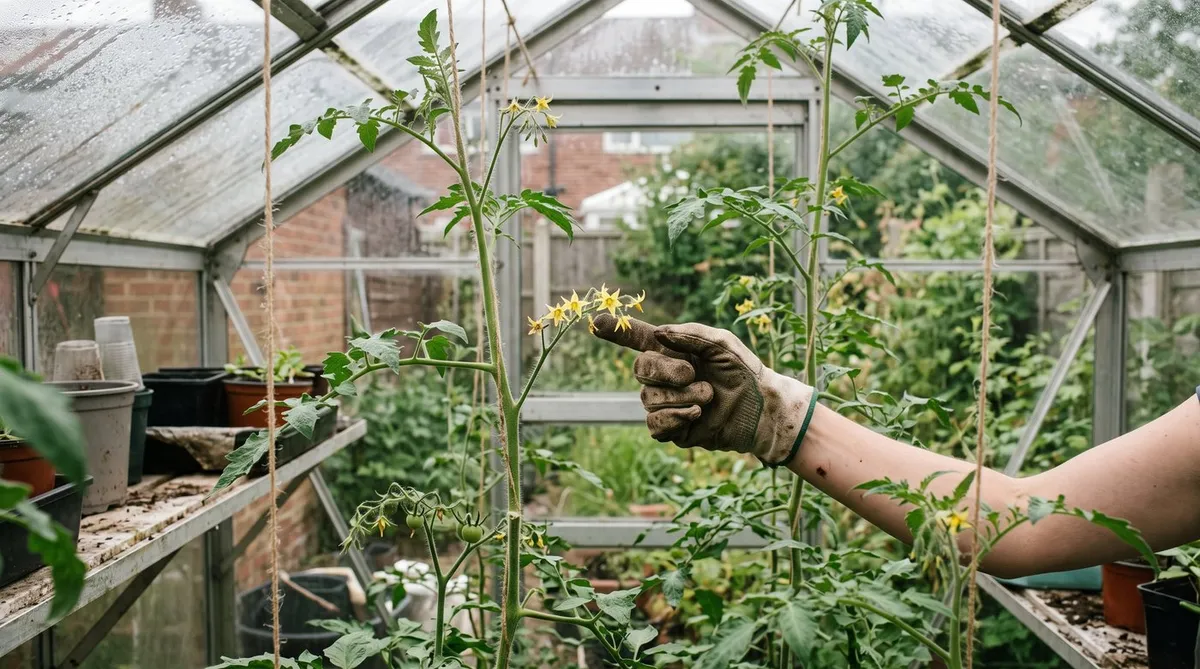
Gardening is hard on hands. Soil and compost dry the skin, grit and tool handles rub it thin, and all that washing strips away its natural oils. By midwinter many gardeners have cracked thumbs, sore knuckles and split fingertips that catch on everything. The fix isn’t one miracle cream. It’s the right ingredients, a barrier before you start, and a simple overnight routine.
Why does gardening crack your hands?
Three things wear gardeners’ hands down.
- Soil and compost draw moisture and oils out of the skin, especially when you work bare-handed.
- Rubbing from grit, twine and tool handles builds hard skin on the same spots, such as the thumb pad. That hard skin then splits along the creases.
- Washing soil off, often several times a day, strips the skin’s natural oils. Cold, dry winter air makes it worse.
Gloves help with all three. Wear them for digging, pruning and any thorny job, and choose a pair that fits well so you aren’t gripping harder to make up for it.
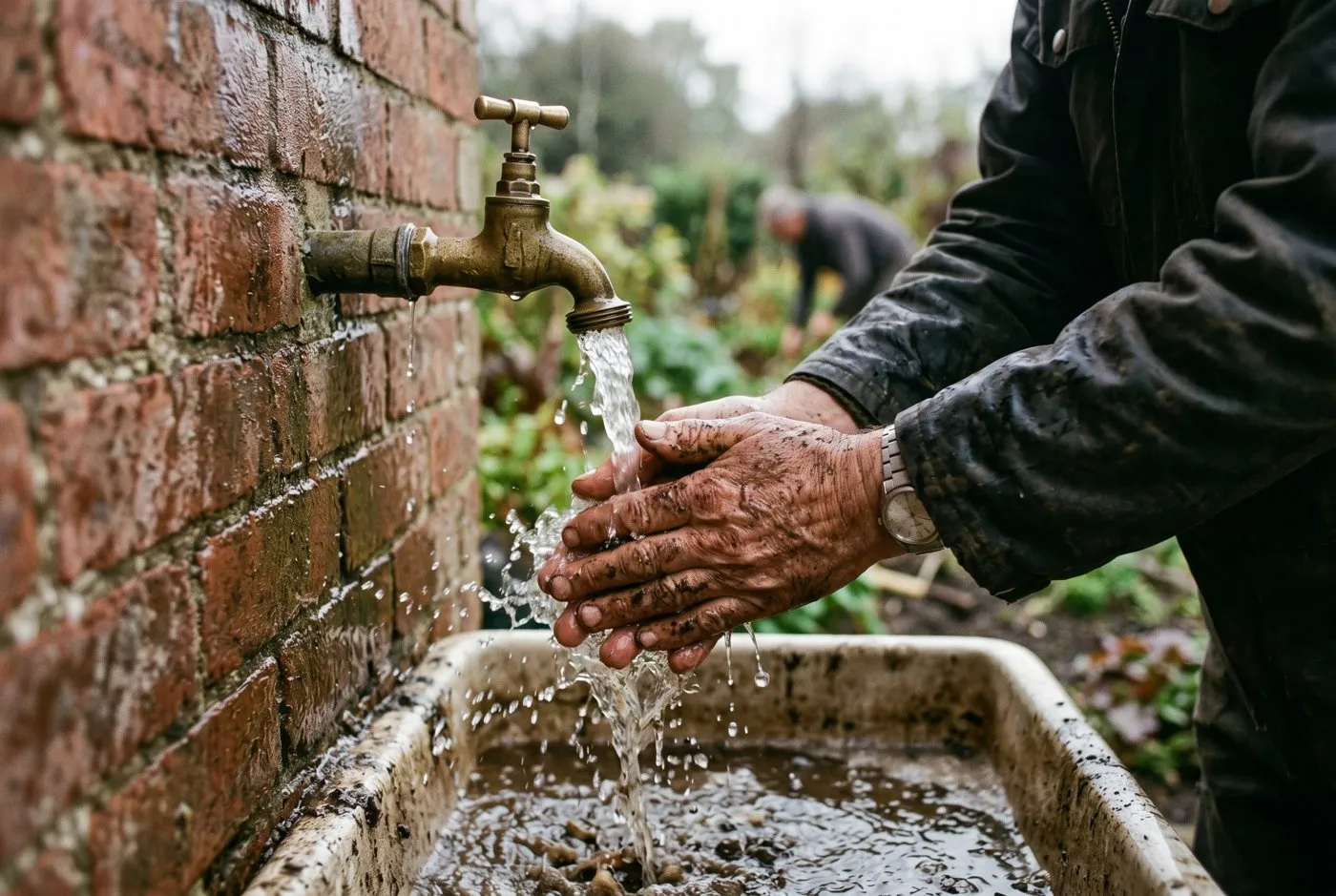
Every wash strips a little oil from the skin. Pat your hands dry and put cream on straight away to stop them drying out tighter.
Which hand cream ingredients actually help?
Turn the tube over and read the ingredients list. A few ingredients do most of the work.
- Glycerin draws water into the skin. It’s cheap, effective and found in most good creams.
- Urea softens hard, rough skin so it flexes rather than splitting. Creams with around 10% urea are made for very dry, rough hands and heels.
- Lanolin, a natural grease from sheep’s wool, seals moisture in. It’s the main ingredient in many nipple balms, which some gardeners swear by for split fingertips. A few people are sensitive to it, so stop if it itches.
- Beeswax, petroleum jelly and shea butter form a protective layer that holds moisture in.
- Ceramides are natural fats that help repair the skin’s own barrier.
Gardener’s tip: If glycerin, urea, lanolin, shea butter or ceramides appear near the top of the list, the cream should help. If the top is mostly water, alcohol and perfume, put it back.
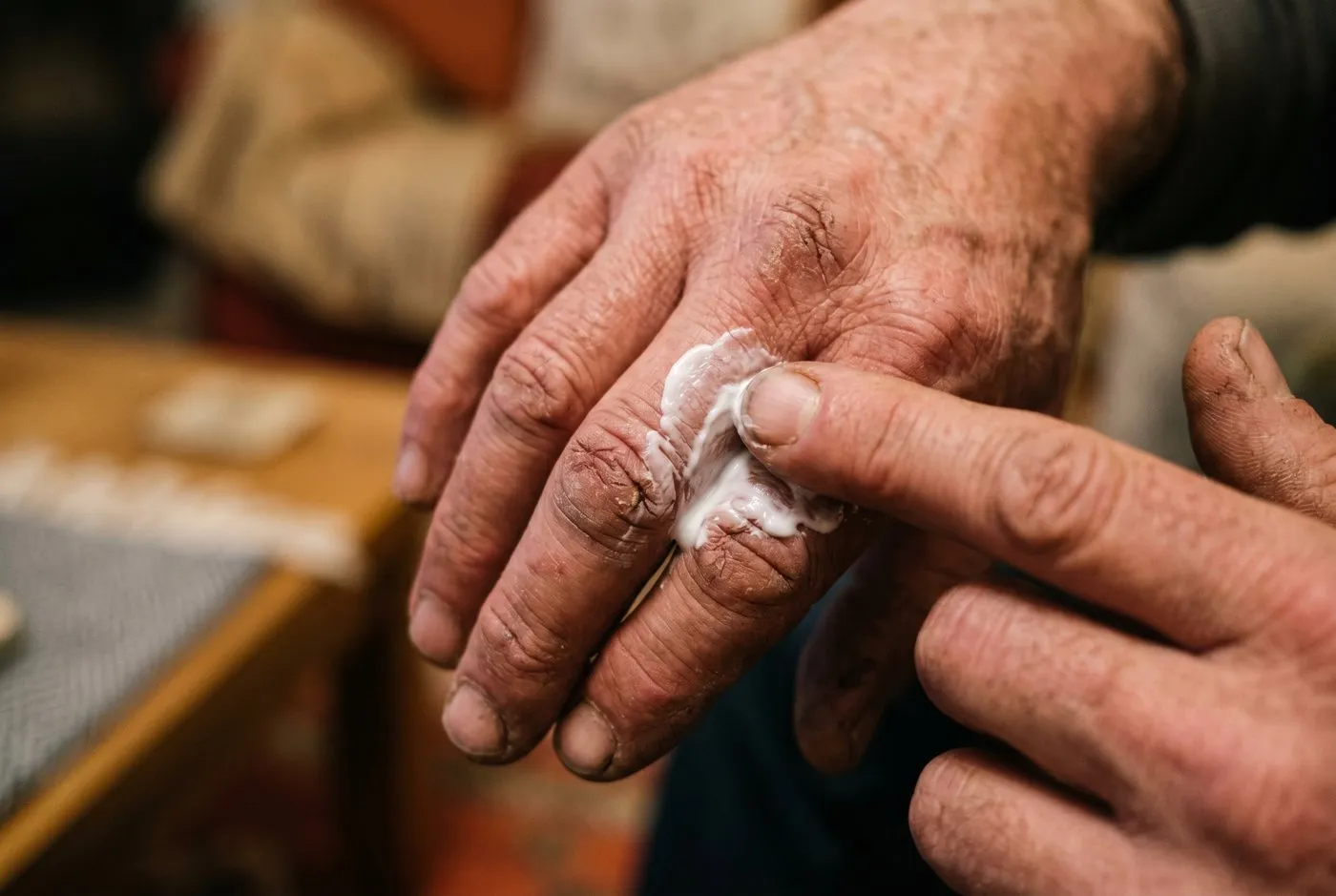
Cracks tend to open along the knuckle creases. Work a thick cream right into them, morning and night, through the cold months.
Which type of hand cream do gardeners need?
Different creams do different jobs. Match the type to the state of your hands.
| Cream type | Main ingredients | When to use | Good for |
|---|---|---|---|
| Lanolin balm | Lanolin | Overnight, on deep cracks | Split fingertips and thumbs |
| Intensive urea cream | Urea, glycerin | At night, under gloves | Hard, rough skin that keeps splitting |
| Fragrance-free repair cream | Ceramides, glycerin, shea | Daytime | Sore or sensitive hands |
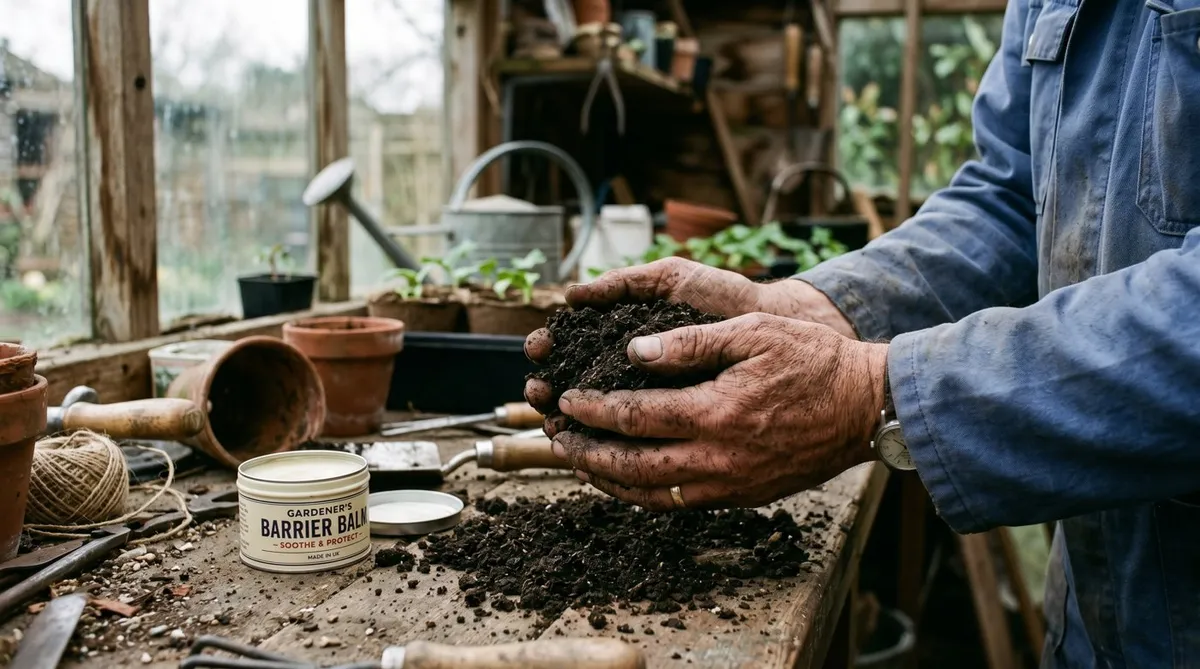
| Barrier balm | Beeswax, plant oils | Before you garden | Keeping soil and water off the skin |
| Light everyday cream | Glycerin, light oils | Between jobs in warmer months | Hands that are only a little dry |
Lanolin nipple balms, urea creams sold for heels and hands, and ceramide creams for sensitive skin are all easy to find at UK chemists and supermarkets. Waxy gardener’s balms are sold in tins at garden centres.
Barrier cream or repair cream: do you need both?
Yes. They do different jobs at different times.
A barrier cream goes on before you garden. It leaves a waxy or silky film that helps keep soil, water and grit off the skin. Beeswax balms and silicone-based barrier creams both work.
A repair cream goes on after washing and at night, when your hands are clean and resting. Urea, lanolin, glycerin and ceramides get to work healing the skin while you’re not using your hands.
Warning: A barrier cream isn’t a substitute for gloves. A film of balm won’t stop a rose thorn or a splinter, and broken skin lets soil germs in.
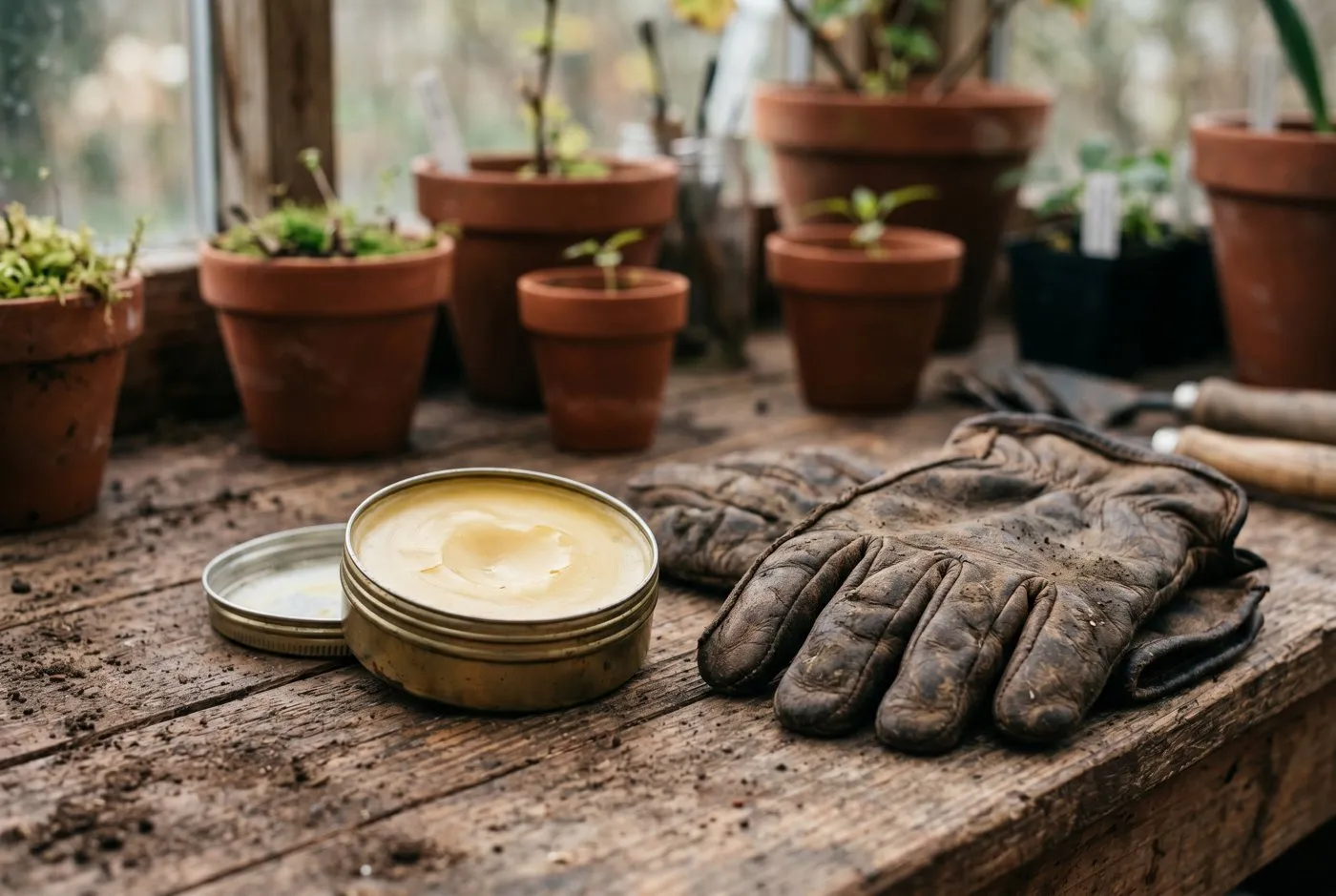
Rub barrier balm in first, then pull on your gloves. Your skin starts each session protected instead of exposed.
How to heal cracked hands overnight with cotton gloves
This one habit does more for badly cracked hands than any fancy cream.
- Wash your hands gently and pat them dry.
- Work a thick urea cream or lanolin balm into every crack and across the knuckles. Be generous.
- Pull on thin cotton gloves and sleep in them.
The gloves keep the cream on your skin instead of the bedding, and hold it against the cracks all night. Wash the gloves and reuse them. Repeat every night for a week or so, and most cracks start to close within a few days.
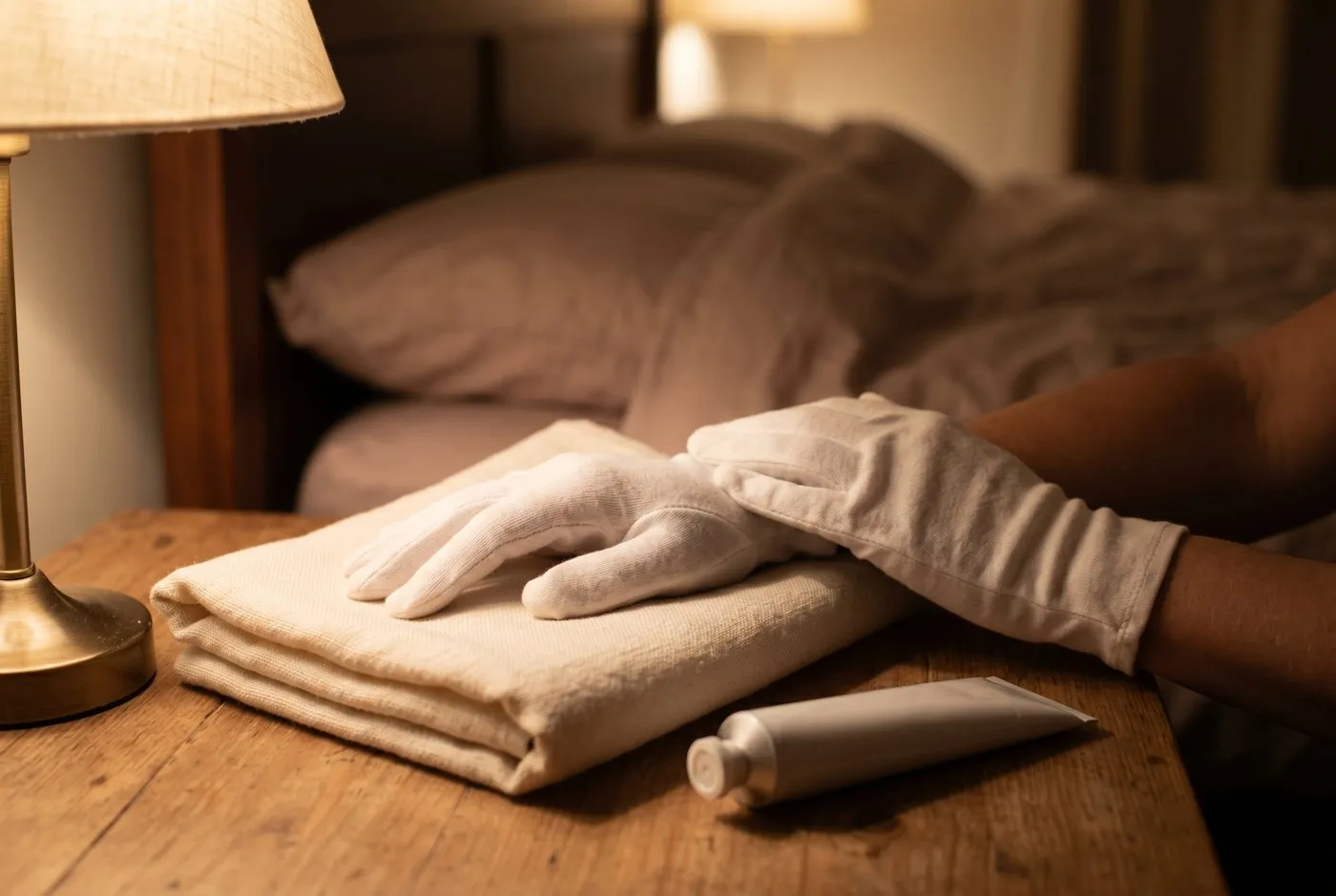
Cotton gloves over a thick cream keep it working on the cracks all night instead of rubbing off on the pillow.
A simple hand-care routine through the year
- Before gardening: rub in a barrier balm and put on gloves.
- After every wash: pat dry and moisturise straight away, while the skin is still slightly damp. Keep a cream by the back door and every sink.
- At night: a thick repair cream, with cotton gloves if your hands are cracked.
- In winter: wear warm gloves outdoors, as cold, dry air cracks skin fast.
Some plants irritate skin too. The milky sap of euphorbias can cause painful rashes, so always wear gloves when cutting them back.
Common mistakes that keep hands cracked
- Washing without moisturising. Every wash strips oils. Wet hands left to dry end up tighter than before.
- Perfumed creams on cracked skin. Fragrance stings open cracks and can cause rashes. Use fragrance-free until your hands heal.
- Filing all the hard skin off. A little hard skin protects working hands. Keep it soft with urea cream so it bends instead of splitting.
- Gardening bare-handed with open cracks. Soil can carry germs, including the bacteria that cause tetanus. Cover broken skin, wear gloves and keep your tetanus jabs up to date.
- Ignoring cracks that won’t heal. If a crack bleeds, weeps or won’t close, it’s past what hand cream can fix.
When should cracked hands see a pharmacist or GP?
Hand cream handles dry and mildly cracked skin. It can’t fix an infection, dermatitis or eczema.
See a pharmacist for split skin that bleeds, weeps or won’t heal, for itchy, scaly patches, or for a rash that keeps coming back. They can suggest stronger moisturisers or a mild steroid cream for inflamed skin.
See a GP if the skin is red, hot, swollen, oozing pus, crusting yellow or spreading, as these can be signs of infection. Go too if a pharmacy cream hasn’t helped within a couple of weeks. Hand rashes that keep returning can be an allergy, for example to latex gloves, and are worth getting checked. The NHS page on contact dermatitis explains the signs.
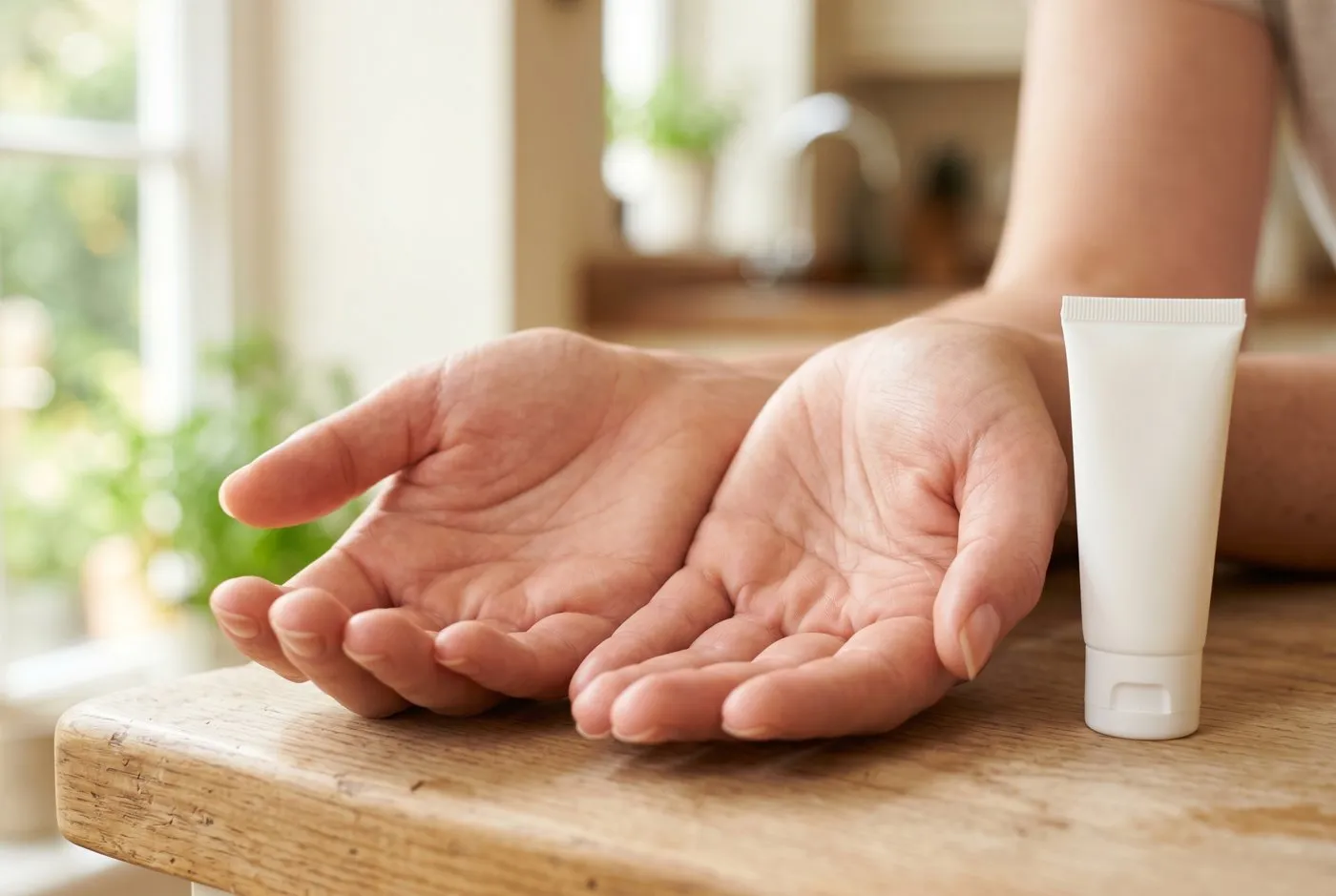
Once your hands have healed, keep a fragrance-free cream by the sink and the barrier balm by the back door to stay ahead of the cracks.
Frequently asked questions
What hand cream is best for gardeners?
A thick urea or lanolin repair cream at night, plus a barrier balm by day. Put the barrier balm on before you garden to keep soil and water off the skin. Use the repair cream after washing and overnight. Fragrance-free versions suit cracked or sensitive skin best.
How do I heal cracked gardener’s hands?
Moisturise after every wash and use a thick cream under cotton gloves overnight. Repeat every night for a week or so. Wear gloves for rough jobs and use a barrier balm during the day. Deep cracks that bleed or won’t close need a pharmacist.
Should I use barrier cream or repair cream?
Use both, at different times of day. A barrier cream goes on before gardening to keep out soil and water. A repair cream goes on after washing and at night to heal the skin. One without the other rarely fixes sore hands.
Is fragrance-free hand cream better for gardeners?
Yes, especially for cracked or sensitive skin. Perfumes and essential oils can sting split skin and sometimes cause an itchy rash. Save scented creams for hands that are just a bit dry.
When should cracked hands see a doctor?
When cracks bleed, weep, spread or won’t heal in a couple of weeks. Redness, heat, swelling, pus or yellow crusts can mean infection. Itchy, scaly patches may be dermatitis. A pharmacist can advise first; see a GP if it gets worse.
Sore hands rarely travel alone. Sharp secateurs mean less gripping and rubbing, the gardener’s back pain guide covers posture and tools, and accessible gardening has easy-grip aids that spare stiff hands. The winter gardening jobs checklist covers the cold-weather work that’s hardest on skin, and there’s more on the how-to hub.
Our team produces practical UK gardening guidance from source research, contributor records and established horticultural practice. Editorial standards are overseen by Matt W.