
Key takeaways
- Rock dust is finely ground rock, usually basalt, that releases minerals very slowly
- It isn't a fertiliser, so keep using compost, manure or feed as normal
- Spread it at the rate on the pack, usually in autumn, and mulch over it
- Any benefit builds over several years, and garden evidence is limited
- It's most worth trying on long-cropped veg beds, not new beds or ornamental borders
- Wear a dust mask when spreading it, as the fine powder blows about
Rock dust is finely ground volcanic rock, sold as a slow mineral top-up for the soil. It isn’t a miracle feed, and it isn’t snake oil either. It breaks down very slowly, so any benefit builds over years, and evidence of real gains in home gardens is limited.
If you’re curious, it’s most worth trying on veg beds that have been cropped hard for years. Use it alongside compost, never instead of it. This guide explains what it is, how to use it, and when your money is better spent elsewhere.
What is rock dust?
Rock dust (also sold as rockdust, basalt dust or volcanic rock dust) is volcanic rock, usually basalt, milled to a fine powder. As it slowly weathers in the soil, it releases small amounts of minerals such as calcium, magnesium and iron, plus traces of others.
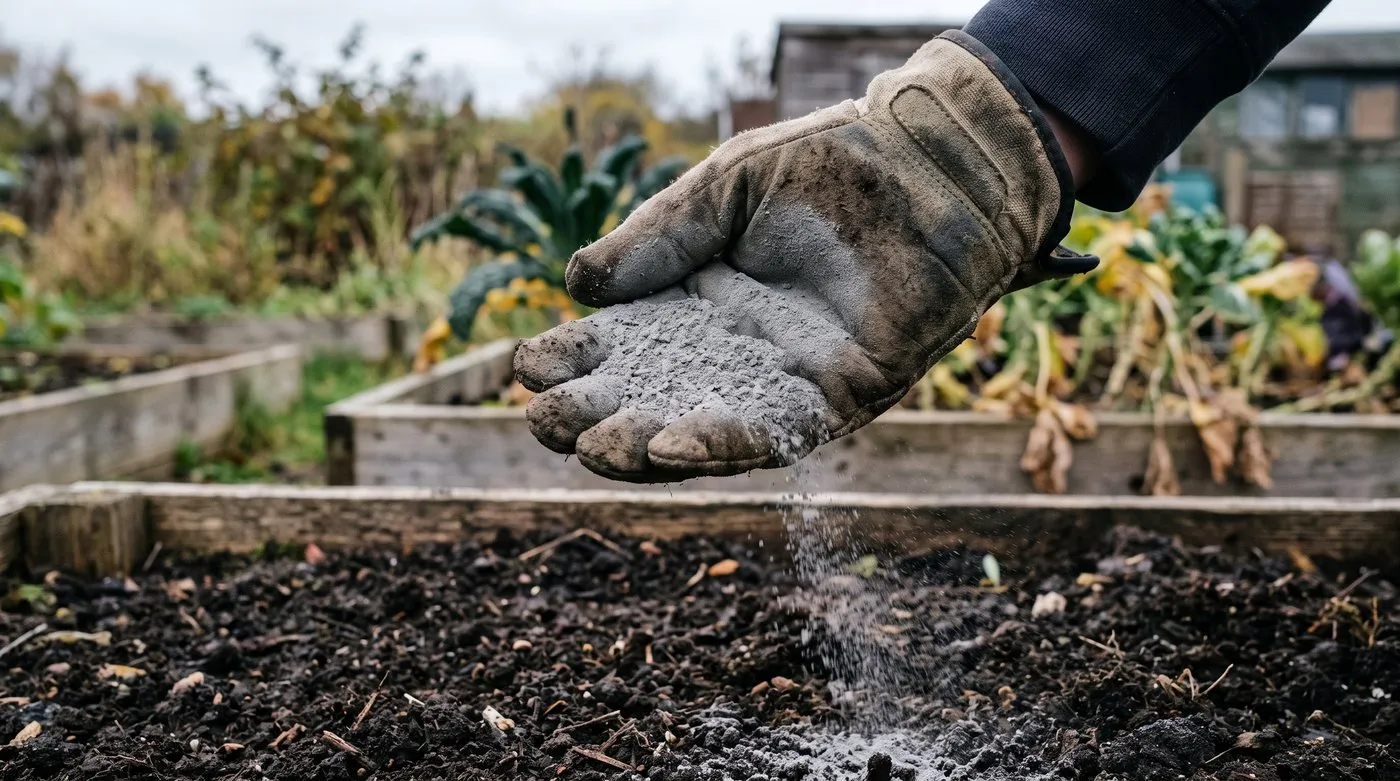
Rock dust is just volcanic rock ground to a fine powder. It breaks down slowly over years, not weeks.
It is not a fertiliser. It supplies very little nitrogen, phosphorus or potassium, the main nutrients plants need to grow. Think of it as a slow, long-term soil improver, not plant food.
Some products blend rock dust with seaweed or other ingredients. Those can act a little faster, because the extra ingredients add their own nutrients. Check the label so you know what you’re buying.
You may see claims that basalt’s “paramagnetic” properties energise plants. There’s no good evidence for this, so ignore it.
Does rock dust actually work?
The honest answer is: maybe a little, slowly, in some soils. The chemistry is real. Fine rock does weather and release minerals. What’s less clear is whether the effect is big enough for gardeners to notice.
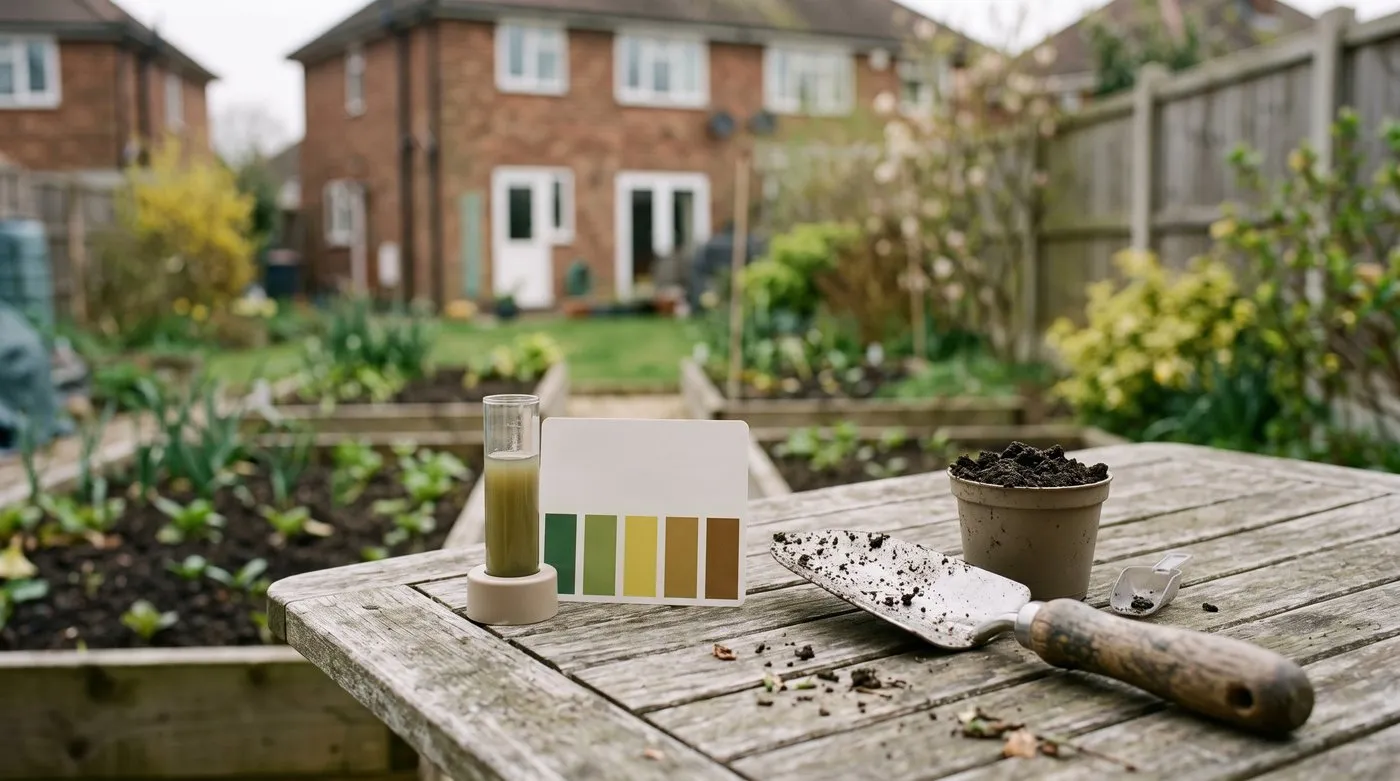
A quick soil test tells you whether there’s really a problem before you spend money on fixes.
It’s most likely to help where soil has been cropped hard for years without much organic matter going back. Light, sandy soils that lose nutrients easily are another candidate. Most garden soils fed with compost every year are unlikely to be short of the minerals rock dust supplies.
If you think a bed is short of something, a soil test is the best first step. It tells you whether there’s a real problem to fix. The guide to soil testing and pH explains how. For specific shortages, the trace elements guide shows what each one looks like in plants.
How rock dust compares with other soil improvers
Each improver does a different job. This table helps you pick the right one for your problem.
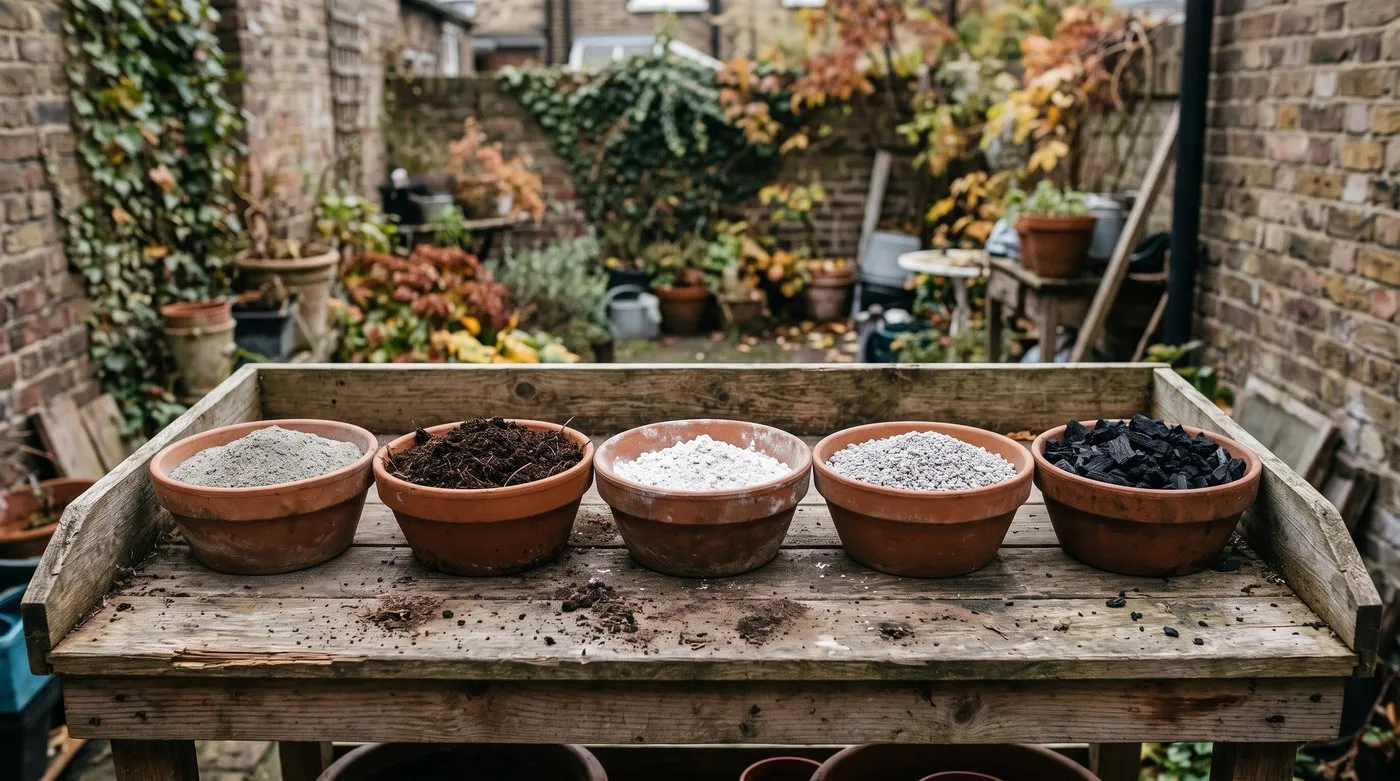
Each improver does a different job. For most gardens, plain garden compost does the most good.
| Improver | What it does | How fast | Best for |
|---|---|---|---|
| Rock dust | Slow mineral top-up | Years | Long-cropped veg beds |
| Garden compost or manure | Adds organic matter, feeds soil life | One season | Almost every soil |
| Garden lime | Makes acid soil less acidic | Months | Acid soil, brassica beds |
| Gypsum | Adds calcium without changing pH | Months | Some clay soils |
| Biochar | Long-lasting carbon that holds water and nutrients | Years | Mixing with compost |
For most gardens, compost does far more for the money than rock dust. See the guides to garden lime and biochar for gardens if those fit your soil better.
How to use rock dust in the garden
Autumn is the best time. Winter rain, frost and worms have months to start working it in before spring.
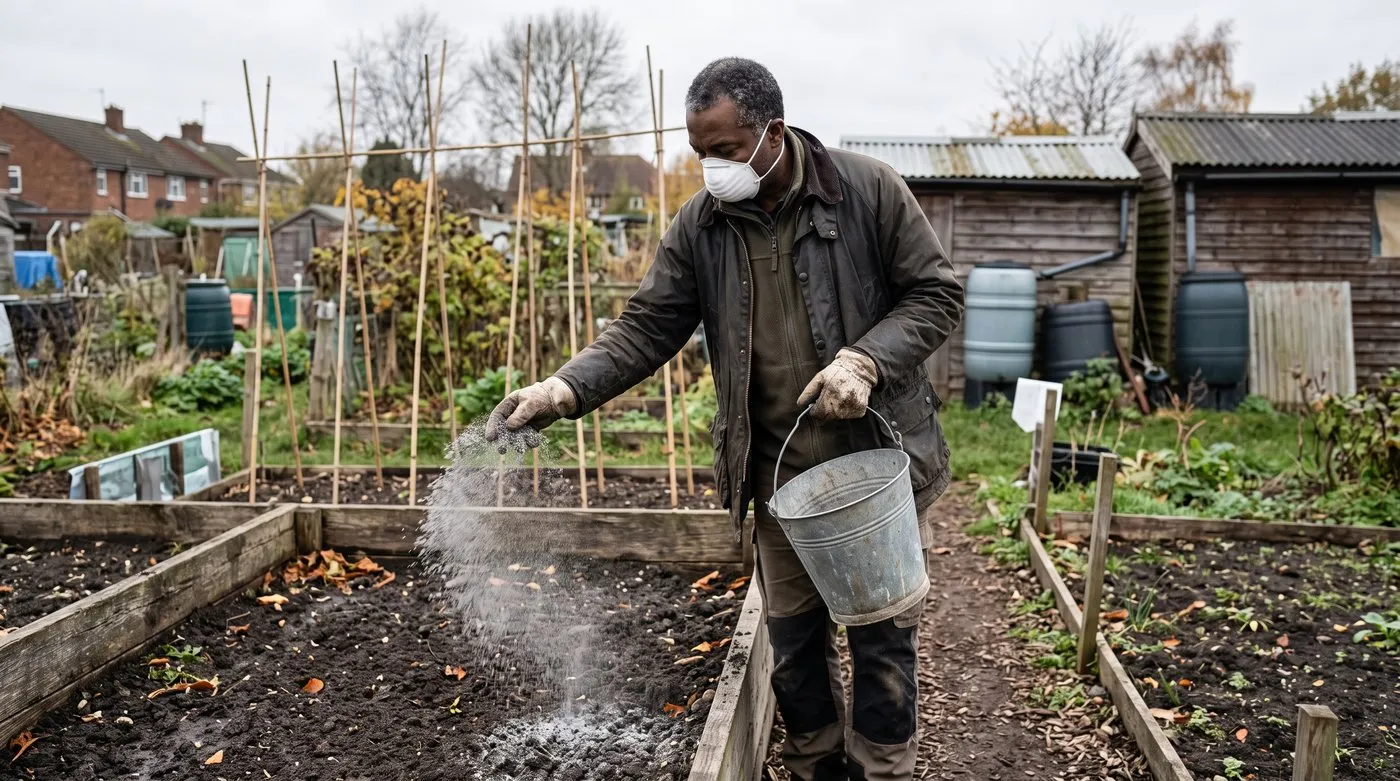
Pick a still day and wear a mask. Fine rock dust blows about easily before it’s raked in.
- Clear the bed of finished crops and weeds.
- Spread the rock dust evenly at the rate on the pack. Do it on a still day and wear a dust mask.
- Rake it lightly into the top few centimetres. On a no-dig bed, just leave it on the surface.
- Mulch over the top with a few centimetres of compost. This stops it blowing away and helps soil life work it in.
- Repeat once a year if you want to keep going.
For pots, mix a small amount into the compost at potting time, following the label. It’s best in compost you plan to reuse for a few seasons, as a single summer is too short for it to do much. For the wider no-dig routine, see the no-dig gardening guide.
Avoid spreading it on dry soil in summer. It sits on top and blows about. Keep it off windy days, and keep children and pets away until it’s watered in or mulched.
When rock dust is a poor buy
Some situations are unlikely to see any benefit.
- New beds filled with fresh topsoil and compost. They’re already well supplied with minerals.
- Chalky or limestone soils. These are naturally rich in calcium and magnesium. Test first.
- One summer in a pot or grow bag. Rock dust is far too slow to help in a single season.
- Ornamental borders. Leaves and stems fall back onto the soil, so few minerals leave the bed. Compost and mulch matter more.
- Problems that aren’t minerals. Blossom end rot in tomatoes, for example, is usually down to uneven watering.
Fitting rock dust into a soil-building year
Rock dust works best as one small part of a wider plan. Compost does the heavy lifting.
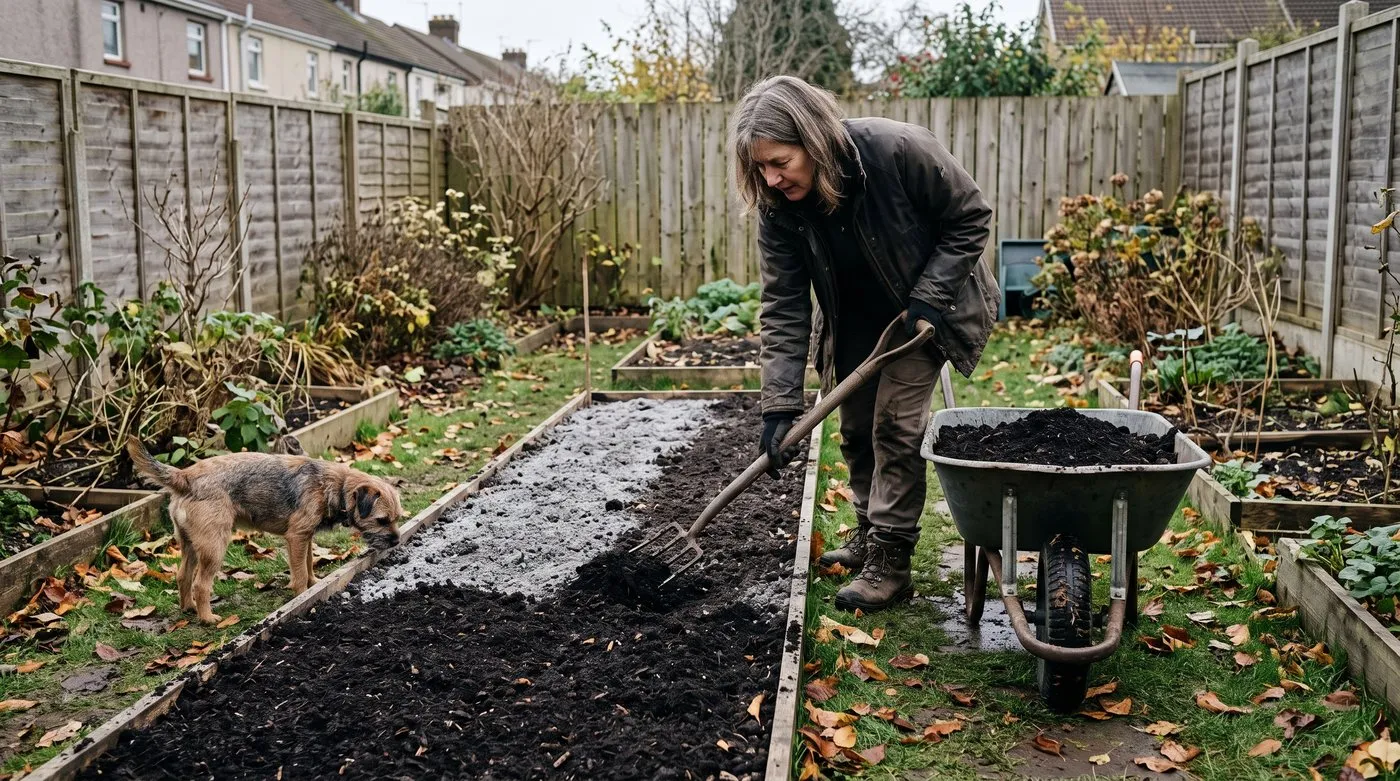
A compost mulch over the top keeps rock dust in place and does most of the soil-building work.
| When | What to do |
|---|---|
| September to October | Clear finished crops and weeds |
| Late October to November | Spread rock dust if using, then mulch with compost |
| Winter | Leave beds covered so worms and frost do the work |
| Late winter | Loosen any compacted patches with a fork, without turning the soil |
| Spring | Sow and plant. Feed hungry crops as normal |
| Late summer | Sow green manures on empty ground |
Green manures such as phacelia or field beans add organic matter between crops. The green manures guide explains when to sow them.
Common mistakes with rock dust
- Treating it as a fertiliser. It supplies very little of the main nutrients. Keep feeding as normal.
- Expecting quick results. Any effect builds over years.
- Skipping the soil test. You may be fixing a problem you don’t have.
- Spreading on a windy day without a mask. Fine dust blows everywhere and isn’t nice to breathe in.
- Leaving it uncovered. A compost mulch over the top keeps it in place.
Frequently asked questions
What is rock dust and how does it work?
Rock dust is finely ground volcanic rock, usually basalt. It breaks down slowly in the soil, releasing small amounts of minerals such as calcium, magnesium and iron. It isn’t a fertiliser and won’t feed plants quickly. Results vary, and evidence of benefits in gardens is limited.
How much rock dust should I use per square metre?
Follow the rate on the pack, as products vary. Most gardeners apply it once a year, raked lightly into the surface in autumn or spring. A compost mulch on top helps soil life work it in. For pots, mix in a small amount as the label directs.
Does rock dust replace fertiliser?
No, rock dust doesn’t replace fertiliser. It supplies some minerals but very little nitrogen, phosphorus or potassium. You still need compost, manure or a suitable feed. Treat rock dust as a possible extra, not a substitute.
Is rock dust the same as garden lime?
No, they do different jobs. Garden lime is used to make acid soil less acidic. Rock dust is a slow mineral top-up and has little effect on pH. Test your soil before using either.
When will I see results from rock dust?
Don’t expect quick results. It breaks down very slowly, so any effect builds over years rather than weeks. Many gardeners notice little change in the first season. Keep adding compost and feeding as normal and judge it over several seasons.
Is rock dust safe to use?
Yes, used sensibly, but avoid breathing in the dust. Spread it on a still day, wear a dust mask and gloves, and water it in or cover it with mulch. Store sacks dry and out of reach of children.
Now you know where rock dust fits, put most of your effort into organic matter with the guide to making compost at home, or browse more how-to guides.
Our team produces practical UK gardening guidance from source research, contributor records and established horticultural practice. Editorial standards are overseen by Matt W.


