Key takeaways
- Most gardens that get compost or manure have plenty of trace elements
- Soil pH causes most shortages, so test pH before buying anything
- Chalky soil locks up iron and manganese, giving yellow leaves with green veins
- Boron shortage shows as brown hearts in swede, beetroot and cauliflower
- Whiptail in cauliflower and broccoli means molybdenum shortage on acid soil
- Use a labelled trace element product at the label rate, never home-mixed chemicals
Most UK gardens never need extra trace elements. If you add compost, manure or leaf mould, your soil almost certainly has enough. When shortages do show up, the usual culprit is soil pH locking nutrients away, not soil that has run out.
This guide covers the trace element problems that really happen in UK veg plots and fruit gardens: how to spot them and how to fix them safely. For how chelated feeds work and which to buy, see the guide to chelated nutrients.
What are trace elements?
Trace elements are nutrients plants need in tiny amounts. The main ones are iron, manganese, boron, molybdenum, zinc and copper.
Plants need far more nitrogen, phosphorus and potassium. Those are the big three on a fertiliser pack, explained in the guide to NPK numbers. Calcium, magnesium and sulphur sit in the middle. Trace elements are needed in such small amounts that a little too much can be as harmful as too little.
| Trace element | What a shortage looks like | Most likely on |
|---|---|---|
| Iron | Yellow young leaves with green veins | Chalky or alkaline soil |
| Manganese | Yellowing between veins, similar to iron | Chalky, alkaline or over-limed soil |
| Boron | Brown hearts in swede and beetroot, hollow cauliflower stems | Light, sandy or over-limed soil in dry years |
| Molybdenum | Narrow, strap-like “whiptail” leaves on cauliflower and broccoli | Acid soil |
| Zinc and copper | Rare in gardens | Very light or peaty soils |
Why soil pH matters more than anything else
pH controls whether plants can reach the trace elements already in the soil. Most shortages are really a pH problem.
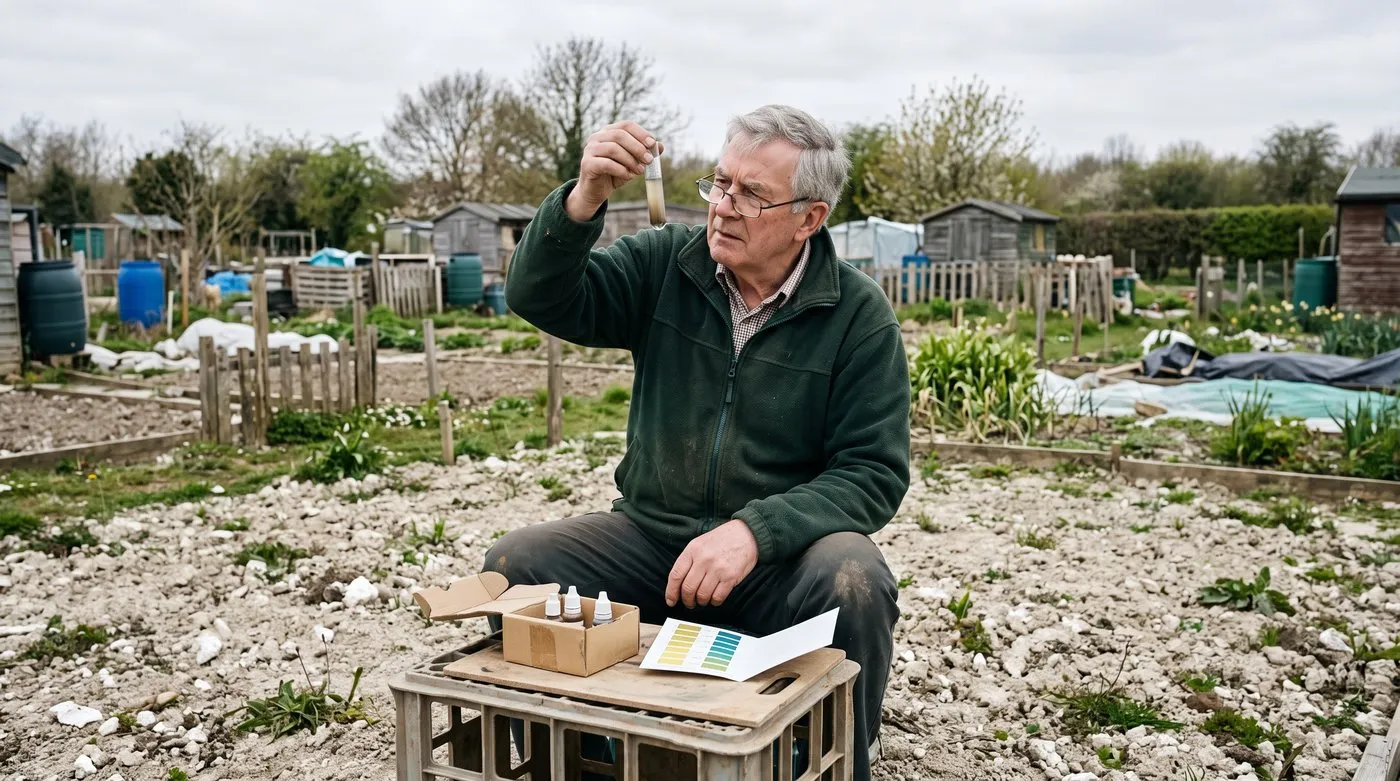
A cheap pH test explains most trace element problems. Do it before you buy any feed.
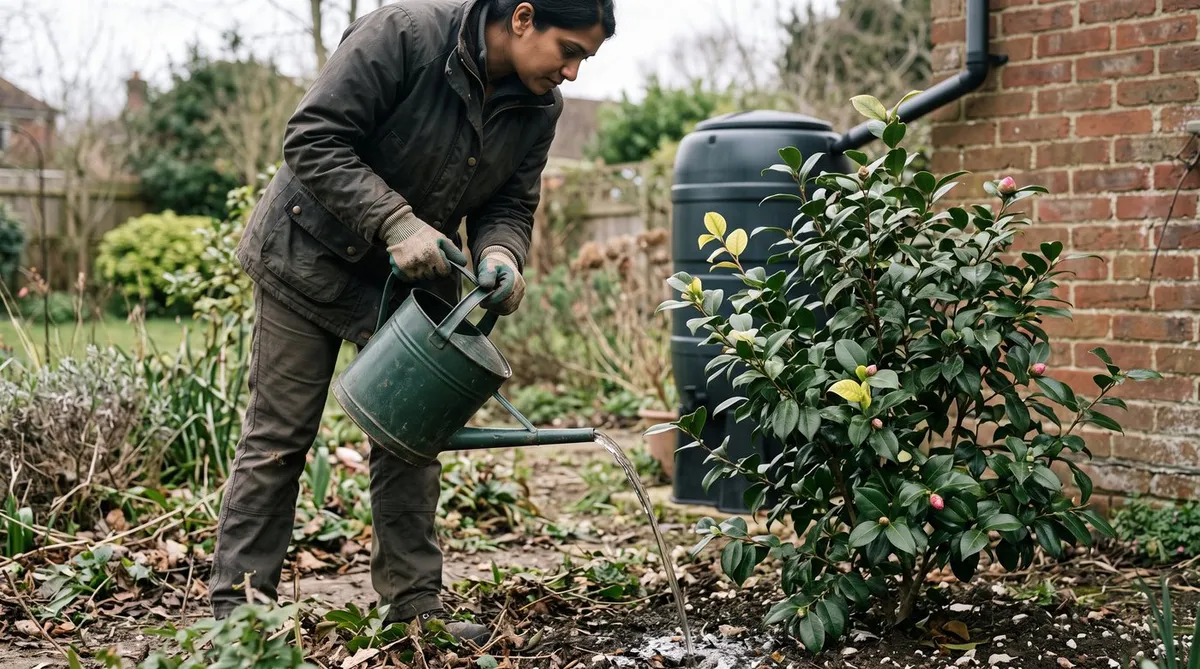
On chalky or alkaline soil, iron and manganese become locked up. Acid-loving plants such as rhododendrons, camellias and blueberries suffer first. Raspberries and some fruit trees can show it too. On acid soil, molybdenum becomes hard for plants to take up, and brassicas show it.
So before you buy any trace element product, test your soil pH with a simple kit. The guide to soil pH explained shows how to test it and what the numbers mean.
On chalk, you can’t make the soil acid for long, so don’t try with sulphur on a whole border. Grow plants that suit it, and keep acid-lovers in pots of ericaceous compost.
Boron: brown hearts in roots and brassicas
Boron shortage shows up inside the crop, so you often find it at harvest. Look for these signs:
- Swede and turnip: grey-brown, watery patches in the centre, called brown heart.
- Beetroot: dark, sunken patches inside the root and sometimes on the surface.
- Cauliflower: hollow stems and brown patches on the curd.
- Celery: cracks across the leaf stalks.
It’s most likely on light, sandy soils, where boron washes out, and on soil that has had too much lime. Dry summers make it worse because plants can’t take up boron from dry soil.
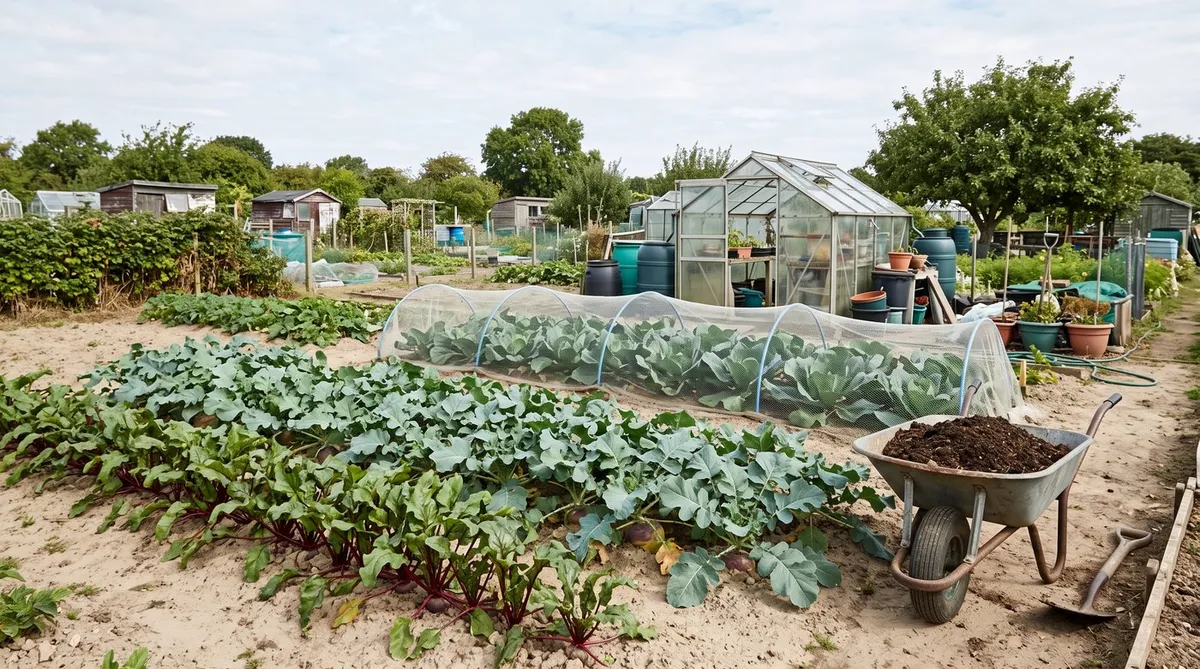
The fix: keep adding organic matter, water root crops steadily in dry spells, and don’t over-lime. If you’ve had brown heart before, use a trace element fertiliser that lists boron on the label, at the label rate, before sowing. Don’t mix your own from borax. The safe dose is tiny and it’s very easy to overdo, which poisons the soil for later crops.

Dark patches inside the root can point to boron shortage. Steady watering and plenty of compost go a long way to stopping it.
Iron and manganese: yellow leaves with green veins
Yellow leaves with green veins usually mean iron or manganese is locked up by alkaline soil. Gardeners call this lime-induced chlorosis. It shows on the youngest leaves first.
Iron and manganese shortages look almost the same, and both often happen together. Raspberries, apples, pears, camellias and other acid-lovers are the usual victims on chalk.
The quick fix is a sequestered iron or trace element product, used at the label rate. It greens up the leaves for the season. The long-term fix is growing plants that suit your soil, mulching with plenty of organic matter and not liming soil that doesn’t need it.
Yellow leaves have other causes too, such as magnesium shortage, waterlogging or nitrogen shortage. The guide to chlorosis and yellow leaves helps you read the pattern before treating.

Yellow between green veins on young leaves is the classic sign of iron or manganese being locked up by chalky soil.
Molybdenum: whiptail in cauliflower and broccoli
Whiptail is the tell-tale sign of molybdenum shortage. Young leaves grow thin, twisted and strap-like, with little leaf blade. Cauliflower heads stay tiny or don’t form at all. Broccoli can be affected too.
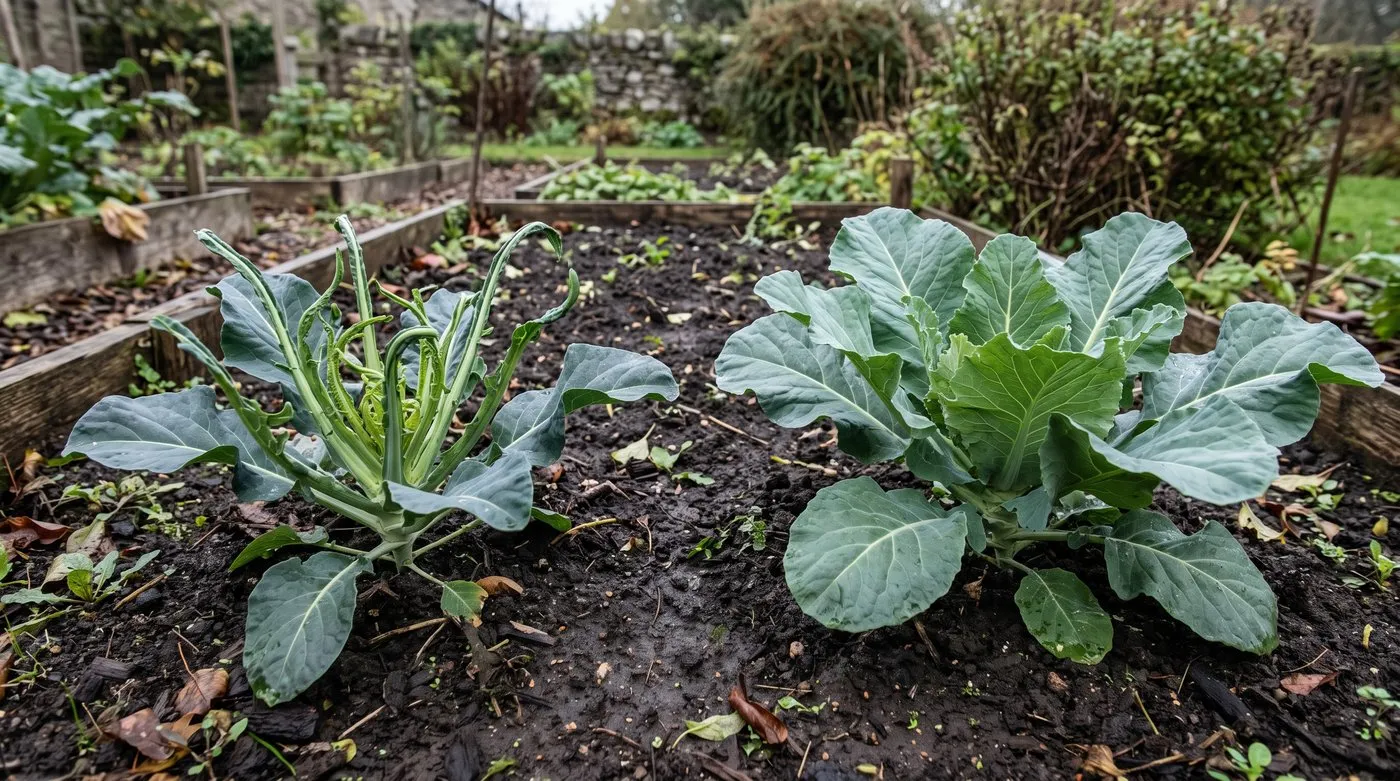
Thin, twisted centre leaves like these mean whiptail. Liming acid soil before planting usually stops it.
It almost always happens on acid soil. Plants struggle to take up molybdenum when the soil is too acid.
The fix is to lime acid soil in the autumn or winter before you plant brassicas, aiming for around neutral. Once the pH is right, the problem usually stops. The garden lime guide explains how much to use for your soil.
What about zinc and copper?
Zinc and copper shortages are rare in UK gardens. Leave them alone unless a lab soil test shows a real problem.
Don’t add copper sulphate or zinc sulphate “just in case”. Both build up in the soil over the years and harm earthworms and other soil life. Regular compost and manure supply all the zinc and copper most gardens need.
How to test soil for trace elements
Start with a pH test. It explains most trace element problems for very little effort.
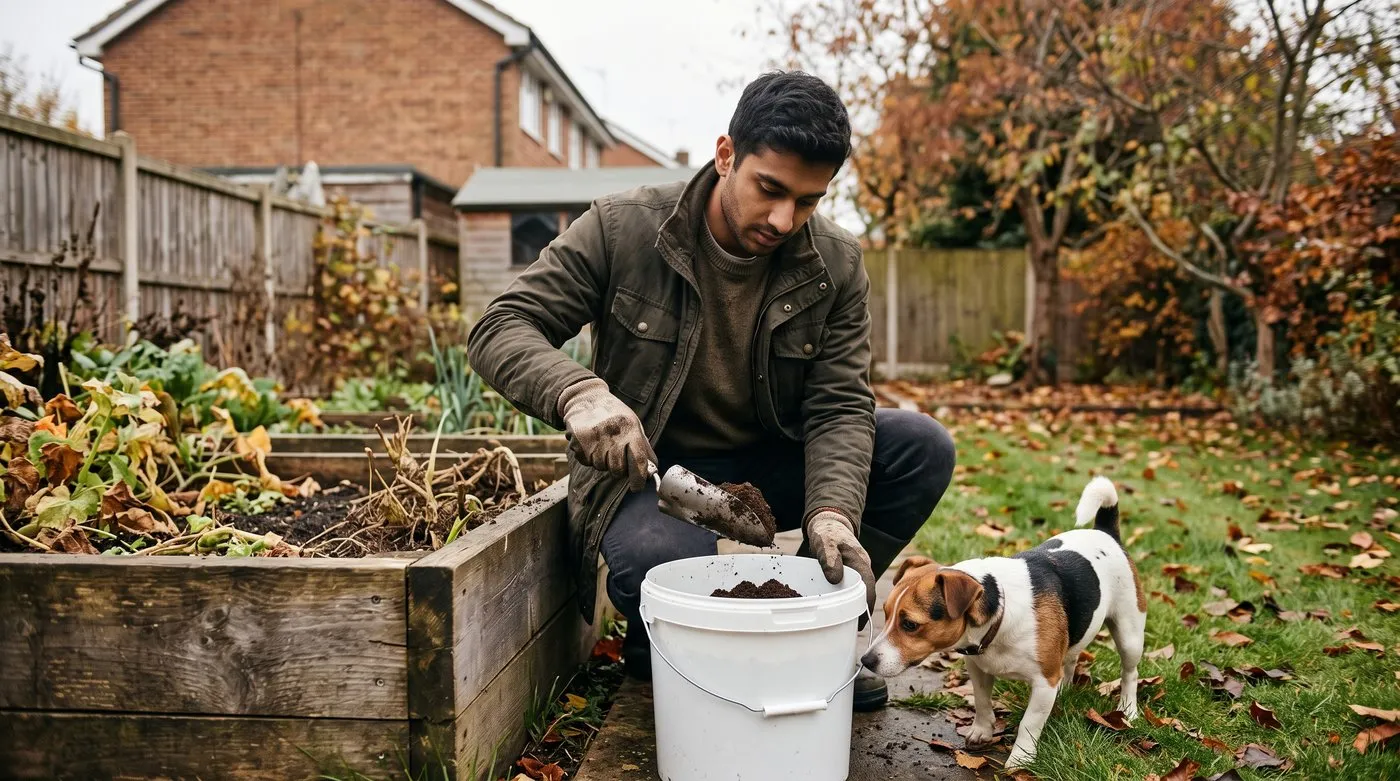
Mix soil from several spots across the bed for a fair sample. One scoop from one corner can mislead you.
If you still suspect a shortage, a lab soil analysis is the next step. Some soil testing labs offer trace element tests to home gardeners. To take a sample, collect soil from five to seven spots across the bed, about a spade’s depth down. Mix it in a clean bucket and send off a portion.
A simple field check helps too. If one crop shows signs every year in the same bed, while others are fine, a trace element problem is more likely than disease.
Seaweed, compost and wood ash
Organic matter is the everyday source of trace elements. Compost, well-rotted manure and leaf mould all carry small amounts of every one.
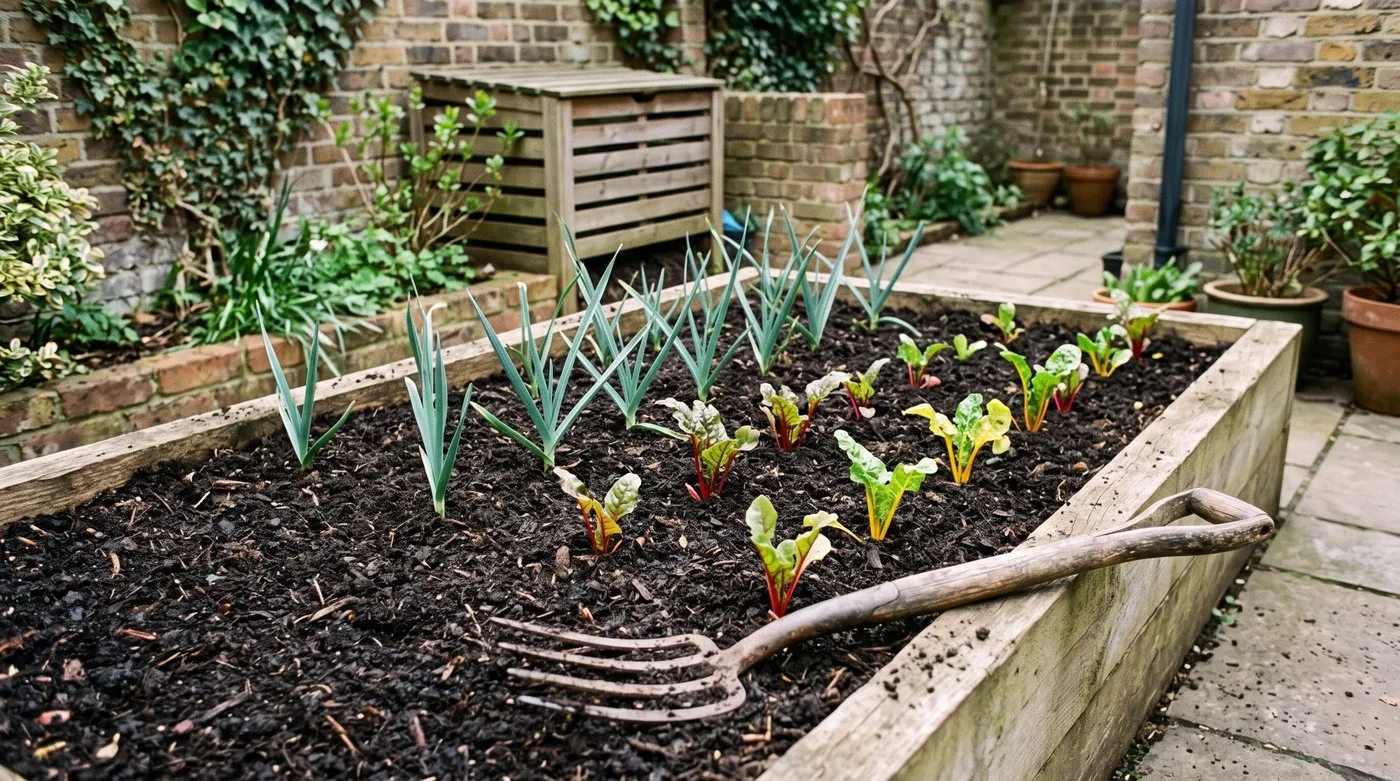
A yearly layer of compost carries a little of every trace element. It’s the simplest way to keep soil topped up.
Seaweed feed contains small amounts too. It’s a pleasant general tonic but won’t cure a real shortage. The guide to seaweed feed covers liquid and meal forms.
Wood ash is mainly potash and lime. It raises soil pH, which can make iron and manganese shortages worse. Keep it off chalky soil, away from acid-loving plants and away from potatoes, where it encourages scab.
Common trace element mistakes
Treating without testing pH. Most shortages are a pH problem. Adding a trace element feed without fixing the pH is a short-term patch.
Over-liming. Too much lime on soil that doesn’t need it causes iron, manganese and boron shortages. Only lime when a test says the soil is acid.
Mixing your own chemicals. Borax, copper sulphate and zinc sulphate are easy to overdose and hard to undo. Use a labelled trace element product at its label rate.
Mistaking a watering problem for a nutrient one. Blossom end rot on tomatoes and bitter pit on apples come from uneven watering, not trace elements. The guide to blossom end rot explains why.
Expecting seaweed or ash to fix everything. They’re gentle extras, not cures.
For the bigger nutrients that sit between NPK and trace elements, read the guide to calcium, sulphur and magnesium next. More soil and feeding guides are in the how-to hub.
Frequently asked questions
What are trace elements in garden soil?
They are nutrients plants need in tiny amounts. The main ones are iron, manganese, boron, molybdenum, zinc and copper. Plants need far less of them than nitrogen or potash, but a shortage can still stunt growth or spoil a crop.
Do I need to add trace elements to my garden?
Usually not, if you add compost or manure regularly. Organic matter carries small amounts of every trace element. Problems mostly come from soil pH locking nutrients up, so test pH first and only treat a clear problem.
How do I know if my soil is low in boron?
Look for brown or hollow hearts in swedes, turnips and beetroot. Cauliflowers may have hollow stems and brown curds, and celery stems crack. It is most likely on light, sandy or over-limed soil, especially in dry summers.
Why do my plants have yellow leaves with green veins?
Usually iron or manganese shortage caused by chalky or alkaline soil. The nutrients are in the soil but locked up. A sequestered iron or trace element feed gives a quick fix. Long term, grow plants that suit your soil.
What causes whiptail in cauliflowers?
Whiptail is caused by molybdenum shortage on acid soil. Leaves grow thin and strap-like and the heads fail. Lime acid soil to around neutral before planting brassicas, and the problem usually stops.
Are wood ash and seaweed good trace element sources?
Both contain small amounts, but neither cures a real shortage. Seaweed feed is a gentle general tonic. Wood ash is mainly potash and raises pH, so keep it off chalky soil and away from acid-loving plants.
Our team produces practical UK gardening guidance from source research, contributor records and established horticultural practice. Editorial standards are overseen by Matt W.