
Key takeaways
- Seaweed feed is a gentle tonic, low in nitrogen, phosphorus and potassium
- Liquid seaweed works quickly; dried seaweed meal breaks down slowly in the soil
- Use liquid seaweed every two to three weeks from about April to September
- Always dilute it as the label says, and spray leaves in the cool of the evening
- It's most useful for seedlings, new plantings and pots, alongside a proper feed
- Hungry crops such as tomatoes still need a tomato feed or balanced fertiliser
Seaweed feed is a gentle tonic for plants, not a full meal. It contains a little of the main plant nutrients plus a range of trace elements. Used every few weeks through spring and summer, it can give seedlings, new plantings and pots a helpful boost.
It comes in two main forms: liquid seaweed, which you dilute and water or spray on, and dried seaweed meal, which you scatter on the soil. This guide covers how and when to use each, and what not to expect. For the bigger picture on feeding, see how to feed garden plants.
What is in seaweed feed?
Garden seaweed products are made from brown seaweeds such as kelp, mostly harvested from cold North Atlantic waters. They contain small amounts of nitrogen, phosphorus and potassium, plus traces of minerals such as magnesium, iron and zinc. Seaweed also contains natural compounds that are thought to help root growth.
The main nutrients are low compared with a general fertiliser or a tomato feed. So seaweed on its own can’t feed a hungry crop. What it can do is act as a mild tonic alongside your main feed. If the numbers on fertiliser packs puzzle you, NPK explained makes sense of them.
Products vary, so always check the label for what’s in the bottle and how to dilute it.
Does seaweed feed actually work?
It can help, but the effects are usually gentle rather than dramatic. Some research suggests seaweed extracts may help root growth and help plants cope with stresses such as drought. Results vary between products, plants and growing conditions.
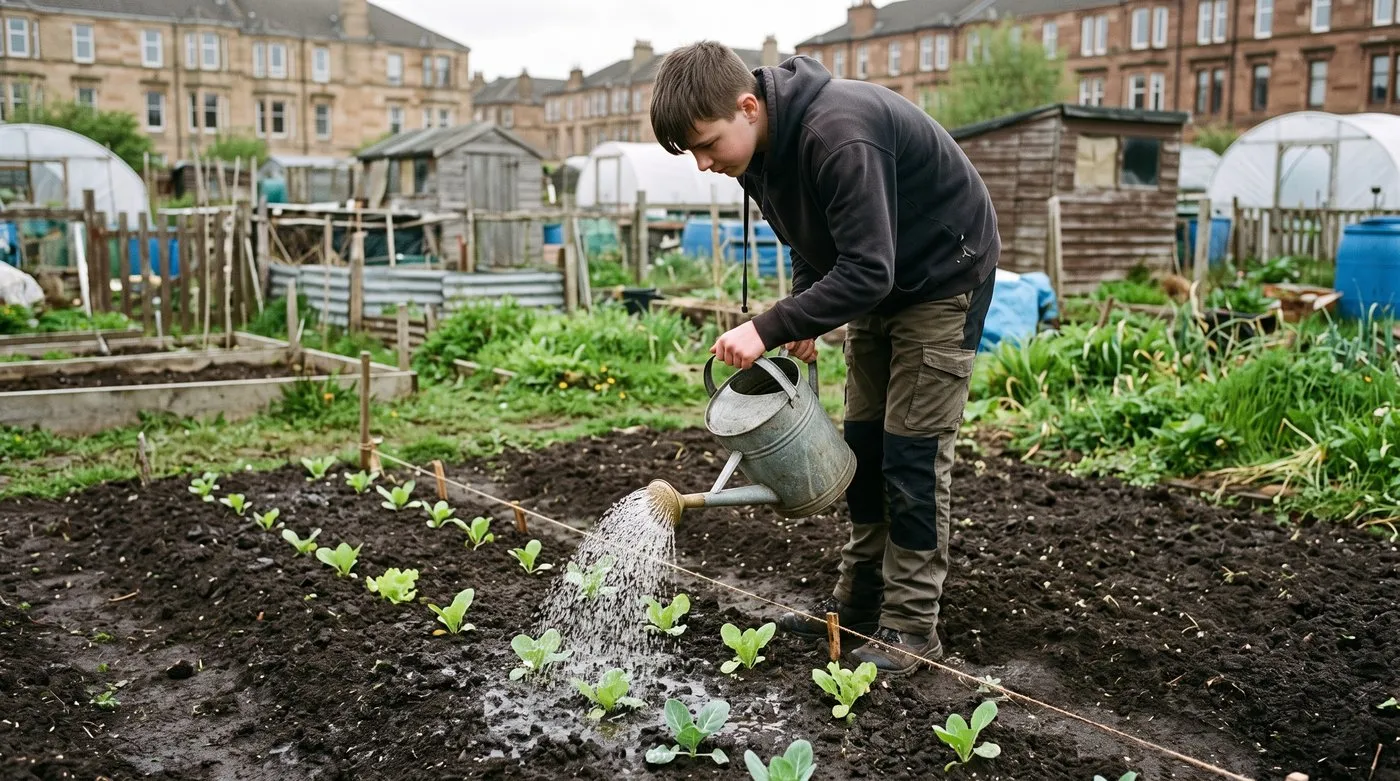
Watering new seedlings in with weak seaweed is a gentle help, not a miracle. Good soil still does most of the work.
Don’t expect a sudden burst of growth like you’d see from a high-nitrogen feed. And don’t rely on it to prevent disease. Healthy, well-grown plants cope better with problems, but seaweed isn’t a treatment.
The sensible view: seaweed is a useful extra if you enjoy using it. Good soil, compost and the right main feed still matter far more.
Liquid seaweed versus seaweed meal
The two forms do different jobs, and many gardeners use both.

Liquid seaweed works quickly, while dried seaweed meal breaks down slowly in the soil. Many gardeners use both.
| Liquid seaweed | Seaweed meal | |
|---|---|---|
| How it works | Fast, taken up through roots or leaves | Slow, breaks down in the soil |
| How to use | Dilute and water on, or spray on leaves | Scatter on the soil and rake in |
| When | Every 2-3 weeks, April to September | Once a year, usually spring |
| Best for | Pots, seedlings, new plantings | Veg beds, fruit and borders |
Seaweed meal can also go on the compost heap in thin layers. Use it at the rate on the pack.
How to use liquid seaweed
Dilute the concentrate exactly as the label says. Mix a fresh batch each time rather than storing diluted feed.

Spray leaves in the cool of the evening so the feed doesn’t scorch them in the sun.
As a soil drench. Water it onto the compost or soil around each plant with a watering can. This is the easiest method and suits pots, seedlings and new plantings.
As a foliar spray. Spray it onto the leaves until they’re lightly wet. Do it in the cool of the evening or early morning, never in hot sun, which can scorch leaves. Avoid spraying open flowers while bees are busy. Use a sprayer kept only for feeds, never one that has held weedkiller.
When planting. Watering new plants in with diluted seaweed is a popular way to help them settle. It suits bedding, veg seedlings and divided perennials.
How often? Every two to three weeks from about April to September is plenty. Plants in pots may need it a little more often, as their compost runs out of food faster. Stop feeding over winter, when plants are resting.
Prefer to brew your own liquid feed? The guide to making compost tea shows how.
How to use seaweed meal
On veg beds and borders. Scatter it over the soil in spring, at the rate on the pack, and rake it in lightly. It breaks down slowly through the season.
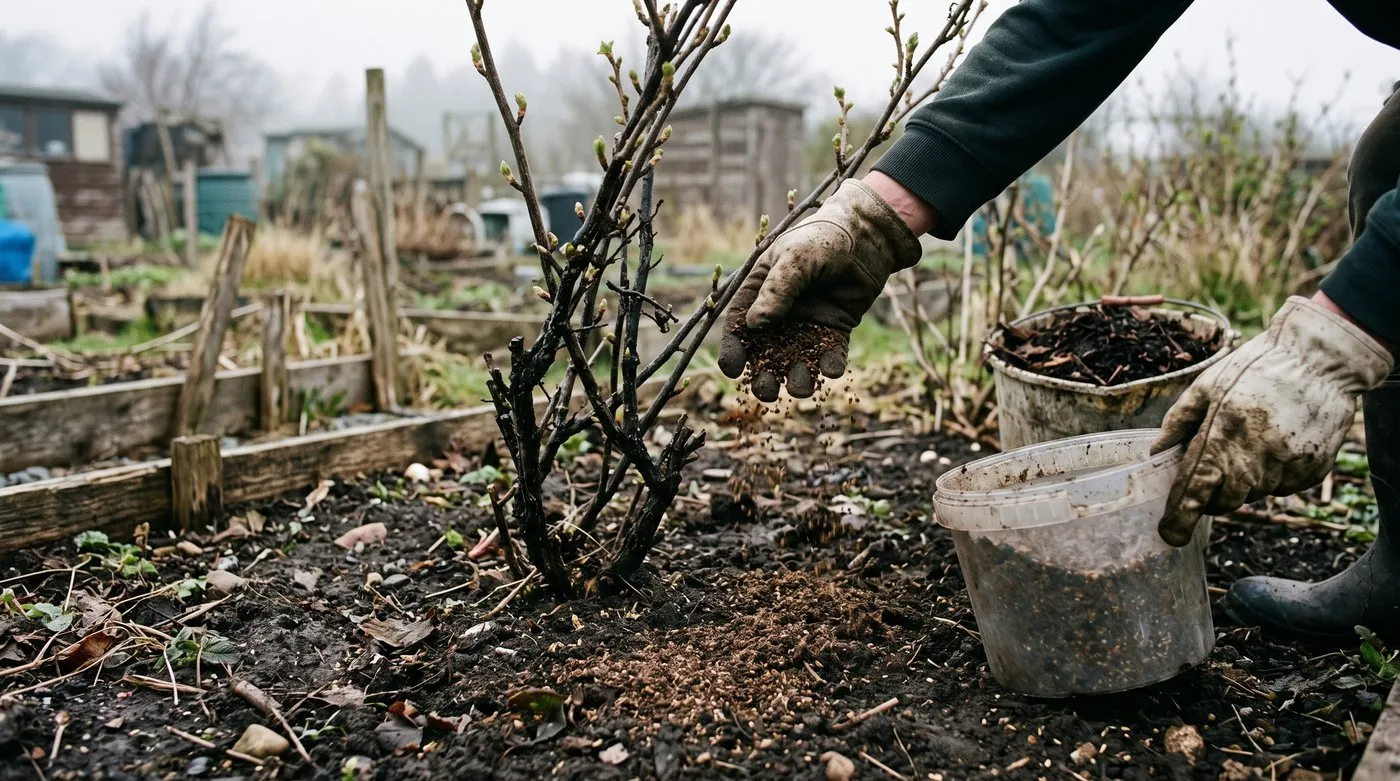
Scatter seaweed meal around fruit in spring, then mulch over the top so it breaks down steadily.
Around fruit. Sprinkle it around fruit trees and bushes in early spring, then mulch over the top. The guide to feeding fruit bushes explains what else they need.
In potting compost. Mix a small amount into the compost when potting up, following the label.
On the compost heap. A thin sprinkle between layers adds a little extra goodness.
Which plants benefit most from seaweed feed?
Seaweed is most useful where plants are young, stressed or growing in pots.

Pot-grown tomatoes enjoy a seaweed tonic between doses of their main tomato feed.
- Seedlings and young plants: a weak drench as they grow on and after planting out.
- Pots and containers: compost in pots runs short of nutrients, so a regular tonic helps alongside the main feed.
- Tomatoes and peppers: use it between doses of tomato feed, not instead. The tomato growing guide covers feeding through the season.
- Fruit: strawberries, currants and fruit trees in spring.
- Acid-loving plants: blueberries, camellias and rhododendrons in pots, alongside an ericaceous feed.
Using fresh seaweed from the beach
If you live near the coast, washed-up seaweed is a traditional garden treat. It makes a good mulch on veg beds and breaks down quickly in a compost heap.
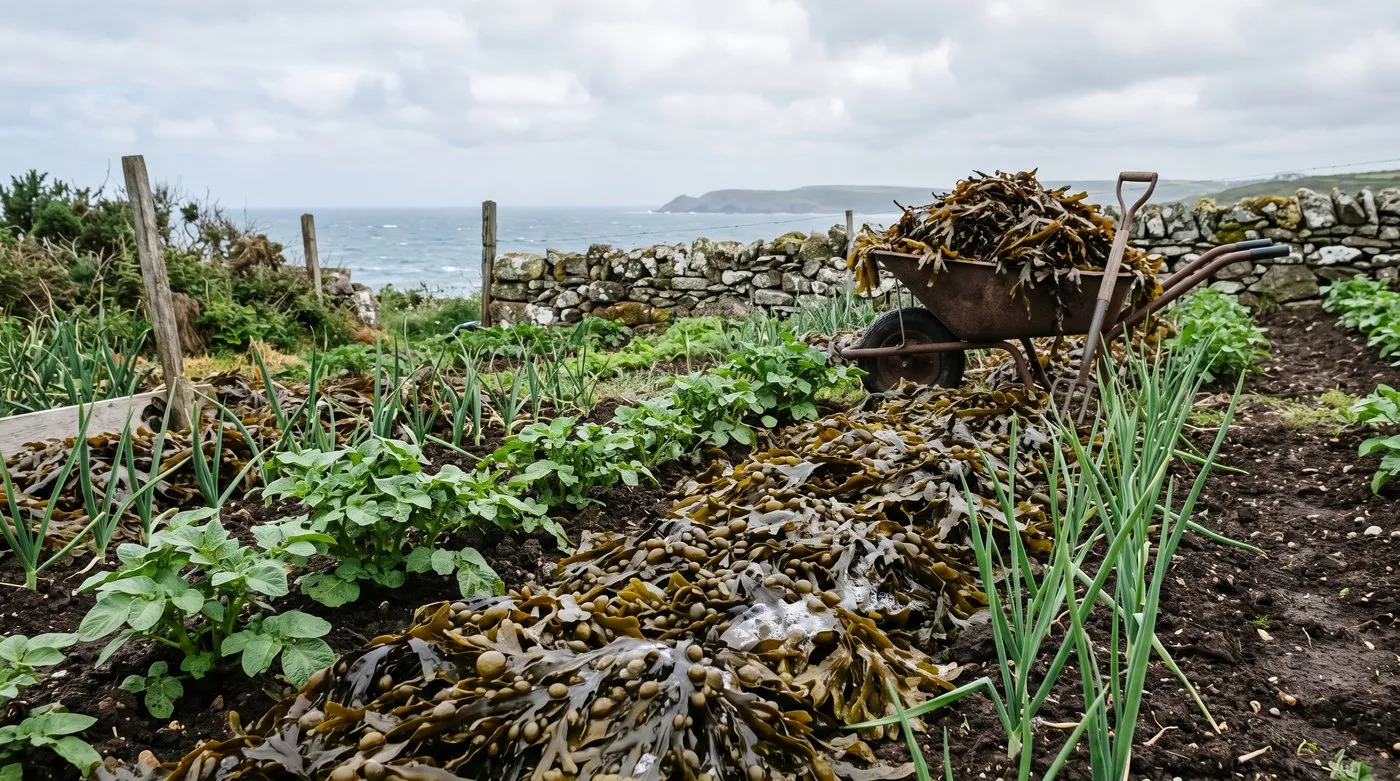
A thin layer of washed-up seaweed makes a handy mulch and soon breaks down into the soil.
Only take small amounts of seaweed that has washed up on the shore. Never cut it from rocks. Some beaches are protected or privately owned, so check local rules first. Spread it on the soil or mix it into the compost. Some gardeners rinse it first to wash off salt, but a thin layer on the beds is fine for most crops.
A simple seaweed feeding calendar
| Month | What to do |
|---|---|
| January to February | No feeding; plants are resting |
| March | Scatter seaweed meal on veg beds and around fruit |
| April | Start liquid seaweed on seedlings and pots |
| May to June | Liquid seaweed every 2-3 weeks; water in new plantings |
| July to August | Keep going on pots, tomatoes and stressed plants |
| September | Last liquid feeds of the season |
| October to December | No feeding; add any washed-up seaweed to the compost heap |
What seaweed feed can’t do
- Replace your main feed. Hungry crops need compost, manure or a balanced fertiliser too.
- Fix poor soil. Heavy clay or thin sandy soil needs organic matter. The guide to feeding the soil, not the plants explains the approach.
- Cure disease or pests. It’s a feed, not a treatment.
- Rescue frost damage. Cut out damaged growth and wait for new shoots.
Common mistakes with seaweed feed
- Using it as the only fertiliser. Plants look healthy but hungry crops crop poorly. Use it with a main feed.
- Mixing it too strong. More isn’t better. Stick to the label.
- Spraying in hot sun. Leaves can scorch. Spray in the evening or early morning.
- Storing diluted feed. Mix fresh each time.
- Feeding in winter. Resting plants can’t use it.
Frequently asked questions
What is seaweed feed and how does it work?
It’s a mild organic feed made from kelp and other brown seaweeds. You can buy it as a liquid or as dried meal. It contains small amounts of the main nutrients plus a range of trace elements. Gardeners use it as a tonic for general plant health, not as a complete feed.
Is liquid seaweed better than kelp meal?
Neither is better; they do different jobs. Liquid seaweed acts quickly and is watered on or sprayed onto leaves. Seaweed meal breaks down slowly in the soil. Many gardeners use the meal in spring and the liquid through the summer.
How often should I use seaweed feed?
Every two to three weeks through the growing season is plenty. That’s roughly April to September. Plants in pots may need it a little more often, diluted as the label says. There’s no point feeding over winter.
Does seaweed feed actually work?
It can help, but the effects are usually modest. Some research suggests it may help root growth and help plants cope with stress such as drought. Results vary between products and plants. It works best alongside good soil and a balanced feed.
What plants benefit most from seaweed feed?
Seedlings, new plantings and plants in pots tend to benefit most. Gardeners also like it for tomatoes, peppers, fruit and acid lovers such as blueberries. Any benefit is gradual and supports, rather than replaces, regular feeding.
Can you use seaweed feed as the only fertiliser?
Not for hungry crops, as it’s too low in the main nutrients. Tomatoes, potatoes and brassicas need compost, manure or a balanced fertiliser as well. Think of seaweed as a tonic, not the main course.
Can I use fresh seaweed from the beach?
Yes, washed-up seaweed makes a good mulch or compost ingredient. Only take small amounts where collecting is allowed, as some beaches are protected. Use it on the soil or the compost heap rather than as a liquid feed.
Now you know where seaweed fits, make a free home-grown feed with the comfrey liquid feed recipe, or browse more how-to guides.
Our team produces practical UK gardening guidance from source research, contributor records and established horticultural practice. Editorial standards are overseen by Matt W.


