Key takeaways
- Magnesium shortage shows as yellow between green veins on older leaves first
- Fix magnesium with an Epsom salts foliar feed at 20g per litre of water
- Blossom end rot is usually caused by uneven watering, not a lack of calcium in the soil
- On acid soil, lime adds calcium and dolomite lime adds magnesium too
- Gypsum adds calcium and sulphur without changing soil pH
- Compost and well-rotted manure supply all three in most gardens
Calcium, sulphur and magnesium are the “secondary” plant nutrients. Plants need them in smaller amounts than nitrogen, phosphorus and potassium, but more than trace elements such as iron or boron. In most UK gardens that get regular compost or manure, shortages are rare. When they do show up, the signs are easy to spot and the fixes are simple.
This guide explains what each one does, how to tell which is short and what to do about it. For the main three nutrients, the guide to NPK and what fertiliser numbers mean covers the basics.
What do calcium, sulphur and magnesium do?
Each of the three has its own job in the plant:
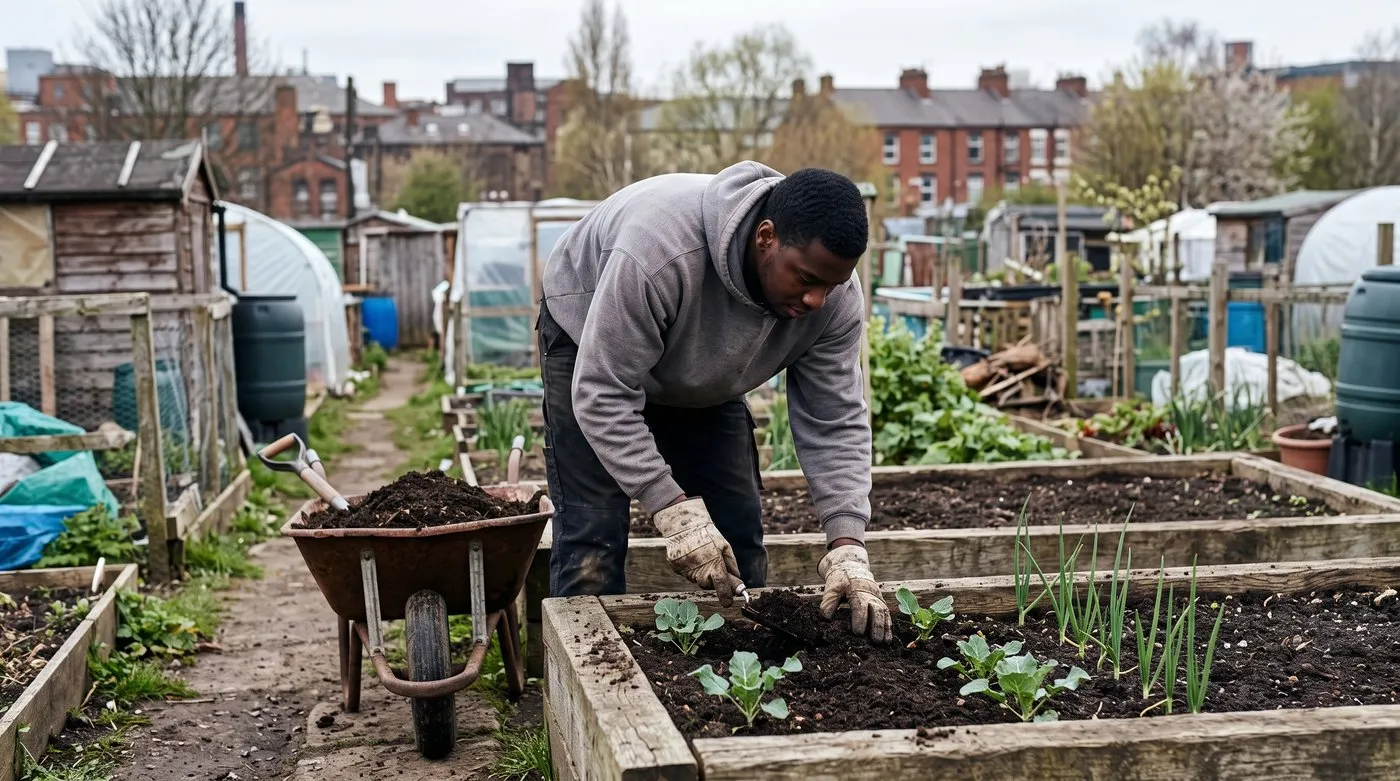
A yearly layer of compost or manure supplies a little of all three nutrients, which is why shortages are rare.
- Calcium builds strong cell walls, especially in new growth, fruit and root tips.
- Sulphur helps the plant make proteins. It also gives onions, garlic and brassicas their strong flavours.
- Magnesium sits at the heart of chlorophyll, the green pigment that captures sunlight.
Shortages show up in different parts of the plant. That’s the key to telling them apart. Magnesium moves around the plant easily, so it’s taken from old leaves to feed new growth, and the old leaves yellow first. Calcium and sulphur don’t move as easily, so new growth and fruit suffer first.
How to tell which nutrient is short
Look at which leaves are affected and the pattern of yellowing. Then check soil pH and watering before you reach for a feed. Many yellow leaves are caused by waterlogging, cold or the wrong pH rather than a true shortage.
| What you see | Most likely cause | What to do |
|---|---|---|
| Yellow between green veins on older, lower leaves | Magnesium shortage | Epsom salts foliar feed |
| Even pale yellowing of the youngest leaves | Sulphur shortage, or iron on chalky soil | Compost and a sulphate feed; check pH |
| Sunken black patch at the base of tomatoes or peppers | Blossom end rot, from uneven watering | Water regularly |
| Brown, crisp edges on inner lettuce leaves | Tip burn, from uneven watering or heat | Water steadily, give some shade |
| Even yellowing of older leaves, no vein pattern | Nitrogen shortage | General or nitrogen-rich feed |
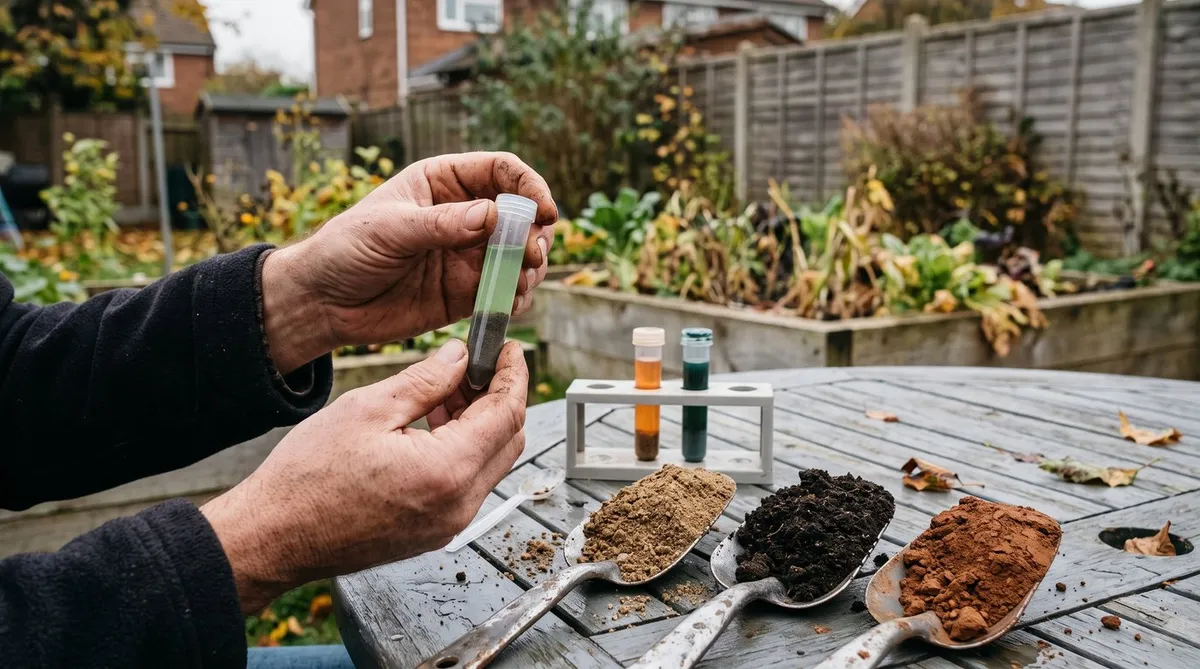
If several problems show up at once, a soil test is worth doing. A simple kit gives pH, and a lab test gives a fuller picture. For a wider look at yellow leaves, see the guide to chlorosis and yellow leaves.
Magnesium: signs and fixes
Magnesium shortage is the one you’re most likely to see. It’s common on greenhouse tomatoes, in pots and growbags, and on light, sandy soils that drain fast.
Look for:
- Yellow patches between dark green veins on older, lower leaves first
- Yellowing that spreads up the plant over time
- Sometimes reddish or purple tints on the leaves
The usual cause on tomatoes is heavy use of high-potash tomato feed. Lots of potassium makes it harder for the roots to take up magnesium.
The quickest fix is an Epsom salts foliar feed. Dissolve 20g of Epsom salts in a litre of water and spray it onto the leaves in the cool of the morning or evening. Repeat every couple of weeks while the symptoms last. For a longer-term fix on acid soil, use dolomite lime, which adds magnesium as well as calcium.

Yellow between green veins on the lower leaves is the classic sign of magnesium shortage on tomatoes.

Weigh out 20g of Epsom salts per litre of water. Spray the leaves in the cool of the day, not in hot sun.
Calcium: signs and fixes
Most UK soils hold plenty of calcium. Problems usually come from the plant not being able to move it to where it’s needed, which happens when watering is uneven.
The best-known signs are:
- Blossom end rot on tomatoes, peppers and aubergines: a sunken, dark patch at the base of the fruit
- Tip burn on lettuce: brown, crispy edges on the inner leaves
- Bitter pit on apples: small brown spots under the skin
Calcium travels to fruit in the water the plant draws up. If the compost dries out, even for a short while, developing fruit runs short. That’s why blossom end rot is so common on tomatoes in growbags and pots. The fix is steady, regular watering, plus a mulch to keep the soil evenly moist. The guide to blossom end rot covers tomatoes in detail, and apple bitter pit has its own guide.
Only add calcium if a soil test shows your soil is short. On acid soil, ground limestone adds calcium and raises the pH. The guide to garden lime explains how much to use. To add calcium without changing pH, use gypsum.

Blossom end rot looks like a calcium problem, but uneven watering is nearly always the real cause.
Sulphur: signs and fixes
Sulphur shortage is uncommon in gardens that get regular compost or manure. It’s more likely on light, sandy soils low in organic matter. Brassicas and onions need more sulphur than most crops, so they show it first.
Look for:
- Even, pale yellowing of the youngest leaves, unlike nitrogen shortage, which yellows the older leaves first
- Slow, spindly growth in brassicas
- Onions and garlic with a milder flavour than usual
The simplest fix is to add compost or well-rotted manure every year. For a quicker boost, use a feed containing sulphate, such as sulphate of potash or sulphate of ammonia. Gypsum and Epsom salts also contain sulphur.
On chalky soil, pale young leaves are more often caused by lime-induced chlorosis, where the high pH locks up iron. Check the pH before adding anything.

An evenly pale young brassica leaf can point to sulphur shortage. On chalky soil, check the pH first.
Where to get calcium, sulphur and magnesium
You only need a handful of products. Follow the rate on the pack.
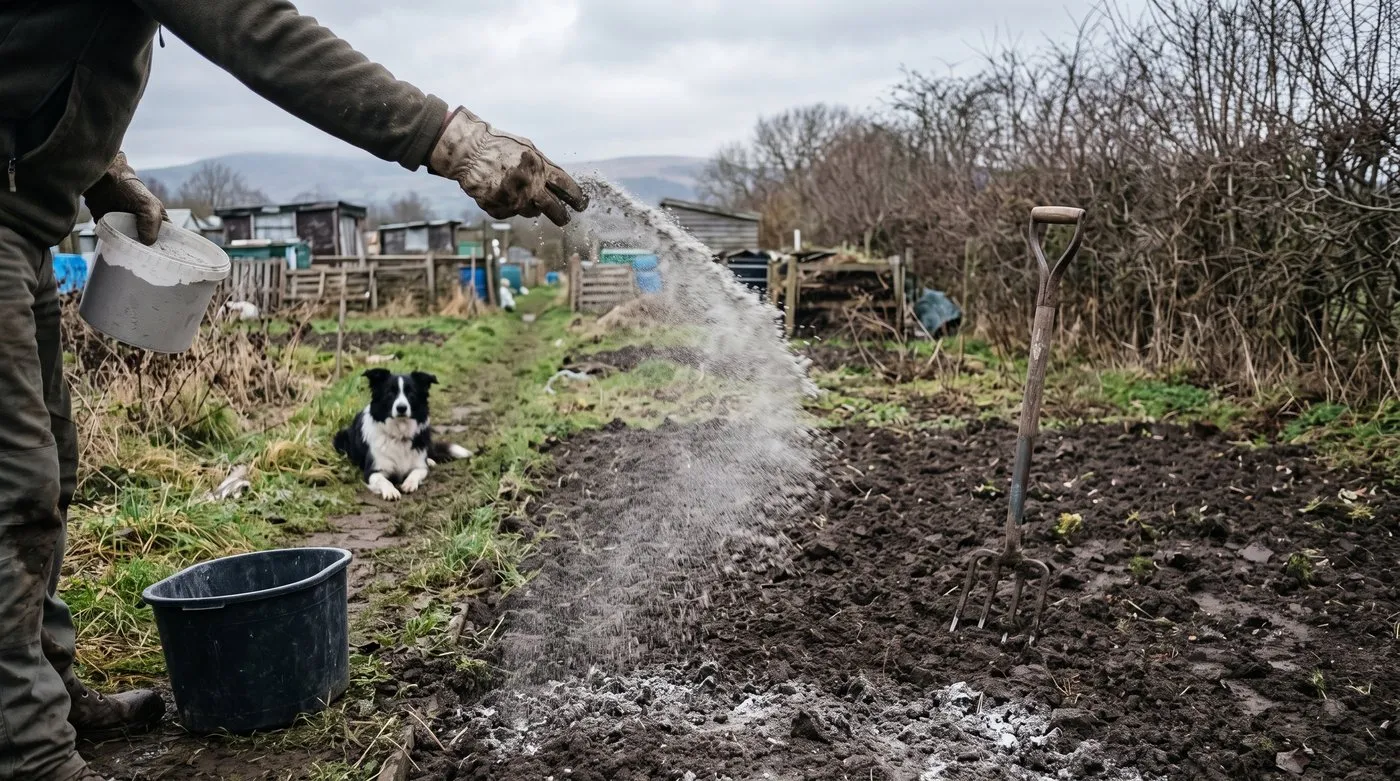
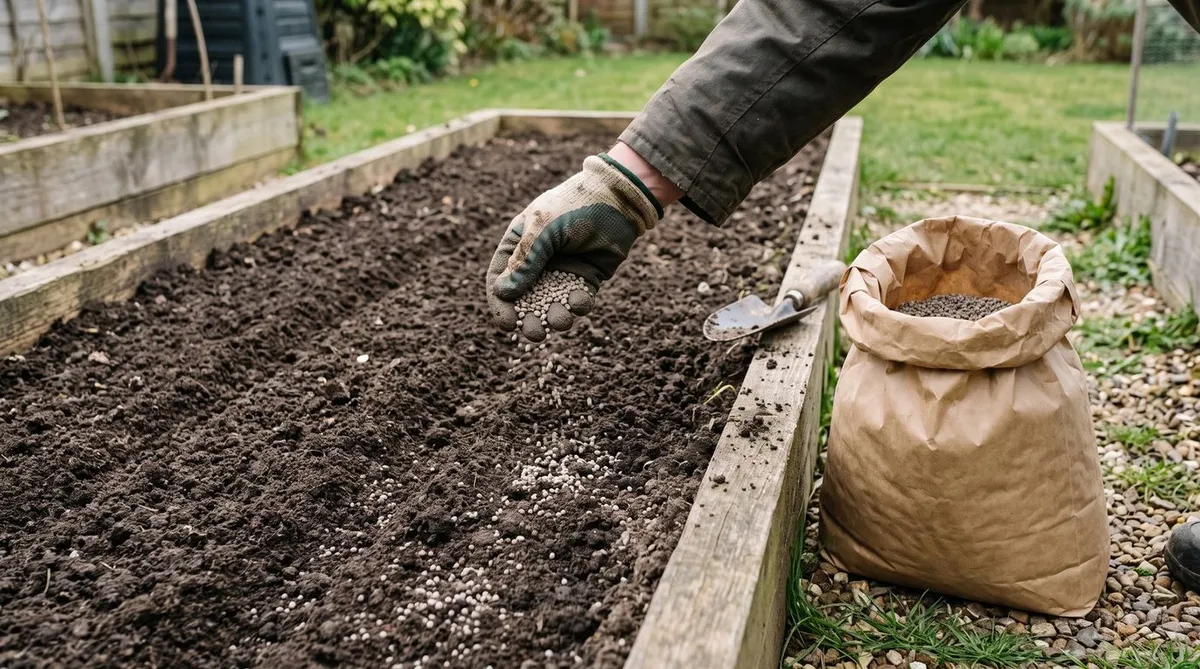
Lime only belongs on acid soil that needs it. Test the pH first and follow the rate on the pack.
| Product | What it adds | Best for |
|---|---|---|
| Ground limestone | Calcium, raises pH | Acid soils that need liming |
| Dolomite lime | Calcium and magnesium, raises pH | Acid soils short of magnesium |
| Gypsum | Calcium and sulphur, pH stays the same | Adding calcium without liming |
| Epsom salts | Magnesium and sulphur | Quick foliar fix for magnesium shortage |
| Sulphate of potash | Potassium and sulphur | Fruiting crops and flowers |
| Compost and well-rotted manure | A little of everything | Every bed, every year |
Gypsum is often sold as a clay soil improver too. The guide to gypsum on clay soil looks at whether that works.
Garden sulphur is a different product. It is used to make soil more acidic for blueberries and other acid-loving plants, not as a feed. The guide on how to make soil more acidic explains how to use it.
Common mistakes with secondary nutrients
- Adding calcium for blossom end rot. The soil usually has enough. Water more steadily instead.
- Liming when the problem is magnesium. Ground limestone adds calcium but no magnesium. Use dolomite lime if both are needed.
- Too much tomato feed. Lots of potash can trigger magnesium shortage. Follow the label and don’t double up.
- Using Epsom salts as a cure-all. They only help a true magnesium shortage. Using them routinely is a waste and can upset the balance of other nutrients.
- Feeding before checking pH. Wrong pH locks up nutrients that are already in the soil, so test it first.
There are more feeding and soil guides on the how-to hub.
Frequently asked questions
What do calcium, sulphur and magnesium do in plants?
Calcium builds strong cell walls, sulphur helps make proteins and magnesium is part of chlorophyll. Plants need them in smaller amounts than nitrogen, phosphorus and potassium, but they still matter. A shortage of any of them shows as poor, pale or damaged growth.
Why is magnesium deficiency common in greenhouse tomatoes?
High-potash tomato feeds make it harder for plants to take up magnesium. Fast-growing, heavy-cropping plants in pots and growbags also run through their supply quickly. Lower leaves turn yellow between the veins. An Epsom salts foliar feed at 20g per litre usually sorts it out.
How do I add calcium to garden soil without raising pH?
Use gypsum, which is calcium sulphate. Unlike lime, it adds calcium without making the soil more alkaline. Most UK soils have plenty of calcium already, so only add it if a soil test shows a shortage.
Are Epsom salts a real plant feed or a garden myth?
They’re a real feed, but only for magnesium shortage. Epsom salts are magnesium sulphate, so they supply magnesium and sulphur. They help plants with yellowing between the veins of older leaves. They won’t fix other problems and aren’t needed as a routine feed.
Does adding calcium cure blossom end rot?
Usually not, because the soil normally has enough calcium already. Blossom end rot happens when uneven watering stops calcium reaching the fruit. Water tomatoes regularly, especially in pots and growbags, and new fruits should develop normally.
Is sulphur deficiency common in UK gardens?
It’s uncommon in gardens that get regular compost or manure. It can show on light, sandy soils, especially in brassicas, as an even pale yellowing of the youngest leaves. A feed containing sulphate, such as sulphate of potash, adds sulphur.
Now you know the secondary three, read the guide to trace elements in garden soil to round off your feeding plan.
Our team produces practical UK gardening guidance from source research, contributor records and established horticultural practice. Editorial standards are overseen by Matt W.