Key takeaways
- Echinacea flowers from July to September and loves full sun
- Good drainage matters most, as wet winter soil rots the crown
- Magnus and White Swan are reliable choices, and Cheyenne Spirit is easy from seed
- Chill the seed in the fridge for a few weeks before sowing in spring
- Be patient in year one, as plants get much better from year two
- Leave the seedheads standing over winter for goldfinches
Echinacea is a plant that rewards a little patience. In the first year it can look shy, with a low clump of rough leaves and maybe one stem. By year three you’ll have a lovely clump covered in flowers, each with the domed middle that gives it the name coneflower. Leave those cones standing and it becomes one of the best plants for winter seedheads.
It flowers from July to September, and bees, butterflies and hoverflies can’t get enough of it. Once the petals drop, goldfinches come for the seeds.
Below you’ll find everything from sowing seed indoors to picking a spot and a variety. The big one to remember is drainage.
What conditions does echinacea need to grow in the UK?
Echinacea comes from the North American prairies, which are open, sunny and dry. Give it something similar and it’ll be happy.
Sun. Full sun, ideally a south or west-facing border. In shade it grows floppy and flowers less.
Soil. Soil that drains well. Sandy or loamy soil is ideal. On clay, dig in plenty of grit before planting. Cold doesn’t bother echinacea, but sitting in wet soil over winter is what usually kills it in the UK.
Food. It likes soil on the poor side. Rich soil gives lots of floppy leaves and fewer flowers, so there’s no need to feed.
That makes it a natural partner for lavender and other drought-tolerant plants in a sunny, gravelly or prairie-style border.
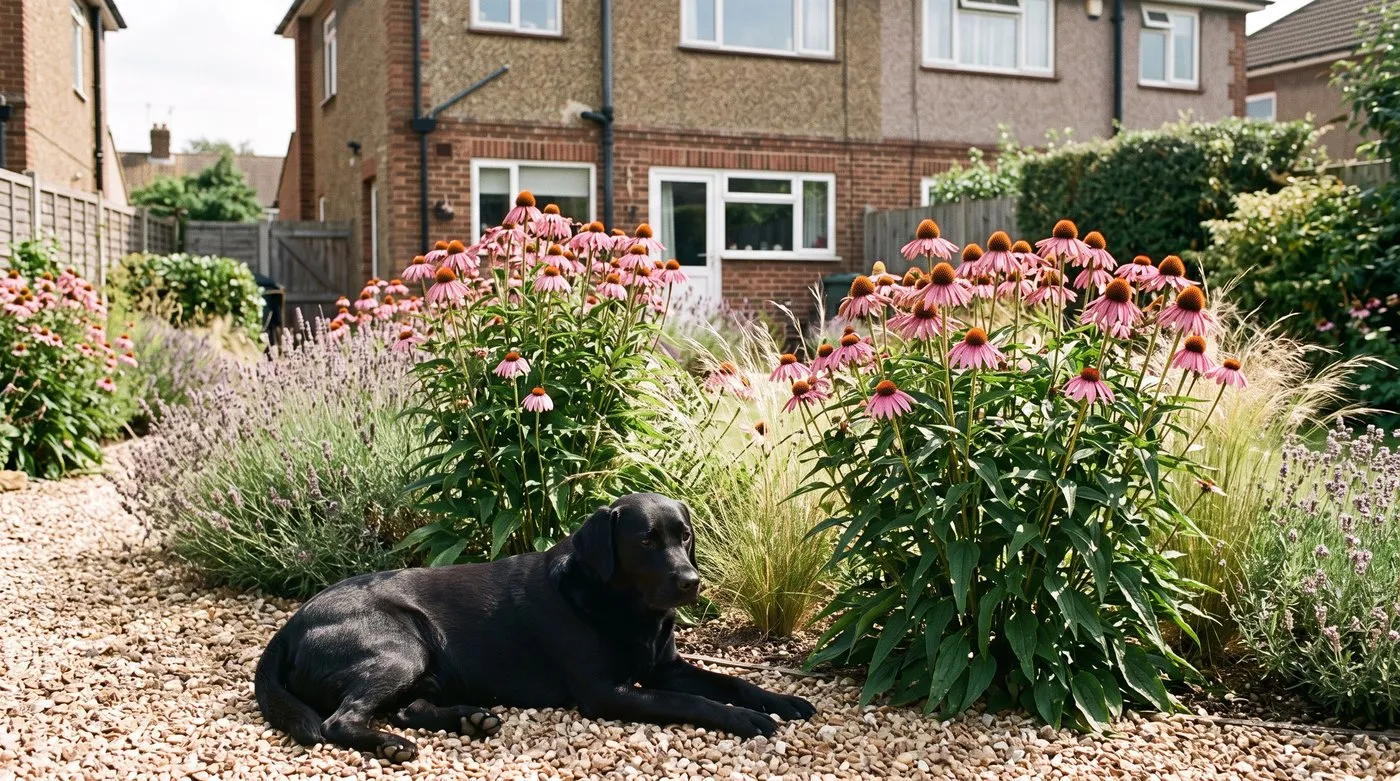
Give echinacea full sun and soil that drains freely. Sitting wet in winter is what usually finishes it off, not the cold.
Which echinacea varieties are best for UK gardens?
The plain pink Echinacea purpurea is the toughest and longest-lived. Newer colourful hybrids look amazing but may not last as long, especially on heavy soil.
| Variety | Colour | Size | Good to know |
|---|---|---|---|
| Magnus | Big pink-purple flowers | Tall | Reliable, strong stems |
| White Swan | White with a greenish cone | Medium | Pretty with grasses |
| Cheyenne Spirit | Mix of red, orange, yellow, pink and white | Medium | Easy from seed |
| PowWow Wild Berry | Deep rose-pink | Short | Good for small borders |
| Green Jewel | Green-white | Medium | Unusual and subtle |
| Hot Summer | Red-orange and yellow | Tall | Likes a warm, sheltered spot |
| Vintage Wine | Deep pink-purple | Medium | Sturdy stems |
Buying tip. For named varieties, buy plug plants or potted plants from a good nursery. If you’d like to grow from seed, Cheyenne Spirit is a great one to try.
When and how to sow echinacea from seed
Echinacea seed comes up better if it has had a cold spell first, a bit like a prairie winter.
Give it a chill. Mix the seed with damp compost or vermiculite in a bag, label it and pop it in the fridge (not the freezer) for about four weeks. You can skip this, but more seeds tend to come up if you don’t.
When to sow. February to April, indoors. Our seed sowing calendar shows what else you can sow at the same time.
How to sow:
- Fill a seed tray with peat-free seed compost.
- Sprinkle the seed on top and press it in lightly. Don’t bury it.
- Water gently with a fine rose.
- Keep it warm, in a propagator or under a clear bag.
- Seedlings usually appear within a few weeks.
- Once they have two proper leaves, move each into its own small pot.
- Grow them on somewhere cool and bright.
- Get them used to the outdoors over a week or two, then plant out after the last frost (mid-May in most places).
You may get a few flowers in the first autumn. The second year is when the show really starts.
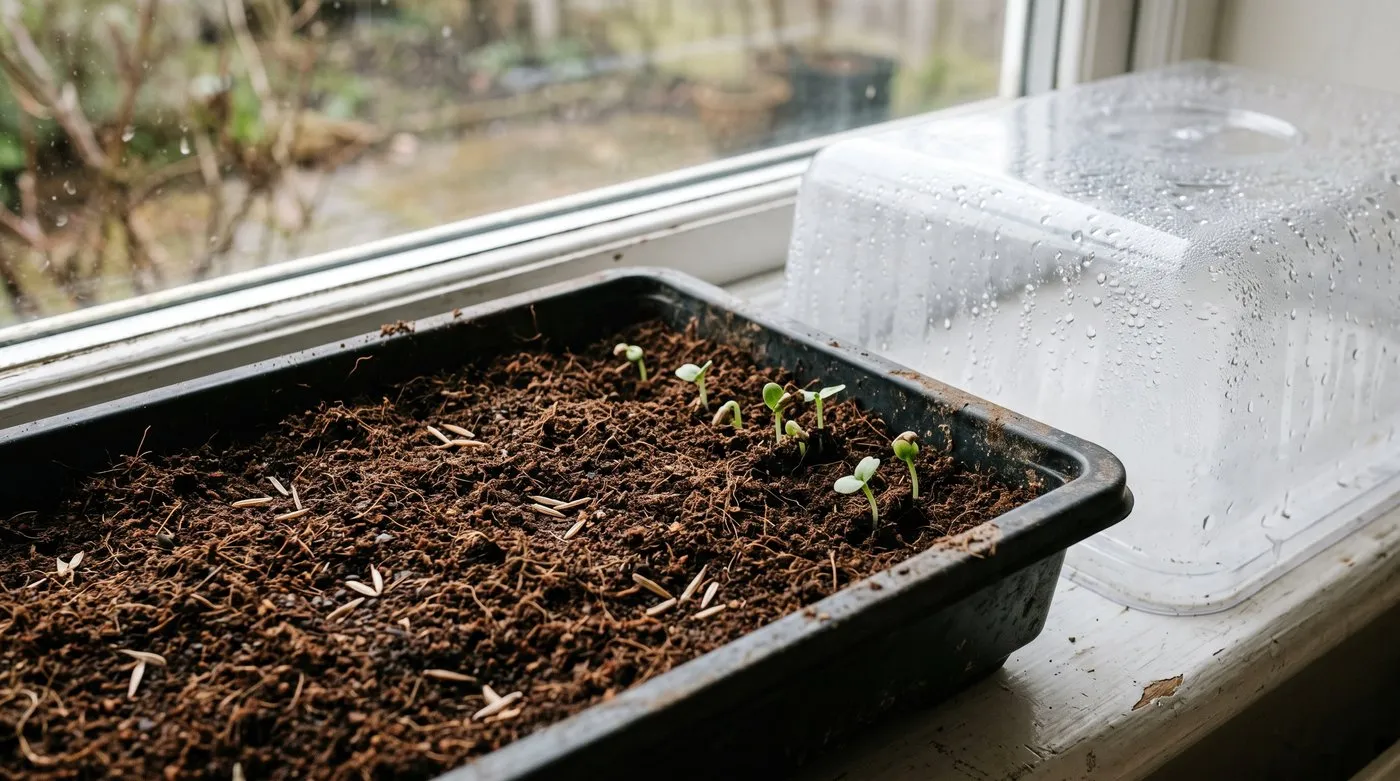
Press echinacea seed onto the surface rather than burying it. A month in the fridge first helps more of them come up.
How to plant echinacea in the garden
When. Plant young plants from May to June. September is also good for potted plants from a nursery. Avoid planting into soggy or frozen ground.
Get the soil ready. Dig the spot over. On clay, mix a few good handfuls of grit into each planting hole. On sandy soil, a little garden compost helps it hold some water.
Spacing. Plant 45-60cm apart. The clumps spread slowly, and the space helps air move around them.
Depth. Plant at the same depth it was in the pot. Too deep, and the crown can rot.
Aftercare. Water well after planting, then weekly in dry spells for the first summer. After that it rarely needs watering.
Echinacea is a star in a cottage garden planting plan. It looks great with rudbeckia, agastache, penstemon and grasses.
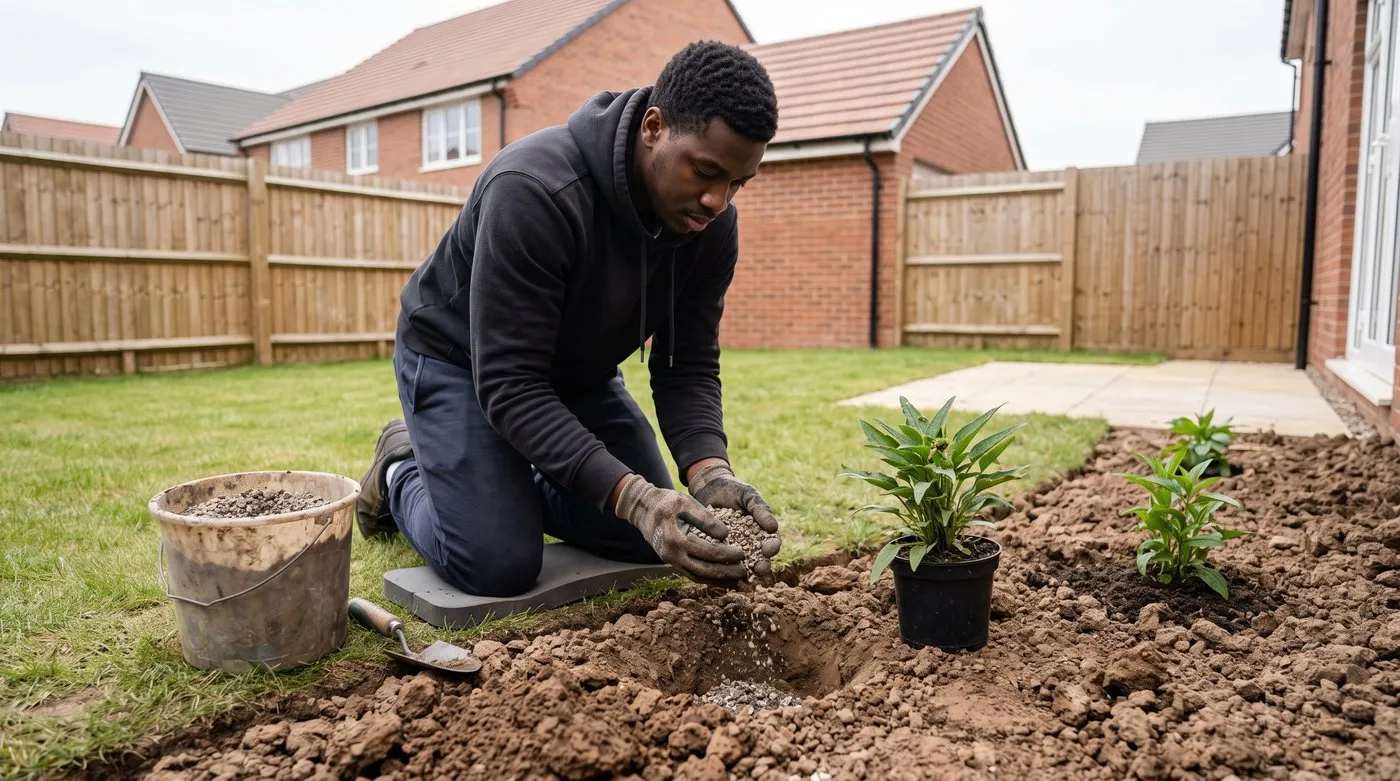
On clay, a few handfuls of grit in each hole makes all the difference. Plant at the same depth as the pot so the crown doesn’t rot.
Month-by-month echinacea growing calendar
| Month | Jobs |
|---|---|
| January | Leave seedheads up for the birds. |
| February | Start chilling seed in the fridge. Cut old stems down as new shoots appear. |
| March | Sow seed indoors. Look for new shoots on older plants. |
| April | Move seedlings into their own pots. Pot on any plug plants. |
| May | Plant out after the last frost. Divide big clumps if needed. |
| June | Water young plants in dry spells. Watch for slugs on new shoots. |
| July | First flowers. Enjoy the bees and butterflies. |
| August | Peak flowering. Cut a few stems for a vase. |
| September | Petals drop to show the cones. Leave the seedheads. |
| October | Goldfinches start feeding. Don’t cut back. |
| November | Plants die down. Mark where they are so you don’t dig them up. |
| December | Nothing to do. Seedheads keep feeding birds. |
What pests and problems affect echinacea?
Once settled, echinacea is mostly trouble-free. A few things to look out for:
Crown rot. The big one, caused by wet soil around the base of the plant. Good drainage at planting time is the fix. A rotten plant can’t be saved, so dig it out and plant something else there.
Slugs and snails. They love young plants and fresh spring shoots. Keep an eye out in April and May. Older, established clumps are much less tempting.
Powdery mildew. A white dusting on leaves in late summer, usually in dry soil or crowded beds. Space plants well. It usually looks worse than it is, and you can pick off the worst leaves.
Vine weevil. The grubs eat the roots, so a plant suddenly collapses. It’s more of a problem in pots. Nematodes watered on in spring and autumn help.
Echinacea for pollinators and wildlife
Echinacea is brilliant for wildlife. Its open flowers make pollen and nectar easy to reach, so bumblebees, honeybees and solitary bees visit all summer.
Butterflies such as red admirals, painted ladies and small tortoiseshells drop in from August. Hoverflies come too, and their larvae help by eating aphids.
When the petals fall, the spiky cones dry on the stem and turn into a natural bird feeder. Goldfinches love clinging to them to pick out the seeds. That’s the best reason to leave them standing all winter.
The RHS lists echinacea in its Plants for Pollinators list, so it’s a great pick for a wildlife-friendly border.
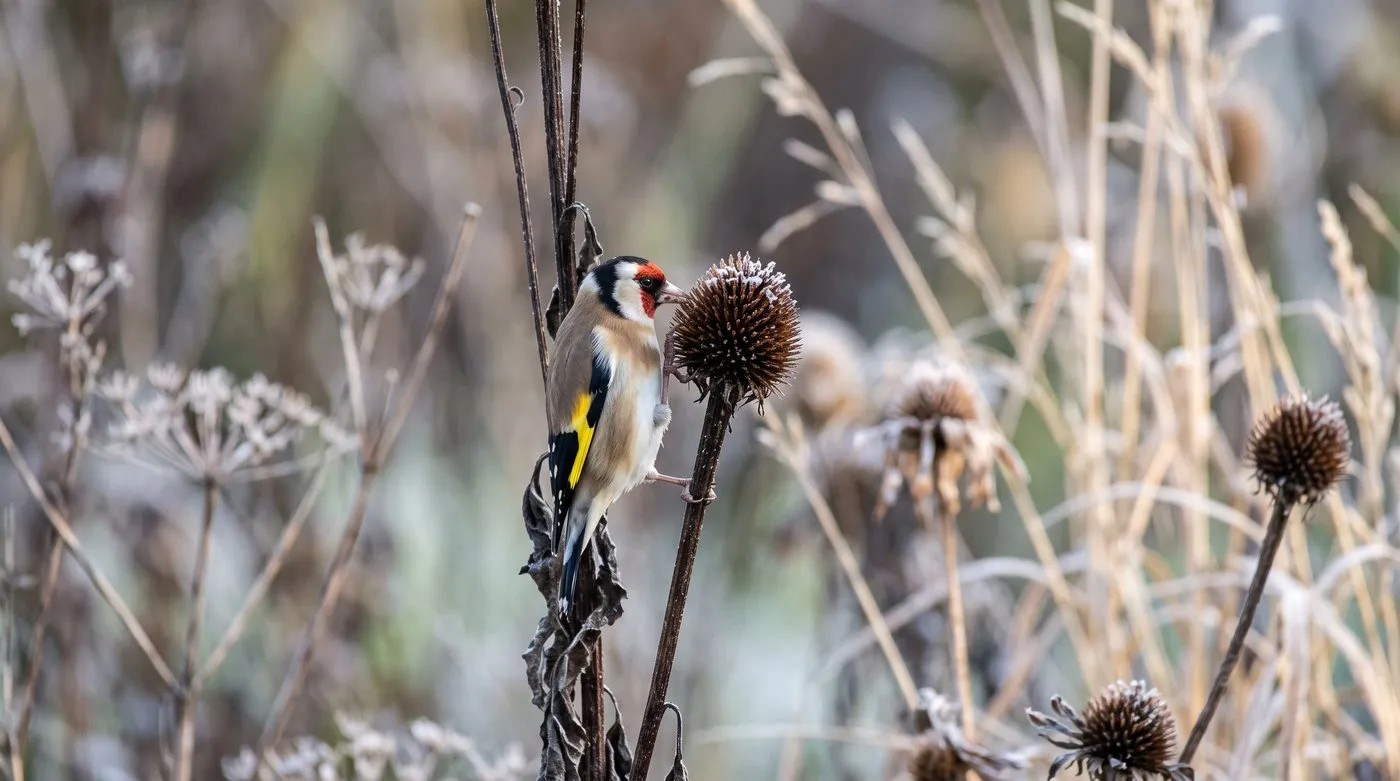
Leave the cones standing after the petals drop. Goldfinches will pick out the seeds right through winter.
Can I use echinacea as a companion plant?
Yes, it mixes beautifully into borders. Its upright stems look great with rounded plants, grasses, rudbeckia, agastache and salvia. For extra height, veronicastrum sends up tall spires that flower alongside it from July.
Echinacea doesn’t really keep pests off nearby plants. Its value as a companion plant is in bringing in pollinators and hoverflies, whose larvae eat aphids.
Dahlias are a fab late-summer partner. Both love sun and flower at the same time, and the shapes contrast nicely. Our guide to growing dahlias has timing and variety ideas.
Echinacea’s history as a medicinal herb
Native American peoples of the Great Plains used echinacea as a herbal remedy for a very long time. Later it became a popular herbal product, and you’ll still see it on health shop shelves today.
In the garden, though, it’s all about the flowers, the bees and the birds. A bit of history just makes it more fun to grow.
If you spot an odd flattened or fused stem, that’s often fasciation. It’s a harmless growth quirk.
Frequently asked questions
When does echinacea flower in the UK?
From July to September in most UK gardens. Plants in a warm, sheltered spot can start in late June. In the first year you may only get a few flowers, but it gets much better from the second year.
Is echinacea perennial or annual?
It’s a perennial, so it comes back every year. It dies down to the ground in winter and pushes up new shoots in spring. Some of the flashier named varieties don’t last as long as the plain pink kind, especially on heavy soil.
Does echinacea need full sun in the UK?
Yes, it does best in full sun. It will grow in light shade, but you’ll get fewer flowers and floppier stems. Shady plants are also more likely to get powdery mildew in late summer.
How do I grow echinacea from seed?
Chill the seed first, then sow indoors from February to April. Mix the seed with damp compost in a bag and keep it in the fridge for about four weeks. Then sprinkle it on top of the compost and keep it warm. Plant out after the last frost. Our guide to sowing seeds indoors walks you through it.
Why is my echinacea not flowering?
In the first year, that’s normal. The plant is busy growing roots. Too much shade, wet soil or very rich soil can also mean leaves instead of flowers. Give it time, as the second year is usually much better.
Should I cut back echinacea in autumn?
No, leave it standing over winter. The seedheads feed goldfinches and other birds, and they look lovely on a frosty morning. Cut the old stems down to the ground in early spring, just as new shoots start to show.
Can echinacea grow in pots?
Yes, in a large pot with gritty compost. Go for one at least 30-40cm across. Water in summer, but make sure the pot drains freely, as sitting wet over winter can kill it. Move it to a sheltered spot for winter.
Further reading
- Bee-friendly garden plants: more pollinator plants to grow alongside echinacea
- Drought-tolerant plants for UK gardens: other sun-lovers for dry borders
- How to grow lavender in the UK: a natural partner in sunny borders
- Cottage garden planting plan: ideas with echinacea as a centrepiece
- How to grow dahlias in the UK: a late-summer partner for mixed borders
Our team produces practical UK gardening guidance from source research, contributor records and established horticultural practice. Editorial standards are overseen by Matt W.