Key takeaways
- Species tulips like Tulipa tarda and T. clusiana are the most reliable at coming back
- Darwin hybrids, 'Purissima', 'Spring Green' and 'Queen of Night' are good returners among bigger tulips
- Plant 15-20cm deep, about three times the bulb's height
- Sunny, free-draining soil matters most, as tulips rot in wet winter ground
- Deadhead after flowering, then leave the leaves for about six weeks
- Many Triumph tulips fade after a year or two, so treat them as bedding
Repeat-flowering tulips do exist, and they’re easy once you know which ones to choose. Species tulips like Tulipa tarda and T. clusiana come back every spring, often spreading as they go. Some bigger varieties, such as Darwin hybrids and ‘Queen of Night’, return well too.
Most bedding tulips put on one great show, then dwindle to leaves and small flowers. The trick is picking the right tulips, planting them deep in sunny, free-draining soil and letting the leaves die back naturally. This guide covers the best tulips for coming back and the simple no-lift method. For the basics of growing any tulip, see our main guide on how to grow tulips.
Why most tulips don’t come back
Many modern tulips are bred for one big display. The bulb is grown to a large size in the Netherlands, flowers beautifully once, then struggles to rebuild itself in a UK border.
Wild tulips come from hillsides with hot, dry summers. They rest in baked soil, then grow in the cool, wet autumn and spring. UK summers are cooler and damper, so many garden tulips can’t build up their bulbs again. After flowering, the bulb often splits into several small bulbs that are too small to flower.
The tulips that keep coming back tend to be:
- Species tulips, close to their wild ancestors and happy in cool, damp summers.
- Vigorous varieties that rebuild their bulbs well, such as many Darwin hybrids.
- Spreaders that make lots of offsets, like T. praestans and T. tarda.
If you’d like to know more about tulip groups, our guide to tulip types explains all 15 divisions. The RHS guide to perennial tulips is also worth a look.

Tulipa tarda loves sunny gravel. It spreads gently and flowers every spring.
Species tulips that come back every year
Species tulips are the most reliable perennial tulips. They’re smaller and more delicate than bedding tulips, and suit gravel, rockeries and the front of sunny borders.
Tulipa tarda is the easiest of all. It’s only about 10cm tall, with star-shaped yellow flowers tipped with white in April. It spreads gently in gravel and sunny borders.
Tulipa clusiana, often sold as ‘Lady Jane’, grows about 25cm tall. Its flowers are pinky-red outside and white inside, and close up on dull days. It’s one of the most dependable returners.
Tulipa sylvestris has nodding, scented yellow flowers on 30cm stems. It has grown wild in parts of Britain for centuries and copes with a little more shade than most tulips. It can take a couple of years to settle and flower well, so be patient.
Tulipa praestans ‘Fusilier’ carries several bright scarlet flowers on each 25-30cm stem in April. It bulks up well in sunny, free-draining soil.
Tulipa linifolia is a little gem, about 15cm tall, with brilliant red flowers and grassy leaves. Put it at the front of a sunny gravel bed.
Tulipa orphanidea has bronze-orange flowers on 25cm stems in April. It copes with poor, stony soil. Look for it at specialist bulb suppliers.

Plant bulbs 15-20cm deep. Deep planting is the biggest single help to tulips coming back.
Bigger tulips that often return
Some larger varieties come back well for several years, especially in sunny, free-draining soil.
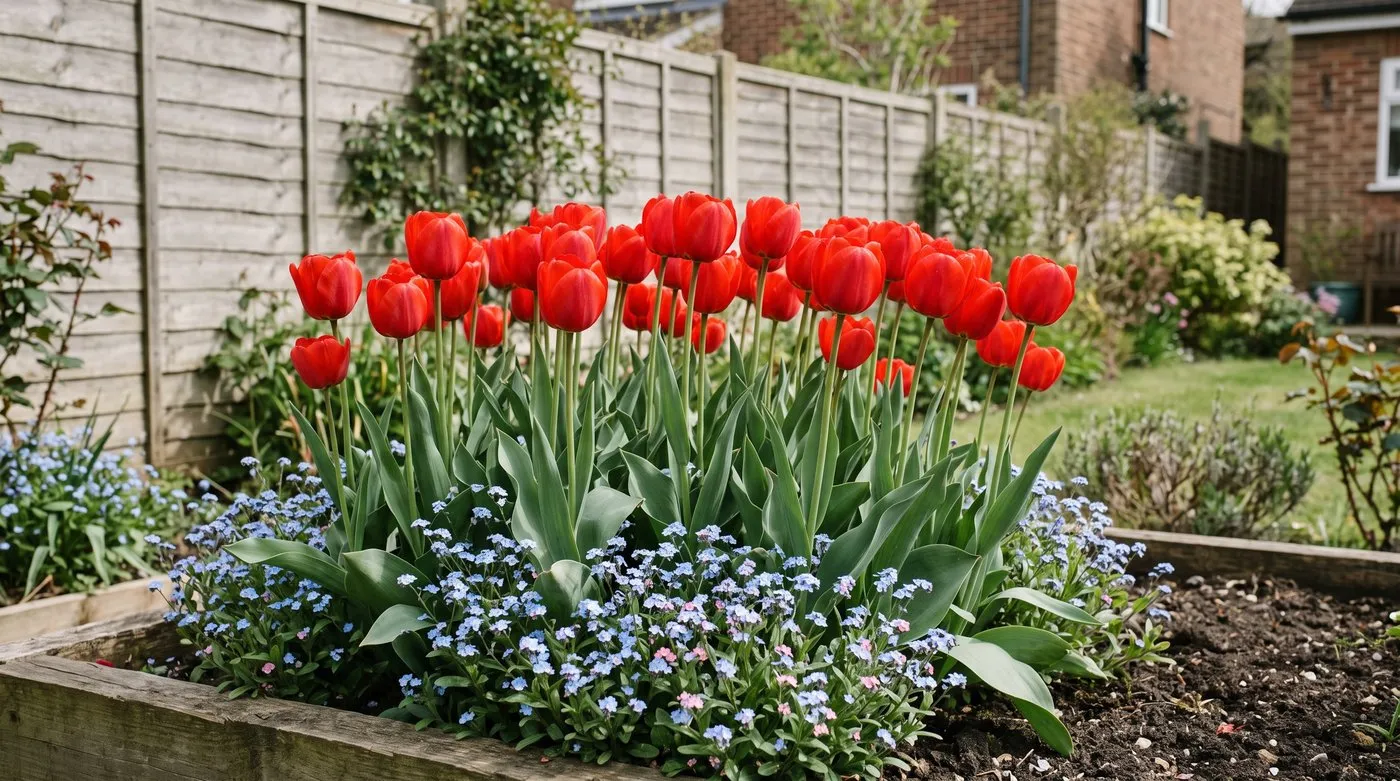
Darwin hybrids are the bigger tulips most likely to flower again year after year.
- Darwin hybrids, such as red ‘Apeldoorn’ and soft pink ‘Pink Impression’, are the most reliable big tulips. They have large flowers on tall, sturdy stems in late April.
- ‘Purissima’ is a Fosteriana tulip with big, pure white flowers on 40cm stems in April. It’s sometimes sold as ‘White Emperor’.
- Greigii tulips, such as ‘Red Riding Hood’, are short and sturdy, with purple-striped leaves. They suit pots and the front of borders.
- ‘Spring Green’ is a Viridiflora tulip with ivory flowers feathered in green, in early May.
- ‘Queen of Night’ is a Single Late tulip with deep maroon-black flowers on tall stems in May. It looks stunning with silver foliage.
- ‘Ballerina’ is a lily-flowered tulip with pointed orange petals and a sweet scent, in May.
Their return depends a lot on your soil. In heavy, wet ground even these may fade, so treat them as a bonus if they come back.

‘Queen of Night’ looks great with silver leaves, and often returns when planted deep in well-drained soil.

‘Ballerina’ has pointed orange petals and a lovely scent, and makes a good cut flower too.
Perennial tulips compared
| Tulip | Height | Flowers | Colour | Best spot |
|---|---|---|---|---|
| Tulipa tarda | 10cm | April | Yellow and white | Gravel, rockery |
| Tulipa clusiana | 25cm | April | Pinky-red and white | Sunny border front |
| Tulipa sylvestris | 30cm | April | Yellow, scented | Grass, light shade |
| T. praestans ‘Fusilier’ | 25-30cm | April | Scarlet | Gravel, sunny border |
| Darwin hybrids | 50-60cm | Late April | Red, pink, yellow | Sunny border |
| ’Purissima’ | 40cm | April | White | Border, pots |
| ’Spring Green’ | 45cm | May | Ivory and green | Border |
| ’Queen of Night’ | 60cm | May | Maroon-black | Border |
The no-lift method for tulips that come back
Plant deep in the right spot, then leave them alone. Lifting and storing bulbs isn’t needed in free-draining soil.
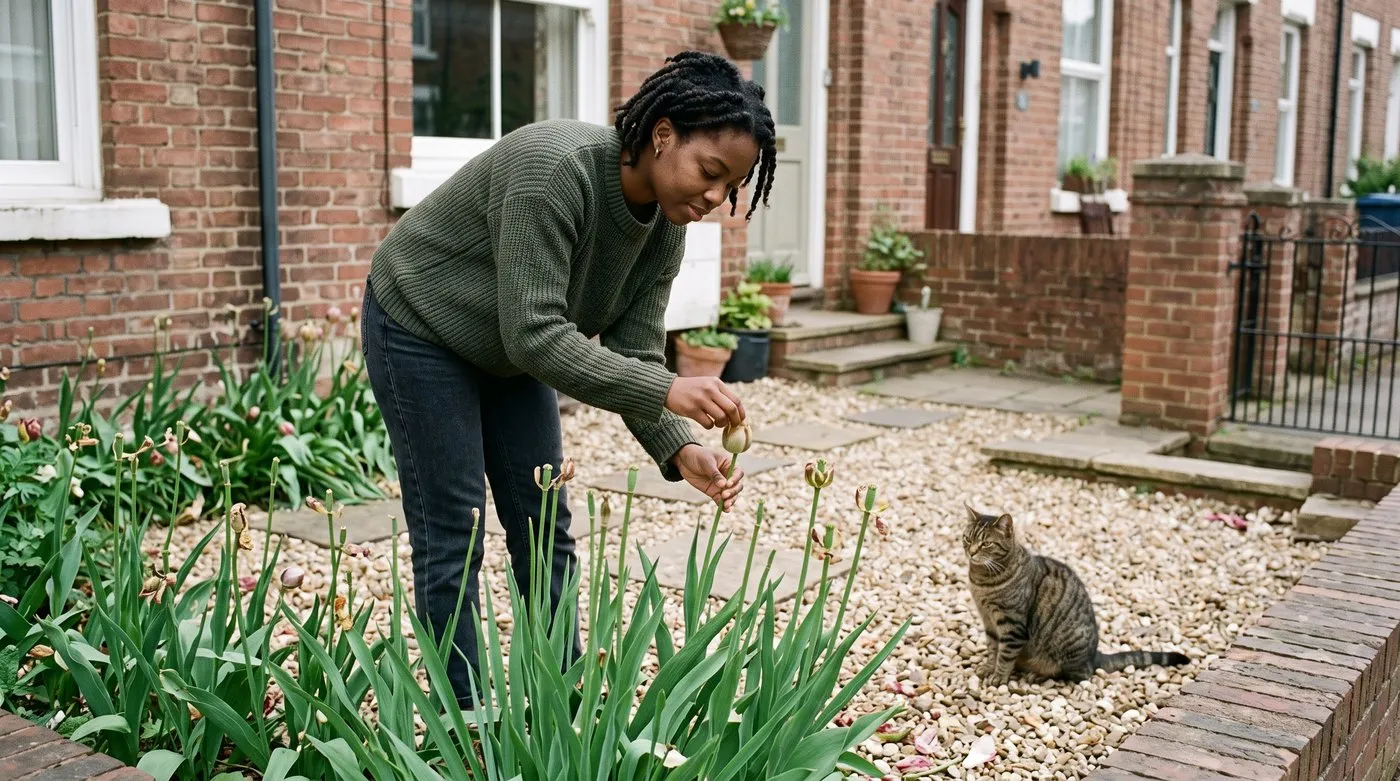
Snap off the seedhead but leave the leaves, so the bulb can build up for next spring.
- Plant 15-20cm deep, about three times the height of the bulb. Small species bulbs go about 10-12cm deep.
- Choose sunny, free-draining soil. Gravel, sandy loam and raised beds are ideal. On heavy clay, dig in plenty of grit first, or grow them in a raised bed.
- Space them out. Give big tulips about 10cm between bulbs, and small species about 5cm.
- Deadhead after flowering. Snap off the seedhead so the bulb puts its energy into next year’s flower. You can leave species tulips to seed if you’d like more.
- Feed after flowering. A liquid tomato feed every couple of weeks while the leaves are green helps the bulbs build up.
- Leave the leaves. Let them die back naturally for about six weeks. Don’t knot, fold or cut them while they’re green.
- Keep them dry in summer. Don’t water the bed once the leaves have died back. The bulbs want a warm, dry rest.
If squirrels are a nuisance, our guide to stopping squirrels digging up bulbs has more ideas. For the right planting window, see when to plant tulip bulbs.
The perennial tulip year
| Month | What to do |
|---|---|
| September | Order bulbs, especially species tulips from specialist suppliers |
| October to November | Plant 15-20cm deep. Cover with wire if squirrels are about |
| December to February | Leave them be. Remove wire in late winter |
| March | Shoots appear. Feed lightly if the soil is poor |
| April to May | Flowering time. Deadhead as petals drop |
| May to June | Liquid feed while leaves are green. Leave leaves to die back |
| July to August | Clear yellow leaves once they pull away easily. No summer watering |
Common mistakes with perennial tulips
- Planting too shallow. Shallow bulbs are more likely to split and stop flowering. Go 15-20cm deep.
- Expecting Triumph tulips to come back. Many fade after a year or two. Enjoy them as bedding, or choose Darwin hybrids instead.
- Watering in summer. A bed watered all summer keeps bulbs damp and can rot them. Plant tulips away from thirsty bedding.
- Cutting the leaves too soon. Green leaves are still feeding the bulb. Wait until they’re yellow.
- Planting in wet ground. Tulips rot in soggy winter soil. Use gravel, raised beds or pots on heavy clay.
Tulips in pots and with other plants
Tulips in pots usually fade faster than those in the ground, as pots get hot in summer and wet in winter. Enjoy them in a pot for a year. Then plant the bulbs deep in a sunny border in autumn.
You can mix species tulips and bigger varieties in one bed. The species flower in April, followed by the bigger tulips in late April and May, giving several weeks of colour. Put the short species at the front and the tall ones behind. Our guide to bulb lasagne planting shows how to layer them in pots. For more ideas, browse our plants section.
Now you’ve chosen your tulips, read our guide to spring bulb care after flowering to keep them coming back.
Frequently asked questions
Why do most tulips not come back?
Many modern tulips are bred for one big display. After the first year the bulb often splits into small bulbs that are too small to flower. Cool, damp summers make this worse. Species tulips and some varieties are much better at coming back.
Which tulips come back year after year?
Species tulips are the most reliable, including Tulipa tarda, T. clusiana, T. sylvestris and T. praestans ‘Fusilier’. Darwin hybrids, ‘Purissima’, ‘Spring Green’, ‘Queen of Night’ and ‘Ballerina’ often return too. All do best in sunny, free-draining soil.
How deep should I plant tulips in the UK?
Plant them about three times the bulb’s height, usually 15-20cm deep. That’s deeper than many packets say. Deep planting helps bulbs come back, and keeps them safer from frost and forks.
Do I need to lift tulip bulbs after flowering?
Not in free-draining soil. Species tulips and reliable varieties can stay in gravel, sandy soil or well-drained loam. Lift them only from heavy clay or ground that stays wet in winter.
When is the best time to plant tulips in the UK?
October and November are best. Cooler soil helps the bulbs root and lowers the risk of tulip fire, a fungal disease. December plantings usually still flower, a little later and shorter.
Will perennial tulips come back in pots?
Not as well as in the ground. Pots get hot in summer and wet in winter, so bulbs fade faster. Enjoy them in pots for a year, then plant them deep in a sunny, free-draining border.
How do I stop squirrels digging up tulip bulbs?
Cover new plantings with chicken wire just under the surface. Deep planting helps too. Remove the wire in late winter, before shoots come through.
Our team produces practical UK gardening guidance from source research, contributor records and established horticultural practice. Editorial standards are overseen by Matt W.