Key takeaways
- White powdery felt on gooseberry shoot tips, leaves and berries is American gooseberry mildew
- It spreads fastest in warm, humid air on soft, crowded growth
- The fungus survives winter on shoot tips, so cutting them out breaks the cycle
- Resistant varieties such as Invicta and Greenfinch are the most reliable fix
- Feed potash, not nitrogen, because soft sappy growth catches mildew easily
- Mildewed berries are still fine to eat once the felt is rubbed off
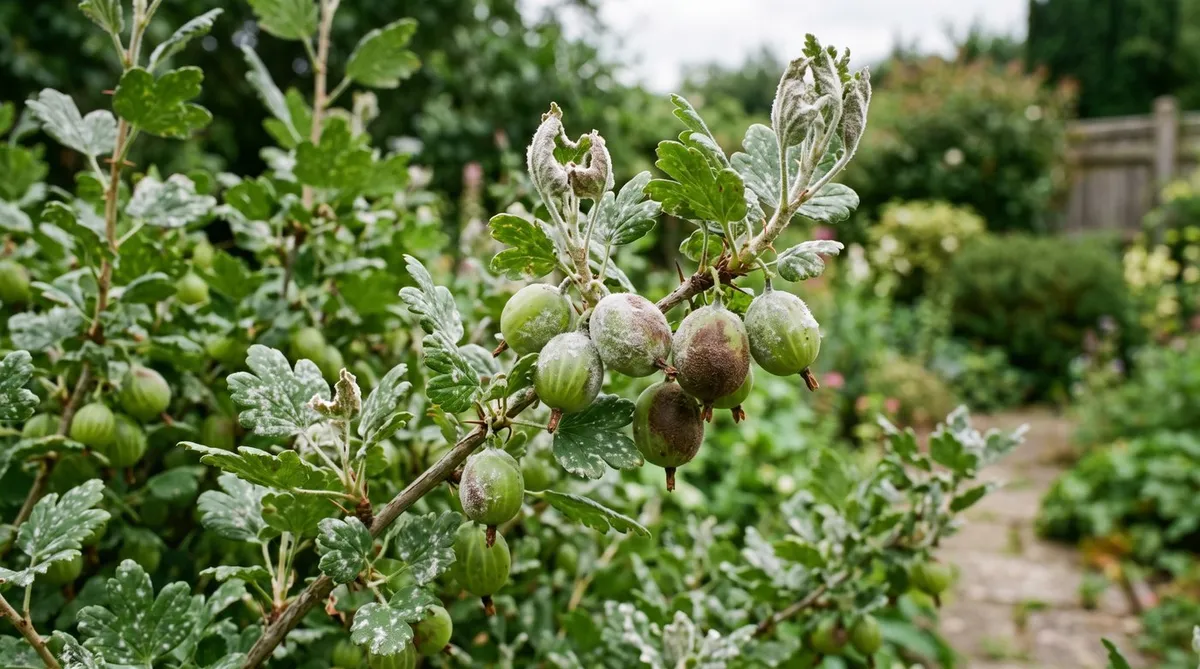
White, powdery felt on your gooseberry shoots and berries, which later turns brown? That is American gooseberry mildew. It is a fungus called Podosphaera mors-uvae, and it is the most common disease of gooseberries in UK gardens. The good news is that the berries are still edible, and you can beat it without a sprayer.
This guide shows you how to recognise it and where it hides over winter. It then covers the pruning, feeding and variety choices that keep it under control.
What does American gooseberry mildew look like?
It starts at the shoot tips. The first sign is a white, powdery, felt-like coating on the youngest leaves and soft tips, usually from late spring. It looks as if the growth has been dusted with flour.
From the tips it spreads to the berries. The fruit gets the same white felt, which later thickens and turns brown and leathery. Badly affected berries may stay small or split. Infected shoot tips can twist and stop growing.
Don’t mix it up with gooseberry sawfly. Sawfly larvae strip the leaves from the middle of the bush outwards, leaving bare stems and green caterpillars, and nothing white. If your bush is losing its leaves rather than getting coated, see our guide to gooseberry sawfly.
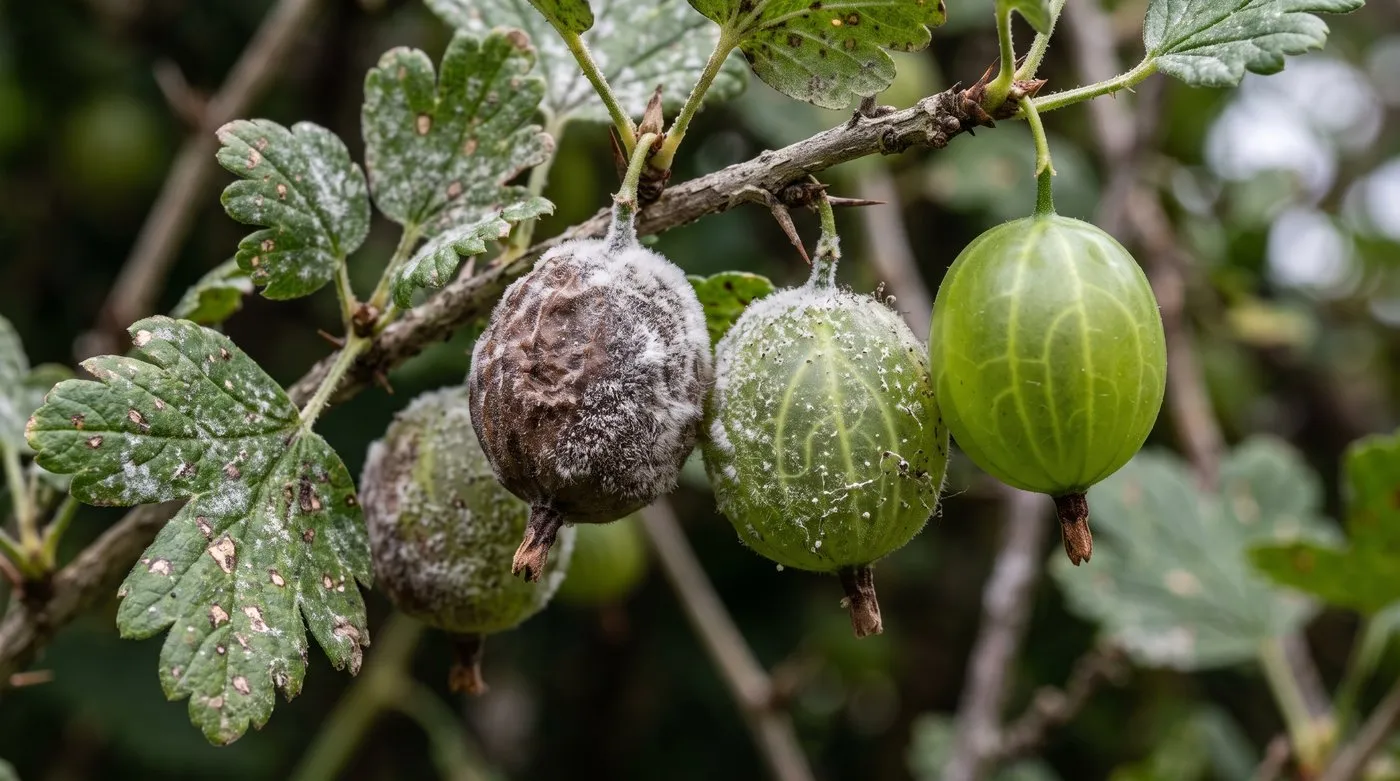
The white felt on the berries later turns brown and leathery. It rubs off, and the fruit underneath is still fine to eat.
Where does gooseberry mildew hide in winter?
The fungus spends winter on the infected shoot tips of the bush itself. It doesn’t blow in fresh each spring. It is already sitting on your bush, within easy reach of your secateurs.
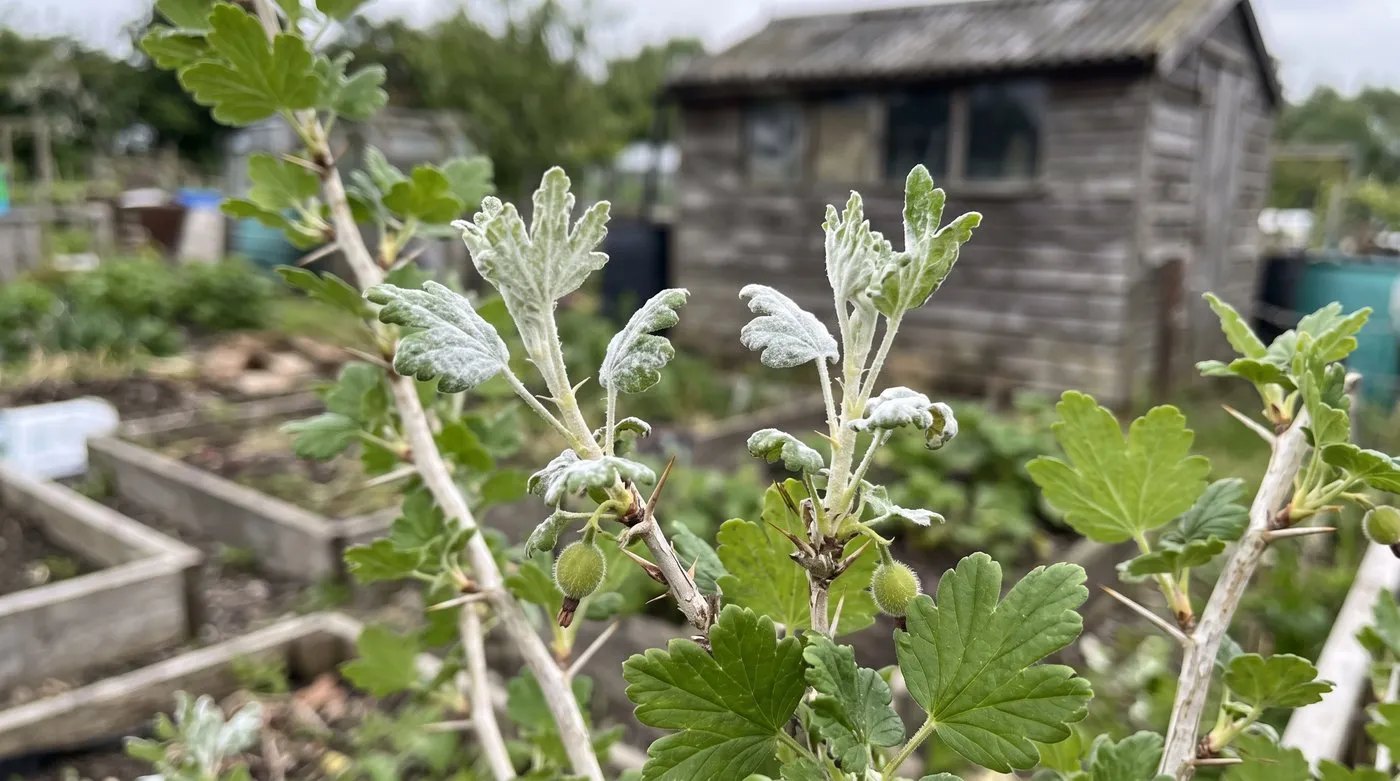
In spring the felt shows first on the newest tips. Snip these off as soon as you see them to slow the spread.
The yearly cycle goes like this:
- Winter: the fungus rests on infected shoot tips.
- Spring: as growth starts, it spreads spores onto the new leaves and tips.
- Summer: in warm, humid weather it spreads quickly across the bush and onto the berries.
- Late summer: it settles into the new shoot tips, ready for winter.
Soft, sappy growth from too much nitrogen catches mildew far more easily than firm growth. Crowded bushes hold still, humid air that the fungus loves.
The common mistake is to fret about the berries in summer and forget the tips in winter. The felt on the fruit is the symptom. The felted shoot tips carry next year’s attack, so that is where to act.
Pruning to stop gooseberry mildew
Two pruning jobs do most of the work, and neither needs a spray.
Open up the bush. Prune to an open, goblet-shaped bush with a clear centre. Air can then move through, and leaves dry quickly after rain or dew. Take out crossing and inward-growing branches, and keep bushes well spaced. Our guide to pruning and growing gooseberries explains how to build the framework.
Cut out the felted tips. In late summer, and again at winter pruning, cut off any shoot tips with white or brown felt. Cut back to clean, healthy wood. Put the prunings in your green-waste bin rather than leaving them on the ground. Done every year, this steadily cuts the amount of mildew.
Gardener’s tip: At winter pruning, shorten the main leading shoots anyway. It builds a stronger framework and removes the very tips where the mildew overwinters. One job, two wins.
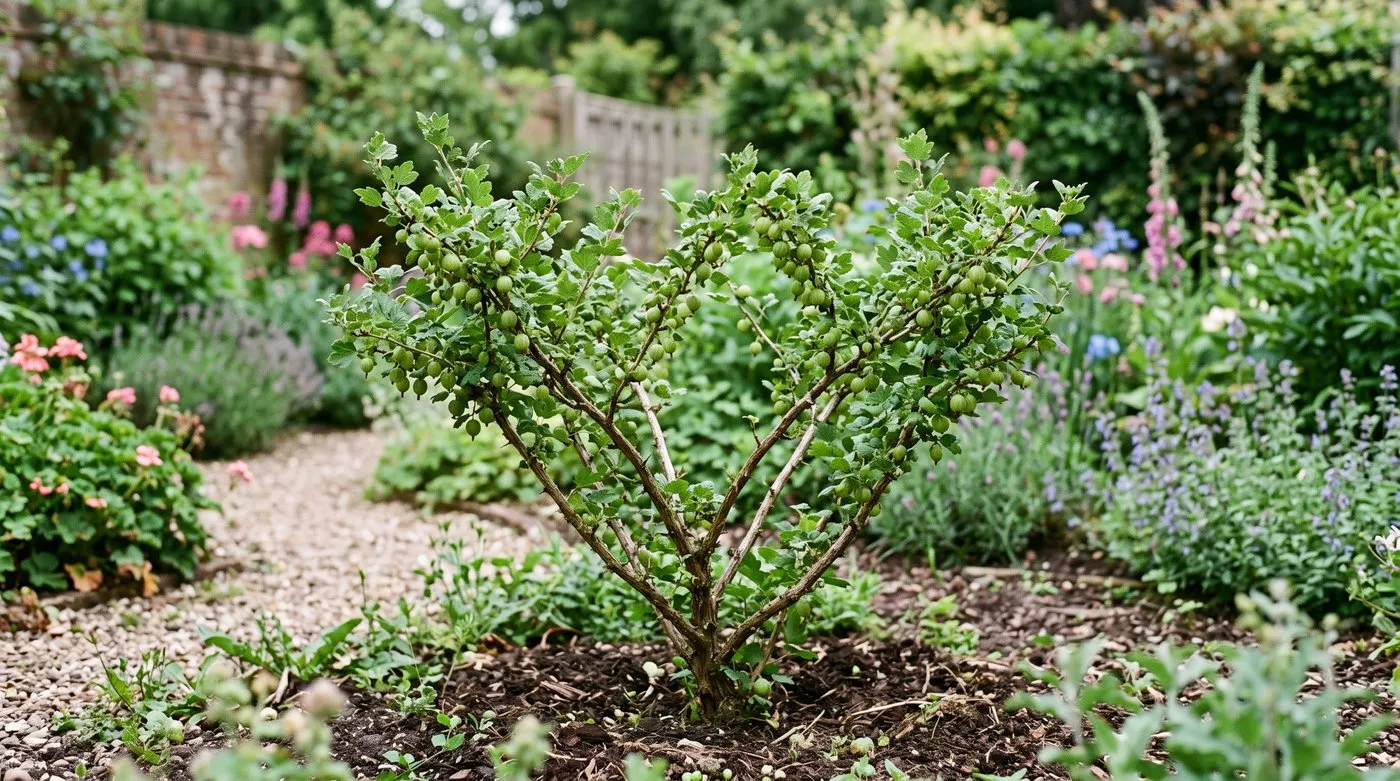
An open bush with a clear middle dries fast after rain, which gives mildew far less chance to take hold.
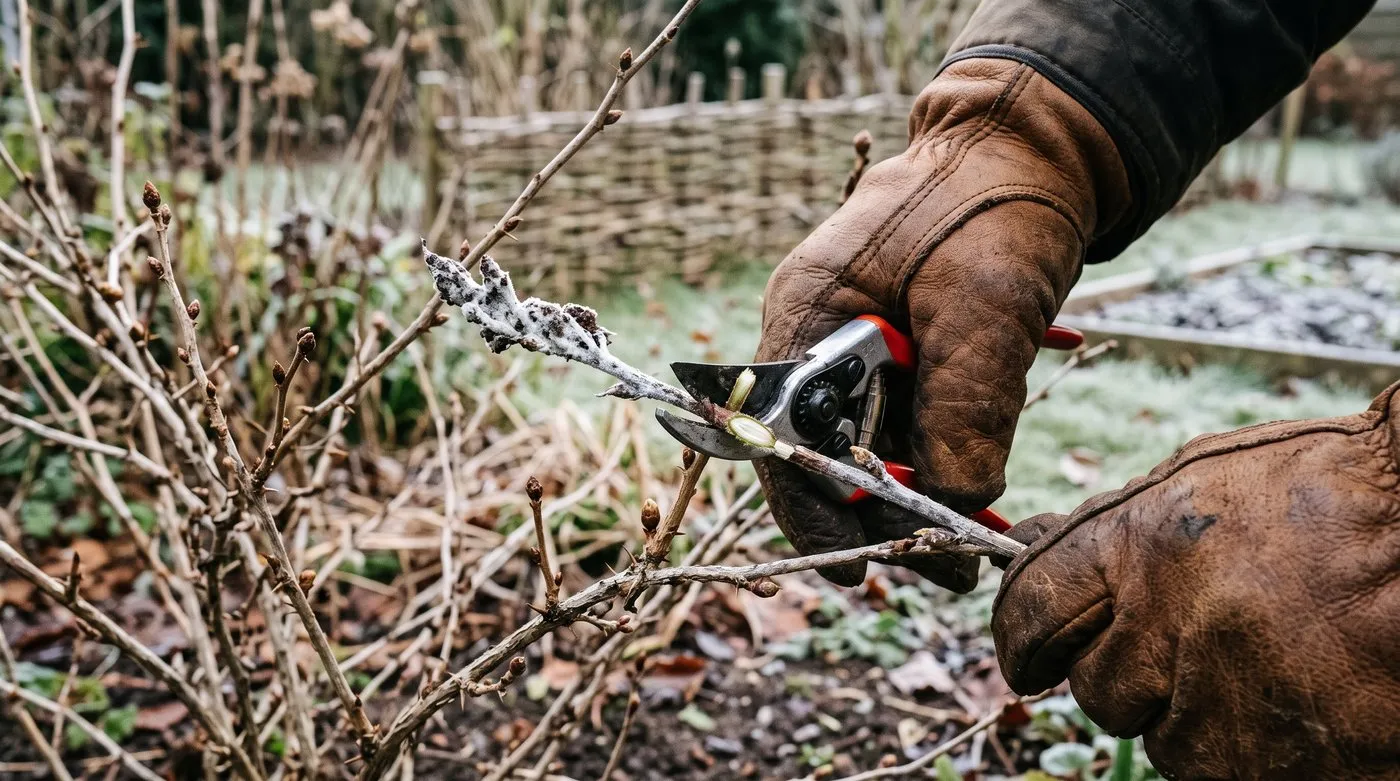
Cut felted tips back to clean wood at winter pruning. This takes away the fungus that would start next year’s attack.
Feeding gooseberries without encouraging mildew
Too much nitrogen is the quickest way to grow your own mildew. Soft growth is far more prone to mildew, and a strong nitrogen feed makes plenty of it.
Gooseberries do better with potash than with a nitrogen push. Scatter sulphate of potash around the bush in late winter, at the rate on the pack. It firms up growth and helps the fruit. Avoid fresh manure and high-nitrogen feeds right next to the bushes. A spring mulch of garden compost keeps the soil moist and feeds gently. Our guide to feeding fruit bushes covers what each soft fruit needs.
Water at the base in dry spells, not over the leaves. Dry, stressed bushes catch mildew more easily, but wet leaves overnight don’t help either.
Warning: Don’t give a mildewed bush a quick nitrogen feed to “perk it up”. The soft new growth catches mildew even faster.
Mildew-resistant gooseberry varieties
Choosing a resistant variety is the single most reliable fix. On a mildew-prone bush, nothing else comes close.
| Variety | Fruit | Notes |
|---|---|---|
| Invicta | Green, culinary | The standard resistant choice, heavy cropping |
| Greenfinch | Green, culinary | Good resistance, reliable cropper |
| Rokula | Red, dessert | Resistant, sweet red berries |
| Pax | Red, dessert | Resistant, very few spines |
| Captivator | Red, dessert | Resistant, almost thornless |
Older dessert varieties such as Careless, Leveller and Golden Drop catch mildew easily. They are lovely gooseberries, but they need good pruning every year to stay clean. If a bush mildews badly every year despite good care, replace it with one of the varieties above.
The same mildew can affect blackcurrants. Our guide to growing redcurrants and blackcurrants covers pruning those for good airflow too.
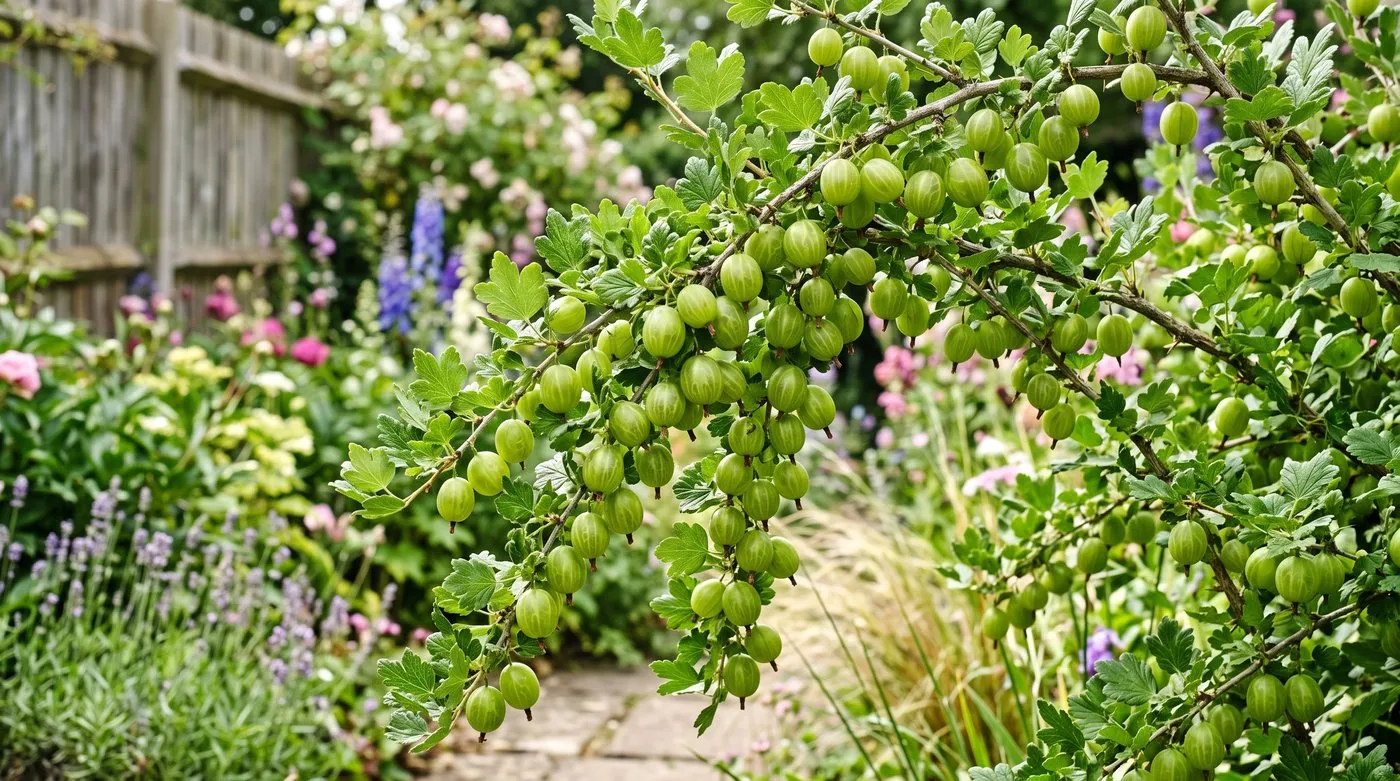
A clean crop on a resistant variety. Picking the right variety saves you a lot of work each year.
Should you spray gooseberry mildew?
Usually not. Pruning, feeding and variety choice do far more than any spray.
Online you will see milk or bicarbonate of soda suggested. Kitchen mixes are not approved for treating plant diseases in the UK, and they won’t clear an established attack anyway.
If you do decide to use a fungicide, buy an approved product for garden use and check the label lists gooseberries. Some old varieties, including Careless, Leveller, Golden Drop, Roaring Lion and Early Sulphur, are “sulphur-shy”. Sulphur-based products damage their leaves, so never use one on these. The RHS gooseberry mildew page has more detail.
| Method | How much it helps |
|---|---|
| Grow a resistant variety | The biggest single fix |
| Cut out felted tips in summer and winter | Removes next year’s source |
| Prune to an open centre | Keeps air moving and leaves dry |
| Feed potash, not nitrogen | Avoids soft, easily infected growth |
| Approved fungicide | A small extra help on prone varieties |
Gooseberry mildew month by month
| Month | What to do |
|---|---|
| January to February | Winter prune to an open shape. Cut out felted tips. Scatter sulphate of potash |
| March | Mulch with garden compost. Avoid high-nitrogen feeds |
| April to May | Watch new tips for white felt and cut off any you see |
| June | Water at the base in dry spells. Keep checking tips |
| July | Rub felt off berries as you pick. Note which bushes suffered |
| August to September | Cut out felted tips before leaf fall |
| October to December | Plan resistant replacements. Plant new bare-root bushes |
Common mistakes with gooseberry mildew
- Ignoring the tips in winter. The fungus overwinters on the shoot tips. Cut them out.
- Feeding nitrogen to a mildewed bush. Soft growth catches mildew faster. Feed potash instead.
- Using sulphur on a sulphur-shy variety. It damages their leaves. Check the variety first.
- Leaving the bush crowded. Still, humid air inside the bush suits the fungus. Open the centre.
- Nursing a mildew-prone bush for years. If it mildews every year whatever you do, replace it with a resistant variety.
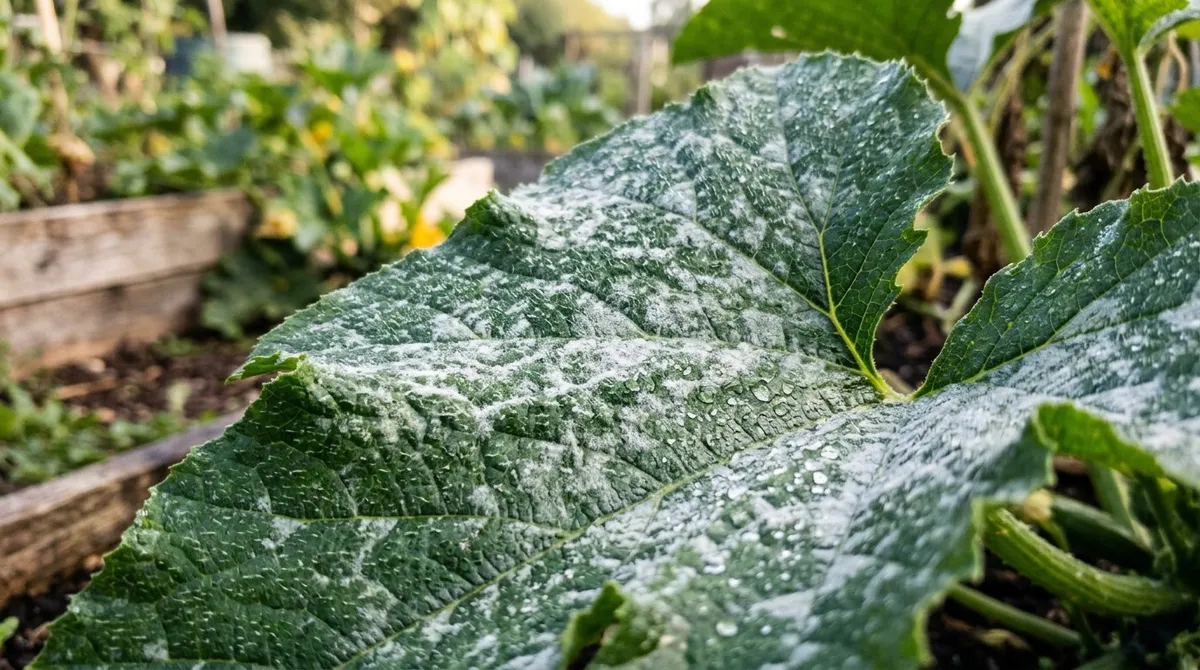
For mildew on other plants, such as courgettes and roses, see our guide to powdery mildew.
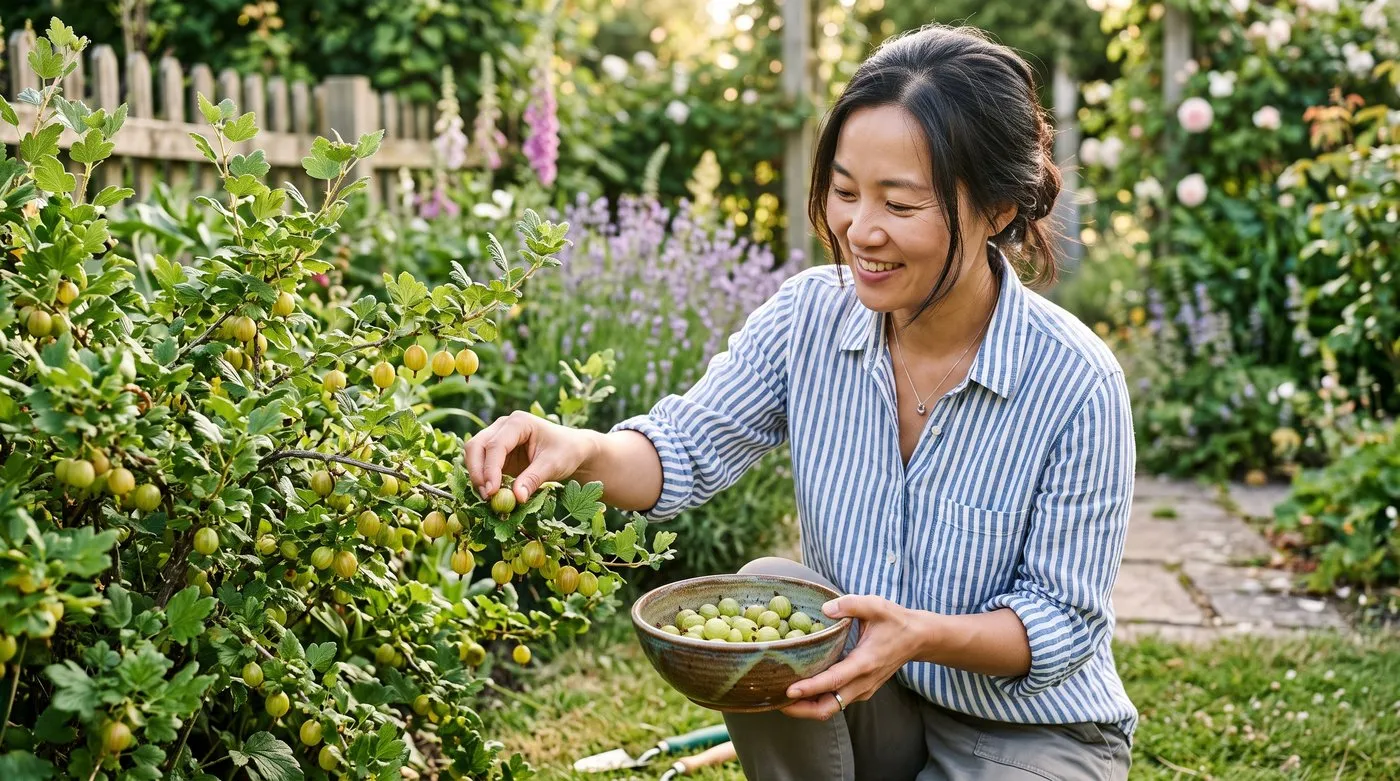
Clean fruit from a well-pruned bush. Even lightly mildewed berries are fine once you rub the felt off.
Frequently asked questions
What is the white powder on my gooseberries?
It is American gooseberry mildew, a common fungal disease. It starts as white, powdery felt on the shoot tips and young leaves, then spreads to the berries. On the fruit the felt later turns brown. It can affect blackcurrants too.
Can you eat gooseberries with mildew?
Yes, they are fine to eat once the felt is rubbed off. The coating sits on the skin, and the fruit underneath is sound. Badly affected berries may stay small or split, so they are best cooked.
How do I get rid of American gooseberry mildew?
Prune for an open centre, cut out felted tips and grow a resistant variety. Air moving through the bush stops the still, humid conditions the fungus likes. Cutting out felted tips removes the fungus before winter. Feed potash rather than nitrogen.
Which gooseberry varieties resist mildew?
Invicta, Greenfinch, Rokula, Pax and Captivator all resist it well. Invicta is the most widely grown and crops heavily. Older dessert varieties such as Careless and Leveller catch it easily.
Does bicarbonate of soda cure gooseberry mildew?
No, and kitchen remedies are not approved for treating plant diseases. Pruning for air, cutting out felted tips and growing a resistant variety work far better. If you want to spray, use an approved fungicide that lists gooseberries on the label.
Should I remove leaves with gooseberry mildew?
Cut out the felted shoot tips rather than picking off leaves. The tips carry the fungus through winter, so removing them matters most. Do it in late summer and again at winter pruning, and put the prunings in the green-waste bin.
Why do my gooseberries get mildew every year?
Usually a mildew-prone variety in a crowded, over-fed bush. Soft growth from too much nitrogen and still, humid air inside the bush let it thrive. Open the bush, feed potash and cut out felted tips. If it keeps coming back, replace it with a resistant variety.
Browse more fruit and plant troubles in our problems hub. If other plants have spots or coatings too, our guide to common garden plant diseases helps you name them.
Our team produces practical UK gardening guidance from source research, contributor records and established horticultural practice. Editorial standards are overseen by Matt W.