Key takeaways
- Himalayan balsam has pink helmet-shaped flowers and hollow, red-tinged stems up to 2m tall
- It's an offence to plant it or let it spread into the wild
- Pull plants from May to July, before the seed pods form
- Snap the stem below the lowest joint so it can't regrow
- Never put it in the green waste bin or throw it near water
- Seeds in the soil keep sprouting for a couple of years, so keep checking
Himalayan balsam is easy to pull up, but it spreads fast if you leave it. Himalayan balsam (Impatiens glandulifera) is a tall invasive annual with pink helmet-shaped flowers. It takes over riverbanks, ditches and damp gardens, smothering native plants. Pull it from May to July, before the seed pods form, and keep checking for a couple of years.
The good news is that it has shallow roots and comes out with a gentle tug. This guide covers how to spot it, the best time to pull it, how to get rid of the waste and what the law expects. If you’re also dealing with other invasive plants, the guide to banned plants in UK gardens gives the bigger picture.
How to identify Himalayan balsam
Look for tall plants with pink helmet-shaped flowers and hollow, red-tinged stems. By midsummer it usually stands 1-2m tall, often in thick stands along water.
- Stems: thick, hollow, juicy and often flushed red, with swollen joints. They snap easily.
- Leaves: long, narrow and finely toothed, in pairs or threes up the stem.
- Flowers: pink, purple or occasionally white, shaped like a bonnet or helmet, from about June to October.
- Seed pods: green, club-shaped pods that burst open when ripe, flinging seed several metres.
- Roots: shallow and fibrous.
There are a few smaller balsams in the UK that are easy to tell apart. Touch-me-not balsam, a rare native, and small balsam both have yellow flowers. Orange balsam has orange flowers. Only Himalayan balsam has those big pink flowers on tall, chunky stems.

Pink helmet-shaped flowers and a thick, red-tinged stem are the giveaways. It loves the damp ground by rivers and streams.
Is Himalayan balsam illegal?
It’s not illegal to have it on your land, but you must not plant it or let it spread into the wild. Himalayan balsam is listed under Schedule 9 of the Wildlife and Countryside Act 1981 and is covered by the invasive species rules. That means you must not plant it, grow it on purpose, sell it or give it away.
In practice, if you find it in your garden, the responsible thing is to pull it before it seeds. That matters most if your land runs down to a river, stream or ditch, as water carries the seed downstream. Never throw pulled plants into water or dump them over the fence.
The GOV.UK guidance on invasive plants sets out what landowners and gardeners must do. It also covers other listed plants such as Japanese knotweed, three-cornered garlic and Chilean giant rhubarb, which need quite different removal methods.
When should you pull Himalayan balsam?
From May to July, before the seed pods form. Timing is the most important thing to get right. Pull too late and you scatter next year’s crop.
| When | What the plant is doing | What to do |
|---|---|---|
| April to May | Seedlings coming up | Pull or hoe seedlings, easy work |
| June to July | Growing tall and starting to flower | Main pulling time |
| Late July to August | Seed pods forming | Pull carefully, bagging plants with pods |
| September to October | Pods ripe and bursting | Avoid disturbing; note patches for next year |
| November to March | Dead plants | Nothing to do; plan next year’s pull |
Pulling as plants start to flower makes them easy to spot. Go back over the same area every few weeks through summer, as plants you missed or late seedlings will appear.
If plants already have pods, use the bag method. Slip a clear plastic bag over the top of the plant, holding the pods inside, then pull. Any pods that burst go into the bag.

Late to the party? Bag the top of the plant before you pull, and any bursting pods empty into the bag, not the soil.
How to pull Himalayan balsam
Grip the stem low down and pull straight up. The shallow roots come out easily, even on big plants.
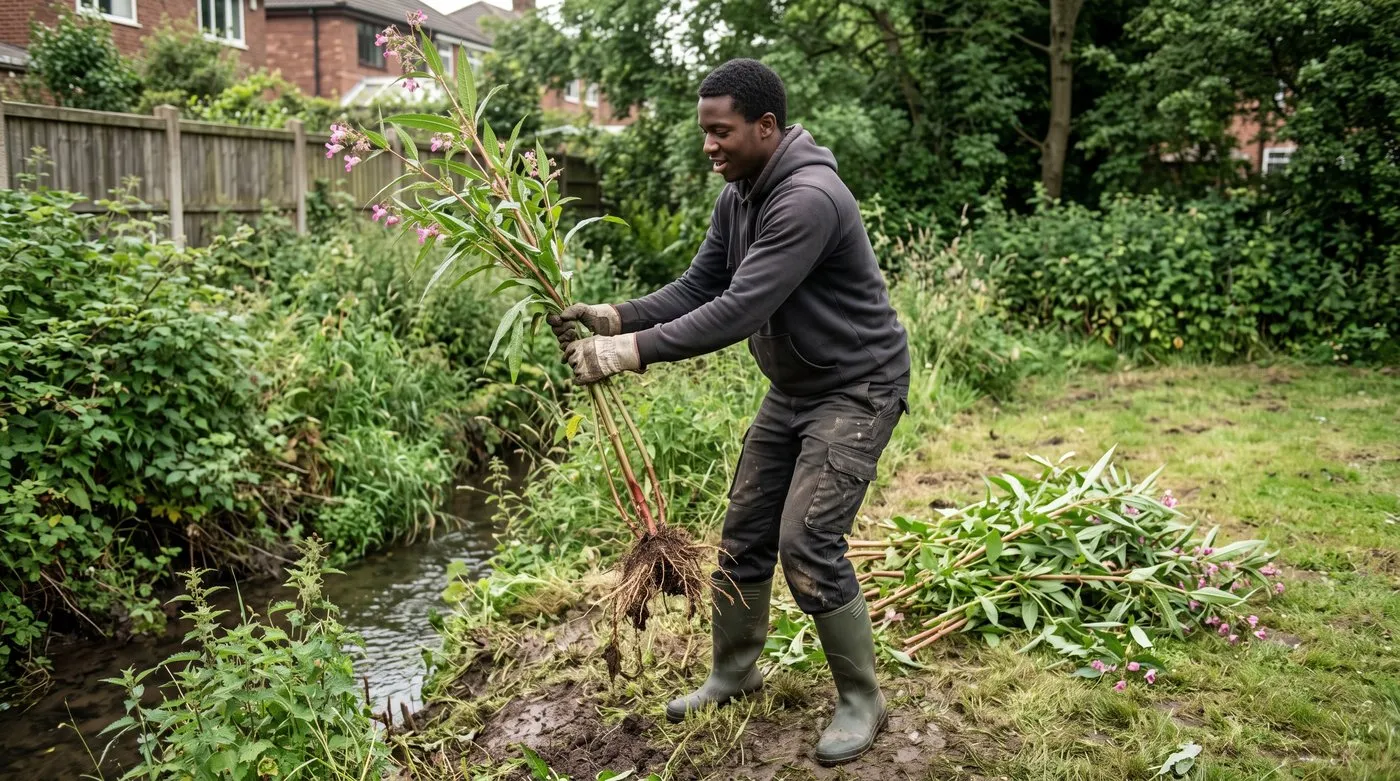
The shallow roots come up with one steady pull. Snap the stem below the lowest joint so it can’t root again.
- Wear gloves for grip, as the stems can be slippery. Wellies help on wet ground.
- Hold the stem near the base and pull it straight up.
- Snap the stem below the lowest joint, or crush the root end. This stops it rooting again.
- Lay pulled plants in a pile, off wet ground and away from water.
- Work from the edge of the patch inwards, and check under other plants for small ones.
Snapped stems left lying on damp soil can root again from their joints. That’s why snapping below the lowest joint and piling plants off the ground matters. On a big patch, local volunteer groups often run “balsam bashing” days and welcome help.
How to dispose of Himalayan balsam
Plants without seed pods can be piled up to rot on your own land. Choose a spot away from water, ideally on a tarpaulin or hard ground, and check it for regrowth. Pile the stems loosely so they dry out.
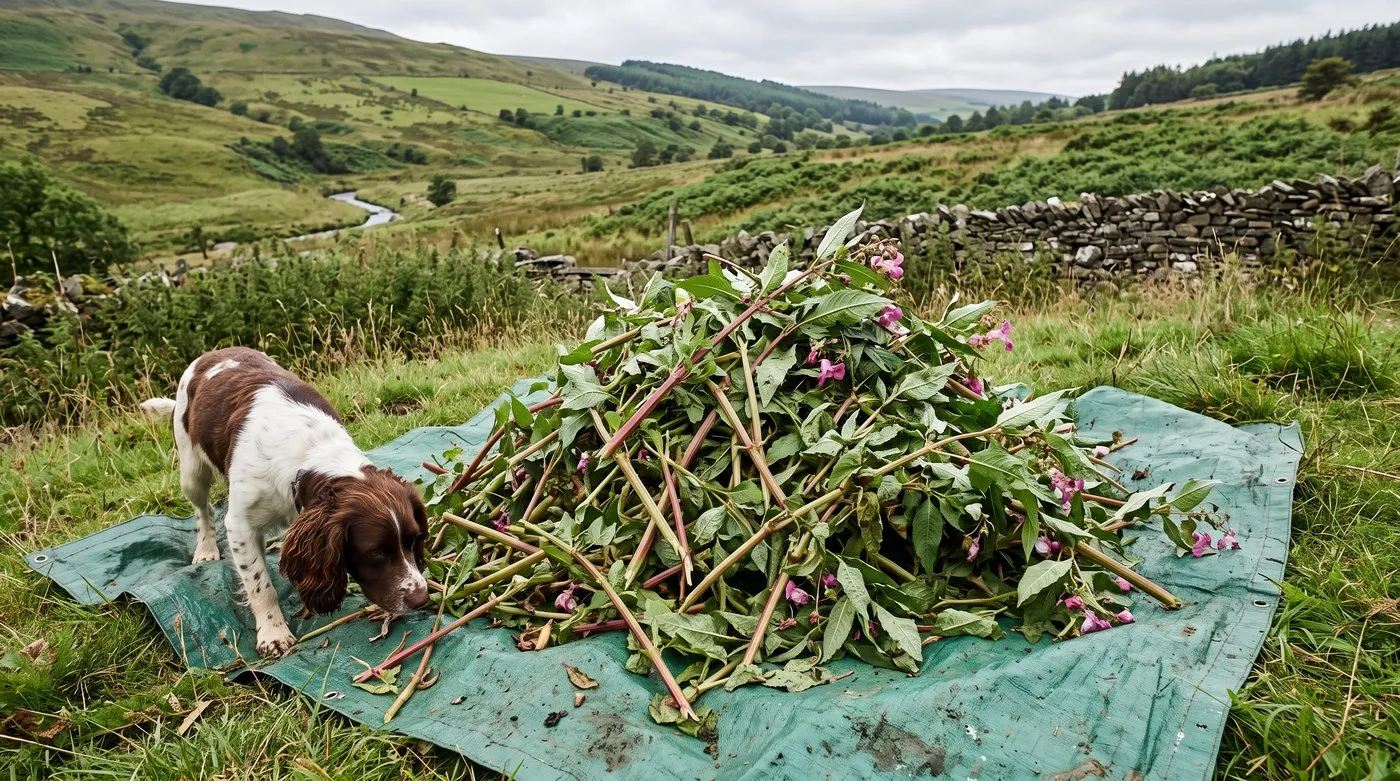
Pulled before the pods form, balsam can simply rot down in a loose pile, well away from water.
Plants with seed pods need more care. Bag them up tightly. Then burn them on site where that’s allowed, or ask your council how they’d like you to dispose of them. Don’t put Himalayan balsam in the green waste bin, and never compost plants with pods on an open heap. If you need to take a large amount off your land, use a registered waste carrier.
Will Himalayan balsam come back?
Yes, for a couple of years, but it gets much easier. Seeds in the soil can sprout for around two years after the last plant seeds. Each year you stop plants seeding, there’s less to pull.
- Year one: pull the main stand in June and July. Go back every few weeks to catch stragglers.
- Year two: check from May and pull seedlings and young plants on sight.
- Year three and after: walk the area a few times each summer. If you’re downstream of other balsam, new seed may keep arriving on floodwater.

Seedlings like these pop up every spring for a couple of years. Pull them now and you won’t have giants to tackle in July.
Once the balsam is gone, fill the space quickly so it can’t move back in. Native plants such as meadowsweet, purple loosestrife and hemp agrimony suit damp banks. The guide to plants for wet, boggy soil has more ideas.

Cleared and planted with natives on the left, still smothered in balsam on the right. A few years of pulling makes all the difference.
Why Himalayan balsam spreads so fast
It fires seed and lets water do the rest. Ripe pods burst when touched, flinging seeds several metres. Seeds that land in streams and rivers float off and come ashore far downstream.
It also grows fast. Seedlings come up in spring and race to 1-2m by midsummer, shading out slower native plants underneath. When it dies back in autumn, it leaves banks bare and more likely to wash away in winter floods. That’s why a few plants in a garden by a stream can soon become a problem for the whole river.
It was brought to Britain as a Victorian garden plant, and it’s been escaping ever since.
Common mistakes with Himalayan balsam
- Pulling after the pods form. The pods burst as you handle them. Pull earlier, or use the bag method.
- Leaving pulled plants on wet ground. Stems can root again. Snap below the lowest joint and pile them off the soil.
- Putting it in the green waste bin. Seeds and stems can survive. Keep it on site or follow your council’s advice.
- Pulling only the big plants. Small ones hidden underneath will flower and seed. Check carefully.
- Stopping after one year. Seeds in the soil keep coming. Plan to check for at least two or three years.
Month-by-month Himalayan balsam calendar
| Month | What to do |
|---|---|
| January to March | Note last year’s patches. Join or plan a volunteer session |
| April | First seedlings appear. Pull or hoe them |
| May | Pull young plants on sight |
| June | Main pulling season begins |
| July | Keep pulling before pods form. Go back for missed plants |
| August | Bag any plants with pods before pulling |
| September to October | Avoid ripe plants. Mark patches for next year |
| November to December | Plants die back. Plan next year’s pull |
Frequently asked questions
Is it illegal to have Himalayan balsam in a UK garden?
No, but you must not plant it or let it spread into the wild. If it’s growing on your land, the responsible step is to remove it before it seeds. That matters most if your garden is near a river, stream or ditch.
How do I identify Himalayan balsam?
Look for tall plants with pink helmet-shaped flowers and hollow, red-tinged stems. The leaves are long, narrow and toothed, in pairs or threes up the stem. It flowers from about June to October, often in dense stands by water.
When should I pull Himalayan balsam?
From May to July, before the seed pods form. Pulling before or just as it starts flowering is ideal. Once pods appear, they can explode as you handle the plant and scatter seed.
How do I dispose of Himalayan balsam?
Pile plants without seed pods on your land to rot, away from water. Bag any plants with pods. Don’t put it in the green waste bin, and ask your council how to dispose of larger amounts.
Will Himalayan balsam come back next year?
Yes, for a couple of years at least. Seeds already in the soil keep sprouting even after you’ve cleared every plant. Keep pulling seedlings each spring and summer and the patch will shrink fast.
Is Himalayan balsam dangerous to touch?
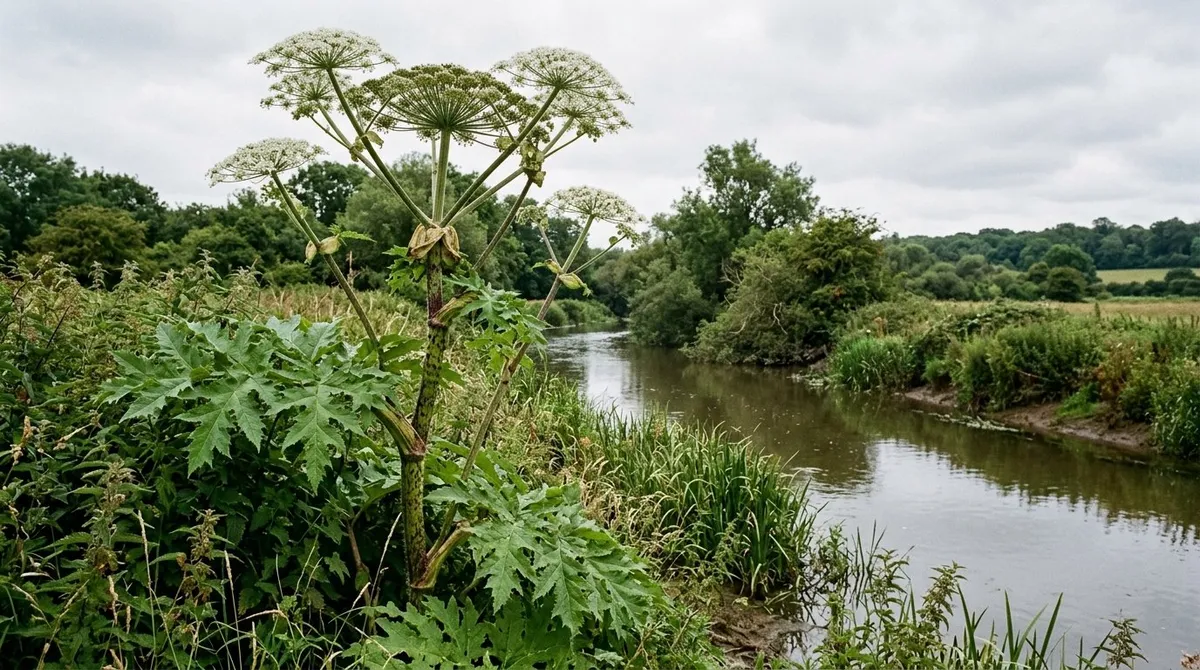
No, it’s safe to handle with bare hands. Gloves just give a better grip on the slippery stems. It’s giant hogweed, a different invasive plant, that burns skin.
Find more weed and invasive plant guides in the garden problems hub. If you’ve spotted a giant, frothy white-flowered plant by the same stream, read our giant hogweed identification guide before you touch it.
Our team produces practical UK gardening guidance from source research, contributor records and established horticultural practice. Editorial standards are overseen by Matt W.