Key takeaways
- Cuckoo spit is froth made by a young froghopper to hide in while it feeds
- It shows up from May to June on lavender, rosemary, roses and many other plants
- It does no real harm to plants, people or pets, so leave it be
- A spray of plain water washes it off if it bothers you, and no insecticide is needed
- The adult froghopper is a small brown bug about 6mm long and a superb jumper
- Froghoppers could spread the plant disease Xylella, which has not been found in the UK
That white froth on your lavender, rosemary or roses in early summer is cuckoo spit. It’s made by the young of a little insect called the common froghopper, which hides inside the bubbles while it feeds. It’s harmless, it needs no treatment, and it’s gone by July.
This guide explains what cuckoo spit is, what makes it, and why you can simply leave it alone. It also covers the one useful thing you can do, which is to help track where froghoppers live.
What is cuckoo spit?
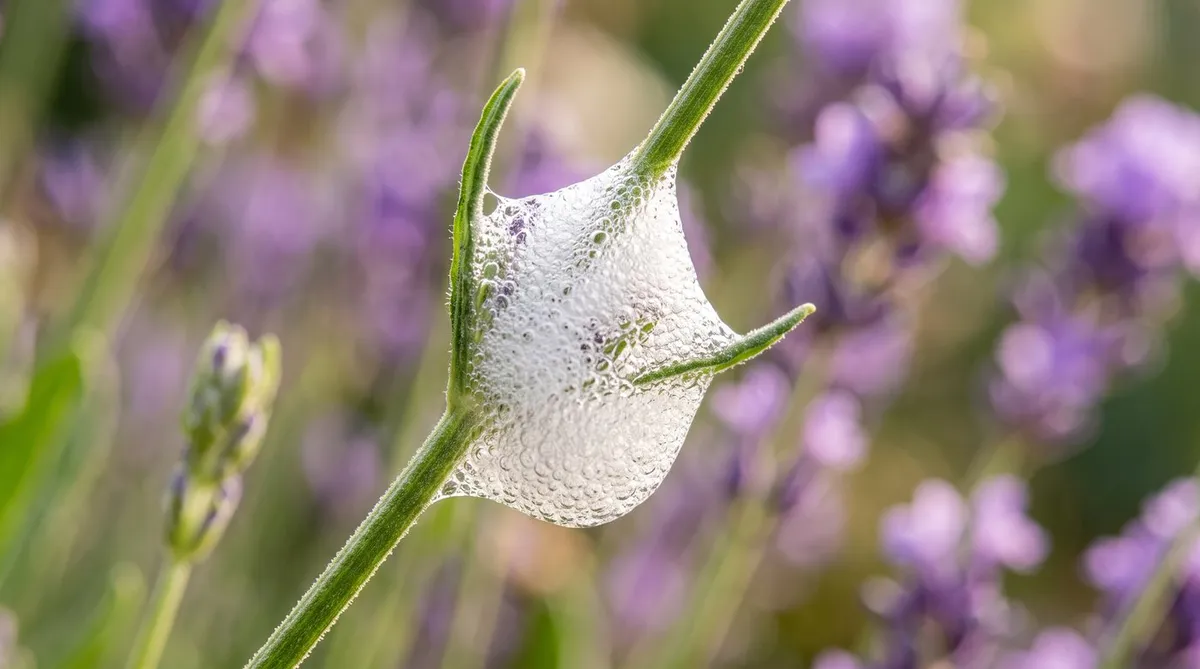
Cuckoo spit is a blob of white froth on a stem or leaf joint, usually from May to June. Gently part it with a twig and you’ll find a small, soft, pale green or yellowish insect inside. That’s a froghopper nymph, the young stage of the insect.
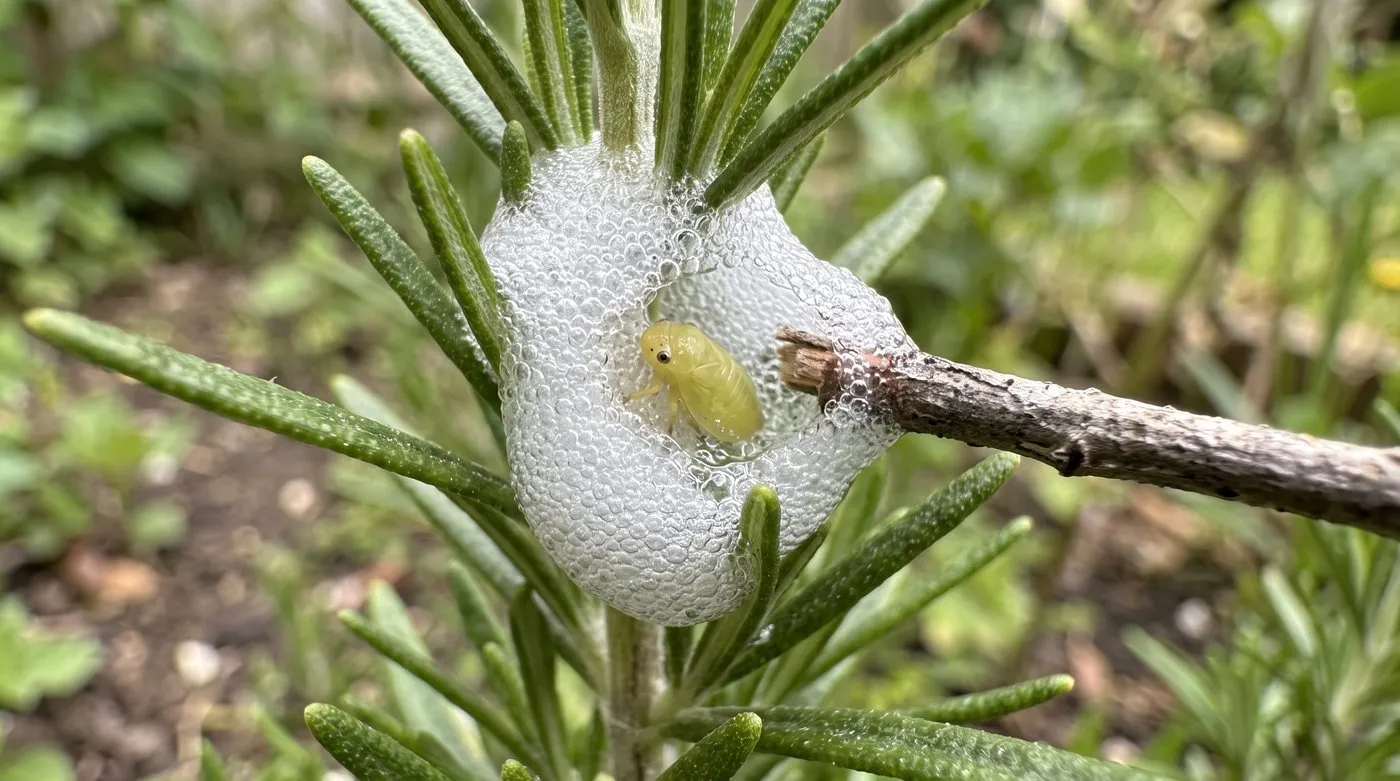
Part the bubbles with a twig and you’ll find the maker: a soft, wingless froghopper nymph.
The nymph feeds by sucking sap from the plant. Sap is mostly water, so the nymph has to drink a lot and get rid of the extra. It mixes this liquid with a little of its own secretion and blows air into it, making the froth.
The bubbles do two jobs. They keep the soft little nymph from drying out in the sun, and they hide it from predators such as birds. So it isn’t spit, a disease or a clump of eggs. It’s a hiding place and a raincoat, made from the plant’s own sap.
The name has nothing to do with cuckoos, other than turning up at the time of year they start calling.

Cuckoo spit is easy to find and completely harmless, so it’s a lovely bit of garden wildlife to show children.
The froghopper: the insect behind the froth
The nymph grows up into a froghopper, a small bug about 6mm long. It’s wedge-shaped and usually mottled brown, though some are paler, greener or almost black.
You’ll rarely notice one until it moves. Froghoppers are some of the best jumpers of any insect, flinging themselves many times their own length in a split second. That frog-like leap gives them their name.
Several froghopper species live in the UK, but the common froghopper (Philaenus spumarius) makes most of the cuckoo spit you’ll see. Our guide to good bugs and bad bugs introduces more of the small creatures sharing your borders.
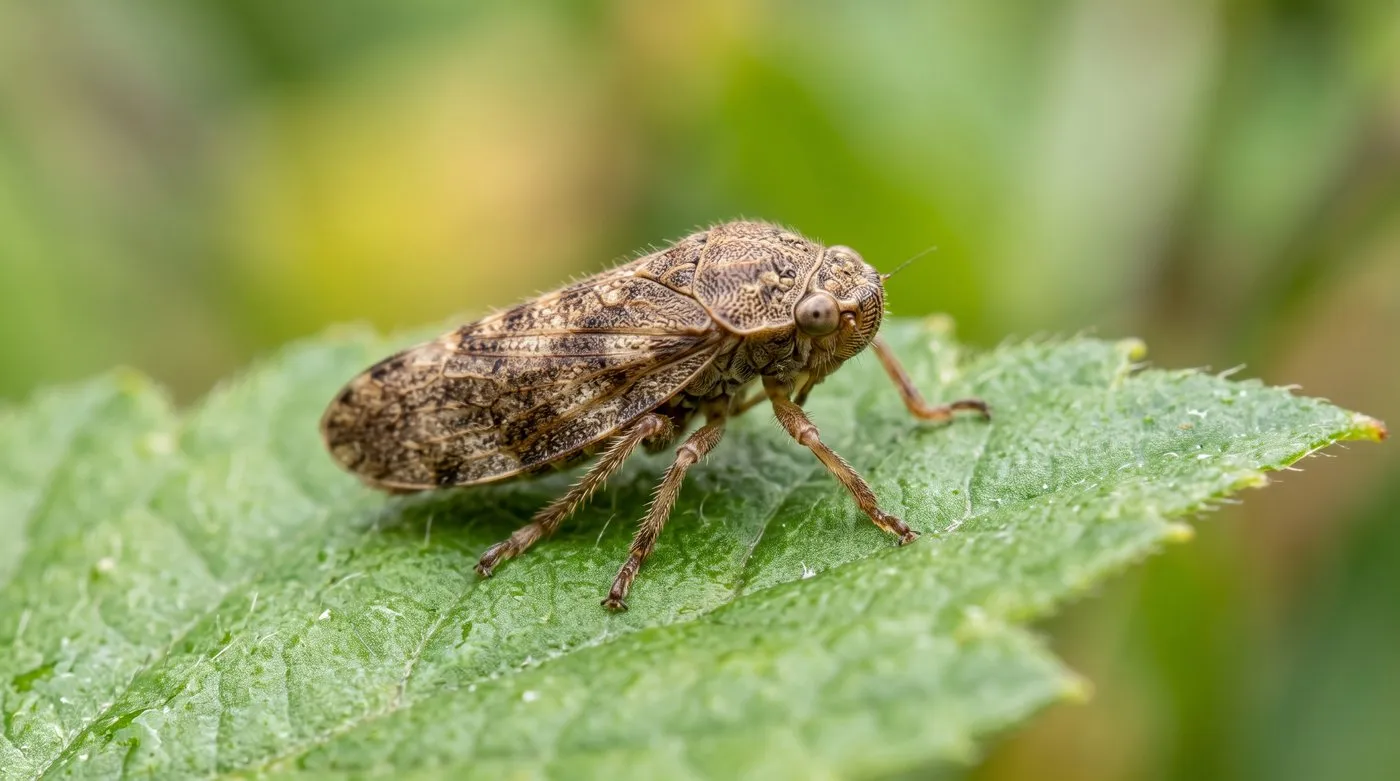
The adult froghopper is small, brown and easy to miss until it jumps.
When does cuckoo spit appear?
Froghoppers have one generation a year, so the froth comes and goes at the same time each year.
| Time of year | What’s happening |
|---|---|
| Autumn to early spring | Eggs sit out the winter on old stems and plant debris |
| April to May | Eggs hatch and tiny nymphs settle on a plant to feed |
| May to June | Cuckoo spit appears as the nymphs feed and grow |
| June to July | Nymphs become adults and leave the froth behind |
| Summer to autumn | Adults feed on sap and lay eggs for next year |
So cuckoo spit is a short, late-spring thing. It isn’t an infestation that builds up all summer.
Is cuckoo spit harmful to plants?
No. Each nymph takes only a little sap, and plants shrug it off. In very heavy cases, a shoot tip might look a little twisted. The plant carries on growing and flowering just fine.
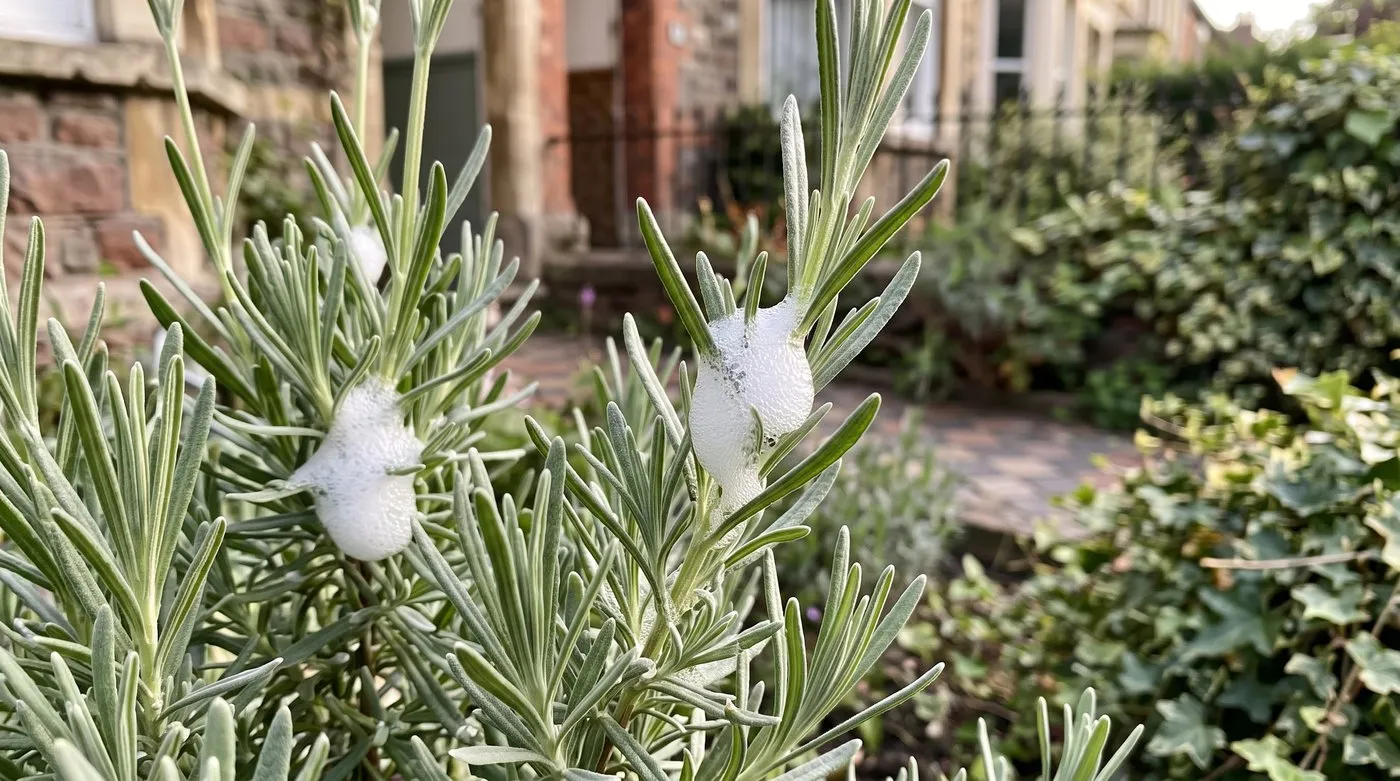
Lavender is a froghopper favourite. The froth looks odd, but the plant carries on growing happily.
You’ll often find it on lavender, rosemary, roses, fuchsias and all sorts of border plants and weeds. A plant dotted with froth looks odd, but it isn’t sick.
If you’re seeing clusters of tiny green or black insects on shoot tips instead, that’s a different story. Our guide to getting rid of aphids covers those.
What to do about cuckoo spit
Nothing. Enjoy it and leave it be. It does no harm, it’s gone within weeks, and froghoppers are a natural part of garden life.
If the froth really bothers you on a plant by the front door, wash it off with a spray of plain water from the hose. You can also pick the nymph off by hand and pop it on a weed. More froth may appear while nymphs are still active, which is normal.
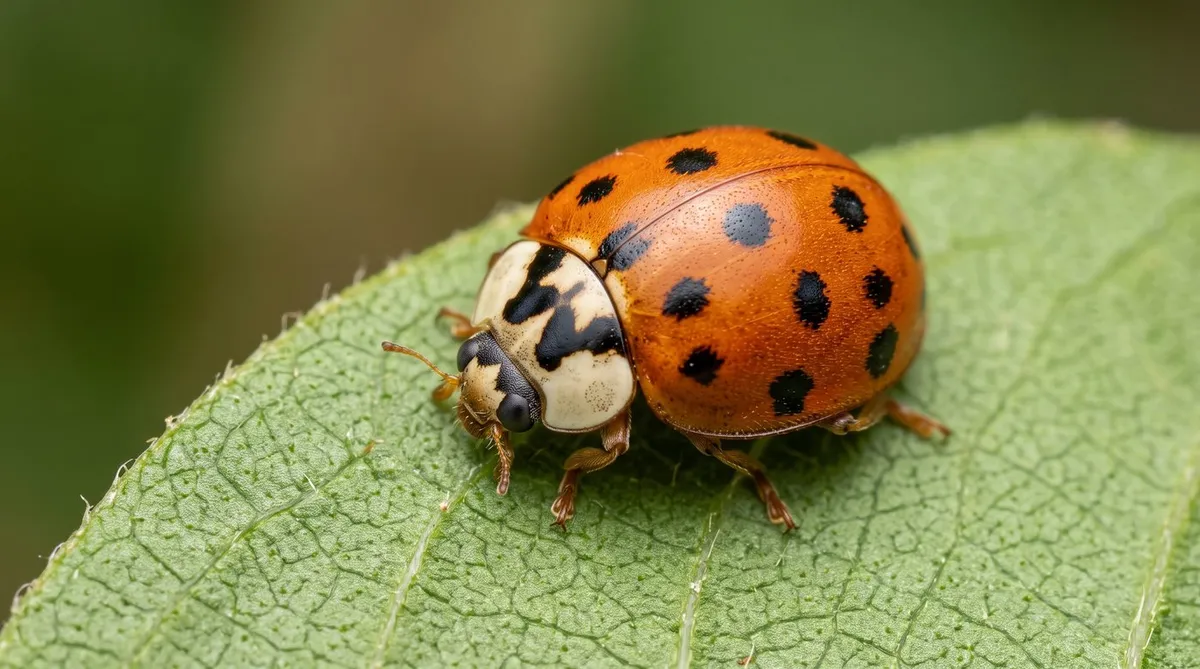
Don’t use insecticides. They’re pointless against a harmless insect, and they also kill ladybirds, lacewings, hoverflies and other helpful insects. Our guide to ladybirds in the garden shows why those are worth keeping.
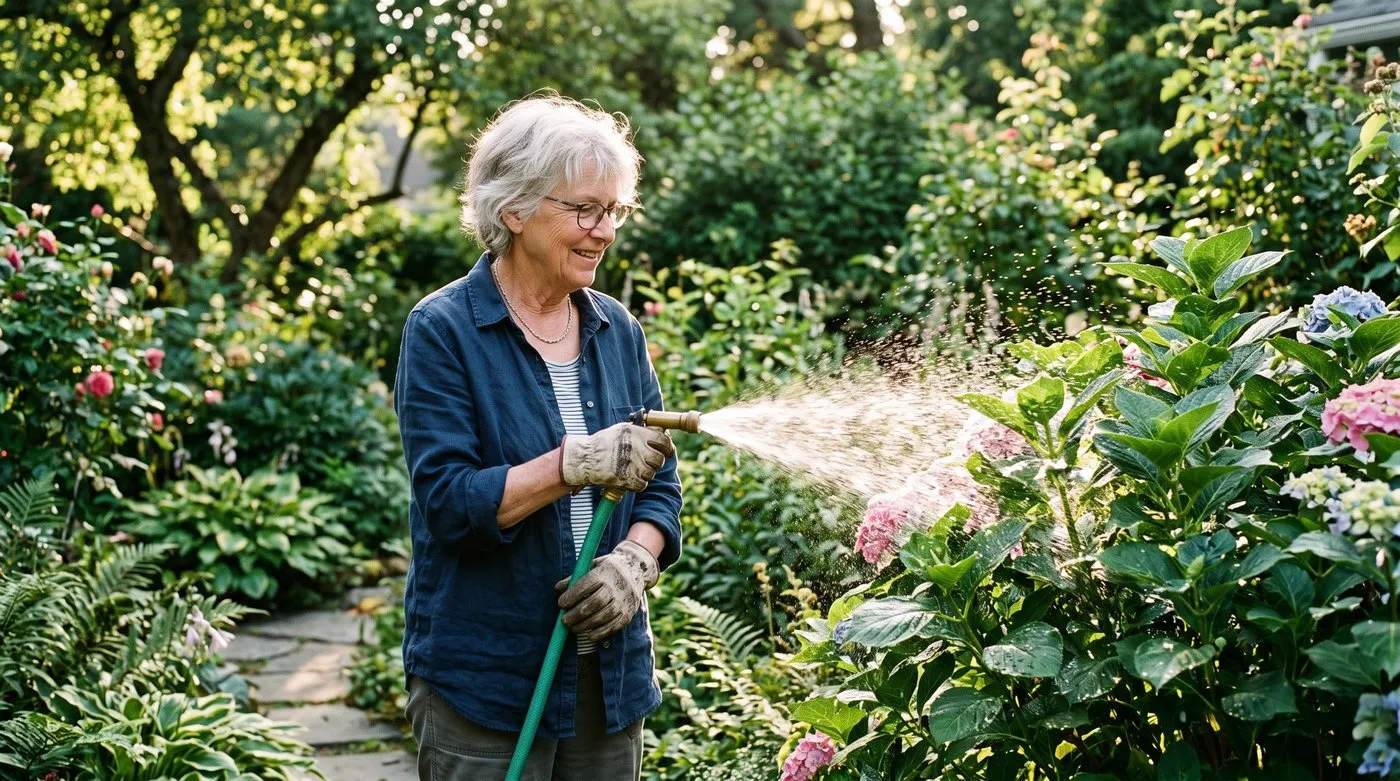
If the froth bugs you, a spray of plain water from the hose is all it takes. Everything else can stay in the shed.
Why froghoppers matter: the Xylella link
Froghoppers are of interest to plant scientists for one reason. They’re the kind of sap-sucking insect that could spread a plant disease called Xylella.
Xylella fastidiosa is a bacterial disease that has done serious damage to olive groves and other plants in parts of southern Europe. It can infect lavender, rosemary and many other garden plants. It’s spread from plant to plant by sap-feeding insects, and froghoppers are among the main carriers.
Here’s the reassuring part: Xylella has not been found in the UK. The froghoppers in your garden aren’t carrying it. Knowing where froghoppers live would help a quick response if Xylella ever arrived, which is why surveys have asked gardeners to record cuckoo spit. The RHS guide to froghoppers and cuckoo spit has the latest on how to help.
The real way to keep Xylella out is careful plant buying. Buy plants from reputable UK suppliers, and don’t bring plants home from holidays abroad.
Common mistakes with cuckoo spit
Thinking it’s a disease or fungus. It’s foam made by an insect from the plant’s own sap.
Thinking it damages plants. A plant covered in froth is fine. No treatment is needed.
Reaching for a spray. Insecticides kill helpful insects and achieve nothing here. Water is the only tool you’ll ever need.
Blaming the cuckoo. The name just marks the season. A froghopper nymph makes the froth.
Worrying about Xylella. It hasn’t been found in the UK. Buying plants carefully matters far more than anything a froghopper does.
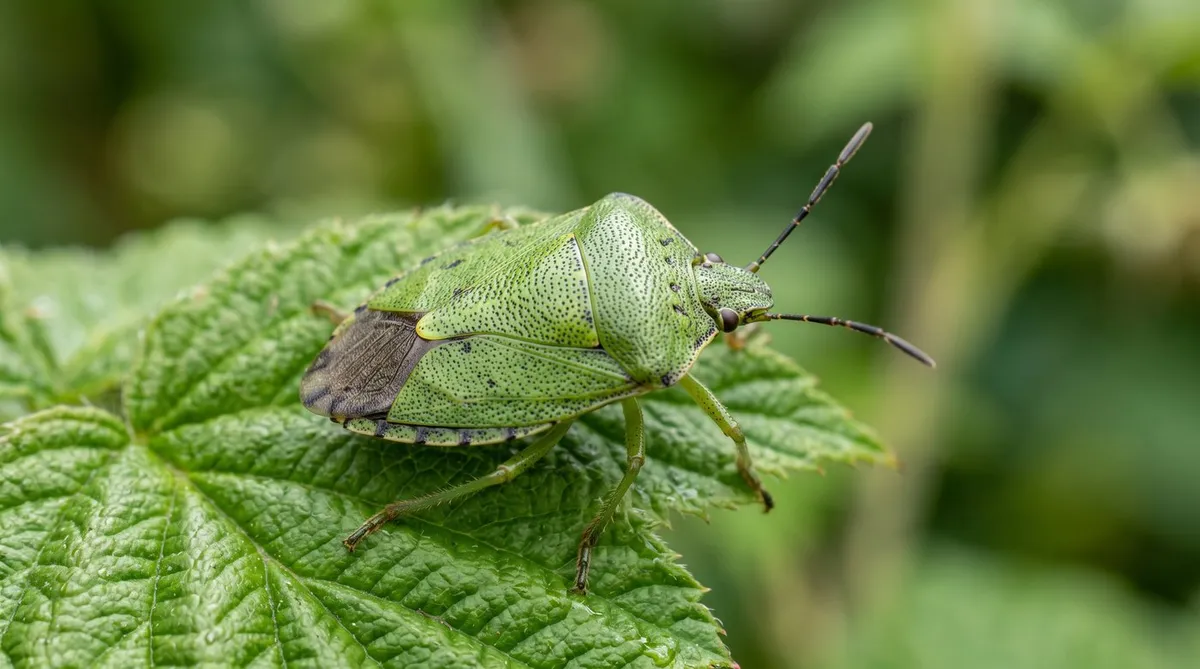
Now you know cuckoo spit is nothing to fear, meet another harmless visitor that often worries gardeners in our green shield bug guide. For more of the creatures sharing your garden, browse our wildlife guides.
Frequently asked questions
What is cuckoo spit?
It’s white froth made by a young froghopper insect. The nymph sucks sap and blows the extra into bubbles to hide in. You see it on stems and leaf joints in late spring. The name comes from turning up when cuckoos start calling.
Is cuckoo spit harmful to plants?
No, cuckoo spit does garden plants no real harm. The nymph inside takes only a little sap. In heavy cases a shoot tip might look slightly twisted, but the plant carries on fine. No control is needed.
What insect makes cuckoo spit?
Mostly the young of the common froghopper, Philaenus spumarius. The nymph hides in the froth as it grows. The adult is a small brown bug about 6mm long that jumps like a tiny frog. A few other froghopper species make froth too.
Should I remove cuckoo spit?
No, there’s no need. It does no harm and is gone by July. If it bothers you on a plant by the door, wash it off with a spray of plain water. Don’t use insecticide, as it kills helpful insects too.
When does cuckoo spit appear?
Mainly from May to June, sometimes into early July. The froth appears as the nymphs grow in late spring. It goes once they become adults in early summer, leaving just the odd jumping froghopper behind.
Is cuckoo spit dangerous to humans or pets?
No, it’s harmless to people and pets. It’s just plant sap whipped into foam by a tiny insect. It doesn’t sting or bite, and you can touch it or wash it off safely.
Why does the RHS want to know about froghoppers?
Because froghoppers could spread Xylella if it ever reached the UK. Xylella is a serious plant disease in parts of Europe, spread by sap-sucking insects. It hasn’t been found here. Knowing where froghoppers live helps plan for that risk.
Our team produces practical UK gardening guidance from source research, contributor records and established horticultural practice. Editorial standards are overseen by Matt W.