Key takeaways
- Most garden bugs are helpful or harmless; only a short list does real damage
- Watch behaviour first: hunters move fast, pests sit still and feed in groups
- Ladybird larvae look like tiny spiky alligators and are among the best aphid eaters
- Give predators a week or two to find aphid colonies before you step in
- Broad sprays kill the helpers too, and pests bounce back faster than predators
- Leave leaf litter, hollow stems and log piles so beneficial bugs can overwinter
Most bugs in a UK garden are good news. Only a short list of pests does real damage. The rest are hunting those pests, pollinating flowers or tidying up dead leaves. So before you squash or spray anything, it pays to know who’s who.
This guide gives you a quick friend-or-foe table, the helpful larvae that people kill by mistake and how to let the predators do the work for you.
How to tell a good bug from a bad bug
The quickest test is to watch what it’s doing for a minute or two.
- Hunters move fast and actively search leaves, soil or flowers
- Pollinators go from flower to flower
- Pests usually sit still, often in groups, feeding on shoots, leaves, roots or fruit
A bug walking briskly through an aphid colony is probably eating them. A crowd of small bugs packed on a shoot tip is probably the aphid colony.

Adult lacewings are delicate and easy to overlook. It’s their larvae that do most of the aphid eating.
Friend or foe: the common garden bugs
Use this table to check what you’ve found before you act.
| Bug | Friend or foe | How to spot it | What it does |
|---|---|---|---|
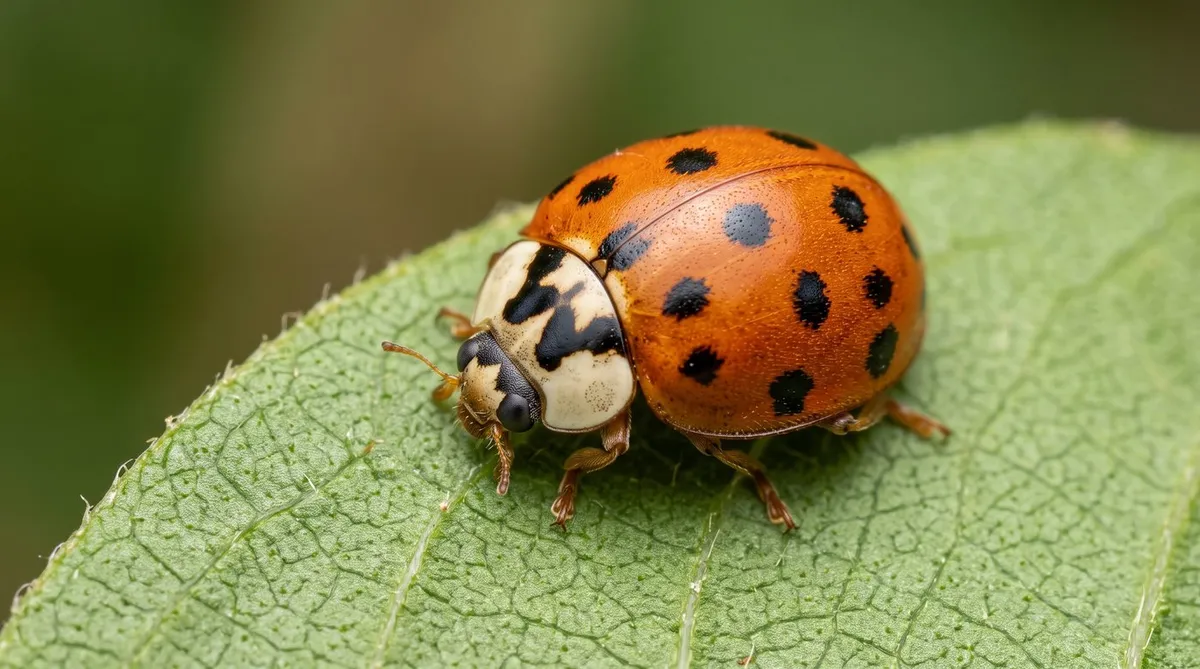
| Ladybird | Friend | Domed, red or yellow with black spots | Adults and larvae eat aphids |
| Lacewing | Friend | Green or brown, lacy wings | Larvae eat aphids and other small pests |
| Hoverfly | Friend | Wasp-like stripes, hovers, no sting | Pollinates; larvae eat aphids |
| Ground beetle | Friend | Shiny black, fast, out at night | Eats slugs, slug eggs and soil pests |
| Centipede | Friend | Flat, fast, one pair of legs per segment | Hunts small soil creatures |
| Garden spider | Friend | Web-building, often a white cross | Catches flies, aphids and other insects |
| Bees | Friend | Furry, busy on flowers | Pollinate flowers and crops |
| Social wasp | Mostly friend | Black and yellow, narrow waist | Hunts caterpillars, then seeks sugar in late summer |
| Millipede | Mostly harmless | Slow, rounded, two pairs of legs per segment | Eats rotting matter; sometimes nibbles seedlings |
| Ant | Mixed | Small, in trails and nests | Airs the soil but guards aphids for honeydew |
| Aphid | Foe | Small, green, black or grey, in clusters | Sucks sap, distorts shoots, spreads viruses |
| Slugs and snails | Foe | Slime trails, holes in leaves | Eat seedlings and soft leaves |
| Vine weevil | Foe | Black adult beetle; C-shaped cream grubs | Adults notch leaves; grubs eat roots in pots |
| Lily beetle | Foe | Bright scarlet beetle on lilies | Strips lily and fritillary leaves |
| Cabbage white caterpillar | Foe | Green or yellow-and-black, on brassicas | Eats cabbage leaves down to the ribs |
| Box tree moth | Foe | Green-and-black caterpillars, webbing on box | Strips box hedges |
Helpful larvae people squash by mistake
Many helpful bugs look nothing like their adults when they’re young. These are the ones to learn.
Ladybird larvae look like tiny spiky alligators. Most are dark grey or blue-black with orange or yellow spots. They often sit right in an aphid colony because they’re eating it.

It looks like trouble, but a ladybird larva is one of the best aphid eaters you’ll find. Leave it to get on with it.
Lacewing larvae are small, brownish and flattened, with curved jaws at the front. Some carry bits of debris on their backs as camouflage. The guide to lacewings for pest control has more on attracting them.
Hoverfly larvae are small, legless and maggot-like, often green or creamy, sliding over leaves among aphids. The adults are the stripy flies that hover over flowers. The hoverfly guide shows how to tell them from wasps.
Centipedes get squashed because they’re confused with millipedes. Centipedes are flat and fast, with one pair of legs per body segment. Millipedes are slower and rounder, with two pairs per segment. The centipede vs millipede guide covers the difference in more detail.

The centipede on the left is flat with long legs sticking out. The millipede on the right is rounder, with lots of short legs underneath.
How predators keep pests in check
Predators follow their prey. Ladybirds, hoverflies and lacewings lay their eggs where aphids are already feeding. That means there’s always a short gap: aphids build up first, then the predators arrive and catch up.
That gap is why a few aphids aren’t a crisis. Wipe out every one at first sight and the predators have nothing to lay eggs near, so they go elsewhere. Give a small colony a week or two and you’ll often find ladybird or hoverfly larvae moving in.
If a young or precious plant is really struggling, squash the aphids with your fingers or wash them off with a jet of water. That leaves the predators unharmed. The guide to getting rid of aphids has more gentle options.

Plenty of flowers bring in hoverflies. The adults feed on nectar and lay their eggs near aphid colonies.
The garden pests worth acting on
A short list of bugs does real harm, and these are worth knowing well.
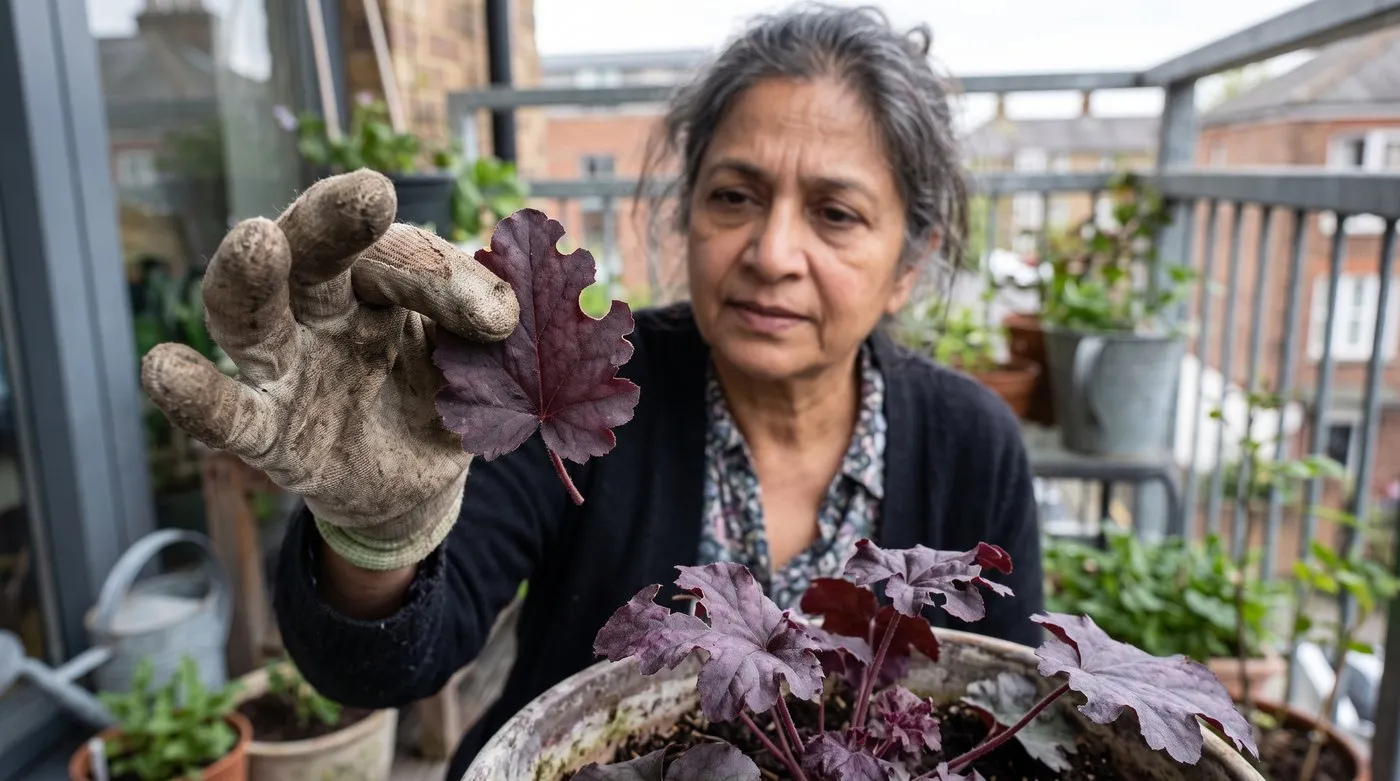
Neat notches around leaf edges are the calling card of adult vine weevils. Check the roots of pot plants for their cream grubs too.
- Aphids suck sap from shoot tips and can spread plant viruses. The black bean aphid is a classic on broad beans in early summer.
- Slugs and snails shred seedlings and soft leaves overnight.
- Vine weevil grubs eat the roots of pot plants. You often don’t notice until the plant collapses.
- Lily beetle is a bright red beetle that strips lily leaves. The lily beetle guide shows how to catch them early.
- Cabbage white caterpillars eat brassica leaves down to the ribs. Fine netting keeps the butterflies off.
- Box tree moth caterpillars spin webbing and strip box hedges fast.
Pick off what you can, use barriers such as netting, and try biological controls such as nematodes for vine weevil. Only reach for an approved product made for that pest, following the label, if nothing else works.
Bugs that are a bit of both
Some bugs sit in the middle, and that’s fine.
Social wasps hunt caterpillars, aphids and flies all spring and summer to feed their grubs. They only become a pest in late summer, when they go after fruit and sweet drinks. The guide to why wasps help the garden explains more.
Millipedes mostly eat rotting leaves, though a few nibble seedlings and fruit lying on the soil.
Ants help air the soil, but they also “farm” aphids for their sweet honeydew and chase off ladybirds. A trail of ants up a stem often leads to an aphid colony.
None of these needs killing. A light touch is enough in the few cases where they cause trouble.
Common mistakes with garden bugs
- Spraying at the first aphid. A broad spray kills the ladybird and hoverfly larvae already eating them. Pests bounce back faster than their predators.
- Squashing larvae you don’t recognise. Ladybird, lacewing and hoverfly larvae look odd but are the hardest workers.
- Killing every centipede. Count the legs per segment first: one pair means a friendly hunter.
- Tidying too much in autumn. Leaf litter and hollow stems are where many helpers spend the winter.

Ground beetles come out at night to hunt slugs and their eggs. A log pile or stone edge gives them somewhere to hide by day.
Garden bug activity through the year
| Months | What’s about | What to do |
|---|---|---|
| March to April | First aphids; beetles waking up | Hold off spraying and let predators find them |
| May to June | Aphids peak; lily beetles; lacewings | Hand-pick lily beetles; give predators time |
| June to July | Ladybird and hoverfly larvae busy | Leave them to it |
| July to August | Cabbage whites, box tree moth | Net brassicas; check box hedges |
| August to September | Vine weevil grubs; wasps after sugar | Use nematodes on pots; cover ripening fruit |
| October to November | Helpers looking for shelter | Leave leaf litter and hollow stems |
| December to February | Most bugs dormant | Build a log pile or bug hotel |
Frequently asked questions
How do I tell a good bug from a bad bug in the garden?
Watch what it’s doing. Hunters move fast and chase prey, and pollinators visit flowers. Pests usually sit still in groups on shoots, leaves or fruit, feeding. Check the friend-or-foe table if you’re not sure.
What does a ladybird larva look like?
It looks like a tiny spiky alligator. Most are dark grey or blue-black with orange or yellow spots, up to about 1cm long. It looks nothing like the adult, so people squash it by mistake. Leave it be, because it eats aphids by the dozen.
Are wasps good or bad for the garden?
Mostly good. In spring and summer, social wasps hunt caterpillars, aphids and flies to feed their grubs. They only become a nuisance in late summer when they go looking for sugar. Leave a nest alone unless it’s by a door or play area.
Should I kill aphids or leave them for ladybirds?
Leave small colonies for a week or two. Predators need prey to find before they settle and lay eggs. Wiping out every aphid at once leaves them nothing to eat. Squash or wipe off aphids only on young plants that are really struggling.
Are centipedes or millipedes the pest?
Millipedes are the occasional pest; centipedes are on your side. Centipedes are flat and fast, with one pair of legs per body segment, and hunt small soil creatures. Millipedes are slow and rounded, with two pairs per segment, and mostly eat rotting plant matter.
How do I attract more good bugs to my garden?
Grow plenty of flowers and leave some untidy corners. Open, simple flowers feed hoverflies and lacewings. Log piles, leaf litter and hollow stems give beetles and ladybirds somewhere to spend the winter. Avoid broad-spectrum sprays.
Now you can tell friend from foe, meet another helper in the guide to garden spiders, or browse more garden wildlife guides.
Our team produces practical UK gardening guidance from source research, contributor records and established horticultural practice. Editorial standards are overseen by Matt W.