Key takeaways
- Stand with your back to the house and read a compass to find your aspect
- South-facing gardens get the most sun and suit lavender, salvia and veg
- North-facing gardens stay cool and moist, which suits ferns, hostas and hellebores
- West-facing spots catch evening sun, so they're the place for a patio
- Avoid camellias and magnolias on east-facing walls, where morning sun damages frosted flowers
- Warm south or west walls let you grow figs, vines and other tender plants
Your garden’s aspect is simply the direction it faces, and it decides how much sun each part gets. Find it in two minutes with a compass, then choose plants and seating to suit. Get it right and the lavender flowers, the patio is warm when you sit out, and the ferns stay lush.
This guide shows you how to check your aspect and what each direction means for plants and seating. It also covers walls, slopes and frost pockets.
What does garden aspect mean?
Aspect is the compass direction your garden faces as you look out from the back of the house. It’s the biggest single factor in how much light and warmth the garden gets.
In the UK the sun always moves across the southern half of the sky. It rises in the east, is highest in the south around 1pm in summer, and sets in the west. So whatever faces south gets the most sun, and whatever faces north gets the least. Once you know that, the rest falls into place.
You’ll also hear the word orientation. It means the same thing for most gardeners: which way the plot, a border or a wall points.
How do you find which way your garden faces?
Stand with your back to the house, face out into the garden and read a compass. The direction you’re facing is your aspect.
- Stand with your back to the back wall of the house, looking out as you naturally would.
- Hold a compass flat so the needle can swing and settle.
- Read the direction. South means a south-facing garden, north means north-facing, and so on.
- No compass? Use a compass app on your phone. Hold it flat and away from keys, tools and metal furniture.
- Check with the sun. If the garden gets strong sun around lunchtime, it faces somewhere between south-east and south-west.
If you land between two directions, say south-east, you get a mix of both: morning sun and some midday sun.

A phone compass does the job. Stand with your back to the house, hold it flat and read the direction you’re facing.
Gardener’s tip: Don’t go by which way the front door faces. The back garden faces the opposite way, so a south-facing front means a north-facing back garden.
What does each aspect mean for your garden?
Each aspect gives a different mix of light and warmth. This table sums them up.
| Aspect | Light | Feels | Good for | Plants to try |
|---|---|---|---|---|
| South-facing | Sun most of the day | Warmest, dries out fastest | Sun-lovers, veg, patios | Lavender, salvia, verbena, tomatoes |
| West-facing | Afternoon and evening sun | Warm later in the day | Evening seating, relaxed borders | Roses, clematis, penstemon, jasmine |
| East-facing | Morning sun, afternoon shade | Cool and gentle | Morning coffee, spring plants | Hardy geraniums, astrantia, hostas |
| North-facing | Little direct sun near the house | Coolest, stays moist | Shade planting, lush leaves | Ferns, hostas, hellebores, hydrangeas |
Remember that big gardens have more than one aspect. The far end of a north-facing garden may get plenty of sun. And a fence on the north side of any garden has a sunny, south-facing side.
South and west-facing gardens
South and west-facing gardens are the sun-traps. They suit the widest range of plants, and most people want one.
A south-facing garden gets sun from mid-morning to evening and warms up first in spring. It’s ideal for Mediterranean plants such as lavender, rosemary, salvia and verbena, which flower best and stay compact in full sun. It’s also the place for veg beds, as tomatoes, courgettes and beans love warmth. In a hot summer, plan some shade for the patio, as it can bake at midday. Our guide to south-facing gardens has planting ideas for full sun.
A west-facing garden is slower to warm in the morning but holds the afternoon and evening sun. A west-facing wall stores that heat and gives it off overnight, so it suits jasmine, figs and grapevines trained against it.

Lavender, salvia and verbena love a south-facing border. In full sun they flower hard and stay neat.
North and east-facing gardens
North and east-facing gardens get less direct sun, but they grow some of the loveliest foliage plants. The trick is to plant for the shade, not fight it.
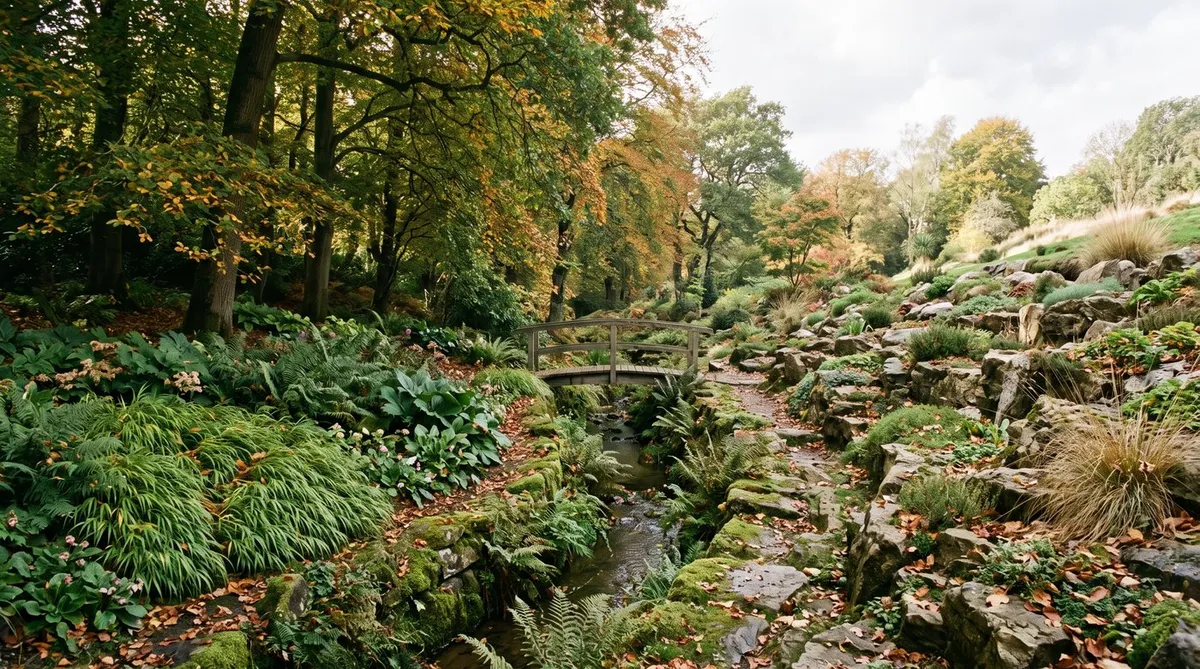
A north-facing garden sits in the house’s shadow for much of the day, especially in winter. It stays cool and damp, so it needs less watering. Grow ferns, hostas, hellebores, astilbe and hydrangeas, which all like cool, moist shade. For more ideas, see our guide to north-facing garden ideas or our list of the best plants for shade.
An east-facing garden gets bright morning sun, then shade from early afternoon. It suits hardy geraniums, astrantia and hostas. The one thing to avoid is camellias and magnolias on an east-facing wall. Early sun thaws frosted flowers too quickly and turns them brown.

Ferns and hostas turn a shady corner lush and green. They’re happy where sun-lovers would struggle.
Does the sun change through the day and the year?
Yes, a lot. Aspect gives you the big picture, but sun and shade move hour by hour and month by month.
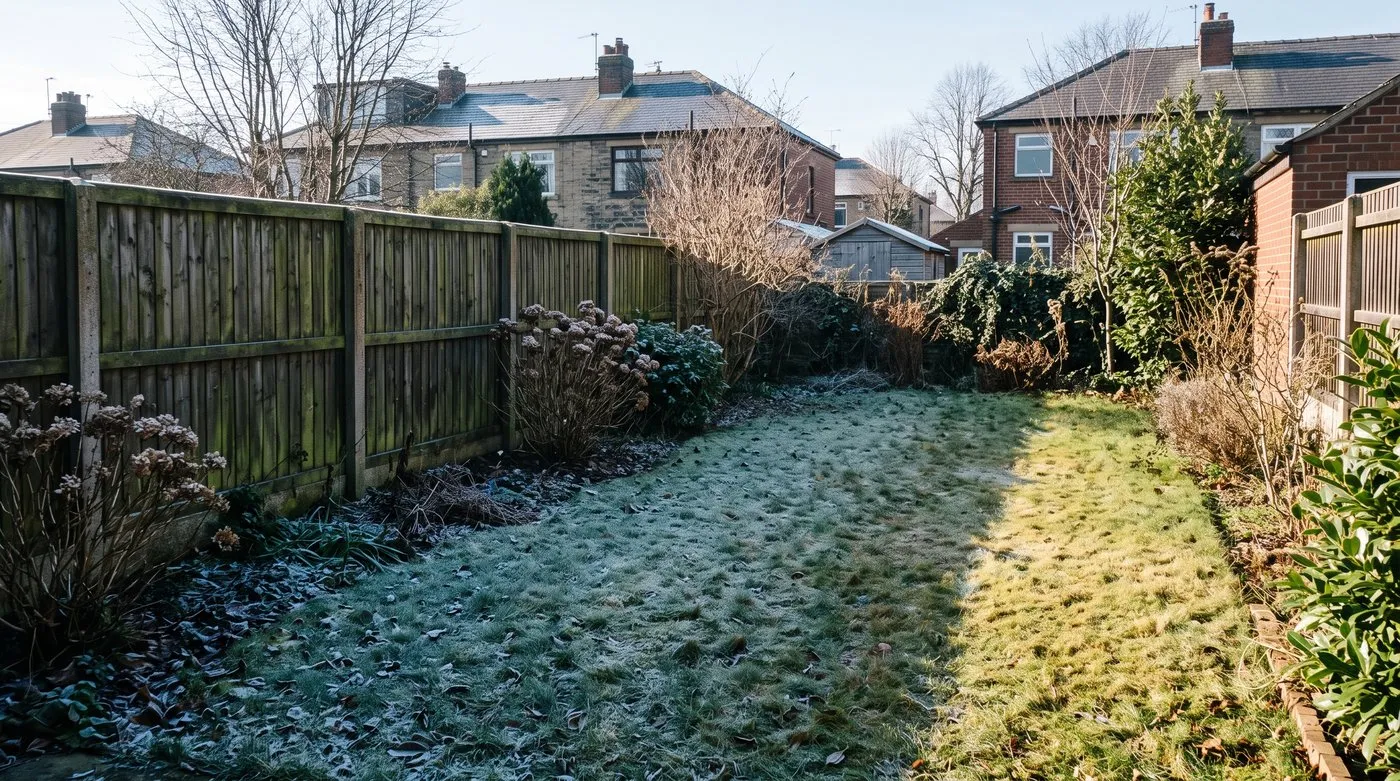
In winter the sun stays low, so even a normal fence throws shade right across a border that was sunny in June.
Through the day, shadows swing from west to east as the sun moves. Fences, sheds, trees and the house all cast them. A sunny bed at 10am may be in shade by 3pm.
Through the year, the sun climbs high in summer and stays low in winter. Shadows are short in June and very long in December. A fence that barely shades a border in summer can block its sun from October to March.
So a garden that looks sunny in June can be shady all winter. Want to know exactly where sun and shade fall? Our step-by-step guide to sun mapping your garden shows how to record it. You then sort the garden into full sun, part shade and full shade.
How do you spot a frost pocket?
A frost pocket is a low spot where cold air settles and frost hangs around longer. Cold air is heavier than warm air, so it flows downhill like water and pools in dips.
Frost pockets form at the bottom of slopes, in hollows and behind anything solid that blocks the flow downhill. A close-boarded fence or a thick hedge across a slope traps cold air on its uphill side.
To find yours, go out early on a cold, clear morning. Note where the frost lasts longest after sunrise. Those are your cold spots. Our guide on how to protect plants from frost helps with anything already planted there.
Keep tender plants and early blossom out of them. Peaches, apricots and early plums often lose their flowers to late frosts in a frost pocket. You can help cold air drain away by leaving a gap at the bottom of a fence or hedge at its lowest point.

Frost lingers in the low dip of this garden. Spots like this are best kept for tough plants that flower late.
How do walls and fences change the microclimate?
A microclimate is a small spot that’s warmer, colder, wetter or drier than the rest of the garden. Walls, fences and paving make the biggest difference.
Warm walls: a south or west-facing brick or stone wall soaks up sun all day and gives off heat at night. The air beside it stays warmer than the open garden. It’s the best place to try figs, grapevines, wall-trained fruit and tender climbers.
Paving and gravel store heat too, which is partly why town gardens tend to be milder than open countryside.
Rain shadows: the soil at the base of a wall or fence stays dry, because the wall blocks rain. Climbers planted right against a house wall often struggle for this reason. Plant them about 30-45cm away from the wall, water them well while they settle in, and mulch to hold in moisture. Our list of the best climbing plants shows which suit each aspect.
Where should you put seating and plants?
Put each plant where the light suits it, and each seat where the sun will be when you use it.
- Evening sun: a west or south-west corner stays warm until late. In June, the sun doesn’t set until after 9pm in most of the UK.
- Morning sun: an east-facing spot is lovely for breakfast and morning coffee.
- Midday sun: a south-facing patio is great in spring and autumn, but add some shade for hot summer days.
- Shade for a sandpit or play area: pick somewhere that’s shaded in the afternoon so it doesn’t bake.
Think about when you’re actually at home. If you’re out at work all day, morning sun on an east border is wasted on you. Put the patio where the evening sun lands.

A Rustic Straight Grey Granite Garden Bench on the west side catches the last warm light of the day. Perfect for a cup of tea after work.

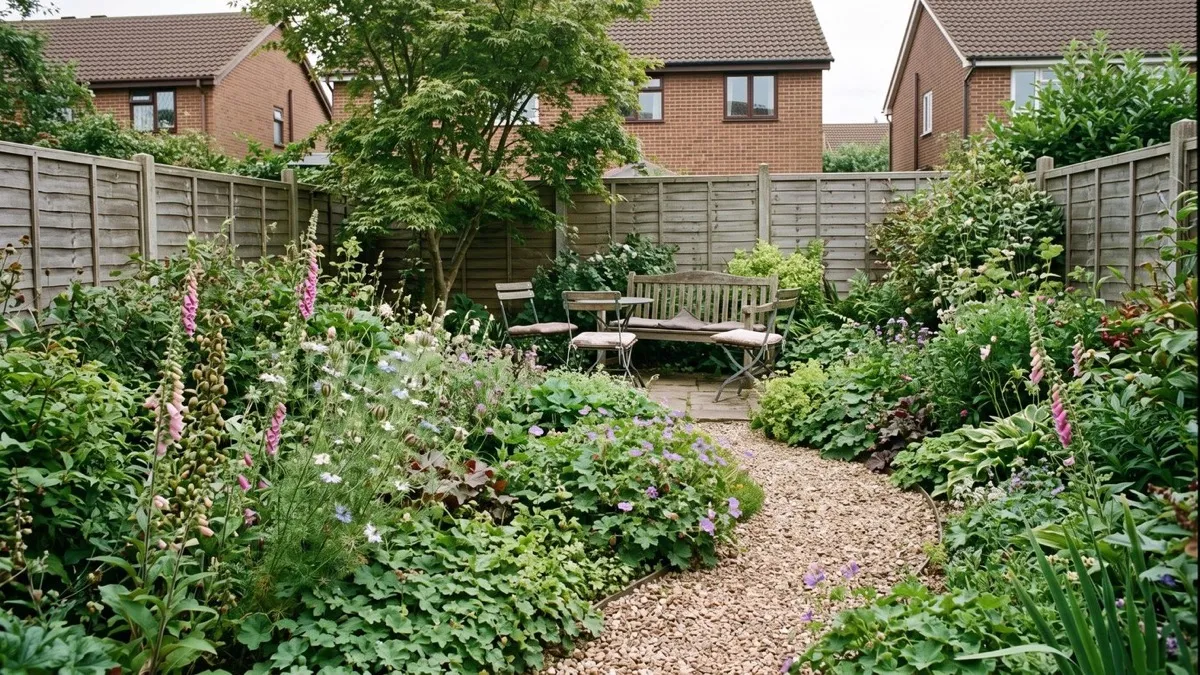
Put the patio where the sun actually falls when you’re home, and it’ll get used far more.
Common garden aspect mistakes
Judging the garden in summer only. In June the high sun reaches almost everywhere. Look again in winter, when shadows are much longer, before placing sun-lovers or a winter seat.
Using the front of the house. The back garden faces the opposite way to the front. Always check standing in the garden with your back to the house.
Putting sun-lovers in shade. Lavender and Mediterranean herbs grow leggy, flop and rot in shade. No amount of feeding fixes too little light.
Forgetting the dry strip by walls. Climbers planted against a wall wilt because the rain misses them. Plant a little away from the wall and water well.
Adding a tall boundary on the south side. A tall fence or evergreen hedge to the south casts long winter shade. Picture its December shadow before you put it up.
Frequently asked questions
How do I find out which way my garden faces?
Stand with your back to the house and check a compass. The direction you face is your garden’s aspect. If you face south, you have a south-facing garden. A phone compass works fine if you hold it flat and away from metal.
Which garden aspect is best?
South-facing is the sunniest and suits the widest range of plants. It warms up early in spring and gets sun for most of the day. West-facing is a close second and best for evening sun. East and north-facing gardens still grow plenty if you match plants to the light.
Is a north-facing garden really that bad?
No, it’s cooler and shadier but far from useless. It stays green and lush, needs less watering and suits ferns, hostas and woodland plants. The house shades the area nearest to it, but the far end and side borders often catch summer sun.
What can I grow in a north-facing garden?
Grow shade-lovers such as ferns, hostas, hellebores, astilbe and hydrangeas. They like cool, moist, low-light spots. Japanese anemones and foxgloves flower well in part shade too. Avoid lavender and Mediterranean herbs, which grow leggy and flop without strong sun.
Where should I put a patio for evening sun?
Put it on the west or south-west side of the garden. The evening sun sits low in the west, so a seat there stays warm until late. In June the sun doesn’t set until after 9pm across most of the UK. East-facing spots suit morning coffee instead.
What is a frost pocket and how do I spot one?
A frost pocket is a low spot where cold air collects and frost lingers. Cold air is heavy and flows downhill, pooling in dips and behind solid fences or hedges. Watch where frost lasts longest on cold, clear mornings. Avoid tender or early-flowering plants there.
Does a fence or wall change my garden’s microclimate?
Yes, walls and fences create warmer, cooler and drier spots. A south or west-facing wall soaks up sun and gives off heat at night, so the air beside it stays warmer. The shady side stays cool. The base of a wall is often dry because it blocks the rain.
Got a warm, sunny wall? Make the most of it with our guide to growing fig trees in the UK, or browse more garden design ideas.
Our team produces practical UK gardening guidance from source research, contributor records and established horticultural practice. Editorial standards are overseen by Matt W.