Key takeaways
- Courgettes, runner beans and potatoes give the biggest crops for the space
- Potatoes, courgettes, lettuce, runner beans and radishes are great first crops
- A 3m by 4m plot can feed two people through the summer
- Tomatoes, chillies, herbs and salad leaves all grow well in pots
- Sow lettuce and radish every 2-3 weeks for picking from May to October
Growing your own veg is fun, tasty and kinder on your wallet. Nothing beats eating something you’ve grown yourself. And you don’t need much space to get started.
Below are the best vegetables to grow at home in the UK, picked for how much they give, how easy they are and how much you save. Whether you have an allotment, a back garden or a few pots on a balcony, there’s something here for you. Brand new to it? Start with our beginner guide to growing your own vegetables. For a bigger harvest, companion planting pairs crops that help each other.
The best vegetables ranked by yield
Some vegetables give you heaps of food from a small patch. Others take months and give you a handful.
| Vegetable | Crop size | Weeks to harvest | How easy | Best for |
|---|---|---|---|---|
| Courgettes | Huge | 8-10 | Easy | Gardens, large pots |
| Runner beans | Huge | 10-14 | Easy | Gardens, wigwams |
| Potatoes (maincrop) | Big | 16-22 | Easy | Beds, bags, ground |
| Beetroot | Good | 8-12 | Very easy | Beds, pots |
| French beans | Good | 8-10 | Easy | Beds, pots |
| Onions (from sets) | Good | 20-24 | Very easy | Beds, ground |
| Lettuce (cut-and-come-again) | Steady | 4-8 | Very easy | Anywhere |
| Tomatoes | Big per plant | 16-20 | Medium | Greenhouse, pots |
| Radishes | Steady | 4-6 | Very easy | Anywhere |
| Spring onions | Modest | 8-12 | Very easy | Beds, pots |
Courgettes top the list. Two plants give more than most families can eat. Runner beans on a wigwam of canes give loads of pods from less than a square metre. Both are perfect for beginners.
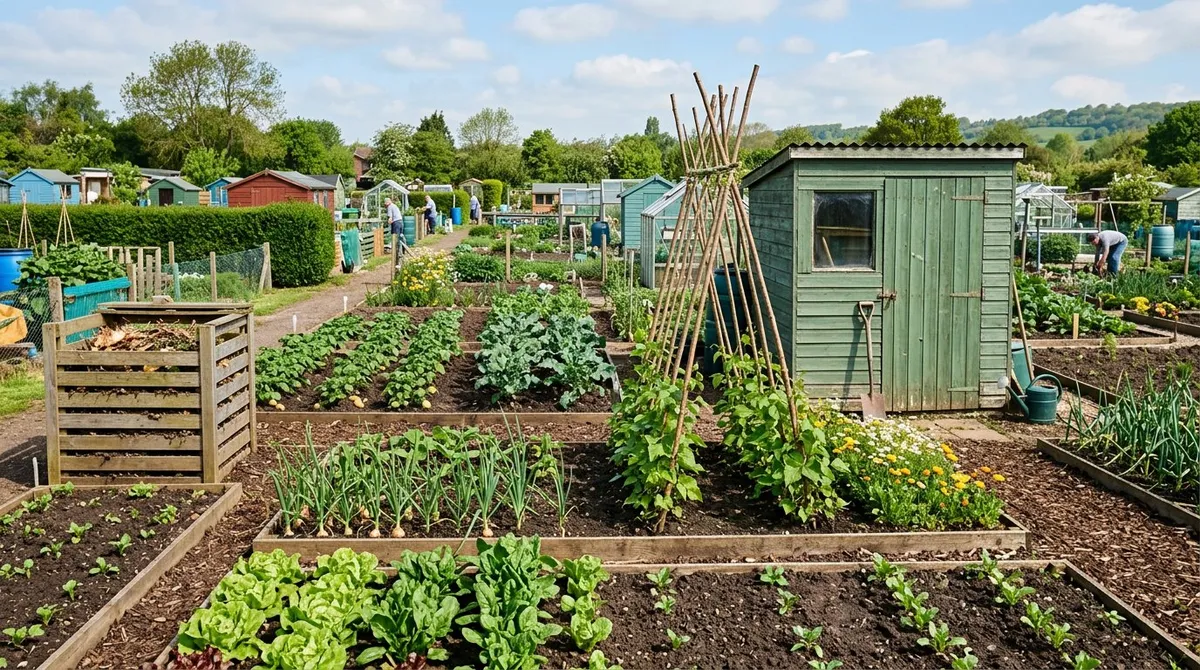
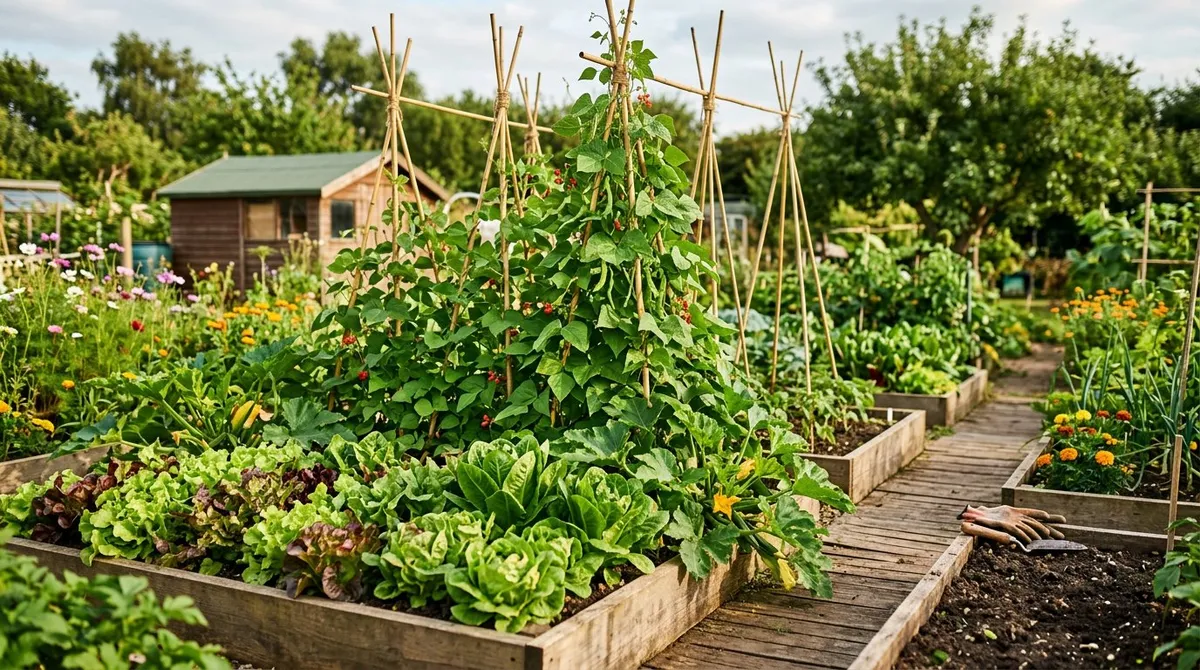
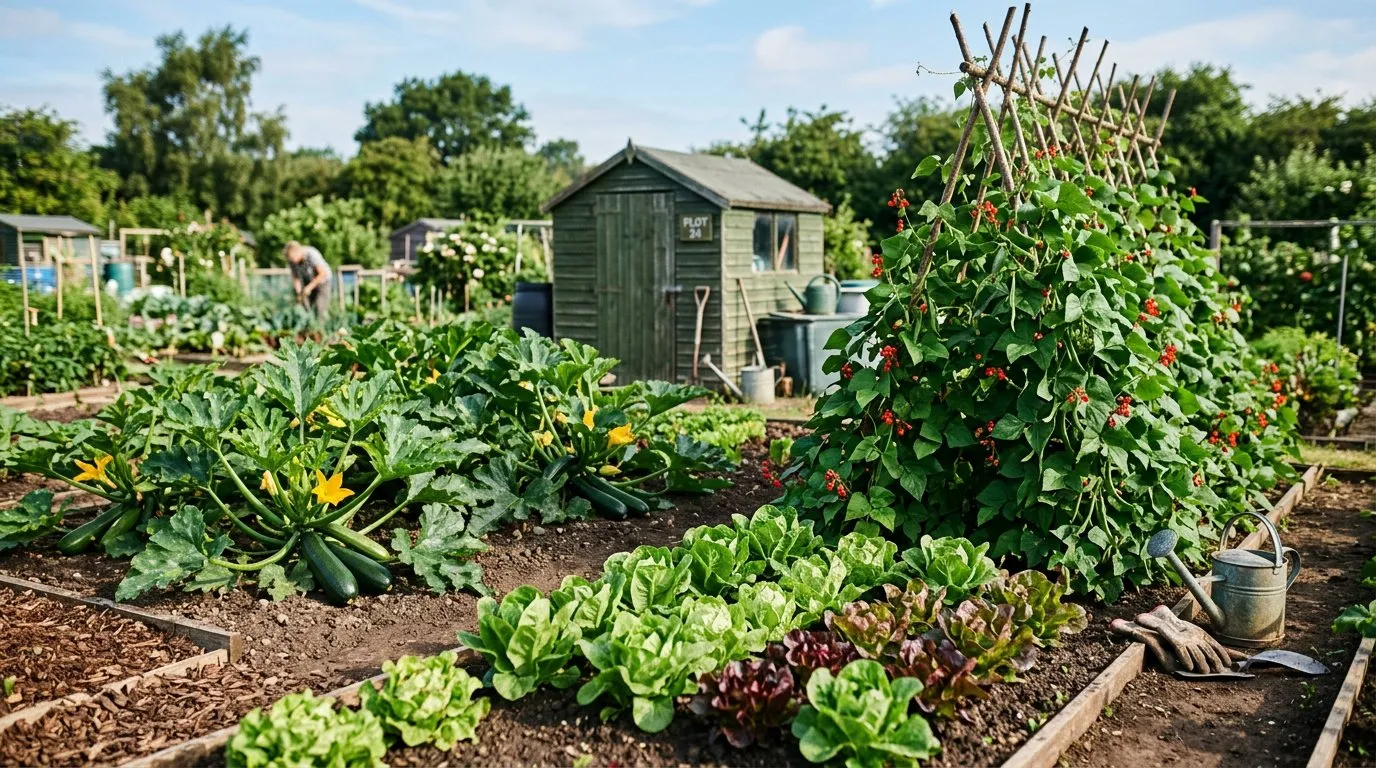 A summer plot with lettuce, runner beans and courgettes, three of the most generous home crops.
Five vegetables every beginner should start with
Never grown food before? Start with these five. They forgive mistakes, crop well and teach you the basics.
1. Potatoes
The perfect first crop. Potatoes break up hard soil as they grow, smother weeds with their leaves and taste far better than shop-bought. Plant seed potatoes in March, pile soil up around the shoots as they grow, and dig them up from June. Our full guide to growing potatoes covers varieties, chitting and storing.
2. Courgettes
One of the most generous veg you can grow. Sow indoors in April, plant out after the last frost in late May, and pick at 15-20cm long for the best flavour. Two plants keep a family of four going all summer.
3. Salad leaves
The quickest results of all. Sow lettuce straight into the soil or a pot from March. Cut-and-come-again types grow back after you pick them, so one sowing gives several harvests. A 1m row keeps two people in salad for a few weeks.
4. Runner beans
Sow straight outside in late May at the foot of a wigwam of 2.4m canes. The plants climb, flower and give you pods in about ten weeks. Pick every few days to keep them coming. One wigwam gives plenty of beans, and they freeze well.
5. Radishes
The fastest crop in the garden. Sow outside from March and pick in 4-6 weeks. Children love them because they’re so quick. Sow short rows every 2-3 weeks for a steady supply, and pop them in gaps between slower crops. A spring sowing is perfect for these Easter garden activities for kids.
Best vegetables for containers
You don’t need a garden to grow food. A sunny patio, balcony or doorstep can give you fresh veg in pots and growing bags. Our container vegetable gardening guide has more detail.
| Crop | Smallest pot | Notes |
|---|---|---|
| Tomatoes | 30cm / 10L | One plant per pot, stake or cage |
| Chilli peppers | 25cm / 7L | Windowsill or patio, compact plants |
| Lettuce | 20cm / 5L | Any pot, sow every few weeks |
| Spring onions | 20cm / 5L | Sow close together, quick crop |
| Herbs (basil, parsley, coriander) | 15cm / 3L | Windowsill or patio |
| Beetroot | 25cm / 7L | 3-4 plants per pot |
| Dwarf French beans | 30cm / 10L | Compact bush types, no supports |
| Radishes | 15cm / 3L | Any shallow pot |
Use peat-free compost for everything in pots. Feed tomatoes and peppers with a high-potash liquid feed once the fruits start to form.
Tip: Dark pots soak up heat and dry out faster. Line the inside with bubble wrap in spring to protect the roots, and water pots daily in hot weather.
Vegetables that save you the most money
The crops most worth growing are the ones that cost a lot in the shops or taste much better fresh.
Salad leaves are pricey in bags and go soggy fast. One cheap packet of mixed leaf seed gives you salad for months from a single container.
Herbs are expensive in little supermarket packs and wilt in days. One basil, parsley or coriander plant crops for months. Rosemary, thyme and sage come back for years.
Runner beans give a big crop from one wigwam, and home-grown beans taste and snap far better than bought ones.
Cherry tomatoes cost a lot per punnet. One tomato plant in a sunny spot keeps you picking for months. Grow a sweet variety like Sungold or Gardener’s Delight for flavour no supermarket can match.
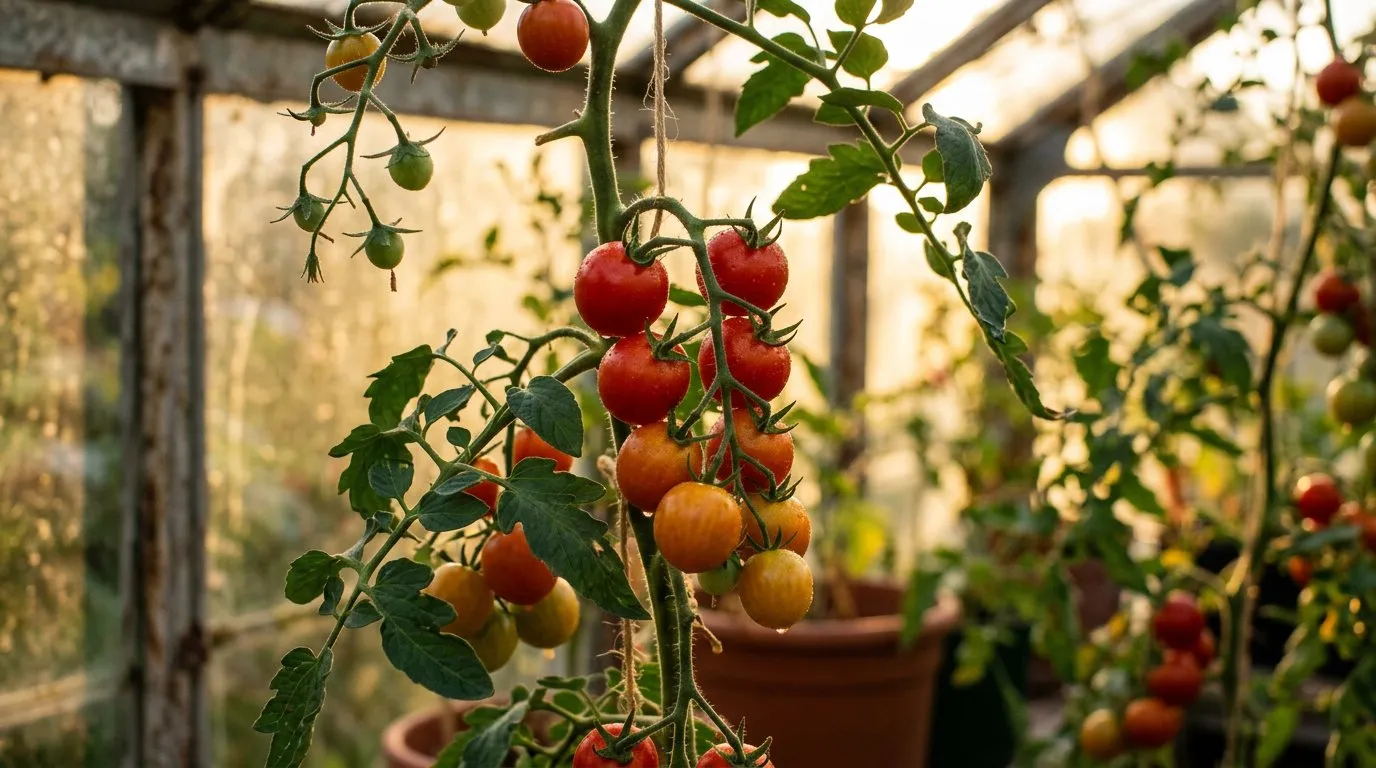 Home-grown cherry tomatoes ripening on the vine. One plant keeps you picking from July to October.
New potatoes taste completely different dug fresh from your own soil. A just-dug first early is one of the great joys of growing your own.
Succession sowing for continuous harvests
Succession sowing just means sowing a little, often. Sow a short row of lettuce or radish every 2-3 weeks, and you’ll have a steady supply instead of a glut followed by nothing. Jot your sowing dates in a diary or set a phone reminder. Our vegetable planting calendar shows the timings for lots of common crops.
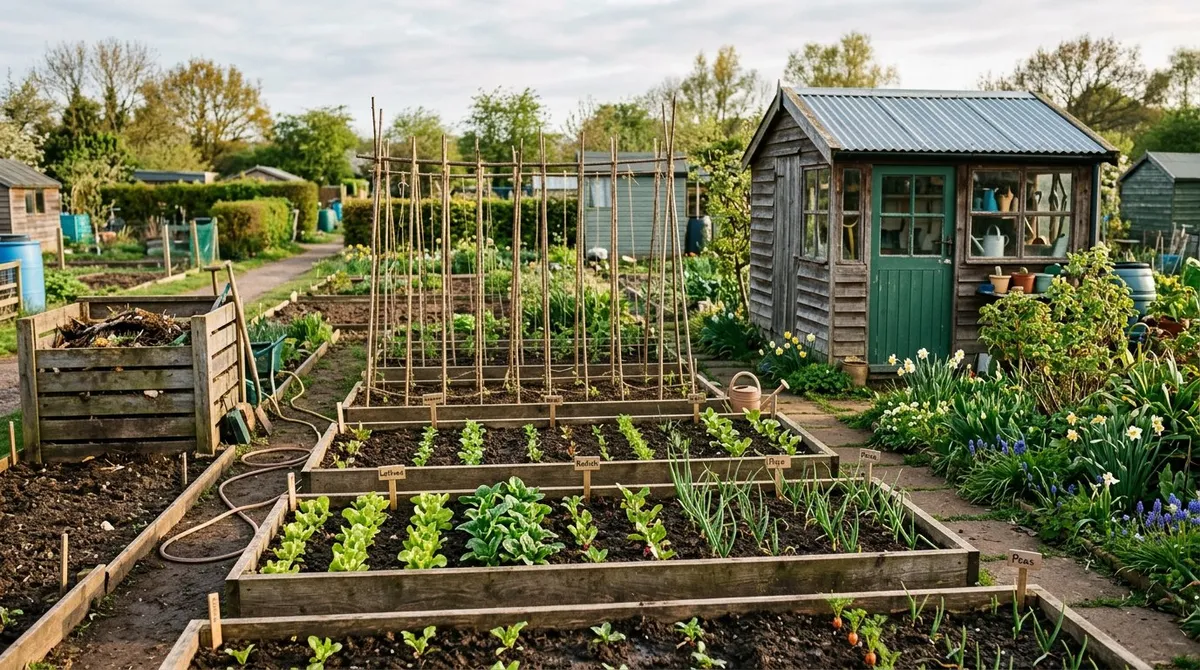
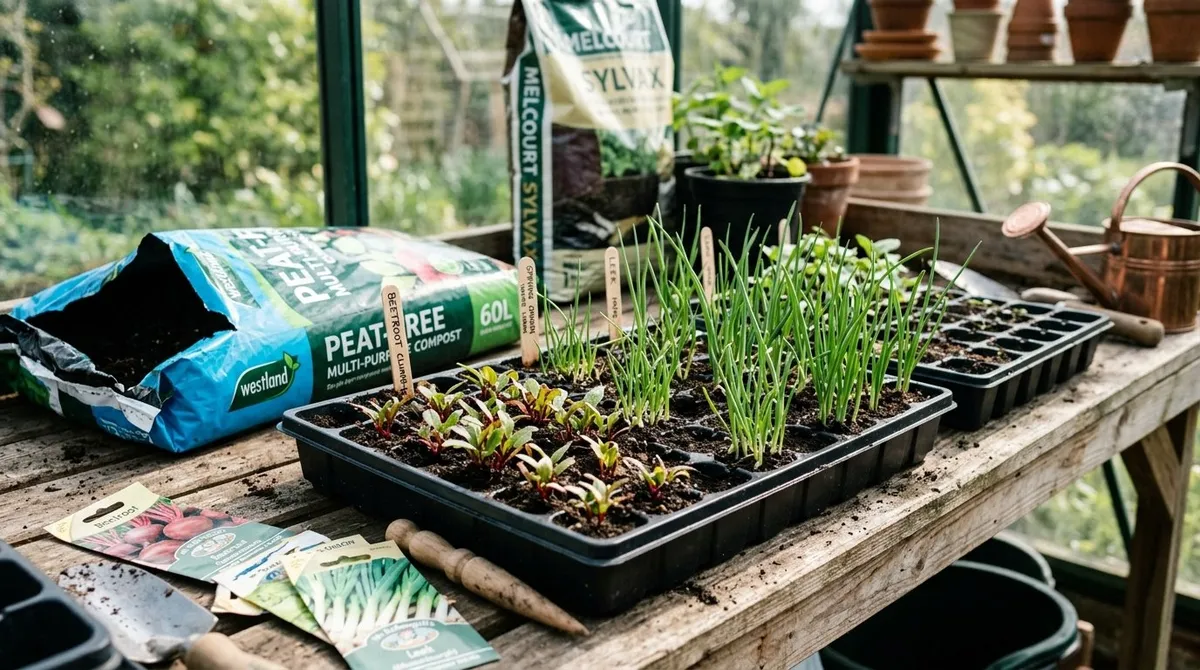
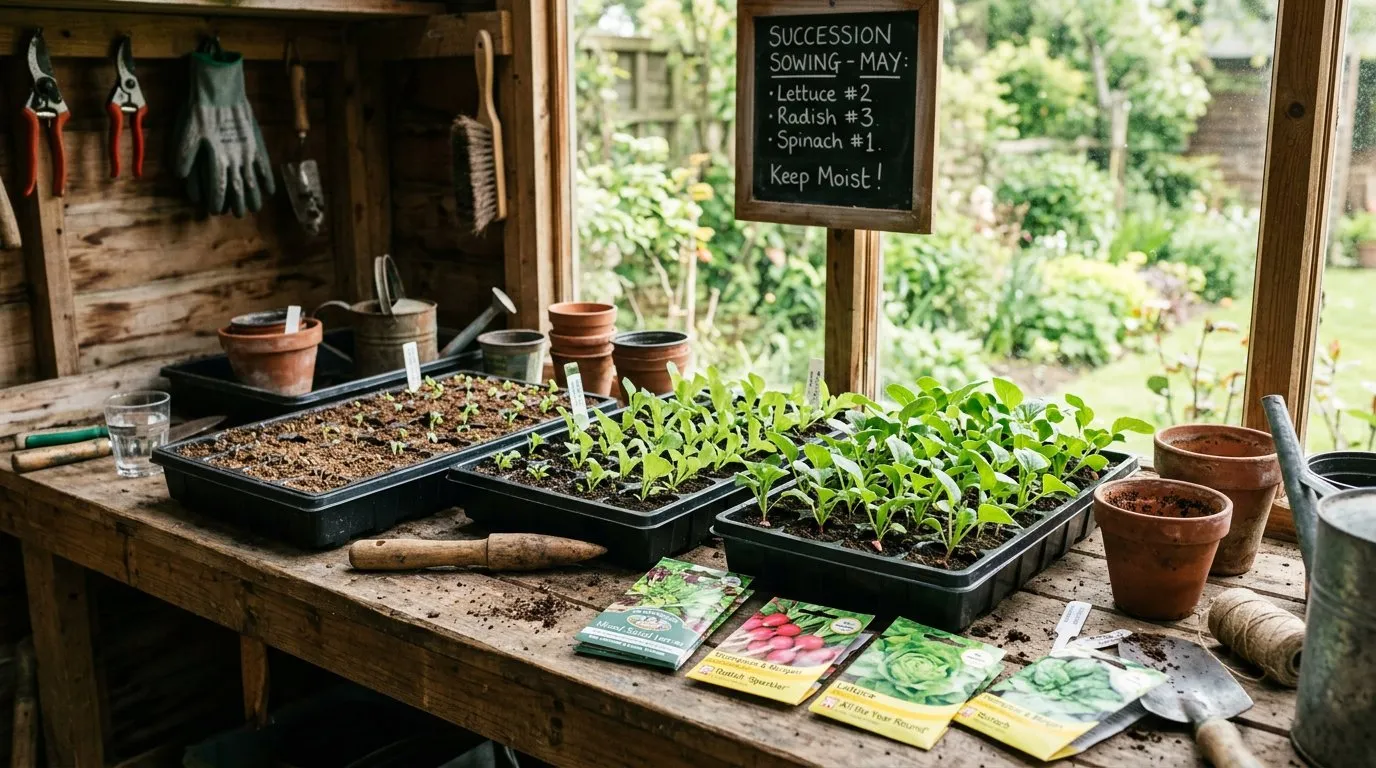 Trays sown a few weeks apart spread your harvest across the whole season.
Getting started: your first season plan
| Month | What to do |
|---|---|
| February | Order seeds. Set up raised beds or get pots ready. Start chitting potatoes. |
| March | Sow lettuce, radish and beetroot outside. Plant potatoes. Sow tomatoes and chillies indoors. |
| April | Sow courgettes indoors. Keep sowing salads. Plant onion sets. |
| May | Plant out courgettes, tomatoes and beans after the last frost. Sow runner and French beans outside. |
| June-August | Pick, water, weed and keep sowing. Feed tomatoes weekly. |
| September | Clear finished crops. Sow green manures. Plant garlic for next year. |
For exact sowing dates crop by crop, see our seed sowing calendar.
Tip: Start small. One raised bed and two or three pots are plenty for your first year. Find out what grows well for you before you expand. Success with five crops beats struggling with twenty.
Now you’ve chosen your crops, read our guide on companion planting for the next step in growing more.
Frequently asked questions
What is the easiest vegetable to grow in the UK?
Radishes are the easiest vegetable to grow. They come up in a few days and are ready in 4-6 weeks. Sow them straight outside from March to August, no special kit needed. Lettuce, courgettes and runner beans are also great for beginners.
What vegetables can I grow in pots?
Lots of veg grows happily in pots. Try tomatoes, chillies, lettuce, spring onions, herbs, beetroot and dwarf French beans. Use pots at least 30cm deep with drainage holes. Peat-free multipurpose compost works for most crops. Water daily in hot weather and feed fruiting crops with tomato feed.
When should I start growing vegetables in the UK?
Start sowing tomatoes and peppers indoors from February. Sow hardy crops outside from March, once the soil has warmed a little. The main outdoor sowing season runs from March to July.
How much space do I need to grow vegetables?
One raised bed of 1.2m by 2.4m gives plenty of salad and herbs. A 3m by 4m plot grows enough for two people through summer. Even a few big pots on a sunny patio give you fresh tomatoes, herbs and salad.
What vegetables grow all year round in the UK?
No single vegetable grows outdoors all year in the UK. But with a bit of planning you can pick something every month. Grow lettuce and spring onions from March to October, then kale, leeks and Brussels sprouts through winter.
Is it cheaper to grow your own vegetables?
Yes, especially for salad leaves, herbs, soft fruit and runner beans. These cost the most in the shops. One packet of lettuce seed gives you salad for months. Potatoes and onions are cheap to buy, but taste far better home-grown.
Our team produces practical UK gardening guidance from source research, contributor records and established horticultural practice. Editorial standards are overseen by Matt W.