Key takeaways
- Water mint, watercress and brooklime are the easiest edible pond plants in the UK
- A lined half-barrel or trough is enough, with no flowing water needed
- Plant in aquatic baskets of loam topped with grit, not multipurpose compost
- Keep edible ponds separate from fish ponds and never use chemical algae treatments
- Wasabi wants a cool, shady bog edge, not open water
- Never pick wild plants from ditches: hemlock water dropwort is deadly
The easiest edible aquatic plants to grow in the UK are water mint, watercress and brooklime. You don’t need a stream or a wild pond. A lined half-barrel on a patio grows all three, and because you control the water, you skip the risks that come with wild plants.
This guide covers which water crops to grow, how to set up a small edible pond and how to keep it clean. It also covers the one deadly lookalike every gardener should know about.
Which edible aquatic plants are easiest to grow?
Start with these three hardy natives. They grow in still water, come back every spring and need very little fuss.
Water mint (Mentha aquatica) is the toughest. It grows in shallow water or soggy soil, spreads quickly and has pretty lilac flowers. Use the leaves for tea, sauces and summer drinks. The mint growing guide explains how to keep mint from taking over.
Watercress (Nasturtium officinale) gives the familiar peppery leaves. It wants clean, cool water that you refresh often. Our full guide to growing cress and watercress covers sowing in more detail.
Brooklime (Veronica beccabunga) is a sprawling marginal plant with small blue flowers. Its leaves are mild and a little bitter, and they can be used like watercress.
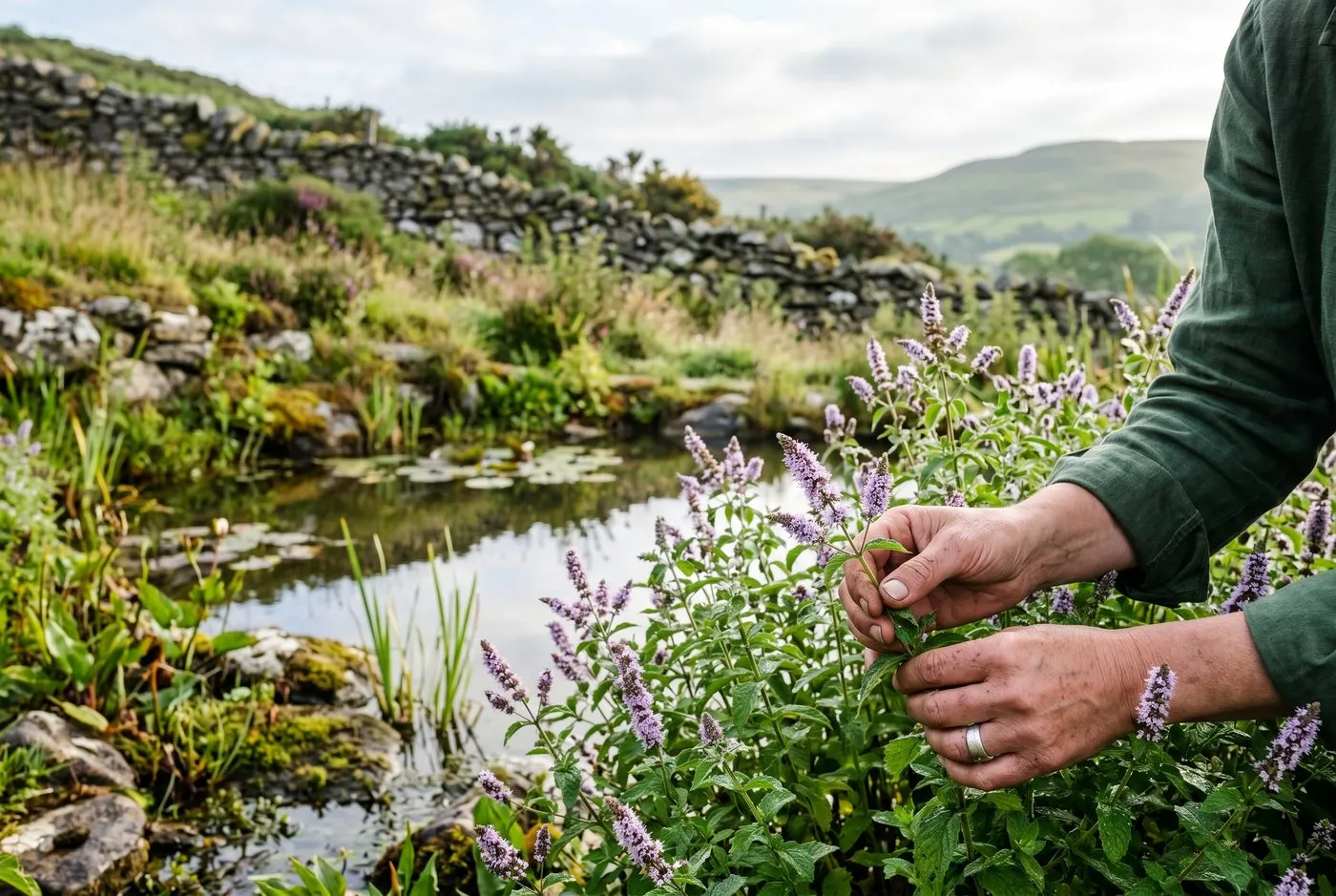
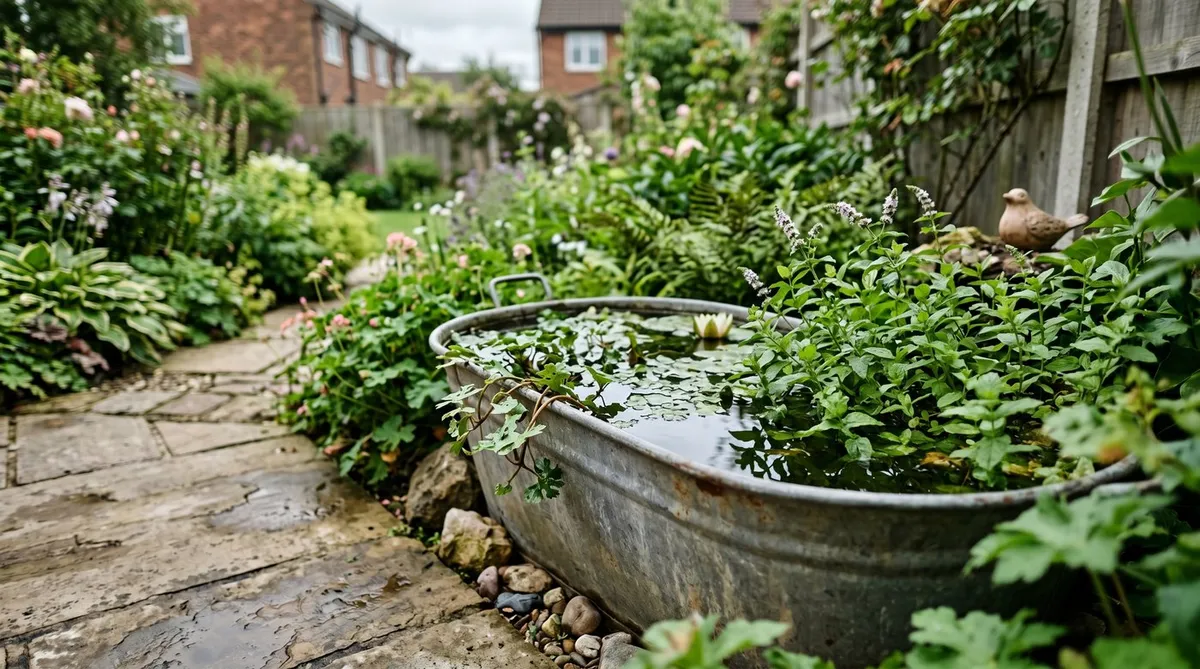
Water mint flowers in late summer and smells wonderful when you brush past. Pick the leafy tips for tea or sauces.
How to set up an edible container pond
You don’t need to dig. A half-barrel, a large trough or a galvanised tub works well, even in a paved yard. For more styles, see our container pond ideas.
- Line a wooden barrel with pond liner so wood preservative can’t leach into the water.
- Stand it on a level, hard base. Full sun suits water mint, while watercress prefers a little afternoon shade.
- Fill with rainwater if you can. Tap water carries nutrients that feed algae.
- Plant in aquatic baskets filled with plain garden loam or aquatic compost, topped with grit. Multipurpose compost floats and clouds the water.
- Set the baskets on bricks so the plants sit at the right depth, usually with a few centimetres of water over the basket.
Keep your edible pond separate from any pond with fish. Fish ponds are often treated with products that aren’t safe on food. If young children visit, cover or fence any open water.
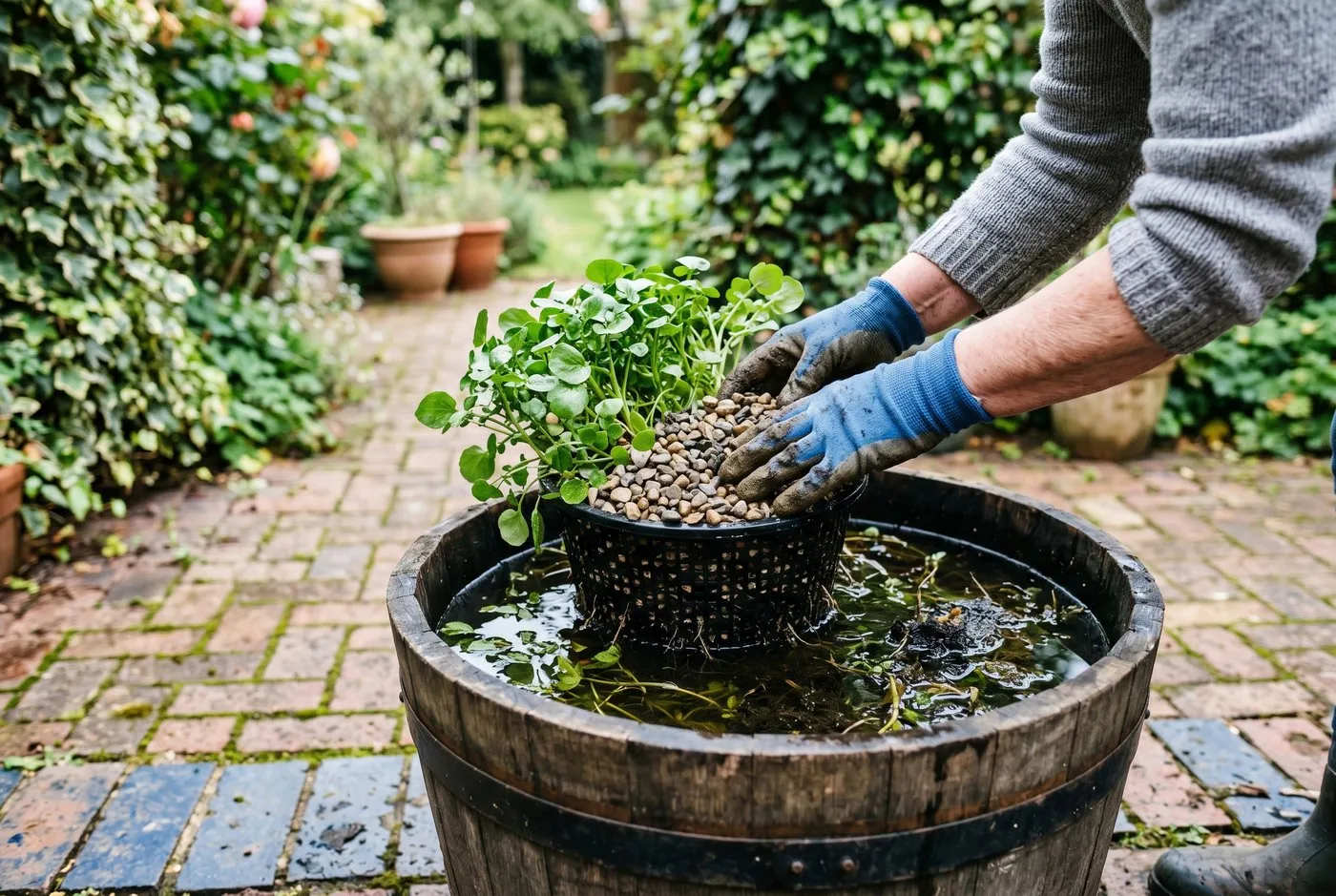
An aquatic basket topped with grit keeps the soil in place and the water clear. Lower it in gently so it settles at the right depth.
How to grow watercress and water mint
Watercress grows best in the cool of spring and autumn. Sow seed on wet loam in spring, or root a few shop-bought sprigs in a glass of water first. Set the basket so the roots are under water and the crown sits at the surface. Pinch out flower shoots to keep leaves tender. In hot weather, move the barrel into some shade or the leaves turn bitter.
Water mint is almost too easy. Keep it in a basket or it fills the whole barrel. Cut it hard and often through summer. It dies back in winter and pushes up new shoots in spring.
Pick both little and often. Wash home-grown leaves well before eating, as you would any salad.
Unusual edible water plants to try
Once the easy three are going, a few more unusual crops are fun to try.
Water celery (Oenanthe javanica) has a celery-flavoured leaf. The pink and cream variegated form, ‘Flamingo’, looks lovely in a barrel. Buy it from a nursery, never from the wild. Its genus also includes hemlock water dropwort.
Chinese water chestnut (Eleocharis dulcis) forms crunchy corms under rush-like stems. It needs a long, warm season, so it does best in a tub of water in a greenhouse or conservatory. Lift the corms in autumn before any frost.
Wasabi (Eutrema japonicum) isn’t really a pond plant at all. It grows by cool, shady streams, so it suits a shaded bog garden edge rather than open water. It’s slow and fussy, so treat it as a challenge.
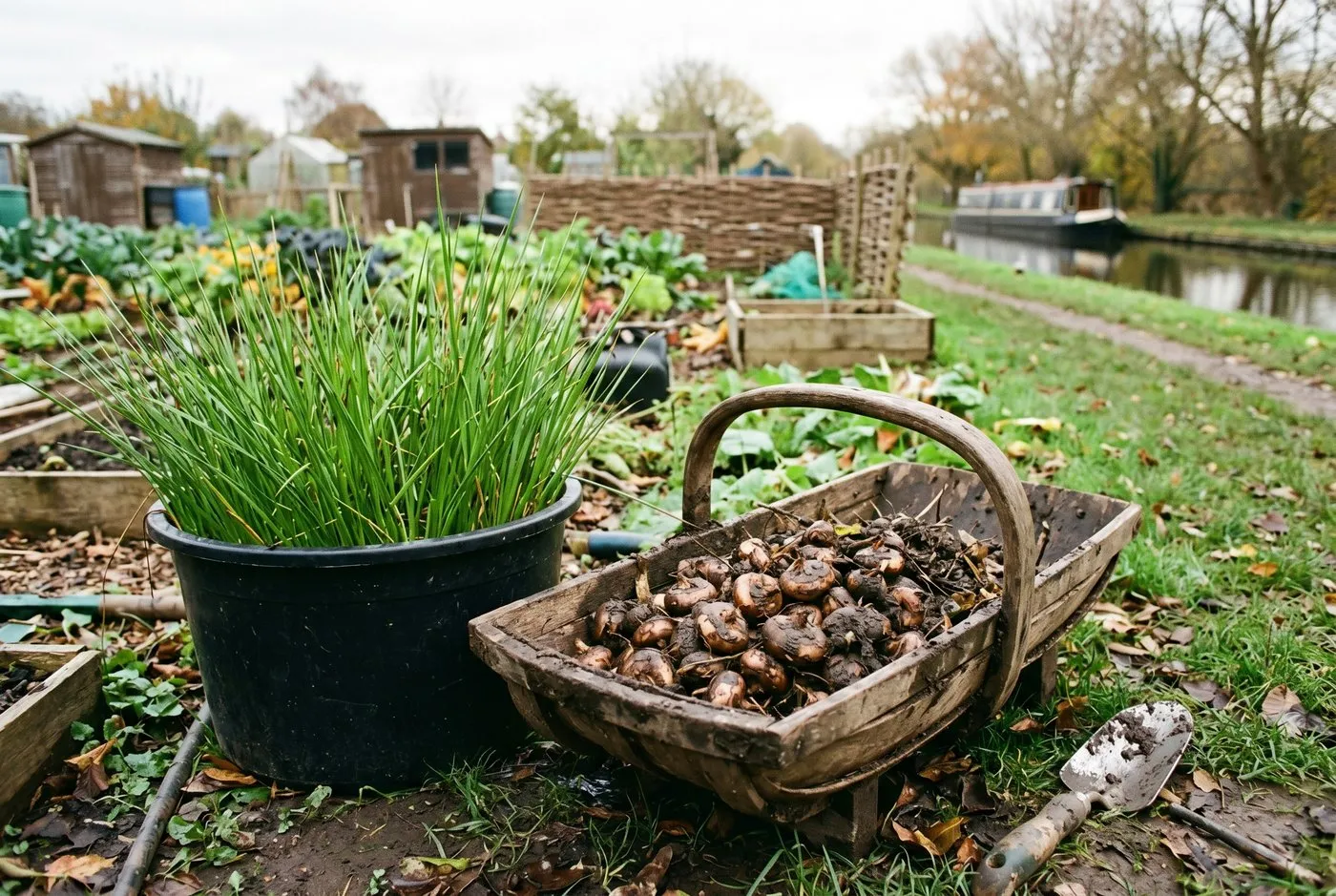
Chinese water chestnut grows grassy stems above the water, with the crunchy corms hidden below. Lift them in autumn when the stems fade.
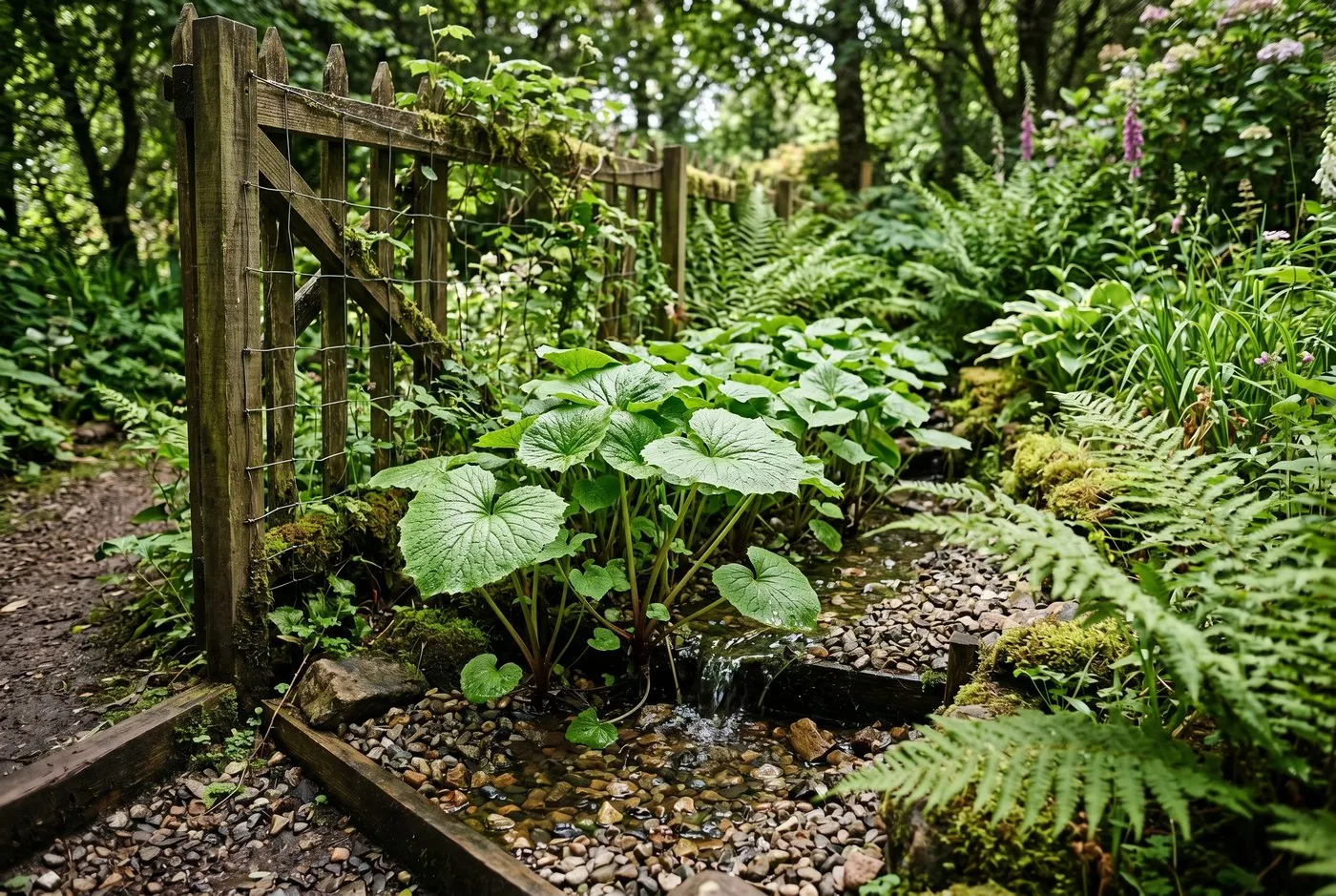
Wasabi wants cool shade and moving moisture, so a shaded bog edge suits it far better than an open pond.
Edible aquatic plants compared
| Plant | What you eat | Conditions | How easy? |
|---|---|---|---|
| Water mint | Leaves | Sun or part shade, shallow water | Very easy |
| Watercress | Leaves and stems | Cool, clean, refreshed water | Easy |
| Brooklime | Young leaves | Sun, shallow margin | Easy |
| Water celery | Leaves and stems | Sun or light shade, margin | Moderate |
| Chinese water chestnut | Corms | Warm, under glass, shallow water | Tricky |
| Wasabi | Root and leaves | Cool, shady, moving water | Hard |
The deadly lookalike you must know
Hemlock water dropwort (Oenanthe crocata) is the most poisonous plant in Britain. It grows in wet ditches, stream banks and pond edges, often right beside wild watercress. Even a small amount can kill.
It looks like a large, glossy flat-leaf parsley or celery, with white umbrella-shaped flowers in early summer. Its pale, swollen roots are sometimes called dead man’s fingers. There’s no safe home test.
The simple rule: never eat any wild plant from wet ground unless an expert has identified it in person. Growing your own in a container avoids the risk entirely. Wild watercress near grazing animals can also carry liver fluke, another good reason to grow your own.
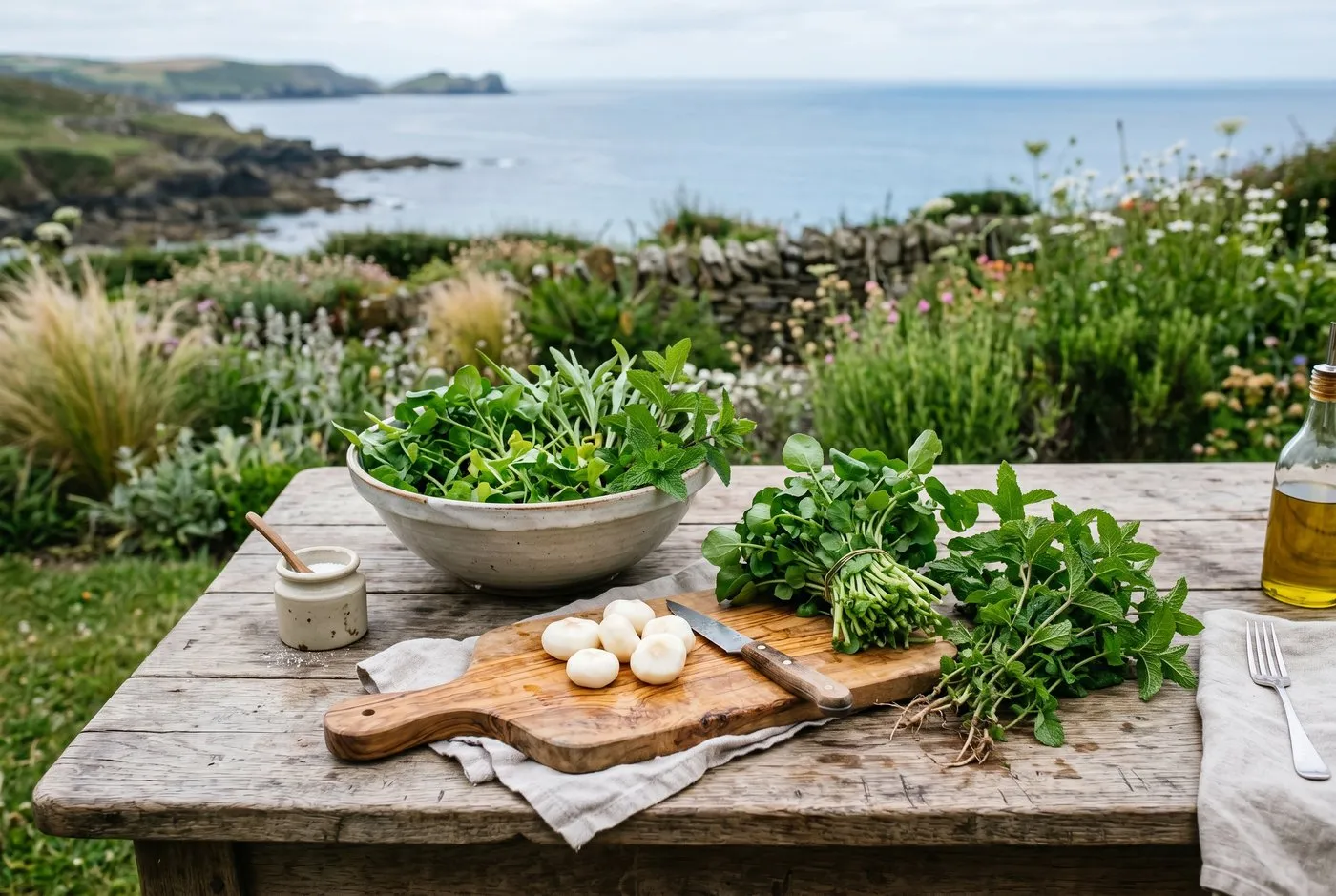
A harvest from your own clean pond: peppery watercress, fresh water mint and crunchy water chestnuts.
How to keep an edible pond clean
An edible pond needs a bit more care than an ornamental one, because you’re eating what grows in it.
- Refresh the water. Swap out some water every week or so, more often for watercress in warm weather.
- Top up with rainwater. A water butt next to the barrel makes this easy.
- Remove blanketweed by hand. Twist it out on a stick. Never use chemical algae treatments.
- Keep leaves out in autumn. Rotting leaves foul the water.
- Protect from frost. The hardy natives die back and return. Bring tender water chestnuts indoors.
Common mistakes with edible water plants
Using multipurpose compost. It floats and rots. Use loam or aquatic compost topped with grit.
Sharing water with fish. Fish waste and pond treatments aren’t something you want on salad leaves.
Letting mint run riot. Water mint spreads fast. Keep it in a basket.
Foraging wild watercress. Liver fluke and hemlock water dropwort make it risky. Grow your own instead.
Treating wasabi like a pond plant. It rots in still, warm water. Give it cool shade and moving moisture.
Frequently asked questions
What edible plants can you grow in a pond?
Water mint, watercress and brooklime are the easiest edible pond plants. All three grow in a container pond with still water. Water celery and Chinese water chestnut are more unusual options. Keep edible plants in their own clean pond, away from fish and pond treatments.
Can you grow watercress without a stream?
Yes, watercress grows well in still water if you refresh it often. Stand pots in a tray of water or set a basket in a half-barrel, and change some of the water every few days. Warm, stale water makes it bitter.
Is wild watercress safe to eat?
No, it’s best avoided unless you know the water is clean. Watercress near grazing animals can carry liver fluke. The deadly hemlock water dropwort also grows in the same ditches. Home-grown watercress in clean water avoids both risks.
How do you grow Chinese water chestnuts in the UK?
Grow them in a tub of shallow water in a greenhouse or very warm spot. Plant corms in loam in spring and keep them just under water. Lift the corms in autumn when the leaves die back, before any frost.
What is the most poisonous plant in a UK pond?
Hemlock water dropwort is the most poisonous plant in British wetlands. It looks a bit like celery or parsley and grows in ditches and pond edges. Even a small amount can kill. Never eat a wild plant from wet ground unless an expert has checked it in person.
Ready to choose more plants for your pond? Browse the growing hub, then see our guide to the best pond plants for UK gardens for pretty partners to your edibles.
Our team produces practical UK gardening guidance from source research, contributor records and established horticultural practice. Editorial standards are overseen by Matt W.