
Key takeaways
- Day length triggers bulbing in onions and garlic and bolting in spinach, rocket and pak choi
- UK days peak at about 16.5 hours in London and 18 hours in northern Scotland in late June
- Buy onion sets and seed sold for UK growing, not short-day types for warmer countries
- Sow spinach, rocket, pak choi and Chinese cabbage in spring or after midsummer
- Tomatoes, peppers, beans and carrots are driven by warmth, not day length
- Grow lights on a timer give winter seedlings a longer day
Day length, or photoperiod, is the number of hours of daylight a plant gets each day. Some plants use it like a calendar to decide when to make a bulb, flower or run to seed. In the UK it explains why onions swell in summer, why spinach bolts in June and why a short-day onion from abroad lets you down.
Most veg don’t care much about day length. Warmth, water and sowing time matter more. This guide picks out the crops that do care and shows how to work with them.
What is photoperiod in plants?
Photoperiod is the length of the day a plant experiences. Plants actually sense the length of the night, but the effect is the same. Gardeners sort plants into three groups:
- Long-day plants bulb or flower when days get long. Onions, garlic, spinach and sweet peas are examples.
- Short-day plants flower when days get shorter. Chrysanthemums, poinsettias and Christmas cactus are examples.
- Day-neutral plants don’t mind. Tomatoes, peppers, most beans, carrots and roses fall here.
How long are UK days through the year?
UK days change a lot through the year, and more so the further north you go. Here are rounded figures:
| Date | London | Edinburgh | Inverness |
|---|---|---|---|
| Late March | 12 hours | 12 hours | 12 hours |
| Late May | 16 hours | 16.5 hours | 17 hours |
| Late June | 16.5 hours | 17.5 hours | 18 hours |
| Late August | 14 hours | 14.5 hours | 15 hours |
| Late October | 10 hours | 9.5 hours | 9.5 hours |
| Late December | 8 hours | 7 hours | 6.5 hours |
Northern gardens get longer summer days but a shorter, cooler season overall. That’s why a sowing date that works in Kent can be too early in Aberdeenshire.

Around midsummer the long days push onions to swell, and the bolt-prone salads need extra care.
Why day length matters for onions
Onions are the crop where day length matters most. They grow leaves in spring, then switch to swelling a bulb once days get long enough. In the UK that happens from around midsummer. After a few weeks of swelling, the leaves flop over and the bulbs are ready.
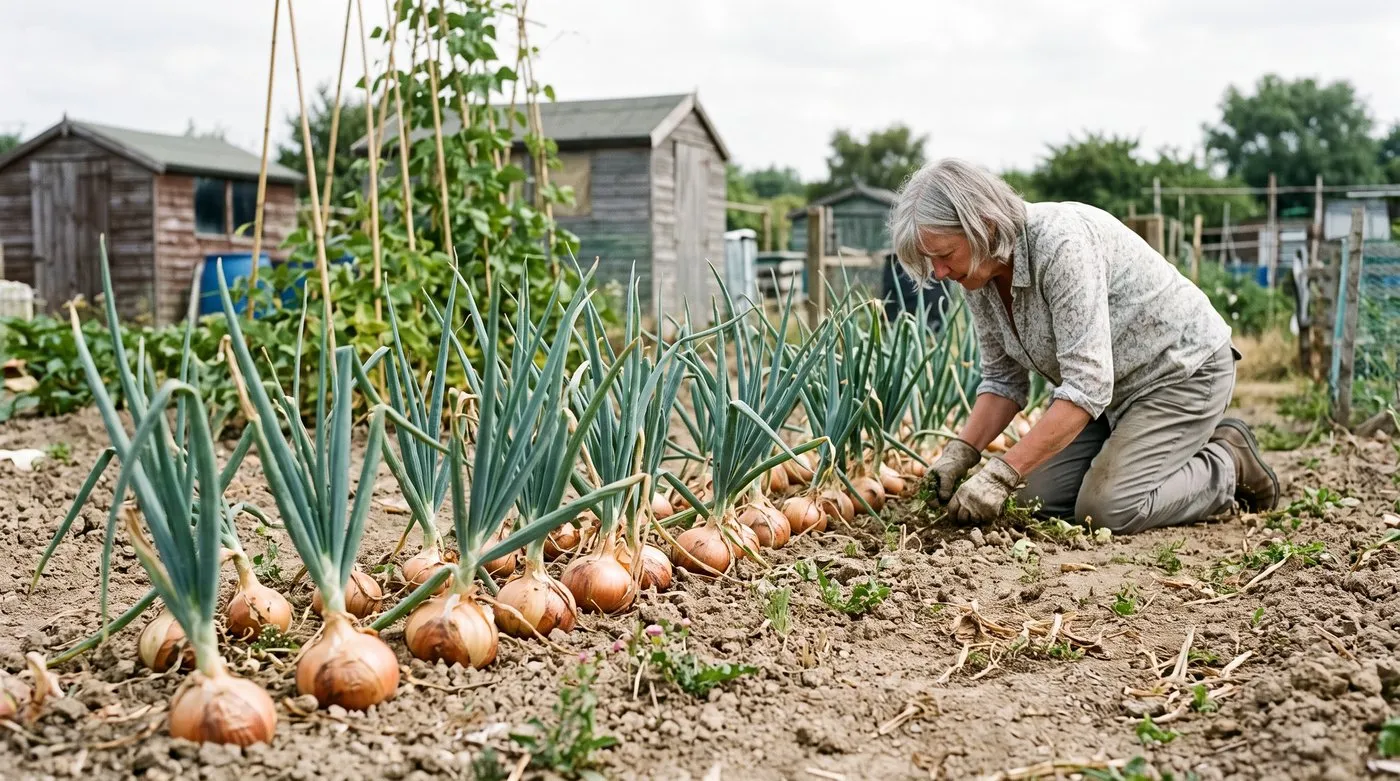
Onions swell their bulbs once the days are long. The more leaf they made in spring, the bigger the onion.
The size of the bulb depends on how many leaves the plant made before it switched. So an early start and steady growth in spring give bigger onions.
- Choose UK varieties. Sets and seed sold for UK growing are long-day types. ‘Sturon’, ‘Centurion’, ‘Red Baron’ and ‘Bedfordshire Champion’ are reliable.
- Avoid short-day onions. These are bred for warmer countries. In the UK they start bulbing too early and stay small. They’re rare in UK shops but turn up in imported sets and seed.
- Plant on time. Spring sets go in from March to April. Late planting means fewer leaves before bulbing starts.
Garlic and shallots also bulb as days lengthen. The guides to growing onions and UK onion varieties go into more detail.
Why spinach, rocket and pak choi bolt in summer
Bolting means a plant sends up a flower stem and the leaves turn tough or bitter. Several leafy crops are long-day plants and bolt as days stretch towards midsummer, especially in heat or dry soil.
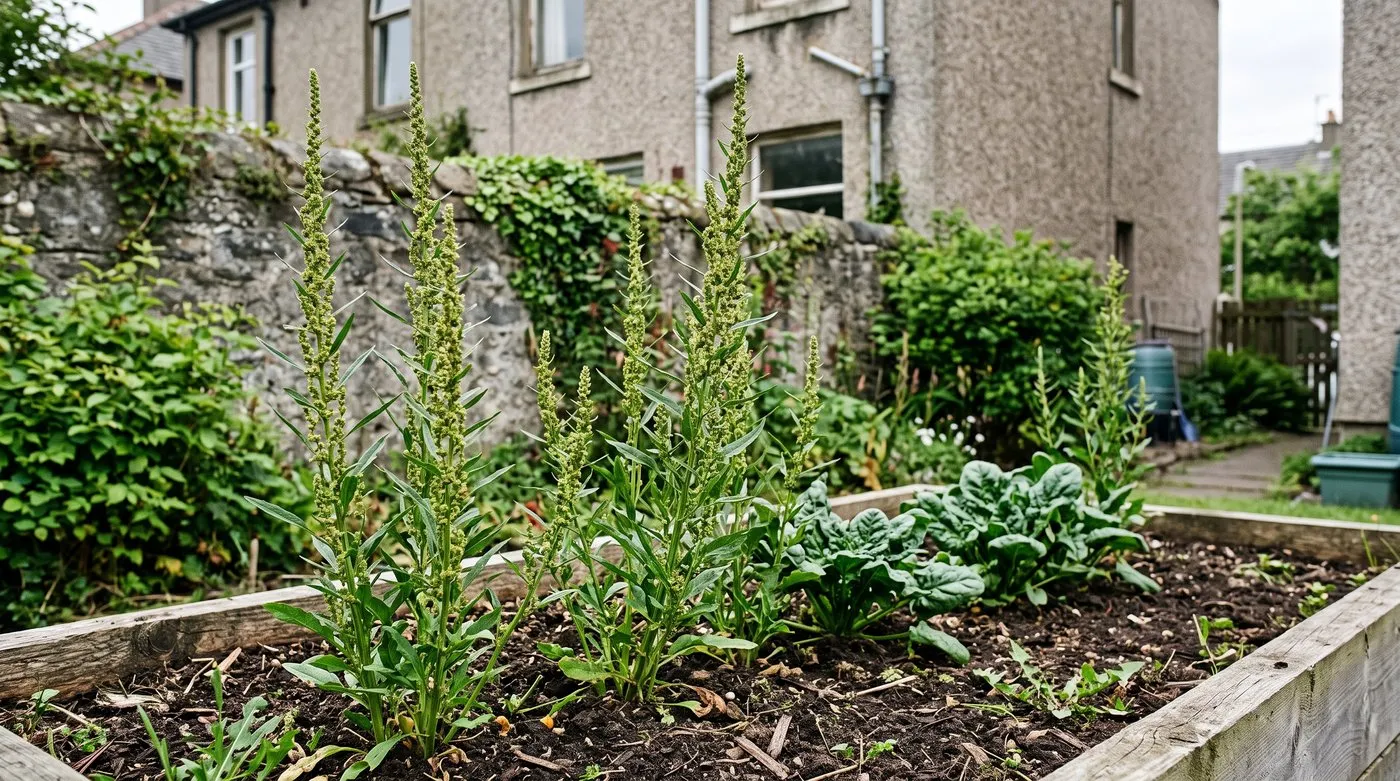
Spinach sown in late spring often bolts like this as the days stretch. Sow it in early spring or late summer instead.
| Crop | Day length effect | Best sowing time |
|---|---|---|
| Spinach | Bolts in long days | March to April, then August to September |
| Rocket | Bolts quickly in summer | Spring, then late summer |
| Pak choi | Bolts in long days | After midsummer, July to August |
| Chinese cabbage | Bolts in long days | After midsummer, July |
| Coriander | Bolts fast in summer | Spring and late summer |
| Lettuce | Mainly heat and drought | Little and often, March to August |
Lettuce is less fussy about day length than spinach. Heat and dry soil are the main triggers. For summer sowings, choose bolt-resistant types such as ‘Little Gem’ or loose-leaf ‘Salad Bowl’, keep them watered and give them a little afternoon shade. The guide to growing coriander without bolting has more tips for that crop.
Do brassicas need shorter days to form heads?
No. This is a common mix-up. Cabbages and cauliflowers form heads according to variety, sowing time and temperature, not day length. Summer cabbages heart up in the longest days of the year.
What matters is sowing each type at the right time and giving plants space, water and firm soil. Spring cabbages, summer cabbages, autumn cabbages and winter savoys are simply different varieties for different seasons. The UK vegetable planting calendar gives sowing times for each.

These autumn brassicas headed up because they were sown at the right time for their variety, not because the days got shorter.
How day length affects strawberries and flowers
Summer-fruiting strawberries form next year’s flower buds in the shorter, cooler days of late summer and autumn. So keep plants watered and healthy after fruiting. Perpetual or everbearing types are less fussy and crop on through summer.
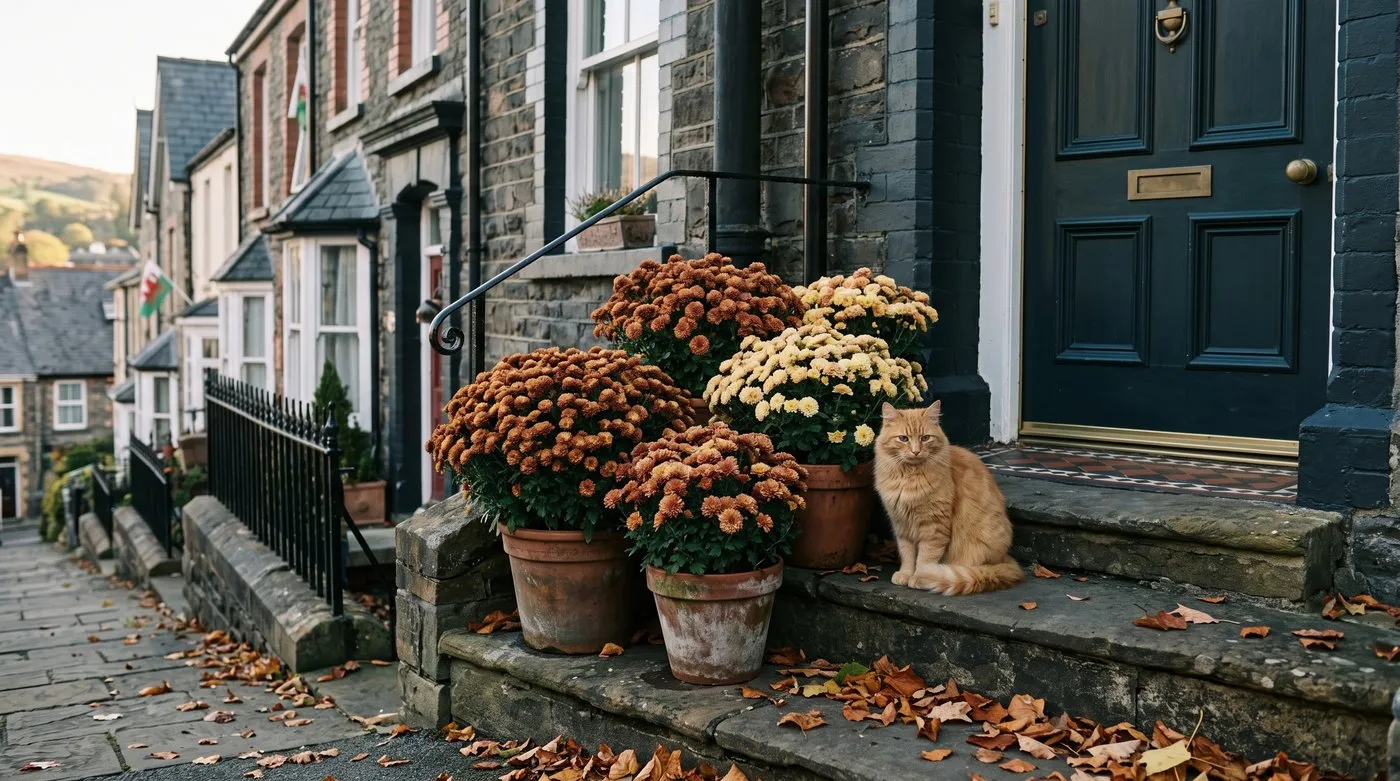
Chrysanthemums wait for the shorter days of autumn before they flower, which is why they brighten up October.
Among flowers, a few rely on day length:
- Long days: sweet peas, cornflowers and larkspur flower best in midsummer.
- Short days: chrysanthemums, many autumn asters, poinsettias and Christmas cactus flower as days shorten.
That’s why a Christmas cactus kept in a room with lights on every evening may not flower. The guide to Christmas cactus care explains how to give it the dark nights it needs.
Using grow lights to lengthen the day
LED grow lights give seedlings a longer day when natural light is short. They help most with tomatoes, peppers and chillies sown in late winter, which can get leggy on a dim windowsill.
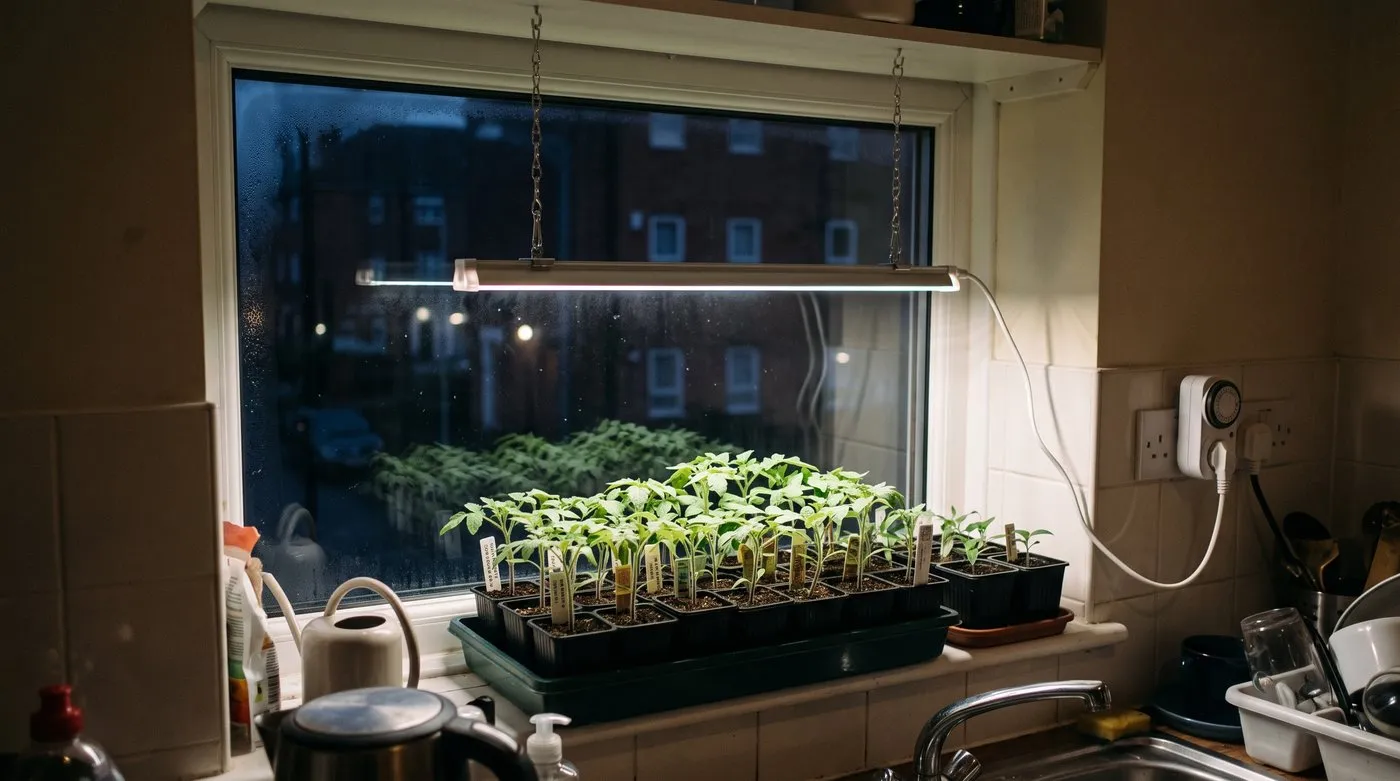
A grow light on a timer gives late-winter seedlings the longer day they need to grow stocky, not leggy.
- Hang the light close above the seedlings, as the maker suggests.
- Use a timer so the plants get the same hours each day, around 12 to 16 hours.
- Give them a proper dark period each night.
The guide to grow lights for seed starting covers set-up in more detail.
Common day length mistakes
- Buying onion sets without checking the type. Stick to varieties sold for UK growing.
- Sowing spinach and pak choi in late spring. They bolt in the long days. Sow early spring or after midsummer.
- Blaming day length for everything. Most bolting and poor heading comes from heat, drought, cold snaps or late sowing.
- Planting onions late. Fewer leaves before midsummer means smaller bulbs.
- Leaving lights on at night for short-day plants. Christmas cactus and poinsettias need long, dark nights to flower.
Which UK vegetables care about day length?
| Crop | Day length type | What it means for you |
|---|---|---|
| Onion | Long-day | Use varieties sold for UK growing |
| Garlic | Long-day | Plant in autumn so it has time to grow before bulbing |
| Shallot | Long-day | Plant in late winter or early spring |
| Spinach | Long-day | Sow early spring or late summer |
| Pak choi, Chinese cabbage | Long-day | Sow after midsummer |
| Lettuce | Mainly heat | Bolt-resistant types for summer |
| Cabbage, cauliflower | Variety and season | Sow each type at its usual time |
| Tomato, pepper | Day-neutral | Warmth matters more |
| Beans, carrots, parsnips | Day-neutral | No day length worries |
Ready to plan your year? The seed sowing calendar puts the right crops in the right months, and there’s more in the growing section.
Frequently asked questions
What is photoperiod in plants?
Photoperiod is the length of daylight a plant gets each day. Some plants use it as a calendar to decide when to bulb, flower or go dormant. Gardeners group them as long-day, short-day or day-neutral, depending on what sets them off.
Why won’t my onions form bulbs?
The variety may not suit UK day length, or planting was late. Short-day onions bred for warmer countries bulb too early here and stay small. Choose varieties sold for UK growing, such as ‘Sturon’ or ‘Centurion’. Too much nitrogen, crowding and dry soil also give small bulbs.
How long are summer days in the UK?
About 16.5 hours in London and 18 hours in Inverness in late June. Days get longer the further north you go in summer, and shorter in winter. By late September every part of the UK has roughly 12 hours of daylight.
Why does lettuce bolt in summer?
Mostly because of heat and dry soil, helped along by long days. Bolting sends up a flower stem and makes the leaves bitter. Choose bolt-resistant varieties for summer, keep the soil moist and give summer sowings a little afternoon shade.
Can I extend day length artificially?
Yes, LED grow lights on a timer give plants a longer day indoors. They are most useful for raising seedlings in late winter, when daylight is short. A timer keeps the hours the same every day.
Do brassicas need short days to form heads?
No, cabbage and cauliflower heads depend on variety, sowing time and temperature. Summer cabbages heart up in the longest days. Sow each type at its recommended time and give plants enough water and space.
Our team produces practical UK gardening guidance from source research, contributor records and established horticultural practice. Editorial standards are overseen by Matt W.


