Key takeaways
- Courgettes, runner beans and tomatoes are the usual glut crops, from July to September
- Pick courgettes at 10-20cm and beans while young, every couple of days
- Freezing is the quickest fix; most veg keeps for up to a year
- Chutney, soups and sauces use up big amounts in one go
- Share the surplus with neighbours, allotment swaps or a community fridge
- Sow smaller batches a few weeks apart to spread next year's harvest
To use up a garden glut, freeze what you can’t eat this week, cook big batches of soup, sauce and chutney, and give the rest away. Then pick little and often, so the pile on the worktop never gets out of hand.
From July to September, courgettes, runner beans and tomatoes can all crop at once. It’s a lovely problem to have, but only if you have a plan. Here’s what to do with each of the usual glut crops, how to share the surplus, and how to spread out next year’s harvest.
Why do garden gluts happen?
Usually because everything was sown at once. Several courgette plants sown on the same day all crop at the same time. Runner beans and tomatoes do the same in a warm summer.
Missed picking makes it worse. A courgette left for a few days turns into a marrow. Beans left on the plant go tough and stringy.
The fix for next year is at the end of this guide. For now, let’s deal with the pile on the table.
What can I do with too many courgettes?
Pick them at 10-20cm, every couple of days. Smaller courgettes taste better, and regular picking keeps the crop manageable.
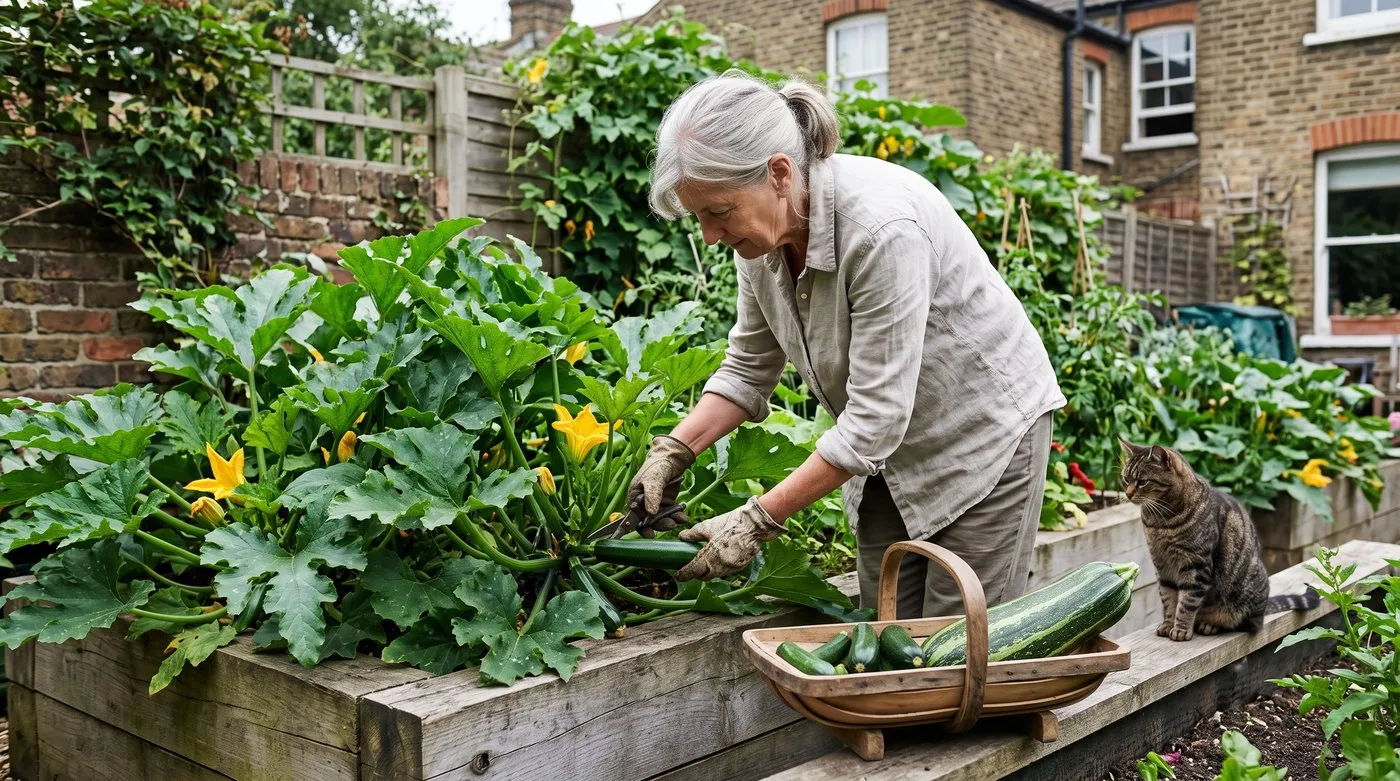
Pick courgettes at 10-20cm every couple of days. Miss a few days and you’ll have marrows like the one in the trug.
For the surplus:
- Grate and freeze. Grate them raw, squeeze out the water in a clean tea towel, then freeze in portions. They drop straight into pasta sauces, soups and even chocolate cake.
- Make soup. Courgette soup with onion, stock and a handful of mint or basil freezes well.
- Make chutney. Courgettes bulk out a chutney beautifully. The chutney recipes from the garden include several to try.
- Bake. Courgette cake and muffins use up a surprising amount.
If a marrow does sneak past you, stuff it and roast it. Growing tips for next year are in the guide on how to grow courgettes.
How do I deal with a runner bean glut?
Pick runner beans every two or three days while they’re young and snap cleanly. Once pods get big, lumpy and stringy, the plant slows down.
Freezing is the easiest way to save them:
- Top, tail and string the beans, then slice them.
- Boil for two to three minutes.
- Plunge into iced water to stop them cooking.
- Drain well and spread on a tray to freeze.
- Bag them up once frozen, so they don’t clump together.
Blanched beans keep well for up to a year. The guide to freezing vegetables has blanching times for other crops. Runner beans also make a good piccalilli or bean chutney.
What is the best way to preserve a tomato glut?
Freezing and cooking are the simplest options.
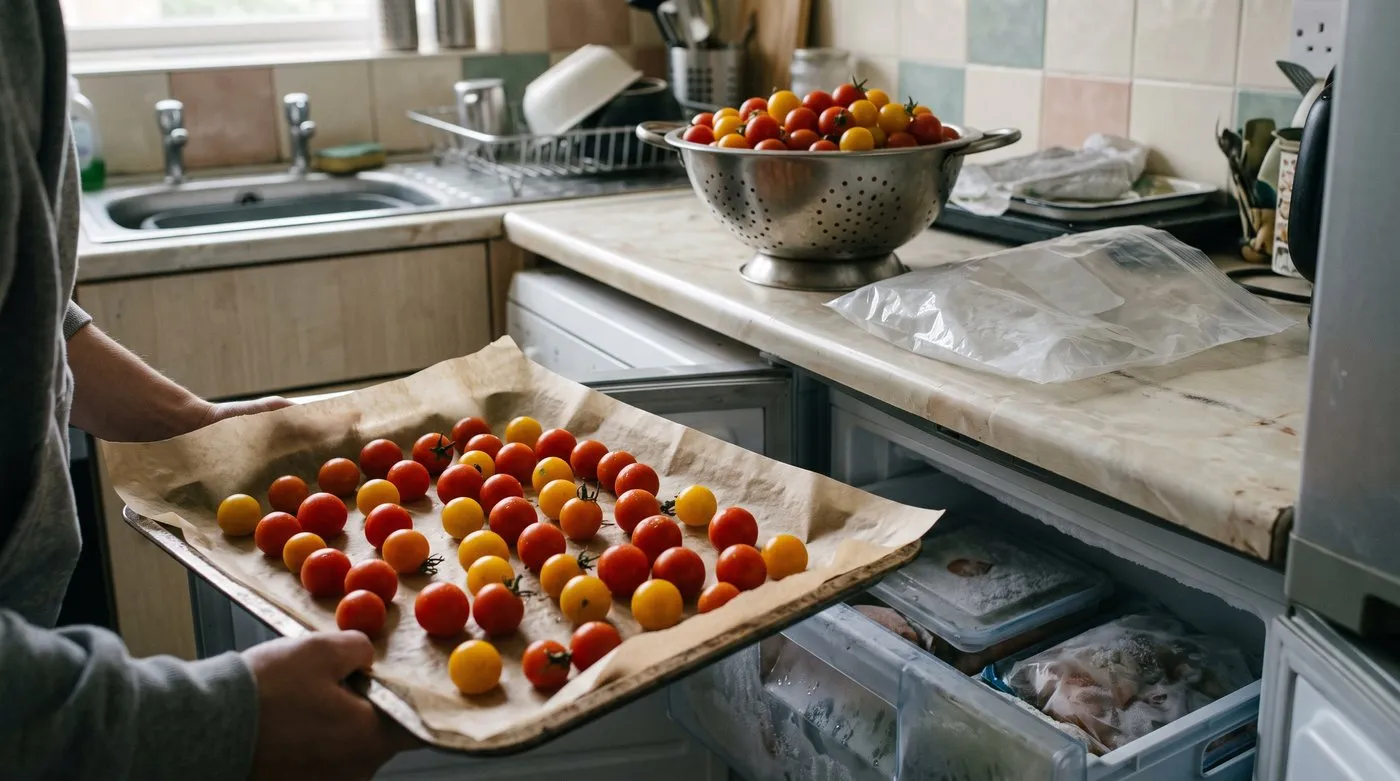
Freeze cherry tomatoes whole on a tray, then bag them. They go straight into winter sauces.
- Freeze cherry tomatoes whole. Spread them on a tray, freeze, then bag them. Drop them straight into sauces. The skins slip off as they heat.
- Cook a big batch of sauce. Simmer ripe tomatoes with onion, garlic and herbs until thick. Freeze it in portions for winter pasta and stews.
- Make passata. Cook, sieve and freeze it in tubs. Bottling passata safely needs added acid and a proper recipe, so follow the guide to bottling and canning your harvest if you want jars.
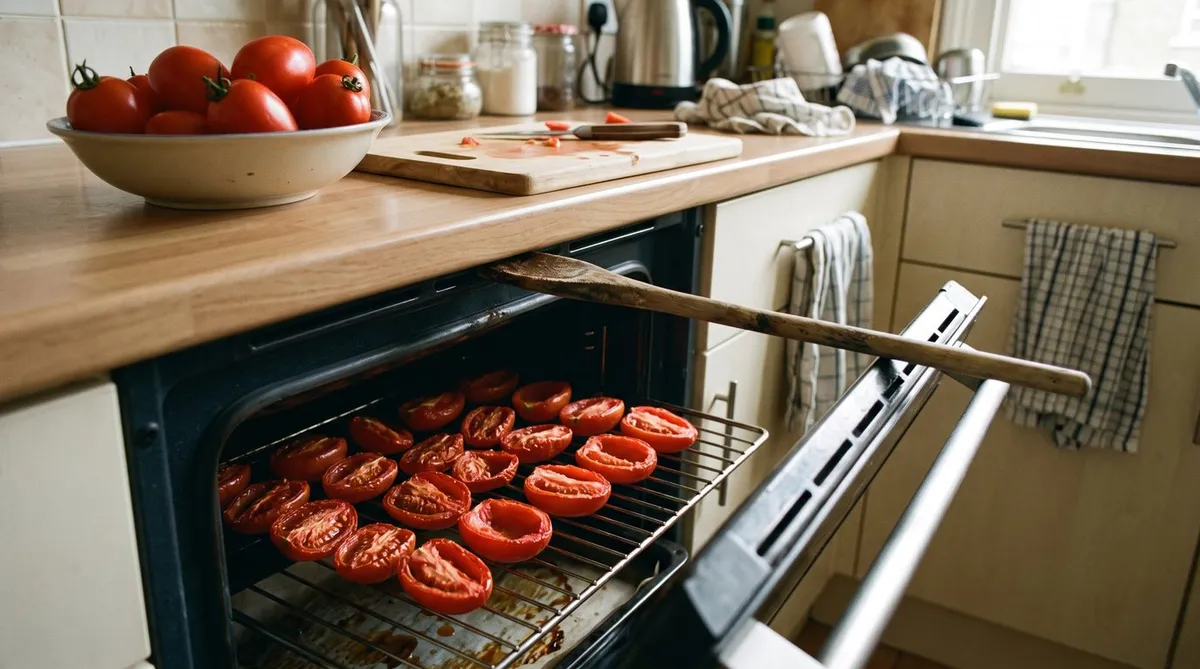
- Oven-dry them. Halve them and dry them slowly in a low oven. The guide to sun-dried tomatoes without the sun walks you through it. Keep dried tomatoes in the fridge or freezer, not in oil in the cupboard.
- Use green tomatoes. At the end of the season, unripe tomatoes make a classic green tomato chutney.
Freezing: the quickest glut fix
If you only have half an hour, freeze it. Most veg keeps for up to a year in the freezer, and it’s far quicker than making chutney.
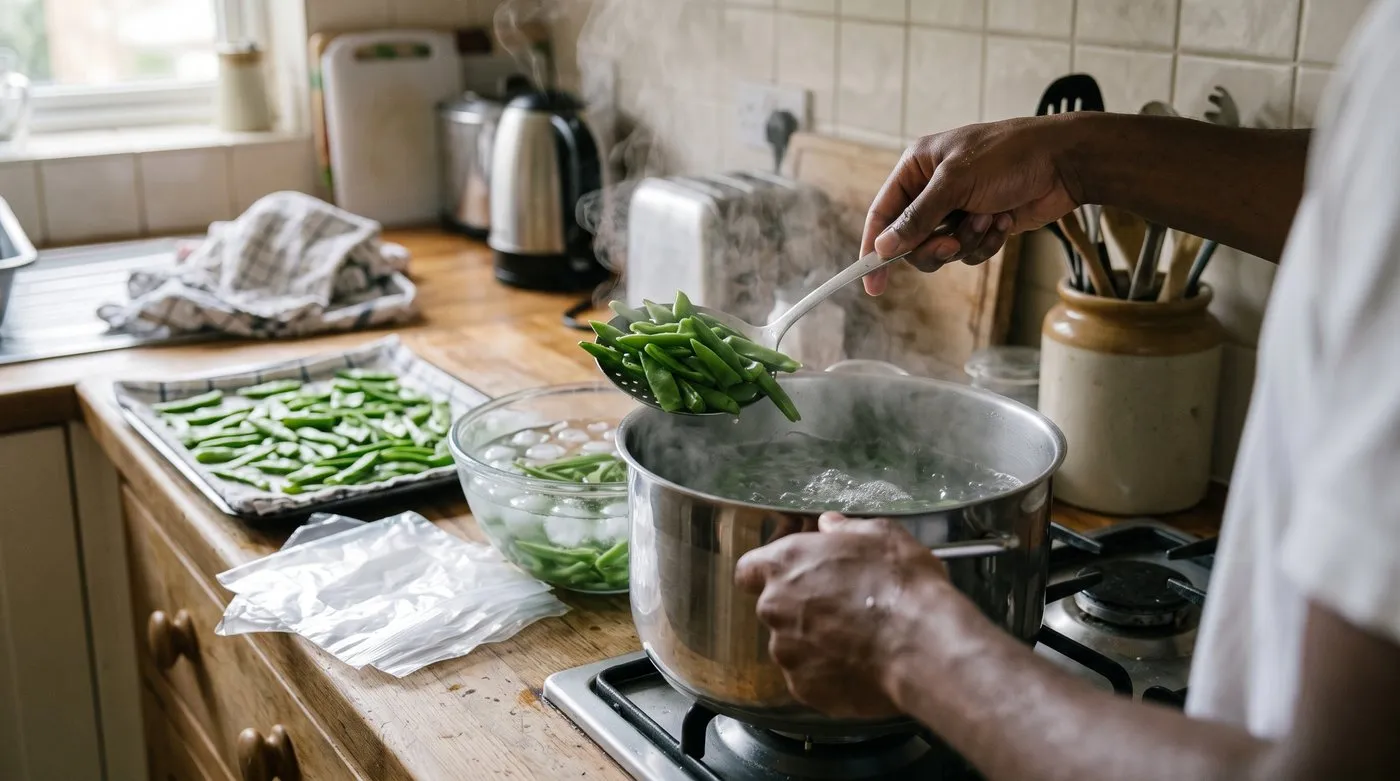
A quick blanch and a plunge in iced water keeps frozen beans green and tender.
Pick and freeze within a day for the best flavour. Most firm veg, such as beans and broccoli, needs a quick blanch in boiling water first. This keeps the colour and texture. Freeze pieces on a tray before bagging, so you can take out a handful at a time. Label every bag with what’s in it and the date.
Watery salad crops such as cucumbers and lettuce don’t freeze well. Pickle cucumbers or give them away instead. Soft fruit such as raspberries freezes well on a tray too.
Batch cooking to use up surplus veg
Batch cooking turns a pile of raw veg into ready meals. Pick recipes that freeze well and use several glut crops at once.
- Ratatouille uses courgettes, tomatoes, peppers and onions in one pot.
- Soups take almost anything: courgette and mint, tomato and roasted pepper, or a mixed veg soup.
- Pasta sauce soaks up tomatoes, with grated courgette stirred in.
- Curries and stews take beans, courgettes and tomatoes happily.
Cool everything quickly, then freeze it in meal-sized tubs. Soups and sauces are also the best home for slightly tired or misshapen veg.
Pickling, chutney and jam
Preserves use up a lot of veg in one go, and the jars make lovely presents. Chutney suits courgettes, green tomatoes, marrows and apples. Pickles suit beetroot, cucumbers, onions and beans. Plums and other fruit go into jam.
Always follow a reliable recipe for vinegar, sugar and cooking times, and use clean, sterilised jars. Most chutneys mellow after a month in the cupboard. For step-by-step methods, see the guide to pickling and fermenting garden produce.

An afternoon of pickling clears a glut of beans, cucumbers and courgettes, and the jars keep well in a cool cupboard.
Which method suits which crop?
| Crop | Freeze | Cook and freeze | Preserve |
|---|---|---|---|
| Courgettes | Grated, raw | Soup, ratatouille, cake | Chutney |
| Runner beans | Blanched slices | Stews, curries | Piccalilli, bean chutney |
| Tomatoes | Whole cherry tomatoes | Sauce, passata | Chutney, oven-dried |
| Beetroot | Cooked and sliced | Soup | Pickled beetroot |
| Plums | Halved, stoned | Crumble filling | Jam |
How to share surplus vegetables
Giving it away is the easiest fix of all. Someone nearby will be glad of it.
- Neighbours and friends. A box by the front gate with a “help yourself” note works wonders.
- Allotment swap tables. Many sites have a shared table where you leave what you can and take what you need.
- Community fridges and food-sharing apps. Community fridges often welcome fresh veg, and apps such as OLIO connect you with people nearby.
- Food banks. Some take fresh produce, but many can only store tins and packets. Ring ahead first.
Add a simple recipe idea for anything unusual. People are more likely to take kohlrabi or chard if they know what to do with it.

A produce-share table lets the whole street enjoy your glut. Add a recipe idea for anything unusual.
How can I avoid a garden glut next year?
Spread the harvest rather than shrinking it.
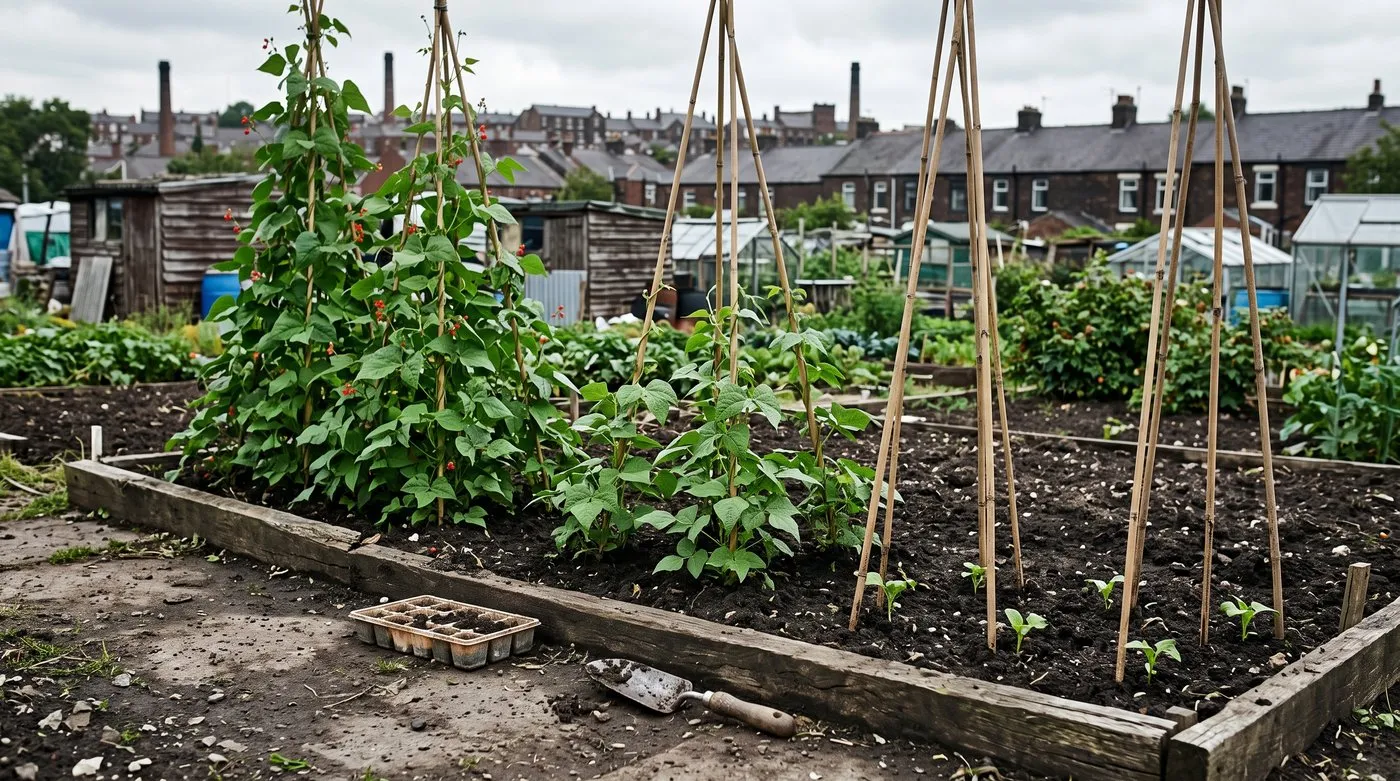
Sowing in small batches a few weeks apart gives you a steady supply instead of one huge glut.
- Sow little and often. Sow smaller batches of beans, salads and beetroot a few weeks apart. The succession planting guide explains how.
- Grow fewer courgettes. Two or three plants are plenty for most families.
- Mix early and late varieties. Growing a few tomato varieties that ripen at different times spreads the picking.
- Pick often. Regular picking keeps plants cropping steadily, rather than in one huge flush.
- Plan your freezer space. Clear room in June, before the glut arrives.
Common glut mistakes
- Leaving courgettes to become marrows. Check plants every couple of days in summer.
- Letting beans go stringy. Old pods are tough to eat and slow the plant down.
- Freezing without blanching. Most firm veg goes dull and leathery in the freezer if you skip it.
- Storing veg in oil at room temperature. Keep oil-covered veg in the fridge and use it within a few days, or freeze it.
- Sowing everything on one sunny weekend. That’s the classic recipe for a glut.
Frequently asked questions
What is a garden glut?
It’s when your plants produce more than you can eat fresh. It’s most common with courgettes, runner beans and tomatoes between July and September, when they all crop at once.
What can I do with too many courgettes?
Grate and freeze them, or turn them into soup, chutney or cake. Grated courgette freezes well raw if you squeeze out the water first. Pick the rest small so the plants slow down a little.
How do I preserve a tomato glut?
Freeze them, or cook them into sauce, passata or chutney. Cherry tomatoes freeze whole on a tray. Cook larger ones into sauce and freeze it in portions. Use green tomatoes at the end of the season for chutney.
Can I freeze runner beans from the garden?
Yes, runner beans freeze well once blanched. Slice them, boil for two to three minutes, cool in iced water, then drain. Freeze them spread on a tray before bagging, and use within a year.
How do I stop a garden glut happening?
Sow smaller batches a few weeks apart instead of all at once. Grow fewer courgette plants, as two or three are plenty for most families. Pick often, so crops never get the chance to pile up.
Where can I donate surplus garden vegetables?
Try neighbours, allotment swap tables and community fridges first. Some food banks take fresh produce, but many can’t, so ring before you go. Food-sharing apps such as OLIO also connect you with people nearby.
How long does homemade chutney last?
Usually up to a year, unopened, in a cool dark cupboard. Most chutneys taste better after a month or so. Once opened, keep the jar in the fridge and follow your recipe’s advice on how quickly to use it.
Now your glut is under control, read the guide to storing garden produce to plan for the autumn harvest too, or browse more how-to guides.
Our team produces practical UK gardening guidance from source research, contributor records and established horticultural practice. Editorial standards are overseen by Matt W.