Key takeaways
- Comfrey's old name, knitbone, comes from its use on bruises, sprains and fractures
- Never eat comfrey or drink comfrey tea, as it can damage the liver
- Oral comfrey products were withdrawn from sale in the UK in the early 2000s
- If used on the skin at all, keep to unbroken skin and short courses
- It's not suitable in pregnancy, while breastfeeding, for children or with liver problems
- Foxglove leaves look similar and are deadly, so be sure of your plant
Comfrey is one of the oldest medicinal plants in British gardens. Its country name, knitbone, comes from centuries of use on bruises, sprains and broken bones. But it also contains compounds that can seriously harm the liver.
The short answer: never eat comfrey or drink it as tea. If you use it at all, keep to the skin, unbroken skin only, and for short spells. This guide explains why, what comfrey was traditionally used for, and how to stay safe.
If you’re here for comfrey as a garden plant and plant feed, see the main guide to growing and using comfrey. This page is about its medicinal side.
Why is comfrey called knitbone?
Comfrey was packed onto injuries to help them “knit” back together. For hundreds of years people wrapped crushed leaves or pulped root in a cloth and bandaged it onto a bruise, sprain or fracture.
The botanical name tells the same story. Symphytum comes from a Greek word meaning “to grow together”. Comfrey turns up in old herbals, including Culpeper’s, which recommended it both inside and out. That internal use is now ruled out.
There was a little real chemistry behind the reputation. Comfrey contains allantoin, a compound that helps skin cells repair. Some of the rest was simply the rest, warmth and support of a bandaged poultice.

Comfrey grows like a weed on most allotments. Wear gloves when cutting it, as the hairy leaves can irritate skin.
Is comfrey safe to use?
Not by mouth, ever. Comfrey contains pyrrolizidine alkaloids, often shortened to PAs. When swallowed, the liver turns them into substances that damage its small blood vessels. That can cause serious and sometimes permanent liver disease.
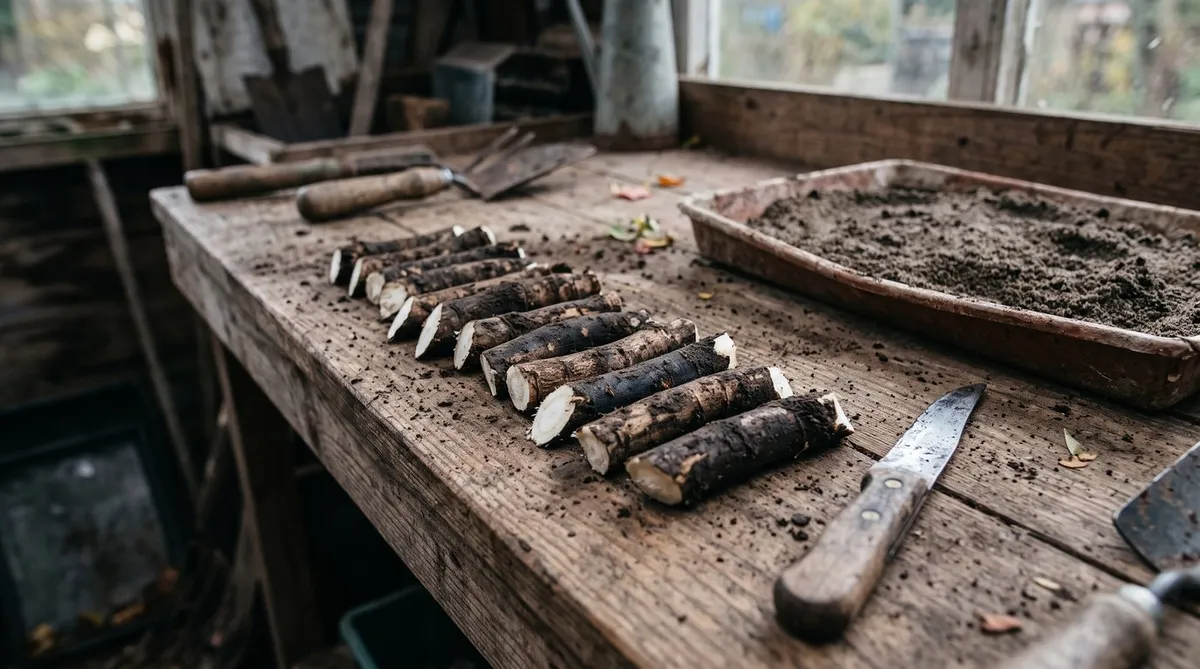
Cases of liver damage from comfrey tea and tablets led to oral comfrey products being withdrawn from sale in the UK in the early 2000s. The roots carry the highest levels, and young spring leaves more than older ones.
On the skin, far less gets absorbed, but some still does. It builds up over time, and absorption rises through broken skin. That’s why traditional external use has strict limits.
The safe-use rules for comfrey on skin
If you choose to use comfrey on your skin, follow these rules:
- Unbroken skin only. Never on cuts, grazes, open wounds or broken blisters.
- Short courses. Herbal guidance commonly limits it to no more than four to six weeks a year.
- Small areas. A bruised wrist or ankle, not a whole leg or back.
- Leaves, not roots. The roots carry much more of the harmful alkaloids.
- Not for everyone. Avoid it in pregnancy, while breastfeeding, for children, and if you have any liver problem or drink heavily.
Speak to a pharmacist or GP first, especially if you take regular medicines. And get any suspected fracture, deep cut or swelling that isn’t improving checked by NHS 111 or a doctor. Comfrey is no substitute for proper treatment.

Herbalists traditionally steep comfrey leaves in oil to make a bruise balm. If you do, use leaves only and keep it for short spells on unbroken skin.
Allantoin vs pyrrolizidine alkaloids: the good and the bad
Comfrey’s problem is that the helpful and harmful compounds come together in the same leaf.
| Allantoin | Pyrrolizidine alkaloids (PAs) | |
|---|---|---|
| What it does | Helps skin repair and soothes dryness | Damages the liver |
| Where it’s found | Leaves and roots | Highest in roots and young leaves |
| Safe to use? | Yes, it’s made synthetically for skin creams | No, keep exposure as low as possible |
| Can you separate them at home? | No | No |
Allantoin is now made in the lab and added to everyday hand creams and skin products. That gives you the useful part of comfrey with none of the PAs. For a bruise or sprain, a pharmacist can suggest a suitable gel or cream.
Don’t confuse comfrey with foxglove
Foxglove leaves look a lot like comfrey leaves, especially before either plant flowers. Foxglove is highly poisonous, and people have been seriously ill after mistaking it for comfrey.
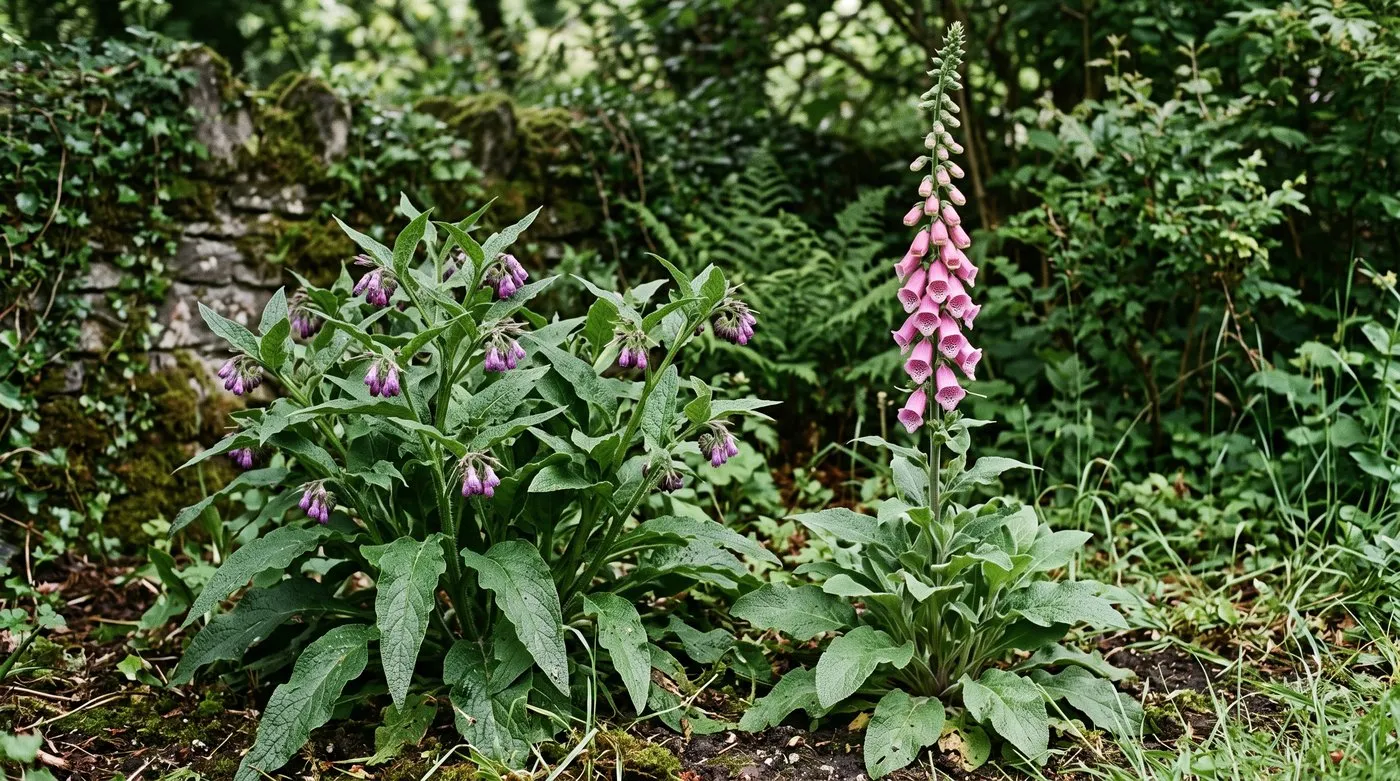
In flower they’re easy to tell apart. Before flowering the leaves look alike, so only pick from a plant you know.
How to tell them apart:
- Comfrey has drooping clusters of small bell-shaped flowers in purple, pink, cream or blue. The stems are thick, hairy and often winged where the leaf joins.
- Foxglove has a tall single spike of large tubular flowers, usually pink-purple with spotted throats. Its leaves grow mostly in a ground-hugging rosette in the first year.
If you aren’t completely sure, don’t pick it. Only use leaves from a plant you planted yourself or have seen in flower.
Bocking 14 vs common comfrey
Bocking 14 is a sterile variety of Russian comfrey. It was selected for compost and liquid feed because it doesn’t spread by seed. It is not a medicinal variety, and it still contains PAs. Treat it with exactly the same caution as common comfrey.
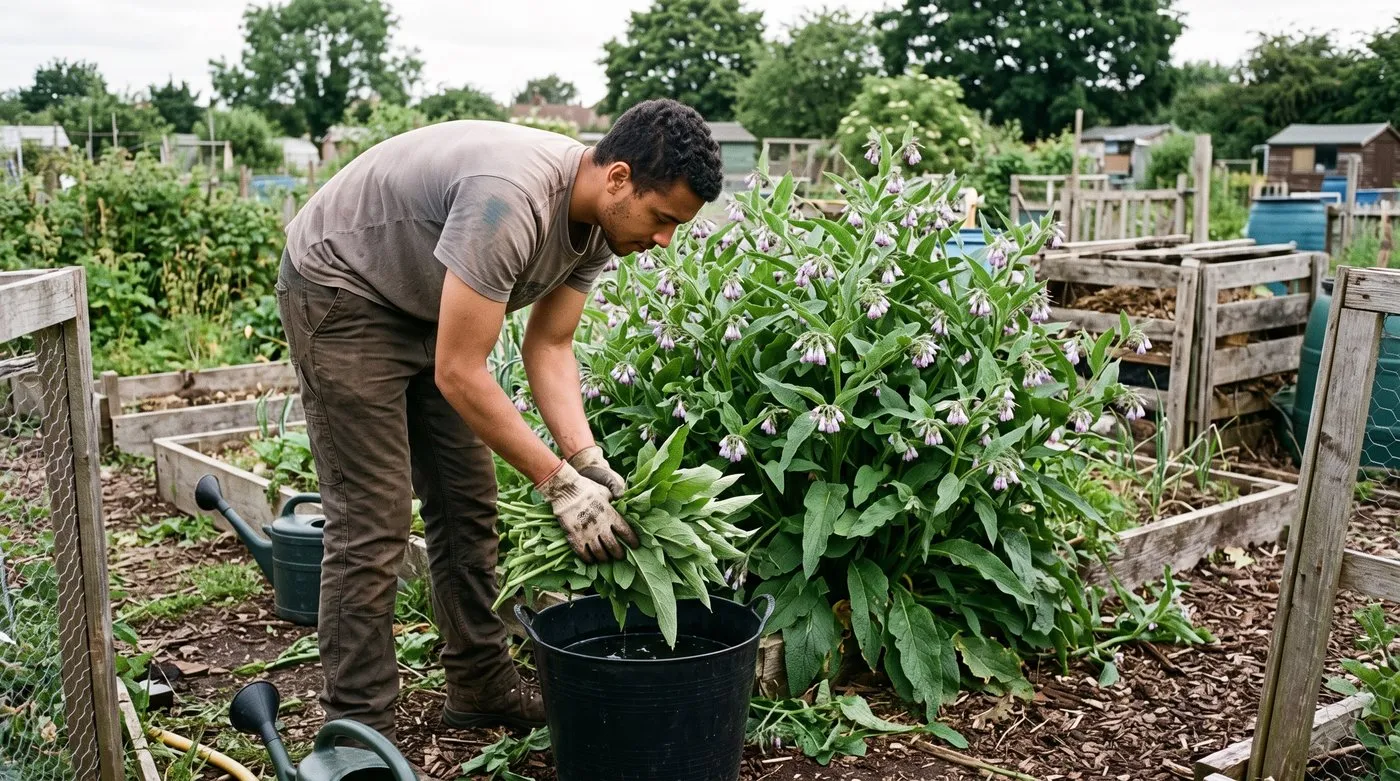
Most gardeners grow Bocking 14 to make plant feed, which is where comfrey really earns its keep.
Most gardeners grow Bocking 14 for the brilliant comfrey liquid feed it makes for tomatoes and other fruiting crops. The guide to propagating Bocking 14 shows how to start a patch from root cuttings.
Is comfrey safe around pets?
Comfrey can be harmful to dogs, cats and livestock if they eat a lot of it. The same alkaloids that harm people can damage an animal’s liver. Most pets leave the bristly leaves alone, but keep cut leaves and buckets of comfrey feed out of reach.
Safer herbs for your medicinal herb bed
For a home herb patch, comfrey works best as one tall plant at the back, grown mostly for bees and plant feed. Bumblebees love its flowers in late spring and early summer.
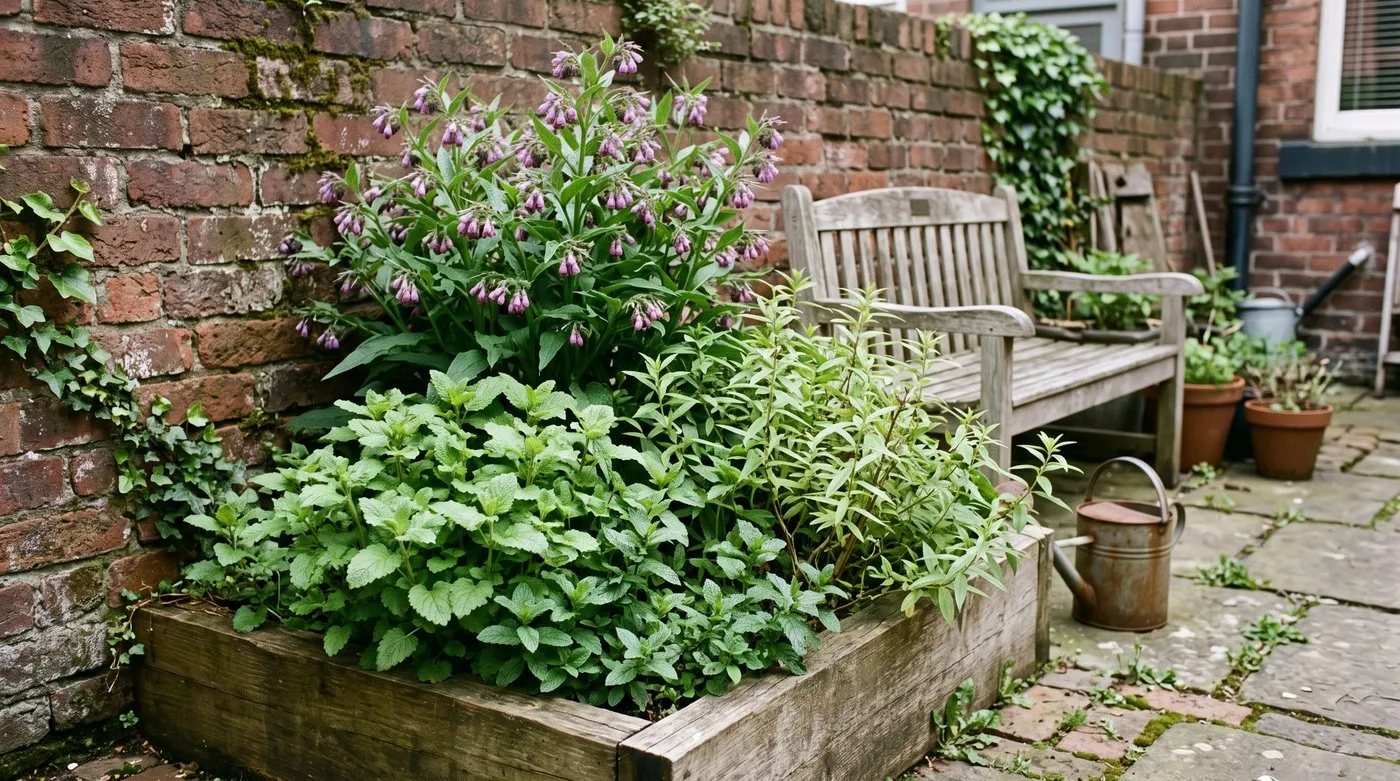
Grow comfrey at the back for bees and plant feed, and pick gentler herbs like mint and lemon balm for tea.
For teas, choose gentler herbs such as mint, lemon balm and lemon verbena. The guide to making herbal teas from the garden covers which ones to grow. To plan a full bed, see what to grow in a medicinal herb garden. Always check with a pharmacist before using any herb as a remedy, especially if you take medicines or are pregnant.
Common mistakes with medicinal comfrey
- Drinking comfrey tea. Old herb books and some websites still suggest it. Don’t.
- Using it on open wounds. Broken skin lets in far more of the harmful alkaloids.
- Using the root. Root preparations carry the highest PA levels.
- Using it for weeks on end. Keep to short courses with long breaks.
- Picking the wrong plant. Foxglove leaves look similar and are deadly.
- Thinking Bocking 14 is safer. It isn’t, for people or pets.
Frequently asked questions
Is it legal to use comfrey medicinally in the UK?
Growing comfrey and using it on your own skin is not illegal. Comfrey products to be taken by mouth were withdrawn from UK sale in the early 2000s. Because of the health risks, talk to a pharmacist or GP before using it.
Can I drink comfrey tea?
No, never drink comfrey tea. Comfrey contains pyrrolizidine alkaloids, which can cause serious liver damage when swallowed. Choose a safer herbal tea, such as mint or lemon balm, instead.
How long can I use comfrey on my skin?
Only for short courses, on unbroken skin. Herbal guidance commonly limits external use to no more than four to six weeks a year. Small amounts of the harmful alkaloids can pass through the skin, so it isn’t for daily use.
Is Bocking 14 comfrey safer than common comfrey?
No, treat it with the same caution. Bocking 14 is a sterile Russian comfrey grown for compost and liquid feed. It still contains pyrrolizidine alkaloids, so it is no safer to eat.
What is the difference between allantoin and pyrrolizidine alkaloids?
Allantoin helps skin repair, while pyrrolizidine alkaloids are toxic to the liver. Comfrey contains both. Allantoin is now made synthetically for skin creams, so you get the benefit without the risk.
Is comfrey poisonous to dogs and cats?
Yes, it can be harmful if eaten in quantity. The same alkaloids that harm people can damage a pet’s liver. Most animals leave the hairy leaves alone, but don’t leave cut leaves or comfrey feed where pets can reach them.
How can I tell comfrey from foxglove?
Look for flowers or check the stem. Comfrey has drooping clusters of small bell flowers and a hairy, winged stem. Foxglove has tall single spikes of large spotted flowers. Before flowering the leaves look alike, so never pick leaves you aren’t sure of.
Now you know the risks, put your comfrey to its best use with our guide to making comfrey and nettle feed, or browse more growing guides.
Our team produces practical UK gardening guidance from source research, contributor records and established horticultural practice. Editorial standards are overseen by Matt W.