Key takeaways
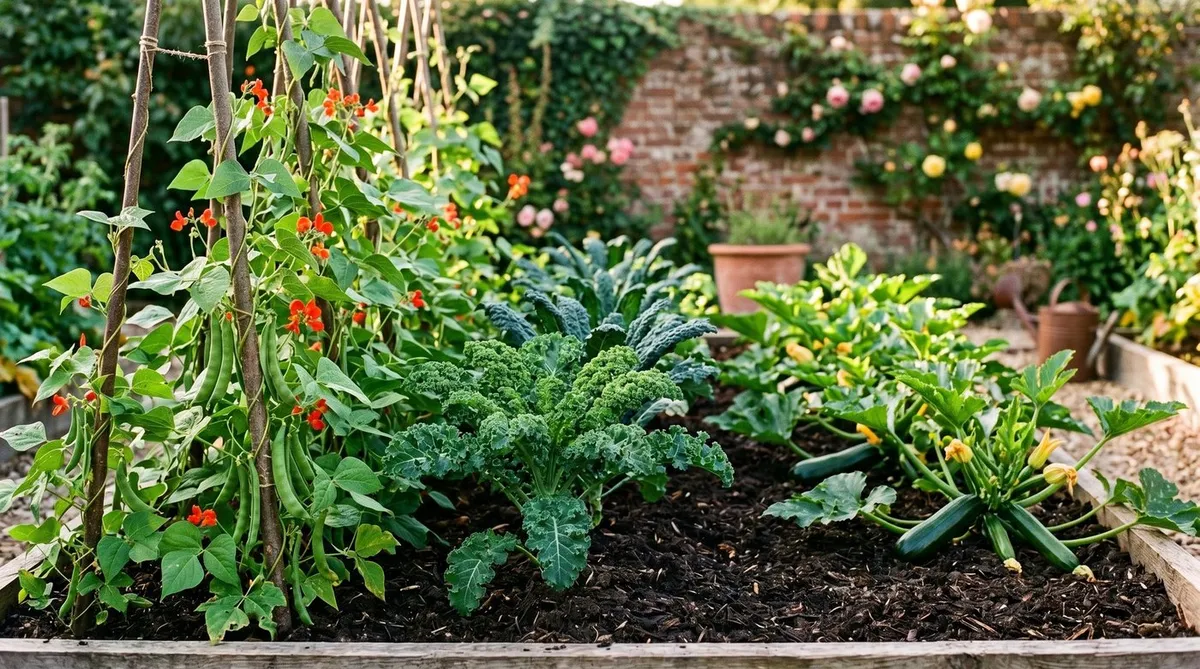
- Cover bare soil with 5-8cm of mulch in spring and autumn
- Smother weedy ground with plain cardboard and a layer of compost
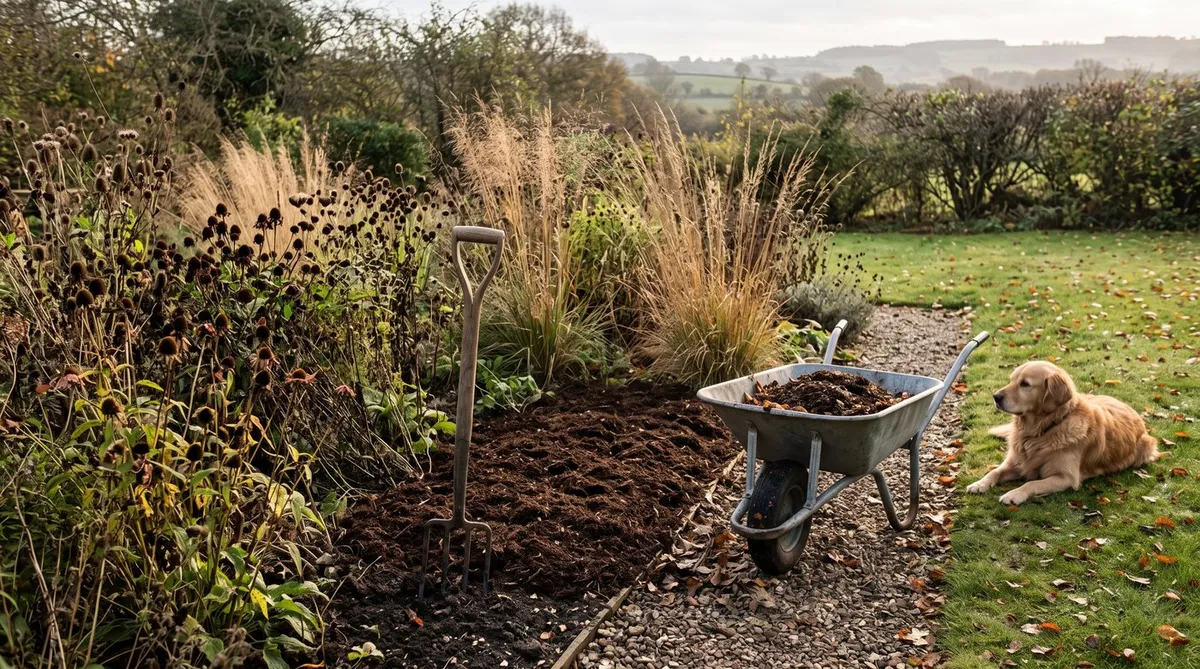
- Stop digging, because turning soil brings buried weed seeds up to the light
- Fill gaps with ground cover plants so weeds have nowhere to grow
- Hoe on dry days every week or two while weeds are tiny
- Pull or cut weeds before they flower so they can't seed
The best way to prevent weeds without chemicals is to keep the soil covered and leave it undisturbed. Weeds love bare, freshly dug ground. Take that away with mulch and plants, and far fewer get going.
This guide is about stopping weeds before they start, in borders, veg beds and paths. If you’re facing a patch that’s already overgrown, the guide to organic weedkillers covers clearing existing weeds.
Why weeds keep coming back
Weeds return for three simple reasons. Knowing which one you’re dealing with tells you what to do.
- Buried seeds. Garden soil is full of weed seeds that can lie dormant for years. Many need light to sprout, so each time you dig, you bring a fresh batch up to the surface.
- Root pieces. Perennial weeds such as bindweed, couch grass and ground elder regrow from small bits of root. Digging or rotavating chops them up and spreads them.
- Bare soil. Empty ground fills quickly with seedlings, especially in spring and early autumn.
The fix for all three is the same: cover the soil and disturb it as little as possible. If you’re not sure what’s popping up, the common garden weeds ID guide will help you tell annuals from perennials.
Mulching: the easiest way to stop weeds
A mulch is a layer of material spread over the soil surface. It blocks light so weed seeds don’t sprout, and it holds in moisture too.
Spread 5-8cm over damp, weeded soil in early spring, and top up in autumn. Keep it a few centimetres clear of stems and tree trunks.
| Mulch | Good for | Notes |
|---|---|---|
| Bark chips | Shrub borders, paths | Long-lasting and tidy |
| Garden compost | Veg beds, flower borders | Feeds the soil, but home-made can hold weed seeds |
| Leaf mould | Woodland and shady beds | Free from autumn leaves |
| Wood chip | Paths, around trees | Often free from tree surgeons |
| Straw | Strawberries, veg rows | Short-lived but cheap |
Cocoa shell mulch is toxic to dogs, so skip it if you have one. The guide to what mulch is and how to use it goes into each type in more detail.

A thick layer of bark around shrubs keeps light off weed seeds and holds moisture in summer.
Smothering weeds with cardboard
Sheet mulching with cardboard is the easiest way to turn a weedy patch into a clean bed without digging.
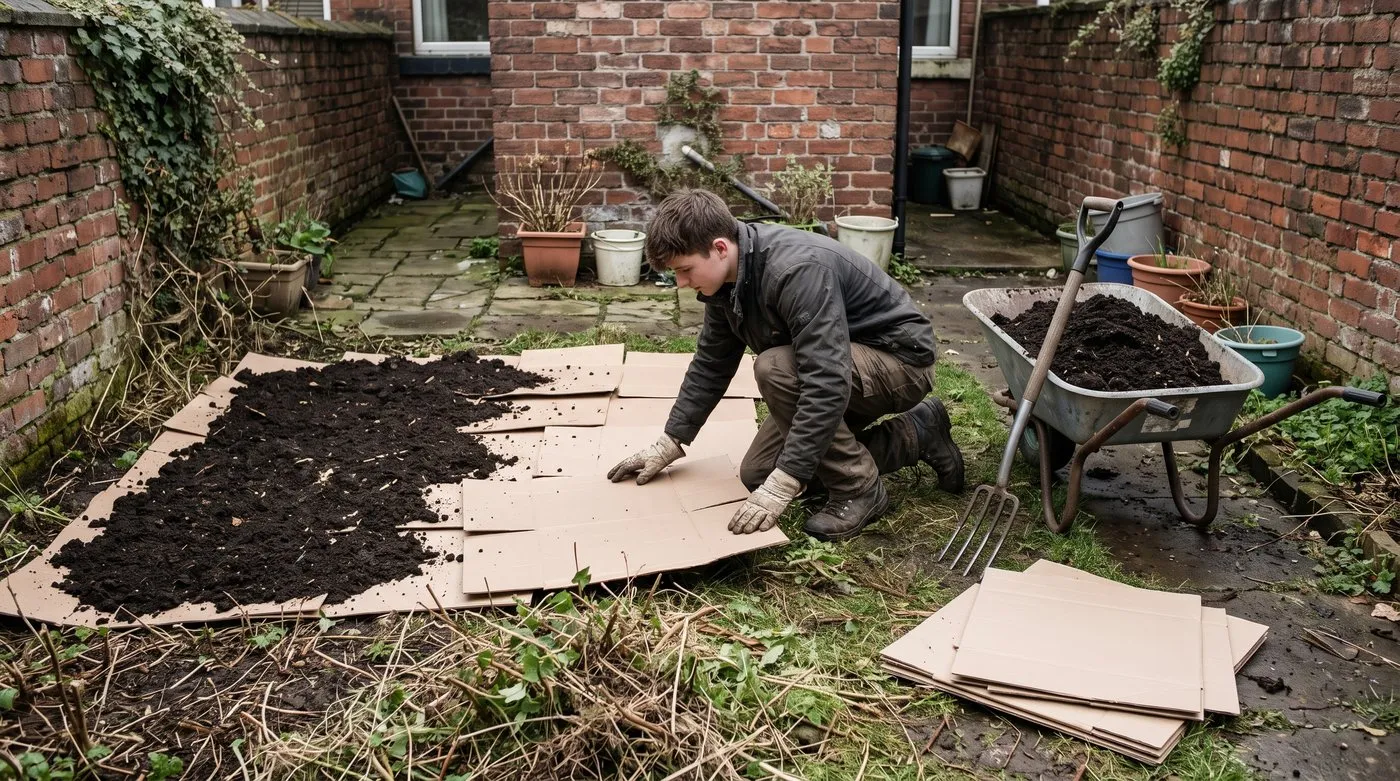
Overlap the sheets well so no light gets through, then cover them with compost and you have a new bed with no digging.
- Cut weeds down to the ground. Dig out brambles and docks.
- Remove all tape and staples from plain brown cardboard.
- Lay it over the ground, overlapping sheets well so there are no gaps.
- Water it so it moulds to the soil.
- Cover with 5-10cm of compost or bark.
You can plant straight through the cardboard by cutting a hole. Worms break it down over a few months. Tough perennials such as bindweed may find a way through, so pull any that appear. The guide to cardboard and grass clipping mulch has more on building layered beds.
Stop digging to stop weeds
Digging brings buried weed seeds into the light, which is just what they need to sprout. Leave the soil alone and most of those seeds stay asleep.
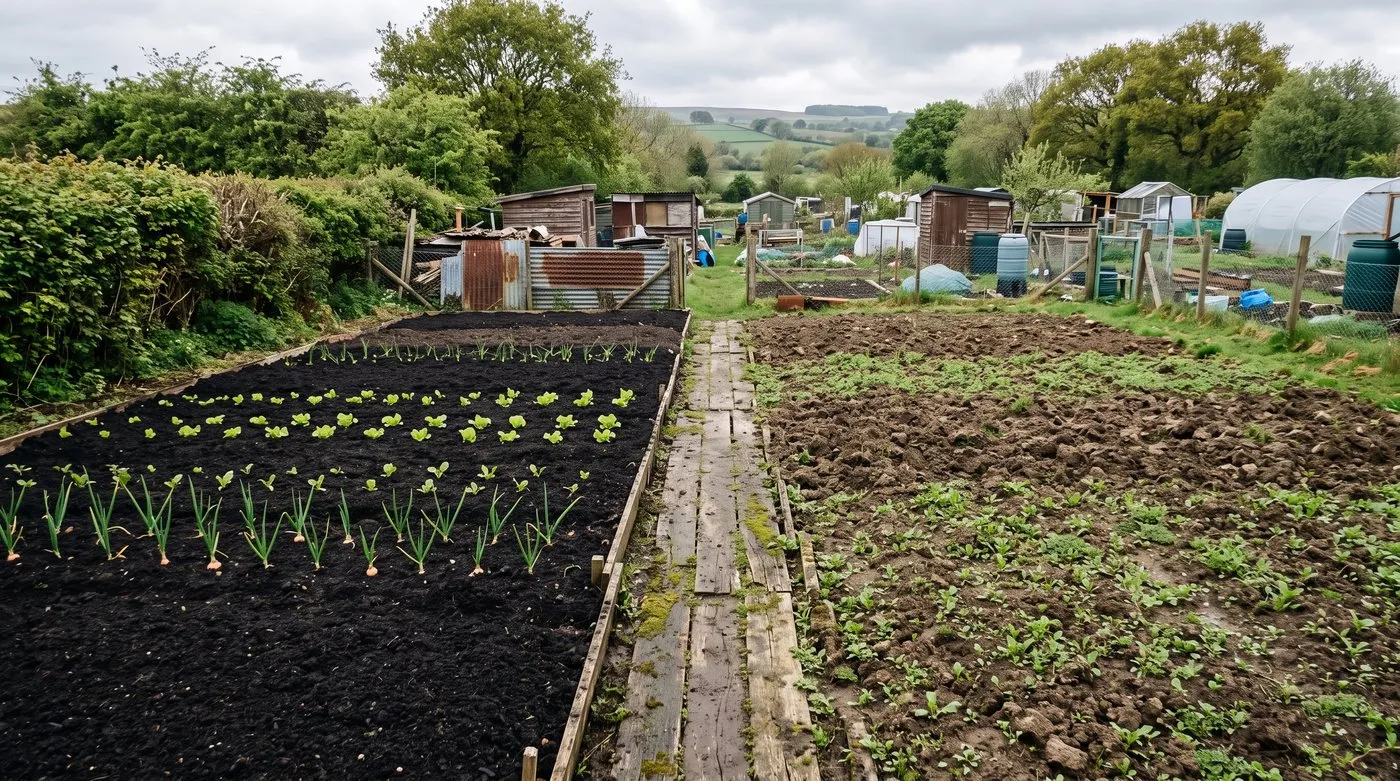
Leave the soil undug and buried weed seeds stay in the dark. The difference shows up quickly.
In a no-dig bed, you add a few centimetres of compost on top each year instead of digging. Any weeds that do appear grow in the loose surface layer and pull out easily. Pull perennials with as much root as you can.
Ground cover plants: a living mulch
Ground cover plants spread to form a dense carpet that shades the soil. Once they knit together, few weeds can get a foothold.
| Plant | Light | Evergreen? |
|---|---|---|
| Geranium macrorrhizum | Sun or shade | Mostly |
| Bugle (Ajuga reptans) | Part shade | Yes |
| Lesser periwinkle (Vinca minor) | Shade or part shade | Yes |
| Pachysandra terminalis | Shade | Yes |
| Creeping thyme | Full sun, well-drained | Yes |
| Lady’s mantle (Alchemilla mollis) | Sun or part shade | No |
Plant about 30cm apart and mulch between them until they fill in, usually within a season or two. Cut lady’s mantle flowers off before they set seed, as it self-seeds freely. Avoid thugs such as variegated yellow archangel, which turn into weeds themselves. The guide to the best ground cover plants has many more choices.

Hardy geraniums and bugle knit together into a carpet that leaves weeds nowhere to grow.
Plant closely
Close planting works in the same way. In borders, space plants so their leaves will touch when fully grown. In veg beds, sow quick crops such as lettuce or radish between slower ones. Cover empty veg beds with a green manure or mulch rather than leaving them bare.
Hoeing little and often
A sharp hoe slices weed seedlings off just below the surface. It’s quick, cheap and very effective if you do it often.
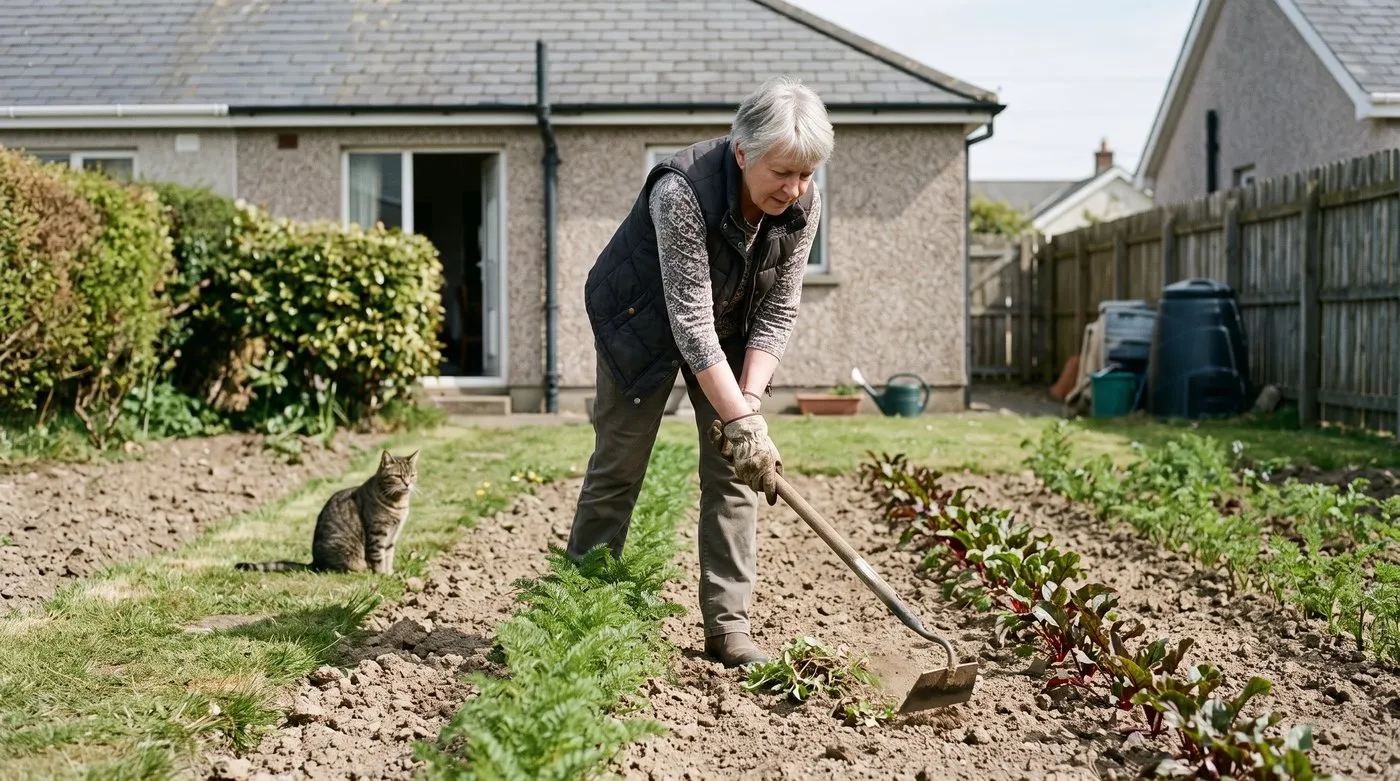
Hoe on a dry, sunny day while the weeds are tiny and they shrivel where they fall.
- Hoe every week or two from March to October
- Pick a dry, breezy day so cut seedlings shrivel
- Get them while they’re tiny, at the seed-leaf stage
- Keep the blade sharp with a file
- Work backwards so you don’t tread on what you’ve hoed
Hand-pull anything too big to hoe, and dig out perennials with their roots. The guide to hoeing borders covers which hoe to use.
Keeping paths and paving weed-free
For gaps between slabs and gravel paths, physical methods work well:
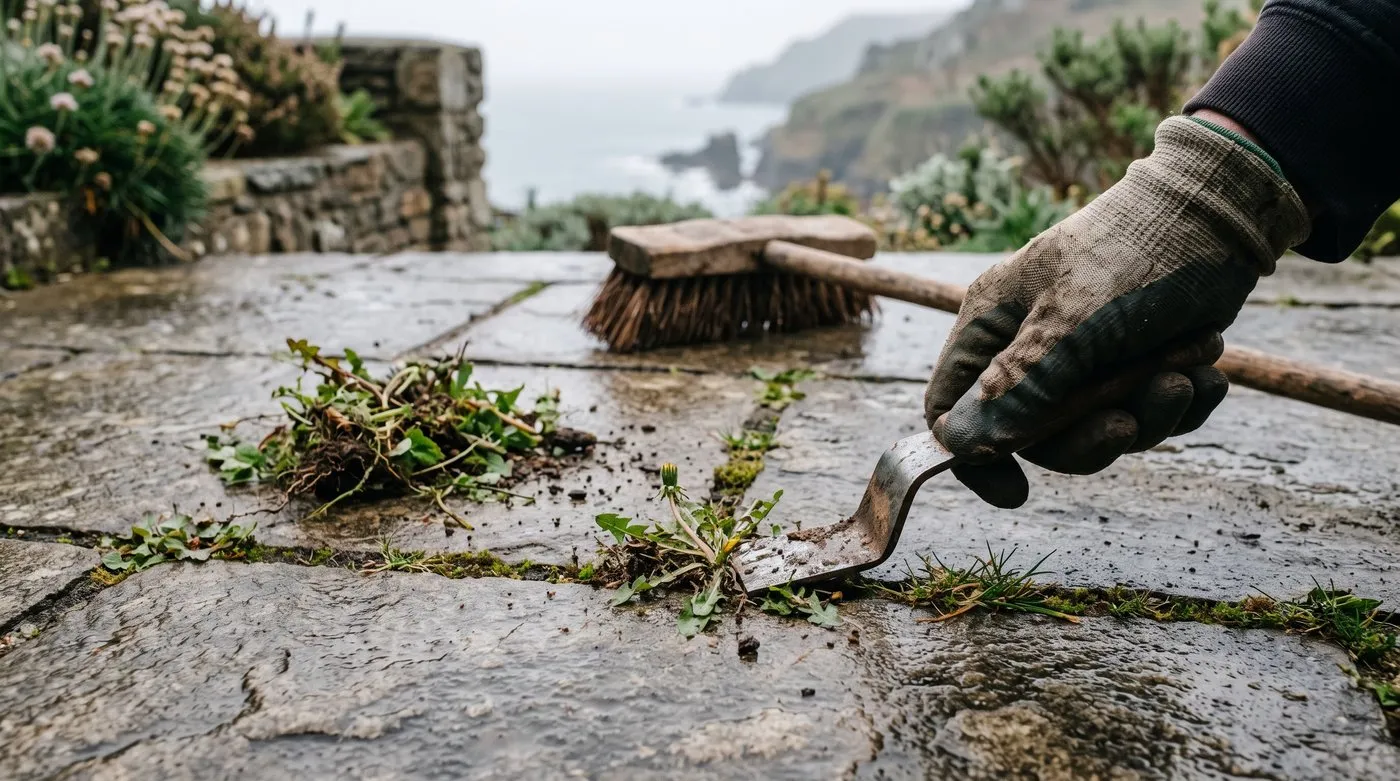
A weeding knife after rain gets roots out of the joints, and a regular sweep stops new seeds settling.
- Weeding knife: scrape out seedlings and roots, ideally after rain.
- Stiff brush: sweep paths regularly so seeds don’t settle.
- Boiling water: pour from the kettle onto weeds in cracks. It kills the tops of small weeds. Keep children and pets well away.
- Flame weeder: a short pass wilts weeds on paving and gravel. Never use one near dry plants, fences, hedges or mulch.
- Refill joints: brush fresh jointing sand into cleaned cracks to leave fewer gaps.
Under gravel, a permeable weed membrane stops weeds coming up from below.
Home-made weedkillers made with vinegar, salt or washing-up liquid aren’t authorised in the UK, and salt harms soil for years. If you really need a weedkiller, use an authorised one exactly as the label says.
Month-by-month weed prevention calendar
| Month | Task |
|---|---|
| January to February | Lay cardboard over weedy ground. Plan where gaps need filling |
| March | Mulch borders on damp soil. Start hoeing as seedlings appear |
| April to May | Hoe weekly. Plant ground cover into gaps |
| June to July | Hoe every week or two. Water and top up thin mulch |
| August | Pull weeds before they seed |
| September to October | Mulch cleared beds. Sow green manures. Collect leaves for leaf mould |
| November to December | Add compost to no-dig beds. Pull perennial weeds on mild days |
Common mistakes that make weeds worse
- Digging or rotavating weedy ground. This sows buried seeds and chops up perennial roots. Smother instead.
- Mulching too thinly. A thin sprinkle lets light through. Go for 5-8cm.
- Mulching over perennial weeds. Dig out bindweed and docks first, or they’ll push straight through.
- Leaving beds bare. Cover cleared beds straight away with mulch, a green manure or another crop.
- Letting weeds set seed. One seeding weed refills the soil for years. Pull them before they flower.
For more practical guides, visit the how-to hub. Once your beds are clear, take the next step with the no-dig gardening guide to keep them that way.
Frequently asked questions
What is the best way to prevent weeds without chemicals?
Cover the soil with a thick mulch and stop digging it. A 5-8cm layer of bark or compost keeps light off weed seeds so they don’t sprout. Add ground cover plants and regular hoeing, and most borders need only a quick weed now and then.
Does cardboard really stop weeds?
Yes, plain cardboard smothers most annual weeds and weakens perennials. Remove tape and staples, overlap the sheets well and cover them with 5-10cm of compost or bark. Tough perennials such as bindweed may still find a gap, so pull them as soon as they appear.
How thick should mulch be to stop weeds?
Aim for 5-8cm deep over damp, weeded soil. Thinner layers let light through and seedlings push up. Keep the mulch a few centimetres away from stems and trunks so they don’t rot.
Will ground cover plants stop all weeds?
No, but once they knit together they stop most of them. It usually takes a season or two, so mulch between new plants and weed by hand until they fill in. Perennial weeds can still push through.
How often should I hoe to prevent weeds?
Every week or two from March to October, on a dry day. Slice weeds off while they are tiny so they shrivel in the sun. Hoeing after rain lets cut seedlings root again.
Can I use vinegar or salt to stop weeds?
No, home-made weedkiller mixes aren’t authorised in the UK. Salt also damages soil for a long time, and vinegar scorches any plant it touches. Stick to mulch, hoeing and hand weeding, or an authorised weedkiller used as the label directs.
Can I stop weeds without ever weeding again?
No, but you can cut weeding down to a few minutes a week. Seeds blow in and birds drop them, so some always arrive. Dense planting, a good mulch and a quick hoe keep on top of them.
Our team produces practical UK gardening guidance from source research, contributor records and established horticultural practice. Editorial standards are overseen by Matt W.