Key takeaways
- Compost and soil temperature matter more than air temperature for germination
- Heat lovers such as tomatoes, peppers and basil germinate best at roughly 18-25°C
- Most hardy veg, flowers and herbs germinate well at 10-20°C
- Lettuce can fail to germinate in hot conditions above about 25°C
- Sow hardy crops outside once the soil reaches about 7°C, tender ones from mid to late May
- A simple soil thermometer takes the guesswork out of sowing
Seeds germinate fastest when the compost or soil is at the right temperature for that crop. Tomatoes and peppers want it warm. Lettuce, peas and most hardy flowers are happy in cooler conditions, and lettuce can actually stall if it’s too hot.
The temperature that matters is the compost’s, not the air’s. A room can feel cosy while a tray of compost by a cold window sits much cooler, especially at night. This guide gives rough temperatures for common crops, plus tips on propagators, windowsills and sowing outside. For the step-by-step sowing method, see how to sow seeds indoors.
Why temperature matters for germination
Seeds need moisture, air and warmth to germinate. Within the right temperature range, they come up quickly and evenly. Too cold and they sit there, slowly, and may rot in damp compost. Too hot and some seeds, lettuce especially, won’t start at all.
The figures below are a rough guide, not exact rules. Varieties differ, so check the seed packet too. The general pattern is reliable, though: warm-climate crops need warmth, hardy crops are happy cooler.
Germination temperatures by crop
Use this table as a quick guide. “Indoors” is the compost temperature to aim for when sowing in trays or pots. “Outdoors” is roughly how warm the soil should be before sowing direct.
Heat-loving crops
| Crop | Indoors (compost) | Sow outdoors? |
|---|---|---|
| Tomato | 18-21°C or a little warmer | No, raise indoors |
| Sweet pepper and chilli | 18-25°C | No, raise indoors |
| Aubergine | 20-25°C | No, raise indoors |
| Cucumber | 20-25°C | Usually raised indoors |
| Courgette, squash, pumpkin | About 18-21°C | Late May into June, in warm soil |
| Sweetcorn | About 18-21°C | Late May, once soil is warm |
| Basil | About 18-21°C | No, raise indoors |
These germinate poorly in cool compost. A heated propagator or a warm spot indoors makes a big difference, especially for early sowings of peppers and aubergines.

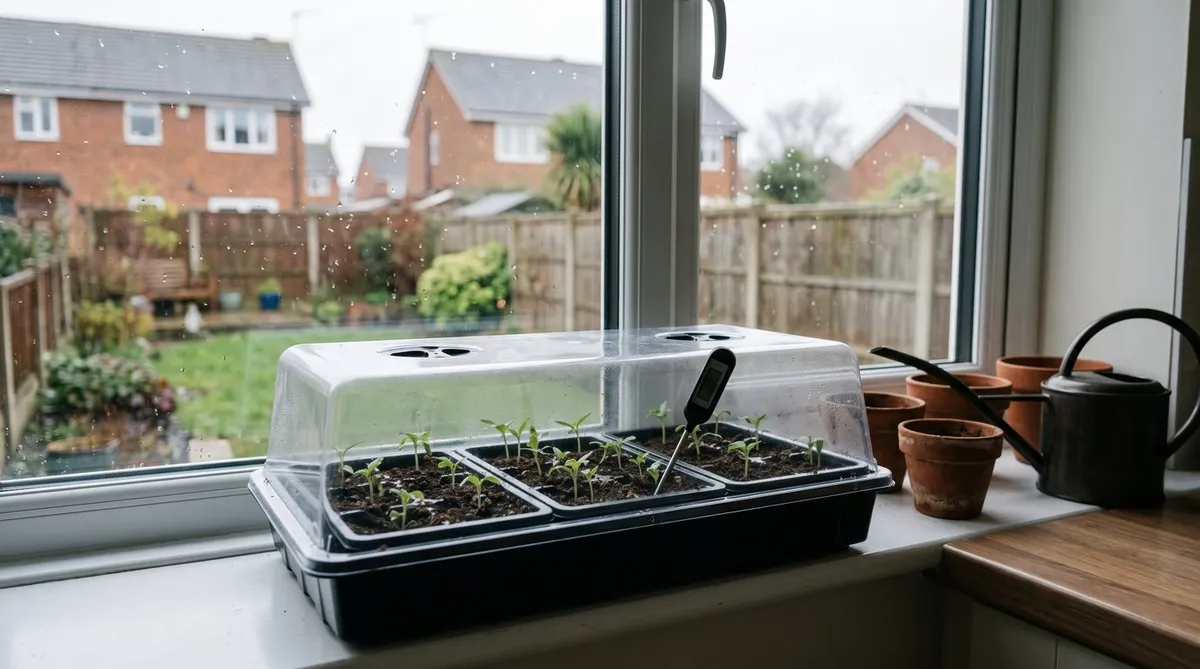
A heated propagator keeps compost warm for peppers, tomatoes and basil, even when the windowsill is chilly.
Beans
| Crop | Indoors (compost) | Outdoors (soil) |
|---|---|---|
| French beans | About 15-20°C | At least about 12°C, from mid to late May |
| Runner beans | About 15-20°C | At least about 12°C, from mid to late May |
| Broad beans | Cool is fine, 10-15°C | About 5-7°C, from late winter or autumn |
Hardy vegetables
| Crop | Indoors (compost) | Outdoors (soil) |
|---|---|---|
| Peas | 10-15°C | About 7°C, from March or April |
| Lettuce | 10-20°C, stalls above about 25°C | About 7°C, from March or April |
| Spinach | 10-15°C | About 7°C, spring and late summer |
| Cabbage, kale, broccoli | 10-20°C | About 7°C, spring |
| Beetroot | 10-20°C | About 7°C, from April |
| Carrots, parsnips | Not usually sown indoors | About 7°C, from April |
| Onions and leeks from seed | 10-20°C | About 7°C, spring |
| Radish | 10-20°C | From March |
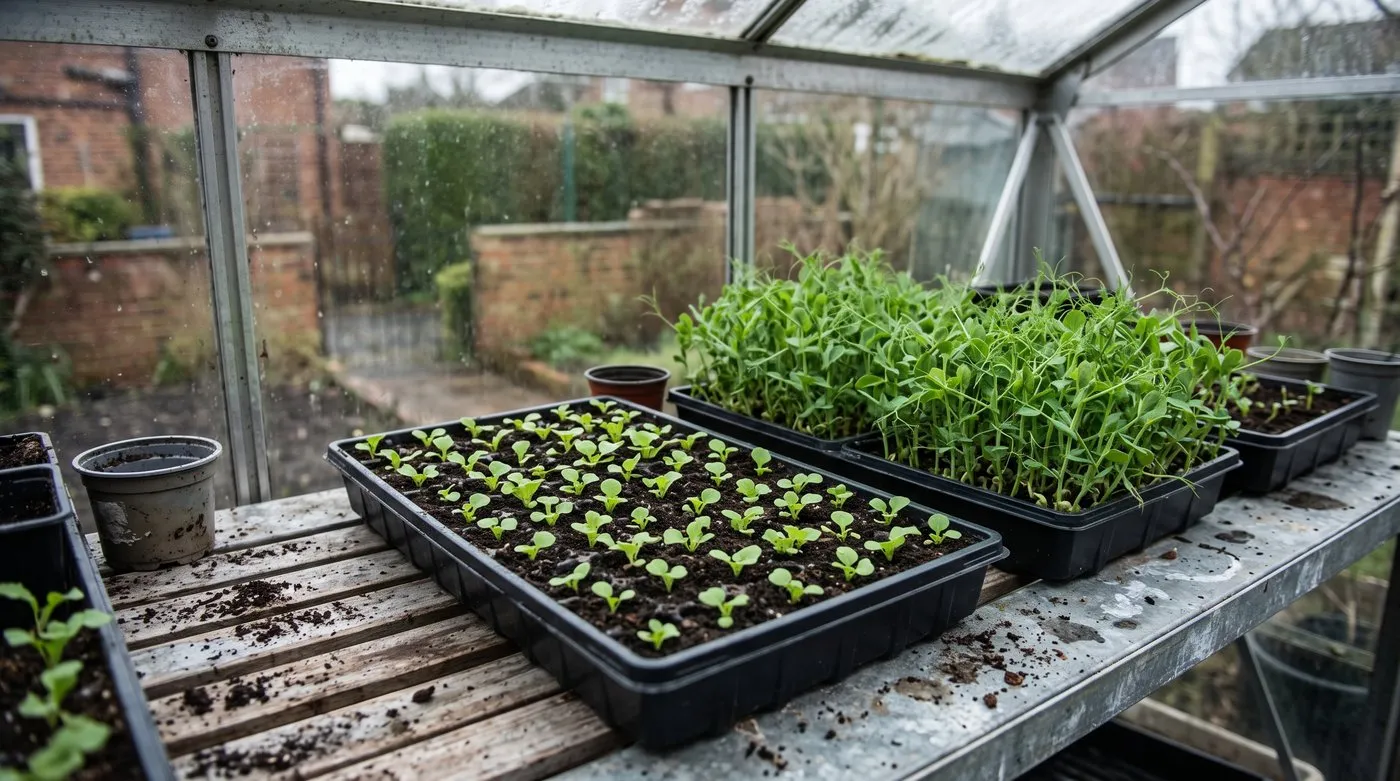
Lettuce and peas come up happily in a cool greenhouse. Lettuce can actually stall if it gets too hot.
Parsnips are slow and patchy in cold soil. Waiting until April or May usually gives better results than an early sowing.
Flowers and herbs
| Plant | Indoors (compost) | Notes |
|---|---|---|
| Sweet peas | 10-15°C | Cool is best. Autumn or early spring |
| Cosmos, French marigolds | 15-20°C | Half-hardy, raise indoors |
| Nasturtium, sunflower | 15-20°C | Or sow outdoors in May |
| Calendula | 10-20°C | Easy, sow outdoors from March |
| Parsley | 15-20°C | Slow, can take a few weeks |
| Coriander, dill | 10-20°C | Often best sown direct |
How to measure soil and compost temperature
A soil thermometer is cheap and takes the guesswork out of sowing. Push the probe about 5cm into the compost or seed bed, wait a few minutes, then read it.
Take a reading in the early morning. That shows the overnight low, which is when seeds are most likely to sit cold. Check over several days, especially before sowing outside.
For shallow-sown seeds such as lettuce, a reading nearer the surface is more useful. For beans and peas, measure a little deeper.

A probe thermometer shows what the seeds are actually feeling. Check first thing in the morning for the overnight low.
Heated propagators and windowsills
Heated propagators warm the compost from below. They’re very useful for tomatoes, peppers, aubergines and basil early in the year. Most hardy crops don’t need one.
Don’t trust the dial alone. The compost can be cooler than the setting, especially in a cold greenhouse on a frosty night. Check with a thermometer and adjust. Once seedlings appear, move them somewhere a little cooler with plenty of light, or they’ll grow tall and floppy. The guide to leggy seedlings explains why.
Windowsills are handy but tricky. The glass gets cold at night, and so does compost pressed up against it. Pull trays back from the window in the evening, and never leave them trapped behind closed curtains. Keep cool-season crops out of a hot propagator, as lettuce and sweet peas prefer it cooler.

Windowsills get cold at night, especially close to the glass. Pull trays back into the room on chilly evenings.
When to sow outdoors
Outdoor sowing depends on soil temperature, not the date. Hardy crops such as peas, broad beans, carrots, beetroot and lettuce can go in once the soil is about 7°C. In much of England that’s often from April. Tender crops such as French beans, runner beans and sweetcorn need warmer soil, usually from mid to late May.
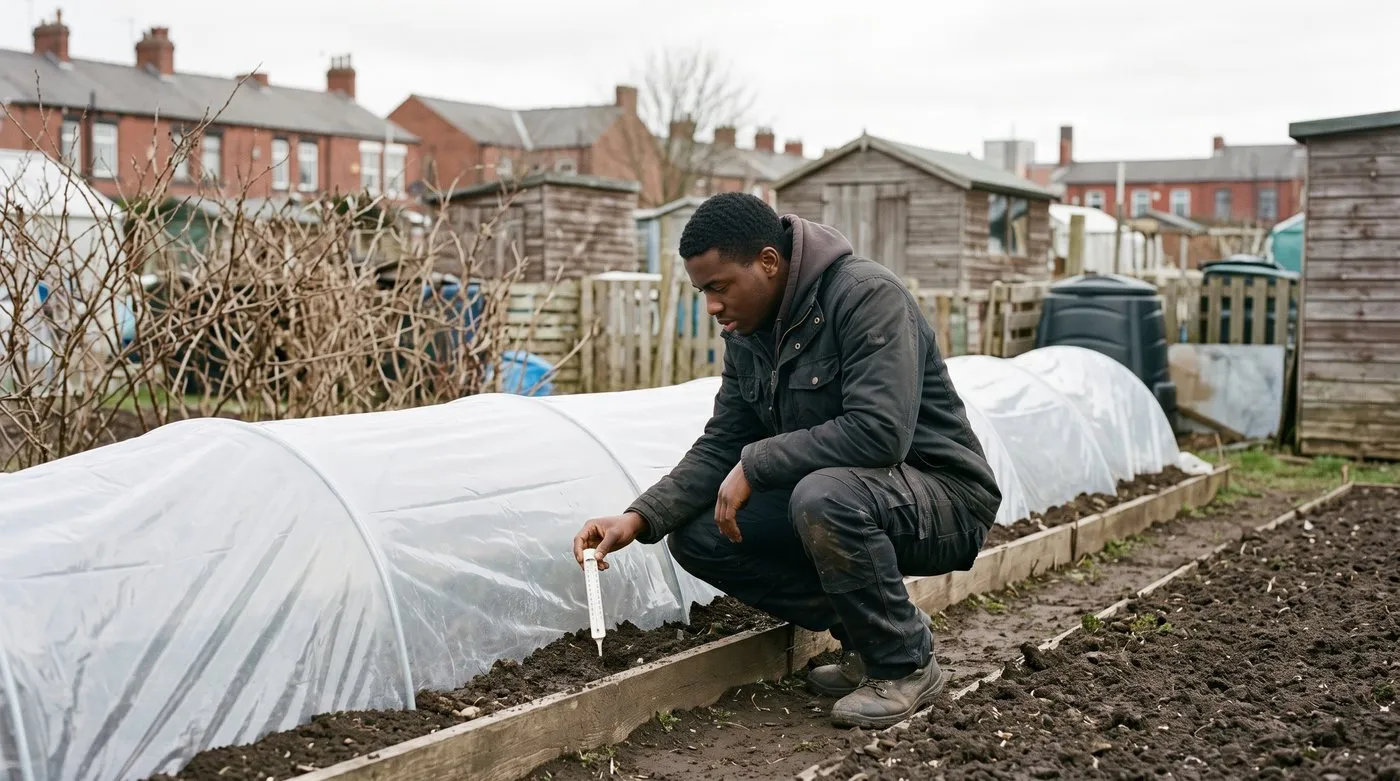
A cloche over the bed for a couple of weeks warms the soil, so early sowings get off to a better start.
Northern, exposed and heavy clay gardens warm up later. A sheltered, sunny bed warms up sooner than a shaded one. To give the soil a head start, cover it with a cloche or sheet of clear polythene for a couple of weeks before sowing. The seed sowing calendar has month-by-month timings.
Why seeds fail to germinate
Cold compost. The most common cause. Check the temperature and move trays somewhere warmer.
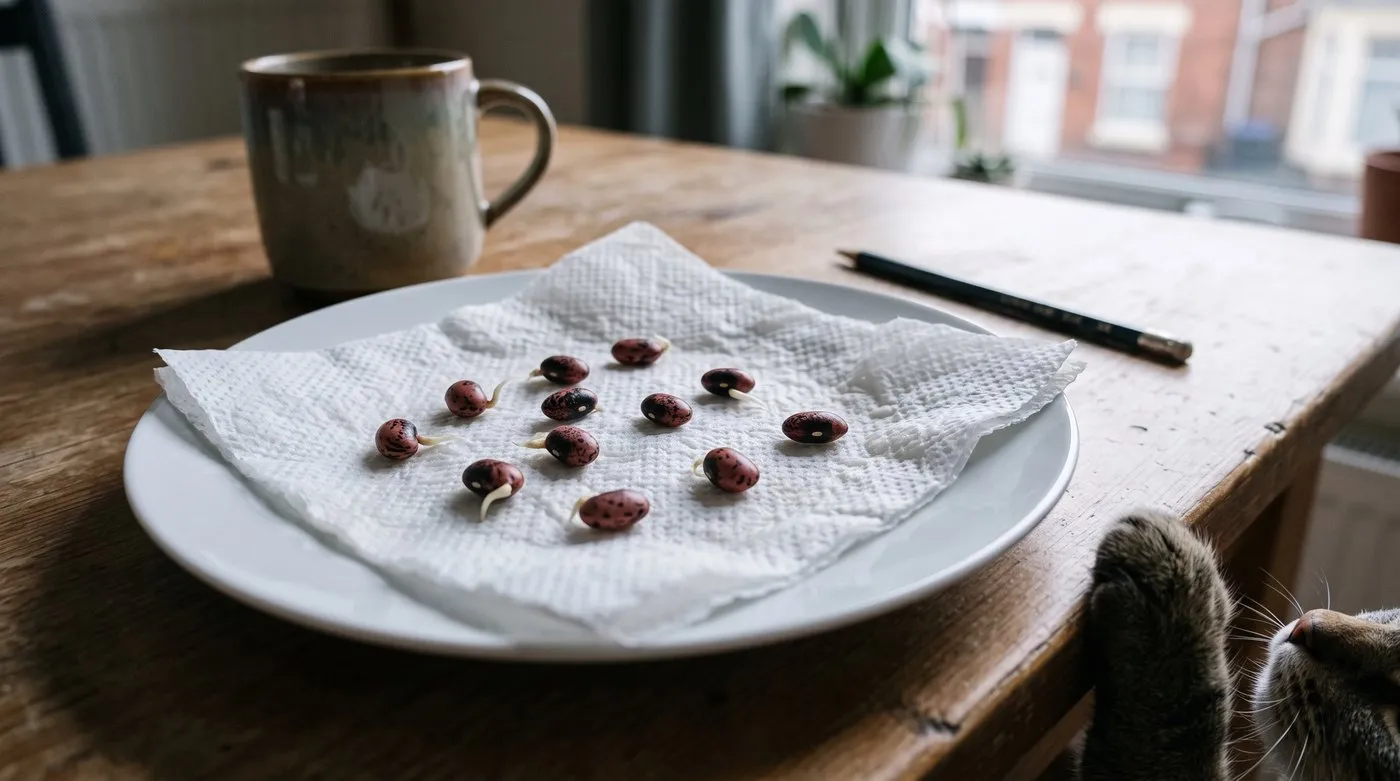
Not sure if old seed is still good? A few seeds on damp kitchen paper will tell you within a week or two.
Too wet. Soggy compost starves seeds of air and they rot. Water from below and let the surface dry slightly between waterings. The guide to bottom watering seed trays shows how.
Too dry. Seeds can’t swell and start growing without moisture.
Old seed. Many seeds lose vigour after a few years. Test a few on damp kitchen paper first if you’re unsure.
Sown too deep. Small seeds run out of energy before they reach the light. Follow the packet depth.
Needs light. Some seeds, such as many lettuces and some flowers, germinate better with little or no covering.
Seedlings that come up then collapse at the base have a different problem. The damping off guide explains how to prevent it.
Common temperature mistakes
- Trusting the air temperature. Check the compost instead.
- Sowing outside too early. Cold, wet soil rots seeds such as beans. Wait for the soil to warm.
- Leaving trays against cold glass. Move them back from the window at night.
- Putting lettuce in a hot propagator. It can refuse to germinate when it’s too warm.
- Keeping seedlings too warm after they come up. It makes them leggy. Give them light and cooler air.
Frequently asked questions
What is the best soil temperature for seed germination?
For many common vegetables, about 15-20°C suits them well. Heat lovers such as tomatoes and peppers like it a little warmer. Cool-season crops such as lettuce and peas germinate well at lower temperatures, and lettuce can fail in very hot conditions.
How do I measure soil temperature?
Push a soil thermometer about 5cm into the seed bed or compost. Leave it a few minutes before reading. Early-morning readings show the overnight low, which matters most. Check over several days for a reliable picture.
What is the minimum temperature for tomato seeds to germinate?
Aim for a steady 18-21°C or a little warmer for tomatoes. In cooler compost they come up slowly and unevenly, and seed is more likely to rot. A heated propagator or warm windowsill helps. Once seedlings appear, move them somewhere slightly cooler with plenty of light.
Why are my seeds not germinating?
Cold compost is the most common reason seeds fail. Air can feel warm while compost stays cool, especially overnight. Compost that’s too wet or too dry, old seed and sowing too deep are other common causes. Some seeds also need light to germinate.
Do I need a heated propagator?
Not for most hardy crops sown in spring. A bright windowsill or greenhouse bench is usually warm enough. A heated propagator helps with tomatoes, peppers, chillies, aubergines and basil, especially early in the year.
When can I sow direct into the ground in the UK?
Sow hardy crops once the soil is about 7°C, often from April. That includes peas, broad beans, carrots and beetroot. Tender crops such as French beans and sweetcorn need warmer soil, usually from mid to late May. Northern and exposed gardens are often later.
Once your seeds are up, get them ready for life outside with the guide to hardening off seedlings, or browse more how-to guides.
Our team produces practical UK gardening guidance from source research, contributor records and established horticultural practice. Editorial standards are overseen by Matt W.