Key takeaways
- Check the soil before sowing outside; most hardy seeds need at least 7C
- Give the lawn its first cut on a high setting once the grass is growing
- Plant shallots, onion sets and, from mid-March in the south, first early potatoes
- Prune bush roses and paniculata hydrangeas, but only deadhead mophead hydrangeas
- Mulch after a good spell of rain, not onto dry soil
- Frost is still likely until April or May, so keep fleece handy
In March, let the soil tell you when to start, not the calendar. Most hardy seeds need soil of at least 7C, and the air can feel warm long before the ground catches up. Check your soil, then sow, plant, prune and mulch in that order.
This guide takes March step by step: checking soil warmth, the first lawn cut, sowing, planting onions and potatoes, pruning roses and hydrangeas, dividing perennials, mulching and getting ahead of slugs. If you’re new to all this, our gardening for beginners guide is a friendly place to start. For a list of what to sow and plant, see what to plant in March.
Why soil temperature decides your March jobs
Seeds respond to the warmth of the soil, not the air. In cold, wet ground they sit and swell for weeks instead of growing. Slugs and soil fungi get to them first, which is why early rows often come up thin and gappy.
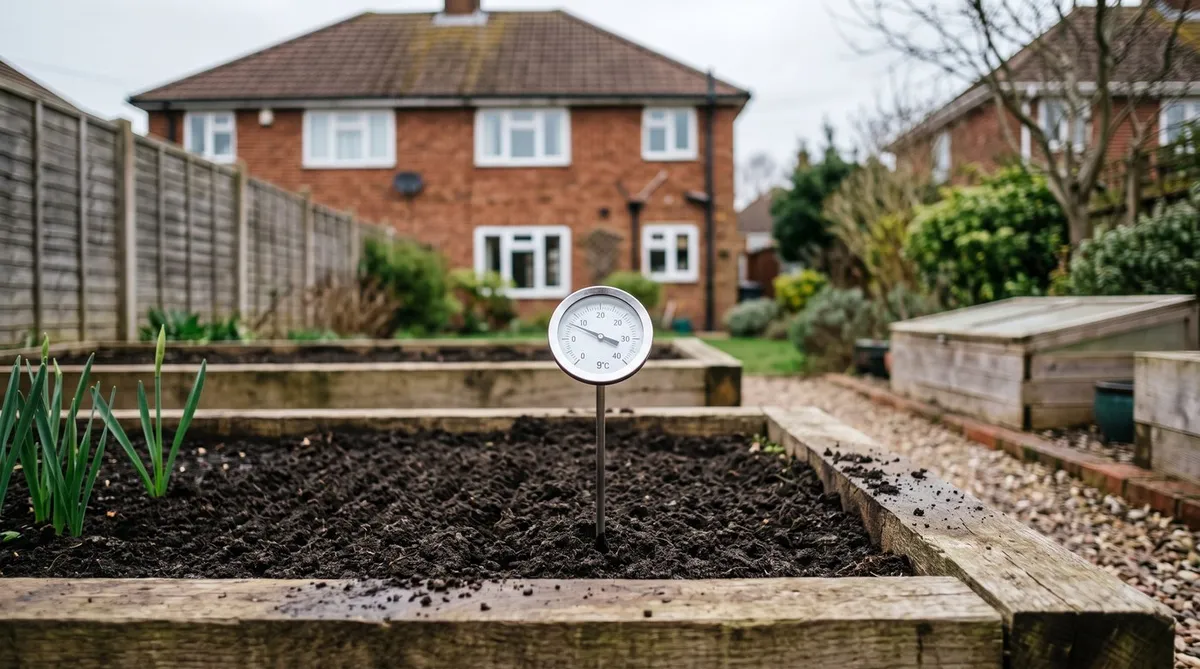
A soil thermometer takes the guesswork out. Push it about 5cm down, which is where most seeds sit. Check in the morning, before the sun warms the surface, on a few days in a row. Go by the lowest reading.
Raised beds, sandy soil and beds against a sunny wall warm up quicker than open ground on heavy clay. So measure the bed you’re actually going to sow.
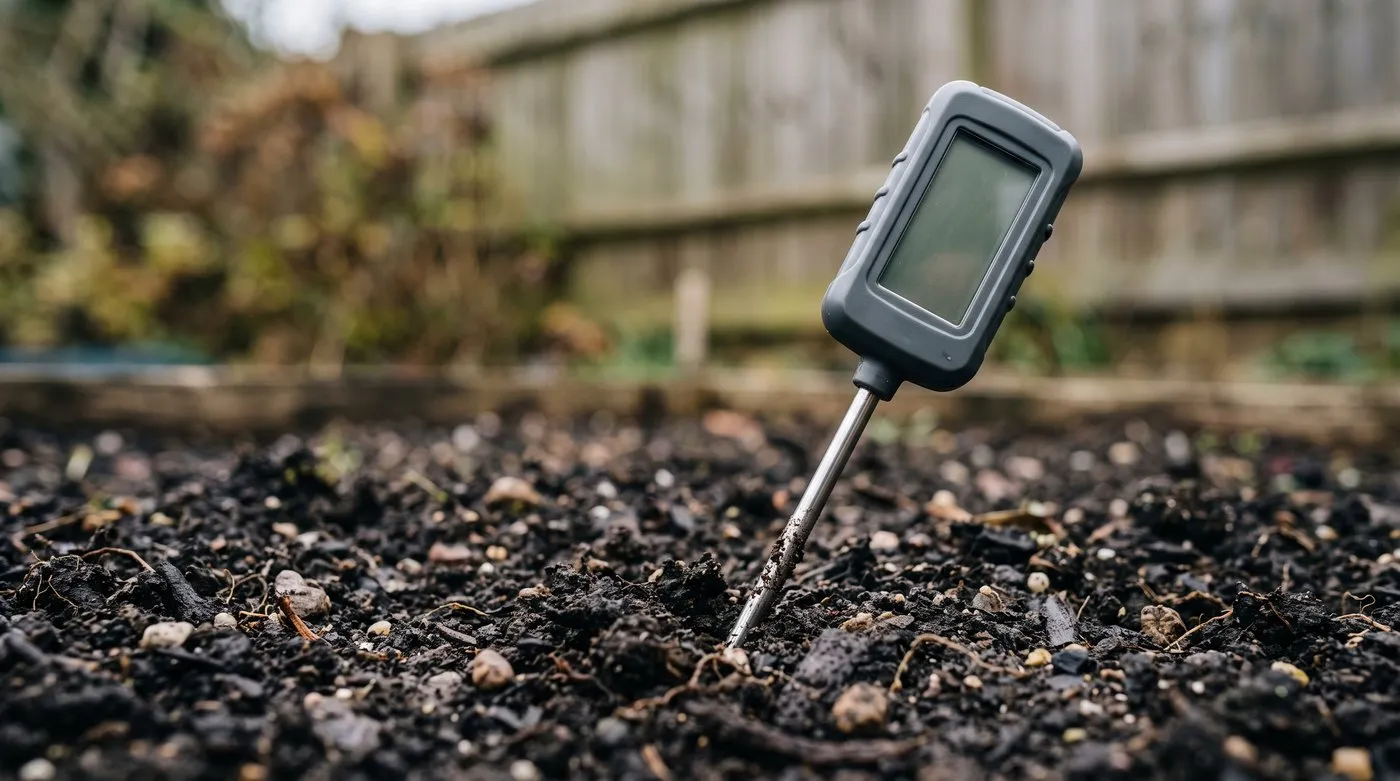
A simple soil thermometer saves a lot of wasted seed. Check for a few mornings and go by the coolest reading.
What can you sow outside in March?
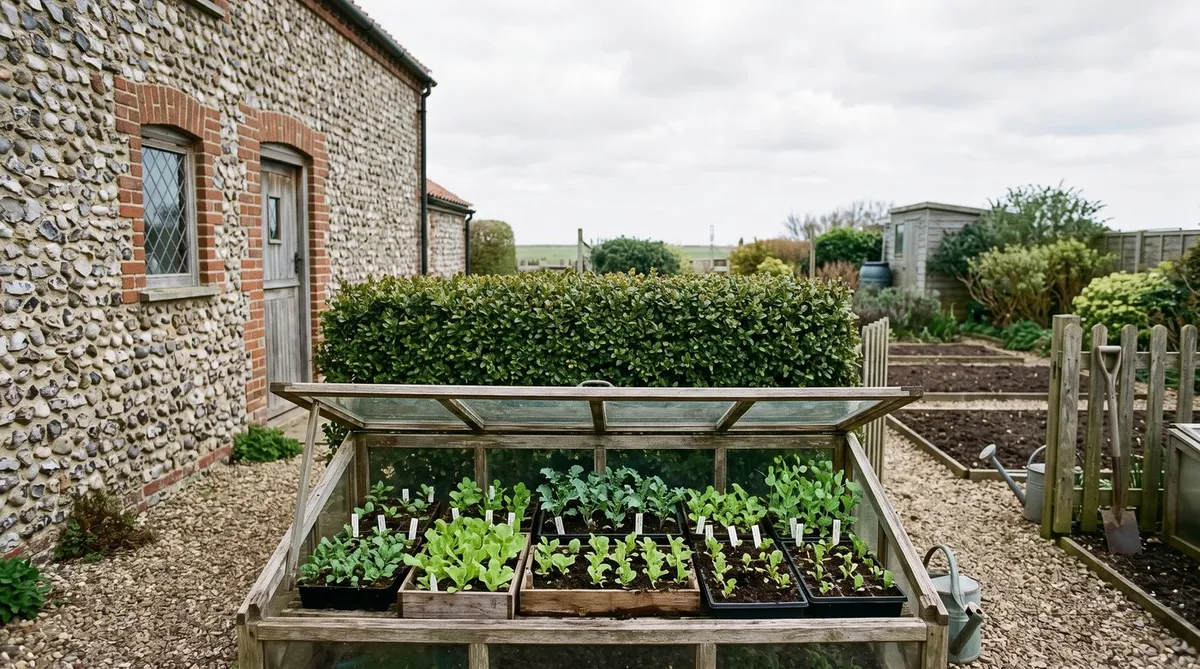
Once your soil reaches about 7C, these hardy crops and flowers can go in. Use cloches or fleece to warm the soil first if you’re keen to start early.
| What to sow | When in March | Tip |
|---|---|---|
| Broad beans | Any time the soil isn’t frozen | Copes with cool soil better than most |
| Peas | Mid to late March | Cover against mice and birds |
| Spinach and radish | Mid to late March | Sow little and often |
| Carrots | Late March, under fleece | Fleece also keeps off carrot fly |
| Beetroot | Late March in warm spots | Use a bolt-resistant variety early on |
| Parsnips | Late March or April | Slow to come up, so be patient |
| Hardy annual flowers | Late March | Calendula, nigella, cornflowers, poppies |
Sow thinly. Most people sow far more seed than they need, then have to thin hard.
How does March timing change around the UK?
March moves at different speeds across the country. Cornwall and mild southern coasts are usually a few weeks ahead. The Midlands and northern England follow, and Scotland and upland areas come last.
So if a seed packet says “March”, read that as “when your soil is ready”. In the north, many March sowings work better in April. Your own soil thermometer is a better guide than any national calendar, including this one.
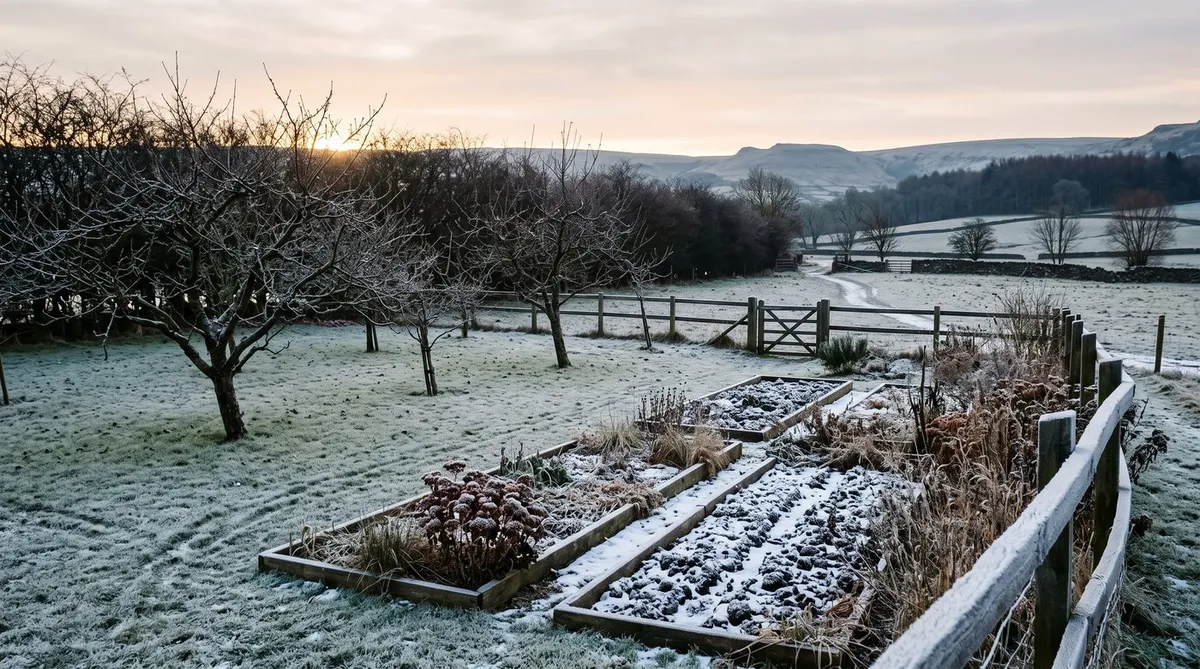
Frost is another reason to go steady. Even after soil warms, frosty mornings are common through March and April. Keep fleece handy for anything that’s up and growing.
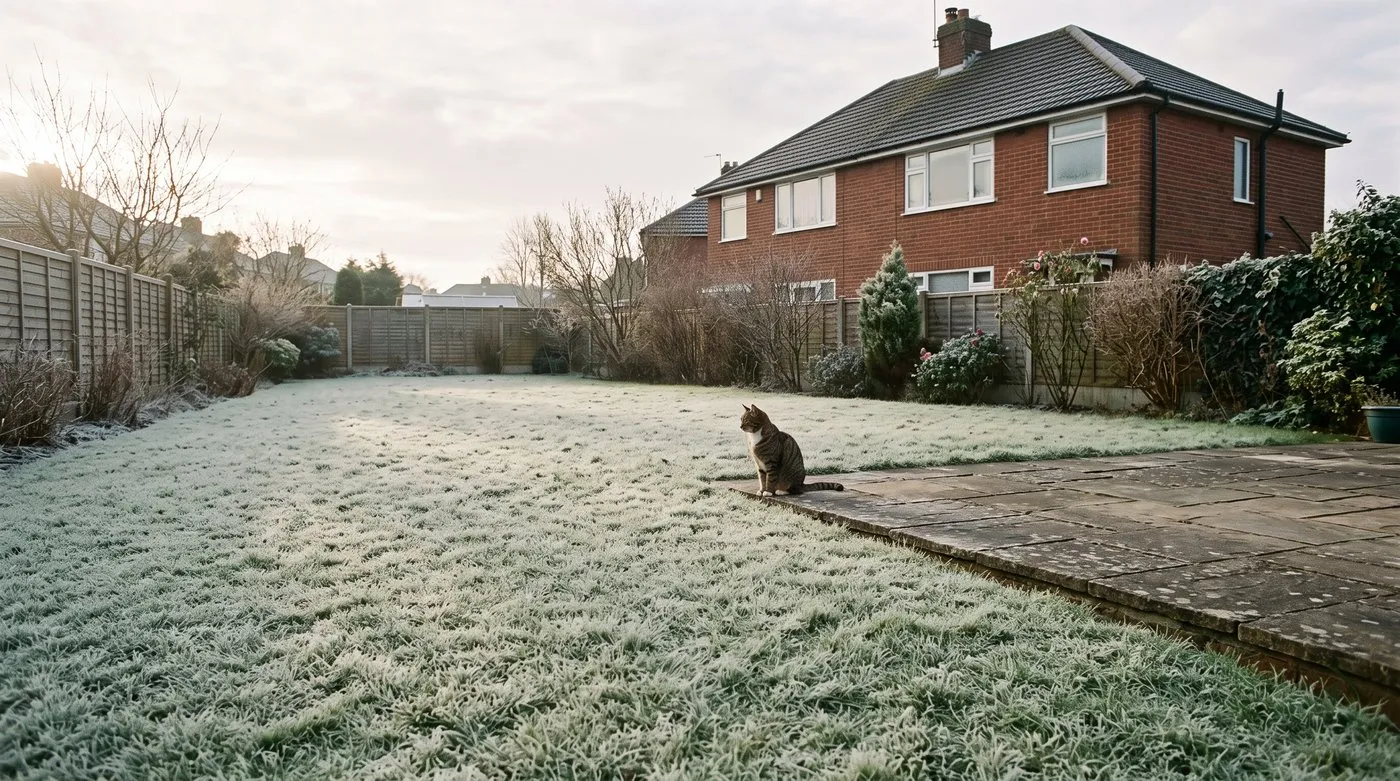
Frosty March mornings are completely normal, even once the grass has started growing.
When to give the lawn its first cut
Give the lawn its first cut once the grass is actively growing and the surface is dry enough to walk on without leaving footprints. In much of southern England that’s in March. Further north it’s often late March or April.
Set the mower high for the first cut. Take off only the top third of the grass. Over the next few weeks, lower the blades a little at a time until you reach your normal summer height. Our guide to the first lawn cut after winter has more detail.
Feeding can wait until the grass has been cut a couple of times and is growing well, usually from late March in the south or April in the north. Use the rate on the pack.
Gardener’s tip: Don’t scarify or aerate straight after the first cut. Give the lawn a few weeks of good growth first. Mid to late April is soon enough for most lawns.
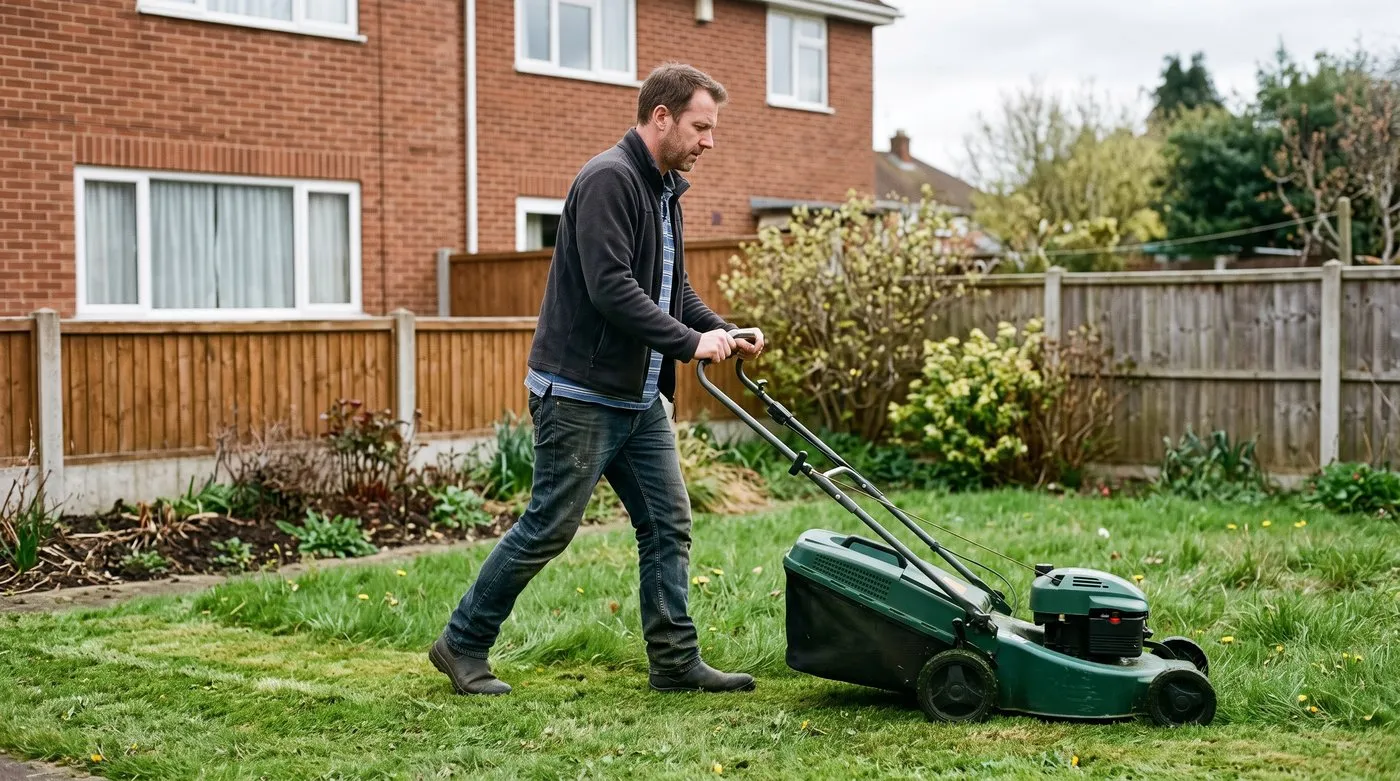
Keep the blades high for the first cut. Taking just the top off stops you scalping a lawn that’s been flat and soggy all winter.
Sowing under cover in March
March is a good month to start tender crops indoors. Tomatoes, chillies, peppers and aubergines all like a warm propagator or a warm windowsill to germinate.
Once seedlings are up, light matters more than heat. Move them to the brightest spot you have. Seedlings kept warm in poor light stretch and go floppy.
Windowsills above radiators get very warm by day and cold at night. A heated propagator gives more even warmth for germinating.
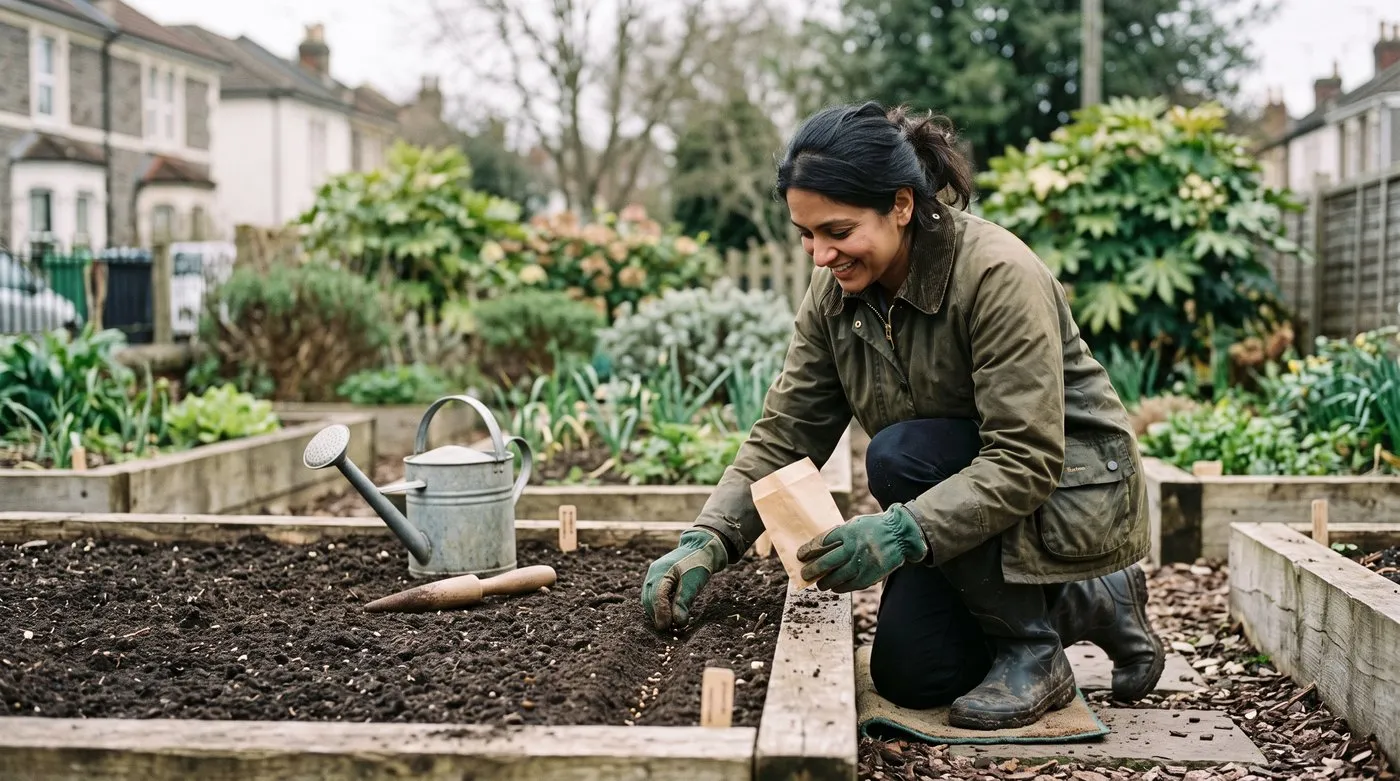
Sowing thinly into a fine, firm drill now saves a lot of thinning later on.
Planting shallots, onion sets and early potatoes
These are all planted rather than sown, so they cope with cool soil better than seed.
Shallots go in from early March. Push each one in so just the tip shows, about 15-20cm apart, in rows 30cm apart. Onion sets follow the same way, about 10cm apart. Birds love pulling them out by their dry tips, so cover with fleece or netting for the first couple of weeks.
First early potatoes go in from mid-March in the south and late March or April further north. Plant chitted tubers about 10-15cm deep and 30cm apart. Leave about 45-60cm between rows.
Once shoots appear, frost becomes a risk. Earth up around them or throw fleece over on frosty nights. Our guide on when to plant potatoes has timings by region.
Pruning roses, hydrangeas and penstemons
Prune these as the buds start to swell, which could be early March in the south or April in the north.
Bush roses. Cut hybrid teas and floribundas back to outward-facing buds, with a sloping cut just above the bud. Take out dead wood, thin weak stems and anything crossing through the middle. Our rose pruning guide covers each type.
Hydrangeas. It depends on the type. Hydrangea paniculata and H. arborescens flower on new growth, so cut them back to a low framework of strong buds. Mophead and lacecap hydrangeas (H. macrophylla) flower on old wood. Only cut off the old flower heads, down to the first fat pair of buds. Cut a mophead hard and you lose a summer of flowers. See our hydrangea pruning guide for help telling them apart.
Penstemons. Cut back the old stems once you can see new shoots at the base, usually late March or April. The old growth helps protect the plant until then.
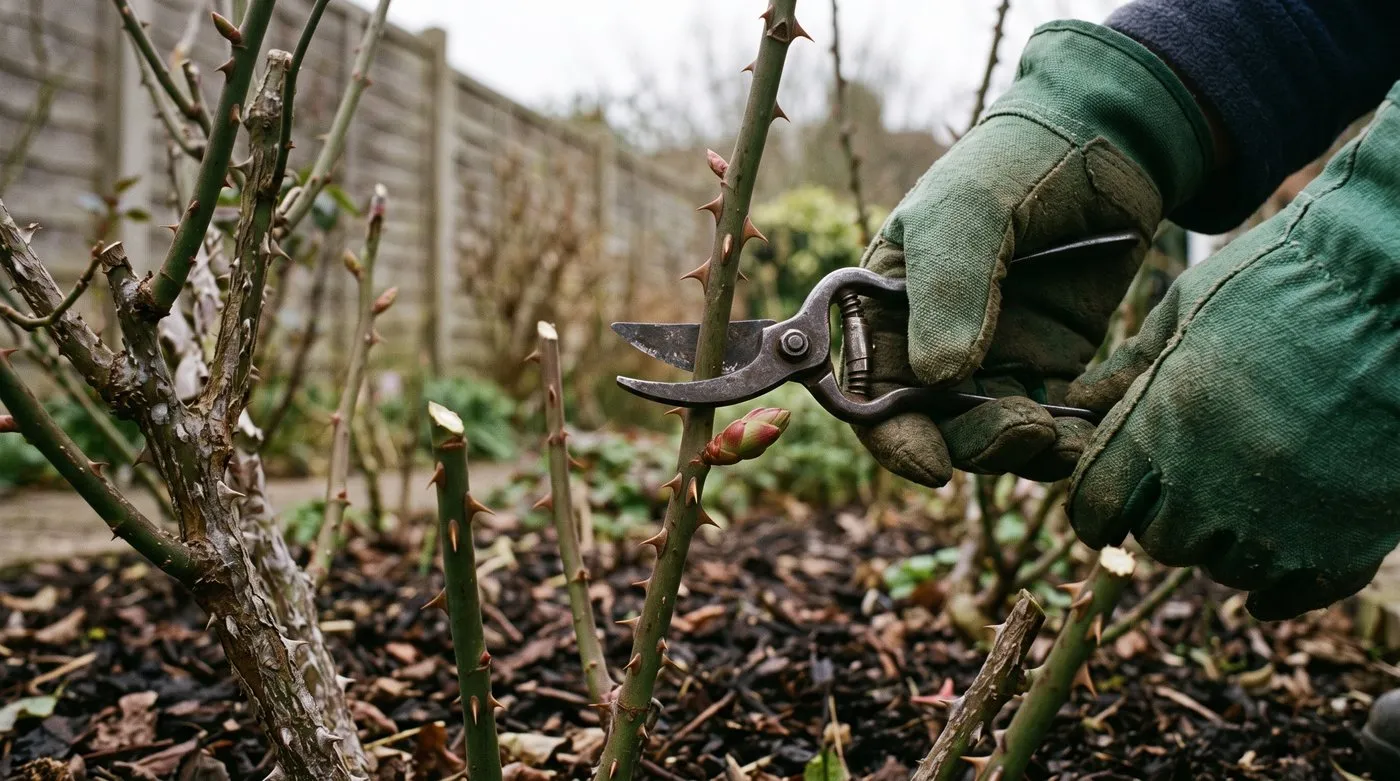
Cut just above an outward-facing bud with a sloping cut, so rain runs off and new shoots grow outwards.
Dividing perennials and mulching after rain
March is a good time to divide summer-flowering perennials. Lift the clump with a fork, split it with two forks back to back or a spade, and throw away the old woody centre. Replant the young outer pieces at the same depth and water them in. Most will flower the same summer.
Good March candidates include hostas, daylilies, asters, hardy geraniums and heucheras. Leave spring flowerers such as pulmonaria and primulas until after they’ve flowered. Dividing is one of the easiest ways to get free plants.
Mulch after rain. Mulch holds in the water that’s already in the soil. Put it on dry ground and you hold the dryness in instead. Wait for a wet spell, then spread about 5cm of compost or well-rotted manure. Keep it clear of stems and crowns.
Avoid fresh woodchip on beds you’re about to sow. As it breaks down it can rob the surface of nitrogen, and seedlings go yellow. Use it on paths or around established shrubs instead.
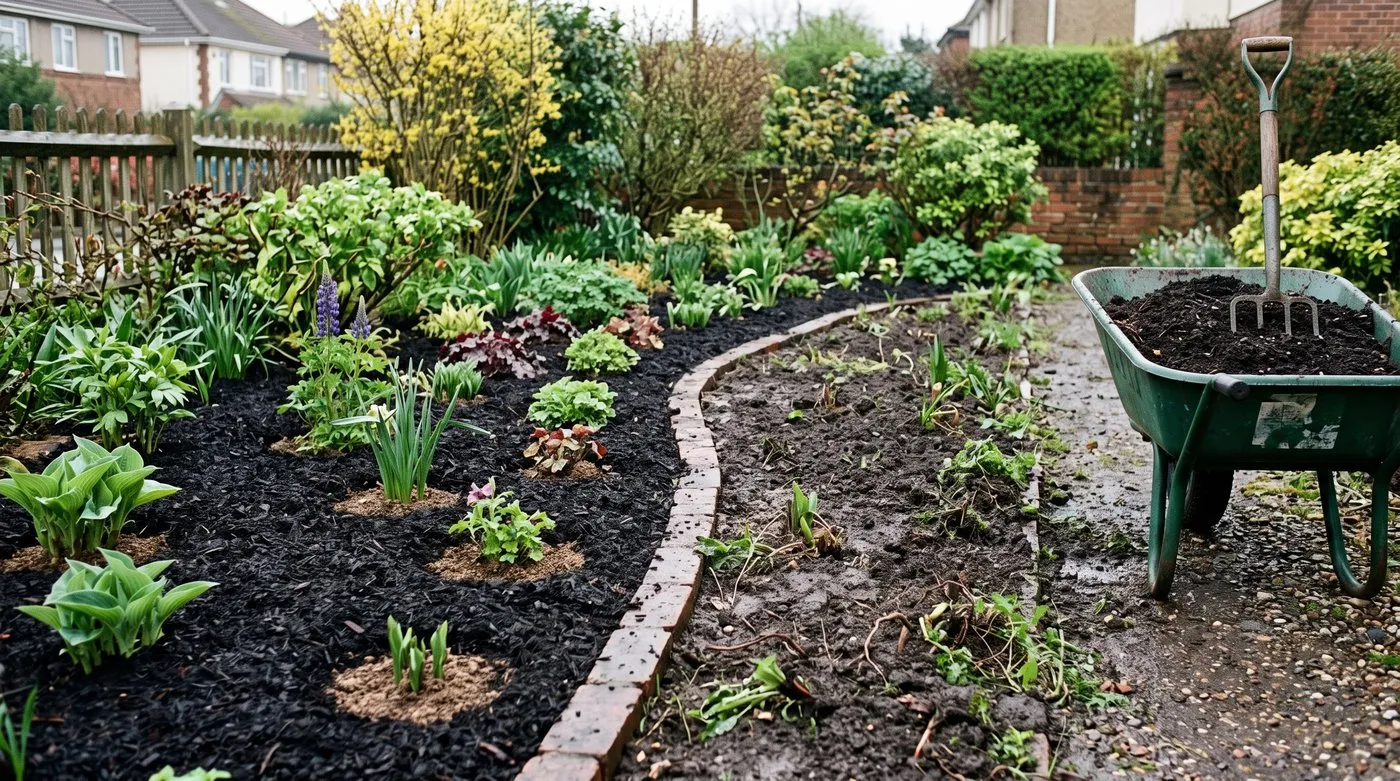
Mulch goes on after a wet week. Leave a little gap around each plant so the crowns don’t sit in damp compost.
Getting ahead of slugs in March
March is the best time to start slug control, before numbers build up. Slugs become active again as the soil warms and start laying eggs. Deal with them now and you’ll have fewer munching your seedlings in May.
- Clear their hiding places. Turn over pots, lift boards and clear debris along fences and edges.
- Go on a torch hunt. After dark on a damp evening, pick slugs off by hand.
- Use traps. Beer traps or upturned grapefruit halves collect them overnight.
- Try nematodes. A biological control watered onto moist soil once it has warmed up. Follow the pack.
- Protect seedlings. Raise them under cover until they’re sturdy, then plant out.
Our guide on how to get rid of slugs naturally covers more options.
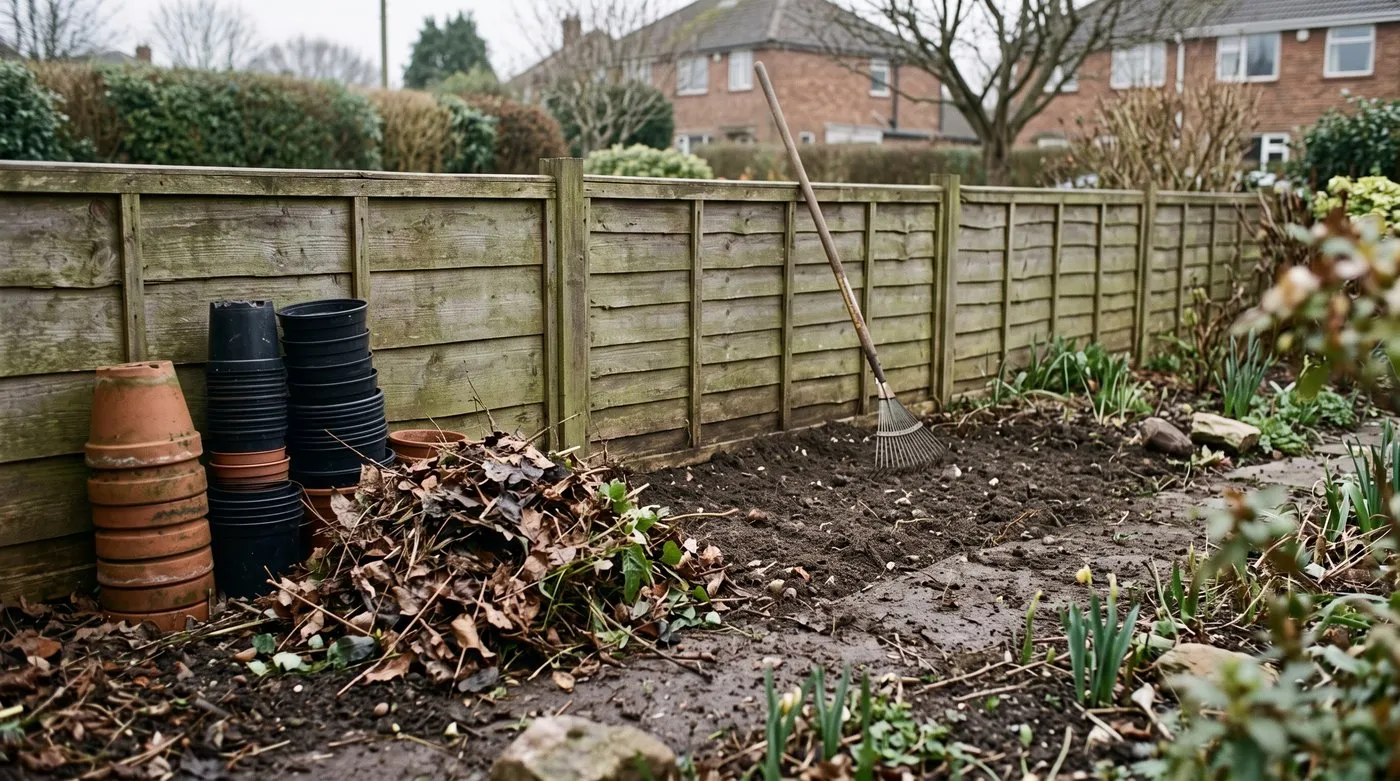
Stacked pots and leaf litter along a fence are prime slug hideouts. Clearing them now means fewer slugs later.
Greenhouse ventilation and hardening off
The sun gets stronger through March. A closed greenhouse can get surprisingly hot by lunchtime on a bright day, then cold at night.
Open vents on sunny mornings and close them by mid-afternoon to keep some warmth for the night. An automatic vent opener does this for you if you’re out all day.
Hardening off in March is for hardy plants only, such as sweet peas and broad beans raised indoors. Start them with a couple of hours outside and build up over 7 to 14 days. Tender plants and bedding wait until April or later.
There’s no need to damp down the greenhouse in March. The air is usually damp already, which can bring grey mould. Keep it airy instead.
Common March mistakes
- Sowing by the date, not the soil. Seed in cold ground sits and rots. Check the soil first, even if that means sowing in April.
- Cutting the lawn too short. Scalping a winter lawn lets in moss and weeds. Start high and lower gradually.
- Hard-pruning a mophead hydrangea. You’ll lose the flowers. Deadhead only.
- Mulching dry ground. Wait for rain first.
- Trusting one warm week. Frost can come back well into spring. Keep fleece handy.
March jobs week by week
| Week | Priority jobs |
|---|---|
| Week 1 | Start checking soil temperature. Clear slug hiding places. Sow tomatoes and chillies under cover |
| Week 2 | Plant shallots and onion sets. Prune roses as buds swell in the south. First lawn cut if the grass is growing |
| Week 3 | Divide perennials. Prune paniculata hydrangeas. Sow broad beans and peas outside |
| Week 4 | Sow carrots and other hardy crops if the soil is warm enough. Plant first earlies in the south. Mulch after rain |
Frequently asked questions
What soil temperature do I need to start sowing in March?
Most hardy seeds need soil of at least 7C. Check with a soil thermometer about 5cm down, in the morning, for a few days running. Go by the lowest reading. If it’s colder than that, wait or warm the bed with a cloche first.
When should I give the lawn its first cut in March?
Once the grass is growing and the surface is dry. In much of southern England that’s sometime in March, and later further north. Set the mower high and take off only the top third. Lower the blades gradually over the next few weeks.
Is it too early to plant potatoes in March?
First earlies can go in from mid-March in the south. Further north, wait until late March or April. Plant chitted tubers about 10-15cm deep and 30cm apart. If shoots come up before the last frost, earth them up or cover them with fleece.
Should I prune roses in March in the UK?
Yes, March is the usual month for pruning bush roses. Prune as the buds start to swell. Cut to an outward-facing bud, removing dead, weak and crossing stems. In Scotland and colder areas, wait until late March or April.
When do I mulch, before or after rain?
Mulch after a good spell of rain, onto moist soil. Mulch holds in the water that’s already there. Spread over dry soil, it keeps the dryness in. Keep it clear of stems.
Can I start hardening off seedlings in March?
Only hardy plants, and only late in the month. Tender crops and bedding should wait until April or later. Hardening off takes about 7 to 14 days, starting with a couple of hours outside in a sheltered spot.
Is the risk of frost over by the end of March?
No, frost is still likely in April and often into May. Mild coasts in the south-west see the last frost earliest, while northern and upland areas can get frost into late May. Don’t trust one warm week in March.
Once March is done, move on to our guide to what to do in the garden in April, or browse more how-to guides.
Our team produces practical UK gardening guidance from source research, contributor records and established horticultural practice. Editorial standards are overseen by Matt W.