Key takeaways
- Sow direct in September or October for the earliest, sturdiest plants, or from March to May
- Grow in full sun on poor, free-draining soil and don't feed them
- Thin to 20-25cm apart, and use pea sticks on rich or windy sites
- Cut when the flowers are half open for about a week in the vase
- The petals are edible and look lovely scattered on salads and cakes
- Bees, butterflies and hoverflies all visit the flowers
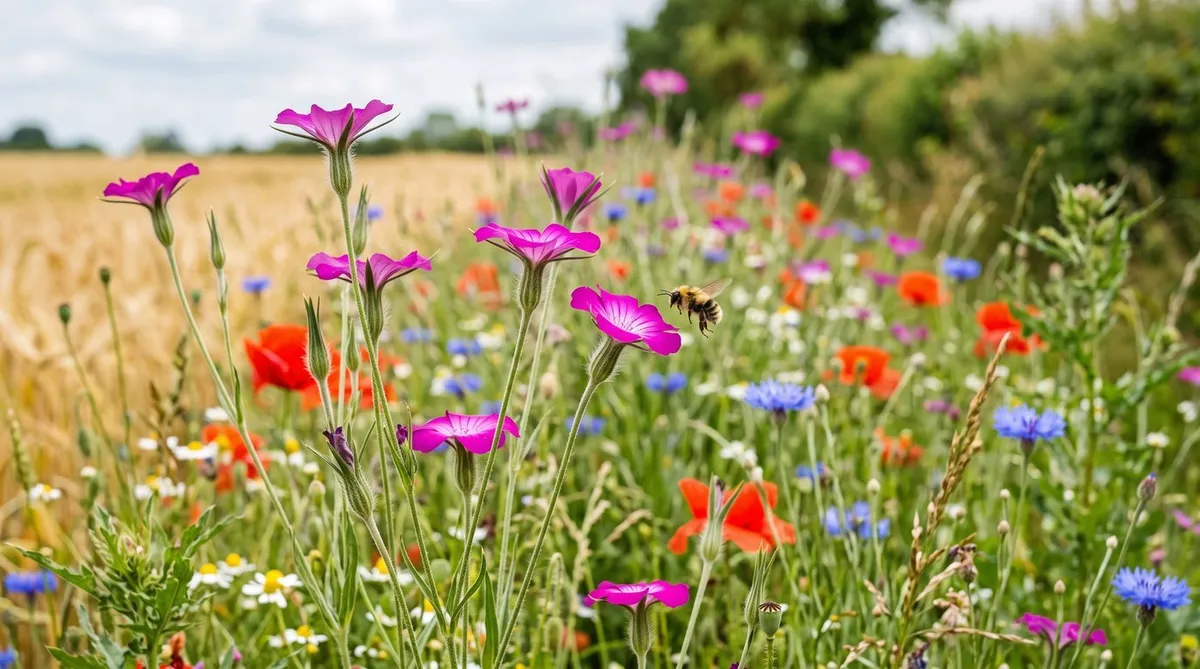
Cornflowers are one of the easiest flowers you can grow from seed. Scatter them on bare, sunny ground in autumn or spring, and you’ll have that famous clear blue from June to September. They also come in pink, white, purple and near-black.
Centaurea cyanus was once a common weed of British cornfields and is now rare in the wild. In gardens it is happy with very little fuss. This guide covers sowing, the best varieties for cutting and pots, keeping stems upright and using the petals in the kitchen.
Which cornflower varieties should I grow?
For cutting, grow a tall variety such as ‘Blue Boy’ or ‘Black Ball’. For pots and the front of a border, pick a dwarf type such as the Florence series.
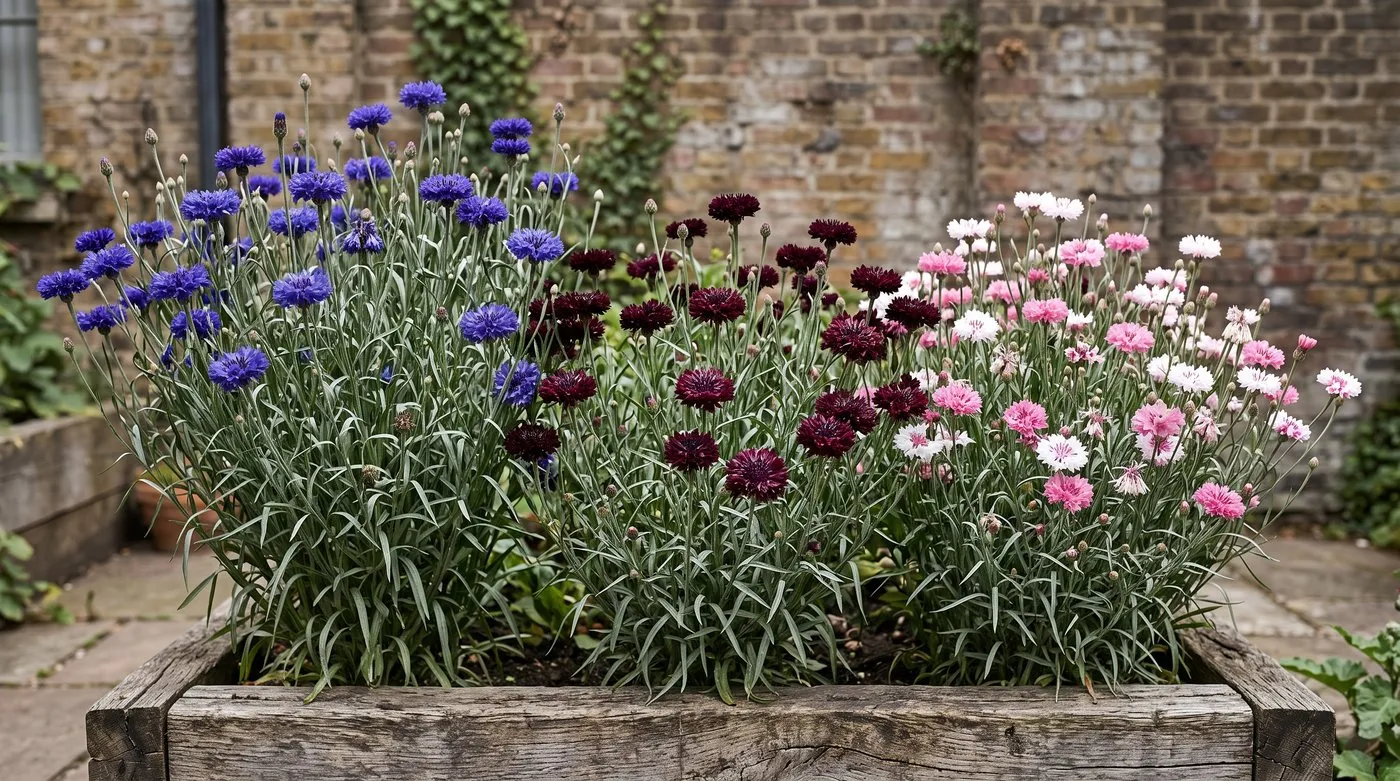
Blue, near-black or pink, all cornflowers grow the same easy way. Pick colours to suit your vases.
Tall cornflowers reach 60-90cm on wiry stems. They’re the ones for vases and the back of a border. ‘Blue Boy’ has deep blue double flowers. ‘Black Ball’ has deep maroon flowers that look almost black, and florists love it. Mixes such as ‘Classic Romantic’ give blue, pink, white and purple in one packet, for a relaxed cottage look.
Dwarf cornflowers grow 30-40cm tall and suit containers, window boxes and edging. The Florence series comes in blue, pink, white or a mix.
| Variety | Height | Colour | Best for |
|---|---|---|---|
| ’Blue Boy’ | 75-90cm | Deep blue | Cutting, back of border |
| ’Black Ball’ | 70-80cm | Maroon-black | Cutting, arrangements |
| ’Classic Romantic’ | 70-85cm | Blue, pink, white mix | Cottage borders |
| ’Polka Dot’ mix | 40-50cm | Mixed colours | Middle of border, large pots |
| Florence series | 30-40cm | Blue, pink, white | Pots, edging |
The best flowers for cutting guide has more easy plants to grow alongside them.
When and how to sow cornflowers
Sow cornflowers direct where they are to flower, in September or October, or from March to May. They are tough hardy annuals and seedlings shrug off frost.
Autumn sowing
September and early October sowings make the best plants. Seedlings form low tufts before winter and come through frost and snow without help. They grow taller and sturdier than spring sowings, and flower a few weeks earlier, from early June.
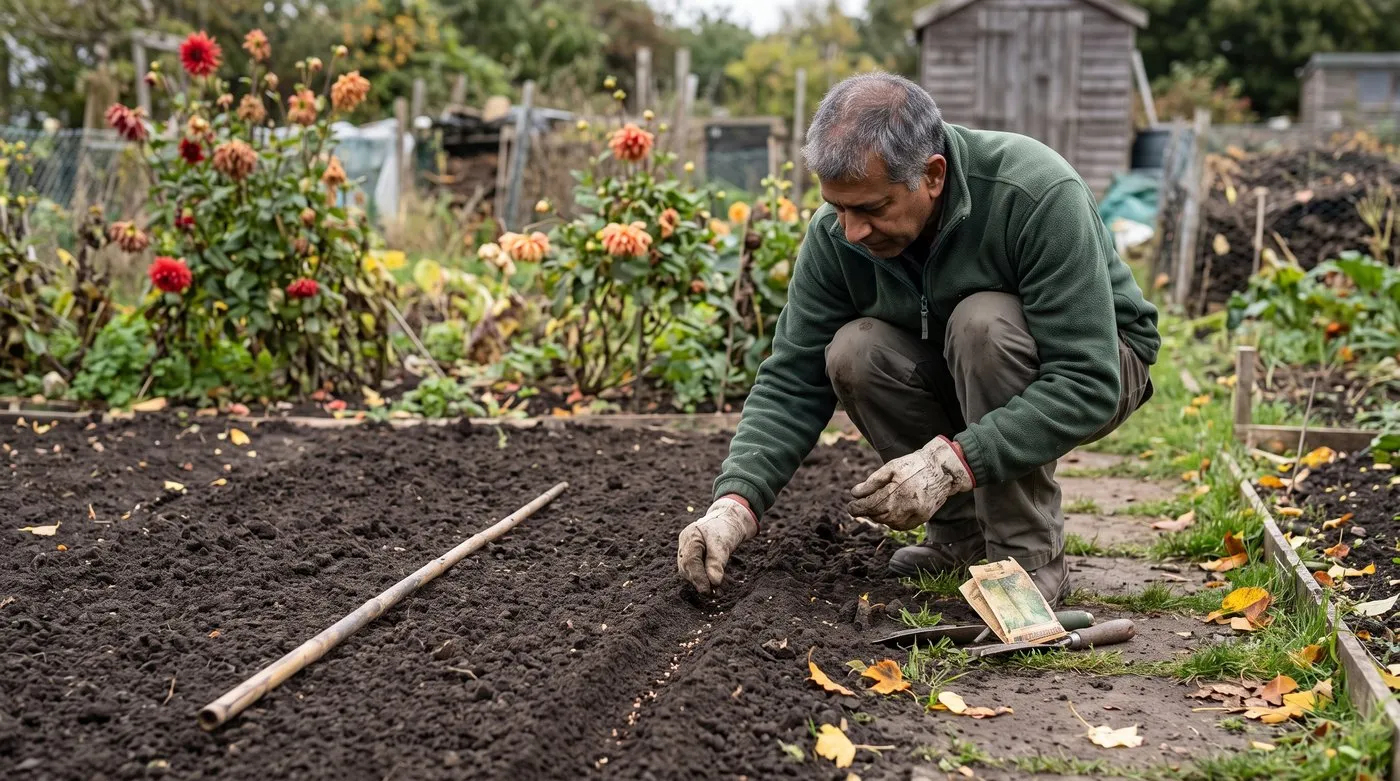
An autumn sowing like this gives the sturdiest plants and the first flowers in early June.
- Clear weeds and rake the soil to a fine, crumbly surface.
- Make drills about 1cm deep, or scatter seed thinly over the patch.
- Cover lightly, firm gently and water if the soil is dry.
- Thin seedlings in spring to 20-25cm apart.
Spring sowing
Sow outdoors from March to May once the soil is workable. Spring sowing is the safer choice on heavy clay, where autumn seedlings can rot in wet weather. Sow a short row every three weeks for flowers into autumn. The guide to sowing hardy annuals direct walks through the method.
Starting in pots
If slugs are a problem, sow two or three seeds per 9cm pot, thin to the strongest and plant out from April. Cornflowers grow a long taproot, so move them while they are still small, with four to six leaves.
Where should I plant cornflowers?
Cornflowers want full sun and poor, free-draining soil. Give them those two things and they look after themselves.
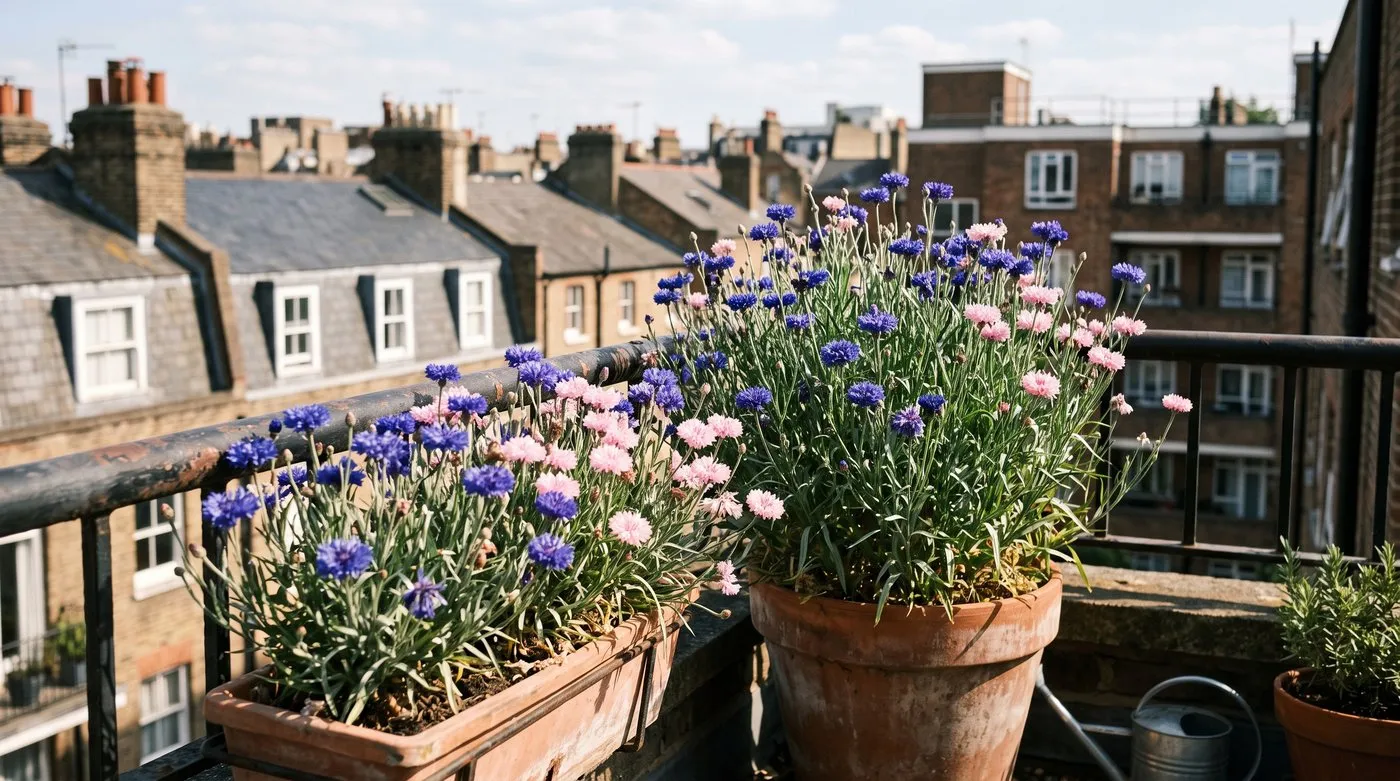
Dwarf types are perfect for pots. Give them the sunniest spot you have and a feed every few weeks.
- Sun: a bright, open spot. In shade the stems stretch towards the light and flop.
- Soil: sandy, gravelly or chalky soil is ideal. On clay, work in some grit. Don’t add manure or rich compost, as fertile ground gives leggy, floppy plants.
- Spacing: 20-25cm apart in a border. In a cutting patch, try rows 30cm apart with plants every 15cm, so you can reach in to pick.
They’re happy in gravel gardens and along the base of sunny walls, where many plants struggle.
Caring for cornflowers through summer
Cornflowers need very little looking after. Water seedlings until they are growing strongly. After that, plants in the ground rarely need watering except in long dry spells.
Feeding: don’t feed plants in the ground. Pots are the exception, as compost runs out of food. Give them a liquid feed every few weeks while flowering.
Deadheading: snip off faded flowers every few days. The plant keeps making new buds for weeks. Stop in late summer and leave some heads to set seed.
Support: autumn-sown plants on lean soil rarely need it. Spring sowings on richer ground often do. Push twiggy pea sticks in around plants when they’re about 30cm tall, and the stems grow through and hide them.
Cutting cornflowers for the vase
Cut cornflowers when the flowers are half to three-quarters open. Fully open flowers fade sooner indoors.
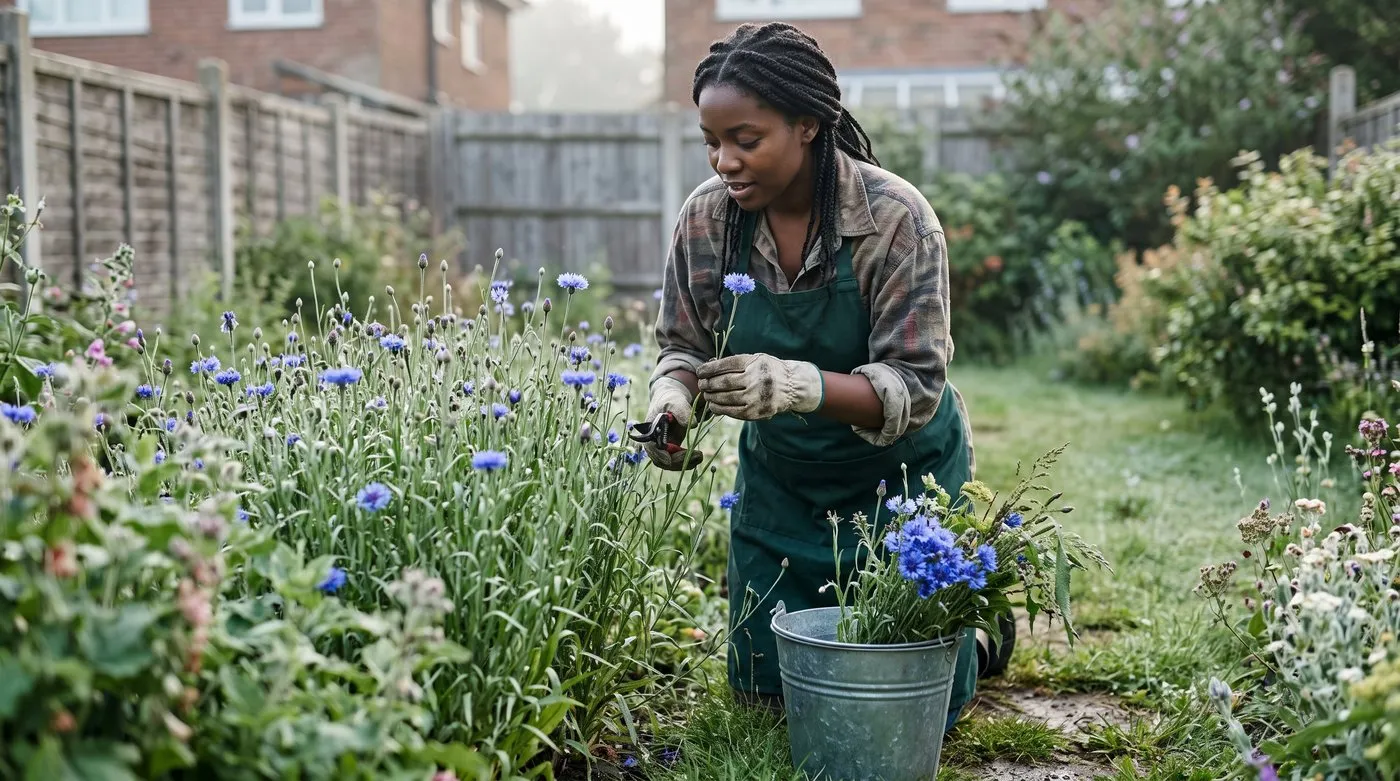
Cut early in the morning with the flowers half open, and get the stems into water straight away.
Cut early in the morning, as long a stem as you can, and stand the stems straight in cool water. Strip any leaves that would sit below the waterline. Leave them somewhere cool for a couple of hours before arranging. Change the water every couple of days, and expect about a week in the vase. The guide to conditioning cut flowers has more tricks for longer vase life.
Blue cornflowers look lovely in a jam jar with a few stems of white ammi. They also mix well with sweet peas and cosmos in loose, cottage-style bunches.
Eating cornflower petals
Cornflower petals are edible, with a mild, slightly sweet taste. Pull the coloured petals from the flower head and leave behind the green, scaly base.
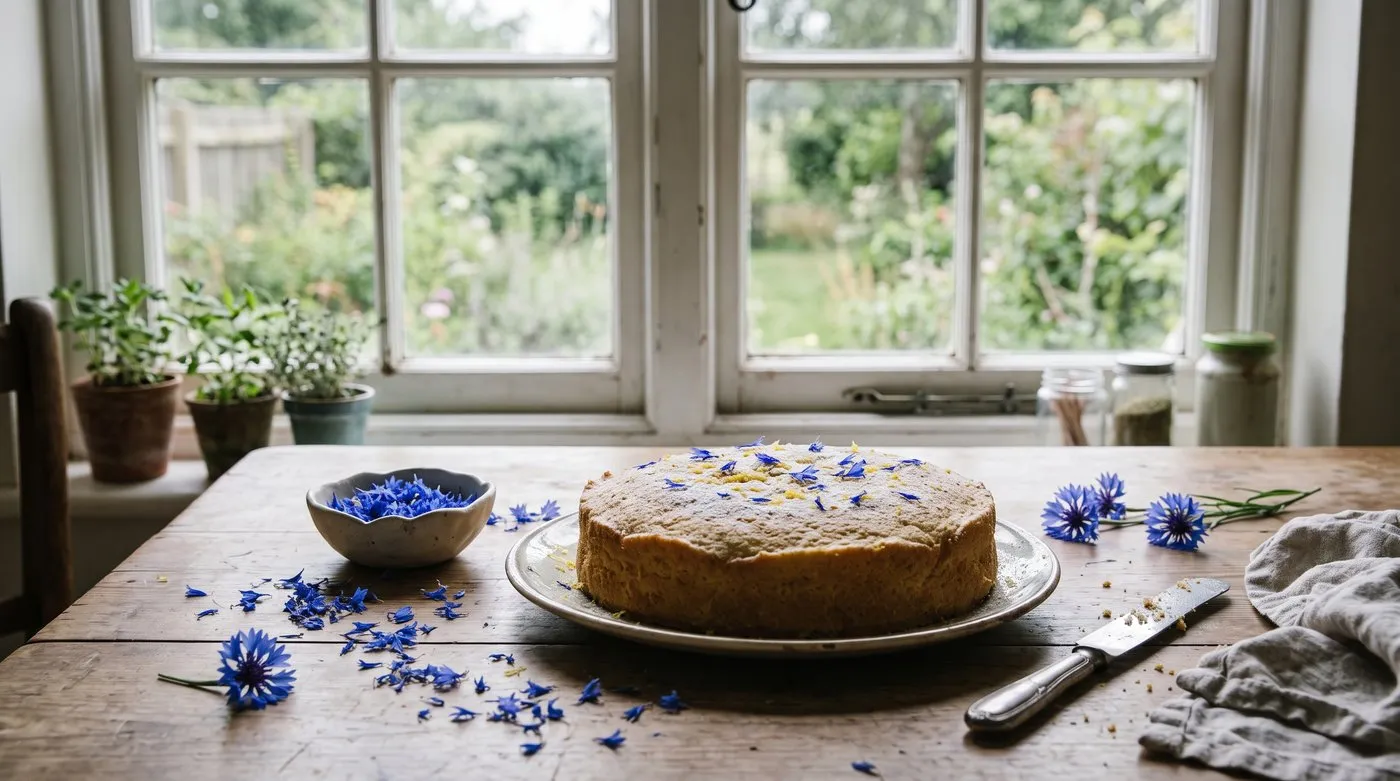
Just the coloured petals, please. They add a lovely splash of blue to a cake or a salad.
Scatter the petals on salads, press them into soft cheese or use them to decorate cakes and drinks. Blue petals keep their colour when dried, which is why they turn up in tea blends. To dry them, spread the petals on paper somewhere warm and airy until crisp, then store them in a jar away from light.
Only eat flowers you’ve grown yourself without pesticides. Don’t eat florist flowers or ones picked from roadsides. The guide to growing and using edible flowers has more pretty petals to try.
Growing cornflowers in a cornfield patch
Cornflowers belong to the cornfield annuals, flowers that need bare, disturbed soil each year. They are perfect for a sunny patch sown with field poppies, corn marigold and corncockle.
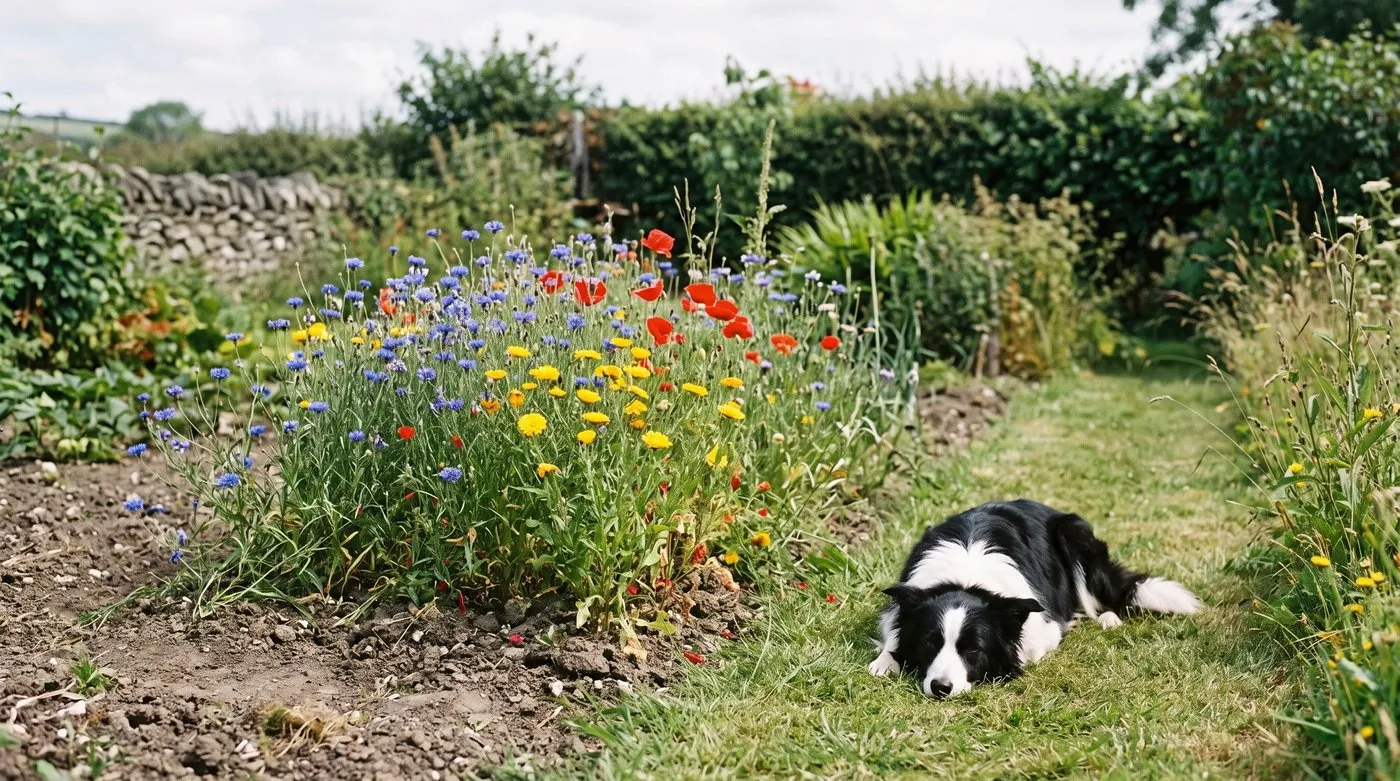
A sunny patch of bare soil is all cornflowers need. Lightly rake it each autumn and they’ll be back.
In a grassy perennial meadow, cornflowers flower well in the first summer and then fade out as grasses close in. To keep a cornfield patch going, let the flowers drop their seed, clear the dead stems in autumn and lightly dig or rake the soil. That gives next year’s seedlings bare ground to come up in. Sow a little extra seed if the patch looks thin.
They’re a good choice for wildlife too, as bees, butterflies and hoverflies all visit. The Wildlife Trusts guide to wildflower meadows is helpful if you want to turn part of a lawn into a longer-lived meadow.
Common cornflower problems
Cornflowers are tough and rarely troubled by much. Here’s what to look out for.
- Falling over: the most common complaint. Rich soil, shade and overcrowding all cause weak stems. Grow them lean, in full sun, and thin properly.
- Powdery mildew: a white coating on leaves in late summer, mostly in crowded patches. It looks bad but rarely kills. Space plants well and water the soil, not the leaves. The powdery mildew guide has more on prevention.
- Aphids: greenfly sometimes cluster on stem tips in June. Squash them or knock them off with a jet of water. Ladybirds and hoverfly larvae soon arrive to finish the job.
- Slugs: young seedlings are the target, especially in a wet spring. Established plants are rarely bothered.
Cornflower growing calendar
| Month | What to do |
|---|---|
| March | Start spring sowings direct once the soil is workable |
| April | Keep sowing every few weeks. Plant out pot-raised seedlings |
| May | Last spring sowings. Thin seedlings to 20-25cm. Add pea sticks |
| June | Autumn-sown plants start flowering. Start cutting |
| July | Peak flowering. Cut and deadhead often |
| August | Leave some flowers to set seed. Keep picking the rest |
| September | Main autumn sowing. Collect seed. Clear spent plants |
| October | Finish autumn sowing. Lightly rake cornfield patches |
| November to February | Autumn seedlings sit tight. Nothing to do |
Common mistakes with cornflowers
- Feeding them. Fertiliser gives lush leaves, weak stems and fewer flowers.
- Planting in shade. Stems stretch and flop. Full sun is a must.
- Not thinning. Crowded seedlings grow weak and catch mildew.
- Cutting fully open flowers. They fade fast indoors. Cut them half open.
- Expecting them to last in grass. They need bare soil to come back each year.
Now you’ve got cornflowers sorted, the plants hub has plenty more easy flowers for a sunny border.
Frequently asked questions
When is the best time to sow cornflower seeds?
September or October gives the strongest plants and earliest flowers. Autumn seedlings overwinter as small tufts and flower from early June. Spring sowing from March to May works well too, and is the safer choice on cold, wet clay.
Do cornflowers come back every year?
No, they are annuals, but they often self-seed. Leave a few flowers to set seed in late summer. Seedlings pop up on bare soil nearby in autumn or spring. Save some seed as a back-up, as they won’t come through grass or thick mulch.
How do I grow cornflowers for cut flowers?
Sow tall varieties in autumn and cut when the flowers are half open. ‘Blue Boy’ and ‘Black Ball’ are good choices. Sow a short row every three weeks in spring for a longer supply. Cut early in the morning and get the stems straight into water.
Are cornflower petals edible?
Yes, the petals are edible and look lovely on cakes and salads. Eat just the coloured petals, not the green base. Only eat flowers you have grown yourself without any pesticides.
Can I grow cornflowers in a wildflower meadow?
They suit a cornfield-annual patch better than a grassy meadow. Cornflowers need bare, disturbed soil to come back each year. In a perennial meadow they flower in the first summer, then fade out as grasses fill in.
Why are my cornflowers falling over?
Usually rich soil, shade or overcrowding. All three make soft, stretched stems. Grow them in full sun on lean soil, thin to 20-25cm apart and push in twiggy pea sticks on windy sites.
Our team produces practical UK gardening guidance from source research, contributor records and established horticultural practice. Editorial standards are overseen by Matt W.