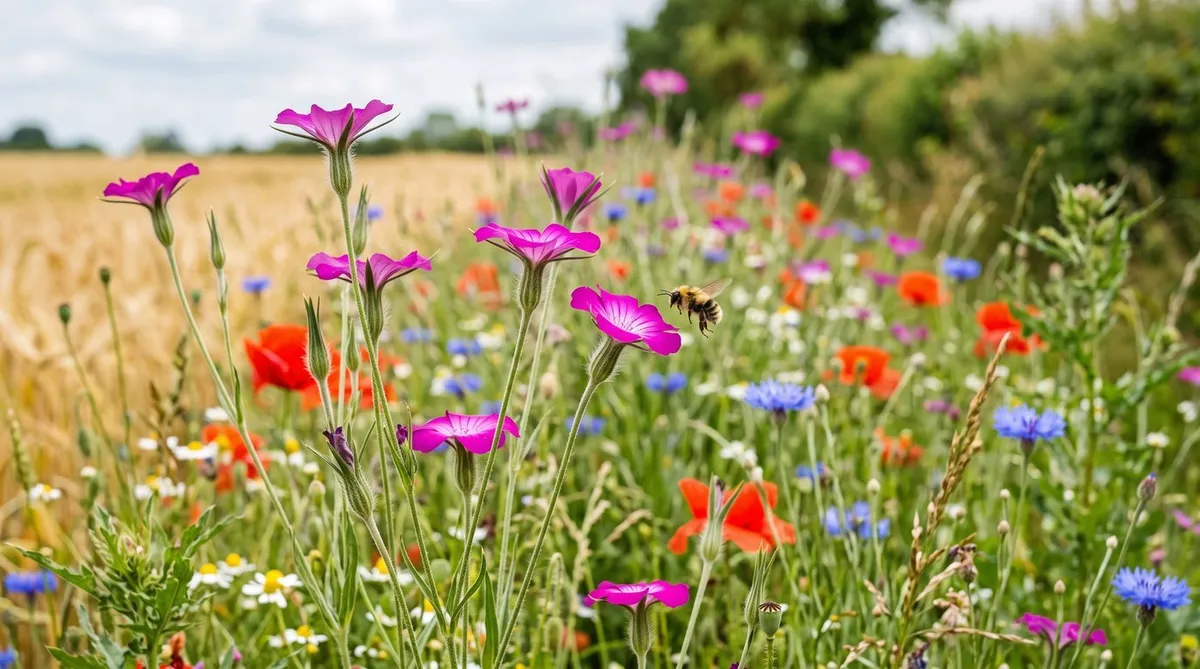
Key takeaways
- Corncockle is a hardy annual, 60-100cm tall, flowering from June to August
- Sow direct in September for bigger, earlier plants, or in March to April
- Give it full sun and poor soil. Rich ground makes it tall and floppy
- Thin to 20-30cm apart so the stems hold each other up
- Every part is poisonous if eaten, the seeds most of all, so keep seed away from children, pets and veg beds
Corncockle is a tall, easy hardy annual with magenta-pink flowers that sway on wiry stems from June to August. Sow it straight into poor, sunny ground in September or spring, and it does most of the work itself. Each 5cm flower has fine dark lines running out from a pale centre, like it has been drawn in pencil.
It was once a common weed of British cornfields and is now rare in the wild, so growing it keeps an old favourite going. There is one catch: every part of corncockle (Agrostemma githago) is poisonous if eaten, especially the seeds. Grown with a little care, it is a lovely plant for a cutting patch, a cottage border or a mini meadow.
Where does corncockle grow best?
Corncockle wants full sun and poor, free-draining soil. It grew for centuries among wheat and barley, so it is happiest on thin ground that nobody has pampered.
- Sun: a bright, open spot. In shade the stems stretch, flop and carry fewer flowers.
- Soil: poor to average and well drained. Sandy or stony ground is ideal. Clay is fine if it doesn’t sit wet in winter.
- Feeding: none. This is the one people get wrong. Manure, compost mulches and fertiliser make soft, tall growth that collapses.
- Water: once established it copes with dry spells. Waterlogged soil rots autumn-sown seedlings.
The same lean conditions suit cornflowers and field poppies, which is why the three grow so well together.
Which corncockle varieties are best?
There are only a handful of varieties, but they give a nice spread of colour. Start with ‘Milas’ if you want flowers for cutting.
| Variety | Colour | Best for |
|---|---|---|
| ’Milas’ | Lilac-pink, large flowers | Cutting and borders |
| ’Ocean Pearl’ | White with faint dark flecks | Softening mixed bunches |
| ’Purple Queen’ | Deep magenta-purple | Strong colour in a border |
| Wild species | Magenta-pink with dark lines | Meadow mixes and wildlife patches |
All grow to roughly 60-100cm, depending on soil and sowing time.
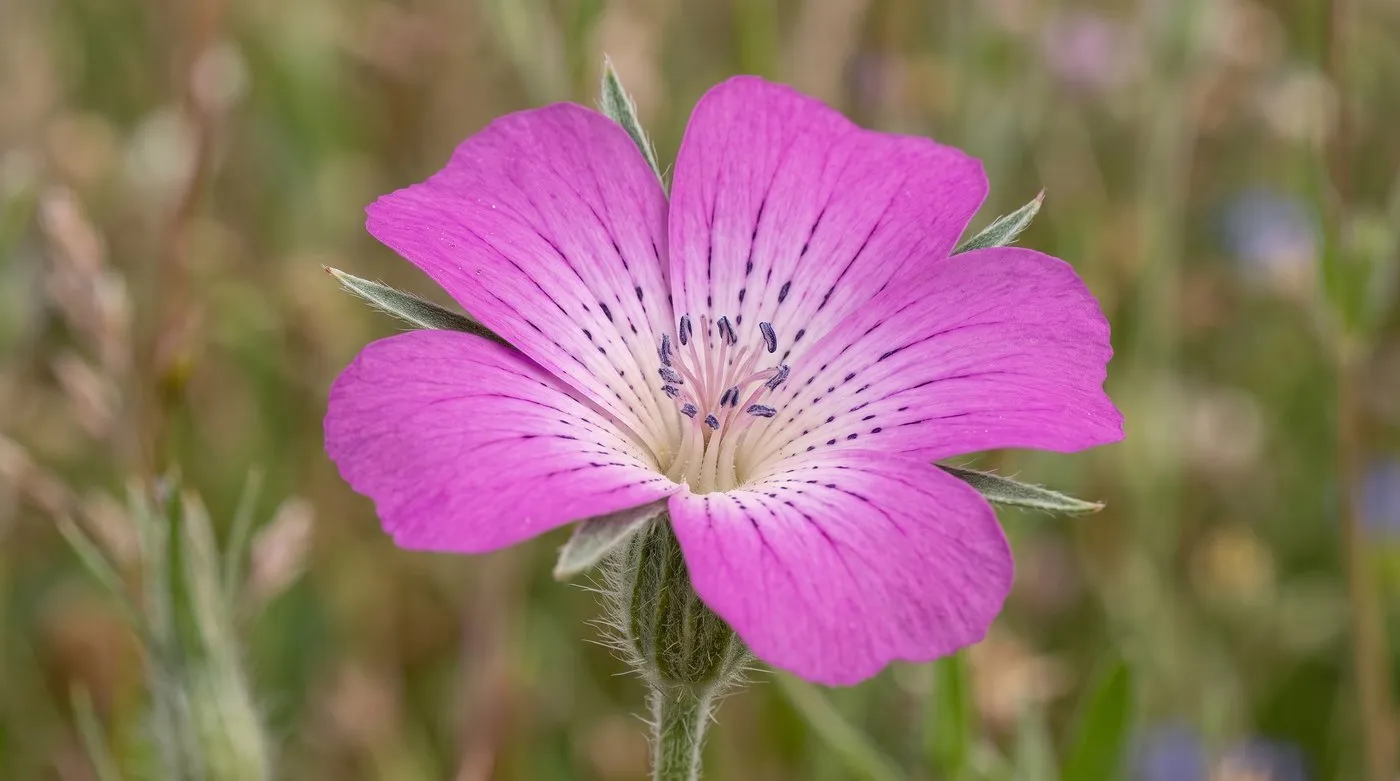
Look for the pencil-thin lines on each petal. They’re how you tell corncockle from a campion at a glance.
How to sow corncockle seed
Sow corncockle direct where it is to flower, either in September or from March to April. It doesn’t like root disturbance, so skip the seed trays if you can.
September sowings make the best plants. They sit through winter as small tufts and flower from early June. Spring sowings flower a few weeks later, into high summer.
- Pick a sunny patch and pull out weeds. Don’t add compost or manure.
- Rake the soil to a fine, crumbly surface.
- Make shallow drills about 1cm deep, or scatter the seed thinly over the patch.
- Space seeds roughly 5cm apart. The large dark seeds are easy to handle.
- Cover lightly, firm with the back of a rake and water if the soil is dry.
Seedlings usually appear within two to three weeks. Where slugs are bad, you can sow a few in modules and plant them out while they are still small. The guide to sowing hardy annuals direct covers the method step by step.
Safety note: Corncockle seed is poisonous if eaten. Keep packets and saved seed away from children and pets, and wash your hands after sowing. Don’t sow it in or next to a veg bed, where seed could get mixed into food.
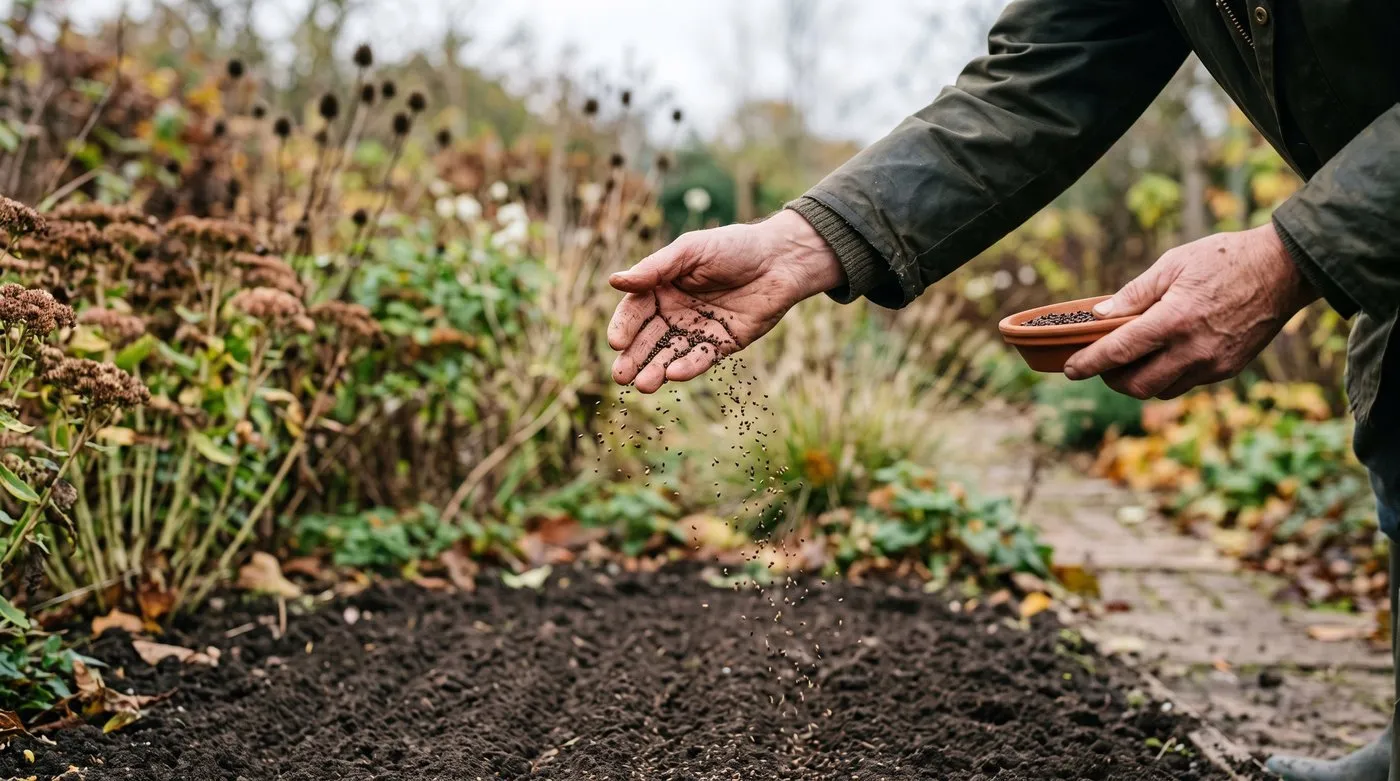
A September sowing like this gives the biggest, earliest plants. Scatter thinly and wash your hands afterwards.
Thinning and stopping floppy stems
Thin corncockle seedlings in two goes, first to about 10cm apart, then to a final 20-30cm. Crowded seedlings pull each other up thin and weak.
That final spacing is close on purpose. A dense patch of plants leans together and stays upright with little help. Pull thinnings by hand rather than hoeing, so you don’t disturb the ones you keep.
On a windy site, or if your soil is on the rich side, push twiggy pea sticks in among the young plants in May. Hazel or birch prunings about 50cm tall work well. The plants grow up through them and hide them by June. Letting corncockle lean into sturdier neighbours works too.
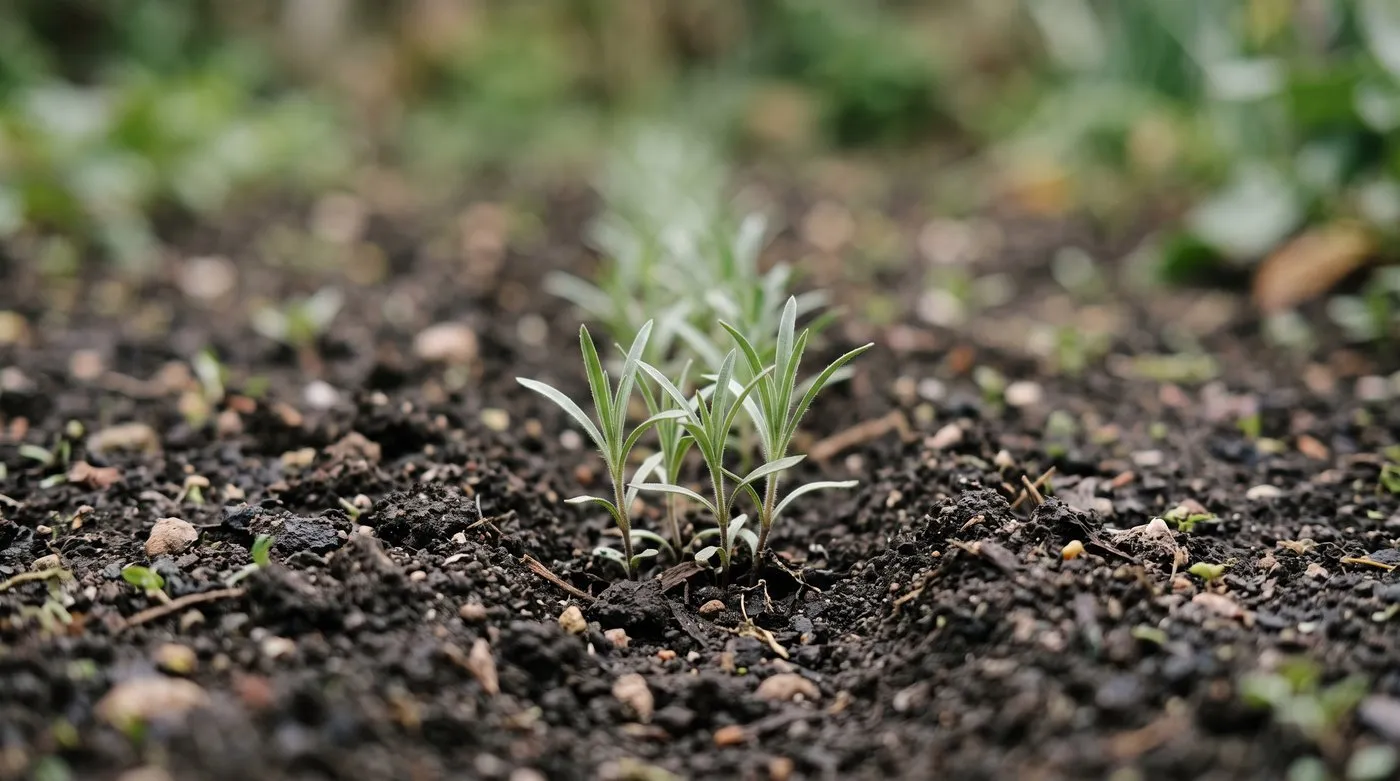
Young corncockle looks a bit like grass at first. Thin it in stages so each plant has room to bulk up.
Corncockle growing calendar
Corncockle has two sowing windows, so there is something to do in most months. Gardens in northern England and Scotland can run a couple of weeks behind.
| Month | What to do |
|---|---|
| January | Order seed. Autumn-sown plants sit tight |
| February | Firm in any seedlings lifted by frost |
| March | Spring sowing starts once the soil is workable |
| April | Finish spring sowing. Thin seedlings to 10cm |
| May | Thin to 20-30cm. Add pea sticks. Watch for slugs |
| June | Autumn-sown plants start flowering. Begin cutting |
| July | Peak flowering. Cut often to keep it going |
| August | Last flowers. Leave a few capsules to ripen for seed |
| September | Main autumn sowing. Collect ripe seed. Clear old plants |
| October | Autumn seedlings settle in. Keep the patch weeded |
| November | Little to do. Good drainage keeps seedlings sound |
| December | Plan next year’s cornfield mix |
Gardener’s tip: Sow a small second batch in March even if you sowed in September. It keeps flowers coming after the autumn-sown plants tire in late July.
Common corncockle problems
Corncockle is mostly trouble-free. The problems that do turn up usually come from the soil or the site, not pests.
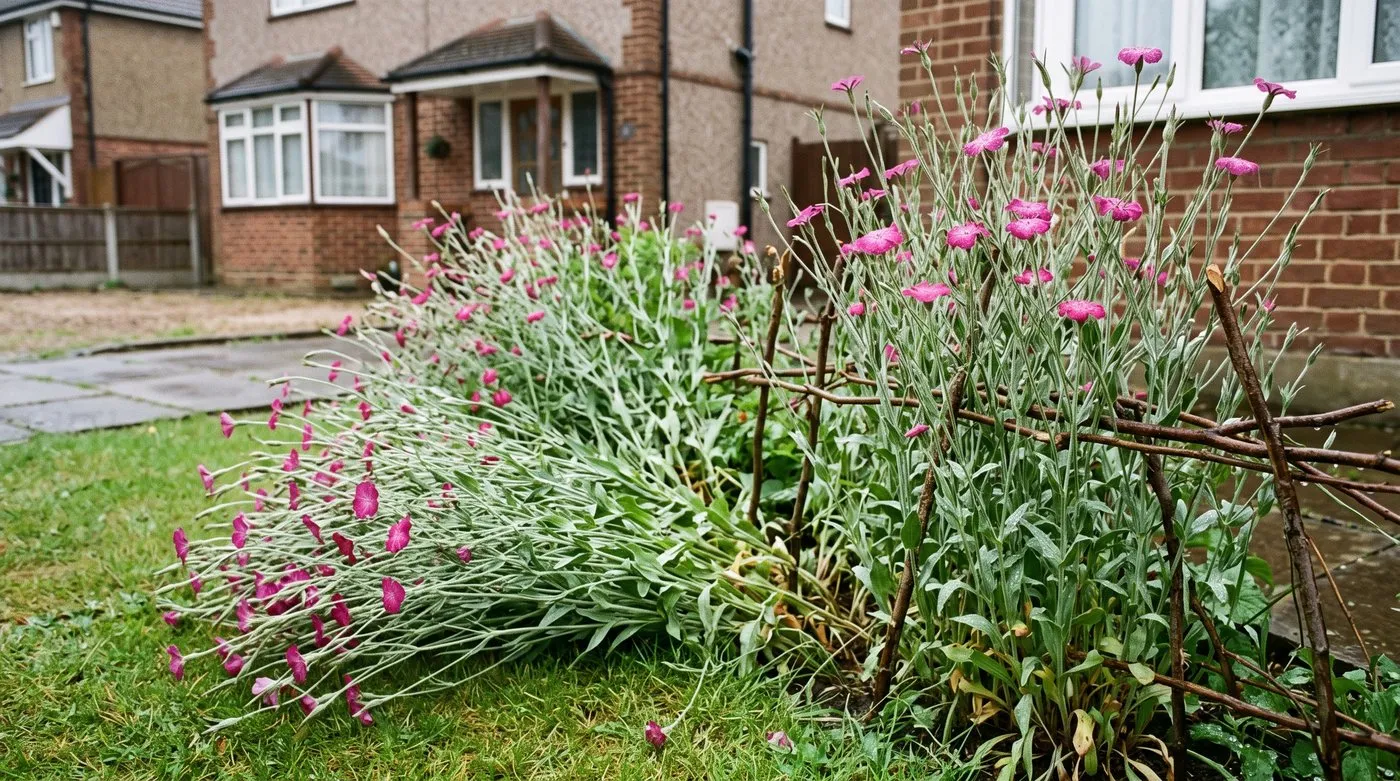
Same plants, same storm. The patch with pea sticks stayed upright, while the unsupported stems ended up on the lawn.
- Floppy stems: almost always rich soil or plants spaced too far apart. Stop feeding, thin to 20-30cm and add pea sticks early next time.
- Slugs on seedlings: soft young growth in a wet April or May is the danger time. The guide to getting rid of slugs has safe ways to protect them.
- Autumn seedlings rotting: heavy, wet soil over winter. Sow in spring instead on clay.
- Few flowers: usually too much shade or too much food. Move it to full sun and leave the feed out.
Cutting corncockle for the vase
Cut corncockle when the buds are showing colour or the first flower on the stem has just opened. Cutting early in the morning, when stems are full of water, helps them last.
Strip the lower leaves and stand the stems in cool water for a couple of hours before arranging. Expect about a week in the vase. Corncockle looks best in a loose jug with cornflowers, ammi and grasses, rather than a tight bunch. Keep vases out of reach of pets that like to nibble.
The more you cut, the more new flowers the plants send up. If you’re planning a whole cutting patch, the guide to growing cut flowers has more easy plants to grow alongside it.
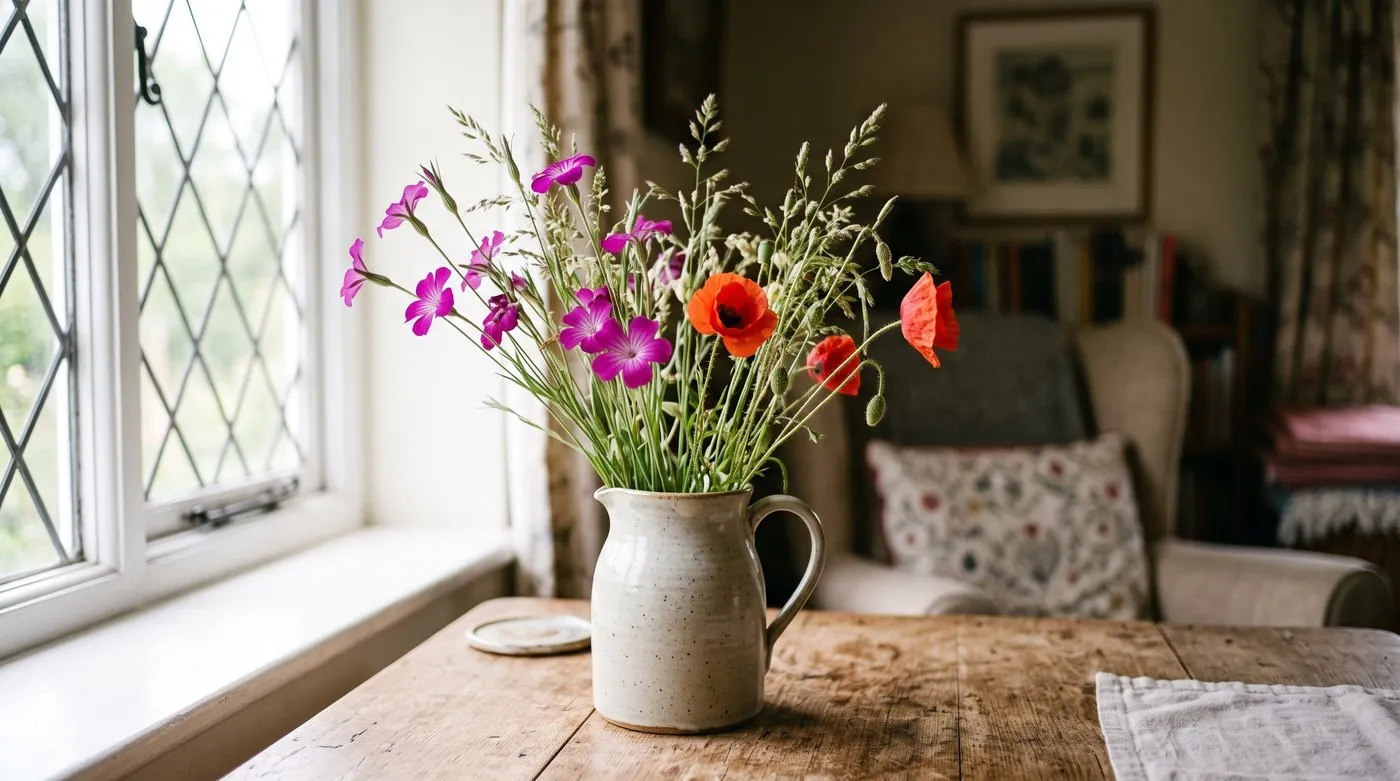
A loose jug suits corncockle’s wiry stems. Cut it with buds just showing colour for about a week indoors.
Saving corncockle seed
Corncockle seed ripens in August and September inside upright, papery capsules. Wait until the capsules turn straw-brown and the seeds inside are black.
Snip off the capsules on a dry day and tip the seed into a paper envelope. Gloves keep your hands clean of the seed, or simply wash them afterwards. Label the envelope clearly as poisonous and store it somewhere cool, dry and out of reach. The seed doesn’t keep its oomph for long, so sow it the following autumn or spring.
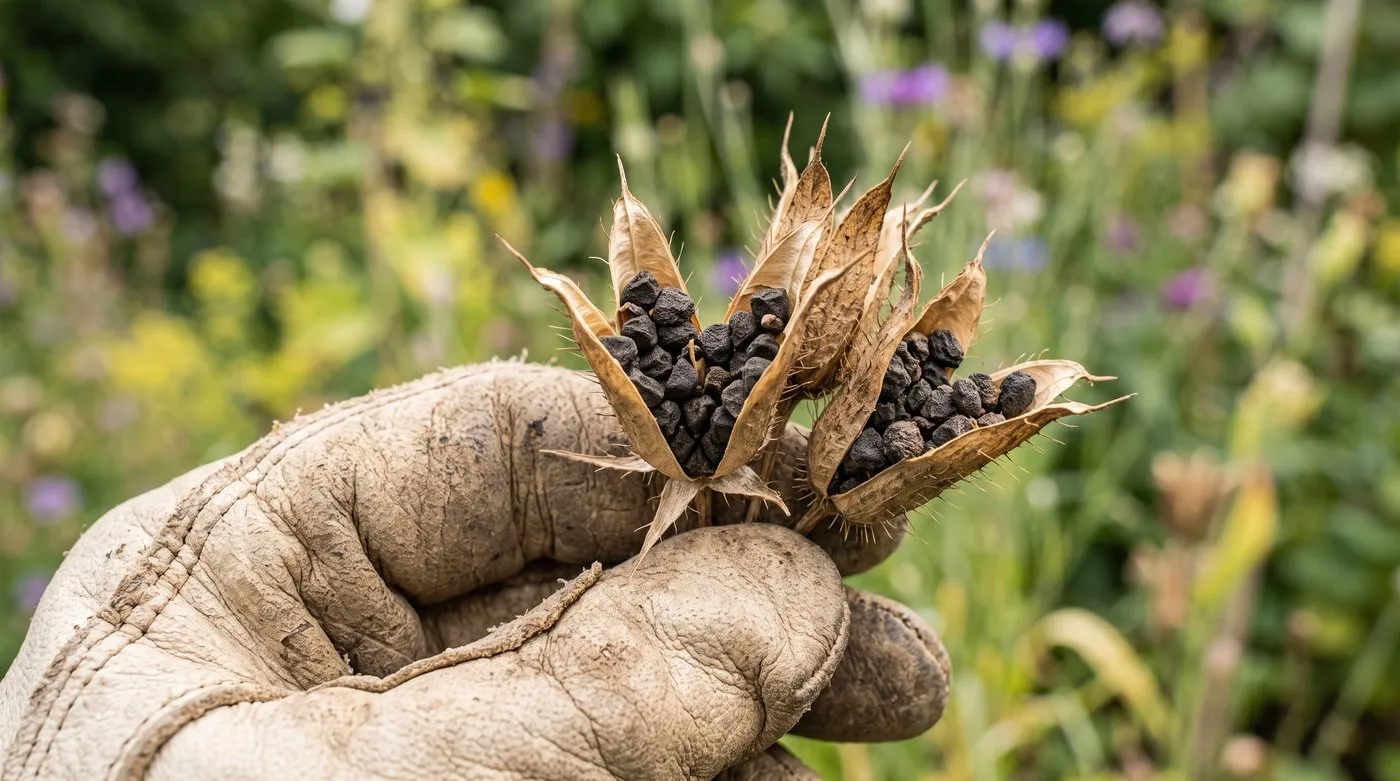
Ripe capsules turn brown and papery. The black seeds are the most poisonous part, so store them labelled and out of reach.
Growing corncockle with other cornfield flowers
Corncockle belongs to a group of cornfield annuals, the flowers that once grew among cereal crops. Grow it with field poppies, cornflowers and corn marigold for that classic summer cornfield look.
All four like disturbed, poor ground and flower together from June to August. Scatter a mix over a cleared, sunny patch in autumn or spring, rake it in and let it grow. Re-sow or lightly dig the patch each year, as cornfield annuals need bare soil to come back. The field poppy guide covers the red partner in more detail.
Bees, butterflies and hoverflies all visit, so corncockle earns its place in a mini meadow or a border full of bee-friendly plants. Find more easy flowers in the plants hub.

This is the look corncockle comes from. A sunny patch of poor soil at home can give you a small version.
Common mistakes with corncockle
- Feeding the soil. Rich ground gives soft plants that collapse. Leave out the compost and fertiliser.
- Spacing plants too far apart. Lonely plants have nothing to lean on. Thin to 20-30cm, no wider.
- Raising it in trays and moving it on. Root disturbance checks growth. Sow where it is to flower.
- Being careless with seed. Keep it away from children, pets and veg beds, and label any you save.
- Expecting it to come back on its own. It is an annual. Re-sow each year for a reliable show.
For other easy annuals that love the same sunny spot, try larkspur next.
Frequently asked questions
Is corncockle poisonous?
Yes, every part is poisonous if eaten, the seeds most of all. Keep seed packets and ripe capsules away from children and pets. Wash your hands after sowing or collecting seed, and never grow it where seed could end up in an edible crop.
When do you sow corncockle in the UK?
Sow it direct in September or from March to April. September sowings make bigger plants that flower from early June. Spring sowings flower a few weeks later. Sow where it is to flower, as seedlings don’t like being moved.
How tall does corncockle grow?
Corncockle grows 60-100cm tall on slender, wiry stems. Autumn-sown plants on poor soil stay sturdier. Rich soil pushes soft growth that flops after rain, so keep the ground lean and thin plants to 20-30cm apart.
Does corncockle come back every year?
No, it is an annual, so each plant dies after flowering. It may self-seed on bare ground, but the seed doesn’t last long in the soil. Save some seed in late summer and re-sow each year to keep it going.
Is corncockle a wildflower?
Yes, it was once a common weed of British cornfields. Cleaner crop seed and modern farming made it very rare in the wild. Today it is mostly seen in gardens and cornfield-annual seed mixes.
Is corncockle good as a cut flower?
Yes, it makes a light, airy cut flower for informal jugs. Cut stems when the buds show colour or the first flower has just opened. Expect about a week in the vase.
Our team produces practical UK gardening guidance from source research, contributor records and established horticultural practice. Editorial standards are overseen by Matt W.


