Key takeaways
- Sow poppy seed on the surface and press it in, as it needs light to sprout
- September sowing gives stronger plants that flower earlier than spring sowing
- Oriental poppies come back every year and give huge flowers in May and June
- Welsh poppies self-seed happily in shade and cope with almost any soil
- Himalayan blue poppies need acid soil, cool summers and steady moisture
- Poppies hate being moved, so sow them where you want them to flower
Poppies are some of the easiest and happiest flowers you can grow in a UK garden. From scarlet field poppies to the huge, silky blooms of oriental types, there’s a poppy for almost every spot, even deep shade and acid soil.
What types of poppies can you grow in the UK?
There are five main groups, each suited to different spots.
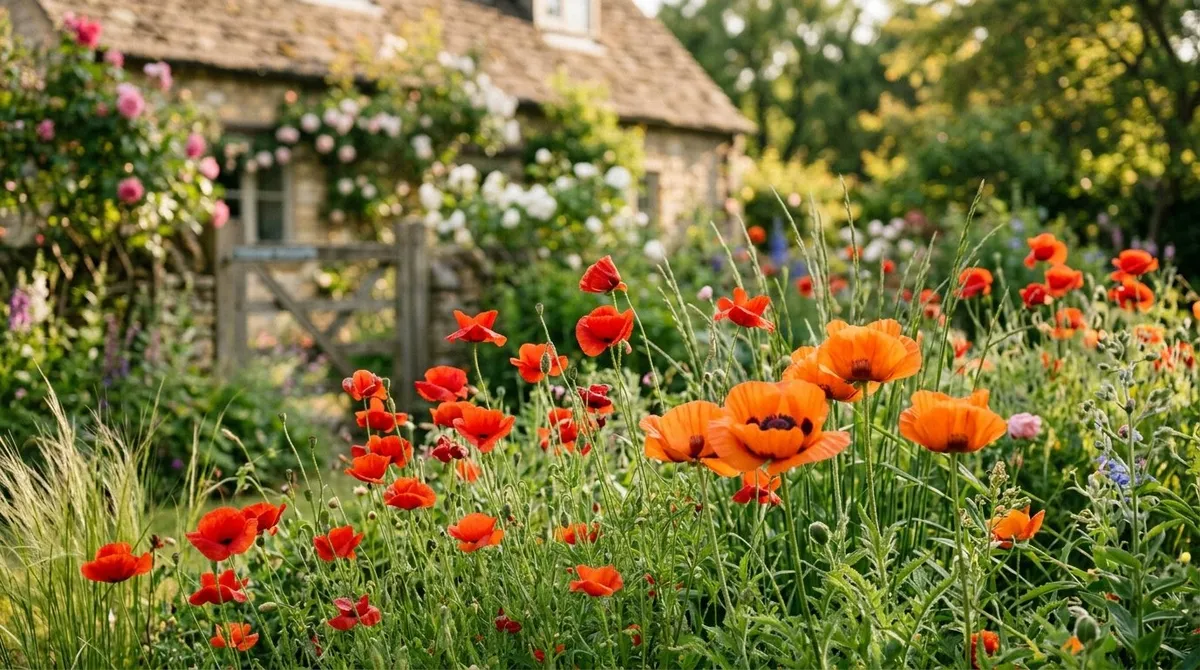
Field poppies (Papaver rhoeas) are the classic scarlet wildflowers of the British countryside. They’re hardy annuals that self-sow so freely they come back every year. They sprout in a couple of weeks and flower a couple of months later. The RHS poppy guide rates them as great for beginners. The Shirley series adds soft pinks, salmon and white to the original red.
Oriental poppies (Papaver orientale) have the biggest flowers, up to 20cm across on stems up to 90cm tall. They’re fully hardy perennials that come back for years. They flower in May and June, then the leaves die down by August. Plant late perennials like Japanese anemones nearby to fill the gap.
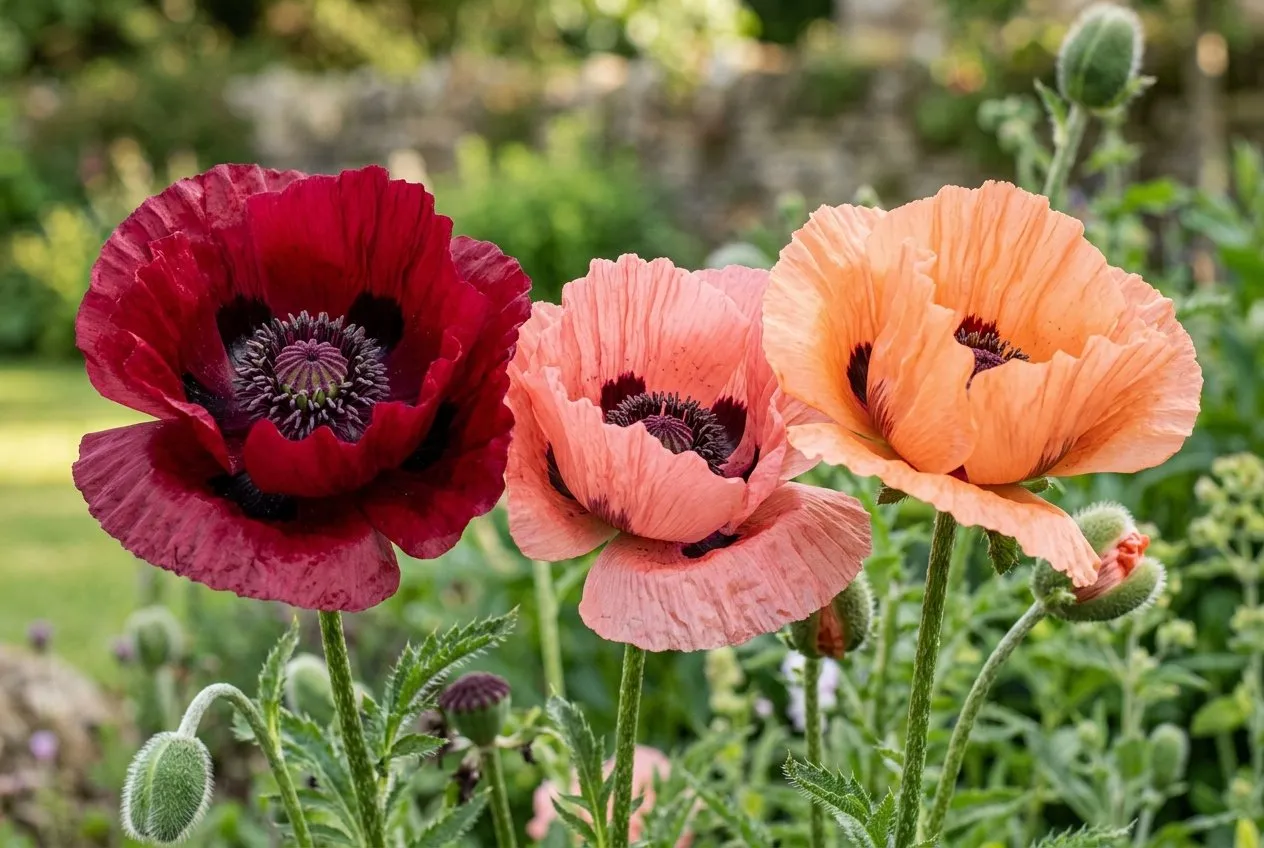 Oriental poppies come in everything from near-black crimson to pure white.
Welsh poppies are native shade-lovers with yellow or orange flowers from May to September. They cope with heavy clay, chalk, dry shade and a bit of neglect. They’re perfect for spots where most flowering plants struggle.
Himalayan blue poppies (Meconopsis) have sky-blue petals with golden centres. They need acid soil, cool moist conditions and dappled shade. They do brilliantly in Scotland and northern England but find the south harder going.
Iceland poppies (Papaver nudicaule) usually behave as biennials here, flowering the spring after sowing in yellow, orange, white and pink on wiry stems. They suit gravel gardens and pots but don’t live long.
How to sow poppy seeds
Scatter poppy seed on bare, raked soil and don’t cover it. The seeds are tiny and need light to sprout. Even a thin covering of soil stops most of them.
Autumn sowing (September to October)
Autumn is the best time. The winter chill wakes the seed up, giving strong plants that flower earlier than spring sowings.
- Rake the soil to a fine crumb in full sun
- Mix the seed with dry silver sand, about 1 part seed to 10 parts sand
- Scatter evenly and firm with the back of a rake or your boot
- Water once with a fine rose. Don’t cover with soil or mulch
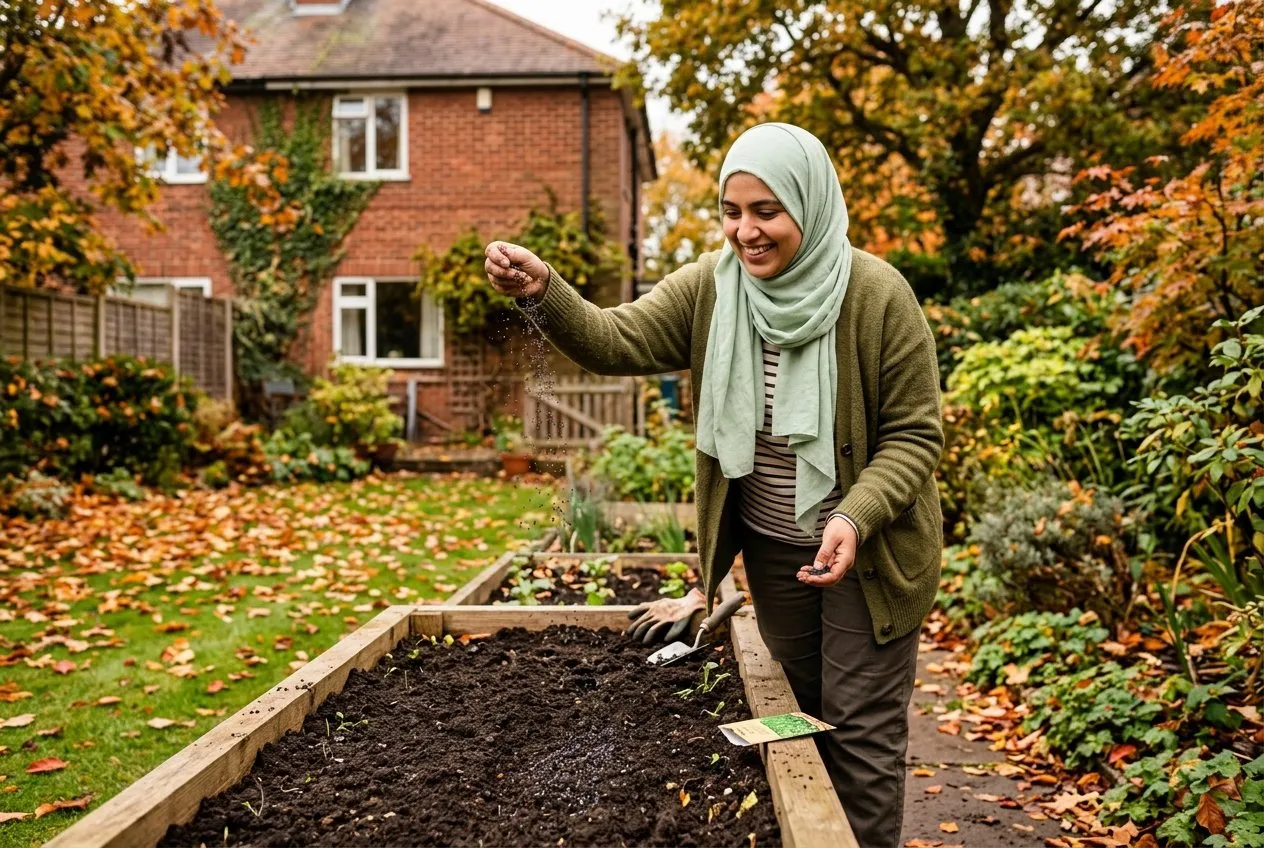 Mixing poppy seed with silver sand stops you sowing too thickly.
Spring sowing (March to April)
Spring works for all types. Sow as soon as the soil is workable in March. Of all the annual flowers from seed, poppies are one of the quickest. Spring-sown field poppies flower from mid-July.
For Himalayan blue poppies, sow in a cold frame in February on the surface of moist ericaceous compost. Cover with glass and keep cool, at 10-15°C. They’re slow and patchy to come up, so allow 4-8 weeks.
Sowing rates and spacing
| Poppy type | How to sow | Thin to |
|---|---|---|
| Field poppy | Scatter thinly where they’ll flower | 15-20cm |
| Oriental poppy | Scatter thinly, or buy plants | 40-50cm |
| Welsh poppy | Scatter thinly in shade | 20-30cm |
| Himalayan blue | Sow in pots under cover | Pot up singly |
| Iceland poppy | Scatter thinly in sun | 20-25cm |
Which poppy varieties to grow
Best field poppy varieties
| Variety | Colour | Height | Flowers | Notes |
|---|---|---|---|---|
| Wild field poppy | Scarlet | 45-60cm | June to July | The original. Self-sows freely |
| ’Shirley Single Mixed’ | Pink, salmon, white | 50-60cm | June to August | Soft, silky petals |
| ’Shirley Double Mixed’ | Pink, red, two-tone | 50-60cm | June to August | Frilly doubles, good for cutting |
| ’Mother of Pearl’ | Grey, lilac, mauve | 40-50cm | June to July | Subtle, lovely in drifts |
| ’Amazing Grey’ | Smoky grey | 50-60cm | June to July | Striking with grasses |
Best oriental poppy varieties
| Variety | Colour | Height |
|---|---|---|
| ’Beauty of Livermere’ | Deep crimson | Tall (90-120cm) |
| ‘Patty’s Plum’ | Plum purple | Medium (75-90cm) |
| ‘Princess Victoria Louise’ | Salmon pink | Medium (80-90cm) |
| ‘Royal Wedding’ | White, black blotch | Medium (70-80cm) |
| ‘Harvest Moon’ | Deep orange | Medium (80-90cm) |
| ‘Black and White’ | White, black centre | Medium (75-85cm) |
How to care for poppies through the year
Field poppies need nothing once they’re up. Don’t feed them, as feeding gives floppy plants with few flowers. Deadhead to keep them flowering, or leave the seed heads to self-sow.
Oriental poppies need a little more care. In spring, mulch with 5cm of compost around the shoots, keeping it off the crown. Put supports in early, in April, as the heavy stems snap once they flop.
After flowering in June, the leaves yellow and die back. Cut them to the ground in July, and fresh leaves appear in September. Divide crowded clumps every 4-5 years, making sure each piece has a few growing buds and a good bit of fleshy root.
Welsh poppies look after themselves. Just pull up seedlings where you don’t want them, and deadhead before the pods ripen if you want to keep them in check.
Can you grow Himalayan blue poppies in southern England?
It’s tricky south of the Midlands. They need acid soil, steady moisture and cool shade. In the warmer south-east they often flower once and die.
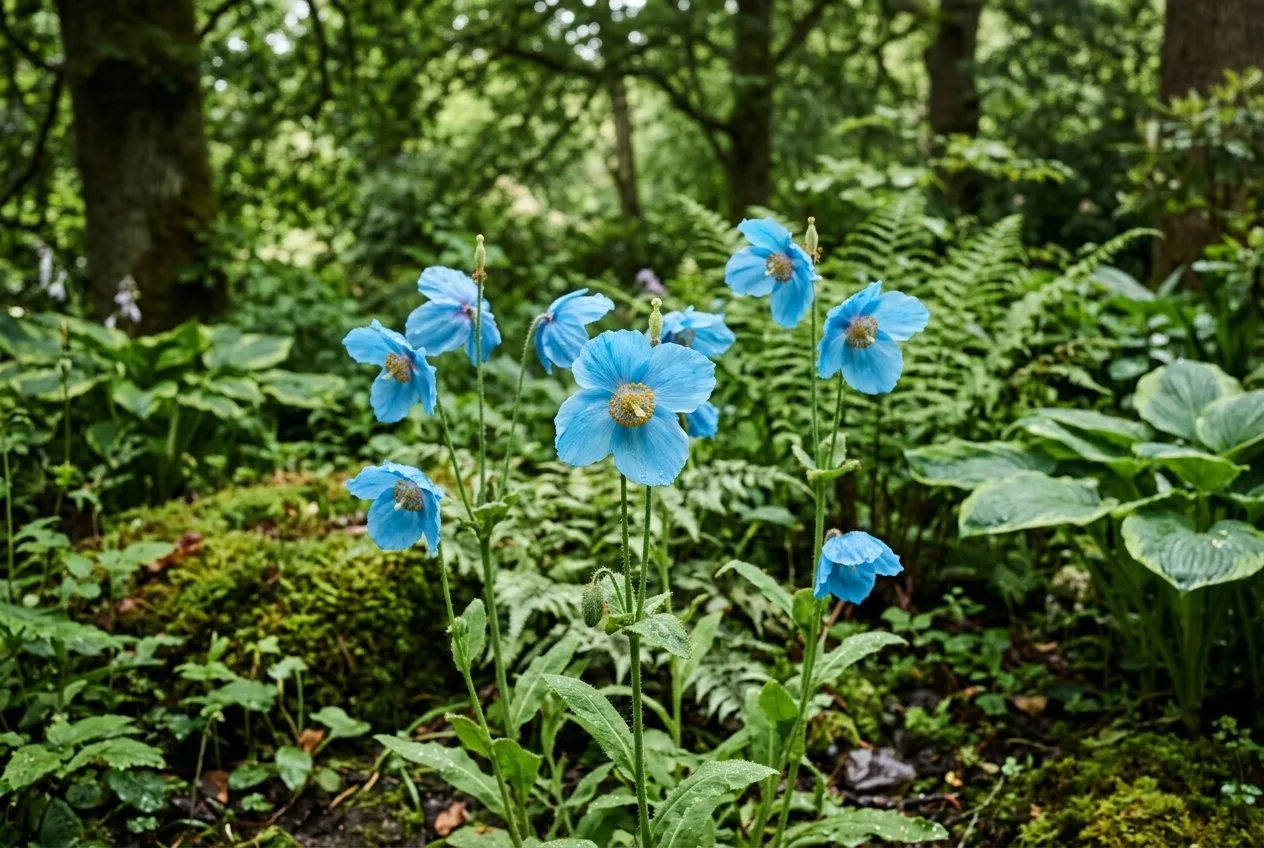 Himalayan blue poppies love cool, moist, acid woodland conditions.
Meconopsis ‘Lingholm’ is one of the most reliable blue poppies for UK gardens. It’s a long-lived perennial rather than flowering once and dying, and it can be grown from seed. Plant in groups of 3-5, 30-40cm apart.
What to plant with poppies
Timing is the secret. Oriental poppies leave a gap from July, so plant late-season flowers around them.
For cottage garden borders: Pair oriental poppies with lupins, delphiniums and hardy geraniums. The geraniums spread out to fill the gap when poppy leaves die back.
For wildflower areas: Scatter field poppies with ox-eye daisies, cornflowers and field scabious. Bees love the open flowers, so poppies are a lovely addition to any pollinator-friendly patch.
For shady corners: Welsh poppies look great with ferns, foxgloves and aquilegias under trees.
Common poppy problems and how to fix them
| Problem | Cause | Fix |
|---|---|---|
| Seeds don’t come up | Buried too deep | Sow on the surface, press in, don’t cover |
| Floppy, leggy stems | Too much shade or feed | Move to full sun, stop feeding |
| Yellow blotches, grey fuzz under leaves | Downy mildew | Improve airflow, remove affected plants |
| Buds drop before opening | Dry roots or greenfly | Water in dry spells, check for greenfly |
| Plants die after flowering | Normal for annuals | Let them self-seed, or grow oriental types |
| Crown rot | Wet soil in winter | Improve drainage, add grit at planting |
| Greenfly or blackfly on stems | Aphids in spring | Squash by hand, hose off, let ladybirds help |
If you ever need a spray, use an approved product exactly as the label says.
Pets and the law: poppies can make cats and dogs ill, and the seed pods are the worst part, so keep pets away from them. The opium poppy, Papaver somniferum, is fine to grow as an ornamental, but processing it is illegal. Our breadseed poppy guide explains where the law draws the line.
For your next poppy project, scatter field poppies with cornflowers and ox-eye daisies in a wildflower patch. It’s the cheapest way to fill a big space with colour from one autumn sowing.
Frequently asked questions
When is the best time to sow poppy seeds in the UK?
September is the best month for sowing poppies. Seed sown in autumn gets a winter chill, which wakes it up and gives stronger plants that flower earlier. Field and oriental poppies both do well from a September sowing. March sowing works too, but they’ll flower later.
Do poppies come back every year in the UK?
It depends on the type. Oriental poppies are perennials that come back from the same roots for many years. Field poppies are annuals but self-sow so freely they pop up every year. Welsh poppies are short-lived but self-seed too. Iceland poppies usually flower once and die.
Why are my poppies not germinating?
Usually the seed has been buried too deep. Poppy seeds are tiny and need light to sprout, so even a thin layer of soil stops them. Scatter on raked ground and press in without covering. Waterlogged soil, old seed and sowing in hot summer weather can also cause problems.
Can I grow Himalayan blue poppies in the UK?
Yes, in the right spot. They need acid soil, steady moisture, cool summers and dappled shade. They love Scotland, northern England and sheltered Welsh gardens. In the warmer south-east they often struggle. Plant in a mix of ericaceous compost and leaf mould, and mulch to keep the roots cool.
How do I stop poppies spreading too much?
Deadhead before the seed pods ripen and split. Cut the stems right down as soon as the petals drop. Pull up unwanted Welsh poppy seedlings when small, as they come out easily. Leave just a few pods per plant for a natural, controlled spread.
Are poppies poisonous to pets?
Yes, poppies can upset cats and dogs if eaten. Oriental poppies can cause sickness, drooling and drowsiness. The seed pods are the most toxic part. Keep pets away from them, and call your vet if a pet eats poppy leaves or seed heads.
What soil do poppies need?
Most poppies like well-drained soil in full sun. Field and oriental poppies are happiest in poor soil, as rich soil gives lots of leaves and fewer flowers. They cope with clay, chalk, sand and loam if it drains. Himalayan blue poppies are different and need moist, acid soil rich in leaf mould. Welsh poppies grow almost anywhere.
Our team produces practical UK gardening guidance from source research, contributor records and established horticultural practice. Editorial standards are overseen by Matt W.